Introduction
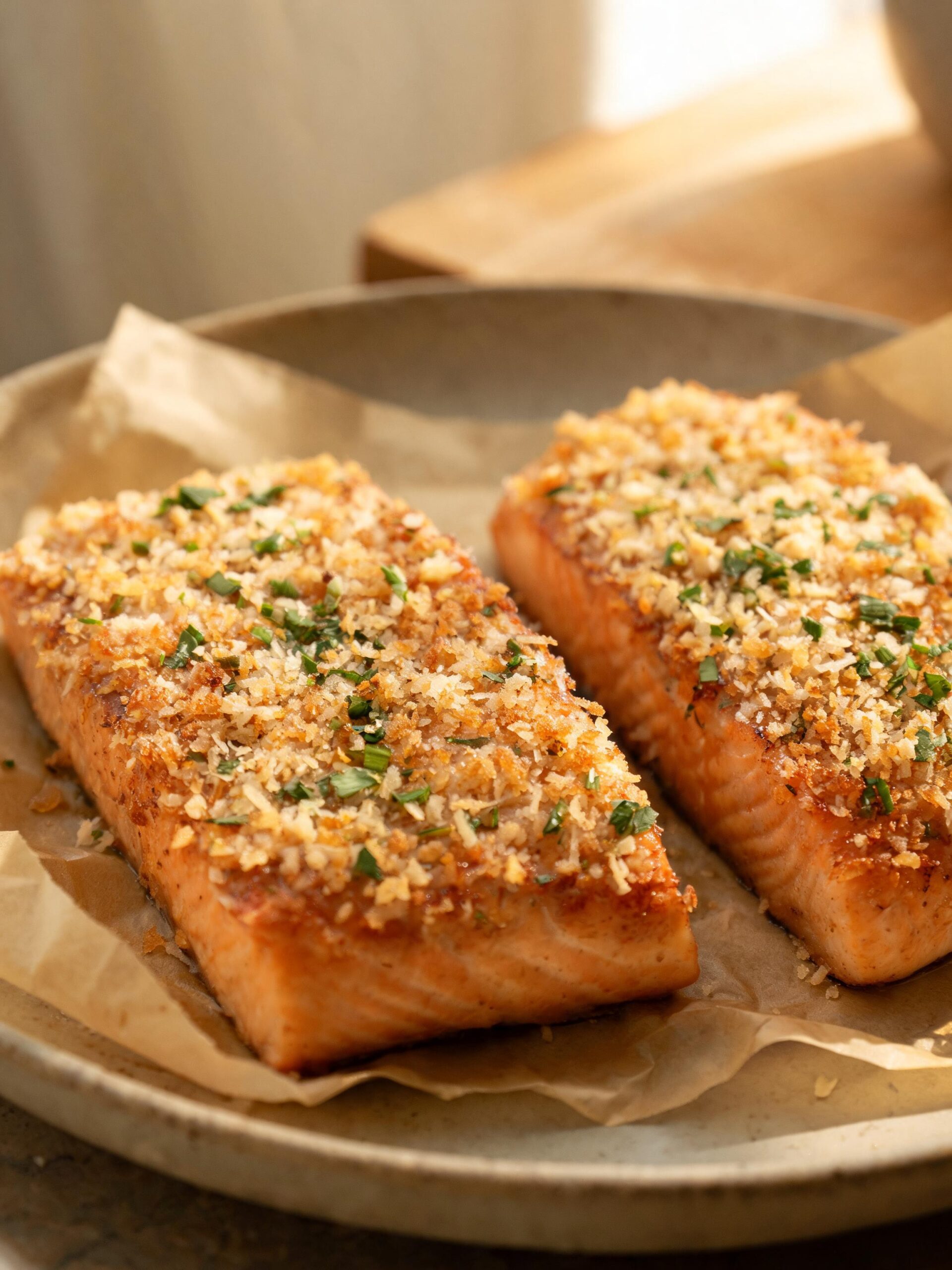
After two decades behind the line in professional kitchens, I can tell you that when it comes to versatile, crowd-pleasing seafood, it’s tough to beat a good salmon fillet. But let’s be honest, many home cooks get stuck in a rut, often forgetting that salmon is great for more than just fillets—it’s also fantastic for making things like healthy salmon patties. That’s why I’m sharing one of the most requested baked salmon recipes from my repertoire: Parmesan Crusted Baked Salmon. This isn’t your average, bland baked fish. This recipe creates a fish that is incredibly moist and flaky on the inside with a savory, crispy, golden-brown crust on top that provides the perfect textural contrast. It’s the kind of dish that looks and tastes like it came from a high-end restaurant but is shockingly simple to pull off on a Tuesday night. Forget everything you think you know about dry, boring baked fish. This is one of those foundational baked salmon recipes that will change how you cook seafood at home.
Why You’ll Love This Recipe
- Restaurant-Quality Flavor, Minimal Effort: The combination of nutty Parmesan, garlic, fresh herbs, and a hint of lemon creates a deeply savory crust that feels gourmet. The secret, however, is that the topping takes less than five minutes to mix together. It’s a high-impact, low-effort meal.
- Perfectly Cooked, Every Single Time: The Parmesan and panko crust does more than just add flavor and texture; it creates an insulating barrier that protects the salmon from the oven’s direct heat. This helps lock in moisture, gently steaming the fish from the top down and making it incredibly difficult to overcook. You get a foolproof, tender result.
- Fast and Family-Friendly: From prep to plate, this dish is ready in under 30 minutes, making it a champion for busy weeknights. The flavor profile is sophisticated enough for adults but cheesy and crunchy enough that even picky eaters will clean their plates. It’s a win-win for the whole family.
Ingredients List
The quality of your final dish is a direct result of the quality of your ingredients. For seafood, this is non-negotiable. Here’s what you’ll need and why each component is critical.
For the Salmon:
- Salmon Fillets: 4 (6-ounce) fillets, about 1 to 1.5 inches thick. The type of salmon matters. For this recipe, I prefer a fattier variety like King (Chinook) or Atlantic salmon, as their higher oil content keeps them exceptionally moist. Coho or Sockeye will also work beautifully but will be a bit leaner. If possible, ask for center-cut fillets for even thickness and cooking.
- Olive Oil: 1 tablespoon. Just a light coating for the baking sheet to prevent sticking.
- Kosher Salt: ½ teaspoon. For seasoning the fillets directly before the topping goes on.
- Black Pepper: ¼ teaspoon, freshly cracked. The fresh crack makes a world of difference compared to pre-ground dust.
For the Parmesan Topping:
- Mayonnaise: ¼ cup. This is my secret weapon. Don’t skip it. Mayonnaise is an emulsion of oil and egg, which provides the perfect fat and binding power to hold the crust together while keeping the salmon underneath incredibly moist. Use a full-fat, quality brand like Duke’s or Hellmann’s.
- Panko Breadcrumbs: ½ cup. Panko are Japanese-style breadcrumbs that are lighter and flakier than traditional breadcrumbs. They absorb less oil, resulting in a much crispier, crunchier crust. Do not substitute with fine, sandy Italian breadcrumbs.
- Parmesan Cheese: ½ cup, freshly grated. You must grate your own from a block. Pre-shredded Parmesan contains anti-caking agents like cellulose that prevent it from melting smoothly, resulting in a greasy, separated topping. A block of Parmigiano-Reggiano is worth the investment.
- Fresh Parsley: 2 tablespoons, finely chopped. Adds a bright, fresh, peppery note that cuts through the richness of the cheese and mayo.
- Garlic: 2 cloves, minced. Use fresh garlic, not the stuff from a jar. The flavor is cleaner and more potent.
- Lemon Zest: 1 teaspoon. Zest contains the lemon’s essential oils and provides a bright citrus aroma and flavor without the acidity of the juice, which can start to ‘cook’ the fish (like in ceviche).
- Melted Unsalted Butter: 2 tablespoons. This adds richness and helps the panko toast to a beautiful golden brown in the oven.
Step-by-Step Instructions
- Preheat and Prep: Position a rack in the center of your oven and preheat to 400°F (200°C). Line a baking sheet with parchment paper or foil for easy cleanup. Lightly brush the parchment with olive oil to ensure the salmon skin (if you leave it on) doesn’t stick.
- Prepare the Salmon: Pat the salmon fillets completely dry with paper towels. This step is crucial for getting a good texture and helping the topping adhere. Arrange the fillets on the prepared baking sheet, leaving at least 2 inches of space between each one. Season each fillet evenly with the kosher salt and black pepper.
- Mix the Topping: In a medium bowl, combine the mayonnaise, panko breadcrumbs, freshly grated Parmesan, chopped parsley, minced garlic, and lemon zest. Pour in the melted butter and mix with a fork until the mixture is well-combined and resembles coarse, damp sand.
- Apply the Crust: Divide the Parmesan mixture evenly among the four salmon fillets. Gently press the topping onto the surface of the salmon, creating a thick, even layer. Don’t be shy; pack it on.
- Bake to Perfection: Transfer the baking sheet to the preheated oven. Bake for 15-20 minutes. The exact time will depend on the thickness of your fillets. The salmon is done when the topping is golden brown and crispy, and the fish flakes easily when gently prodded with a fork at its thickest part. An instant-read thermometer should register 135°F to 140°F for a perfect medium.
- Rest and Serve: Remove the salmon from the oven. Let it rest on the baking sheet for 3-5 minutes before serving. This allows the juices to redistribute throughout the fillet. Serve immediately with lemon wedges on the side.
Chef’s Pro Tips for Success
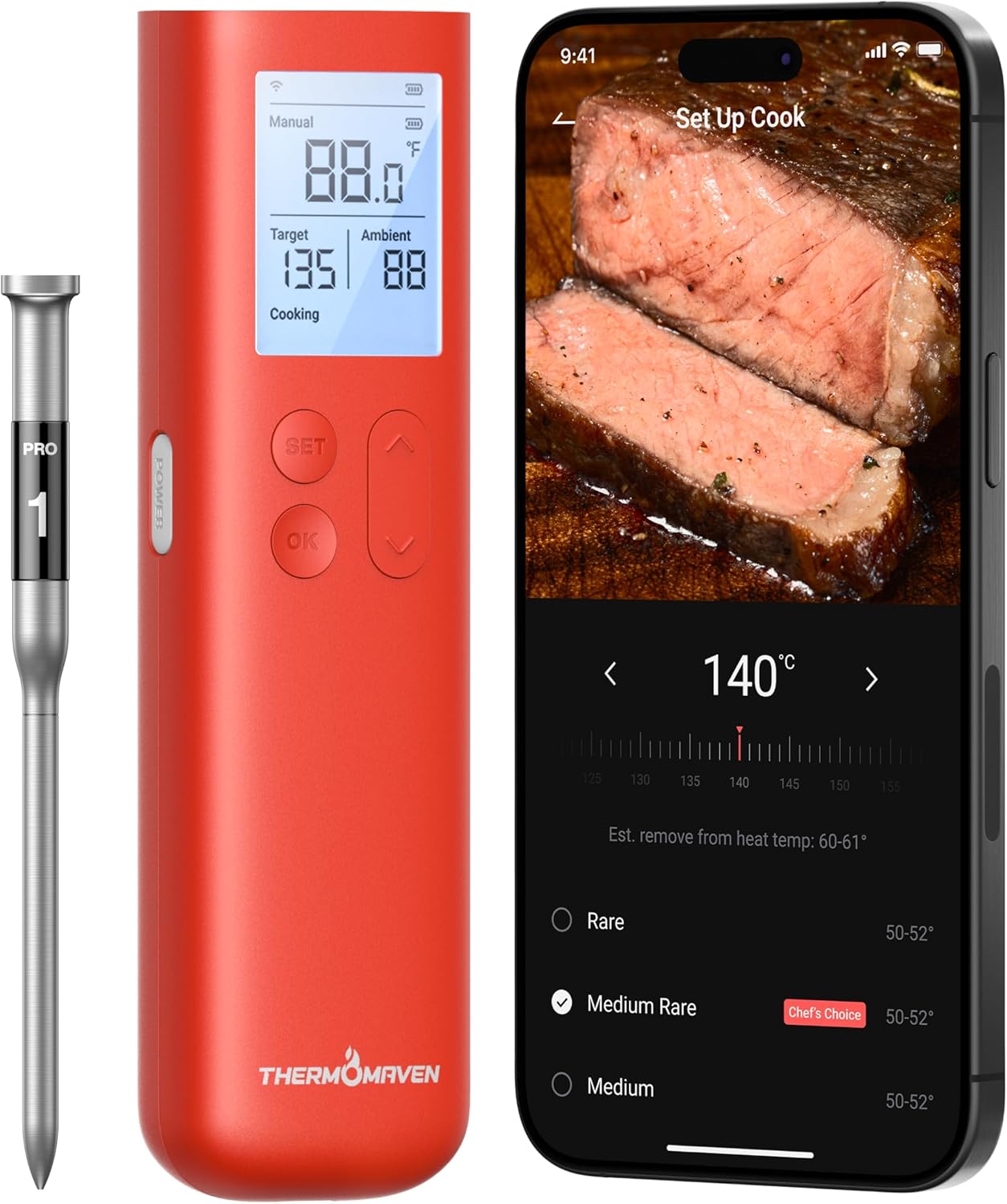
I’m about to give you my best tips, but if there’s one piece of gear that makes the biggest difference, it’s a reliable instant-read thermometer. The line between perfectly flaky salmon and dry, chalky disappointment is razor-thin—we’re talking a matter of degrees. To completely eliminate the guesswork and nail that target 135°F every single time, I rely on a smart wireless thermometer. It allows me to monitor the fish without even opening the oven door, guaranteeing a perfect pull and restaurant-quality results.
If you’re ready to stop worrying about overcooked fish for good, this is the tool you need. Click here to check out the thermometer I trust in my own kitchen.
ThermoMaven Smart Wireless Meat Thermometer
✓ prime
We earn a commission if you make a purchase, at no additional cost to you.
After cooking thousands of pounds of salmon, you learn a few things. These are the non-negotiable techniques that separate good salmon from great salmon.
- The 15-Minute Dry Brine: Before you even think about putting the topping on, pat your salmon dry and season it with salt. Let it sit at room temperature for 15 minutes. You’ll see moisture bead up on the surface. Pat it dry one more time. This quick dry brine seasons the fish from the inside out and, more importantly, draws out surface moisture. This results in a firmer flesh and prevents the dreaded white albumin from seeping out excessively during cooking.
- Embrace Room Temperature Fish: Never cook salmon straight from the fridge. A freezing cold fillet hitting a hot oven will cook unevenly, leaving the outside overdone while the inside is still raw. Let the salmon sit on the counter (after the dry brine) for another 15-20 minutes. This allows the fish to cook more gently and evenly from edge to center.
- The Mayo Binder is Non-Negotiable: Many recipes use just butter or oil, but mayonnaise is the superior binder for a crust. It’s an emulsion, meaning it has both fat (oil) and water (from the egg yolk and vinegar). This unique structure provides fat for browning and moisture to keep the topping from becoming dry, all while its binding properties hold the panko and cheese in a perfect crust. It’s a culinary cheat code.
- Calibrate Your Oven for a True 400°F: Most home ovens are inaccurate, sometimes by as much as 50 degrees. A true 400°F is the sweet spot for this recipe. It’s hot enough to crisp the crust quickly but not so hot that it obliterates the delicate salmon underneath. Invest in a cheap oven thermometer. You’ll be surprised at the difference it makes in all your cooking.
- Finish with the Broiler (Carefully!): If your crust isn’t as golden as you’d like when the fish is perfectly cooked, don’t be afraid to use the broiler. Switch the oven to a high broil and cook for 60-90 seconds, watching it like a hawk. The panko and Parmesan can go from golden to burnt in a matter of seconds. This final blast of intense heat delivers a restaurant-level crispy finish. This is one of my favorite tricks for excellent baked salmon recipes.
Common Mistakes to Avoid
I’ve seen these simple mistakes ruin countless beautiful pieces of fish. Here’s what to watch out for.
- The Soggy Bottom Epidemic: This happens for two reasons: not patting the salmon dry enough and placing it on an un-oiled surface. Moisture is the enemy of crispiness. When you place a wet fillet on a pan, it steams from the bottom up. Always pat it bone-dry with paper towels, and make sure your parchment or foil has a light film of oil. For an even more foolproof method, place the salmon on a wire rack set inside the baking sheet.
- Baking the Life Out of It: The single greatest sin in seafood cookery is overcooking. Salmon should be slightly translucent and pink in the very center when you pull it from the oven; it will finish cooking from residual heat as it rests. Look for the visual cue: the muscle fibers will just start to separate and flake. If you see a ton of white gunk (albumin) leaking out, you’ve gone too far. Trust an instant-read thermometer inserted into the thickest part—pull it at 135°F.
- The Pre-Grated Parmesan Problem: I mentioned this in the ingredients, but it bears repeating. That bag of pre-shredded cheese is coated in powders like cellulose to prevent clumping. These additives inhibit melting. Instead of a cohesive, golden crust, you’ll get a greasy, spotty topping where the oil separates from the cheese solids. Buy a wedge and grate it yourself. It takes 30 seconds and makes all the difference.
- Crowding the Pan: Roasting is a dry-heat cooking method. If you cram the fillets together on the baking sheet, you trap steam. Instead of roasting, the salmon will steam in its own juices, leading to a soft, pale crust and a less desirable texture. Always give each fillet at least two inches of breathing room so the hot air can circulate freely. Use two pans if you have to. This principle applies to all great baked salmon recipes.
Variations and Serving Ideas
Once you master the base recipe, it becomes a canvas for creativity. This is one of those baked salmon recipes that you can easily adapt.
- Spice Variations: Add ½ teaspoon of smoked paprika to the topping for a smoky depth. A ¼ teaspoon of cayenne pepper or a pinch of red pepper flakes will add a gentle, warming heat that pairs wonderfully with the rich fish.
- Herb Swaps: While parsley is classic, don’t hesitate to experiment. Finely chopped fresh dill is a natural partner for salmon. Fresh chives can add a delicate oniony note. In the fall, finely minced fresh thyme or rosemary can create a cozier, more robust flavor profile.
- Nutty Crunch: For an extra layer of texture and flavor, add ¼ cup of finely chopped nuts like walnuts, pecans, or almonds to the panko mixture. Toast them lightly in a dry skillet beforehand to awaken their flavor.
- Citrus Boost: In addition to lemon zest, try adding the zest of an orange or a lime to the topping for a different citrusy angle. It completely changes the character of the dish in a delightful way.
What to Serve With
This rich, savory salmon pairs best with sides that are either fresh and acidic to cut the richness, or simple and starchy to soak up the flavor.
- Vegetables: The easiest pairing is to roast vegetables on the same pan. Asparagus, broccoli florets, or green beans tossed in a little olive oil, salt, and pepper can be added to the pan for the last 10-12 minutes of cooking. A simple arugula salad with a sharp lemon vinaigrette is also a perfect counterpoint.
- Starches: Creamy garlic mashed potatoes, a fluffy wild rice pilaf, or simple lemon-herb couscous are all excellent choices. These sides are versatile enough to work with other flavor profiles too, like our popular Soy Ginger Baked Salmon. For a healthier option, serve it alongside roasted sweet potato wedges or a bed of quinoa.
- Wine Pairing: You want a wine with good acidity to cut through the fat of the salmon and cheese. A crisp Sauvignon Blanc from New Zealand is a classic choice. A dry, unoaked Chardonnay or an Italian Pinot Grigio would also be fantastic. If you prefer red, stick to something very light-bodied with low tannins, like a Pinot Noir from Oregon.
Storage and Reheating
Leftover salmon can be tricky, but if you handle it correctly, it can still be delicious the next day.
- Storage: Allow the salmon to cool completely to room temperature. This prevents condensation from forming in the storage container, which would make the crust soggy. Store it in an airtight container in the refrigerator for up to 3 days.
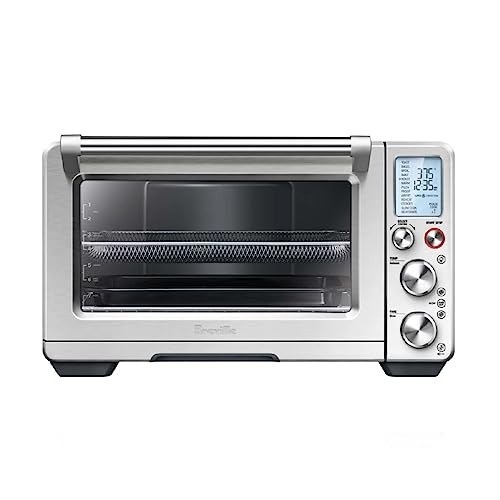
- Reheating: The microwave is the enemy of leftover salmon; it will overcook the fish and make the crust rubbery. The best method is to use the oven or a toaster oven. Preheat it to a low 275°F (135°C). Place the salmon on a baking sheet and heat for 10-15 minutes, or until just warmed through. This low-and-slow method prevents it from drying out. If the crust needs re-crisping, you can pop it under the broiler for 30-60 seconds at the very end.
- Enjoying Cold: Don’t underestimate leftover cold salmon. Flake it over a salad for a fantastic lunch, or mix it with a little Greek yogurt and dill to make a quick salmon salad for sandwiches or crackers.
FAQs (People Also Ask)
1. Can I use frozen salmon for this recipe?
Absolutely. Just make sure you thaw it properly. The best way is to transfer it from the freezer to the refrigerator the night before you plan to cook it. For a quicker method, place the vacuum-sealed frozen fillet in a bowl of cold water for about an hour. Never use hot water or the microwave to thaw fish, as it will ruin the texture. Once thawed, pat it extremely dry before proceeding with the recipe.
2. What’s the best type of salmon for baking?
For a rich, crusted recipe like this, a fattier salmon is ideal because it stays moist. King (Chinook) salmon is the richest and most luxurious. Atlantic salmon, which is widely available and farmed, also has a high fat content. If you prefer a wild, leaner fish with a more assertive flavor, Coho or Sockeye are great choices, but be extra careful not to overcook them.
3. How do I know when my salmon is perfectly cooked without a thermometer?
While a thermometer is the most accurate tool, you can use visual cues. Take a fork and gently press on the thickest part of the fillet. Perfectly cooked salmon will flake easily, meaning the connective tissues have broken down. The color should be mostly opaque with just a hint of translucency in the very center. If it’s uniformly pink and opaque all the way through, it’s likely on its way to being overdone.
4. Can I make the Parmesan topping ahead of time?
Yes, you can. To save time, you can mix all the dry ingredients for the topping (panko, Parmesan, parsley, garlic, lemon zest, salt, pepper) and store them in an airtight container in the refrigerator for up to 2 days. When you’re ready to cook, just mix in the mayonnaise and melted butter, and you’re good to go.
5. Is it necessary to remove the salmon skin?
This is a matter of personal preference. For this recipe, I often leave the skin on. It contains a good amount of healthy omega-3 fats and provides a barrier between the fish’s flesh and the hot pan, helping to prevent it from drying out. The skin won’t get crispy in this application, so if you don’t enjoy the texture, you can simply eat the flaky salmon off the skin once it’s cooked. If you buy skinless fillets, the recipe works just as well.
Nutrition
Nutrition Facts
(Per serving. Estimates only, varies by exact ingredients used)
Conclusion
This Parmesan Crusted Baked Salmon is more than just a recipe; it’s a technique that will give you confidence in the kitchen. It’s proof that you don’t need complicated steps or exotic ingredients to create a truly memorable meal. This is one of those baked salmon recipes that will become a staple in your rotation, earning rave reviews from family and friends. Give it a try, and enjoy the delicious results.
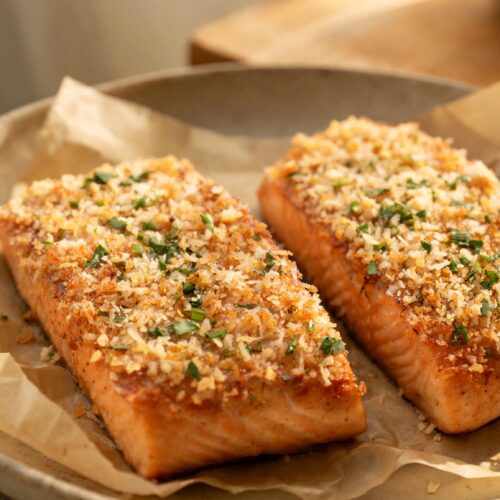
Parmesan Crusted Baked Salmon
Ingredients
- 4 (6-ounce) salmon fillets, 1 to 1.5 inches thick
- 1 tbsp olive oil
- ½ tsp kosher salt
- ¼ tsp freshly cracked black pepper
- ¼ cup mayonnaise
- ½ cup panko breadcrumbs
- ½ cup Parmesan cheese, freshly grated
- 2 tbsp fresh parsley, finely chopped
- 2 cloves garlic, minced
- 1 tsp lemon zest
- 2 tbsp unsalted butter, melted
Instructions
- Position a rack in the center of your oven and preheat to 400°F (200°C). Line a baking sheet with parchment paper and lightly brush with olive oil.
- Pat the salmon fillets completely dry with paper towels. Arrange them on the prepared baking sheet, leaving space between each. Season evenly with kosher salt and black pepper.
- In a medium bowl, combine the mayonnaise, panko breadcrumbs, grated Parmesan, parsley, garlic, and lemon zest. Pour in the melted butter and mix with a fork until well-combined.
- Divide the Parmesan mixture evenly among the four salmon fillets. Gently press the topping onto the surface of the salmon to form a thick, even layer.
- Bake for 15-20 minutes, or until the topping is golden brown and the salmon flakes easily with a fork (internal temperature of 135°F to 140°F).
- Remove from the oven and let rest for 3-5 minutes before serving with fresh lemon wedges.