Introduction
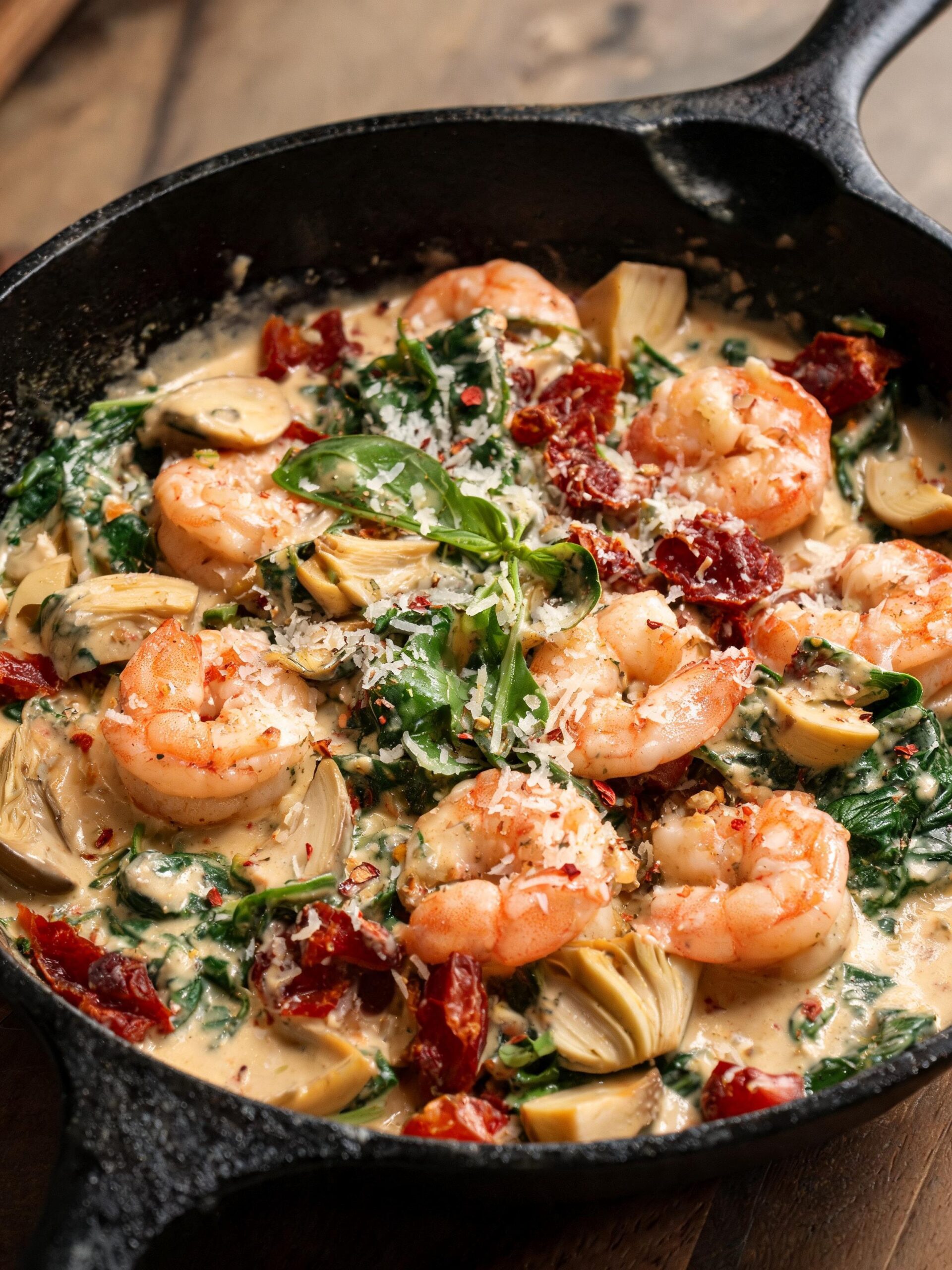
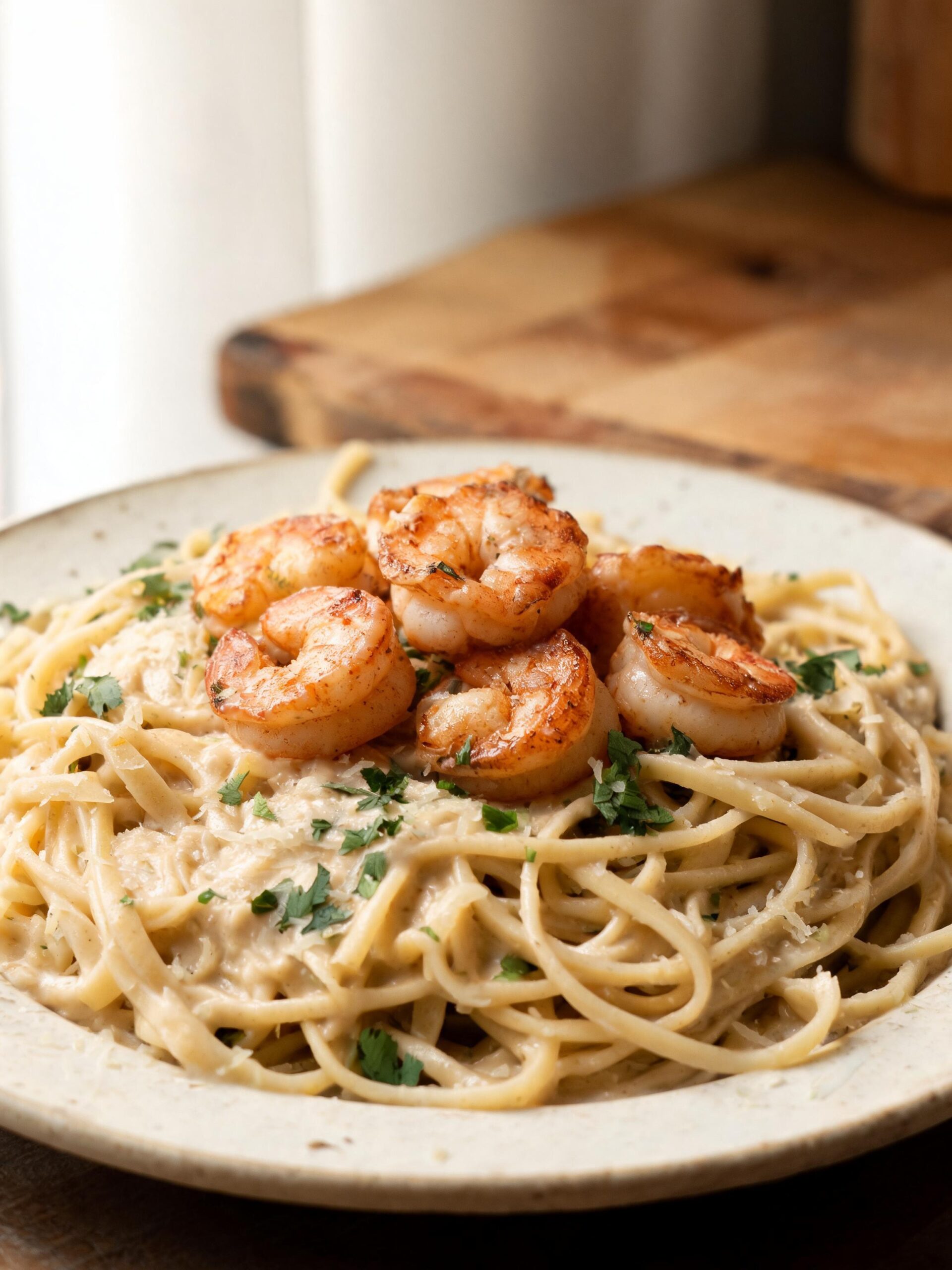
There was this one evening — late summer, salt still on my hands from the dock — when I threw together this shrimp alfredo recipe almost by accident. I had a bag of shrimp in the fridge, half a block of parmesan sitting on the second shelf, and fettuccine I’d bought three weeks ago and forgotten about. I wasn’t trying to make anything impressive. I was just hungry and tired.
That plate ended up being one of those meals you think about for weeks. Creamy, a little garlicky, shrimp just barely pink and tender. It didn’t come from a cookbook. It came from a coastal kitchen and a tired person who needed dinner fast.
That’s what this easy shrimp alfredo is. Nothing fancy. Nothing that requires culinary school. Just a really good, really satisfying dinner you can pull off on a weeknight without losing your mind.
Why You’ll Love This Recipe
- It comes together in about 30 minutes — which matters when you’re hungry and the day was long.
- The sauce is rich and creamy without needing anything weird or hard to find at the store.
- Shrimp cook so fast that by the time your pasta is done, everything else is basically ready too.
Quick Recipe Snapshot
At a Glance
| ⏱ Prep Time | 15 minutes |
| 🍳 Cook Time | 20 minutes |
| 🕐 Total Time | 35 minutes |
| 🍽 Servings | 4 |
| 📊 Difficulty | Easy |
Ingredients List
For the pasta:
- 12 oz fettuccine — the wide noodle holds onto the sauce in a way thinner pasta just doesn’t
- 1 tablespoon kosher salt — for the pasta water, don’t skip this
For the shrimp:
- 1 lb large shrimp, peeled and deveined — fresh is ideal, but thawed frozen works just fine
- 1 tablespoon olive oil
- 1/2 teaspoon garlic powder
- 1/4 teaspoon paprika
- Salt and black pepper to taste
For the alfredo sauce:
- 3 tablespoons unsalted butter
- 4 cloves garlic, minced — this is where most of the flavor lives
- 1 1/2 cups heavy cream — don’t try to swap this for milk, the sauce won’t hold
- 1 1/2 cups freshly grated parmesan — the pre-shredded stuff in bags tends to clump and not melt right
- 1/4 teaspoon black pepper
- Pinch of nutmeg — sounds strange but it quietly makes the cream taste richer
- Fresh parsley, chopped, for topping
Step-by-Step Instructions
- Bring a big pot of water to a boil. Salt it generously — it should taste faintly like the sea. Cook the fettuccine according to package directions until just al dente. Before you drain it, scoop out about 1/2 cup of pasta water and set it aside. You might need it later.
- While the pasta cooks, pat your shrimp dry with paper towels. This matters more than people think — wet shrimp steam instead of sear and you lose that little golden edge. Toss them with olive oil, garlic powder, paprika, salt, and pepper.
- Heat a large skillet over medium-high heat. Add the shrimp in a single layer. Cook about 1 to 2 minutes per side until they curl and turn pink. Pull them out of the pan and set them aside. Don’t walk away — shrimp go from perfect to rubbery in about 30 seconds.
- Turn the heat down to medium. In the same pan, melt the butter. Add the minced garlic and let it cook for about 60 seconds, stirring. You want it fragrant, not brown.
- Pour in the heavy cream slowly. Stir it around and let it come up to a gentle simmer. Not a rolling boil — just little bubbles at the edges. Let it cook for 3 to 4 minutes until it starts to thicken slightly.
- Take the pan off the heat or turn it to low. Add the parmesan a little at a time, stirring as you go. If you dump it all in at once over high heat it can seize up into a clumpy mess. Low and slow here. Add the black pepper and nutmeg.
- Add the drained fettuccine to the sauce and toss everything together. If the sauce feels too thick, add a splash of that saved pasta water and stir. It loosens things up without watering down the flavor.
- Nestle the shrimp back in. Give it one more gentle toss. Taste for salt. Top with fresh parsley and extra parmesan if you want. Serve immediately.
Side thought — I always make a little extra parmesan to put on the table. People always want more.
Small Tricks From Cooking Fish at Home
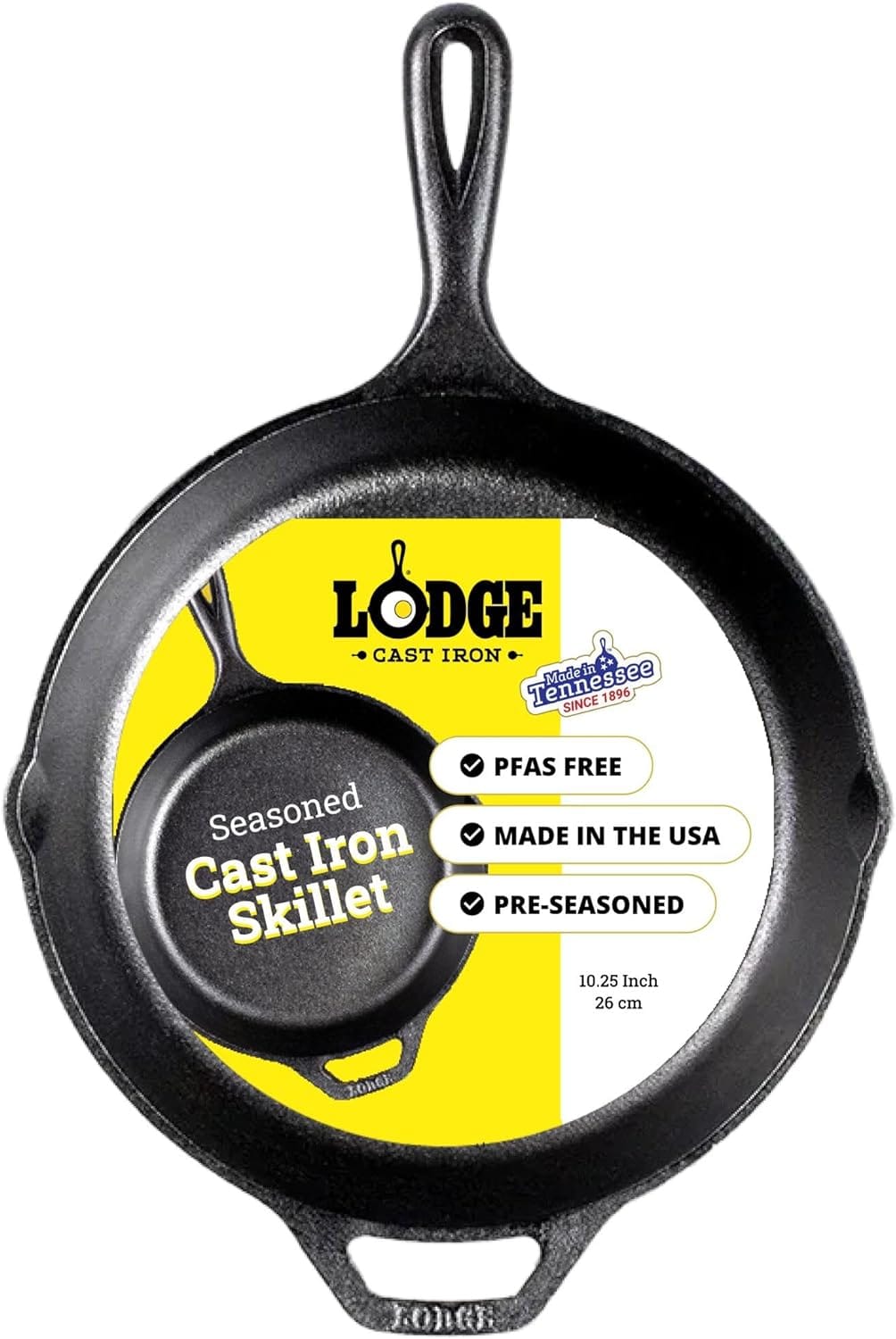
I can’t stress enough how much a good pan matters for searing, and for this shrimp alfredo, my absolute go-to is a classic Lodge Cast Iron Skillet. It’s the secret to getting that beautiful pink-golden crust we talked about. It holds heat like nothing else, so the shrimp sear instantly instead of steaming, and all those flavorful bits left in the pan become the foundation for an incredible alfredo sauce. It’s a workhorse that makes a huge difference.
If you’re ready to get a perfect sear every time, grab this skillet — it’s the one I use in my own kitchen.
Lodge 10.25 Inch Cast Iron Skillet with Assist Handle
✓ prime
We earn a commission if you make a purchase, at no additional cost to you.
Dry your shrimp before they hit the pan. I learned this the hard way after years of wondering why my shrimp never had any color on them. Moisture is the enemy of a good sear. Paper towels, 30 seconds, makes a real difference.
Grate your own parmesan. The stuff in the green can or the pre-shredded bags has anti-caking agents in it that mess with how it melts. A block of real parm and a box grater takes two minutes and the sauce will be smoother for it.
Save the pasta water. I know everyone says this and it sounds like filler advice but it genuinely saves you when the sauce gets too thick or the noodles start sticking together. That starchy water is the easiest fix in the kitchen.
Don’t crowd the shrimp. If your pan is small, cook them in two batches. Crowded shrimp steam and turn gray instead of getting that little pink-golden crust. It’s the difference between shrimp that look sad and shrimp that look like dinner.
Pull the shrimp early. They keep cooking even after you take them off the heat. If they look almost done in the pan, they’re done. Pull them. You can always add them back to the warm sauce for a minute but you can’t un-cook a rubbery shrimp.
Common Mistakes to Avoid
Using cold cream straight from the fridge poured into a hot pan too fast. The sauce can break — you get greasy puddles instead of something silky. Let the cream come to room temperature for a few minutes or at least pour it in slowly while stirring.
Overcooking the garlic. Thirty seconds past golden and it turns bitter. Once it’s fragrant and just barely starting to color, the cream goes in. That’s it.
Skipping the pasta water entirely. I did this once and ended up with a sauce so thick it basically glued itself to the noodles in one solid clump. Not great. Keep that cup nearby.
Adding the parmesan over high heat. This is probably the most common reason homemade alfredo turns grainy or stringy. The cheese needs low, gentle heat to melt into the cream smoothly. Turn the burner down before it goes in.
Variations and Serving Ideas
If you want something with a little heat, add a pinch of red pepper flakes to the butter when you’re cooking the garlic. It gives the sauce a slow warmth that cuts through the richness really nicely. Some people add a dash of hot sauce at the end too.
For a milder version — especially good if you’re feeding kids — skip the garlic powder on the shrimp and use a little less garlic in the sauce. It’s still flavorful but quieter. Add a squeeze of lemon at the end to brighten it up.
The coastal twist I love is adding a handful of fresh baby spinach right into the hot sauce before the pasta goes in. It wilts in about 30 seconds, adding color and something green to what is otherwise a very beige bowl, a simple trick we also use in our popular crispy fish tacos with cabbage slaw. You can also toss in some cherry tomatoes that have been halved — they soften just enough and add a little brightness against all that cream.
What to Serve With
Crusty bread is almost mandatory. Something with a good crust that you can drag through the leftover sauce at the bottom of the bowl. A baguette, a sourdough heel, whatever you have.
A simple green salad with a sharp vinaigrette helps cut through the richness of the cream. Something acidic alongside all that butter and parmesan just makes the whole meal feel more balanced.
Roasted asparagus or broccolini on the side works well too. Roast them in the oven while you’re making the pasta. They get a little crispy at the edges and that texture contrast next to the soft creamy noodles is genuinely satisfying.
Storage and Reheating
Store leftovers in an airtight container in the fridge. It’ll keep for about 2 days. After that the shrimp start to get a little off and the sauce loses whatever creaminess it had.
To reheat, use a skillet over low heat with a splash of cream or even just water. Stir gently as it warms. DO NOT microwave this on high — the sauce will separate into a greasy mess and the shrimp will turn rubbery and sad. Low and slow is the only way.
DO NOT freeze this. Cream-based sauces don’t freeze well at all — they break when they thaw. And frozen then reheated shrimp have a texture that’s just not worth eating. Make it fresh, eat it fresh.
FAQs (People Also Ask)
Can I use frozen shrimp?
Yes, absolutely. Just thaw them fully first — run them under cold water for a few minutes or leave them in the fridge overnight. Pat them dry before cooking. Frozen shrimp work just as well as fresh for this.
How do I know when the shrimp are done?
They’ll be pink and curled into a loose C shape. If they curl into a tight O, they’ve gone a little too far. It happens fast so watch them closely. One to two minutes per side over medium-high heat is usually enough for large shrimp.
Can I substitute the heavy cream?
You can try half-and-half but the sauce will be thinner and less rich. Milk alone won’t work — it won’t thicken the same way. If you want something lighter, half-and-half is the closest swap that still holds together.
How long does this take start to finish?
About 35 minutes if you’re not rushing. It’s genuinely one of the faster dinners you can make that still feels like a real meal. Even on a tired weeknight it’s doable.
Can I make the sauce ahead of time?
You can make the alfredo sauce a few hours ahead and keep it warm on very low heat, stirring occasionally. But cook the shrimp and pasta fresh. Shrimp sitting in sauce for hours get tough and the pasta will absorb everything and turn into a solid block.
What pasta can I use instead of fettuccine?
Linguine works great. Pappardelle if you want something wider. Even penne holds the sauce well. Just avoid very thin pasta like angel hair — the sauce is too heavy for it and everything slides off.
Nutrition Facts
(Per serving. Estimates only, varies by exact ingredients used)
Conclusion
I still make this the same way I did that first tired evening by the water. Nothing has changed much. Same pan, same basic handful of ingredients, same smell of garlic hitting butter that makes the whole kitchen feel warmer than it is.
Some meals just stick with you. Not because they’re complicated or impressive but because they showed up at the right moment and tasted exactly like what you needed. This is one of those meals for me.
I hope it becomes one for you too.
Creamy Shrimp Alfredo
Ingredients
- 12 oz fettuccine
- 1 tablespoon kosher salt (for pasta water)
- 1 lb large shrimp, peeled and deveined
- 1 tablespoon olive oil
- 1/2 teaspoon garlic powder
- 1/4 teaspoon paprika
- Salt and black pepper to taste
- 3 tablespoons unsalted butter
- 4 cloves garlic, minced
- 1 1/2 cups heavy cream
- 1 1/2 cups freshly grated parmesan
- 1/4 teaspoon black pepper
- Pinch of nutmeg
- Fresh parsley, chopped, for topping
Instructions
- Bring a large pot of water to a boil. Add kosher salt generously. Cook fettuccine until al dente per package directions. Reserve 1/2 cup pasta water before draining.
- Pat shrimp completely dry with paper towels. Toss with olive oil, garlic powder, paprika, salt, and black pepper.
- Heat a large skillet over medium-high heat. Cook shrimp in a single layer for 1 to 2 minutes per side until pink and curled. Remove from pan and set aside.
- Reduce heat to medium. Melt butter in the same skillet. Add minced garlic and cook for 60 seconds until fragrant, stirring constantly.
- Pour in heavy cream slowly while stirring. Bring to a gentle simmer and cook for 3 to 4 minutes until slightly thickened.
- Remove pan from heat or reduce to low. Add parmesan gradually, stirring between each addition until smooth. Add black pepper and nutmeg.
- Add drained fettuccine to the sauce and toss to coat. Add reserved pasta water a splash at a time if sauce is too thick.
- Return shrimp to the pan. Toss gently to combine. Taste and adjust salt. Top with fresh parsley and extra parmesan. Serve immediately.