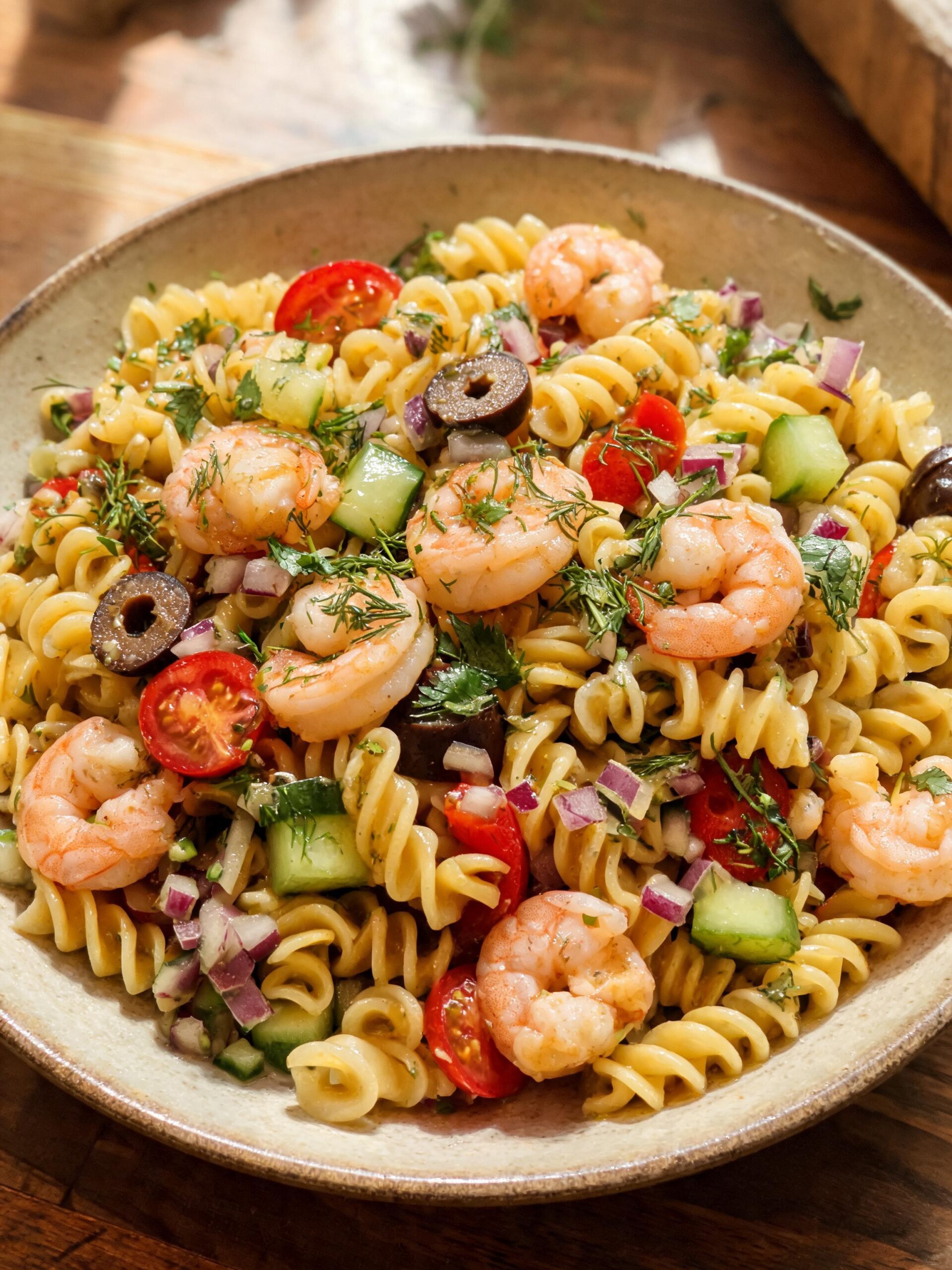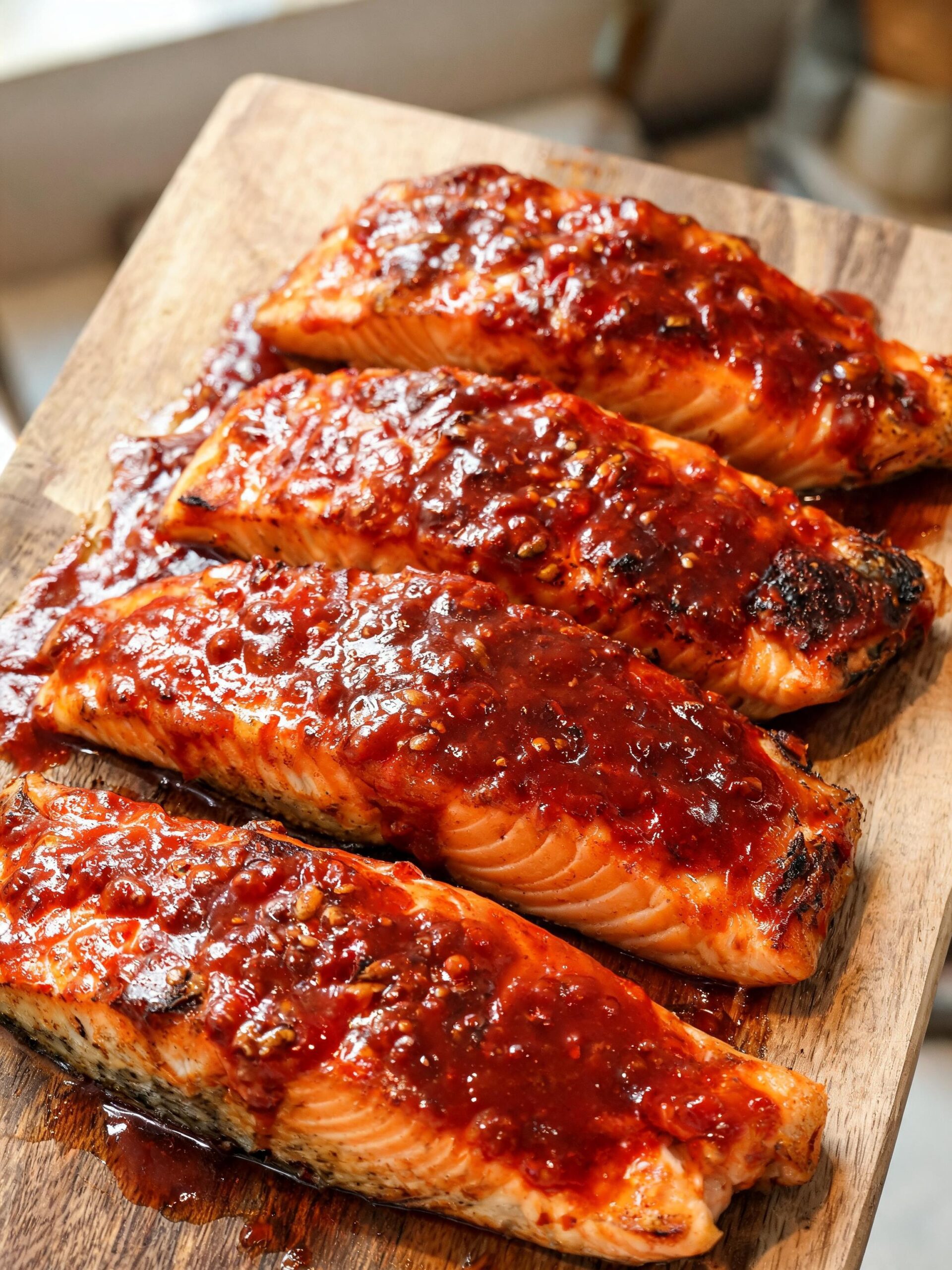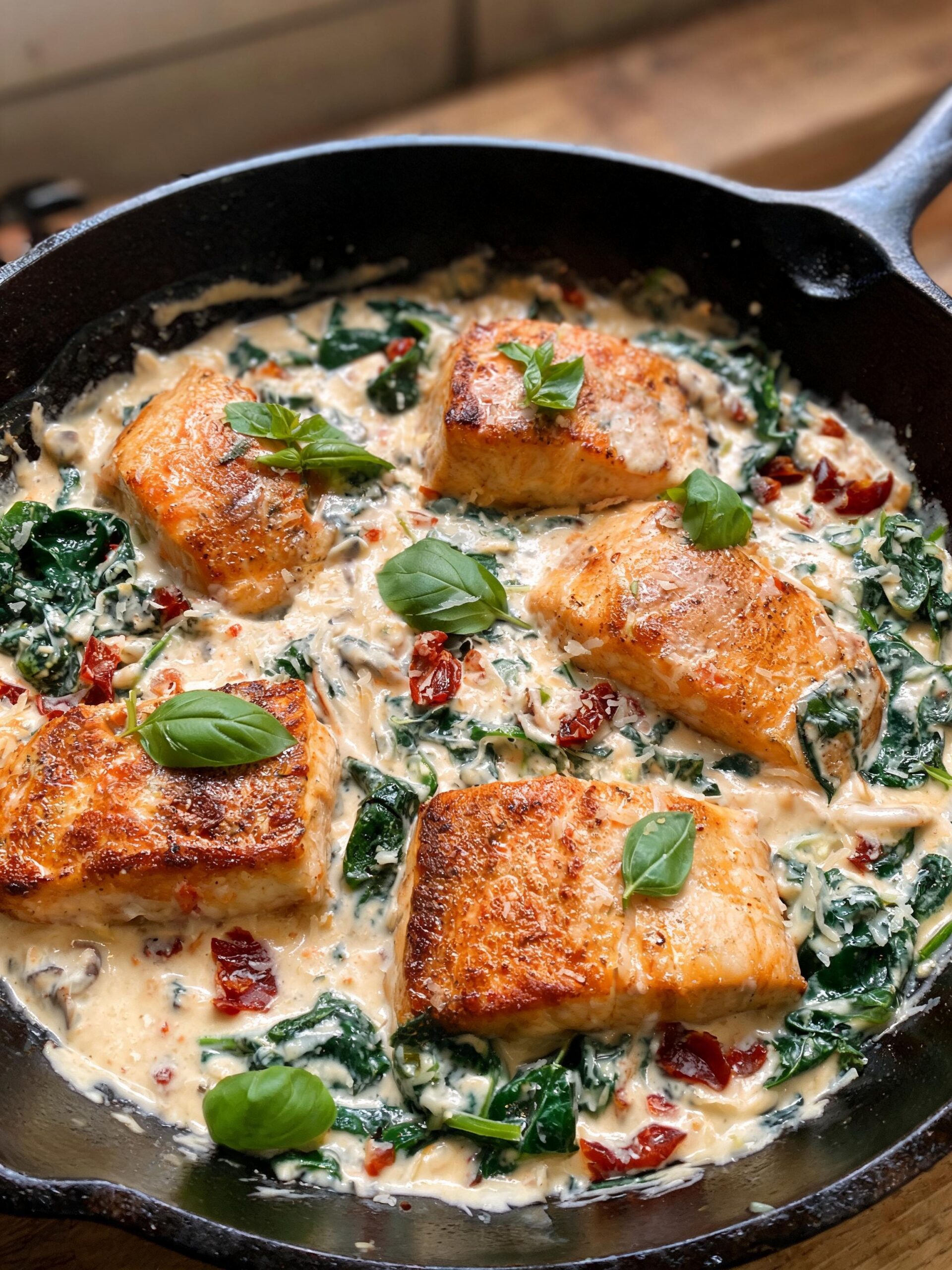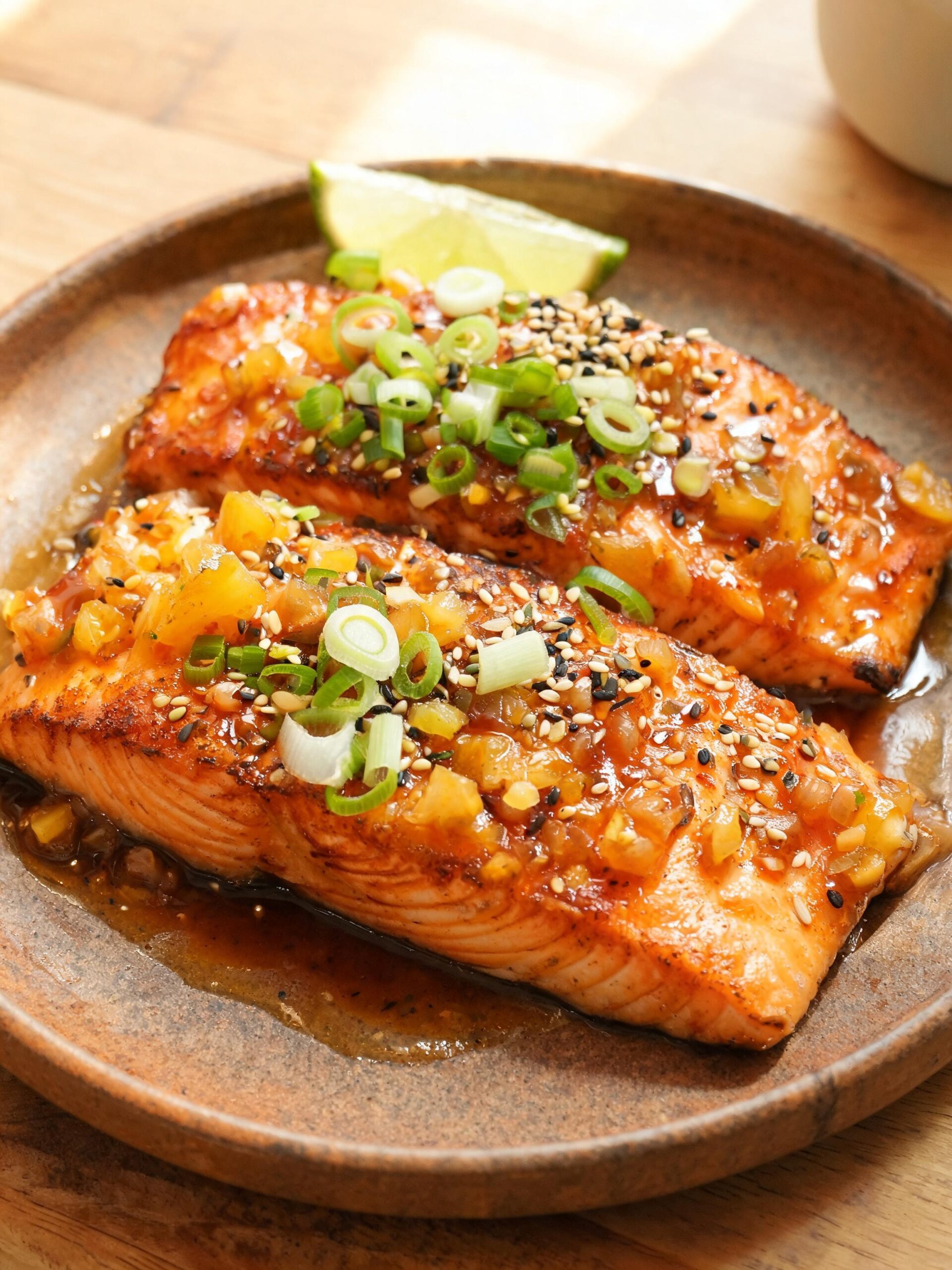
Introduction
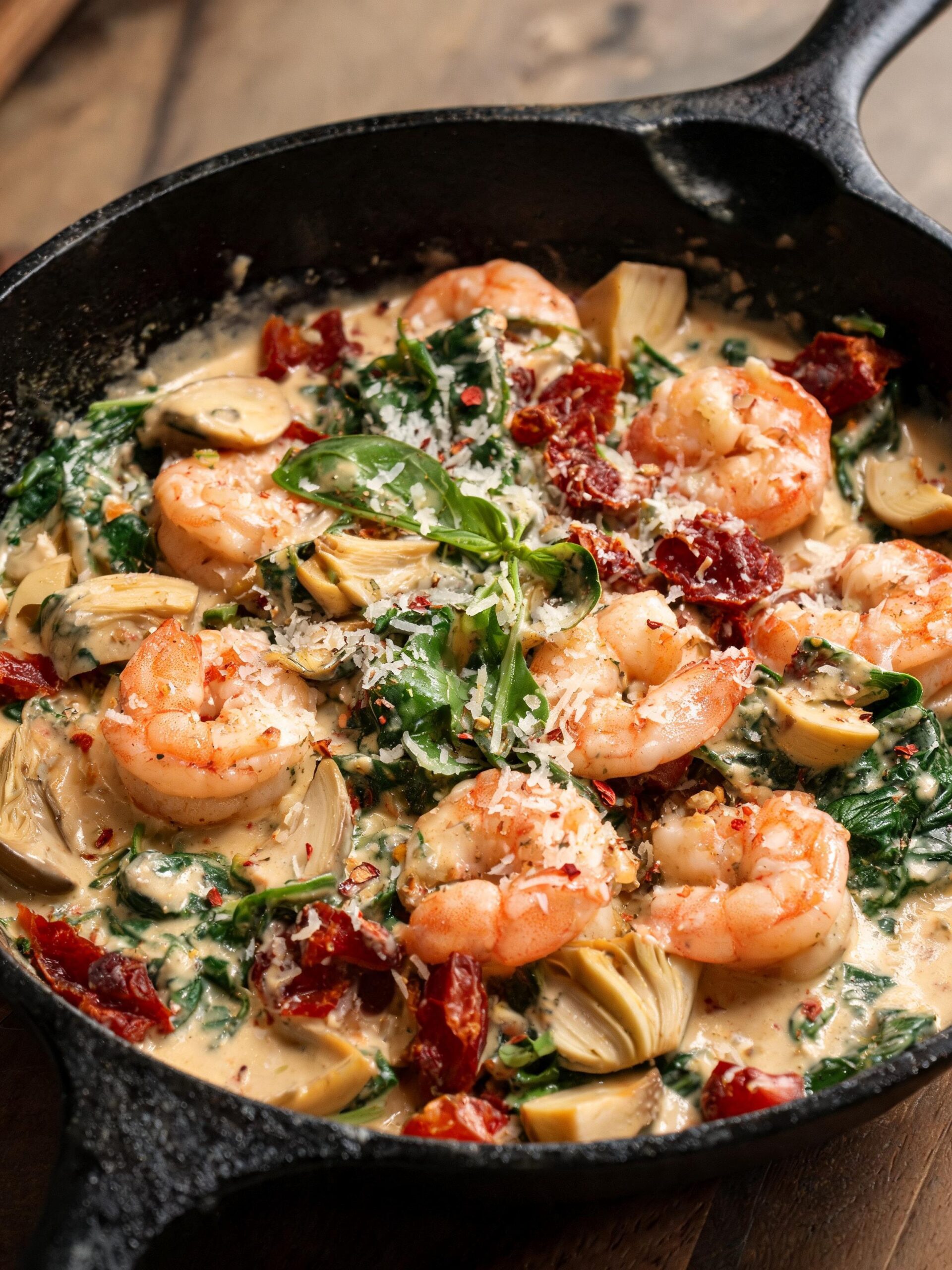
Some nights you just open the freezer, pull out a bag of shrimp, and think — okay, let’s figure this out. That’s honestly where most of my best shrimp recipes for easy dinners were born. Not from planning, but from necessity. While this skillet is a go-to, sometimes a full-on feast is in order, like these easy seafood boil recipes.
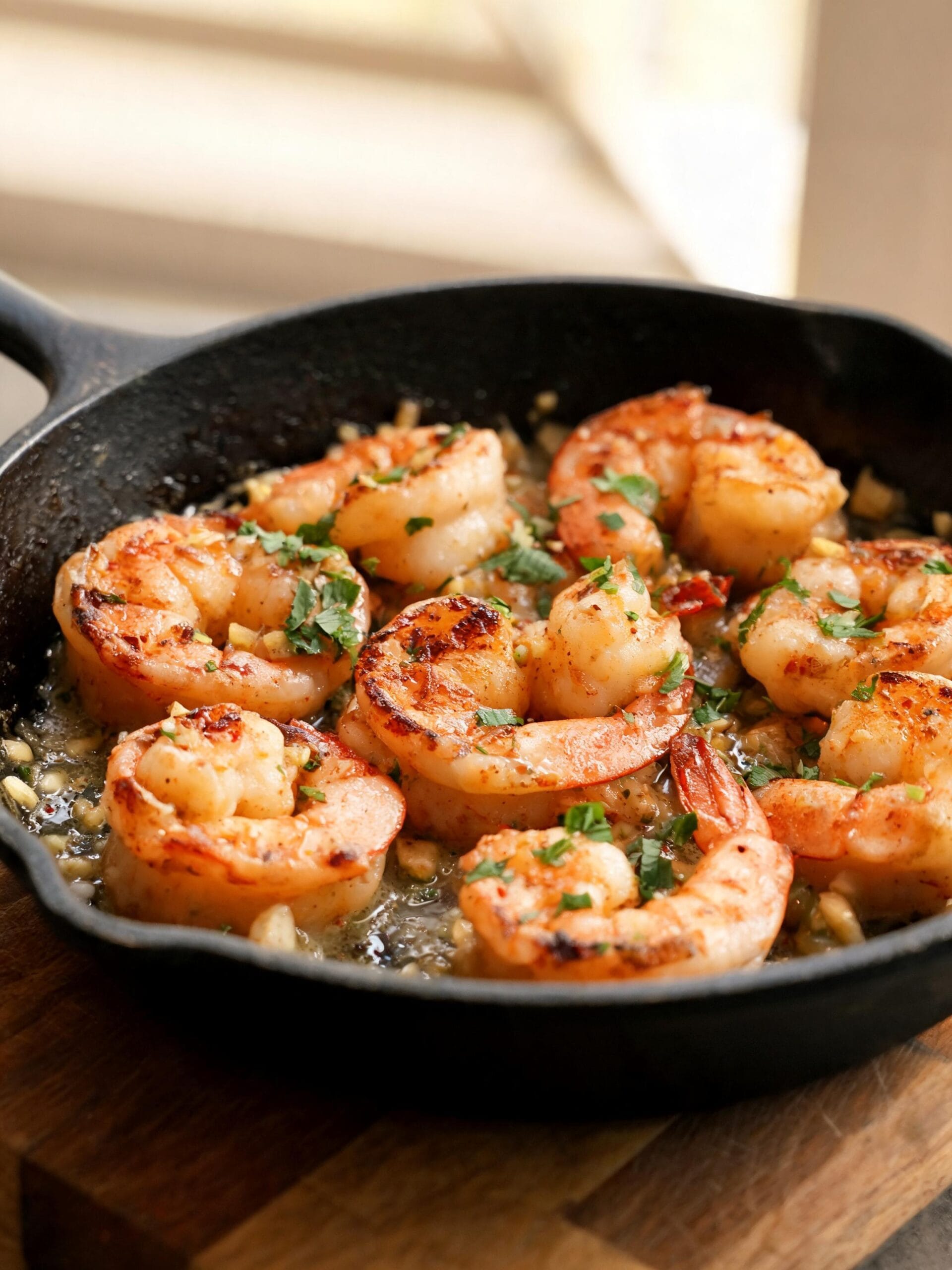
I remember one evening after a long day out on the water, sunburned and tired, coming home with nothing but a pound of fresh shrimp, half a stick of butter, and garlic that had been sitting on the counter for a week. I threw it all in a pan and didn’t think twice. What came out was something I’ve been making ever since — this simple garlic butter shrimp that takes maybe twenty minutes from fridge to table.
It’s not fancy. There’s no special technique. But it tastes like the coast, like salt air and something good, and it never fails me. If you’re looking for a quick shrimp recipe easy enough for a Tuesday night but good enough to actually feel like a real meal — this is it.
Why You’ll Love This Recipe
- It’s genuinely fast. We’re talking twenty minutes, maybe less if your pan heats up quick. No marinating overnight, no complicated prep.
- The flavor is way bigger than the effort. Butter, garlic, a little lemon — shrimp just absorbs all of it beautifully. You don’t need much to make it taste like something.
- Almost anyone can pull it off. If you’ve never cooked shrimp before, this is the one to start with. It’s forgiving, it’s straightforward, and it tells you when it’s done by turning pink.
Quick Recipe Snapshot
Recipe: Garlic Butter Skillet Shrimp
Serves: 4
Prep Time: 15 minutes
Cook Time: 20 minutes
Total Time: 35 minutes
Difficulty: Easy — seriously, beginner-friendly
Best For: Weeknight dinner, quick lunch, coastal-style meal at home
Main Flavor: Buttery, garlicky, slightly lemony with a hint of heat
Ingredients List
For the Shrimp:
- 1 ½ lbs large shrimp, peeled and deveined — fresh or thawed from frozen, both work fine
- 4 tablespoons unsalted butter — this is the base of everything, don’t skip it
- 5 cloves garlic, minced — more if you love garlic, and you should
- 1 tablespoon olive oil — helps the butter not burn as fast
- ½ teaspoon red pepper flakes — optional, but it wakes the whole dish up
- ½ teaspoon smoked paprika — adds a little depth without doing too much
- Salt and black pepper to taste
- Juice of 1 lemon — fresh, not the bottled stuff if you can help it
- 2 tablespoons fresh parsley, chopped — for the end, just to make it look like you tried
Optional but Good:
- ¼ cup dry white wine or chicken broth — adds a little something to the sauce
- Crusty bread for soaking up the butter situation in the pan
Step-by-Step Instructions
- Dry the shrimp off. Pat them with a paper towel before anything else. Wet shrimp steam instead of sear, and you lose that little bit of color on the outside that makes them taste better. This one step matters more than people think.
- Season them in the bowl. Toss the shrimp with salt, black pepper, and smoked paprika. Just enough to coat them. Set aside while you get the pan going.
- Heat the pan over medium-high. Add the olive oil first, let it shimmer, then add two tablespoons of the butter. When it foams and settles, you’re ready.
- Add the garlic. Let it cook for about 30 seconds — just until you can smell it. Don’t walk away here. Garlic goes from perfect to burnt embarrassingly fast.
- Add the shrimp in a single layer. Don’t pile them up. If your pan isn’t big enough, do two batches. Crowded shrimp don’t cook right — they just kind of steam and go rubbery.
- Cook about 2 minutes per side. You’re looking for them to turn pink and curl into a loose C shape. A tight curl means overcooked. Pull them when they’re just barely done — they keep cooking a little even off the heat.
- Add the wine or broth if using. Pour it in, let it bubble for a minute, then add the remaining butter and the lemon juice. Swirl the pan around. That’s your sauce right there.
- Toss the shrimp back in, scatter the parsley, and serve immediately. This dish doesn’t wait well. Eat it while the butter is still glossy and the shrimp are still tender.
Honestly, the hardest part is not overcooking them. Once you get that timing down, this becomes one of those recipes you make without even thinking about it.
Small Tricks From Cooking Fish at Home
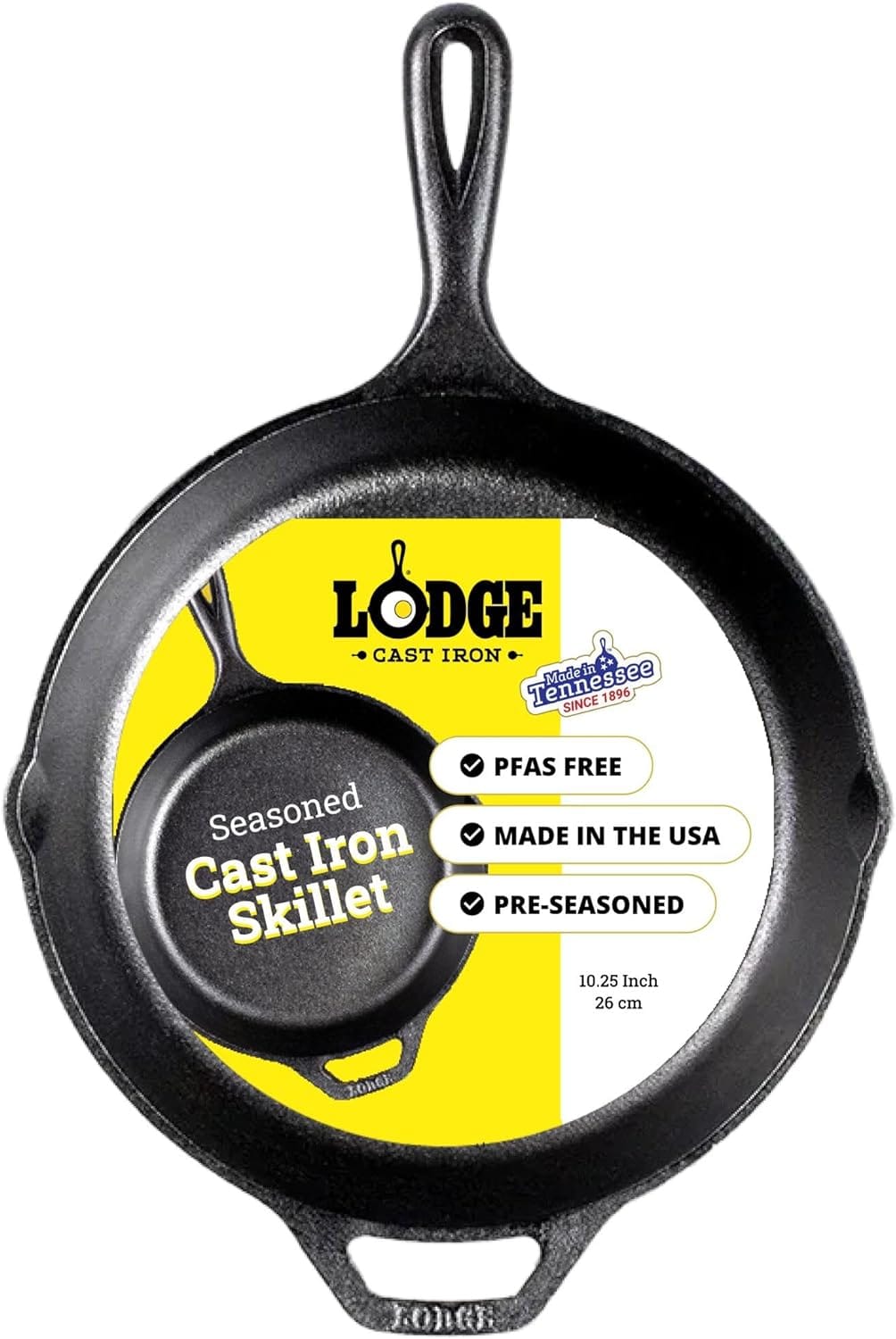
Speaking of getting things right in the pan, the single most important tool in my kitchen for this dish is a good cast iron skillet. I’ve used my Lodge for years, and it’s the secret to getting that perfect, even sear instead of accidentally steaming the shrimp. It holds heat like nothing else, so even when I add the shrimp, the temperature doesn’t plummet. That’s how you get that beautiful pink color and a tender-crisp texture, not a rubbery mess.
If you’re serious about never eating a rubbery shrimp again, this is the one piece of equipment I’d tell you to get. Grab one and see the difference for yourself.
Lodge 10.25 Inch Cast Iron Skillet with Assist Handle
✓ prime
We earn a commission if you make a purchase, at no additional cost to you.
The single biggest thing I learned — and I learned it the hard way — is that shrimp cook faster than you expect. The first time I made something like this homemade shrimp recipe easy style, I walked away to grab a drink and came back to rubber. Now I stay at the pan the whole time. Two minutes. That’s it.
Room temperature shrimp cook more evenly. I pull them from the fridge about ten minutes before I start cooking. Not a long time, just enough so they’re not ice cold going into a hot pan.
Butter burns. If your heat is too high and you’re not watching, the garlic and butter will go dark fast. The olive oil helps, but it’s not a cure. Medium-high, not screaming high.
Don’t salt the shrimp too early if they’re sitting. Salt pulls moisture out, and you want them dry when they hit the pan. Season right before cooking or toss them in the pan already seasoned — not ten minutes before.
Lemon at the end, not the beginning. I used to add it early and the acid would make the shrimp texture a little off. Squeeze it in at the very end and it brightens everything without messing with the cook.
Common Mistakes to Avoid
Overcrowding the pan. I know it’s tempting to just dump the whole pound in at once. But shrimp need space. When they’re packed in, the moisture has nowhere to go and they steam instead of sear. Two batches is worth it.
Using shrimp straight from frozen without thawing. They’ll release so much water into the pan that your garlic butter turns into a watery mess. Thaw them in cold water for fifteen minutes, then dry them off. Simple fix.
Cooking on too low a heat and then wondering why they look pale and feel soft in a bad way. Shrimp need some heat to get that slight edge on the outside. Medium-high is where you want to be.
Skipping the acid. I’ve made this without lemon when I didn’t have any, and it’s fine, but it’s missing something. The lemon cuts through the butter and makes the whole dish taste brighter. Even a small splash of white wine vinegar works in a pinch.
Variations and Serving Ideas
Spicy version: Double the red pepper flakes and add a teaspoon of hot sauce right at the end with the lemon. It gets a real kick without losing the garlic butter base that makes it work.
Mild and family-friendly: Leave out the pepper flakes entirely and add a tiny pinch of sugar to the butter. Sounds strange but it softens everything and makes it feel almost sweet and coastal. Kids usually go for this one.
Coastal twist: Add a handful of cherry tomatoes to the pan after the garlic, let them blister a little, then add the shrimp. Finish with fresh basil instead of parsley. This version tastes like something you’d eat at a little seafood shack by the water, and it makes for one of the best easy seafood appetizers for any night.
What to Serve With
Crusty bread is the obvious answer and the right one. You need something to drag through that butter sauce at the bottom of the pan — don’t waste it.
Rice works really well too. Plain white rice, nothing fancy, just something to soak up the sauce and make it feel like a full meal. I’ve also done it over pasta — linguine or spaghetti — and it turns into something close to shrimp scampi without any extra effort.
A simple green salad on the side keeps things from feeling too heavy. Something with a sharp vinaigrette cuts right through the richness of the butter. Or just sliced cucumber with a little salt and olive oil — that’s a real coastal side right there.
Storage and Reheating
Cooked shrimp keeps in the fridge for about two days in a sealed container. After that the texture starts to get a little strange and the smell gets stronger. Trust your nose on this one.
DO NOT reheat shrimp in the microwave if you can avoid it. It turns them rubbery almost instantly. If you need to warm them up, do it gently in a pan over low heat with a tiny bit of butter, just until they’re warm through. Thirty seconds. Maybe less.
DO NOT freeze cooked shrimp that were already thawed from frozen. You’d be freezing them a second time, and the texture when you thaw them again is not something you want to eat.
Honestly, this dish is best eaten fresh. Make what you’ll eat that night if you can.
FAQs (People Also Ask)
Can I use frozen shrimp for this recipe?
Yes, absolutely. Just thaw them first in cold water for about 15 minutes, then pat them completely dry before cooking. The drying step is the important part — frozen shrimp hold a lot of water.
How do I know when shrimp are done cooking?
They turn pink on the outside and curl into a loose C shape. If they curl into a tight O, they’re overcooked. It happens fast, so watch them closely. Two minutes per side is usually right for large shrimp.
Can I substitute the butter with something else?
You can use ghee if you need dairy-free, or just go with olive oil the whole way. It won’t be as rich but it still tastes good. Coconut oil works if you’re okay with a slight sweetness — it’s actually nice with a spicy version.
How long does this take from start to finish?
About 20 to 25 minutes if your shrimp are already thawed. It’s one of the fastest real dinners I know how to make. Faster than ordering delivery, usually.
Fresh shrimp vs. frozen — does it really matter?
Fresh is great when you can get it, especially if you’re near the coast and know it’s actually fresh. But most shrimp at grocery stores was frozen at sea anyway. Good quality frozen shrimp, properly thawed, is completely fine for this kind of simple cooking at home.
Nutrition Facts
(Per serving. Estimates only, varies by exact ingredients used)
Conclusion
There’s something about a pan of garlic butter shrimp that just feels like home to me. Not a fancy home. A real one — with a worn-out cutting board, a window that looks out toward the water, and dinner ready before anyone gets too hungry.
This is the kind of meal that doesn’t need an occasion. It just needs a Tuesday and a pound of shrimp. That’s always been enough.
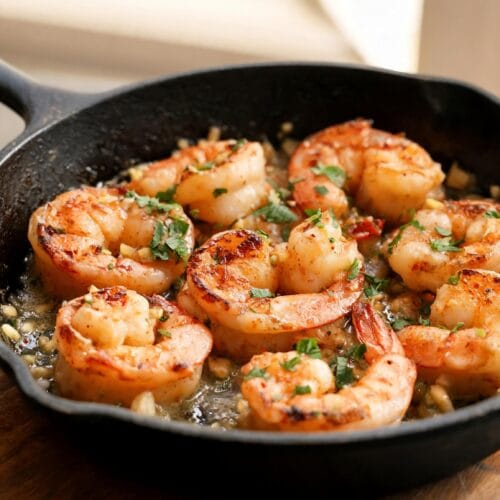
Garlic Butter Skillet Shrimp
Ingredients
- 1 1/2 lbs large shrimp, peeled and deveined
- 4 tablespoons unsalted butter
- 5 cloves garlic, minced
- 1 tablespoon olive oil
- 1/2 teaspoon red pepper flakes
- 1/2 teaspoon smoked paprika
- Salt and black pepper to taste
- Juice of 1 lemon
- 2 tablespoons fresh parsley, chopped
- 1/4 cup dry white wine or chicken broth (optional)
Instructions
- Pat the shrimp dry with paper towels. Season with salt, black pepper, and smoked paprika in a bowl and set aside.
- Heat a large skillet over medium-high heat. Add olive oil and 2 tablespoons of butter. When the butter foams and settles, add the minced garlic and cook for 30 seconds until fragrant.
- Add the shrimp in a single layer — work in batches if needed. Cook for about 2 minutes per side until pink and curled into a loose C shape. Do not overcrowd the pan.
- If using wine or broth, pour it in now and let it bubble for 1 minute. Add the remaining 2 tablespoons of butter and lemon juice, swirling the pan to combine into a sauce.
- Return all shrimp to the pan, toss to coat in the sauce, scatter fresh parsley on top, and serve immediately with crusty bread, rice, or pasta.