Introduction
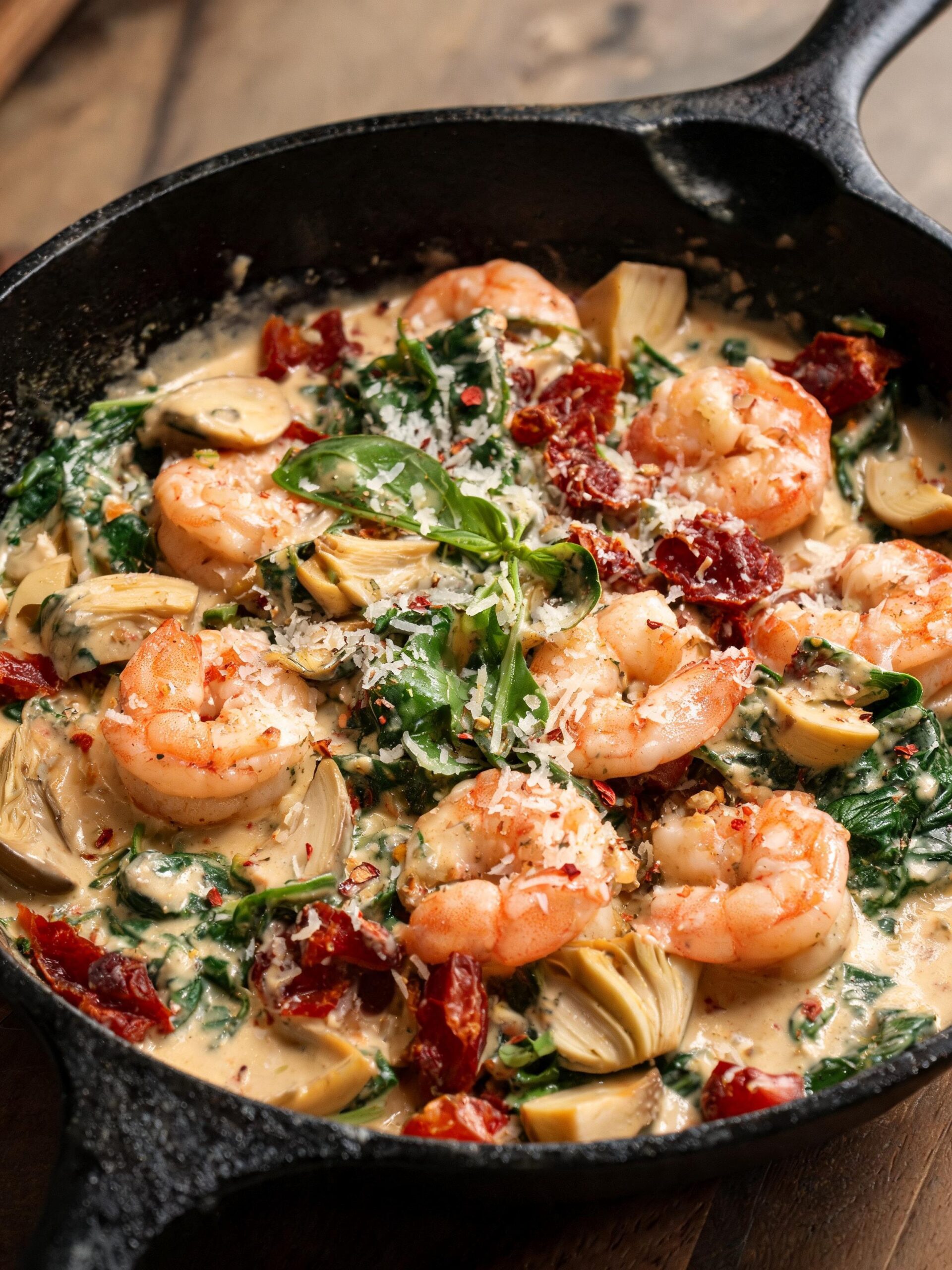
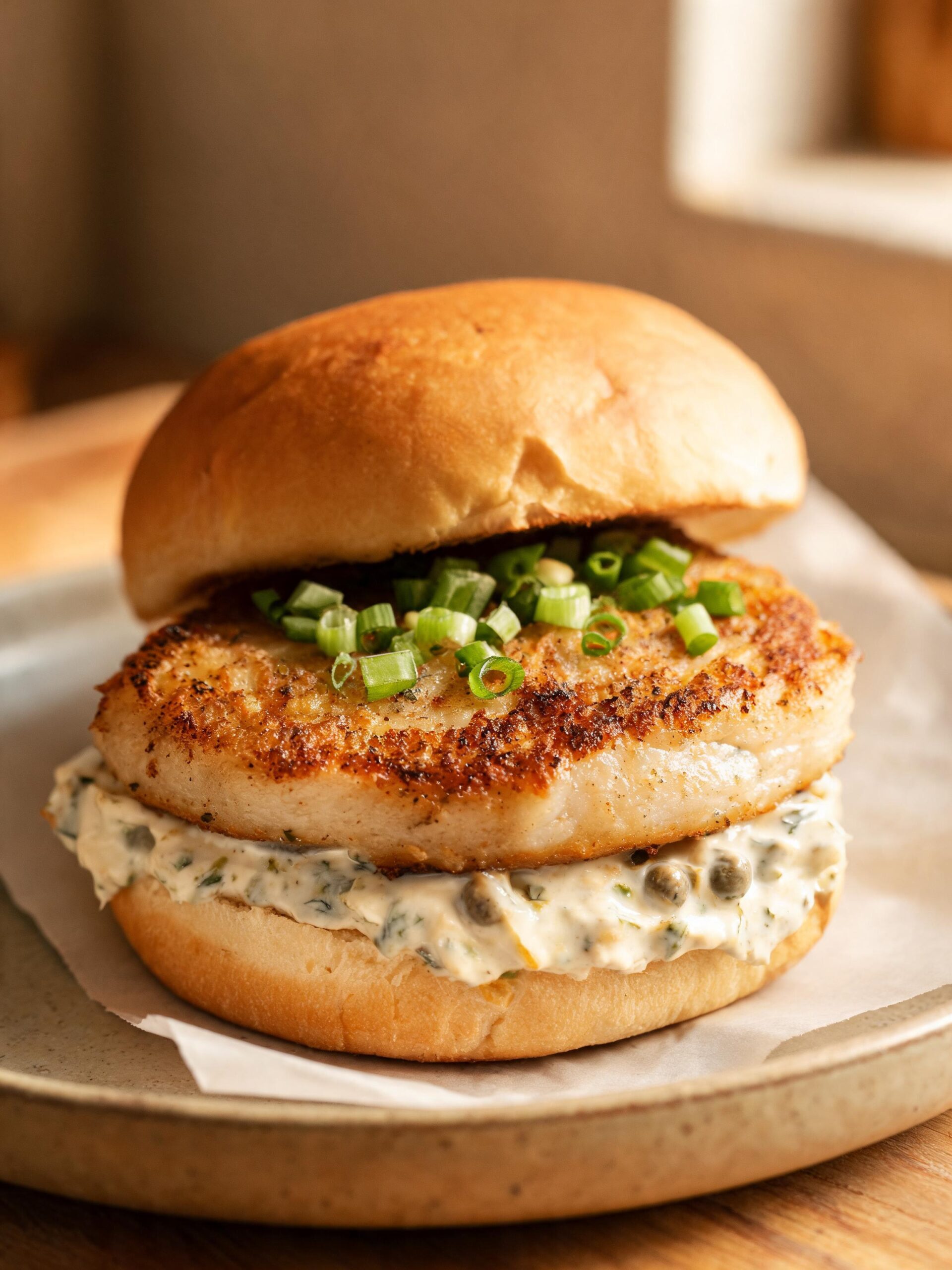
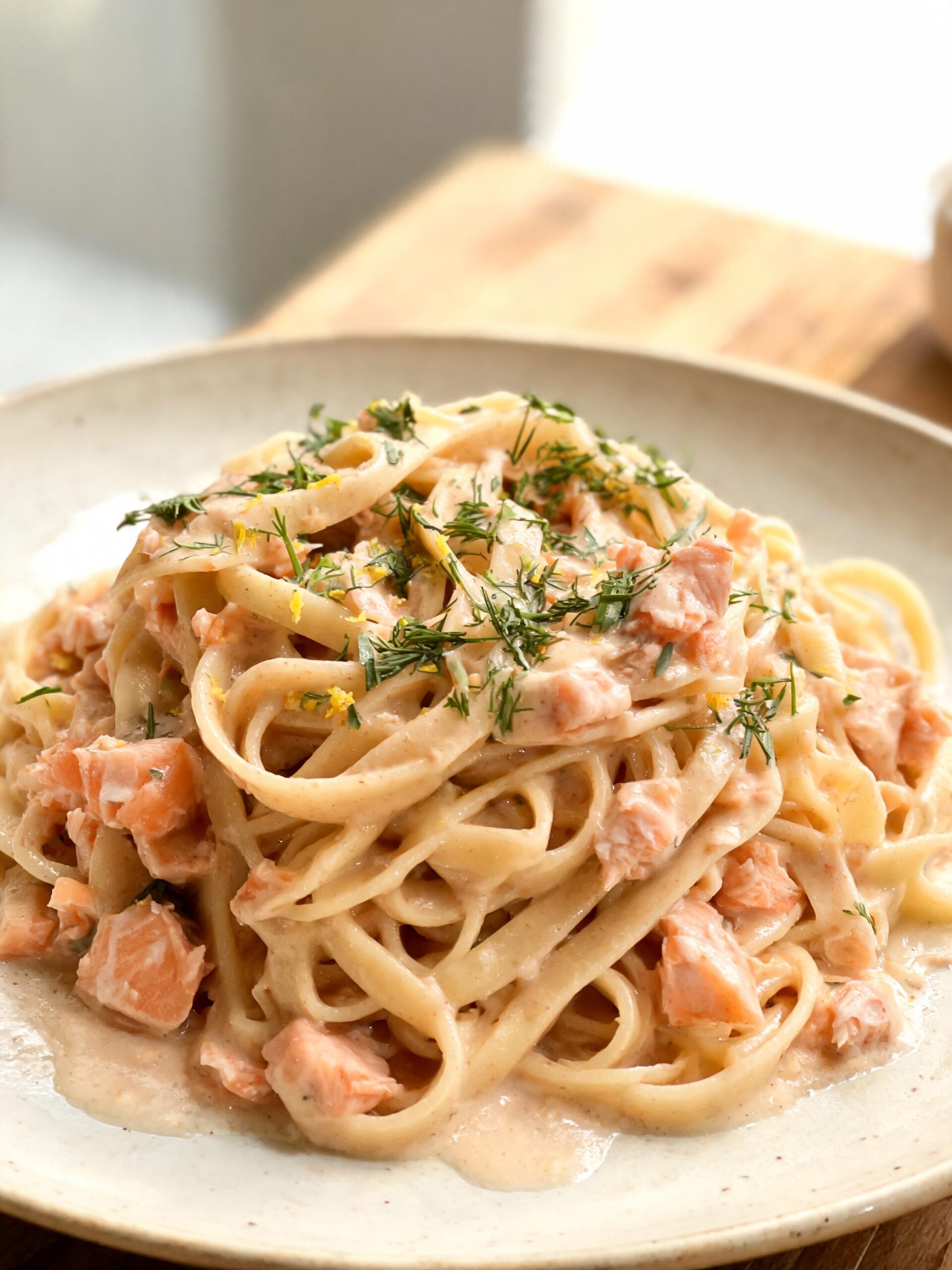
When you’re looking for truly satisfying smoked salmon recipes, it’s easy to get stuck on bagels and appetizers. But let me tell you, after two decades behind the line in professional kitchens, one of the best ways to showcase this ingredient is in a rich, creamy pasta. This Creamy Smoked Salmon Pasta isn’t just another recipe; it’s a technique-driven dish that comes together in about 35 minutes, making it perfect for a weeknight dinner that feels like a weekend luxury. We’re not just throwing ingredients in a pan. We’re building layers of flavor—aromatic shallots, a hint of garlic, bright lemon, and fresh dill—all brought together in a velvety cream sauce that perfectly coats every strand of pasta. The key is knowing how and when to add the salmon to preserve its delicate texture and smoky flavor. While we love a good baked healthy salmon patty, this creamy pasta is one of those essential recipes you’ll make again and again.
Why You’ll Love This Recipe
- Incredibly Fast: From starting the water for your pasta to plating the final dish, you’re looking at about 35 minutes. It’s the definition of a high-reward, low-effort meal.
- Elegant Flavor Profile: The balance of rich cream, smoky salmon, sharp parmesan, and bright lemon and dill is sophisticated enough for company but simple enough for a Tuesday night.
- Foolproof Technique: I’ve broken down the steps to be as clear as possible, ensuring your cream sauce is smooth and your salmon is perfectly incorporated without being overcooked.
Ingredients List
Precision is key in a simple dish like this. Use good ingredients, and the results will speak for themselves. This serves four people generously.
For the Pasta:
- Pasta: 12 ounces fettuccine, linguine, or pappardelle. The wide, flat shape is ideal for catching the creamy sauce.
- Kosher Salt: For the pasta water. You need a generous amount; it should taste like the sea.
For the Cream Sauce:
- Unsalted Butter: 2 tablespoons.
- Olive Oil: 1 tablespoon. The combination of butter for flavor and oil to raise the smoke point is a classic kitchen trick.
- Shallot: 1 large, finely minced (about 1/3 cup). Shallots provide a milder, more delicate flavor than onions.
- Garlic: 2 cloves, finely minced. Don’t use a press; a fine mince prevents it from burning and becoming bitter.
- Dry White Wine: 1/4 cup, such as Pinot Grigio or Sauvignon Blanc. This deglazes the pan and adds a crucial layer of acidity. If you don’t use alcohol, substitute with chicken or vegetable broth with a teaspoon of white wine vinegar.
- Heavy Cream: 1 cup, full-fat. Do not substitute with half-and-half or milk, as it will likely curdle.
- Reserved Pasta Water: About 1/2 cup. This starchy water is the secret to a perfect sauce texture.
- Parmesan Cheese: 1/2 cup, freshly grated, plus more for serving. Avoid pre-shredded cheese, which contains anti-caking agents that prevent smooth melting.
For the Salmon and Garnish:
- Cold-Smoked Salmon: 6 ounces, high-quality, cut into 1-inch ribbons or pieces.
- Fresh Dill: 1/4 cup, chopped. This herb is a classic pairing with salmon.
- Lemon: 1, for both zest and juice. You’ll use about 1 teaspoon of zest and 2 tablespoons of juice.
- Black Pepper: Freshly cracked, to taste.
Step-by-Step Instructions
Follow these steps closely. The timing is important to ensure everything comes together perfectly.
- Cook the Pasta: Bring a large pot of heavily salted water to a rolling boil. Add the pasta and cook according to package directions until al dente (firm to the bite). Just before draining, reserve about 1 cup of the starchy pasta water. Drain the pasta but do not rinse it.
- Sauté the Aromatics: While the pasta is cooking, heat the olive oil and 1 tablespoon of the butter in a large skillet or Dutch oven over medium heat. Once the butter is melted and foaming, add the minced shallot. Sauté for 2-3 minutes until it becomes soft and translucent. Add the minced garlic and cook for another minute until fragrant. Be careful not to let the garlic brown.
- Deglaze and Build the Sauce: Pour in the white wine to deglaze the pan, scraping up any browned bits from the bottom with a wooden spoon. Let it simmer and reduce by about half, which should take 1-2 minutes. This cooks off the raw alcohol flavor.
- Make it Creamy: Reduce the heat to low and pour in the heavy cream. Stir gently and let it come to a very gentle simmer. Do not let it boil. Allow it to thicken slightly for about 3-4 minutes. You’ll know it’s ready when it lightly coats the back of a spoon.
- Combine and Emulsify: Add the drained pasta directly to the skillet with the sauce. Add the grated Parmesan cheese, the remaining 1 tablespoon of butter, and about 1/4 cup of the reserved pasta water. Use tongs to toss everything together vigorously. The starch from the pasta water will help the sauce emulsify and cling beautifully to every noodle. If the sauce seems too thick, add another splash of pasta water until it reaches your desired consistency.
- Finish Off-Heat: Remove the skillet from the heat completely. This is the most important step. Add the smoked salmon pieces, chopped dill, lemon zest, and lemon juice. Toss gently to combine. The residual heat from the pasta and sauce will warm the salmon through without cooking it, preserving its silky texture.
- Serve Immediately: Season with freshly cracked black pepper. Divide the pasta among four warmed bowls. Garnish with a little extra Parmesan cheese and a sprig of fresh dill.
Chef’s Pro Tips for Success
After making thousands of pasta dishes, I can tell you the difference between good and great comes down to a few key details. Master these, and you’ll perfect this dish.
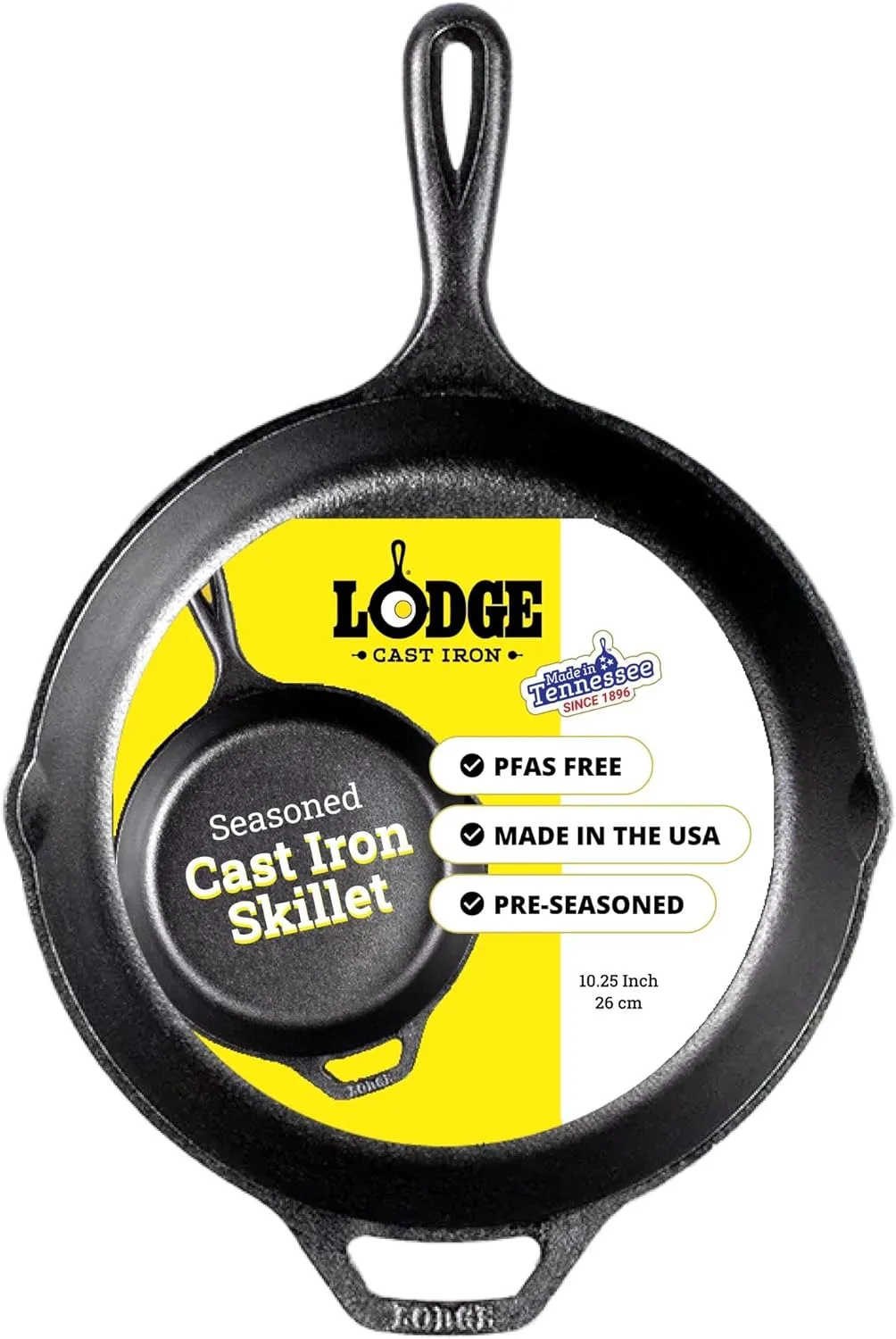
Speaking of details, the pan you use matters more than you think. To achieve that gentle, even heat I mentioned for the cream sauce, I always reach for my Lodge Cast Iron Skillet. It distributes heat beautifully, which means my shallots soften perfectly without browning and the garlic never gets bitter. Most importantly, it holds a steady, low temperature, which is the secret to a velvety cream sauce that never breaks. It’s a workhorse that’s essential for getting this recipe right.
If you’re ready to invest in a pan that will last a lifetime and elevate your cooking, this is the one I recommend.
Lodge 10.25 Inch Cast Iron Skillet with Assist Handle
✓ prime
We earn a commission if you make a purchase, at no additional cost to you.
- The Power of Pasta Water: I mentioned it above, but it’s worth repeating. That cloudy, salty, starchy water is liquid gold. The starch acts as an emulsifier and a thickener, helping the fat in the cream and butter bind to the water. This chemical reaction is what creates a cohesive, glossy sauce that clings to the pasta instead of pooling at the bottom of the bowl. Always reserve more than you think you need.
- Never, Ever Boil a Cream Sauce: The number one way to ruin a cream sauce is to boil it. High heat will cause the milk fats and proteins in the heavy cream to separate, or “break.” The result is a grainy, oily mess. Keep the heat on a gentle simmer, just enough to see a few lazy bubbles. Once the cream is in, your heat should be low and steady.
- Add the Salmon at the Very End, Off the Heat: Cold-smoked salmon is essentially a cured, raw product. If you add it to a screaming hot pan, the delicate proteins will seize up, and it will turn into tough, fishy flakes. By adding it off the heat, the residual warmth of the pasta and sauce gently warms it through, releasing its aroma while keeping its signature silky, almost buttery texture. This is a non-negotiable step for high-quality smoked salmon recipes.
- Grate Your Own Cheese: Packaged, pre-shredded cheeses are coated with starches like potato starch or cellulose to prevent clumping. These additives will prevent your cheese from melting smoothly into the sauce, creating a gritty texture. Buy a block of decent Parmigiano-Reggiano and grate it yourself. The flavor is better, and it will melt like a dream.
- Balance is Everything: A rich cream sauce needs a counterpoint. In this dish, that balance comes from the acid in the white wine and the fresh lemon juice and zest. The wine adds depth, while the lemon added at the end cuts through the richness of the cream and fat from the salmon, brightening the entire dish and preventing it from feeling heavy. Don’t skip it.
Common Mistakes to Avoid
I’ve seen these mistakes happen time and time again. Here’s how to sidestep them for a perfect result every time.
- Mistake 1: Overcooking the Pasta. The pasta will continue to cook for a minute or two after you add it to the hot sauce. If you cook it to a soft stage in the water, it will be mushy by the time you serve it. Always pull it from the water when it’s *al dente*—it should still have a definitive bite in the center.
- Mistake 2: Forgetting to Salt the Pasta Water. This is your only chance to season the pasta itself. If you don’t salt the water, the pasta will be bland, and the entire dish will taste flat, no matter how good your sauce is. The water should be aggressively salted. A good rule of thumb is 1 to 1.5 tablespoons of kosher salt for every gallon of water.
- Mistake 3: Rinsing the Pasta. Rinsing cooked pasta under water washes away the exterior starches. As we discussed in the pro tips, this starch is essential for helping the sauce adhere to the pasta. Drain it, and let that starchy coating do its job. The only time you should ever rinse pasta is for a cold pasta salad.
- Mistake 4: Adding the Cheese to a Sizzling Hot Sauce. Just like boiling cream can cause it to break, adding cheese to a sauce that’s too hot can make it seize and clump. The proteins in the cheese tighten up and squeeze out the fat, resulting in a greasy, stringy texture. Turn the heat down low or even off before you stir in the Parmesan for a smooth, homogenous sauce.
Variations and Serving Ideas
Once you have the base recipe down, it’s easy to adapt. This is one of those foundational smoked salmon recipes that you can build on.
- Add Vegetables: This dish is fantastic with some added greens. Add a few large handfuls of fresh spinach to the sauce at the very end along with the salmon; it will wilt down in seconds. Sautéed mushrooms or asparagus tips, added with the shallots, also work well. Frozen sweet peas can be tossed in with the pasta during the last minute of cooking.
- Make it Spicy: A pinch of red pepper flakes (about 1/4 to 1/2 teaspoon) added with the garlic will give the dish a subtle, pleasant heat that cuts through the richness.
- Introduce Capers: For a brinier, more classic flavor profile, add 1-2 tablespoons of drained capers to the sauce when you add the dill and lemon juice. Their salty pop is a perfect match for smoked salmon.
- Use Hot-Smoked Salmon: You can substitute hot-smoked salmon (the kind that looks like a cooked fillet) for the cold-smoked variety. Because it’s already cooked and firmer, you can flake it into larger chunks and add it with the pasta to the sauce to heat through more thoroughly without it falling apart.
What to Serve With
Because the pasta is quite rich, you want to serve it with sides that are light and fresh to cleanse the palate.
- Wine Pairing: A crisp, high-acid white wine is the perfect partner. A Sauvignon Blanc from New Zealand with its grassy, citrusy notes, or a dry Italian Pinot Grigio will cut through the creaminess beautifully. For a different flavor profile, like our soy ginger baked salmon, you might opt for an off-dry Riesling.
- Simple Green Salad: A simple salad of arugula or mixed greens with a sharp lemon vinaigrette is all you need. The bitterness of the arugula and the acidity of the dressing will balance the richness of the main course.
- Crusty Bread: A good loaf of crusty sourdough or a simple baguette is non-negotiable for sopping up any leftover cream sauce from the bottom of the bowl. You could also serve it with simple garlic bread.
Storage and Reheating
Cream-based pasta dishes are notoriously tricky to reheat, but it can be done if you’re careful.
- Storage: Store any leftovers in an airtight container in the refrigerator for up to 2 days. The texture of the salmon will change slightly upon chilling, but it will still be delicious. I do not recommend freezing this dish, as the cream sauce will separate and become watery upon thawing.
- Reheating: The best way to reheat this pasta is gently on the stovetop. Place the pasta in a small saucepan over low heat. Add a splash of milk, cream, or even water (about 1-2 tablespoons per serving) to help loosen the sauce. Stir frequently and gently until it’s just warmed through. Microwaving will often cause the sauce to break and can overcook the salmon, so avoid it if possible.
FAQs (People Also Ask)
Here are some common questions I get about making this dish.
1. Can I use half-and-half or milk instead of heavy cream?
I strongly advise against it. Heavy cream has a high fat content (around 36%), which makes it stable and resistant to curdling under heat. Half-and-half and milk have much lower fat content, and their proteins are very likely to curdle when simmered, especially with the addition of acidic wine and lemon juice. This will result in a thin, grainy sauce. Stick with heavy cream for a foolproof result.
2. What’s the best gluten-free pasta for this recipe?
For a creamy sauce, you want a gluten-free pasta that holds its shape and has a good texture. I’ve had the best results with brown rice fettuccine or a corn-and-rice blend. These tend to hold up well and don’t get as mushy as some other varieties. Remember to cook it al dente and reserve the starchy pasta water, which is just as important for gluten-free pasta.
3. My sauce seems too thin. How can I fix it?
If your sauce is too thin after adding the pasta and cheese, first make sure you’ve tossed it vigorously to emulsify. If it’s still thin, you can return the pan to low heat and let it simmer for another minute or two to reduce and thicken. Be patient. If it’s still not thick enough, your last resort is a cornstarch slurry (1 teaspoon cornstarch mixed with 1 tablespoon cold water), but this can sometimes dull the flavor. The pasta water and cheese method is always superior and is a hallmark of many great smoked salmon recipes.
4. Can I make this dish ahead of time?
This is really a dish that’s best served immediately. The sauce is at its peak texture right after it’s made. If you make it ahead of time, the pasta will continue to absorb the sauce, becoming both mushy and dry. If you must prep ahead, you can make the sauce up to the point before adding the pasta and salmon, then refrigerate it. When ready to serve, gently reheat the sauce, cook fresh pasta, and combine as directed. This preserves the integrity of one of my favorite smoked salmon recipes.
5. Is there a difference between lox and smoked salmon?
Yes, and it matters here. Lox is cured in a salt brine but is not smoked. Cold-smoked salmon is cured and then smoked at a low temperature (around 80°F). The result is a much smokier, more complex flavor that is essential for this recipe. While you could use lox, you would miss the signature smoky note that makes the dish so compelling. Always look for packages labeled “smoked salmon” or “Nova lox” (which is cold-smoked).
Nutrition
Nutrition Facts
(Per serving. Estimates only, varies by exact ingredients used)
Conclusion
This Creamy Smoked Salmon Pasta proves that elegant, deeply flavorful food doesn’t have to be complicated. It’s about using good ingredients and solid technique to create something truly special in a short amount of time. I hope this becomes one of your go-to smoked salmon recipes for years to come. Give it a try, and let me know how it turns out. Happy cooking.
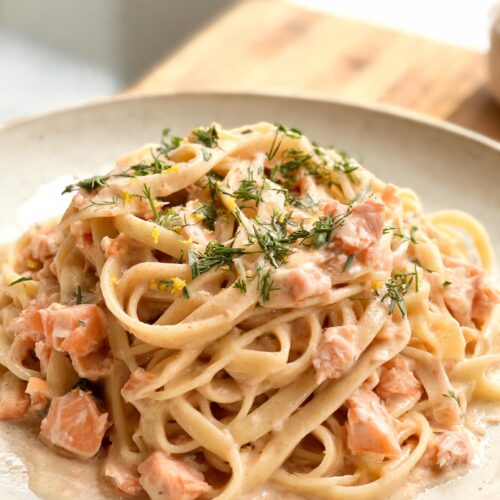
Creamy Smoked Salmon Pasta
Ingredients
- 12 ounces fettuccine, linguine, or pappardelle
- Kosher salt, for pasta water
- 2 tablespoons unsalted butter, divided
- 1 tablespoon olive oil
- 1 large shallot, finely minced (about 1/3 cup)
- 2 cloves garlic, finely minced
- 1/4 cup dry white wine (like Pinot Grigio)
- 1 cup heavy cream
- 1/2 cup Parmesan cheese, freshly grated
- 6 ounces cold-smoked salmon, cut into 1-inch pieces
- 1/4 cup fresh dill, chopped
- 1 teaspoon lemon zest
- 2 tablespoons fresh lemon juice
- Freshly cracked black pepper, to taste
Instructions
- Bring a large pot of heavily salted water to a boil. Cook pasta according to package directions until al dente. Reserve 1 cup of pasta water, then drain the pasta.
- While pasta cooks, heat olive oil and 1 tbsp of butter in a large skillet over medium heat. Add shallot and sauté for 2-3 minutes until soft. Add garlic and cook for 1 more minute until fragrant.
- Deglaze the pan with white wine, scraping up any bits from the bottom. Simmer for 1-2 minutes until reduced by half.
- Reduce heat to low and stir in the heavy cream. Let it gently simmer for 3-4 minutes to thicken slightly. Do not boil.
- Add the drained pasta to the skillet, along with the grated Parmesan, the remaining 1 tbsp of butter, and 1/4 cup of reserved pasta water. Toss vigorously with tongs until the sauce is creamy and coats the pasta. Add more pasta water if needed.
- Remove the skillet from the heat. Add the smoked salmon, chopped dill, lemon zest, and lemon juice. Toss gently to combine.
- Season with black pepper and serve immediately, garnished with extra Parmesan and dill.