
Introduction
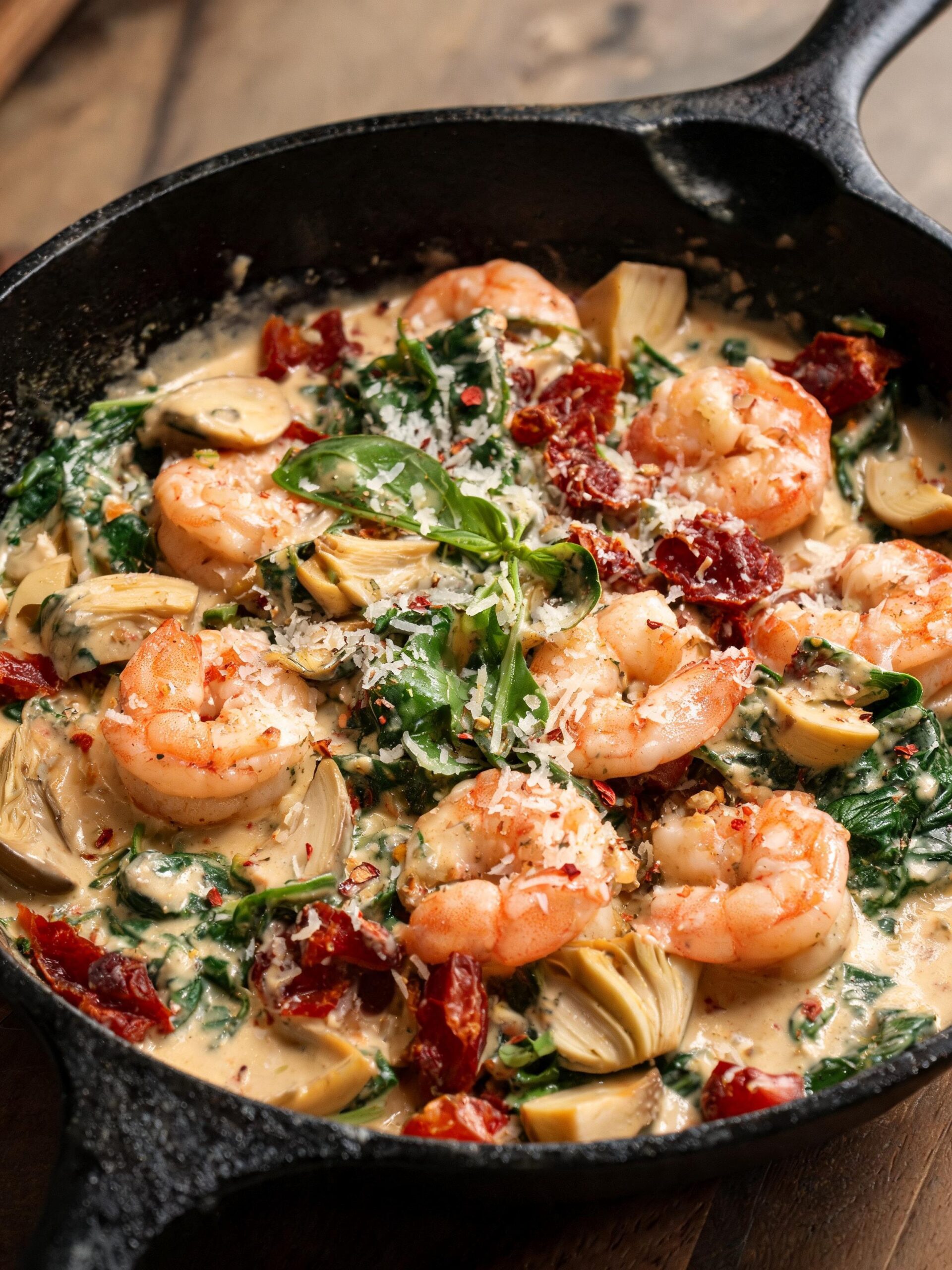
I came home from the dock one afternoon with more fish than I planned on catching. That happens. The cooler was heavy, the sun was already low, and I had maybe forty minutes before everyone started asking what was for dinner. It’s times like these you need a quick recipe you can count on, whether it’s this one or our popular shrimp alfredo recipe that tastes like the coast came home. That’s exactly when this spanish mackerel recipe became something I actually wrote down instead of just winging it again.
Spanish mackerel is one of those fish people overlook. I don’t know why. It’s got this rich, slightly oily flesh that holds up to heat without falling apart, and when you get it fresh off the water, there’s almost nothing you need to do to make it taste incredible. A quick coastal style preparation — a little citrus, a little heat, a hot pan — and you’ve got something that feels way more special than the effort it took.
This is the kind of dinner that doesn’t require a plan. Just a good fish and a few things you probably already have.
Why You’ll Love This Recipe
- It’s genuinely fast — from fridge to table in about 30 minutes, even on a tired evening
- The flavor is bold and real without needing a long list of ingredients or anything fancy
- It’s forgiving enough for beginners but satisfying enough that you’ll keep coming back to it
Quick Recipe Snapshot
Prep Time: 15 minutes
Cook Time: 20 minutes
Total Time: 35 minutes
Servings: 4
Difficulty: Easy
Best For: Weeknight dinner, casual coastal meal
Method: Pan-seared on stovetop
Ingredients List
For the Fish:
- 4 Spanish mackerel fillets (about 6 oz each) — skin on keeps them from curling in the pan
- 1 teaspoon kosher salt
- ½ teaspoon black pepper
- ½ teaspoon smoked paprika — this is the one spice that really pulls the whole thing together
- ¼ teaspoon cayenne pepper (optional, but I usually add it)
- 2 tablespoons olive oil
For the Pan Sauce:
- 3 cloves garlic, thinly sliced — not minced, sliced, so it doesn’t burn as fast
- 2 tablespoons unsalted butter
- Juice of 1 lemon — fresh only, please
- ¼ cup dry white wine or low-sodium chicken broth if you’d rather skip the wine
- 1 tablespoon capers, drained — optional but they add a briny punch that works really well with this fish
- 2 tablespoons fresh parsley, roughly chopped
Step-by-Step Instructions
- Pull your fillets out of the fridge about 10 minutes before you cook them. Cold fish straight into a hot pan tends to cook unevenly — the outside tightens up before the inside has a chance to catch up.
- Pat the fillets completely dry with paper towels. This step matters more than people think. Moisture is what causes sticking and steaming instead of searing.
- Mix the salt, pepper, smoked paprika, and cayenne together in a small bowl. Rub that mixture evenly over both sides of each fillet.
- Heat your olive oil in a large skillet — cast iron if you have it — over medium-high heat. Give it a full two minutes to get genuinely hot before the fish goes in.
- Place the fillets skin-side down. Press gently for the first 30 seconds so the skin makes full contact with the pan. Let them cook undisturbed for about 4 minutes. You’ll see the flesh turning opaque from the bottom up.
- Flip carefully. Cook another 2 to 3 minutes on the flesh side. The fish is done when it flakes easily with a fork and the center is no longer translucent. Set fillets aside on a plate.
- Turn the heat down to medium. Add the butter to the same pan. Once it melts, add the sliced garlic. Let it go for about 60 seconds — you want it golden, not brown.
- Pour in the white wine or broth. It’ll bubble up fast. Scrape any bits off the bottom of the pan. That’s flavor. Add the lemon juice and capers if using.
- Let the sauce simmer for 2 minutes until it reduces slightly. Stir in the parsley. Spoon the sauce right over the fillets and serve immediately.
Honestly the hardest part of this whole thing is not messing with the fish while it’s in the pan. I know it’s tempting. Just leave it alone.
Small Tricks From Cooking Fish at Home
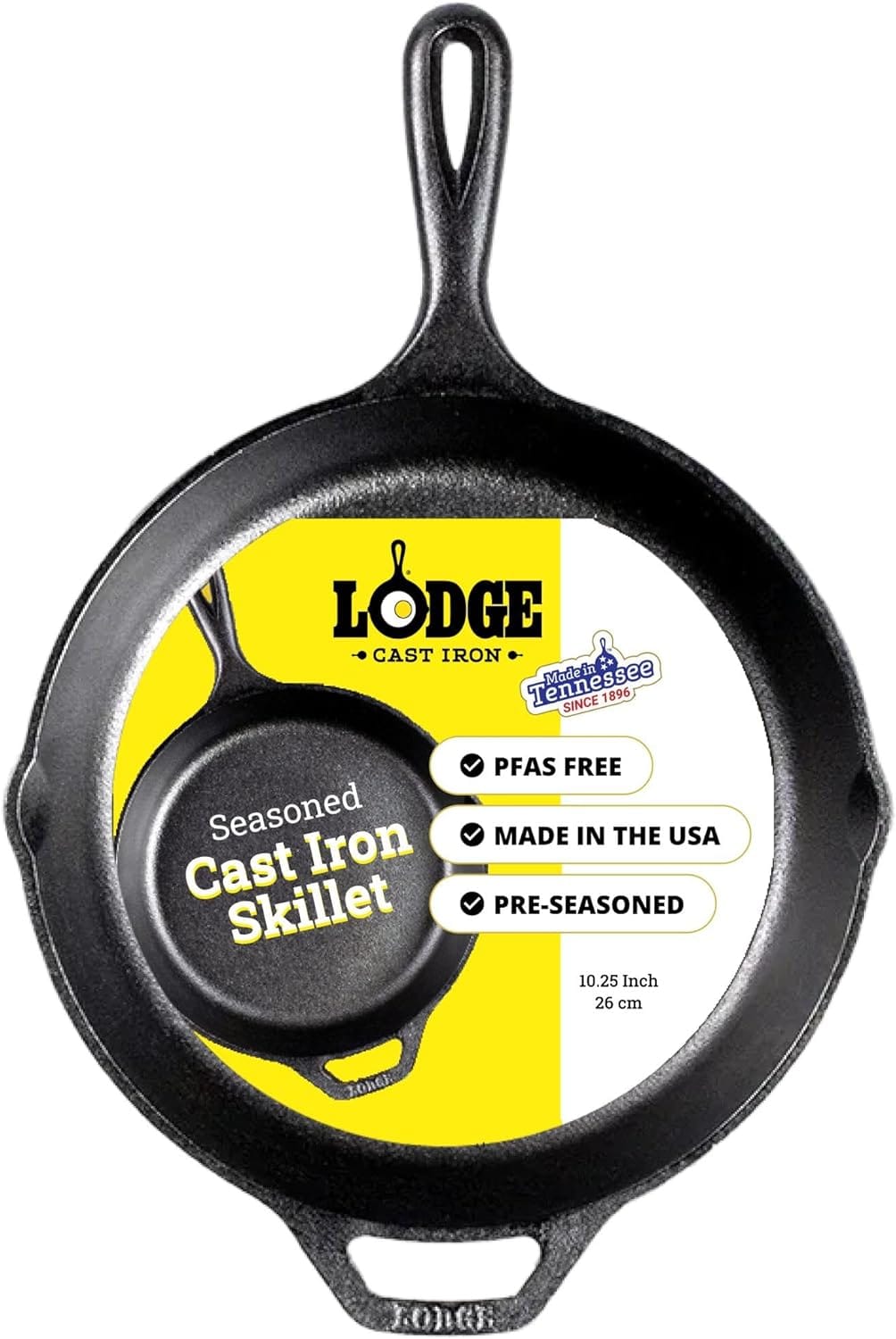
I’ve said it a couple of times already, but the secret to perfectly seared fish is a genuinely hot pan. For me, that’s always cast iron. I’ve used my Lodge skillet for years because it holds that high, even heat like nothing else. When you lay that mackerel skin-side down, you get an immediate, aggressive sear that crisps the skin beautifully and prevents it from sticking. It’s the one tool that consistently delivers that restaurant-quality crust right in my own kitchen.
If you’re serious about cooking fish at home, a good cast iron skillet isn’t just nice to have—it’s essential. Grab the one I trust below.
Lodge 10.25 Inch Cast Iron Skillet with Assist Handle
✓ prime
We earn a commission if you make a purchase, at no additional cost to you.
The first time I made mackerel indoors, I didn’t open a single window. My whole house smelled like the marina for two days. Now I always crack a window and turn the exhaust fan on before the fish even hits the pan. Small thing, big difference.
Dry the fish. I know I already said it in the instructions but I’m saying it again because I skipped it once and the fillet stuck so bad I basically had to scrape it off the pan in pieces. Dry fish sears. Wet fish steams and sticks.
Don’t crowd the pan. If your fillets are large, cook two at a time instead of four. When you crowd them, the temperature drops and they start releasing moisture instead of getting that nice crust on the outside.
Skin-side down first, always. The skin acts like a little shield. It protects the delicate flesh from direct heat and helps the fillet hold its shape. By the time you flip it, most of the cooking is already done.
Taste your sauce before it goes on the fish. Every lemon is different. Some are tart, some are almost sweet. Give the sauce a quick taste and adjust. A tiny pinch of salt or an extra squeeze of lemon can completely change how it lands.
Common Mistakes to Avoid
Moving the fish too soon is probably the most common one. If it’s sticking when you try to flip it, it’s not ready. A properly seared fillet releases on its own when the crust has formed. Give it another minute and try again.
Cooking it straight from the fridge. I mentioned this in the instructions but it’s worth repeating here because cold fish in a hot pan is one of the main reasons people end up with something raw in the middle and overdone on the outside.
Using too low of a heat. I get it — fish feels delicate and people are scared of burning it. But medium-high heat is what gives you that color on the outside. Too low and you end up with something pale and soft instead of golden and flavorful. Trust the heat.
Skipping the resting step. After the fish comes off the pan, let it sit for just a minute or two before you plate it. The juices redistribute a little. It’s a small thing but the texture is noticeably better.
Variations and Serving Ideas
Spicy version: Double the cayenne and add a teaspoon of crushed red pepper flakes to the pan sauce. A drizzle of hot honey right at the end is something I started doing recently and I’m not going back.
Mild version: Skip the cayenne entirely and swap the smoked paprika for sweet paprika. Add a little fresh dill to the sauce instead of parsley. It’s gentler and still really good, especially if you’re cooking for kids.
Coastal twist: Finish the whole thing with a handful of halved cherry tomatoes thrown into the pan sauce for the last minute of cooking. They blister slightly and add this bright, almost sweet note that pairs really well with the richness of the fish. Serve it over white rice and it feels like something you’d eat at a picnic table near the water.
What to Serve With
I usually go with something that can absorb the pan sauce — white rice, crusty bread, or even just a pile of roasted potatoes. The sauce is good enough that you don’t want to waste it. Alternatively, flaking the cooked fish is a great starting point for making some crispy fish tacos with cabbage slaw for another meal.
For something fresh alongside it, a simple cucumber and tomato salad with a little red onion and olive oil cuts right through the richness of the fish. It’s that crispy-fresh contrast that makes the whole plate feel balanced.
If I want something warm and soft on the side, sautéed spinach with garlic takes about four minutes and goes with almost everything. Steamed green beans work too. Nothing complicated. The fish is already the main event.
Storage and Reheating
Cooked mackerel keeps in the fridge for up to 2 days in an airtight container. After that the texture starts to get a little soft and the smell gets stronger. Just be honest with yourself about it.
To reheat, use a skillet over low heat with a tiny splash of water or broth. Cover it loosely and let it warm through slowly — maybe 3 to 4 minutes. DO NOT microwave it. I know it’s tempting when you’re in a hurry but microwaved fish gets rubbery and the smell fills the whole kitchen in a way that nobody wants.
DO NOT freeze cooked fillets. The texture breaks down completely when thawed and you’ll end up with something mushy and sad. If you have raw fillets you want to save, freeze those instead before cooking.
FAQs (People Also Ask)
Can I use frozen Spanish mackerel instead of fresh?
Yes, frozen works fine. Just thaw it completely in the fridge overnight and pat it very dry before seasoning. Frozen fish tends to hold more water so the drying step is even more important.
How do I know when the fish is fully cooked?
It should flake easily when you press it gently with a fork, and the flesh should be opaque all the way through with no translucent pink in the center. If you have a thermometer, 145°F internal temperature is the target.
Can I substitute a different fish if I can’t find Spanish mackerel?
Bluefish, king mackerel, or even mahi-mahi would work with this same method. Just adjust the cook time slightly depending on the thickness of the fillet.
How long does this take start to finish?
About 35 minutes total, and most of that is hands-off time while the fish cooks. It’s genuinely one of the faster dinners I make.
Is this recipe good for beginners?
Absolutely. The technique is straightforward and the timing is forgiving enough that a few extra seconds either way won’t ruin it. If you’ve ever cooked chicken in a skillet, you can handle this.
Can I make this without wine?
Yes — low-sodium chicken broth or even just a little extra lemon juice with a splash of water works perfectly in the sauce. The wine adds depth but it’s not essential.
Nutrition Facts
(Per serving. Estimates only, varies by exact ingredients used)
Conclusion
There’s something about cooking a fish you caught yourself — or even just one you picked up fresh that morning — that makes dinner feel like it actually means something. This isn’t a complicated meal. It never was. It’s just good fish, treated simply, eaten while it’s still hot.
I still make this on evenings when I’m tired and the cooler needs emptying and I don’t have a plan. And every time, it’s enough. More than enough, honestly.

Pan-Seared Spanish Mackerel with Lemon Garlic Pan Sauce
Ingredients
- 4 Spanish mackerel fillets (about 6 oz each), skin on
- 1 teaspoon kosher salt
- 1/2 teaspoon black pepper
- 1/2 teaspoon smoked paprika
- 1/4 teaspoon cayenne pepper
- 2 tablespoons olive oil
- 3 cloves garlic, thinly sliced
- 2 tablespoons unsalted butter
- Juice of 1 fresh lemon
- 1/4 cup dry white wine or low-sodium chicken broth
- 1 tablespoon capers, drained (optional)
- 2 tablespoons fresh parsley, roughly chopped
Instructions
- Remove fillets from the fridge 10 minutes before cooking to take the chill off.
- Pat fillets completely dry with paper towels on both sides.
- Mix salt, pepper, smoked paprika, and cayenne in a small bowl. Rub evenly over both sides of each fillet.
- Heat olive oil in a large skillet over medium-high heat for 2 full minutes until hot.
- Place fillets skin-side down. Press gently for 30 seconds. Cook undisturbed for 4 minutes.
- Flip fillets carefully. Cook another 2 to 3 minutes until flesh flakes easily and is opaque throughout. Remove to a plate.
- Reduce heat to medium. Add butter to the same pan. Once melted, add sliced garlic and cook 60 seconds until golden.
- Pour in white wine or broth. Scrape up any bits from the pan bottom. Add lemon juice and capers if using.
- Simmer sauce for 2 minutes until slightly reduced. Stir in parsley.
- Spoon sauce over fillets and serve immediately.