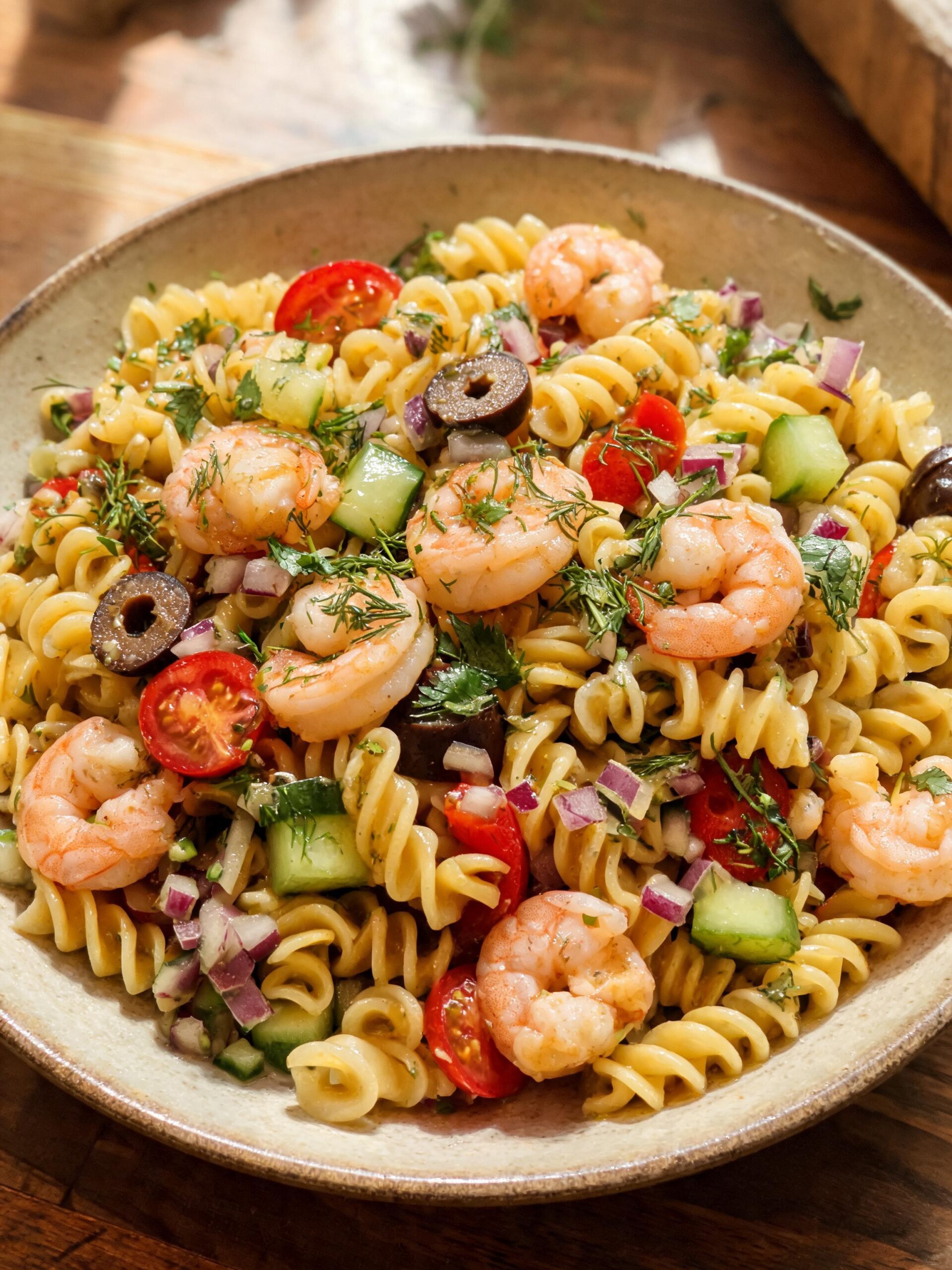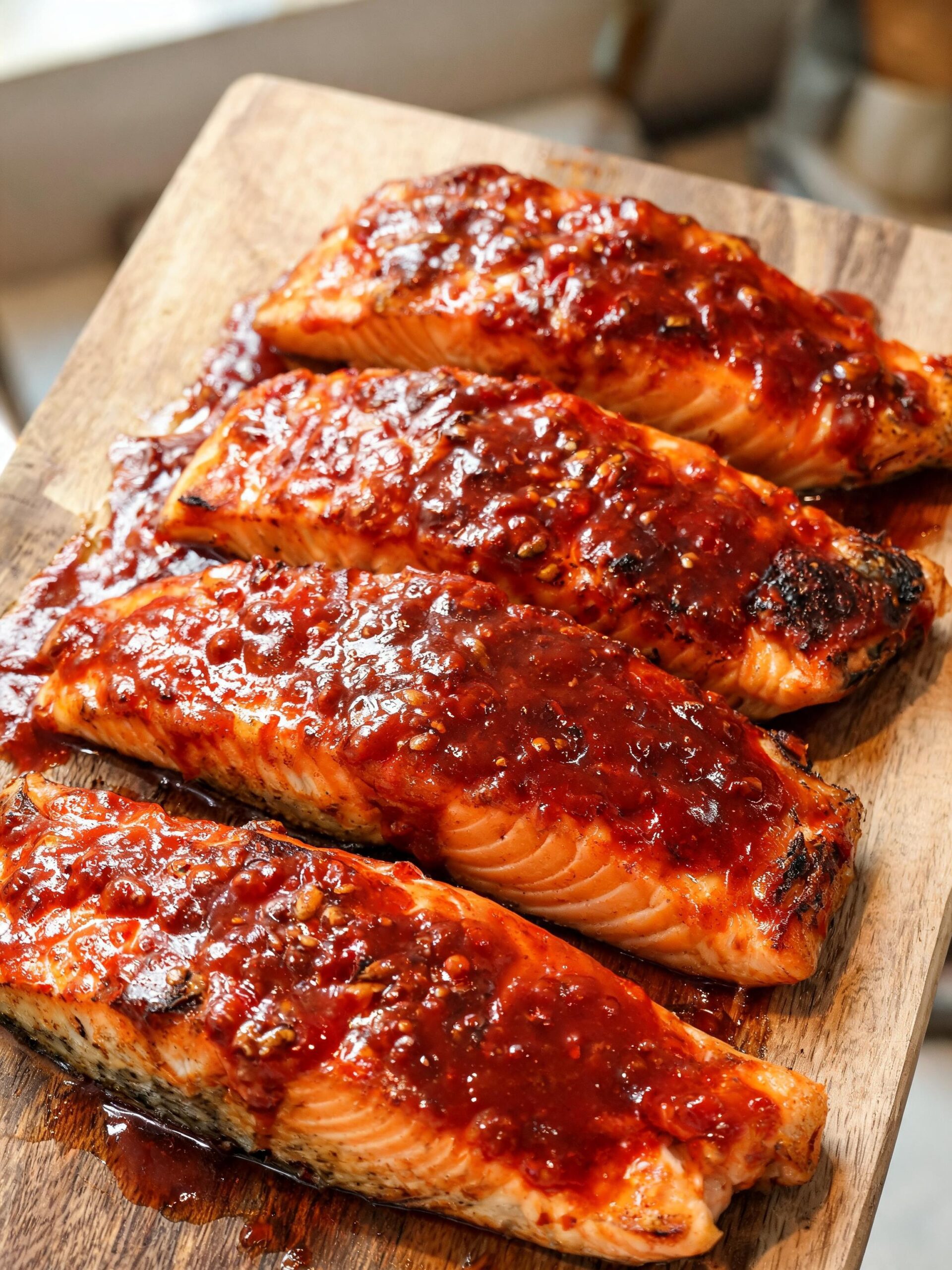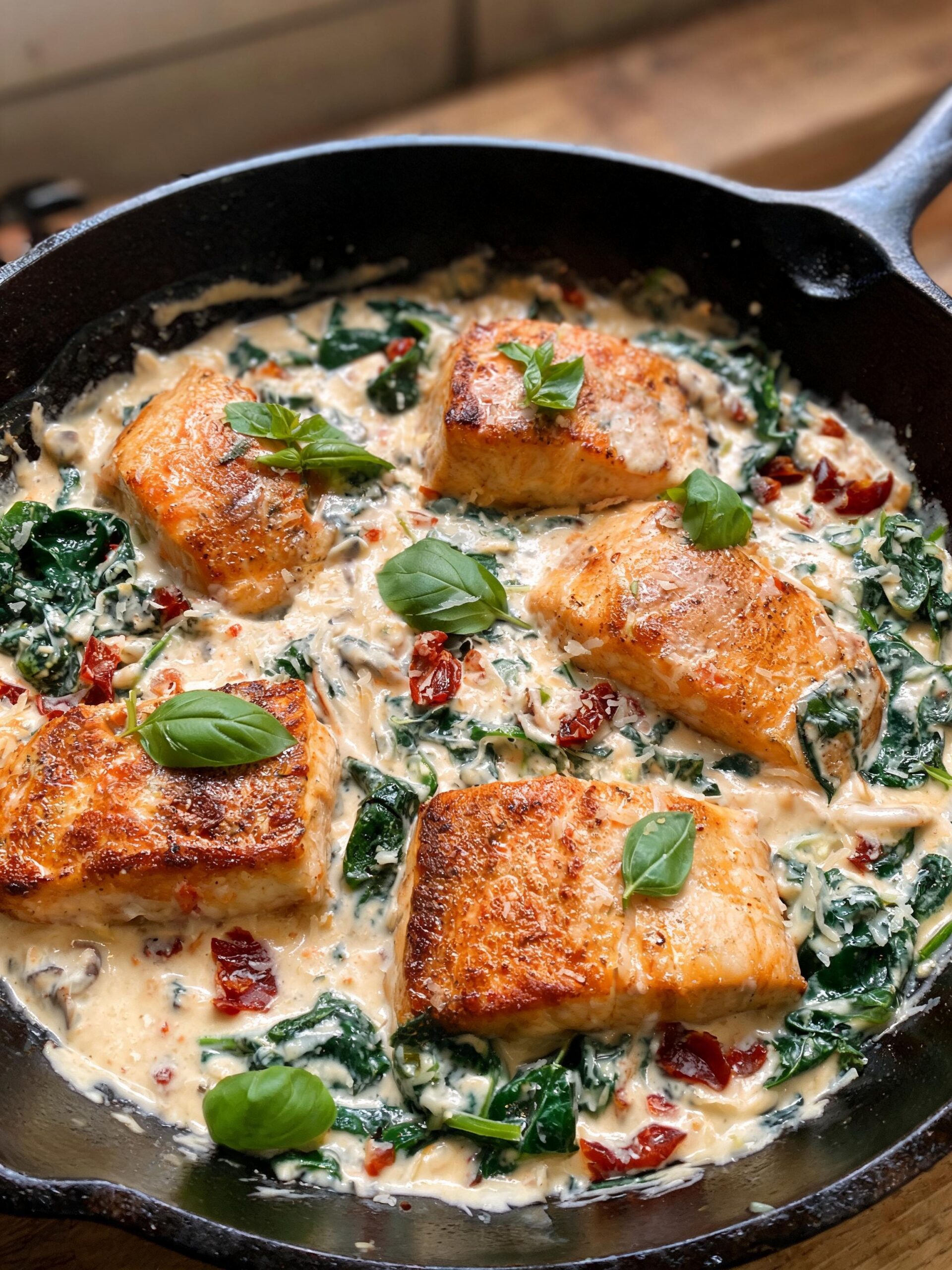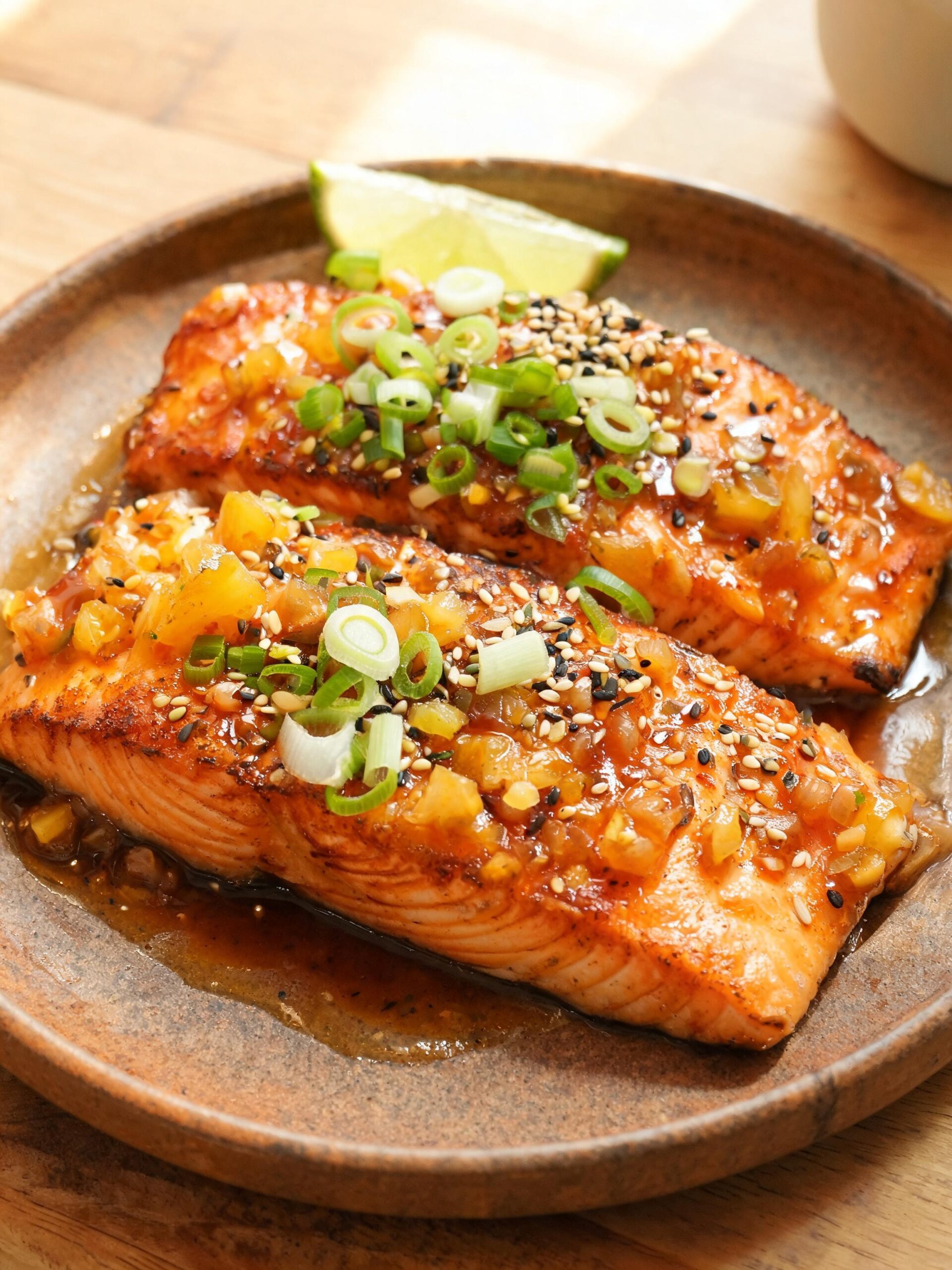
Introduction
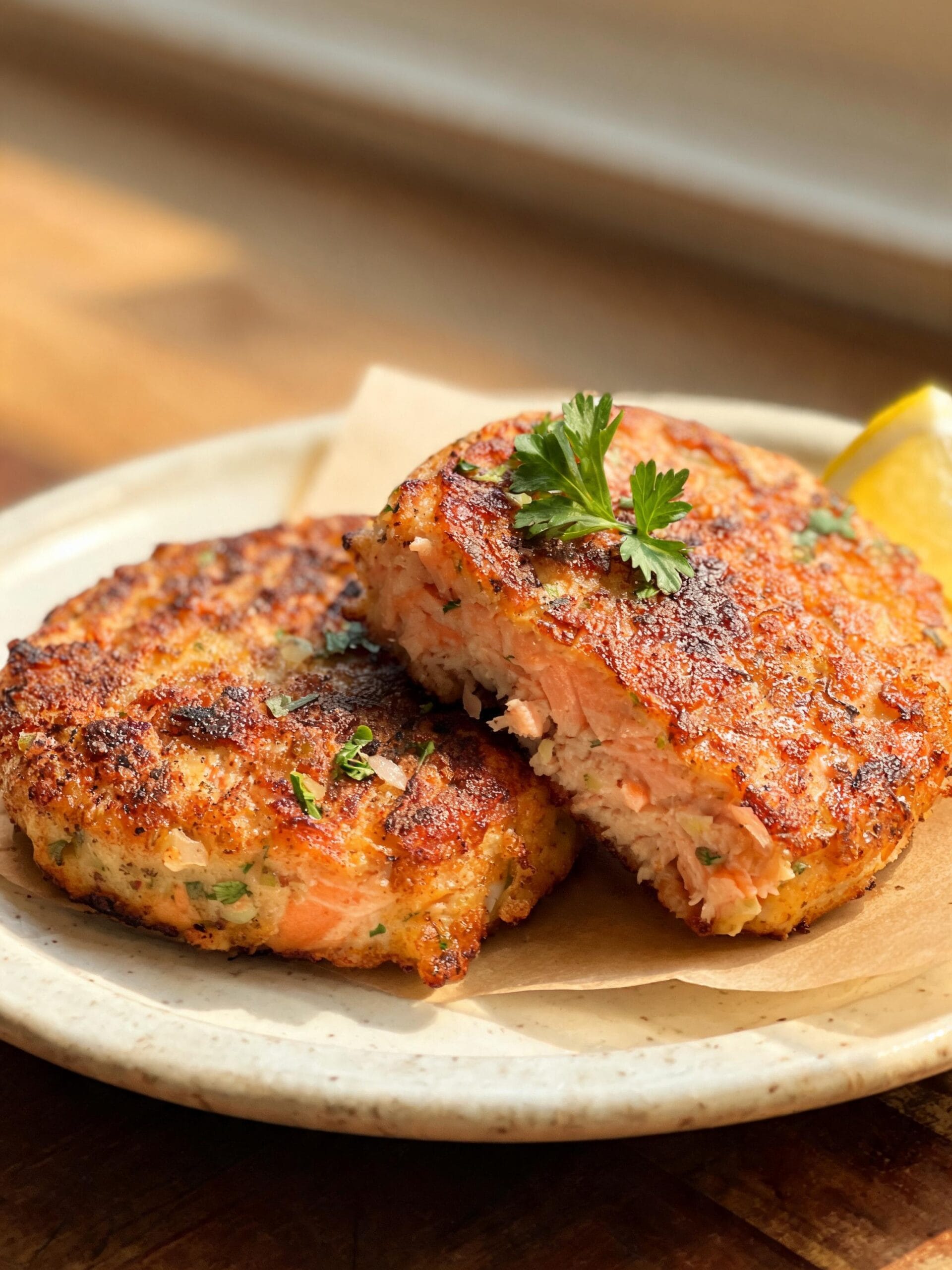
If you’re looking for a recipe for classic, no-fail Salmon Patties, you’ve come to the right place. For over 20 years in professional kitchens, I’ve seen food trends come and go, but some dishes are timeless for a reason. These simple fishcakes are a testament to that. They’re a staple of American home cooking, born from practicality and a need for delicious, budget-friendly meals. This isn’t a fussy, modern interpretation. This is the real deal: crispy on the outside, tender and flaky on the inside, packed with flavor, and incredibly satisfying. We’re talking about the kind of recipe passed down through generations, the one that reminds you of family dinners and simple comforts. We’ll use straightforward ingredients and solid techniques to ensure your salmon patties come out perfect every single time. Forget the dry, bland pucks you might have had in the past; we’re making them the right way.
Why You’ll Love This Recipe
- Incredibly Fast and Easy: From opening the can to plating the finished patties, you can have this meal on the table in about 30 minutes. Much like our popular Panera tuna salad sandwich, it’s the perfect solution for a busy weeknight.
- Pantry-Friendly Ingredients: This recipe relies on staples you likely already have on hand, like canned salmon, breadcrumbs, eggs, and mayonnaise. No special shopping trip required.
- Flavorful and Versatile: These patties are delicious on their own, but they’re also a fantastic base for creativity. Serve them as a main course, on a bun like a burger, or over a fresh salad.
Ingredients List
The beauty of this recipe is its simplicity. Every ingredient has a purpose, contributing to the final texture and flavor. Precision is key in seafood cooking, so use these measurements for a balanced, well-structured patty.
For the Salmon Patties:
- Canned Salmon: 2 (14.75-ounce) cans, pink or sockeye salmon, drained well. The backbone of the dish. I prefer wild-caught sockeye for its richer flavor and color, but pink salmon works wonderfully and is very economical. The key is to drain it thoroughly to avoid a soggy mixture. If your canned salmon includes skin and soft bones, don’t discard them! The bones are edible, mash easily, and are a fantastic source of calcium. The skin adds extra omega-3s and flavor.
- Panko Breadcrumbs: 1 cup, plus ½ cup for coating. Panko is a Japanese-style breadcrumb that is lighter and flakier than traditional breadcrumbs. It absorbs less oil, resulting in a much crispier, crunchier crust. If you only have traditional fine breadcrumbs, reduce the amount in the mixture to ¾ cup as they are denser.
- Mayonnaise: ¼ cup. This is my secret weapon for moist, tender patties. It adds necessary fat and richness, ensuring the inside doesn’t dry out during cooking. Use a good quality, full-fat mayonnaise for the best results.
- Large Egg: 1, lightly beaten. The primary binder. The proteins in the egg coagulate when heated, holding the patty together. One large egg is the perfect amount for this quantity of salmon.
- Yellow Onion: ½ cup, finely minced. Not chopped, but minced. Small, uniform pieces will incorporate seamlessly, adding a subtle, sweet aromatic flavor without creating chunky, raw bits in the finished patty.
- Fresh Parsley: 2 tablespoons, finely chopped. Adds a bright, fresh, peppery note that cuts through the richness of the salmon. Dried parsley is not a suitable substitute here; the flavor of fresh is essential.
- Dijon Mustard: 1 tablespoon. Provides a sharp, tangy counterpoint to the fatty salmon and mayonnaise. It adds a layer of complexity that plain yellow mustard can’t match.
- Lemon Juice: 1 tablespoon, freshly squeezed. Acidity is non-negotiable with seafood. It brightens all the flavors and makes the salmon taste fresher.
- Kosher Salt: ½ teaspoon.
- Black Pepper: ½ teaspoon, freshly ground.
For Frying:
- Neutral Oil: ¼ cup, such as canola, vegetable, or avocado oil. You need an oil with a high smoke point that won’t burn during pan-frying. Olive oil is not ideal for this application as its flavor can be overpowering and it has a lower smoke point.
Step-by-Step Instructions
- Prepare the Salmon: Open the cans of salmon and drain them completely. Place the salmon in a medium-sized mixing bowl. Use a fork to flake the salmon into small pieces. If you’re using salmon with skin and bones, mash them thoroughly until they are fully incorporated.
- Combine Wet and Dry Ingredients: To the bowl with the flaked salmon, add 1 cup of panko breadcrumbs, mayonnaise, the beaten egg, minced onion, chopped parsley, Dijon mustard, lemon juice, salt, and pepper.
- Mix Gently: Using a fork or your hands, gently mix all the ingredients until they are just combined. Do not overmix. Overworking the mixture can make the patties tough and dense. The mixture should be moist enough to hold its shape.
- Shape the Patties: Divide the mixture into 8 equal portions. Roll each portion into a ball and then gently flatten it into a patty about ¾-inch thick and 3 inches in diameter. Place the shaped patties on a baking sheet lined with parchment paper.
- Chill (Crucial Step): Place the baking sheet with the patties into the refrigerator to chill for at least 30 minutes, or up to 2 hours. This step is critical. It allows the binders to set and the flavors to meld, ensuring the patties hold their shape perfectly during frying. Do not skip this.
- Coat the Patties: Place the remaining ½ cup of panko breadcrumbs on a shallow plate. Gently press each chilled patty into the panko, coating both sides evenly. This creates the extra-crispy exterior.
- Heat the Pan: Place a large non-stick or cast-iron skillet over medium-high heat. Add the ¼ cup of neutral oil. The oil is ready when it shimmers slightly. To test it, you can drop a single panko crumb in; if it sizzles immediately, the oil is hot enough.
- Fry the Patties: Carefully place 4 patties in the hot skillet, ensuring you don’t overcrowd the pan. Cook for 3-4 minutes per side, until they are a deep golden brown and crispy. The internal temperature should reach 145°F.
- Drain and Serve: Remove the cooked patties from the skillet and place them on a wire rack or a plate lined with paper towels to drain any excess oil. Repeat the frying process with the remaining 4 patties. Serve immediately with lemon wedges and your favorite sauce.
Chef’s Pro Tips for Success
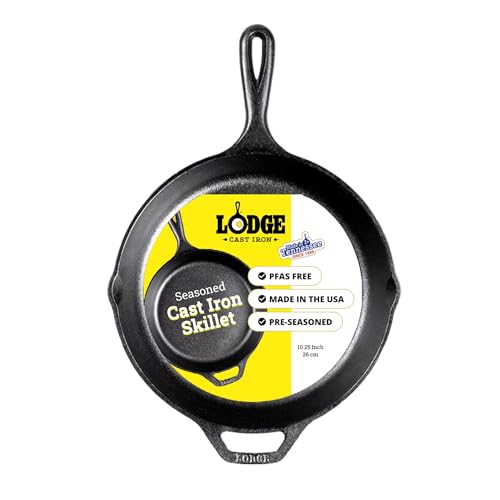
When I talk about controlling your pan temperature, there’s no better tool in my arsenal than a classic cast-iron skillet. The reason I swear by it for these salmon patties is its superior heat retention. It gets screaming hot and, more importantly, *stays* hot, creating that perfect, deep-golden crust the instant the patty hits the oil. This prevents greasiness and ensures an even cook every single time, which is the secret to a professional-quality result at home. If you don’t have a reliable cast-iron skillet, it’s the single best investment you can make for your kitchen.Lodge 10.25 Inch Cast Iron Skillet with Assist Handle
✓ prime
Check PriceWe earn a commission if you make a purchase, at no additional cost to you.
After making thousands of fishcakes in my career, I’ve learned a few non-negotiable rules for getting them right. Pay attention to these details, and you’ll go from a good home cook to a great one.
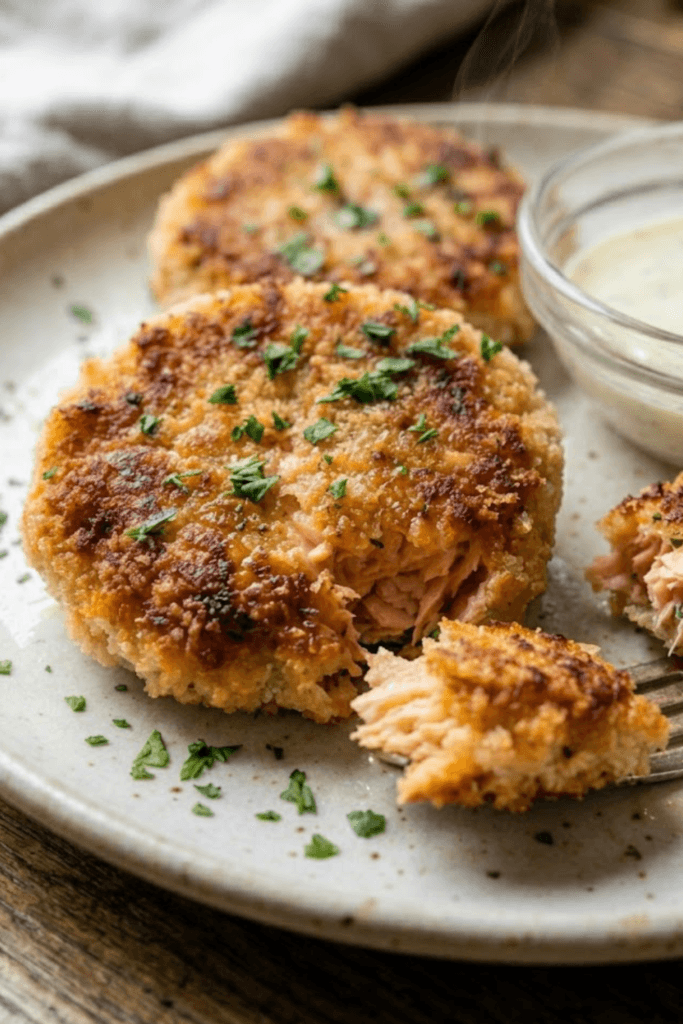
- The Chill is Non-Negotiable: I mentioned it in the instructions, but it bears repeating. Chilling the formed patties for at least 30 minutes is the single most important step for preventing them from falling apart. The cold temperature solidifies the fats (from the mayo and salmon) and allows the breadcrumbs to fully hydrate, creating a much more stable structure. When cold patties hit hot oil, the exterior sets almost instantly, locking everything in place.
- Master Your Binder Ratio: A common mistake is a patty that’s too wet or too dry. This recipe is balanced, but variables like how well you drained the salmon can affect it. The mixture should feel like damp soil—it holds together when squeezed but isn’t gummy or sticky. If it feels too wet, add more panko, one tablespoon at a time. If it’s too dry and crumbly, add another teaspoon of mayonnaise.
- Control Your Pan Temperature: The perfect fry is achieved with proper heat management. If your oil is too cold, the patties will absorb it like a sponge and become greasy. If it’s too hot, the panko crust will burn before the inside is heated through. Medium-high is the sweet spot. The oil should be shimmering, and you should hear an active, steady sizzle when the patty goes in. Adjust the heat as you cook to maintain this consistent temperature.
- Choosing the Right Salmon: While this recipe is designed for the convenience of canned salmon, the type you choose matters. Sockeye (red) salmon has a firmer texture and deeper flavor. Pink salmon is milder and softer. Both work, but be aware of the difference. If you want to make these Salmon Patties with fresh salmon, simply bake or poach about 1.5 pounds of salmon fillet until just cooked through. Let it cool completely, then flake it with a fork and proceed with the recipe.
- Don’t Crowd the Pan: Frying in batches is essential. Placing too many patties in the pan at once will drastically lower the oil temperature. This leads to steaming instead of frying, resulting in pale, soggy, and often greasy patties. Give each patty at least an inch of space around it to ensure heat can circulate and create that beautiful, even golden-brown crust.
Common Mistakes to Avoid
It’s easy to get these right, but a few common missteps can lead to disappointment. Similar to perfecting a classic shrimp sausage dirty rice, technique is key. Here’s what to watch out for.
- The Scenario: Your patties fall apart in the pan.
The Cause: This is almost always due to two things: skipping the chilling step or having a mixture that’s too wet. Without chilling, the binders haven’t had time to set. Too much moisture from poorly drained salmon or too many wet ingredients (like mayo or lemon juice) turns the mixture into mush that can’t hold up to the heat.
The Fix: Always chill for at least 30 minutes. Before you even form the patties, squeeze a bit of the mixture in your hand. If water seeps out, you need to add more binder (panko). - The Scenario: Your patties are heavy and greasy.
The Cause: The oil wasn’t hot enough when you started frying. When oil is at the right temperature (around 350°F), it instantly sears the outside of the patty, creating a barrier that prevents it from absorbing too much oil. If the oil is too cool, the patty sits in it and soaks it up before it has a chance to cook.
The Fix: Test your oil! Drop a breadcrumb in. It should sizzle vigorously. Don’t be afraid to wait for the pan to get hot, and don’t add all the patties at once, which will cool the oil down. - The Scenario: The patties are dry and bland inside.
The Cause: The culprit is usually over-mixing the patty mixture or overcooking. Over-mixing develops the proteins, leading to a tough, rubbery texture. Overcooking, even by a minute or two, will dry out the delicate salmon flakes.
The Fix: Mix the ingredients only until they are just combined. There should still be visible flakes of salmon. When frying, stick to the 3-4 minute per side guideline. Remember, the salmon is already cooked, so you’re really just heating it through and crisping the exterior. - The Scenario: The outside is dark brown, but the inside is still cold.
The Cause: Your pan heat is too high. A scorching hot pan will burn the delicate panko crust long before the heat has a chance to penetrate to the center of the patty.
The Fix: Start at medium-high heat, but be prepared to lower it to medium if you see the exterior is browning too quickly. A consistent, moderate sizzle is what you’re listening for, not a violent roar.
Variations and Serving Ideas
Once you’ve mastered the classic recipe, these patties are a blank canvas. Here are a few ways to change things up. If you’re looking for another simple salmon dish, our creamy mayo baked salmon is also a family favorite.
- Spicy Salmon Patties: Add 1 finely minced jalapeño (seeds removed for less heat) and a teaspoon of sriracha or your favorite hot sauce to the mixture. Serve with a sriracha-lime mayonnaise for dipping.
- Mediterranean-Style: Add 2 tablespoons of chopped Kalamata olives, 1 tablespoon of capers, and 1 teaspoon of dried oregano to the mix. Serve with a dollop of tzatziki sauce.
- Gluten-Free Salmon Patties: Substitute the panko breadcrumbs with gluten-free panko, crushed rice cakes, or even almond flour. Almond flour will create a denser, richer patty.
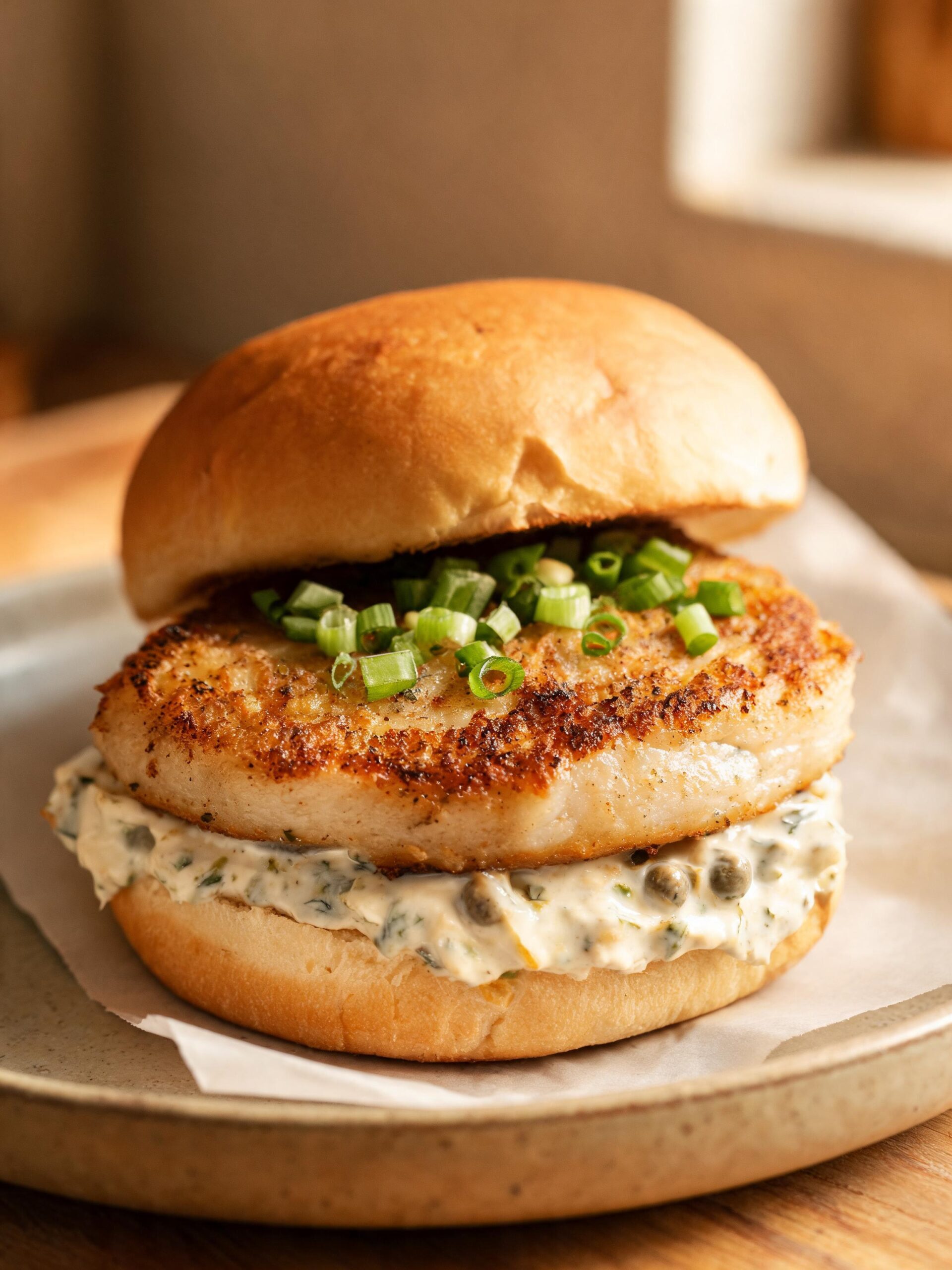
- As a Salmon Burger: Form the mixture into 4 larger patties instead of 8 smaller ones. Serve on a toasted brioche bun with lettuce, tomato, and a generous smear of tartar sauce or dill aioli.
- Miniature Appetizers: Form the mixture into 16-20 small, bite-sized patties. Serve them on a platter with a variety of dipping sauces for a party.
What to Serve With
The right side dish complements the richness of the salmon patties without overpowering them. Acidity and freshness are your best friends here.
- Classic Coleslaw: A creamy, tangy coleslaw provides a cool, crunchy contrast that is a perfect match.
- Simple Green Salad: A bed of arugula or mixed greens tossed in a sharp lemon vinaigrette helps cut through the richness of the fried patty.
- Roasted Asparagus with Lemon: The clean, earthy flavor of roasted asparagus is a fantastic pairing. A squeeze of fresh lemon over the top ties it all together.
- Quick Dill Sauce: Simply mix ½ cup of sour cream or Greek yogurt with 1 tablespoon of chopped fresh dill, 1 teaspoon of lemon juice, and a pinch of salt and pepper. It’s a classic sauce for a reason.
Storage and Reheating
Proper storage is key to enjoying leftovers that are almost as good as the first day.
- Storing: Allow the cooked patties to cool completely to room temperature. Store them in an airtight container in the refrigerator for up to 3 days. Separating layers with a piece of parchment paper can prevent them from sticking.
- Reheating: The microwave is your enemy here; it will make them soggy. The best way to reheat is in an oven or air fryer. Preheat your oven or air fryer to 375°F. Place the patties in a single layer and heat for 8-10 minutes (5-7 in an air fryer), or until they are heated through and the exterior has crisped up again.
- Freezing: These freeze exceptionally well. You can freeze them cooked or uncooked. To freeze uncooked, place the formed (but not coated in the final panko layer) patties on a parchment-lined baking sheet and freeze until solid. Then, transfer them to a freezer bag for up to 3 months. Cook from frozen, adding a few extra minutes to the cooking time. To freeze cooked patties, let them cool completely, then freeze in a single layer before transferring to a bag. Reheat from frozen in the oven or air fryer.
FAQs (People Also Ask)
1. Can I use fresh salmon instead of canned?
Absolutely. You’ll need about 1.5 pounds of fresh salmon fillet. Season it with salt and pepper and bake at 400°F for 12-15 minutes, or until it’s just cooked through. Let it cool completely, then flake the meat with a fork, discard the skin, and use it in place of the canned salmon in the recipe.
2. Can I make these salmon patties in an air fryer?
Yes, they work great in an air fryer for a lower-oil option. Prepare and chill the patties as directed. Lightly spray the air fryer basket and the patties with cooking spray. Place them in a single layer in the basket and air fry at 400°F for 10-12 minutes, flipping halfway through, until golden brown and crispy.
3. Why are my salmon patties mushy on the inside?
Mushiness is typically caused by too much moisture in the initial mix. This can happen if the canned salmon isn’t drained thoroughly or if the ratio of wet ingredients (like mayonnaise) to dry ingredients (panko) is off. Ensure your salmon is well-drained and stick to the recipe’s measurements for a firm, flaky texture.
4. What’s the best binder for salmon patties?
A combination of binders is best. In this recipe, the egg provides protein-based binding that sets with heat, while the panko breadcrumbs absorb excess moisture and provide structure. The mayonnaise adds moisture but also helps bind the fats. This trifecta creates a patty that is sturdy yet tender.
5. Can I make the salmon patty mixture ahead of time?
Yes, this is a great way to save time. You can prepare the mixture, form the patties, and store them on a parchment-lined tray, covered tightly with plastic wrap, in the refrigerator for up to 24 hours. When you’re ready to eat, just coat them in the final layer of panko and fry as directed.
Nutrition
Nutrition Facts
(Per serving. Estimates only, varies by exact ingredients used)
Conclusion
This recipe for old-fashioned salmon patties is more than just a meal; it’s a reliable, delicious dish that brings a sense of comfort and satisfaction to the dinner table. It proves that you don’t need fancy ingredients or complicated steps to create something truly wonderful. I hope this becomes a go-to recipe in your kitchen for years to come. Give it a try, and enjoy every crispy, flavorful bite.
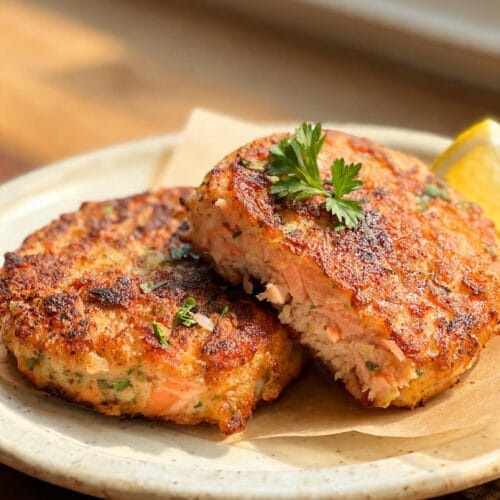
Crispy Old-Fashioned Salmon Patties (Fishcakes)
Ingredients
- 2 (14.75-ounce) cans pink or sockeye salmon, drained well
- 1 cup panko breadcrumbs, plus ½ cup for coating
- ¼ cup mayonnaise
- 1 large egg, lightly beaten
- ½ cup yellow onion, finely minced
- 2 tablespoons fresh parsley, finely chopped
- 1 tablespoon Dijon mustard
- 1 tablespoon fresh lemon juice
- ½ teaspoon kosher salt
- ½ teaspoon freshly ground black pepper
- ¼ cup neutral oil (canola, vegetable, or avocado), for frying
Instructions
- In a medium bowl, add the well-drained salmon and flake it with a fork. If using, mash any soft bones and skin until incorporated.
- Add 1 cup of panko, mayonnaise, beaten egg, minced onion, parsley, Dijon mustard, lemon juice, salt, and pepper to the salmon.
- Gently mix with a fork until just combined. Do not overmix.
- Divide the mixture into 8 equal portions and shape into patties about ¾-inch thick. Place on a parchment-lined baking sheet.
- Chill the patties in the refrigerator for at least 30 minutes to help them set.
- Place the remaining ½ cup of panko on a plate. Gently press each chilled patty into the panko to coat both sides.
- Heat ¼ cup of oil in a large skillet over medium-high heat until shimmering.
- Working in batches, cook 4 patties at a time for 3-4 minutes per side, until deep golden brown and crispy.
- Remove from the skillet and drain on a wire rack or paper towel-lined plate. Repeat with the remaining patties and serve immediately.