Introduction
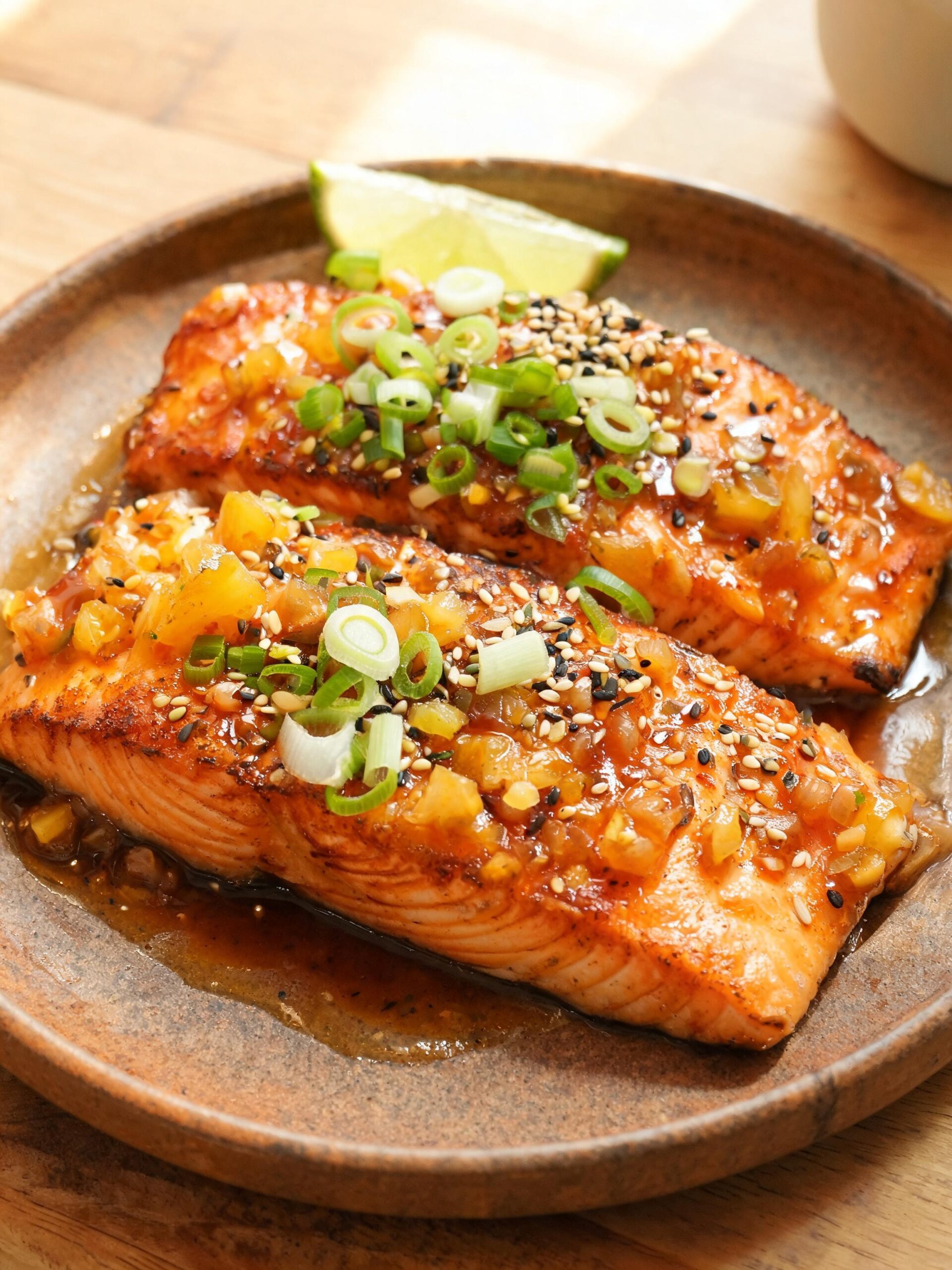
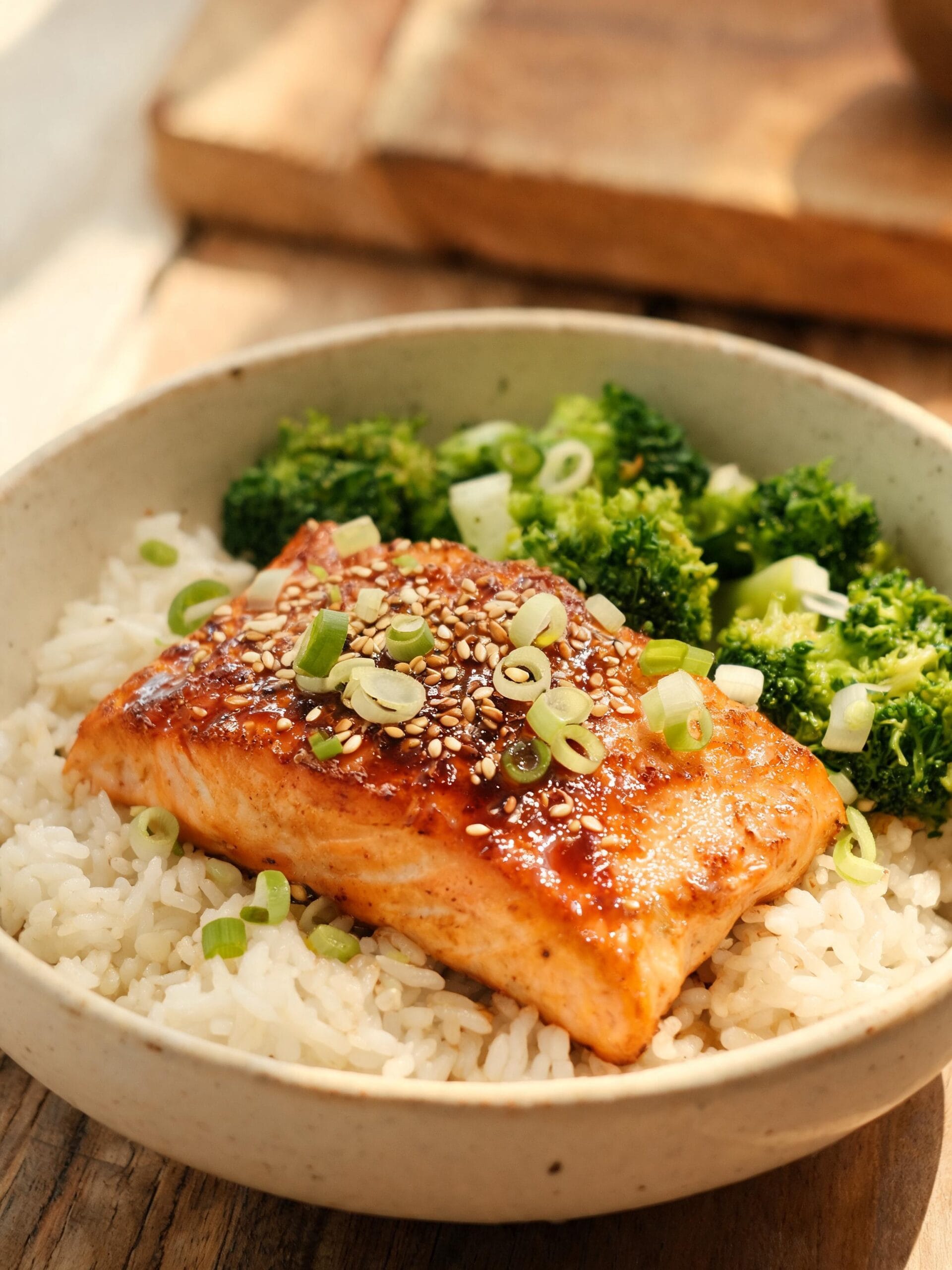
Let’s cut to the chase. You’re here because you want a fantastic, no-fuss Teriyaki Salmon recipe that doesn’t taste like it came from a bottle. You want that perfect balance of sweet and savory, a beautiful glaze, and salmon that’s cooked just right—not a dry, chalky mess. For the past 20 years in professional kitchens, I’ve seen countless ways to make this dish, but this is the method I use at home. It’s fast, it’s built on a simple homemade sauce that blows store-bought versions out of the water, and it’s practically foolproof. This isn’t just a recipe; it’s a technique. Master this, and you’ll have a go-to healthy weeknight meal that tastes like a weekend treat. For another quick and delicious meal, our creamy copycat Panera Tuna Salad Sandwich is also a fan favorite. We’re building a complete bowl here—fluffy rice, crisp vegetables, and perfectly glazed salmon—all in about the time it takes to decide on a takeout order.
Why You’ll Love This Recipe
- Seriously Fast: From start to finish, you can have this on the table in under 35 minutes. The salmon and sauce cook in less than 15, making it a true weeknight champion.
- Incredible Flavor: The homemade teriyaki sauce is the star. It’s a simple mix of soy sauce, mirin, fresh ginger, and garlic that creates a glaze far superior to any sugary bottled sauce.
- Healthy and Customizable: This dish is packed with protein and healthy omega-3s. You control the sodium and sugar, and you can build your bowls with any grain or vegetable you have on hand.
Ingredients List
A great dish starts with quality components. Don’t be tempted by shortcuts here, especially on the sauce. Using fresh ginger and garlic is non-negotiable for authentic flavor.
For the Homemade Teriyaki Sauce:
- 1/2 cup Low-Sodium Soy Sauce: Using low-sodium gives you control over the saltiness. You can always add more salt, but you can’t take it away.
- 1/4 cup Mirin: This Japanese sweet rice wine is crucial. It provides authentic sweetness and gloss. Do not substitute with rice vinegar; they are not the same.
- 2 tablespoons Brown Sugar: Light or dark brown sugar works. It adds a molasses-like depth that white sugar lacks.
- 1 tablespoon Toasted Sesame Oil: A little goes a long way. This adds a nutty, aromatic finish.
- 2 cloves Garlic, finely minced: Use a microplane or a fine grater for the best texture, ensuring it dissolves into the sauce.
- 1 tablespoon Fresh Ginger, finely grated: Same as the garlic; a microplane is your best friend here. It releases the oils and flavor without fibrous chunks.
- 1 tablespoon Cornstarch: This is our thickener. We’ll mix it with water to create a slurry.
- 1 tablespoon Water: For the cornstarch slurry.
For the Salmon and Bowls:
- 4 Salmon Fillets (6 ounces each), skin-on or skin-off: I prefer skin-on for the crispy texture, but use what you like. Ensure they are of similar thickness for even cooking.
- 1 tablespoon Avocado Oil (or other high-heat oil): For searing the salmon. Avocado, grapeseed, or canola oil are great choices because they won’t burn.
- 4 cups Cooked Rice (Jasmine or short-grain): The perfect base to soak up the extra sauce.
- 2 cups Steamed Broccoli Florets: Or any steamed or roasted vegetable. Edamame, carrots, and bok choy are also excellent.
- For Garnish (Optional): Toasted sesame seeds, thinly sliced green onions.
Step-by-Step Instructions
Follow these steps precisely for perfect results. The process is quick, so have all your ingredients prepped and ready to go before you turn on the stove—a practice we call ‘mise en place’ in the kitchen.
- Make the Teriyaki Sauce: In a small saucepan, combine the low-sodium soy sauce, mirin, brown sugar, toasted sesame oil, minced garlic, and grated ginger. Whisk everything together and bring to a gentle simmer over medium heat. Let it bubble for 2-3 minutes to allow the flavors to meld.
- Thicken the Sauce: In a separate small bowl, whisk together the 1 tablespoon of cornstarch and 1 tablespoon of cold water until completely smooth. This is your slurry. While whisking the simmering sauce, slowly pour in the slurry. Continue to cook, whisking constantly, for about 1-2 minutes until the sauce thickens enough to coat the back of a spoon. Remove from heat and set aside.
- Prepare the Salmon: Pat the salmon fillets completely dry with paper towels. This is the most critical step for getting a good sear. If the fish is wet, it will steam, not sear. Season both sides lightly with salt and pepper.
- Sear the Salmon: Heat the avocado oil in a large non-stick or cast-iron skillet over medium-high heat. The pan must be hot. You’ll know it’s ready when the oil shimmers slightly. Carefully place the salmon fillets in the pan, skin-side down if using skin-on. Sear for 4-5 minutes without moving them. You want a deep, golden-brown crust to form.
- Flip and Glaze: Flip the salmon fillets. Reduce the heat to medium-low. Pour about half of the prepared teriyaki sauce over the salmon. Let it cook for another 3-4 minutes, spooning the sauce from the pan over the fillets as they cook. The salmon is done when it flakes easily with a fork or reaches an internal temperature of 130°F for medium. Be careful not to overcook.
- Assemble the Bowls: Divide the cooked rice among four bowls. Top with the steamed broccoli. Place a glazed teriyaki salmon fillet in each bowl. Drizzle with the remaining teriyaki sauce. Garnish with toasted sesame seeds and sliced green onions before serving immediately.
Chef’s Pro Tips for Success
I mention below that internal temperature is king, and I mean it. If there’s one tool that will completely change your salmon game, it’s a reliable digital thermometer. Visual cues are helpful, but they’re just guesswork. To get that perfectly flaky, melt-in-your-mouth texture every single time, you need precision. The ThermoMaven wireless thermometer is my go-to because it eliminates all doubt. I just set my target temp (125°F for me), and it tells me the second it’s ready, preventing the tragedy of dry, overcooked salmon.
Stop guessing and start searing with confidence. Grab the thermometer I trust in my own kitchen and make overcooked fish a thing of the past.
ThermoMaven Smart Wireless Meat Thermometer
✓ prime
We earn a commission if you make a purchase, at no additional cost to you.

After cooking thousands of pounds of salmon, I’ve learned a few things. These are the details that separate good from great.
- Choosing the Right Salmon: Don’t just grab any package. Look for fillets that are vibrant and moist, not pale or dry. King salmon has a higher fat content and is more forgiving, while Sockeye is leaner and has a richer flavor. For this recipe, a fattier salmon like Atlantic or King works beautifully as it stays moist under the glaze. Always ask for center-cut pieces for more even thickness and cooking.
- The Science of the Sear: A perfect sear isn’t just about color; it’s about flavor. This is the Maillard reaction. To achieve it, you need three things: a dry surface, high heat, and no crowding. Patting the salmon bone-dry is non-negotiable. The pan must be fully preheated before the fish touches it. And give each fillet space; if you crowd the pan, the temperature drops, and the fish will steam in its own juices. Cook in two batches if your pan is too small.
- Mastering the Cornstarch Slurry: The key to a lump-free sauce is a proper slurry. Always mix cornstarch with a small amount of *cold* liquid first. If you add cornstarch directly to a hot sauce, it will clump instantly. When you add the slurry to the simmering sauce, whisk vigorously and continuously. The sauce will transform from thin to glossy and thick in under a minute. Don’t walk away during this step.
- Internal Temperature is King: The biggest crime against salmon is overcooking it. A visual cue is great, but a digital instant-read thermometer is your best guarantee. For tender, moist results, pull the salmon off the heat when it reaches 125-130°F in the thickest part. It will continue to cook from residual heat (carryover cooking) and be a perfect medium. This simple tool will make you a better seafood cook overnight.
- The Importance of Mirin: Many recipes suggest substituting rice vinegar and sugar for mirin. Don’t do it. True mirin is a sweet rice wine that provides a unique, complex sweetness and umami that can’t be replicated. It’s also responsible for the beautiful, glossy sheen on a proper teriyaki sauce. It’s available in the international aisle of most supermarkets and is a worthy pantry staple.
Common Mistakes to Avoid
I see these mistakes all the time, both in home kitchens and with new cooks in my restaurants. Avoid them, and your Teriyaki Salmon will be flawless.
- Adding the Sauce Too Early: Teriyaki sauce contains sugar (from the mirin and brown sugar). If you add it to a screaming hot pan at the beginning of the cooking process, the sugar will burn and turn bitter long before the salmon is cooked through. The glaze is added at the end, once the heat is lowered, to coat the fish and thicken without scorching.
- Not Patting the Salmon Dry: I’m mentioning this again because it’s that important. Any surface moisture on the salmon will instantly turn to steam when it hits the hot oil. Steam is the enemy of a crispy sear. You will end up with a pale, soft, and unappealing texture. Use multiple paper towels and be thorough. This simple step makes a world of difference.
- Using a Cold Pan: Placing salmon in a cold or lukewarm pan is a recipe for disaster. The fish will slowly heat up, releasing its juices and sticking to the pan surface. By the time it’s cooked, it will be impossible to flip without tearing it apart. A properly preheated pan ensures the salmon sears on contact, creating a crust that releases cleanly.
- Over-Thickening the Sauce: It’s easy to get carried away with the cornstarch slurry. Remember that the sauce will continue to thicken as it cools. The goal is a consistency that lightly coats a spoon, not a thick, gloopy paste. If you accidentally make it too thick, you can whisk in a tablespoon of water or low-sodium soy sauce off the heat to thin it back out.
Variations and Serving Ideas
This recipe is a fantastic template. Once you’ve mastered the base technique, feel free to experiment.
- Spicy Teriyaki Salmon: Add 1-2 teaspoons of Sriracha or a pinch of red pepper flakes to the sauce when you simmer it. This adds a nice background heat that cuts through the sweetness.
- Pineapple or Mango Teriyaki: Add 1/4 cup of pineapple juice or mango puree to the sauce for a tropical twist. You may need to reduce the brown sugar slightly to compensate for the sweetness of the fruit.
- Different Proteins: This sauce is incredible on more than just salmon. Try it with seared shrimp, grilled chicken thighs, or even firm tofu. Adjust cooking times accordingly. For tofu, press it well to remove excess water before pan-frying.
- Change the Base: Instead of white rice, serve the salmon over quinoa for extra protein and fiber, soba noodles for a Japanese-inspired noodle bowl, or cauliflower rice for a low-carb, keto-friendly option.
- Make it a Sheet Pan Meal: Cut salmon into portions and place on a parchment-lined baking sheet. Toss broccoli florets and sliced red bell peppers with a little oil. Roast at 400°F for 10 minutes. Brush the salmon generously with the teriyaki sauce and return to the oven for another 5-7 minutes until cooked through.
What to Serve With
A great bowl is all about balance in texture and flavor. The perfect bowl needs more than just great Teriyaki Salmon; it needs complementary sides.
- Steamed Vegetables: Steamed broccoli is a classic, but don’t stop there. Crisp-tender bok choy, edamame, snap peas, or asparagus spears all work beautifully. They provide a fresh, clean counterpoint to the rich sauce.
- Avocado Slices: Creamy slices of avocado add a wonderful textural contrast and healthy fats that balance the meal.
- Quick-Pickled Cucumbers: Thinly slice a cucumber and toss it with a splash of rice vinegar, a pinch of sugar, and a pinch of salt. Let it sit for 15 minutes. The bright acidity cuts through the richness of the salmon perfectly.
- Roasted Vegetables: For a deeper, caramelized flavor, try roasting broccoli, bell peppers, or mushrooms. The roasted notes pair wonderfully with the teriyaki glaze.
Storage and Reheating
Leftover salmon can be tricky, but if you handle it correctly, it can be almost as good the next day.
- Storage: For the best results, store the components separately. Keep the salmon and any leftover sauce in an airtight container in the refrigerator for up to 2 days. Store the rice and vegetables in their own containers. This prevents the rice from getting soggy, a tip that’s also useful for other rice-based meals like this hearty shrimp sausage dirty rice.
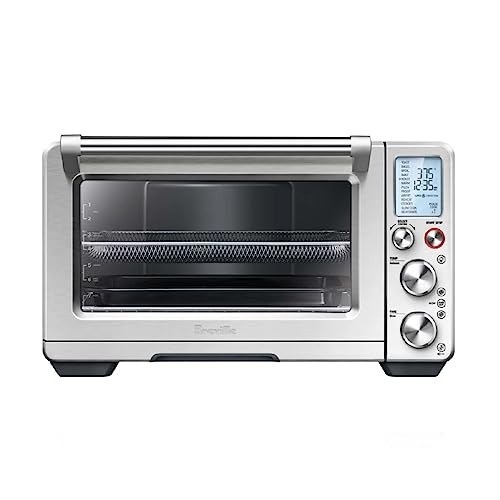
- Reheating: The enemy of leftover salmon is the microwave, which can quickly overcook it and make it rubbery. The best method is to reheat it gently. Place the salmon fillet on a baking sheet and warm it in an oven or toaster oven at 275°F for 10-15 minutes, or until just warmed through. You can add a fresh drizzle of sauce before serving to refresh the glaze. Rice and veggies can be microwaved without issue.
- Enjoying Cold: Don’t be afraid to eat leftover teriyaki salmon cold! Flake it over a green salad with a ginger-sesame vinaigrette for a delicious and easy lunch the next day.
FAQs (People Also Ask)
Here are some common questions I get about making this dish.
1. Can I make the teriyaki sauce ahead of time?
Absolutely. The sauce can be made up to a week in advance. Prepare it through step 2, let it cool completely, and store it in an airtight container or jar in the refrigerator. It may thicken slightly when cold, but it will loosen up as it warms in the pan with the salmon.
2. Is it better to use skin-on or skin-off salmon?
This is purely personal preference. I prefer skin-on because when seared correctly, the skin becomes incredibly crispy and delicious. It also acts as a protective barrier, helping to prevent the salmon flesh from overcooking. If you’re not a fan of the texture, skin-off fillets work just as well.
3. My sauce isn’t thickening. What did I do wrong?
There are two likely culprits. First, ensure the sauce is at a steady simmer when you add the cornstarch slurry; the heat is needed to activate the cornstarch’s thickening properties. Second, your slurry might not have had enough cornstarch. You can always make a second, smaller slurry (1 teaspoon cornstarch mixed with 1 teaspoon water) and add it to the simmering sauce to thicken it further.
4. Can I use frozen salmon for this recipe?
Yes, you can. However, you must thaw it completely and safely first. The best way is to let it thaw overnight in the refrigerator. Before cooking, it is absolutely critical that you pat it extremely dry with paper towels, as frozen fish tends to release more moisture.
5. What’s a good substitute for mirin?
While I strongly recommend using mirin for the most authentic flavor, if you’re in a real pinch, you can substitute it with dry sherry or a dry white wine (like Sauvignon Blanc) mixed with about 1/2 teaspoon of sugar for every tablespoon of liquid to approximate the sweetness. It won’t be a perfect match, but it will work. Avoid using rice vinegar as a substitute.
Nutrition
Nutrition Facts
(Per serving. Estimates only, varies by exact ingredients used)
Conclusion
This recipe proves that a restaurant-quality meal is completely achievable on a busy weeknight. Once you try this homemade teriyaki sauce and see how perfectly it glazes the salmon, you’ll never go back to the bottled stuff. I hope this becomes a staple in your kitchen. If you make it, let me know how it turned out. Happy cooking.
Healthy 20-Minute Homemade Teriyaki Salmon Bowls
Ingredients
- 1/2 cup Low-Sodium Soy Sauce
- 1/4 cup Mirin
- 2 tablespoons Brown Sugar
- 1 tablespoon Toasted Sesame Oil
- 2 cloves Garlic, finely minced
- 1 tablespoon Fresh Ginger, finely grated
- 1 tablespoon Cornstarch
- 1 tablespoon Water
- 4 Salmon Fillets (6 ounces each), skin-on or skin-off
- 1 tablespoon Avocado Oil
- 4 cups Cooked Rice (Jasmine or short-grain)
- 2 cups Steamed Broccoli Florets
- Toasted sesame seeds, for garnish
- Thinly sliced green onions, for garnish
Instructions
- Make the Teriyaki Sauce: In a small saucepan, combine the low-sodium soy sauce, mirin, brown sugar, toasted sesame oil, minced garlic, and grated ginger. Whisk to combine and bring to a gentle simmer over medium heat for 2-3 minutes.
- Thicken the Sauce: In a small bowl, whisk together the cornstarch and cold water to create a smooth slurry. Slowly pour the slurry into the simmering sauce while whisking constantly. Cook for 1-2 minutes until the sauce thickens. Remove from heat.
- Prepare the Salmon: Pat the salmon fillets completely dry with paper towels and season lightly with salt and pepper.
- Sear the Salmon: Heat avocado oil in a large non-stick skillet over medium-high heat until shimmering. Place salmon in the pan, skin-side down (if applicable), and sear without moving for 4-5 minutes until a crust forms.
- Flip and Glaze: Flip the salmon and reduce heat to medium-low. Pour about half of the teriyaki sauce over the fillets. Cook for another 3-4 minutes, spooning the pan sauce over the top, until the salmon is cooked to your liking (130°F for medium).
- Assemble and Serve: Divide cooked rice and steamed broccoli among four bowls. Top each with a salmon fillet. Drizzle with remaining teriyaki sauce and garnish with sesame seeds and green onions.