Introduction
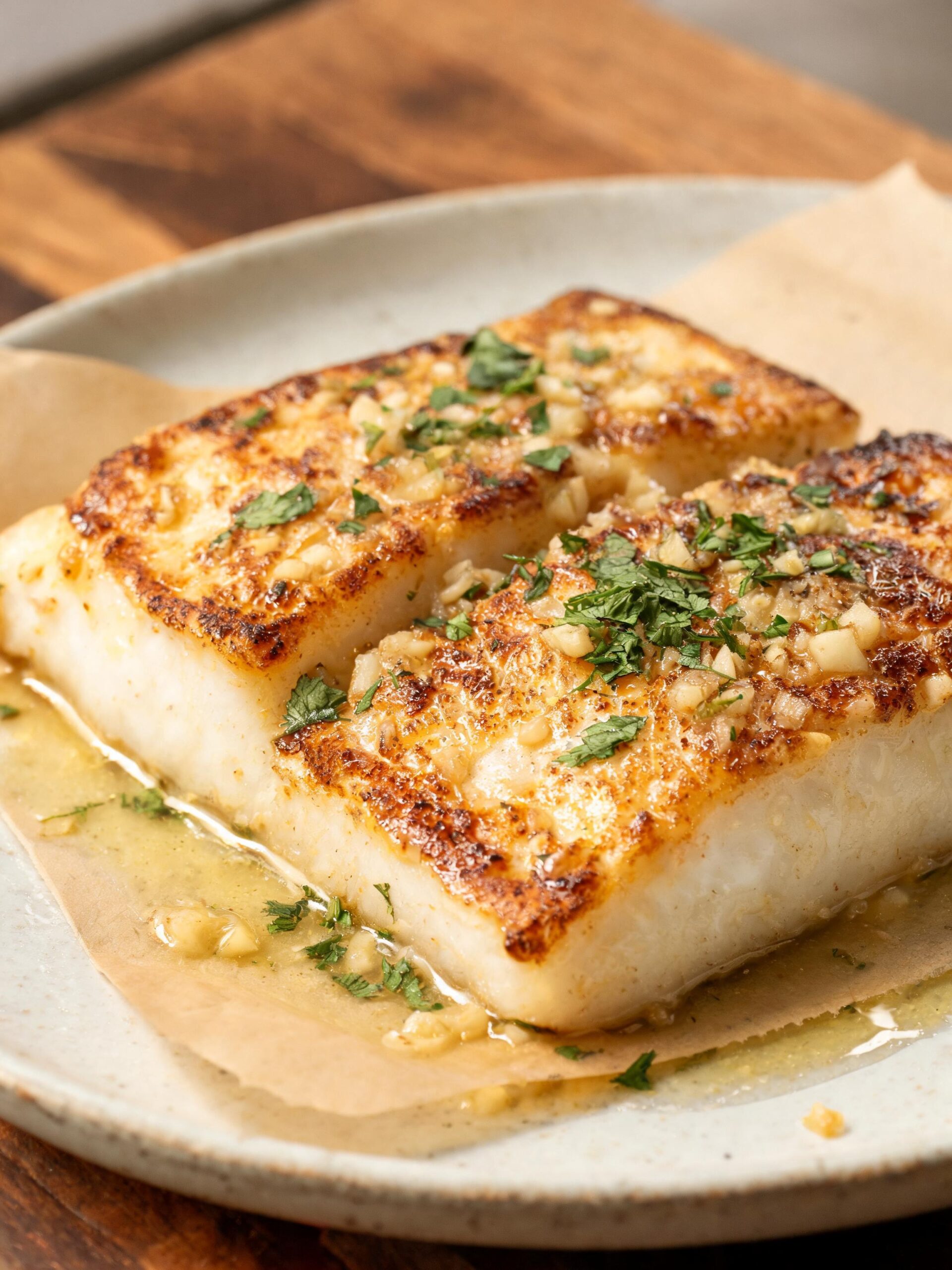
After twenty years behind the line in professional kitchens, I can tell you that a perfectly executed Pan Seared Halibut is the mark of a chef who respects the ingredients. It’s a dish that seems simple, but the difference between a dry, flaky piece of fish and a succulent, restaurant-quality fillet comes down to technique. Forget everything you think you know about cooking fish at home; mastering a great sear is a universal skill, whether you’re making this halibut or a crispy salt and pepper fried calamari. This recipe isn’t just a list of ingredients; it’s a masterclass in method. We’re going to achieve that incredible golden-brown crust you see in magazines, keep the inside moist and tender, and finish it with a classic lemon butter pan sauce that comes together in minutes. This is how you transform a beautiful piece of halibut into a meal that will make you feel like a pro in your own kitchen. This is the definitive guide to making pan seared halibut that will impress every time.
Why You’ll Love This Recipe
- Incredibly Fast: From fridge to plate in under 30 minutes, this dish is perfect for a busy weeknight but elegant enough for a special occasion. The fish cooks in less than 10 minutes.
- Minimal Ingredients, Maximum Flavor: We use a handful of simple, high-quality ingredients to let the sweet, mild flavor of the halibut shine. The lemon butter sauce is classic for a reason—it’s foolproof and delicious.
- Teaches Core Technique: Mastering this recipe teaches you the fundamental skill of searing protein perfectly. You’ll use this technique on scallops, chicken, steaks, and more. It’s a skill that pays dividends.
Ingredients List
The quality of your ingredients will directly impact the final dish, especially with a recipe this simple. Here’s what you’ll need and why:
For the Halibut:
- Halibut Fillets: 4 (6-ounce) fillets, about 1.5 inches thick. Look for Pacific halibut if you can; it’s generally considered more sustainable and has a firm, meaty texture. The fillets should be uniform in thickness to ensure even cooking. Ask your fishmonger for center-cut portions.
- High-Smoke-Point Oil: 2 tablespoons avocado oil, grapeseed oil, or clarified butter. We need an oil that won’t burn and create off-flavors at the high temperature required for a good sear. Do not use extra virgin olive oil for searing here.
- Kosher Salt: 1 teaspoon, or to taste. Kosher salt’s larger crystals are better for drawing out initial moisture and creating a crust.
- Freshly Ground Black Pepper: ½ teaspoon, or to taste. Always grind your pepper fresh; the pre-ground dust has lost most of its aromatic oils.
For the Lemon Butter Pan Sauce:
- Unsalted Butter: 4 tablespoons, cold and cut into cubes. Using cold, cubed butter is crucial for creating a creamy, emulsified sauce. If the butter is warm, the sauce will break and become greasy.
- Garlic: 2 cloves, minced. Use fresh garlic, not the jarred kind. Mince it finely so it infuses the sauce without burning.
- Dry White Wine: ¼ cup, such as Sauvignon Blanc or Pinot Grigio. This is for deglazing the pan. It lifts all the flavorful browned bits (the ‘fond’) from the bottom of the pan. If you don’t use alcohol, you can substitute with chicken or vegetable broth with a small squeeze of extra lemon juice.
- Fresh Lemon Juice: 2 tablespoons, from one lemon. Freshly squeezed juice is non-negotiable. The bottled stuff has a metallic, dull flavor.
- Fresh Parsley: 2 tablespoons, finely chopped. This adds a final touch of freshness and color. Chives or dill also work beautifully.
Step-by-Step Instructions
Follow these steps precisely. The timing is important.
- Prep the Halibut: Remove the halibut fillets from the refrigerator 15-20 minutes before cooking. Let them sit on a plate lined with paper towels. This brings the fish closer to room temperature for more even cooking. Just before seasoning, use more paper towels to pat the fillets completely dry on all sides. Moisture is the enemy of a good sear. Season generously with kosher salt and freshly ground black pepper.
- Heat the Pan: Place a large stainless steel or cast-iron skillet over medium-high heat. A heavy-bottomed pan is essential for retaining and distributing heat evenly. Add the 2 tablespoons of high-smoke-point oil. Let the oil heat up until it shimmers and you see the first faint wisp of smoke. This is the sign your pan is ready.
- Sear the Fish: Carefully place the halibut fillets in the hot pan, presentation-side down. You should hear a loud, confident sizzle. If you don’t, your pan isn’t hot enough. Do not overcrowd the pan; cook in two batches if necessary. Sear the fillets, undisturbed, for 4-5 minutes. Do not move them. This is how the golden-brown crust forms. You’ll see the sides of the fillet turning opaque as it cooks.
- Flip and Finish Cooking: Using a thin fish spatula, flip the fillets. The first side should be deeply golden brown and release easily from the pan. Cook on the second side for another 2-4 minutes, depending on the thickness. The fish is done when it’s opaque and flakes easily with a fork, or an instant-read thermometer inserted into the thickest part reads 130-135°F. Immediately remove the fish to a clean plate and tent loosely with foil.
- Make the Pan Sauce: Turn the heat down to medium-low. There should still be some residual oil and browned bits in the pan. Add the minced garlic and sauté for about 30 seconds until fragrant, being careful not to burn it.
- Deglaze and Reduce: Pour in the white wine to deglaze the pan. Use a wooden spoon to scrape up all the flavorful browned bits from the bottom. Let the wine simmer and reduce by about half, which should take 1-2 minutes.
- Emulsify the Butter: Remove the pan from the heat. Add the cold, cubed butter one or two pieces at a time, swirling the pan constantly to melt and emulsify it into the wine reduction. This process creates a creamy, stable sauce. If you add all the butter at once to a hot pan, it will just melt into a greasy layer.
- Finish and Serve: Once all the butter is incorporated, stir in the fresh lemon juice and chopped parsley. Taste and adjust seasoning if needed. Pour the warm lemon butter sauce over the rested halibut fillets and serve immediately.
Chef’s Pro Tips for Success
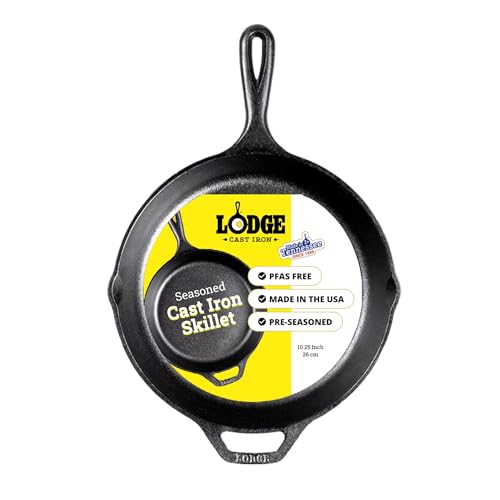
People always ask me the secret to a perfect restaurant-quality sear, and my answer is always the same: it starts with the right pan. For this pan seared halibut, I don’t trust anything but my Lodge Cast Iron Skillet. It’s a workhorse that holds scorching-hot, even heat like nothing else, which is absolutely critical for creating that deep golden-brown crust without overcooking the delicate fish inside. That incredible heat retention is what gives you a confident sizzle the moment the fish hits the pan and helps it release cleanly once the sear is set. This is the pan that will give you the results we’re talking about.
If you’re serious about mastering this technique, this is the single best investment you can make for your kitchen. Get the pan I use every time.
Lodge 10.25 Inch Cast Iron Skillet with Assist Handle
✓ prime
We earn a commission if you make a purchase, at no additional cost to you.
These are the non-negotiable details that separate good from great.
- The Bone-Dry Rule: I can’t stress this enough. The surface of your halibut must be as dry as possible. Use paper towels and press gently. Any surface moisture will steam the fish in the pan instead of searing it, preventing that beautiful Maillard reaction that creates the crust and flavor. Some chefs even let the fillets sit uncovered in the fridge for an hour on a wire rack to further dry the surface.
- Master Your Pan Temperature: ‘Medium-high heat’ can be subjective. Here’s the professional test: get your pan hot, then add your oil. When the oil shimmers and flows like water, it’s almost ready. If it’s smoking heavily, it’s too hot. A properly heated pan allows the fish to form a crust quickly and release naturally. If your fish sticks, it’s usually because the pan wasn’t hot enough or you tried to move it too soon.
- The ‘Don’t Touch It’ Mandate: Once you lay that fillet in the pan, leave it alone. The temptation to peek or move it around is strong, but it’s the fastest way to ruin your sear. Let the pan do its work. The fish will tell you when it’s ready to be flipped; it will release from the pan with minimal resistance from your spatula. This is a critical step for a perfect pan seared halibut.
- Building a Proper Pan Sauce: A pan sauce is a game of temperature control. After you deglaze with wine and reduce it, *take the pan off the heat* before adding the butter. This is the secret to a creamy emulsion. Swirl the cold butter into the warm (not hot) reduction. The temperature differential helps create a stable, velvety sauce instead of a broken, oily mess.
- Respect the Rest: Just like a good steak, fish benefits from a short rest after cooking. Tenting it with foil for 2-3 minutes allows the internal juices to redistribute throughout the fillet. This carryover cooking will also gently raise the internal temperature by a few degrees, ensuring it’s perfectly cooked through without being overdone on the heat.
Common Mistakes to Avoid
I’ve seen these mistakes happen thousands of times. Avoid them, and you’ll be ahead of the game.
- Using a Flimsy or Non-Stick Pan: Non-stick pans are not designed for the high heat needed for a hard sear. They won’t develop the same quality of crust, and you won’t get the ‘fond’—the browned bits on the bottom of the pan—which is the entire flavor base for your sauce. Use a heavy-bottomed stainless steel or a well-seasoned cast-iron skillet. They retain heat and give you a superior crust.
- Overcooking the Fish: Halibut is a lean fish. The window between perfectly cooked and dry is very small. It goes from 135°F (perfect) to 145°F (dry and chalky) in less than a minute. Use an instant-read thermometer. If you don’t have one, check for doneness by gently pushing on the fillet with a fork. If it begins to flake easily, it’s done. Remember to pull it from the pan just *before* you think it’s ready due to carryover cooking. Ruining a beautiful piece of fish by overcooking your pan seared halibut is a culinary crime.
- Crowding the Pan: Placing too many fillets in the pan at once drops the pan’s temperature dramatically. This leads to the fish steaming in its own juices rather than searing. The result is a pale, sad-looking piece of fish with no crust. If your pan can’t comfortably fit all four fillets with at least an inch of space between them, cook in two separate batches. It’s worth the extra few minutes.
- Starting with Ice-Cold Fish: Dropping a fridge-cold fillet into a hot pan is a recipe for disaster. The outside will cook far too quickly while the inside remains raw. The muscle fibers will also seize up, resulting in a tougher texture. Letting the fish sit at room temperature for 15-20 minutes allows for much more even cooking from edge to center.
Variations and Serving Ideas
Once you’ve mastered the basic recipe, you can get creative. This pan seared halibut is a fantastic canvas.
- Brown Butter Sage Sauce: Instead of a lemon-wine sauce, make a classic beurre noisette. After searing the fish and removing it, melt the butter over medium heat. Let it foam and then subside, swirling until you see brown milk solids at the bottom and smell a nutty aroma. Toss in a few fresh sage leaves for the last 30 seconds, then a squeeze of lemon. Pour this over the fish.
- Mediterranean Twist: To the finished lemon butter sauce, add 1 tablespoon of drained capers and a handful of halved cherry tomatoes. Let them warm through for a minute. Serve the halibut over a bed of orzo or couscous and top with the sauce and some crumbled feta cheese.
- Herb Variations: Change the parsley to other soft herbs. Fresh dill is a classic pairing with fish. Finely chopped chives add a delicate onion flavor. A bit of tarragon can lend a light, anise-like note that works beautifully.
- Spice it Up: Add a pinch of red pepper flakes to the garlic as it sautés to give the sauce a gentle background heat. You could also add a very light dusting of smoked paprika, a key spice in our authentic Spanish seafood paella recipe, to the halibut along with the salt and pepper before searing.
What to Serve With
A great main course deserves great partners. Here are some pairings that work perfectly with the delicate flavor of halibut and the bright pan sauce.
- Starches: A creamy Parmesan risotto is a luxurious choice. For something simpler, try a fluffy quinoa, a simple couscous salad with lemon and herbs, or creamy mashed potatoes to soak up the extra sauce. Roasted fingerling potatoes with rosemary are also a fantastic, rustic option.
- Vegetables: The bright, clean flavors of steamed or blanched asparagus with a squeeze of lemon are a classic pairing. Sautéed spinach with garlic, roasted broccolini, or a simple green bean almondine also provide a perfect contrast in texture and flavor. A simple green salad with a light vinaigrette keeps the meal light and fresh.
Storage and Reheating
Leftover fish can be tricky, but it’s possible to enjoy it the next day without it turning to rubber.
Storage: Let the halibut cool completely to room temperature. Store it in an airtight container in the refrigerator for up to 2 days. Store any leftover sauce separately in its own airtight container. If you store them together, the fish will become soggy.
Reheating: The microwave is your enemy here. The best way to reheat halibut is gently in the oven. Preheat your oven to 275°F. Place the fillet on a small baking sheet and add a splash of water or chicken broth to the pan to create some steam. Cover loosely with foil. Heat for 10-15 minutes, or until it’s just warmed through. This low-and-slow method helps retain moisture. Reheat the sauce gently in a small saucepan over low heat, whisking until it’s warm.
FAQs (People Also Ask)
- Can I use frozen halibut for this recipe?
- Yes, you absolutely can, but you must thaw it correctly. The best method is to transfer it from the freezer to the refrigerator and let it thaw overnight. Never thaw fish at room temperature or in the microwave. Once it’s fully thawed, the most important step is to pat it extremely dry with paper towels, as frozen fish tends to retain more water.
- How do I know when my halibut is perfectly cooked without a thermometer?
- Look for two visual cues. First, the color will change from translucent to opaque. Second, test it with a fork. Insert the tines into the thickest part of the fillet and give it a gentle twist. If the fish flakes apart easily into its natural separations, it’s ready. If it’s resistant or looks rubbery, it needs another minute.
- My pan sauce separated and looks greasy. What did I do wrong?
- This is called a ‘broken’ sauce, and it almost always happens because of heat. You either added the butter when the pan was too hot, or you added it all at once instead of gradually. To fix it, remove the pan from the heat, add a teaspoon of cold water or cream, and whisk vigorously. This can sometimes bring the emulsion back together.
- Why did my fish stick to the stainless steel pan?
- There are three likely culprits: 1) Your pan wasn’t hot enough when you added the fish. 2) You didn’t use enough oil. 3) You tried to flip it too soon before the crust had time to form and naturally release. Be patient and trust the process. A hot pan, enough fat, and time are the keys to a stick-free sear.
- Can I make this recipe with a different type of fish?
- Certainly. This technique for pan seared halibut works wonderfully with other firm, thick white fish fillets. Try it with cod, sea bass, or mahi-mahi. You may need to adjust the cooking time slightly depending on the thickness of the fillet, but the core method of a dry surface, hot pan, and proper sear remains the same.
Nutrition
Nutrition Facts
(Per serving. Estimates only, varies by exact ingredients used)
Conclusion
Cooking beautiful fish shouldn’t be intimidating. With the right technique and a little bit of care, you can produce a meal that rivals any seafood restaurant. This recipe gives you all the tools and knowledge you need to do just that. Trust the process, control your heat, and get ready to enjoy one of the best fish dishes you’ve ever made. Now, go make something delicious.
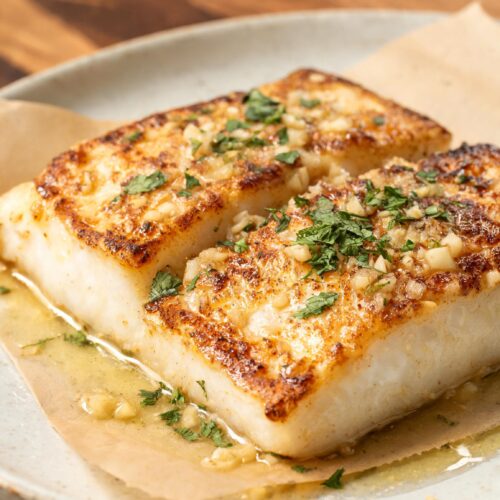
Restaurant-Quality Pan Seared Halibut with Lemon Butter
Ingredients
- 4 (6-ounce) halibut fillets, 1.5 inches thick
- 2 tbsp avocado oil or other high-smoke-point oil
- 1 tsp kosher salt
- ½ tsp freshly ground black pepper
- 4 tbsp unsalted butter, cold and cubed
- 2 cloves garlic, minced
- ¼ cup dry white wine (like Sauvignon Blanc)
- 2 tbsp fresh lemon juice
- 2 tbsp fresh parsley, finely chopped
Instructions
- Pat halibut fillets completely dry with paper towels and let sit at room temperature for 15 minutes. Season all sides generously with kosher salt and black pepper.
- Heat a large stainless steel or cast-iron skillet over medium-high heat. Add the oil and heat until it shimmers.
- Place the halibut fillets presentation-side down in the hot pan. Sear undisturbed for 4-5 minutes, until a deep golden-brown crust forms.
- Flip the fillets carefully with a fish spatula. Cook for another 2-4 minutes, or until the internal temperature reaches 130-135°F. Remove fish to a plate and tent with foil.
- Reduce heat to medium-low. Add the minced garlic to the pan and cook for 30 seconds until fragrant.
- Deglaze the pan with the white wine, scraping up any browned bits from the bottom. Simmer until the wine has reduced by half, about 1-2 minutes.
- Remove the pan from the heat. Whisk in the cold butter cubes, one at a time, until the sauce is creamy and emulsified.
- Stir in the fresh lemon juice and chopped parsley. Pour the sauce over the halibut fillets and serve immediately.