Introduction
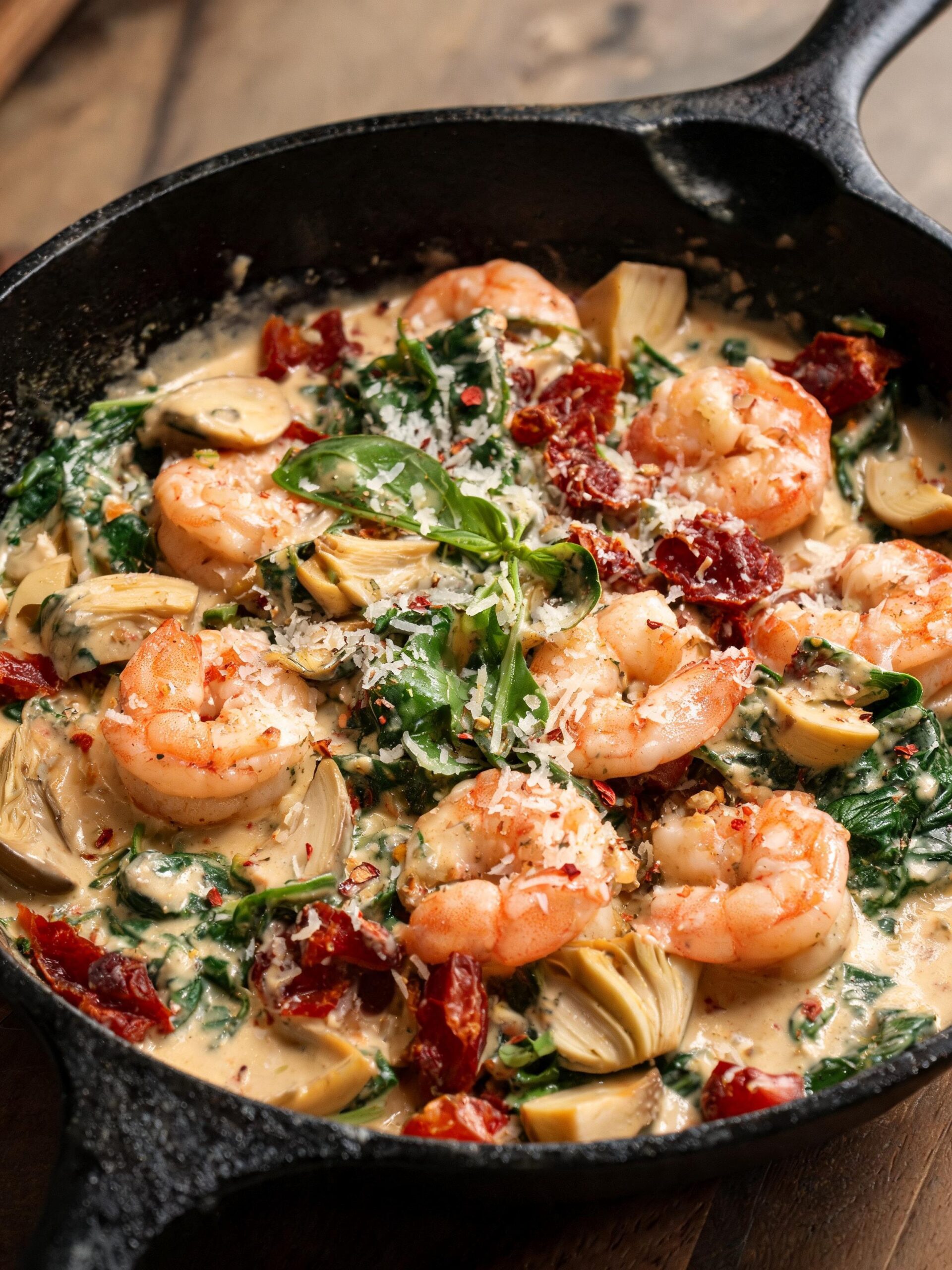
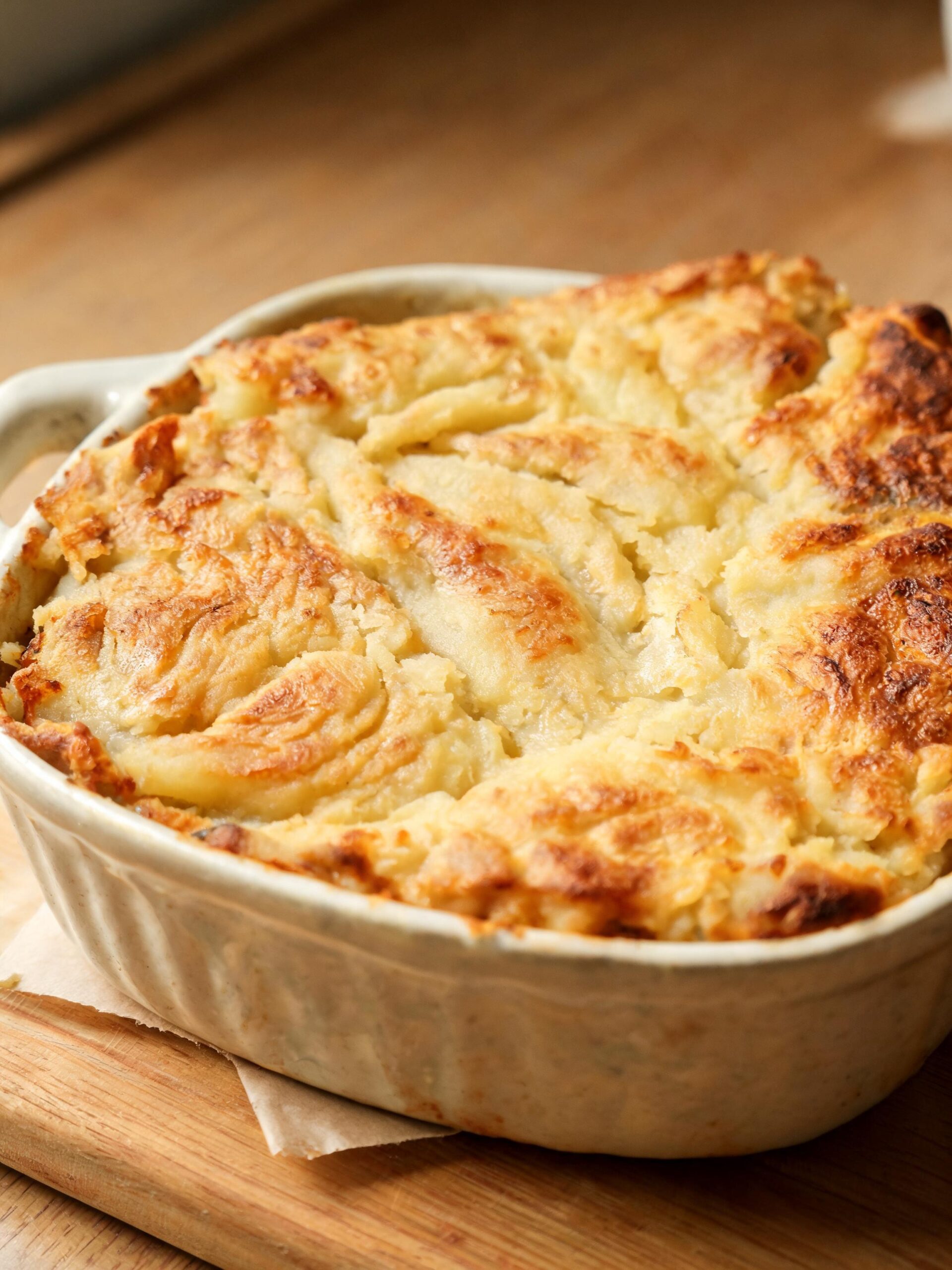
There are few dishes as comforting and satisfying as a truly well-made Classic Fish Pie. This isn’t just a recipe; it’s a tradition, a hug in a casserole dish. Forget any bland, watery versions you might have had in the past. We’re talking about a rich, creamy sauce packed with perfectly cooked chunks of assorted fish and seafood, all tucked under a fluffy, golden-brown blanket of mashed potatoes. While some seafood dishes are best served simply, like a crispy fried calamari appetizer, this pie is all about harmonious combination. For 20 years, I’ve seen this dish bring smiles to faces in every restaurant I’ve worked in. It’s the kind of meal that feels special enough for a Sunday dinner but is straightforward enough for a weeknight. This recipe is the culmination of years of tweaking and perfecting, designed to give you a foolproof method for creating a restaurant-quality seafood pie in your own kitchen. We’ll cover everything from selecting the right fish to ensuring your sauce is silky smooth and your potato topping is perfectly crisp. Get ready to master a dish that will become a permanent fixture in your cooking repertoire.
Why You’ll Love This Recipe
- Deeply Comforting Flavor: The combination of creamy sauce, tender fish, and fluffy potatoes is the textbook definition of comfort food. It’s rich and satisfying without being overly heavy.
- Impressive Yet Simple: This dish looks and tastes like you spent all day on it, but the process is surprisingly simple. It’s a perfect main course for guests or a special family meal.
- Completely Customizable: While this is a recipe for a Classic Fish Pie, it’s incredibly versatile. You can easily swap out the types of fish, add vegetables, or top it with cheese to make it your own.
Ingredients List
A great fish pie starts with great ingredients. The key is balance: a firm white fish for structure, a richer fish like salmon for flavor and color, and smoked fish for a deep, savory note. Don’t skimp on the cream or butter for the mash—they make all the difference.
For the Potato Topping:
- 2 lbs Russet potatoes (about 4 medium), peeled and cut into 1-inch chunks
- 1/2 cup whole milk, warmed
- 4 tbsp unsalted butter, softened
- 1/2 tsp salt, or to taste
- 1/4 tsp white pepper
- 1 large egg yolk (optional, for a richer, golden topping)
For the Fish Filling:
- 1 1/2 cups whole milk
- 1 bay leaf
- 4 black peppercorns
- 1 lb mixed skinless, boneless fish fillets, such as 8 oz cod or haddock and 8 oz salmon, cut into 1.5-inch chunks
- 6 oz smoked haddock or cod, skinless and boneless, cut into 1.5-inch chunks
- 4 tbsp unsalted butter
- 1/3 cup all-purpose flour
- 1/2 cup frozen peas
- 1/4 cup fresh parsley, finely chopped
- 2 tbsp fresh dill, finely chopped (optional, but recommended)
- 1 tbsp lemon juice
- 1/2 tsp salt
- 1/4 tsp black pepper
Step-by-Step Instructions
Follow these steps carefully. The key is to handle each component correctly before bringing them all together. Don’t rush the sauce—it’s the heart of the pie.
- Cook the Potatoes: Place the peeled and chunked potatoes in a large pot and cover with cold, salted water. Bring to a boil and cook for 15-20 minutes, or until they are completely fork-tender. Drain thoroughly and return the potatoes to the hot, empty pot for a minute to steam dry.
- Mash the Potatoes: Mash the potatoes until smooth. A potato ricer is best for a lump-free texture. Add the warmed milk, softened butter, salt, and white pepper. Mix until just combined—do not overwork. If using, stir in the egg yolk. Set aside.
- Poach the Fish: While the potatoes cook, prepare the fish. In a wide saucepan, combine the 1 1/2 cups of milk, bay leaf, and peppercorns. Bring to a gentle simmer over medium-low heat. Add all the fish chunks to the milk. Poach gently for 4-5 minutes, until the fish is just starting to flake. Do not boil or the fish will become tough.
- Strain and Reserve Milk: Carefully remove the fish from the milk with a slotted spoon and place it in a 9×9 inch baking dish or similar 2-quart casserole dish. Strain the poaching milk into a measuring cup and set it aside. You should have about 1 1/4 cups of infused milk.
- Make the Sauce (Béchamel): In the same saucepan, melt the 4 tbsp of butter over medium heat. Whisk in the flour and cook for 1-2 minutes, stirring constantly, to form a paste (a roux). This cooks out the raw flour taste.
- Thicken the Sauce: Gradually pour the reserved infused milk into the roux, whisking continuously to prevent lumps. Continue to cook, stirring frequently, for 5-7 minutes until the sauce has thickened enough to coat the back of a spoon.
- Finish the Filling: Remove the sauce from the heat. Stir in the frozen peas, chopped parsley, dill, and lemon juice. Season with salt and pepper. Gently pour the sauce over the fish in the baking dish.
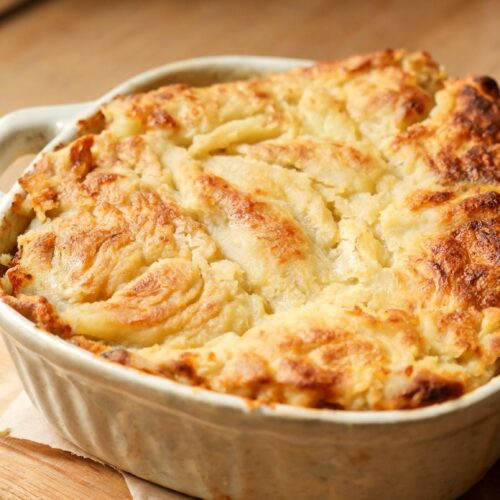
- Assemble the Pie: Preheat your oven to 400°F (200°C). Spoon the mashed potato topping over the fish filling, starting from the edges and working your way to the center to create a seal. Use a fork to create ridges and patterns on the surface, which will crisp up nicely.
- Bake: Place the baking dish on a baking sheet to catch any potential drips. Bake for 25-30 minutes, or until the filling is bubbling and the potato topping is golden brown and crisp. For an extra-brown top, you can place it under the broiler for the last 1-2 minutes, watching it carefully.
- Rest and Serve: Let the fish pie rest for 10 minutes before serving. This allows the sauce to set slightly, making it easier to serve.
Chef’s Pro Tips for Success
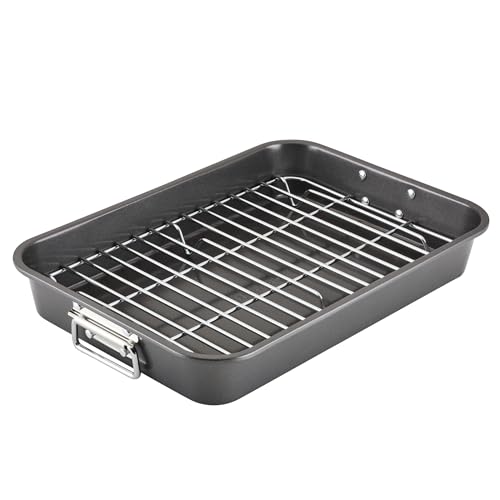
Speaking of exceptional results, the final bake is where everything comes together, and the dish you use is more important than you think. To prevent any of that delicious filling from bubbling over and to guarantee an evenly-cooked, golden-brown potato crust, I always reach for a reliable, spacious roaster. My go-to is this Farberware Nonstick Roaster. Its generous size gives the pie room to breathe, and the nonstick surface makes cleanup an absolute breeze, even with baked-on creamy sauce.
Upgrade your bakeware and see the difference it makes in this classic comfort dish.
Farberware Nonstick Bakeware 11-Inch x 15-Inch Roaster with Flat Rack
✓ prime
We earn a commission if you make a purchase, at no additional cost to you.
Over the years, I’ve learned a few non-negotiable techniques that take a good fish pie and make it exceptional. Pay attention to these details.
- Infuse Your Milk: The step of poaching the fish in milk with aromatics is critical. It does two things: gently cooks the fish so it doesn’t overcook in the oven, and it creates a beautifully flavored base for your sauce. You can add a slice of onion or a sprig of thyme to the milk for even more depth.
- Master the Roux: The foundation of your creamy sauce is a proper roux. After adding the flour to the melted butter, you must cook it for at least 60 seconds, stirring constantly. This eliminates the pasty, raw flour taste. When you add the milk, make sure it’s a slow, steady stream while you whisk vigorously. This is the secret to a guaranteed lump-free sauce every time.
- The Fish Trio Philosophy: The best Classic Fish Pie uses a mix of textures and flavors. My go-to formula is one part firm white fish (cod, haddock, pollock) for meaty chunks, one part oily fish (salmon) for richness and color, and one part smoked fish (smoked haddock/cod) for a deep, savory, smoky flavor that permeates the whole dish.
- Dry Potatoes are Key: For the fluffiest mash, you need dry potatoes. After draining, return them to the hot pot over low heat for a minute. This evaporates any remaining surface water, allowing the potatoes to absorb the butter and milk better, resulting in a richer, fluffier topping instead of a watery one.
- Create a Potato Seal: When you top the pie, don’t just dump the mash in the middle. Carefully spoon it around the edges of the dish first, making sure it touches the sides. This creates a seal that helps prevent the sauce from boiling up and over the sides, keeping the filling contained and the topping crisp.
Common Mistakes to Avoid
I’ve seen plenty of fish pies go wrong. Here are the most common pitfalls and how to ensure you don’t fall into them. A watery or bland pie is a completely avoidable tragedy.
- The Watery Filling: This is the number one issue. It happens for two reasons. First, the sauce wasn’t thick enough. It needs to be noticeably thick, able to coat a spoon heavily. If it looks like heavy cream, it’s too thin. Cook it a minute or two longer. Second, wet fish. If you use frozen fish, it must be fully thawed, and you must pat it completely dry with paper towels before poaching. Excess water will leach out and thin your perfect sauce during baking.
- Rubbery, Overcooked Seafood: The goal is tender, flaky fish, not rubbery chunks. The initial poaching in milk should be very gentle—the milk should be barely simmering, with just a few bubbles breaking the surface. The fish is only partially cooked at this stage. It will finish cooking in the oven. If you boil it aggressively, it will be overcooked before the pie is even assembled.
- A Bland, Unseasoned Pie: This dish has three main components—potatoes, fish, and sauce—and every single one needs to be seasoned properly. Salt the potato water. Season the mashed potatoes. Season the sauce at the end. Taste the sauce before you pour it over the fish. It should be flavorful on its own. A final sprinkle of salt and pepper seems small, but it layers the flavor and makes a huge difference.
- Gluey Potato Topping: This happens from overworking the potatoes. When you use a food processor or an electric mixer, the starch molecules break down and turn into a glue-like paste. Use a hand masher or, even better, a potato ricer for the lightest, fluffiest texture. Add your butter and warmed milk, and mix gently with a spoon until just combined.
Variations and Serving Ideas
Once you’ve mastered the foundational Classic Fish Pie, feel free to experiment. The structure of this recipe is a perfect canvas for creativity.
- Cheesy Mash Topping: Add 1/2 cup of grated sharp cheddar, Gruyère, or Parmesan cheese to the mashed potatoes for an extra savory, cheesy crust.
- Add Hard-Boiled Eggs: A very traditional British addition. Coarsely chop two hard-boiled eggs and fold them into the filling along with the fish. It adds a lovely richness.
- Introduce More Seafood: Add a handful of raw shrimp or small scallops to the baking dish with the poached fish. They will cook perfectly in the oven’s heat.
- Vegetable Boost: Sauté some finely chopped leeks, carrots, or celery with the butter before making the roux to add another layer of flavor and nutrition to the filling.
- Puff Pastry Lid: For a different style, skip the potato topping. Pour the filling into the dish and top with a sheet of puff pastry. Crimp the edges, brush with an egg wash, and bake until the pastry is puffed and golden.
What to Serve With
A fish pie is a complete meal in itself, so you don’t need much on the side. Unlike other all-in-one seafood dishes like a vibrant Spanish seafood paella, the goal here is to complement the richness of the pie with something fresh and simple, such as steamed peas or a lightly dressed green salad.
- Steamed Green Vegetables: Simple steamed green beans, tenderstem broccoli, or asparagus tossed in a little butter and lemon juice is perfect.
- Buttered Peas: A classic for a reason. The sweetness of the peas cuts through the creamy sauce beautifully.
- Simple Green Salad: A crisp salad of butter lettuce or mixed greens with a sharp lemon vinaigrette provides a fresh, acidic contrast that cleanses the palate.
- Wine Pairing: A crisp, unoaked white wine like a Sauvignon Blanc or a Pinot Grigio works wonderfully. Its acidity cuts through the richness of the pie.
Storage and Reheating
Proper storage is key to enjoying leftovers. Do not leave the pie sitting at room temperature for more than two hours due to the seafood and dairy.
- Refrigeration: Allow the pie to cool completely. Cover the dish tightly with plastic wrap or transfer to an airtight container. It will keep in the refrigerator for up to 3 days.
- Freezing: You can freeze the fish pie, but be aware the texture of the potato topping may become slightly grainier upon thawing. For best results, freeze the assembled but unbaked pie. Wrap the dish tightly in two layers of plastic wrap and then a layer of foil. It can be frozen for up to 2 months.
- Reheating: The oven is the best method. Reheating in the microwave will make the potato topping soggy. To reheat from chilled, cover with foil and bake at 350°F (175°C) for 20-25 minutes, then remove the foil for the last 5-10 minutes to re-crisp the top. To bake from frozen, do not thaw. Bake covered with foil at 350°F (175°C) for 50-60 minutes, then remove the foil and bake for another 15-20 minutes until hot all the way through and golden on top.
FAQs (People Also Ask)
1. Can I make fish pie ahead of time?
Absolutely. You can fully assemble the pie, cover it, and store it in the refrigerator for up to 24 hours before baking. This makes it a great dish for entertaining. You may need to add 5-10 minutes to the baking time since you’re starting from a colder temperature.
2. What’s the best fish to use in a Classic Fish Pie?
The best approach is a combination. Use a firm white fish like cod, haddock, or pollock for a meaty bite. Add salmon for richness and color. And most importantly, include a smoked fish like smoked haddock or smoked cod for that essential deep, savory flavor. This trio creates a complex and balanced filling.
3. Can I use frozen fish?
Yes, frozen fish works well and is often more affordable. The most important step is to thaw it completely and correctly. The best way is to let it thaw overnight in the refrigerator. Before using, press the fillets firmly between layers of paper towels to remove as much excess water as possible. This prevents a watery sauce.
4. Why is my fish pie watery?
This is the most common problem and usually stems from two things: a sauce that wasn’t cooked long enough to become properly thick, or using fish (especially frozen) that wasn’t patted dry, releasing excess water into the sauce as it bakes. Ensure your sauce can thickly coat a spoon before assembling the pie.
5. Can I freeze fish pie?
Yes, you can freeze fish pie either baked or unbaked. For best results, freeze it unbaked. When you bake it from frozen, the texture remains very good. If you freeze a baked pie, the potato topping can become slightly watery or grainy upon reheating, but it will still be delicious.
Nutrition
Nutrition Facts
(Per serving. Estimates only, varies by exact ingredients used)
Conclusion
This Classic Fish Pie is more than just a meal; it’s an experience. It’s the perfect dish to gather your family around the table for, a reliable and delicious staple that never fails to comfort and impress. I hope this detailed guide gives you the confidence to make it perfectly the first time and every time after. Enjoy the process, and more importantly, enjoy the result.
Traditional Comforting Seafood and Fish Pie Recipe
Ingredients
- 2 lbs Russet potatoes, peeled and cut into 1-inch chunks
- 1/2 cup whole milk, warmed
- 4 tbsp unsalted butter, softened
- 1/2 tsp salt, or to taste
- 1/4 tsp white pepper
- 1 large egg yolk (optional)
- 1 1/2 cups whole milk
- 1 bay leaf
- 4 black peppercorns
- 1 lb mixed skinless, boneless fish fillets (e.g., 8 oz cod, 8 oz salmon), cut into 1.5-inch chunks
- 6 oz smoked haddock or cod, skinless and boneless, cut into 1.5-inch chunks
- 4 tbsp unsalted butter
- 1/3 cup all-purpose flour
- 1/2 cup frozen peas
- 1/4 cup fresh parsley, finely chopped
- 2 tbsp fresh dill, finely chopped
- 1 tbsp lemon juice
- 1/2 tsp salt
- 1/4 tsp black pepper
Instructions
- Place potatoes in a large pot, cover with cold salted water, bring to a boil, and cook for 15-20 minutes until fork-tender. Drain well and return to the hot pot to steam dry.
- Mash the potatoes until smooth. Add warmed milk, softened butter, salt, and white pepper. Mix gently until just combined. Stir in egg yolk if using. Set aside.
- In a saucepan, combine 1 1/2 cups of milk, bay leaf, and peppercorns. Bring to a gentle simmer. Add all fish chunks and poach gently for 4-5 minutes until just starting to flake.
- Remove fish with a slotted spoon to a 9x9 inch baking dish. Strain the poaching milk into a cup and reserve it.
- In the same pan, melt 4 tbsp of butter over medium heat. Whisk in the flour and cook for 1-2 minutes to form a roux.
- Gradually whisk the reserved milk into the roux. Cook, stirring, for 5-7 minutes until the sauce is thick.
- Remove sauce from heat. Stir in peas, parsley, dill, and lemon juice. Season with salt and pepper. Pour sauce over the fish.
- Preheat oven to 400°F (200°C). Spoon the mashed potato over the filling, sealing the edges. Rake the surface with a fork.
- Place on a baking sheet and bake for 25-30 minutes until bubbling and golden brown.
- Let the pie rest for 10 minutes before serving to allow the sauce to set.