Introduction
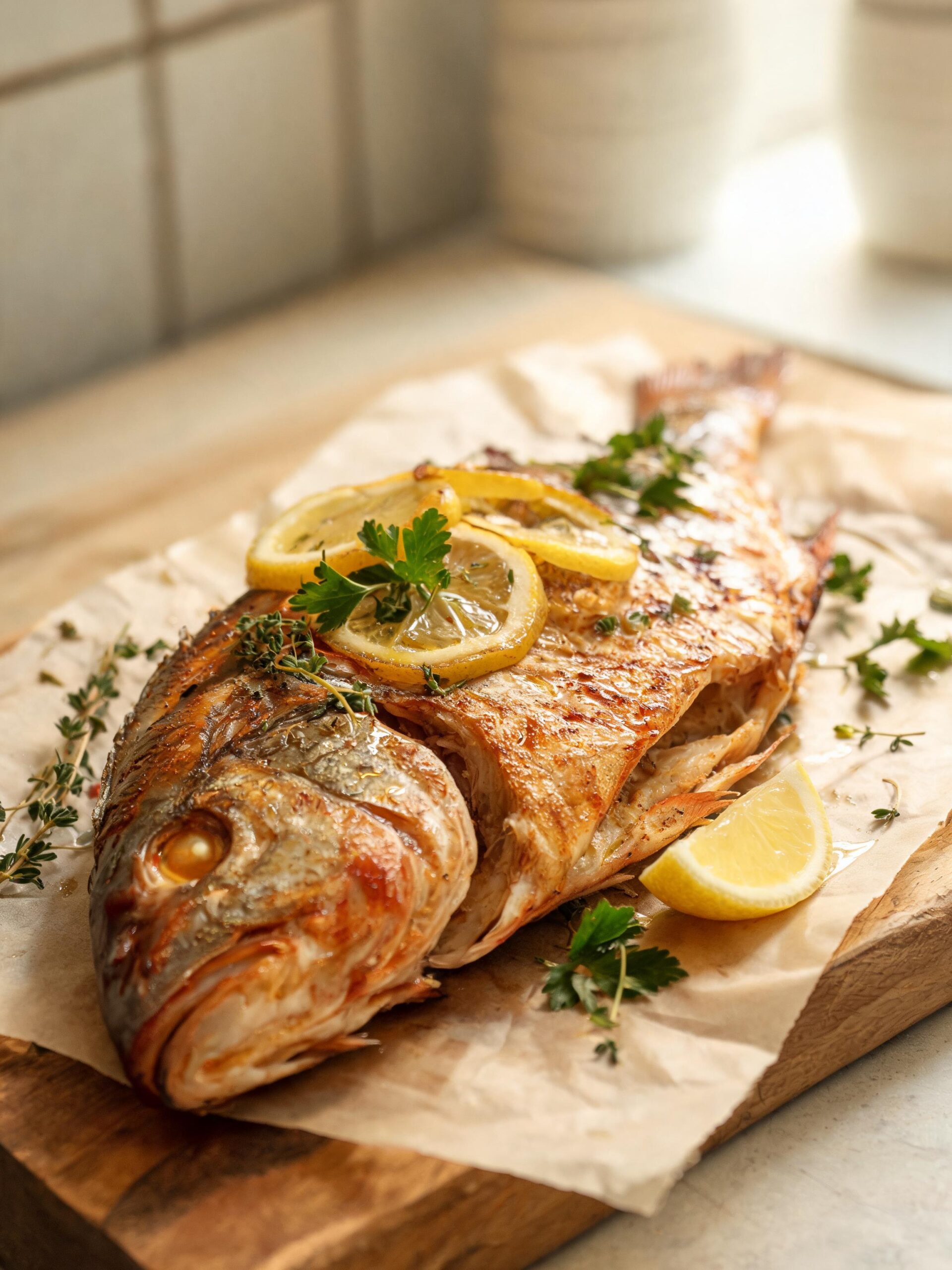
After twenty years behind the line in seafood kitchens, I can tell you there’s nothing more impressive or deceptively simple than a whole roasted fish. While everyone loves a good crispy salt and pepper fried calamari, this Baked Red Snapper recipe is my go-to for a reason: it’s incredibly flavorful, requires minimal fuss, and guarantees moist, flaky fish every single time. Forget wrestling with fillets that dry out. Baking a whole snapper keeps all the moisture locked in, while the bone structure adds a depth of flavor you just can’t get any other way. We’re not doing anything complicated here—just good, honest ingredients that let the sweet, mild flavor of the snapper shine. This is the kind of dish that looks like you spent hours on it, but it’s our little secret that it’s one of the easiest and most satisfying meals you can put on the table.
Why You’ll Love This Recipe
- Impressively Simple: The presentation of a whole roasted fish is a showstopper at any dinner party, yet the actual prep work takes less than 15 minutes. It’s maximum reward for minimal effort.
- Incredibly Flavorful and Moist: Cooking the fish on the bone is a chef’s secret to superior flavor and moisture. The skin crisps up in the oven while the meat inside steams gently in its own juices, infused with lemon and herbs.
- Healthy and Adaptable: Red snapper is a lean source of high-quality protein. This recipe uses healthy fats from olive oil and can be easily adapted with different herbs, spices, or vegetables to suit your taste.
Ingredients List
For a whole fish, quality is everything. Don’t skimp. A great fish needs very little to make it spectacular. This recipe serves 4 people.
For the Red Snapper:
- Whole Red Snapper: 1 (about 2 pounds), scaled, gutted, and gills removed. Ask your fishmonger to do this for you.
- Extra Virgin Olive Oil: 3 tablespoons, plus more for drizzling. Use a good quality one; you’ll taste the difference.
- Kosher Salt: 1 ½ teaspoons. The larger crystals are essential for creating a nice crust on the skin.
- Coarsely Ground Black Pepper: 1 teaspoon.
For the Aromatics:
- Lemons: 2 medium. One will be thinly sliced to stuff in the cavity and lay over the fish, the other will be cut into wedges for serving.
- Garlic: 5 cloves, thinly sliced. Don’t mince it, as slices will release flavor more slowly and won’t burn.
- Fresh Parsley: 1 large handful (about ½ cup packed). Stems and all.
- Fresh Thyme: 4-5 sprigs.
Step-by-Step Instructions
- Preheat and Prep: Preheat your oven to 400°F (200°C). Line a large, rimmed baking sheet with parchment paper to prevent sticking and make cleanup easier. Pat the entire fish, inside and out, completely dry with paper towels. This step is critical for crispy skin.
- Score the Fish: Using a very sharp knife, make 3 to 4 diagonal slashes on both sides of the fish, cutting about ½-inch deep, just until you feel the bone. This allows for even cooking and helps the seasonings penetrate the flesh.
- Season Generously: Drizzle the entire fish with the 3 tablespoons of olive oil. Rub it all over the skin and inside the cavity. Season generously, inside and out, with the kosher salt and black pepper. Don’t be shy—a whole fish needs more salt than you think. Make sure to get salt into the scores you made.
- Stuff the Cavity: Stuff the fish’s cavity with half of the sliced lemon, half of the sliced garlic, the parsley bunch, and the thyme sprigs. A packed cavity infuses the fish with flavor from the inside out as it bakes.
- Arrange and Bake: Place the stuffed fish on the prepared baking sheet. Arrange the remaining lemon slices and garlic slices over the top of the fish. Drizzle with a little more olive oil. Transfer to the preheated oven.
- Roast to Perfection: Bake for 20-25 minutes. The cooking time will vary slightly based on the exact size and thickness of your fish. The fish is done when the flesh is opaque and flakes easily when gently prodded with a fork. The most accurate way to check is with an instant-read thermometer inserted into the thickest part of the fish (not touching the bone), which should read 145°F.
- Rest and Serve: Carefully remove the baking sheet from the oven. Let the fish rest on the pan for 5 minutes before serving. This allows the juices to redistribute, ensuring a moist result. Serve immediately with the fresh lemon wedges for squeezing over the top.
Chef’s Pro Tips for Success
Before we get into the nitty-gritty, let me share the single most important tool in my arsenal for this dish: a reliable wireless meat thermometer. Cooking a whole fish is all about hitting that perfect temperature—just a degree or two over, and you go from flaky and moist to dry and disappointing. This is the tool that takes all the anxiety out of the process. I can monitor the snapper’s internal temp from my phone without ever opening the oven door, ensuring it comes out absolutely perfect every single time. It’s my secret weapon for restaurant-quality results at home.
Stop guessing and start getting flawless results. See the exact thermometer I trust in my own kitchen.
ThermoMaven Smart Wireless Meat Thermometer
✓ prime
We earn a commission if you make a purchase, at no additional cost to you.

Speaking of tools, the biggest game-changer for me, both in professional kitchens and at home, has been switching to a wireless meat thermometer. It’s the ultimate ‘set it and forget it’ tool for nailing that perfect 140°F pull-temp I mentioned. I can monitor the fish’s temperature from my phone without constantly opening the oven and losing heat, which ensures even cooking. This little device takes all the anxiety and guesswork out of the equation, guaranteeing you never serve a dry, overcooked fish again.
This is the single piece of gear that will elevate your cooking more than anything else. Take a look at the one I recommend to all my students.
ThermoMaven Smart Wireless Meat Thermometer
✓ prime
We earn a commission if you make a purchase, at no additional cost to you.
Here are a few things I’ve learned over the years that separate a decent home-cooked fish from a restaurant-quality one. Pay attention to these details.
- How to Buy a Great Fish: Your dish is only as good as your main ingredient. When buying a whole snapper, look for bright, clear, and plump eyes (not cloudy or sunken). The gills should be a vibrant red, not brownish. The skin should be shiny and the flesh should feel firm and spring back when you press it. Most importantly, it should smell like the clean ocean, not ‘fishy’. If you can, buy it the day you plan to cook it.
- The Science of Scoring: Scoring the fish isn’t just for looks. The skin contracts when it hits the heat, and without scores, it can cause the fish to curl up and cook unevenly. The slashes expose the thicker parts of the flesh to more direct heat, ensuring the entire fish finishes cooking at the same time. Use the tip of a sharp chef’s knife or a utility knife and make confident, even cuts.
- Don’t Cook a Cold Fish: This is a huge mistake. Pulling the fish straight from the fridge and throwing it into a hot oven is a recipe for uneven cooking. Let the fish sit at room temperature for about 15-20 minutes before you season it. This small step helps it cook more evenly from edge to center, giving you a much better final texture.
- The Parchment Paper Advantage: While you can grease a pan, parchment paper is non-negotiable in my kitchen for whole fish. The delicate skin will almost certainly stick to a bare metal pan, no matter how much oil you use. Tearing the skin when you try to serve it is heartbreaking after all your work. Parchment guarantees a clean release every time.
- Mastering Doneness with a Thermometer: The old advice to cook until it ‘flakes easily’ can be subjective and lead to overcooking. The single best tool for perfectly baked red snapper is an instant-read digital thermometer. Fish is cooked and safe to eat at 145°F. I pull mine from the oven when it hits 140°F in the thickest part, as it will continue to cook from residual heat (carryover cooking) while it rests, landing at a perfect, juicy 145°F.
Common Mistakes to Avoid
Cooking a whole fish can be intimidating, which leads to a few common errors. Here’s what to watch out for.
- The Cardinal Sin: Overcooking. This is the most common mistake with any seafood. An overcooked snapper will be dry, chalky, and tough. This happens when you rely only on time instead of visual and temperature cues. A 2-pound fish at 400°F rarely needs more than 25 minutes. Start checking at the 18-minute mark. Look for the flesh to turn from translucent to opaque. If you don’t have a thermometer, insert a fork into the thickest part and give it a gentle twist. If it flakes apart easily, it’s done. Pull it out immediately.
- Under-seasoning the Cavity: Many home cooks will season the outside of the fish perfectly but forget that the inside needs just as much love. The flavor from the aromatics can only go so far. You must season the inside cavity with a generous pinch of salt and pepper before you stuff it. This seasons the fish from the inside out and makes every bite flavorful.
- Forgetting to Dry the Skin: You will never, ever get crispy skin if the fish is wet. Moisture on the surface will steam in the oven, resulting in pale, soft, and sometimes slimy skin. Use several paper towels and pat the fish until it is completely dry to the touch before you even think about adding oil. This is a non-negotiable step.
- Soggy Aromatics: While stuffing the cavity is key, don’t overstuff it. You want hot air to be able to circulate inside to help cook the fish evenly. Also, if you’re adding vegetables like sliced potatoes or onions to the pan around the fish, make sure they are cut small and not piled up. Crowding the pan traps steam, which will prevent both the fish skin and the vegetables from browning and crisping up properly. Give everything some space.
Variations and Serving Ideas
This baked red snapper recipe is a fantastic canvas for other flavor profiles. Once you master the basic technique, you can take it in many different directions.
- Mediterranean Style: Before baking, scatter a cup of cherry tomatoes, a half cup of pitted Kalamata olives, a tablespoon of capers, and a few thin slices of red onion around the fish. Tuck a few sprigs of fresh oregano into the cavity along with the other herbs. Serve with a sprinkle of feta cheese.
- Spicy Creole Twist: Create a seasoning blend of paprika, cayenne pepper, garlic powder, onion powder, and dried oregano. Rub this all over the fish instead of just salt and pepper. Add sliced andouille sausage and bell peppers to the baking sheet for the last 15 minutes of cooking.
- Asian-Inspired Flavors: Stuff the cavity with slices of fresh ginger, whole scallions, and cilantro stems. Instead of olive oil, rub the fish with a mix of toasted sesame oil and a neutral oil like avocado. Drizzle with a bit of soy sauce before serving and top with fresh chopped cilantro and scallions.
- Serving Presentation: To serve, you can present the whole fish on a large platter. Use two spoons or a fish spatula to gently lift the top fillet off the bone, starting from the spine and working your way down. Once the top fillet is served, you can carefully lift the entire bone structure up and away, revealing the perfectly cooked bottom fillet.
What to Serve With
A beautifully cooked fish deserves side dishes that complement, not overpower, it. Here are some of my favorite pairings:
- Roasted Vegetables: The easiest option is to roast vegetables on the same pan. Asparagus, broccolini, or sliced fennel are excellent choices. Toss them in olive oil, salt, and pepper and add them to the pan for the last 15 minutes of the fish’s cooking time.
- Simple Grains: A bed of fluffy couscous with lemon zest and parsley, or creamy polenta all work wonderfully to soak up the delicious pan juices. If you love how seafood pairs with rice, our easy seafood paella recipe is another must-try dish.
- Potatoes: You can’t go wrong with potatoes. Try crispy roasted new potatoes with rosemary, or a simple potato gratin.
- Salad: A simple arugula salad with a sharp lemon vinaigrette cuts through the richness of the fish and provides a fresh, peppery contrast.
Storage and Reheating
Leftover fish can be tricky, but if you handle it right, it’s delicious the next day.
- Storage: Do not store the whole fish on the bone. Once cool, carefully remove all the meat from the bones and skin. Store the flaked fish meat in an airtight container in the refrigerator for up to 2 days. This prevents it from developing an overly ‘fishy’ taste.
- Reheating: The microwave is the enemy of leftover fish—it will make it rubbery and dry. The best way to reheat is low and slow. Place the fish in an oven-safe dish, add a splash of water or broth to create some steam, cover tightly with foil, and warm in a 300°F (150°C) oven for about 10-15 minutes, or until just warmed through.
- Using Leftovers: Leftover flaked snapper is fantastic for making fish tacos, adding to a salad, or mixing with mayonnaise and herbs for a delicious fish salad sandwich.
FAQs (People Also Ask)
1. How do I know when my baked red snapper is done without a thermometer?
Look at the thickest part of the fish, near the head. Use a small knife or fork to peek inside one of the scores. The flesh should be completely opaque and no longer translucent or raw-looking. It should also flake easily when you gently twist the fork. The eyes of the fish will also turn white and opaque.
2. Can I use fish fillets instead of a whole fish for this recipe?
Absolutely. If using 6-ounce red snapper fillets, the cooking time will be much shorter. Place them on the parchment-lined sheet, season as directed, and top with lemon slices and herbs. Bake at 400°F for about 10-12 minutes. The cooking principle is the same, but the timing is faster.
3. What’s the best substitute for red snapper?
If you can’t find red snapper, any similar whole white fish will work well. Look for branzino (Mediterranean sea bass), black sea bass, or a smaller striped bass or grouper. You may need to adjust the cooking time slightly depending on the size and thickness of the fish you choose.
4. Do I need to descale and gut the fish myself?
No, and I don’t recommend it for beginners as it can be a messy job. Any reputable fish market or grocery store seafood counter will happily scale, gut, and remove the gills for you at no extra charge. Just ask them to prepare it ‘for roasting whole’.
5. Can I prepare the fish ahead of time?
Yes, you can do most of the prep a few hours in advance. You can clean, score, season, and stuff the fish, then place it on the baking sheet, cover it tightly with plastic wrap, and store it in the refrigerator for up to 4 hours. Let it sit at room temperature for 20 minutes before baking as directed.
Nutrition
Nutrition Facts
(Per serving. Estimates only, varies by exact ingredients used)
Conclusion
Cooking a whole fish is a fundamental kitchen skill that’s far easier than it looks. It connects you to your food in a different way and the results speak for themselves. I hope you feel confident enough to try making this baked red snapper. It’s an honest, elegant, and absolutely delicious way to enjoy seafood. Give it a try, and you’ll see just how simple spectacular can be.
Whole Baked Red Snapper (Easy Oven Recipe)
Ingredients
- 1 whole Red Snapper (about 2 pounds), scaled and gutted
- 3 tbsp Extra Virgin Olive Oil
- 1 ½ tsp Kosher Salt
- 1 tsp Coarsely Ground Black Pepper
- 2 medium Lemons, 1 sliced, 1 for wedges
- 5 cloves Garlic, thinly sliced
- 1 handful Fresh Parsley
- 5 sprigs Fresh Thyme
Instructions
- Preheat oven to 400°F (200°C). Line a baking sheet with parchment paper.
- Pat the fish completely dry inside and out. With a sharp knife, make 3-4 diagonal slashes on both sides of the fish.
- Rub the fish all over with olive oil and season generously with salt and pepper, inside and out.
- Stuff the cavity with half the lemon slices, half the garlic, parsley, and thyme.
- Place the fish on the baking sheet. Top with remaining lemon and garlic slices.
- Bake for 20-25 minutes, or until the flesh is opaque and flakes easily. An instant-read thermometer should register 145°F in the thickest part.
- Let the fish rest for 5 minutes before serving with fresh lemon wedges.