Introduction
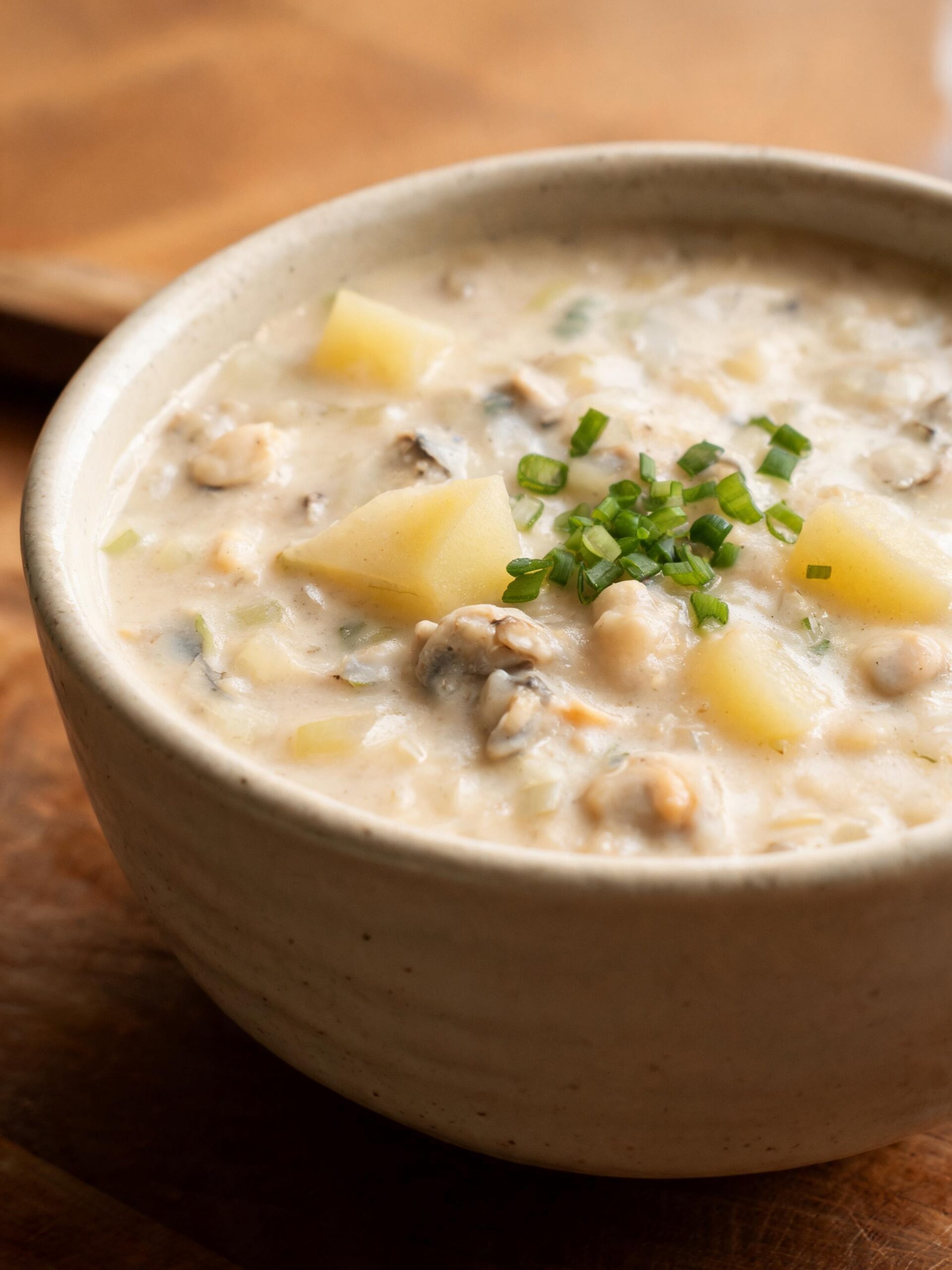
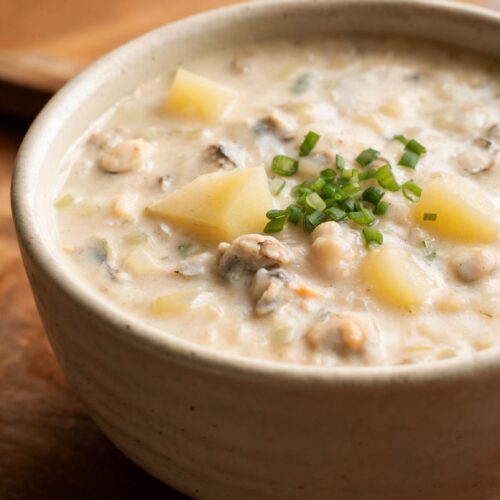
After twenty years behind the line in seafood kitchens up and down the East Coast, I can tell you one thing for sure: a truly great New England Clam Chowder is a thing of beauty. It’s not just soup; it’s a bowl of comfort that tastes like the sea. From mastering dishes like crispy salt and pepper fried calamari to perfecting this chowder, I’ve learned that respecting classic ingredients is key. Forget those thin, watery versions you get from a can. This recipe is the real deal—thick, creamy, loaded with tender clams, and built on a foundation of flavor that starts with rendered salt pork. This isn’t about fancy tricks; it’s about using proper technique to get a perfect result every single time. We’re going to make a chowder that’s rich but not heavy, with layers of flavor from the aromatics, the briny clam juice, and the starchy potatoes that hold it all together. This is the recipe I’ve perfected over decades, and today, I’m sharing it with you.
Why You’ll Love This Recipe
- Authentic Flavor, No Shortcuts: This recipe uses traditional ingredients like salt pork and real cream to build a deep, savory flavor profile that you simply can’t fake.
- Perfectly Creamy Texture: We use a classic flour-and-butter roux and the right kind of potatoes to create a chowder that’s luxuriously thick without being pasty or heavy.
- Surprisingly Simple: Despite the incredible results, the process is straightforward. You don’t need to be a professional chef to master iconic seafood dishes, from this chowder to our popular Crispy Salt and Pepper Fried Calamari recipe.
Ingredients List
The key to a phenomenal chowder is using the right ingredients. Don’t be tempted to substitute willy-nilly here; each component plays a critical role. For instance, salt pork provides a savory, clean fat base that bacon, with its smoky flavor, just can’t replicate for a traditional chowder. Yukon Gold potatoes are essential because they hold their shape when cooked and release just the right amount of starch to help thicken the soup without turning to mush like a Russet would.
For the Flavor Base:
- Salt Pork: 4 ounces, finely diced. This is non-negotiable for authentic flavor. If you absolutely cannot find it, use thick-cut, unsmoked bacon.
- Unsalted Butter: 2 tablespoons. This adds richness and helps create the roux.
- Yellow Onion: 1 medium, finely chopped (about 1 cup).
- Celery: 2 stalks, finely chopped (about 1 cup).
For the Chowder Body:
- All-Purpose Flour: 1/4 cup. This is our primary thickener.
- Bottled Clam Juice: 2 (8-ounce) bottles. This is critical for a deep, oceanic flavor. Don’t skip it.
- Yukon Gold Potatoes: 1 pound (about 2 large), peeled and cut into a 1/2-inch dice.
- Heavy Cream: 1 cup. For that signature rich, creamy finish.
- Whole Milk: 1 cup. Balances the richness of the heavy cream.
The Seafood:
- Canned Chopped Clams: 2 (6.5-ounce) cans, drained, with their juice reserved. We’ll use this reserved juice along with the bottled clam juice.
Seasoning and Garnish:
- Fresh Thyme: 2 sprigs.
- Bay Leaf: 1.
- Kosher Salt: To taste (start with 1/2 teaspoon).
- Freshly Ground Black Pepper: To taste (start with 1/4 teaspoon).
- Fresh Chives or Parsley: Chopped, for garnish.
Step-by-Step Instructions
Follow these steps precisely. Cooking is about process, and the order of operations here is designed to build layers of flavor for the best possible Clam Chowder.
- Render the Salt Pork: In a large Dutch oven or heavy-bottomed pot, cook the diced salt pork over medium-low heat. You want to go low and slow here. Stir occasionally for about 8-10 minutes, until the fat has rendered out and the pork pieces are golden brown and crispy. Use a slotted spoon to remove the crispy bits (we call these cracklings) and set them aside on a paper towel-lined plate for a garnish later. Leave about 2 tablespoons of the rendered fat in the pot.
- Sauté the Aromatics: Add the 2 tablespoons of unsalted butter to the rendered pork fat in the pot and melt it over medium heat. Add the chopped onion and celery. Sauté, stirring frequently, for 6-8 minutes until they are softened and translucent. Do not let them brown; browning creates a bitter note you don’t want in your chowder.
- Make the Roux: Sprinkle the 1/4 cup of all-purpose flour over the softened vegetables. Stir constantly and cook for 2 minutes. This step is crucial to cook out the raw, pasty taste of the flour. The mixture will look like a thick paste.
- Build the Liquid Base: While still stirring, slowly pour in the 2 bottles of clam juice and the reserved juice from the canned clams. Whisk vigorously to ensure there are no lumps. The mixture will start to thicken. Add the diced potatoes, thyme sprigs, and bay leaf. Bring the mixture to a simmer, then reduce the heat to low.
- Simmer the Potatoes: Cover the pot and let it simmer gently for 10-15 minutes, or until the potatoes are completely tender when pierced with a fork. Do not boil the mixture, as a hard boil can make the potatoes fall apart.
- Finish with Dairy and Clams: Once the potatoes are tender, remove the thyme sprigs and bay leaf. Reduce the heat to the lowest possible setting. Stir in the heavy cream and whole milk. Allow the chowder to heat through for about 5 minutes, but do not let it boil, as this can cause the cream to curdle. Finally, stir in the drained, chopped clams. Cook for just one more minute to heat the clams through. Overcooking them will make them tough and rubbery.
- Season and Serve: Remove the pot from the heat. Taste the chowder and season generously with kosher salt and freshly ground black pepper. Remember that the salt pork and clam juice are already salty, so taste before you add. Ladle the finished Clam Chowder into bowls, garnish with the reserved crispy salt pork bits and fresh chives or parsley. Serve immediately with oyster crackers.
Chef’s Pro Tips for Success
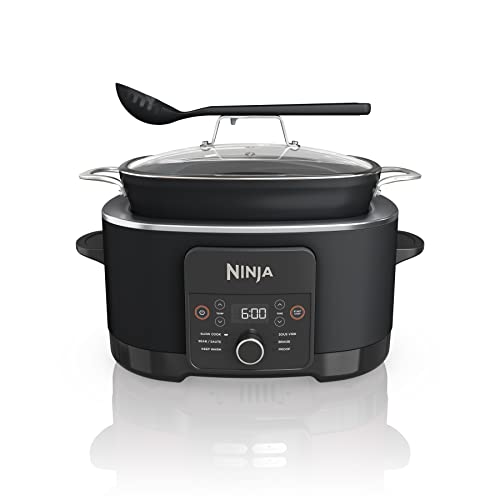
Speaking of the details that make a difference, let’s talk about the pot itself. For years, I relied on a classic heavy-bottomed Dutch oven, but my go-to in my home kitchen now is a high-quality multi-cooker. The Ninja Foodi PossibleCooker is my workhorse because it gives me unparalleled control over the heat. I can render the salt pork perfectly on a low, even setting, sweat the aromatics without a single brown spot, and then hold the chowder at a gentle, sub-simmer temperature after adding the cream. It eliminates the hot spots you can get on a stovetop, which is the number one enemy of a cream-based soup.
If you want to absolutely nail this chowder and other one-pot recipes, this is the single best tool you can invest in.
Ninja MC1001 Foodi PossibleCooker PRO 8.5 Quart Multi-Cooker
✓ prime
We earn a commission if you make a purchase, at no additional cost to you.
These are the little details that separate good chowder from great chowder. Pay attention here.
- The Salt Pork Render is Key: The biggest mistake people make is cooking the salt pork too fast on high heat. This burns the pork before the fat has a chance to render out. You want to gently coax the fat out over medium-low heat. This creates a clean, savory fat base and perfectly crispy cracklings for garnish. The flavor is infinitely better than just using bacon.
- Respect the Potato: Use a waxy or medium-starch potato like Yukon Gold. They hold their shape and contribute to a silky texture. Russet potatoes are too starchy; they will break down and turn your chowder into a grainy, pasty mess. Also, cut your potatoes into a uniform 1/2-inch dice. This ensures they all cook evenly, so you don’t have a mix of hard and mushy chunks.
- Temper Your Dairy: To absolutely guarantee your cream doesn’t curdle, temper it. Before adding the cream and milk to the pot, ladle about a cup of the hot chowder base into your measuring cup with the dairy, whisking constantly. Then, pour this warmed-up dairy mixture back into the main pot. This gently raises the temperature of the cream, preventing it from shocking and separating when it hits the hot soup.
- Don’t Boil After Adding Dairy: This is a cardinal sin of cream-based soups. Once the milk and cream go in, your heat should never go above a gentle simmer. Boiling will cause the milk solids to separate from the liquid, resulting in a grainy, broken texture. Patience on the final heating step is rewarded.
- Let it Rest: Like a good stew, this Clam Chowder is even better the next day. The flavors meld and deepen overnight. If you have the time, make it a day ahead. When you reheat it (gently!), you’ll have an even more delicious soup. This also allows the starch from the potatoes to fully integrate, creating a perfectly thick consistency.
Common Mistakes to Avoid
I’ve seen it all. Here are the most common ways a perfectly good pot of chowder goes wrong and how to make sure it doesn’t happen to you.
- Overcooked, Rubbery Clams: This is the most frequent and tragic error. Canned clams are already cooked. They only need to be heated through. If you add them with the potatoes and simmer them for 15 minutes, you will be chewing on rubber bands. They should be the very last thing you add to the pot, stirred in off the heat or on the lowest possible heat for just a minute.
- A Raw Flour Taste: Someone gets impatient and doesn’t cook the roux properly. You sprinkle in the flour, stir for 10 seconds, and then dump in the liquid. The result is a chowder that has a distinct, unpleasant pasty or raw flour taste. You must cook the flour in the fat for at least two full minutes, stirring constantly, to toast the starches and eliminate that raw flavor.
- The Chowder is Too Thin: This usually happens for two reasons. First, you didn’t use enough flour or didn’t cook the roux correctly. Second, you didn’t let the chowder simmer long enough for the potatoes to release their starches and for the base to thicken. If you find your chowder is too thin at the end, you can make a small slurry (1 tablespoon cornstarch mixed with 2 tablespoons cold water) and whisk it in, letting it simmer for a minute. But a properly made roux should prevent this.
- Seasoning Only at the End: If you wait to add all your salt and pepper at the very end, the chowder will taste flat, with a salty finish that sits on top of the flavor instead of being integrated within it. You should season in layers: a little salt with the aromatics, and then taste and adjust after the potatoes are cooked and before serving. This builds a more complex and well-rounded flavor profile.
Variations and Serving Ideas
While this classic New England style is my go-to, chowder is a versatile dish. For serving, the goal is to complement the creamy richness.
Variations:
- Manhattan Clam Chowder: For a completely different take, omit the flour, butter, and dairy. After sautéing the aromatics, add a 28-ounce can of diced tomatoes with their juice along with the clam juice and potatoes. It’s a brothy, tomato-based soup.
- Rhode Island Clam Chowder: The simplest of all. Omit the flour and dairy entirely. It’s a clear broth chowder made with the rendered pork fat, aromatics, clam juice, and potatoes. It’s light, briny, and lets the clam flavor shine.
- Add Corn: For a touch of sweetness that works beautifully with the clams, add 1 cup of frozen or fresh corn kernels during the last 5 minutes of cooking the potatoes.
If you enjoy exploring iconic seafood dishes, our recipe for an authentic Spanish seafood paella offers another incredible taste of the sea that your family will love.
Serving Ideas:
- The Classic Bread Bowl: Hollow out a crusty sourdough bread bowl and ladle the hot chowder inside. It’s a classic for a reason—the bread soaks up the delicious broth as you eat.
- Oyster Crackers: The traditional topping. Their salty crunch is the perfect textural contrast to the creamy soup.
- Garnish with Purpose: Beyond the crispy salt pork, a sprinkle of fresh, chopped parsley or chives adds a burst of fresh, green flavor that cuts through the richness. A few dashes of Tabasco or your favorite hot sauce can also add a nice kick.
What to Serve With
A great bowl of Clam Chowder can be a meal in itself, but if you’re planning a full seafood-themed dinner party, it could serve as a fantastic starter for a main course like our Easy Authentic Spanish Seafood Paella.
- Crusty Bread: A side of warm, crusty sourdough or a French baguette is essential for dipping. Don’t forget good quality salted butter.
- Simple Green Salad: A salad with crisp lettuce, maybe some cucumber and tomato, tossed in a sharp lemon vinaigrette. The acidity of the dressing will cut through the richness of the chowder and cleanse the palate between bites.
- Lobster Roll or Crab Sandwich: For a true New England feast, serve a smaller cup of chowder alongside a classic, cold-style lobster roll or a simple crab salad sandwich on toasted brioche.
Storage and Reheating
Handling leftovers correctly is crucial for a cream-based soup to avoid texture issues.
- Storage: Allow the chowder to cool down completely at room temperature for no more than an hour. Transfer it to an airtight container and refrigerate for up to 3 days. The texture of the potatoes may soften slightly, but the flavor will be even better on day two.
- Reheating: The golden rule is to reheat it low and slow. Pour the desired amount into a saucepan and warm it over medium-low heat, stirring occasionally until it’s hot. Never, ever boil it. Boiling will cause the cream to separate and the chowder to become grainy. You can also microwave it in a pinch: use 50% power and stir every minute until heated through.
- Freezing: I strongly advise against freezing this chowder. Cream- and milk-based soups do not freeze well; the dairy tends to separate and become grainy upon thawing. Potatoes also become mealy and unpleasant. It’s best enjoyed fresh or within a few days from the refrigerator.
FAQs (People Also Ask)
1. Can I use fresh clams instead of canned?
Absolutely. You’ll need about 2 pounds of littleneck or cherrystone clams. Scrub them well and steam them in a pot with about a cup of water until they open. Discard any that don’t open. Strain the steaming liquid through a cheesecloth to remove any grit and use it in place of one of the bottles of clam juice. Chop the clam meat and add it at the very end, just as you would with canned clams.
2. My chowder tastes a little bland. How can I fix it?
99% of the time, this is an issue of salt. The clam juice and salt pork provide a base level of salinity, but it almost always needs more. Add kosher salt in small increments, stirring and tasting after each addition, until the flavors pop. A tiny squeeze of lemon juice at the very end can also brighten everything up without making it taste lemony.
3. Can I make this clam chowder gluten-free?
Yes. Instead of making a flour-based roux, skip the flour in step 3. Proceed with the recipe. At the end, once the dairy has been added and is hot, make a slurry by whisking 2 tablespoons of cornstarch with 4 tablespoons of cold water. Slowly whisk the slurry into the simmering chowder and cook for another minute or two until it has thickened to your liking.
4. Why did my chowder curdle or look grainy?
This happens when the dairy solids separate. It’s almost always caused by heat that is too high. Either you boiled the chowder after adding the cream and milk, or you added cold dairy directly to a boiling hot base, shocking it. Reheating it too quickly can also cause this. Unfortunately, once it’s broken, it’s very difficult to fix the texture completely.
5. Can I use bacon instead of salt pork?
You can, but it will change the flavor profile. Salt pork provides a pure, savory pork flavor. Bacon is smoked, and that smoky flavor will be very prominent in your finished chowder. If you like that, go for it, but for a truly authentic New England taste, salt pork is the way to go.
Nutrition
Nutrition Facts
(Per serving. Estimates only, varies by exact ingredients used)
Conclusion
There you have it—everything you need to make a truly memorable bowl of New England clam chowder. This recipe isn’t just a list of ingredients; it’s a method honed over years in professional kitchens. Trust the process, use good ingredients, and you’ll be rewarded with a chowder that will transport you straight to a seaside shack on a cool day. Give it a try, and let me know how it turns out. Happy cooking.
The Best Authentic New England Clam Chowder Recipe
Ingredients
- 4 ounces salt pork, finely diced
- 2 tablespoons unsalted butter
- 1 medium yellow onion, finely chopped
- 2 stalks celery, finely chopped
- 1/4 cup all-purpose flour
- 2 (8-ounce) bottles clam juice
- 1 pound Yukon Gold potatoes, peeled and cut into a 1/2-inch dice
- 1 cup heavy cream
- 1 cup whole milk
- 2 (6.5-ounce) cans chopped clams, drained, with juice reserved
- 2 sprigs fresh thyme
- 1 bay leaf
- Kosher salt, to taste
- Freshly ground black pepper, to taste
- Fresh chives or parsley, for garnish
Instructions
- In a large Dutch oven, cook the diced salt pork over medium-low heat for 8-10 minutes until the fat has rendered and the pork is crispy. Remove the crispy bits with a slotted spoon and set aside. Leave about 2 tablespoons of fat in the pot.
- Add the butter to the pot. Once melted, add the onion and celery and sauté for 6-8 minutes until soft and translucent, but not browned.
- Sprinkle the flour over the vegetables and cook, stirring constantly, for 2 minutes to cook out the raw flour taste.
- Slowly whisk in the bottled clam juice and the reserved juice from the canned clams until smooth. Add the diced potatoes, thyme sprigs, and bay leaf.
- Bring to a simmer, then reduce heat to low, cover, and cook for 10-15 minutes until the potatoes are fork-tender.
- Remove the thyme sprigs and bay leaf. Reduce heat to the lowest setting. Stir in the heavy cream and whole milk. Heat through gently for 5 minutes without boiling.
- Stir in the drained, chopped clams and cook for 1 more minute just to heat them through.
- Remove from heat. Season to taste with kosher salt and black pepper. Ladle into bowls and garnish with the reserved crispy salt pork and fresh chives.