Introduction
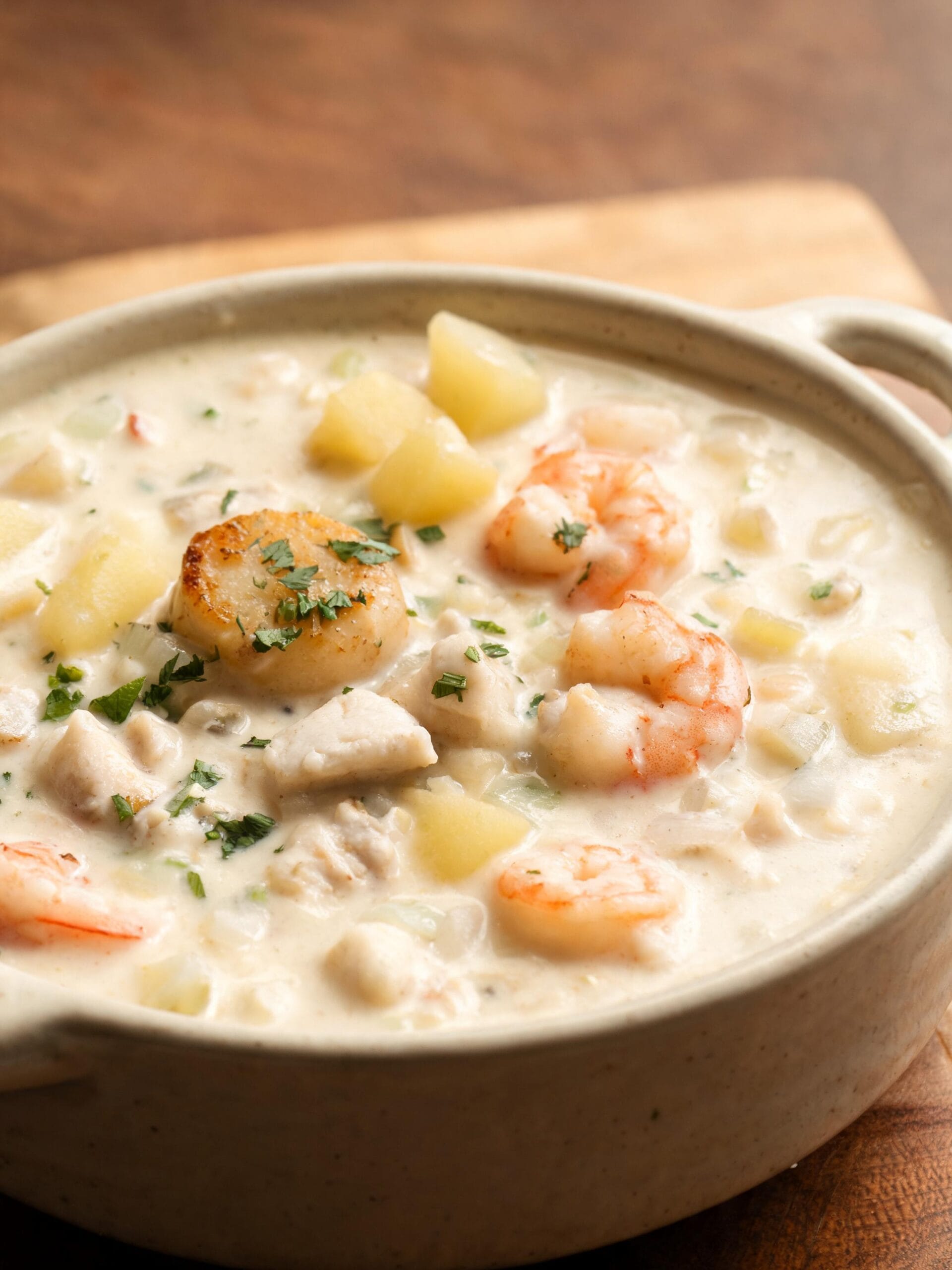
For over two decades, I’ve seen countless versions of Seafood Chowder, but nothing beats a classic, creamy bowl made right. This isn’t just another recipe; it’s the culmination of years behind the line, perfected for the home kitchen. We’re talking a rich, velvety base that’s packed with flavor, tender potatoes, and perfectly cooked seafood that isn’t the least bit rubbery. Many people are intimidated by cooking seafood, whether it’s this chowder or our popular Crispy Salt and Pepper Fried Calamari, but I’m going to walk you through every step to guarantee success. This recipe is designed to be straightforward and fast—you can have a restaurant-quality meal on the table in about 30 minutes. It’s the perfect comfort food for a chilly evening, a satisfying lunch, or a dish to impress guests without spending hours in the kitchen. Let’s get cooking.
Why You’ll Love This Recipe
- Ready in 30 Minutes: This recipe is engineered for speed without sacrificing a single drop of flavor. From chopping the vegetables to ladling the finished chowder into bowls, you’re looking at about half an hour.
- Incredible Depth of Flavor: We build layers of flavor from the very beginning—crispy bacon, aromatic vegetables, a savory seafood stock base, and fresh herbs. It tastes like it simmered for hours.
- Perfectly Cooked Seafood: By following my specific timing instructions, you’ll avoid the number one mistake in seafood cookery: overcooking. Every bite of shrimp, scallop, and fish will be tender and succulent, just like in our popular Crispy Salt and Pepper Fried Calamari Recipe.
Ingredients List
A great chowder starts with quality ingredients. Here’s exactly what you’ll need. Measurements are precise, so follow them closely for the best results. This serves four people generously.
For the Chowder Base
- Bacon: 4 thick-cut slices, diced. The rendered fat is the foundation of our flavor. Don’t use pre-cooked bacon bits.
- Unsalted Butter: 2 tablespoons. This combines with the bacon fat to create our roux.
- Yellow Onion: 1 medium, finely chopped. Adds a sweet, aromatic base.
- Celery: 2 ribs, finely chopped. Provides a subtle, savory freshness.
- Garlic: 3 cloves, minced. Use fresh garlic for the best flavor.
- All-Purpose Flour: 1/4 cup. This is our thickener.
- Clam Juice: 1 (8-ounce) bottle. This is a non-negotiable ingredient for authentic seafood flavor. It’s the chef’s secret weapon.
- Chicken or Vegetable Broth: 2 cups, low-sodium. Provides liquid volume without overpowering the seafood.
- Yukon Gold Potatoes: 1 pound (about 2-3 medium), peeled and diced into 1/2-inch cubes. Their waxy texture holds up well and becomes creamy without turning to mush.
For the Seafood and Cream
- Cod or Haddock Fillet: 1/2 pound, skinless, cut into 1-inch chunks. A firm white fish is essential.
- Raw Shrimp: 1/2 pound, peeled and deveined (size 31/40 is perfect).
- Sea Scallops: 1/2 pound, small bay scallops or larger sea scallops cut in half. Ensure the side muscle is removed.
- Heavy Cream: 1 cup. For that a luxurious, creamy finish. Do not substitute with milk.
- Fresh Parsley: 1/4 cup, chopped, plus more for garnish.
- Salt: 1 teaspoon, more to taste.
- Black Pepper: 1/2 teaspoon, freshly ground.
- Optional: A pinch of cayenne pepper or a dash of Old Bay seasoning for a little extra character.
Step-by-Step Instructions
- Render the Bacon: In a large Dutch oven or heavy-bottomed pot over medium heat, cook the diced bacon until it’s brown and crispy, about 6-8 minutes. Use a slotted spoon to remove the bacon and set it aside on a paper towel-lined plate, leaving the rendered fat in the pot.
- Sauté the Aromatics: Add the butter to the bacon fat in the pot. Once melted, add the chopped onion and celery. Sauté until softened and translucent, about 5 minutes. Stir in the minced garlic and cook for another minute until fragrant. Be careful not to burn the garlic.
- Create the Roux: Sprinkle the flour over the vegetables. Stir constantly and cook for 2 minutes. This step is crucial to cook out the raw flour taste and create the thickening base (the roux). The mixture will look like a thick paste.
- Build the Broth: While stirring, slowly pour in the clam juice and broth. Scrape the bottom of the pot to release any browned bits (that’s pure flavor!). Continue to stir until the mixture is smooth and begins to thicken.
- Cook the Potatoes: Add the diced potatoes to the pot. Bring the mixture to a simmer, then reduce the heat to low, cover, and let it cook for 10-12 minutes, or until the potatoes are tender when pierced with a fork. Do not boil vigorously.
- Add Seafood and Cream: Uncover the pot. Gently stir in the cod, shrimp, and scallops. Let them poach in the hot liquid for about 3-4 minutes. The shrimp will turn pink and opaque, and the fish will flake easily. Do not overcook. Turn the heat to the absolute lowest setting.
- Finish the Chowder: Pour in the heavy cream and stir gently to combine. Add the cooked bacon back into the pot, along with the fresh parsley, salt, and pepper. Let the chowder heat through for another 1-2 minutes, but do not let it boil, as this can cause the cream to separate.
- Serve: Taste and adjust seasoning if needed. Ladle the hot chowder into bowls, garnish with extra fresh parsley, and serve immediately.
Chef’s Pro Tips for Success
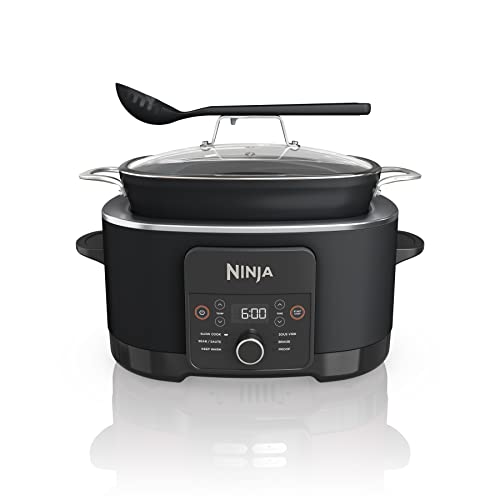
Speaking of details, the pot you use is more important than you think. You need even, consistent heat to perfectly render bacon, gently sweat your aromatics, and cook your roux without scorching. That’s why I’ve come to rely on my Ninja Foodi PossibleCooker. It handles every step flawlessly, from the initial sauté to the final gentle simmer, ensuring no hot spots and perfect temperature control. It’s the modern Dutch oven that makes this recipe foolproof.
If you’re serious about making restaurant-quality soups, stews, and so much more with incredible ease, this is the one tool I recommend. Check it out on Amazon.
Ninja MC1001 Foodi PossibleCooker PRO 8.5 Quart Multi-Cooker
✓ prime
We earn a commission if you make a purchase, at no additional cost to you.
After years of making this dish, I’ve learned a few things that separate a good chowder from a great one. These are the details that make all the difference.
- The Roux is Your Foundation: Don’t rush the roux. Cooking the flour in the fat for a full two minutes is essential. It toasts the flour, developing a nutty flavor and, more importantly, eliminating the pasty, raw taste that can ruin a chowder. The texture should be like wet sand.
- Seafood Timing is Critical: Seafood cooks incredibly fast. The residual heat of the chowder is enough to cook most of it through. Add the fish, shrimp, and scallops at the very end, right before the cream. Once the shrimp are pink, they’re done. The fish should be flaky, not mushy. This entire process takes less than 5 minutes. Any longer, and you risk rubbery seafood.
- Don’t Skip the Clam Juice: Water or extra broth simply won’t cut it. Bottled clam juice provides a concentrated, briny, umami-rich backbone that you can’t get from anything else. It’s the fastest way to build a deep, authentic seafood flavor base for your Seafood Chowder.
- Temper Your Cream: To prevent the cream from curdling or separating, make sure the chowder is not at a rolling boil when you add it. Turn the heat down to low first. You can even temper it by whisking a small amount of the hot broth into the cream in a separate bowl before adding it all back to the pot.
- Use Waxy Potatoes: I specify Yukon Golds for a reason. Their waxy, firm texture means they hold their shape when cooked. Starchy potatoes, like Russets, will break down and dissolve, turning your chowder into a grainy, starchy paste. Red potatoes are also a good alternative.
Common Mistakes to Avoid
Here are some of the most common pitfalls I see home cooks make. Avoid these, and you’ll be in great shape.
- Overcooking the Seafood: This is the cardinal sin of seafood cookery. The difference between perfectly tender shrimp and a rubbery mess is about 60 seconds. Remember: the seafood continues to cook in the hot broth even after you’ve turned off the heat (this is called carry-over cooking). Add it last and serve the chowder promptly.
- Boiling the Chowder After Adding Dairy: Bringing cream or milk to a rapid boil can cause it to curdle or separate, leaving you with a grainy, unappealing texture. Once the cream goes in, keep the heat on low and just gently warm it through. Never let it boil.
- An Undercooked Roux: If you just dump the flour in and immediately add liquid, your chowder will have a distinct, unpleasant raw flour taste. You must cook the flour in the fat for at least two minutes to toast it properly. This simple step makes a world of difference.
- Poor Seasoning Control: Bacon, clam juice, and broth all contain salt. Hold off on adding most of your salt until the very end. Taste the finished product, then adjust. It’s easy to add more salt, but impossible to take it out. A final taste test is what separates a home cook from a chef.
Variations and Serving Ideas
Once you’ve mastered the base recipe, you can start experimenting. A good Seafood Chowder is a fantastic canvas for creativity.
- Smoky Paprika and Corn: Add 1 teaspoon of smoked paprika along with the garlic and 1 cup of frozen or fresh corn kernels when you add the potatoes. This gives the chowder a beautiful color and a smoky, sweet flavor reminiscent of a New England chowder.
- Spicy Cajun-Style: Add 1/2 chopped green bell pepper with the onion and celery. Stir in 1-2 teaspoons of Cajun or Creole seasoning with the flour. A dash of your favorite hot sauce at the end gives it a nice kick.
- Add Different Seafood: Feel free to swap or add other types of seafood. Mussels or chopped clams are fantastic additions (add them with the other seafood). Chunks of lobster meat, stirred in at the very end with the cream, make it exceptionally luxurious.
- Herb Variations: While parsley is classic, fresh thyme or dill can completely change the flavor profile. Add 1 teaspoon of fresh thyme leaves with the garlic, or stir in fresh dill at the end instead of parsley.
What to Serve With
A great bowl of chowder is a meal in itself, but if you’re planning a larger seafood spread, consider another classic. While different in style, our Easy Authentic Spanish Seafood Paella Recipe is another fantastic way to celebrate the flavors of the ocean.
- Crusty Bread: This is non-negotiable. A good sourdough, French baguette, or rustic country loaf is essential for sopping up every last bit of the chowder from the bowl.
- Oyster Crackers: The classic chowder topping. They add a salty crunch that contrasts perfectly with the creamy soup.
- Simple Green Salad: A light salad with a sharp, acidic vinaigrette (like a lemon or red wine vinaigrette) is the perfect counterpoint to the richness of the chowder. It cleanses the palate between bites.
- White Wine: A crisp, dry white wine like a Sauvignon Blanc or an unoaked Chardonnay pairs beautifully with the creamy, briny notes of this dish, much like it would with an authentic Spanish seafood paella.
Storage and Reheating
Storing and reheating a dairy-based seafood soup requires a bit of care to maintain its quality.
- Storage: Allow the chowder to cool completely, then transfer it to an airtight container. It can be stored in the refrigerator for up to 2 days. The flavor is often even better the next day, but the texture of the seafood can degrade slightly over time.
- Reheating: The key is to reheat it gently. Pour the chowder into a saucepan and warm it over low heat, stirring occasionally, until it is hot. Do not let it boil, and avoid using a microwave. Microwaving can make the seafood rubbery and cause the cream base to separate.
- Freezing: I strongly advise against freezing this chowder. Dairy-based soups tend to separate and become grainy upon thawing. Furthermore, potatoes can become mealy and the seafood will be tough and overcooked after being frozen and reheated. This dish is best enjoyed fresh.
FAQs (People Also Ask)
Can I make this Seafood Chowder ahead of time?
Yes, with a small modification. You can prepare the chowder base (through step 5, cooking the potatoes) up to a day in advance. Let it cool and store it in the fridge. When you’re ready to serve, bring the base back to a gentle simmer on the stove, then proceed with step 6, adding the fresh seafood and cream. This ensures the seafood is perfectly cooked and not held for too long.
Can I freeze this chowder?
I do not recommend it. Cream-based soups have a high risk of separating when thawed, resulting in a broken, watery texture. Potatoes also tend to become soft and grainy after freezing. This recipe is fast enough to make fresh, which will always yield the best results.
What is the best fish to use in Seafood Chowder?
You want a firm, flaky white fish that will hold its shape in the chowder. Excellent choices include cod, haddock, halibut, or pollock. Avoid delicate fish like tilapia or flounder, as they will fall apart and disappear into the soup.
My chowder isn’t thick enough. How can I fix it?
If your chowder is too thin, you can create a ‘slurry’. In a small bowl, mix 1 tablespoon of cornstarch with 2 tablespoons of cold water until smooth. Slowly whisk this mixture into the simmering chowder and cook for another minute or two until it has thickened. Avoid adding dry flour directly to the hot liquid, as it will clump.
Can I make this recipe dairy-free?
You can, but it will significantly alter the classic flavor and texture. For a dairy-free version, use olive oil or another neutral oil instead of butter, and substitute the heavy cream with a full-fat, unsweetened canned coconut milk. The result will have a slight coconut flavor but can still be delicious.
Nutrition
Nutrition Facts
(Per serving. Estimates only, varies by exact ingredients used)
Conclusion
There you have it—a straightforward, no-fail recipe for a truly spectacular bowl of chowder. By focusing on quality ingredients and proper technique, you’ve created a fantastic bowl of Seafood Chowder that rivals any restaurant. I hope this becomes a go-to recipe in your kitchen for years to come. Enjoy every spoonful.
Ultimate Creamy Seafood Chowder (Ready in 30 Mins)
Ingredients
- 4 thick-cut slices bacon, diced
- 2 tablespoons unsalted butter
- 1 medium yellow onion, finely chopped
- 2 ribs celery, finely chopped
- 3 cloves garlic, minced
- 1/4 cup all-purpose flour
- 1 (8-ounce) bottle clam juice
- 2 cups low-sodium chicken or vegetable broth
- 1 pound Yukon Gold potatoes, peeled and diced 1/2-inch
- 1/2 pound cod or haddock fillet, skinless, cut into 1-inch chunks
- 1/2 pound raw shrimp, peeled and deveined
- 1/2 pound sea scallops, small or halved
- 1 cup heavy cream
- 1/4 cup fresh parsley, chopped
- 1 teaspoon salt, to taste
- 1/2 teaspoon freshly ground black pepper
Instructions
- In a large Dutch oven over medium heat, cook diced bacon until crispy (6-8 mins). Remove bacon with a slotted spoon, leaving the fat in the pot.
- Add butter to the pot. Once melted, add onion and celery and sauté until softened (about 5 mins). Stir in garlic and cook for 1 more minute until fragrant.
- Sprinkle flour over the vegetables and stir constantly for 2 minutes to cook out the raw flour taste.
- Slowly whisk in the clam juice and broth until smooth. Scrape any browned bits from the bottom of the pot.
- Add the diced potatoes. Bring to a simmer, then reduce heat to low, cover, and cook for 10-12 minutes until potatoes are fork-tender.
- Gently stir in the cod, shrimp, and scallops. Cook for 3-4 minutes until the shrimp is pink and the fish is opaque. Do not overcook.
- Turn heat to the lowest setting. Stir in the heavy cream, cooked bacon, fresh parsley, salt, and pepper. Heat through for 1-2 minutes but do not let it boil.
- Taste and adjust seasoning if necessary. Serve immediately, garnished with extra parsley.