Introduction
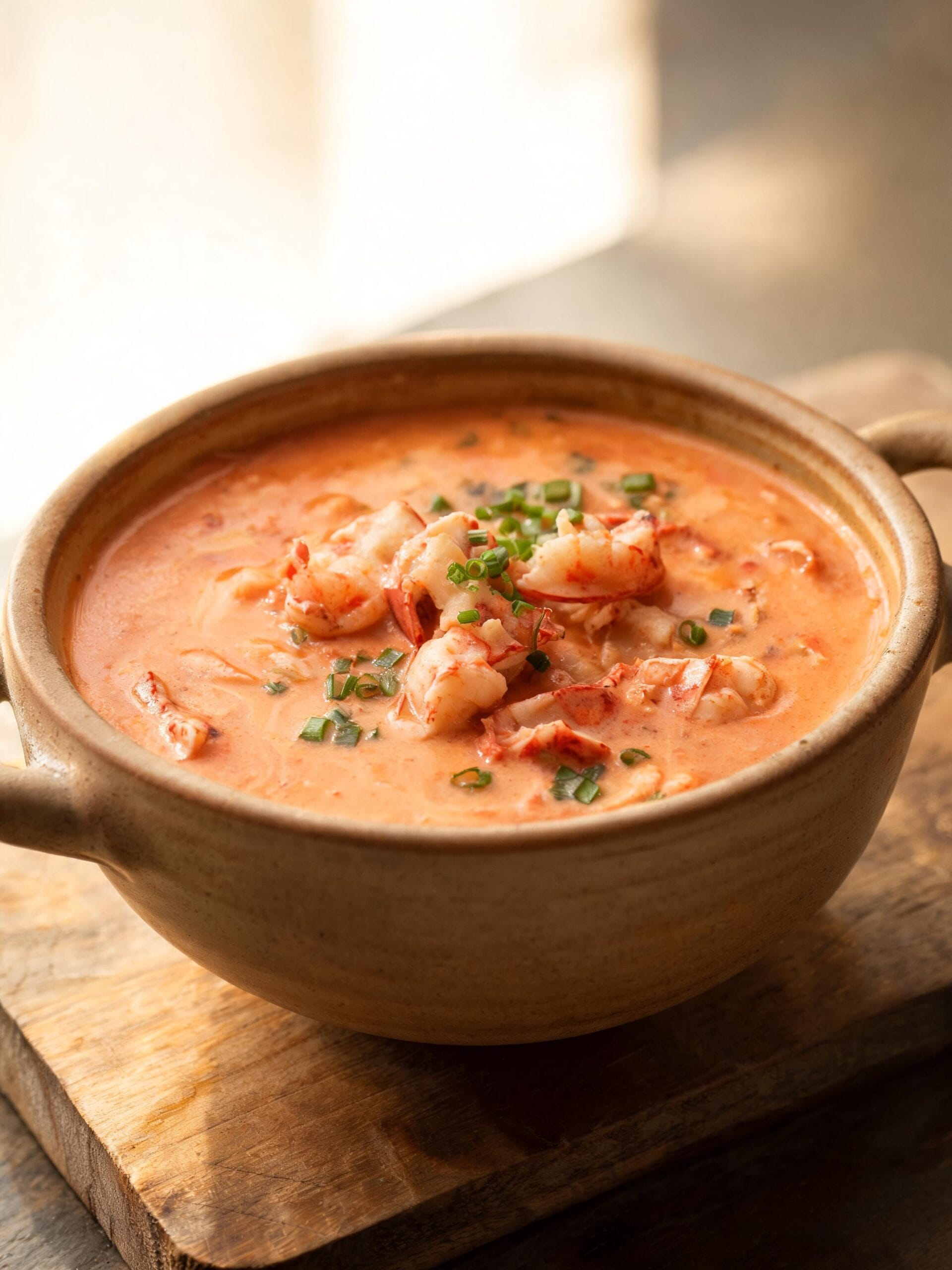
For twenty years, I’ve worked the line in some of the best seafood kitchens on the East Coast, and I can tell you one thing for sure: a truly great Lobster Bisque is the mark of a kitchen that respects its ingredients. This principle applies to all great seafood, from a simple crispy fried calamari to this rich soup. It’s not just soup; it’s a statement. It’s velvety and packed with the deep, sweet flavor of the sea. Forget those thin, disappointing versions you might have had. This recipe is the real deal—the one I’ve perfected over countless services. It balances the sweetness of lobster and tomato with the savory depth of aromatics and a splash of sherry. We’re not cutting corners here. We’re building layers of flavor from the ground up to create a luxurious soup that feels special enough for a holiday but is straightforward enough for a weekend dinner. This is how you make a memorable lobster bisque at home.
Why You’ll Love This Recipe
- Restaurant-Quality Flavor: This isn’t a shortcut recipe. It uses classic techniques to build deep, authentic flavor that tastes like it came from a high-end seafood restaurant.
- Surprisingly Efficient: While the flavor is complex, the process is streamlined. You can have this elegant soup on the table in about 35 minutes, making it perfect for impressing guests without spending all day in the kitchen.
- Velvety Smooth Texture: I’ll show you the key steps to achieving that perfectly smooth, creamy consistency that defines a classic bisque, without any special equipment needed.
Ingredients List
Accuracy is everything in a recipe like this. The balance of fat, acid, and salt is what makes it sing. Here’s exactly what you’ll need for four generous servings.
For the Bisque Base:
- Unsalted Butter: 3 tablespoons. We use unsalted to control the final sodium content, especially since seafood broth can be salty.
- Shallot: 1 large, finely minced. Shallots provide a milder, more delicate onion flavor than yellow onions, which can overpower the lobster.
- Garlic: 2 cloves, minced. Just enough to add a savory background note without being aggressive.
- All-Purpose Flour: 3 tablespoons. This is our thickener. It creates a roux with the butter that gives the bisque its body.
- Dry Sherry: 1/4 cup. This is non-negotiable for classic bisque flavor. It deglazes the pan and adds a nutty complexity that complements the lobster beautifully. Do not use cooking sherry; a decent drinking sherry like Fino or Amontillado is best.
- Canned Crushed Fire-Roasted Tomatoes: 1 (15-ounce) can. The fire-roasting adds a subtle smokiness and depth that regular crushed tomatoes lack.
- Seafood or Lobster Stock: 3 cups. A high-quality stock is the soul of your bisque. If you can find lobster stock, use it. Otherwise, a good seafood or even vegetable stock will work.
- Heavy Cream: 1 cup. This provides the rich, luxurious mouthfeel. Don’t substitute with half-and-half or milk; the soup may curdle and will lack the proper consistency.
- Tomato Paste: 1 tablespoon. This deepens the tomato flavor and color without adding excess liquid.
- Paprika: 1/2 teaspoon. Adds a touch of color and warmth. Smoked paprika can be used for an extra layer of flavor.
- Cayenne Pepper: 1/8 teaspoon, or to taste. A tiny pinch doesn’t make it spicy; it just brightens and enhances all the other flavors.
For the Lobster and Garnish:
- Cooked Lobster Meat: 8 ounces (about 1.5 to 2 cups), chopped into bite-sized pieces. This is the equivalent of about two 4-5 ounce lobster tails. You can use pre-cooked meat for convenience or steam/boil your own.
- Fresh Chives: 2 tablespoons, finely chopped. Their mild onion flavor adds a fresh, sharp contrast to the rich soup.
- Kosher Salt and Freshly Ground Black Pepper: To taste. Season at the end, after the flavors have melded.
Step-by-Step Instructions
Follow these steps closely. The order and timing are designed to build maximum flavor.
- Sauté the Aromatics: In a Dutch oven or heavy-bottomed pot, melt the butter over medium heat. Once it’s foaming, add the minced shallot and cook, stirring occasionally, until softened and translucent, about 3-4 minutes. Add the minced garlic and cook for another minute until fragrant. Be careful not to let the garlic brown, or it will become bitter.
- Create the Roux: Sprinkle the flour over the shallots and garlic. Cook, stirring constantly, for 1 to 2 minutes. The mixture will look pasty, and you should smell a slightly nutty aroma. This step cooks out the raw flour taste.
- Deglaze and Build the Base: While stirring, slowly pour in the dry sherry. Scrape up any browned bits from the bottom of the pot. Let the sherry bubble and reduce by about half, which should take about 1 minute. Whisk in the tomato paste until it’s fully incorporated.
- Simmer the Soup: Gradually whisk in the seafood stock, ensuring there are no lumps. Add the crushed fire-roasted tomatoes, paprika, and cayenne pepper. Bring the mixture to a simmer, then reduce the heat to low. Let it gently simmer, uncovered, for 15 minutes to allow the flavors to meld together. The base should thicken slightly.
- Blend for Smoothness: This is the key to a velvety texture. Carefully transfer the hot soup to a blender in batches (never fill a blender more than halfway with hot liquid) and blend until completely smooth. Alternatively, use an immersion blender directly in the pot. Blend for at least a full minute to get it perfectly silky.
- Finish with Cream and Lobster: Return the blended soup to the pot over low heat. Slowly stir in the heavy cream. Do not let the soup boil after adding the cream, as it can cause it to separate. Add the chopped lobster meat and stir gently to heat it through, about 2-3 minutes.
- Season and Serve: Taste the bisque and season with kosher salt and freshly ground black pepper as needed. Ladle the hot bisque into bowls, garnish generously with fresh chives, and serve immediately.
Chef’s Pro Tips for Success
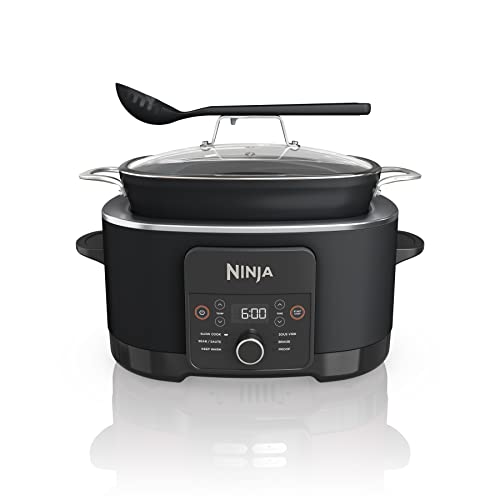
Speaking of the details, the right pot makes all the difference. While a classic Dutch oven works great, in my kitchen, I often rely on a high-quality multi-cooker like the Ninja Foodi PossibleCooker. It provides incredibly consistent, even heat from the start, which is critical when you’re sweating shallots without browning them or toasting your roux to perfection. It simplifies the process by letting you sear, sauté, and simmer all in one place, ensuring every layer of flavor is built flawlessly without any hot spots. It’s my secret weapon for foolproof soups and stews.
Get the tool I trust for consistent results every time.
Ninja MC1001 Foodi PossibleCooker PRO 8.5 Quart Multi-Cooker
✓ prime
We earn a commission if you make a purchase, at no additional cost to you.
These are the details that separate a good soup from a great one. Pay attention here.
- Make a Quick ‘Cheater’s’ Stock: If you cook your own lobster tails, do not throw away the shells. After removing the meat, toss the shells into the pot with your seafood stock and let them simmer for the 15 minutes called for in Step 4. This will infuse the soup with an incredibly deep, authentic lobster flavor. Just be sure to strain the shells out before blending. This single step elevates the entire dish.
- Temper Your Cream: The biggest fear with a cream-based soup is that it will curdle or ‘break’. To prevent this, never add cold cream directly to a hot soup. Instead, temper it. Ladle about half a cup of the hot soup base into a separate bowl with your heavy cream and whisk them together. Then, pour this warmed cream mixture back into the main pot. This gently raises the cream’s temperature, preventing a shock that can cause separation.
- The Double Strain Method: For an absolutely flawless, silk-like texture worthy of a fine dining restaurant, strain the soup after blending. After you’ve blended the base until smooth, pass it through a fine-mesh sieve, using the back of a ladle to press the liquid through. This removes any tiny fibrous bits from the shallots or tomatoes that the blender might have missed. It’s an extra step, but it’s the secret to an unbelievably luxurious mouthfeel in your Lobster Bisque.
- Don’t Overcook the Lobster: The lobster meat is already cooked. You are simply warming it through in the finished bisque. If you add it too early or let it simmer for too long, it will become tough and rubbery. Add it at the very end, just before serving, and heat it gently over low heat for only 2-3 minutes.
- Control the Acidity: Tomatoes are the backbone of this bisque’s flavor, but they can sometimes be overly acidic. If you taste the finished soup and it seems a little too sharp or ‘tinny’, add a tiny pinch of sugar (no more than 1/4 teaspoon). This won’t make the soup sweet; it will balance the acidity and round out the flavors, making the lobster taste even sweeter.
Common Mistakes to Avoid
I’ve seen these mistakes happen time and time again. Here’s how to sidestep them.
- The Mistake: The Bisque is Grainy or Gritty.
Why it Happens: This is almost always due to one of two things: the roux wasn’t cooked properly, or the soup wasn’t blended enough. If you don’t cook the raw flour taste out in Step 2, it leaves a pasty texture. More commonly, a standard blender needs more time than you think to pulverize the vegetable fibers completely.
How to Fix It: Be patient. When you make the roux, let it cook for the full 2 minutes. When blending, let the machine run for a solid 60-90 seconds per batch. If it’s still not perfect, use the double-strain method mentioned in the pro tips. It’s a guaranteed fix for any texture issues. - The Mistake: The Soup Tastes ‘Fishy’ Instead of Sweet.
Why it Happens: This points to a low-quality stock. A good seafood stock should smell like the clean ocean, not old fish. Also, using old or poorly handled lobster meat can contribute to off-flavors.
How to Fix It: Start with the best ingredients you can find. Use a reputable brand of stock or make your own. Ensure your lobster meat is fresh or was frozen properly. If the flavor is still slightly off, a small squeeze of fresh lemon juice right at the end of cooking can brighten things up considerably and cut through any unwanted fishiness. - The Mistake: The Finished Bisque is Too Thin.
Why it Happens: The flour-to-liquid ratio was off, or the soup wasn’t simmered long enough to reduce and thicken. Sometimes, people rush the 15-minute simmering step.
How to Fix It: Don’t just add more flour—that will make it taste pasty. The best way to fix a thin Lobster Bisque is to let it reduce. Simply let it simmer gently over low heat (before adding the cream and lobster) for another 5-10 minutes, stirring occasionally, until it reaches your desired consistency. If you’re really in a pinch, you can make a ‘slurry’ by whisking 1 tablespoon of cornstarch with 2 tablespoons of cold water and slowly stirring it into the simmering soup base. - The Mistake: The Soup Curdled or Separated.
Why it Happens: The soup was boiled after the cream was added. Heavy cream has a high fat content, which makes it relatively stable, but boiling can still cause the proteins to seize and the fats to separate, creating a broken, oily mess.
How to Fix It: Prevention is key. Once the cream is in, the heat should stay low. Never let it boil. If a minor separation does occur, sometimes you can fix it by removing the pot from the heat and whisking vigorously. An immersion blender on low can also sometimes emulsify it back together. But the best solution is to avoid the problem altogether by tempering the cream and keeping the heat gentle.
Variations and Serving Ideas
While the classic recipe is fantastic, you can easily adapt it. For a different take on this Lobster Bisque, try adding 1/4 cup of corn kernels along with the tomatoes for a touch of sweetness and texture. A swirl of basil pesto on top before serving adds a fresh, herbaceous note that cuts through the richness. For an even more decadent version, you can supplement the lobster with an equal amount of cooked shrimp or crab meat. When serving, place a few large, beautiful pieces of claw meat right in the center of the bowl and drizzle with a high-quality, herb-infused olive oil for a professional presentation.
What to Serve With
A rich bisque doesn’t need much, but the right accompaniments complete the meal. A crusty baguette or sourdough bread is essential for sopping up every last drop. For a lighter pairing, serve it with oyster crackers or homemade garlic croutons. If you’re making this a full meal, a simple green salad with a sharp lemon vinaigrette is the perfect counterpoint, especially if you’re serving this bisque as a starter for another main course like an authentic seafood paella. The acidity of the dressing will cleanse the palate between spoonfuls of the creamy soup. For a beverage pairing, a crisp, unoaked Chardonnay or a dry Rosé works beautifully.
Storage and Reheating
Seafood soups require careful handling to maintain their quality.
- Storage: Cool the bisque as quickly as possible. Do not leave it at room temperature for more than an hour. Transfer it to an airtight container and store it in the refrigerator for up to 2 days. The flavor is often even better the next day, but the texture is best when fresh. I do not recommend freezing this bisque, as the cream can separate and become grainy upon thawing.
- Reheating: The key to reheating is to be gentle. Pour the bisque into a saucepan and warm it slowly over low heat, stirring frequently. Do not let it boil, or it will break. If it has thickened too much in the fridge, you can add a splash of seafood stock or milk to thin it to your desired consistency. Avoid using a microwave, as it heats unevenly and can easily cause the soup to curdle.
FAQs (People Also Ask)
Can I make this Lobster Bisque ahead of time?
Yes, you can prepare the soup base (up to Step 5, before adding the cream and lobster) up to two days in advance. Store the blended base in an airtight container in the refrigerator. When you’re ready to serve, gently reheat the base on the stove, then proceed with Step 6 by stirring in the cream and lobster meat. This is a great strategy for dinner parties.
What can I use instead of sherry?
If you must avoid alcohol, you can substitute the sherry with an equal amount of dry white wine (like Sauvignon Blanc) or even a tablespoon of white wine vinegar mixed with 1/4 cup of stock to mimic the acidity. However, for that truly classic, nutty, and complex bisque flavor, dry sherry is highly recommended.
Is it possible to make this dairy-free?
You can try, but the result will be different in texture and richness. For a dairy-free version, use a high-quality olive oil or vegan butter instead of dairy butter. For the cream, the best substitute would be a full-fat, unsweetened coconut cream. It will impart a subtle coconut flavor, but its high fat content will help prevent curdling and provide a creamy consistency.
Can I use frozen lobster meat?
Absolutely. Frozen cooked lobster meat is a convenient and cost-effective option. Just be sure to thaw it completely in the refrigerator overnight before using it. Pat it dry with paper towels to remove any excess moisture before chopping and adding it to the soup.
My bisque tastes a bit flat. How can I fix it?
If the flavor seems one-dimensional, it usually needs one of three things: salt, acid, or heat. First, ensure it’s properly seasoned with salt. If it’s still flat, a small squeeze of fresh lemon juice will work wonders to brighten all the flavors. If you like a little kick, a tiny extra pinch of cayenne pepper can also elevate the taste without making it overtly spicy.
Nutrition
Nutrition Facts
(Per serving. Estimates only, varies by exact ingredients used)
Conclusion
There you have it—a straightforward path to an extraordinary soup. Making a classic Lobster Bisque at home is about respecting the process and using good ingredients. It’s one of those dishes that makes any meal feel like a special occasion. I hope you’ll make this recipe and feel the same pride I do when you see the look on your guests’ faces after the first spoonful. Enjoy it.

Creamy Homemade Lobster and Tomato Bisque
Ingredients
- 3 tbsp unsalted butter
- 1 large shallot, finely minced
- 2 cloves garlic, minced
- 3 tbsp all-purpose flour
- 1/4 cup dry sherry
- 1 (15-ounce) can crushed fire-roasted tomatoes
- 3 cups seafood or lobster stock
- 1 cup heavy cream
- 1 tbsp tomato paste
- 1/2 tsp paprika
- 1/8 tsp cayenne pepper
- 8 ounces cooked lobster meat, chopped
- 2 tbsp fresh chives, finely chopped
- Kosher salt and freshly ground black pepper to taste
Instructions
- Melt butter in a Dutch oven over medium heat. Add shallot and cook until softened, about 3-4 minutes. Add garlic and cook for 1 more minute until fragrant.
- Sprinkle in the flour and cook, stirring constantly, for 1-2 minutes to form a roux.
- Slowly pour in the dry sherry, scraping the bottom of the pot. Let it reduce by half. Whisk in the tomato paste.
- Gradually whisk in the seafood stock, then add the crushed tomatoes, paprika, and cayenne pepper. Bring to a simmer and cook for 15 minutes.
- Carefully blend the soup in batches until completely smooth. An immersion blender can also be used.
- Return the soup to the pot over low heat. Slowly stir in the heavy cream. Do not let it boil.
- Add the chopped lobster meat and warm through for 2-3 minutes.
- Season with salt and pepper to taste. Serve immediately, garnished with fresh chives.