Introduction
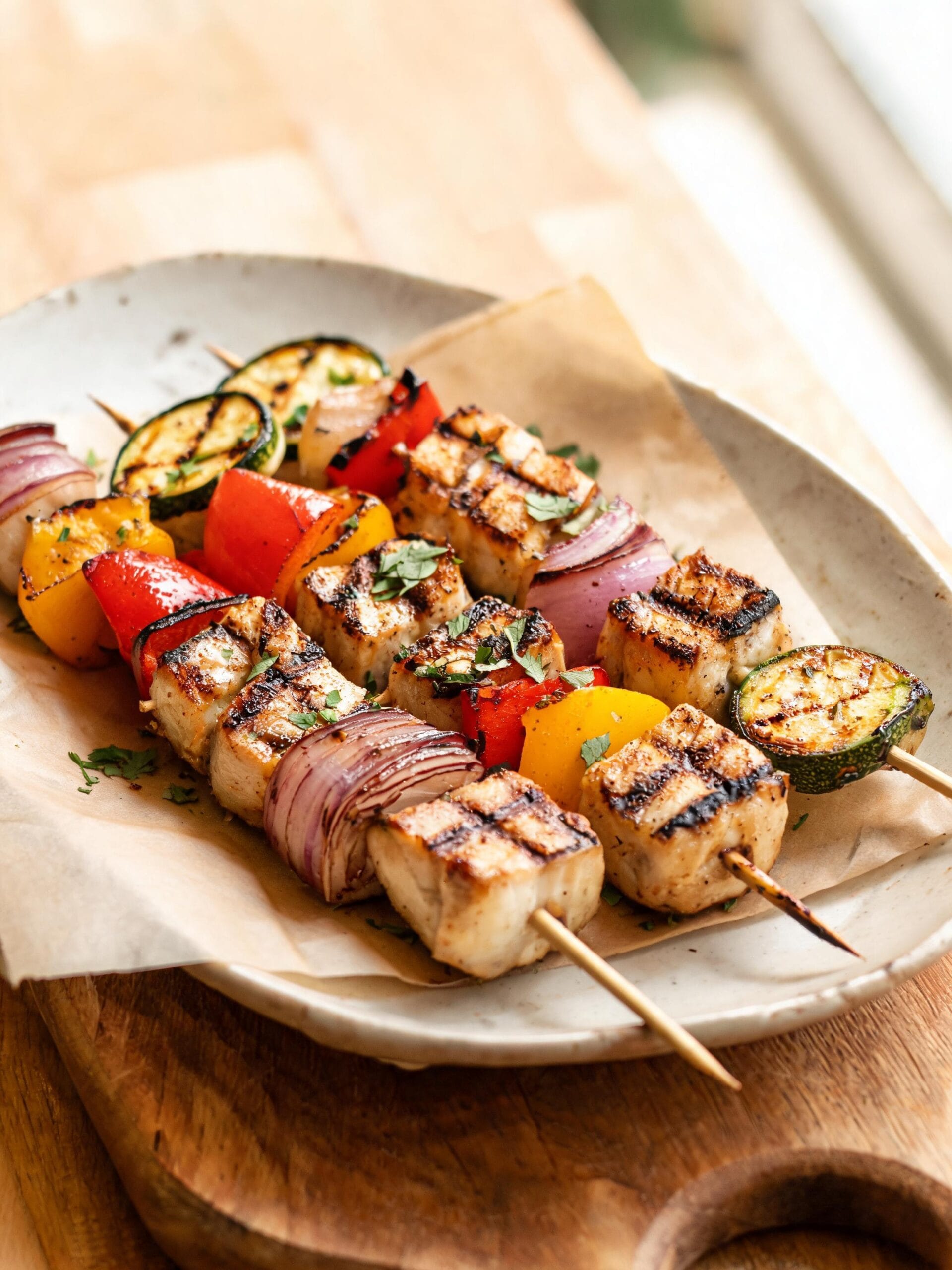
Let’s get one thing straight: swordfish is the steak of the sea. It’s firm, meaty, and holds up beautifully to the high heat of a grill. When you master a simple, perfect recipe for Grilled Swordfish, you have a showstopper in your back pocket for any summer cookout. For years in my kitchens, I’ve seen home cooks intimidated by this fish, worried it will turn out dry and tough. Forget all that. This recipe for Juicy Grilled Swordfish Skewers is designed to be foolproof. We’re cubing the fish, which means more surface area for a delicious marinade and a quicker cooking time, virtually guaranteeing a moist and tender result. This isn’t just about cooking fish; it’s about building confidence on the grill and creating a meal that tastes like a coastal vacation, much like a perfect bowl of New England Clam Chowder. Get ready to fire up the grill, because this is the only swordfish recipe you’ll ever need.
Why You’ll Love This Recipe
- Incredibly Fast: From fridge to table in about 30 minutes. The marinade is quick to whisk together, and the skewers cook in under 10 minutes, making it perfect for a weeknight dinner or an impromptu backyard party.
- Packed with Flavor: The simple lemon-herb marinade doesn’t mask the swordfish; it enhances it. It’s bright, fresh, and savory, soaking into the fish and charring perfectly on the grill.
- Perfectly Moist and Tender: The skewer method combined with our specific grilling technique prevents the dreaded dry fish. Each cube is cooked evenly, resulting in a juicy interior and a beautifully seared exterior.
Ingredients List
Good cooking starts with good ingredients. There’s nowhere to hide in a simple recipe like this, so quality matters. Here’s what you’ll need and why:
For the Swordfish Skewers:
- Swordfish: 1.5 lbs (24 ounces) fresh, skinless swordfish loin, cut into 1.5-inch cubes. Look for a piece that’s at least 1.25 inches thick. The flesh should be bright, almost translucent, and firm to the touch. Avoid pieces that look dull, grey, or have any gapping in the flesh.
- Bell Peppers: 1 large red bell pepper and 1 large yellow or orange bell pepper, cut into 1.5-inch pieces. Their sweetness provides a great contrast to the savory fish and they hold up well on the grill.
- Red Onion: 1 large red onion, cut into 1.5-inch chunks and separated into layers. Red onion adds a pungent, sweet, and colorful element that chars beautifully.
- Zucchini: 1 medium zucchini, cut into 1-inch thick rounds. Zucchini adds a nice, earthy flavor and a softer texture to the skewer.
- Wooden or Metal Skewers: You’ll need about 8 skewers. If using wooden, they MUST be soaked in water for at least 30 minutes to prevent them from burning to a crisp on the grill.
For the Lemon-Herb Marinade:
- Extra Virgin Olive Oil: 1/2 cup. This is the base of our marinade. Use a good quality EVOO; its fruity, peppery notes will shine through. It also helps prevent the fish from sticking.
- Lemon Juice: 1/4 cup, freshly squeezed (from about 2 lemons). Please, do not use the bottled stuff. The acidity of fresh lemon juice is brighter and cleaner, and it’s essential for tenderizing the fish slightly.
- Garlic: 4 cloves, minced. Fresh garlic is non-negotiable. It provides the aromatic, savory backbone of the marinade.
- Fresh Parsley: 1/4 cup, finely chopped. Adds a clean, green, peppery flavor.
- Dried Oregano: 1 tablespoon. While I often prefer fresh herbs, dried oregano has a concentrated, pungent flavor that blooms in an oily marinade and stands up to the smokiness of the grill.
- Kosher Salt: 1.5 teaspoons. Kosher salt has larger crystals that dissolve well and season the fish more evenly than table salt.
- Black Pepper: 1 teaspoon, freshly cracked. The spice from fresh pepper is far superior to pre-ground dust.
Step-by-Step Instructions
- Prepare the Skewers: If you are using wooden skewers, place them in a shallow dish, cover them completely with water, and let them soak for at least 30 minutes. This is a critical step to prevent them from incinerating on the grill.
- Make the Marinade: In a medium bowl, whisk together the extra virgin olive oil, fresh lemon juice, minced garlic, chopped parsley, dried oregano, kosher salt, and black pepper. This is your flavor engine.
- Prepare the Fish and Vegetables: Pat the swordfish cubes completely dry with paper towels. A dry surface is essential for getting a good sear. Place the swordfish cubes and all the chopped vegetables (bell peppers, red onion, zucchini) into a large bowl or a large zip-top bag.
- Marinate (Briefly!): Pour about two-thirds of the marinade over the fish and vegetables. Gently toss to coat everything evenly. Let it marinate for just 15-20 minutes at room temperature. Do not exceed 30 minutes, as the lemon juice will start to break down the fish protein, making it mushy. Reserve the remaining one-third of the marinade for basting later.
- Assemble the Skewers: Thread the marinated swordfish and vegetables onto the skewers, alternating between them. For example: pepper, onion, swordfish, zucchini, and repeat. Leave a small space (about 1/8 inch) between each piece to ensure even cooking. Don’t pack them too tightly.
- Preheat the Grill: Prepare your grill for direct, medium-high heat (around 400-450°F). For a gas grill, turn the burners to high to preheat, then reduce to medium-high. For a charcoal grill, arrange the hot coals in an even layer. Clean the grill grates thoroughly with a wire brush, then use tongs and a paper towel dipped in a high-smoke-point oil (like canola or avocado oil) to grease the grates. This is your insurance against sticking.
- Grill the Skewers: Place the skewers directly on the hot, oiled grates. Grill for about 8-10 minutes total, turning them every 2-3 minutes to get a nice char on all sides. During the last 2 minutes of grilling, brush the skewers with the reserved marinade. The fish is done when it’s opaque all the way through and flakes easily with a fork. You should see some nice char marks, but the fish should not be burnt.
- Rest and Serve: Transfer the cooked skewers to a clean platter. Let them rest for 3-5 minutes. This allows the juices to redistribute throughout the fish, ensuring every bite is moist. Serve immediately.
Chef’s Pro Tips for Success
If there’s one tool that will completely change your grilling game, it’s a reliable instant-read thermometer. I talk a lot about not overcooking swordfish, and while the visual cues are helpful, the only way to guarantee perfectly juicy results is by measuring the internal temperature. For these skewers, I rely on my ThermoMaven to tell me exactly when to pull them from the heat. It eliminates all the guesswork and ensures I hit that perfect 135°F every single time, which is the magic number for moist, flaky fish.
Stop guessing and start grilling with precision. This is the single best investment you can make for becoming a true grill master.
ThermoMaven Smart Wireless Meat Thermometer
✓ prime
Check PriceWe earn a commission if you make a purchase, at no additional cost to you.

After twenty years of grilling fish, I’ve learned that the small details make all the difference. Here are the secrets that separate decent fish from unforgettable fish.
- The 10-Minute Saltwater Brine: Before you even think about the marinade, try this. Dissolve 2 tablespoons of kosher salt in 4 cups of cold water. Submerge your swordfish cubes in this brine for just 10 minutes, then rinse and pat them bone-dry. This quick brine seasons the fish from the inside out and, through osmosis, helps it retain significantly more moisture during the high-heat cooking process. It’s a simple step that makes a world of difference in the final texture.
- Master the Two-Zone Fire: This is the most important grilling technique you can learn. Bank your hot charcoal to one side of the grill or only turn on the burners on one side of your gas grill. This creates a hot zone for searing and a cooler, indirect heat zone. Start your skewers on the hot side to get those beautiful grill marks and char (about 1-2 minutes per side). If they’re browning too quickly but aren’t cooked through, move them to the cool side to finish cooking gently without burning. This gives you total control.
- Uniformity is Key: It sounds basic, but the precision of your knife work directly impacts how evenly everything cooks. Aim for your swordfish cubes and vegetable chunks to be as close to the same size (around 1.5 inches) as possible. This same principle applies when preparing other firm fish, like our popular Spicy Pan-Seared Ahi Tuna Steaks. If your zucchini is tiny and your swordfish is huge, the zucchini will turn to mush before the fish is cooked. Uniform cuts mean uniform cooking.
- Respect the Marinade Time: I can’t stress this enough. The acid in the lemon juice is chemically cooking the fish in a process called ceviche. A short 15-20 minute marinade is perfect for adding flavor without compromising the firm, meaty texture of the swordfish. If you let it sit for an hour, the exterior of the fish will become opaque and chalky. For a fantastic Grilled Swordfish, less marinade time is more.
- Don’t Fear the Heat, Oil the Grate: People are often afraid to get the grill hot enough, which causes the fish to steam rather than sear. You need that 400-450°F heat. The secret to not sticking isn’t lower heat; it’s a super clean grate and a good layer of oil. After brushing the grate clean, fold a paper towel, dip it in oil, hold it with long tongs, and wipe it generously over the grates right before the food goes on. The fish will release itself naturally when it’s properly seared.
Common Mistakes to Avoid
It’s easy to mess up fish on the grill. Here are the most common pitfalls I’ve seen and how to sidestep them for perfect results every time.
- The #1 Mistake: Overcooking. The number one mistake people make with Grilled Swordfish is overcooking it. It goes from perfectly moist to dry and chewy in less than a minute. Swordfish is done when its internal temperature reaches 130-135°F. It will continue to cook from residual heat as it rests. If you don’t have a thermometer, use the fork test: poke a cube at its thickest point and gently twist. If it flakes easily and is opaque, it’s done. Pull it off the grill immediately. When in doubt, slightly undercook it.
- The Sticking Situation. There’s nothing more frustrating than watching your beautiful skewers fall apart because the fish is welded to the grill. This happens for three reasons: your grill wasn’t hot enough, your grates were dirty, or you didn’t oil the grates. The grill must be fully preheated. The grates must be scraped clean of any old debris. And you must oil them right before the skewers go on. Also, don’t try to flip the skewers too early. A proper sear creates a crust that will release from the metal naturally.
- Forgetting to Soak Wooden Skewers. You walk away for a minute and come back to find the ends of your skewers are smoldering embers and your food is in danger of falling into the fire. Soaking wooden skewers for at least 30 minutes (and up to a few hours) saturates the wood with water, which then has to steam off before the wood itself can catch fire. It’s a simple, non-negotiable step. For extra insurance, you can even leave a bit of empty space at the ends of the skewers to keep the exposed wood further from the direct flame.
- Uneven Skewering. Jamming as much as you can onto a skewer is a common error. This prevents heat from circulating around each ingredient, causing the outside to burn while the inside remains raw. The food steams instead of grills. By leaving a tiny bit of breathing room between each piece of fish and vegetable, you allow the hot air and flame to cook every surface, leading to better char, more flavor, and even cooking.
Variations and Serving Ideas
This marinade is classic for Grilled Swordfish, but the beauty of this fish is its versatility. Think of this recipe as a template. Once you master the technique, you can swap out the flavors endlessly.
- Teriyaki Swordfish Skewers: Swap the lemon-herb marinade for a teriyaki-style one. Whisk together 1/2 cup soy sauce, 1/4 cup mirin, 2 tablespoons of brown sugar, 1 tablespoon of sesame oil, 2 minced garlic cloves, and 1 tablespoon of grated fresh ginger. Marinate for 15 minutes. Use pineapple chunks and scallions on the skewers instead of zucchini for a sweet and savory twist.
- Cajun-Spiced Swordfish: Skip the liquid marinade. Pat the swordfish cubes dry and toss them with 1-2 tablespoons of your favorite Cajun or Creole seasoning blend and a drizzle of oil. Skewer with andouille sausage rounds, okra, and chunks of onion and bell pepper for a taste of New Orleans.
- Deconstructed for a Salad: Grill the skewers as directed, then slide the fish and vegetables off the skewers and serve over a bed of arugula or mixed greens. Drizzle with a lemon vinaigrette and top with feta cheese and Kalamata olives for a substantial and healthy Mediterranean-style salad.
- Swordfish Tacos: Grill the swordfish (you can leave them in cubes or grill whole steaks and flake them). Serve the grilled fish in warm corn tortillas with a crunchy cabbage slaw, a creamy chipotle sauce, and a squeeze of fresh lime.
What to Serve With
These skewers are a fantastic centerpiece, but the right side dishes will turn them into a complete, memorable meal. You want sides that complement the smoky, fresh flavors without overpowering them.
- Mediterranean Couscous Salad: A light and fluffy couscous salad tossed with chopped cucumber, tomatoes, chickpeas, fresh mint, and a lemon-tahini dressing is a perfect pairing. It can be made ahead and served chilled or at room temperature.
- Grilled Asparagus with Parmesan: While the grill is hot, you might as well use it. Toss asparagus spears in a little olive oil, salt, and pepper. Grill for 3-5 minutes until tender-crisp. Finish with a squeeze of lemon juice and a generous shaving of Parmesan cheese.
- Creamy Polenta: For a more comforting and substantial meal, serve the swordfish and vegetables over a bed of creamy, cheesy polenta. The soft texture of the polenta is a wonderful contrast to the firm, meaty fish.
- Garlic Bread: A simple, classic choice. Grill thick slices of sourdough bread brushed with garlic-infused olive oil until golden and crispy. It’s perfect for soaking up any leftover marinade and juices on the plate.
Storage and Reheating
Leftover grilled fish can be tricky, but handled correctly, it’s delicious the next day. The key is to avoid drying it out.
- Storage: Remove the fish and vegetables from the skewers and place them in an airtight container. They will keep in the refrigerator for up to 2 days. The texture will change slightly, but the flavor will still be excellent.
- Reheating: The microwave is your enemy here; it will make the fish rubbery. The best way to reheat is gently in an oven or toaster oven. Place the swordfish and veggies on a baking sheet, drizzle with a tiny bit of olive oil or a squeeze of lemon juice, cover loosely with foil, and warm in a 275°F oven for 10-15 minutes, or just until heated through.
- Serving Cold: Honestly, my favorite way to eat leftover grilled swordfish is cold. Flake the meat and toss it into a green salad or a pasta salad for a quick and delicious lunch the next day. It’s fantastic and requires no reheating at all.
FAQs (People Also Ask)
- Can I use frozen swordfish for this recipe?
- Yes, you absolutely can. High-quality, flash-frozen fish can be just as good as fresh. The key is to thaw it properly. The best method is to remove it from its packaging, place it on a plate lined with paper towels, cover it, and let it thaw overnight in the refrigerator. Never thaw fish at room temperature or in the microwave. Once thawed, pat it completely dry before proceeding with the recipe.
- What’s the best internal temperature for cooked swordfish?
- For a moist and tender result, cook swordfish to an internal temperature of 130°F to 135°F. At this temperature, it will be opaque but still very juicy. Use an instant-read thermometer inserted into the thickest part of a cube. Remember to pull it off the heat at this temperature, as it will continue to rise a few degrees while it rests, reaching a perfect final temperature of around 140°F.
- My wooden skewers keep burning. What am I doing wrong?
- This is almost always because they weren’t soaked for long enough. A full 30-minute soak is the minimum. If you’re grilling for a longer period or over very high heat, you can also create little foil ‘handles’ to wrap around the exposed ends of the skewers, which will protect them from the direct flame.
- Can I make these grilled swordfish skewers in an oven or on a grill pan?
- Yes, you can. For a grill pan, preheat it over medium-high heat, oil it well, and cook the skewers for 8-10 minutes, turning occasionally, just as you would on an outdoor grill. For the oven, use the broiler. Position an oven rack about 6 inches from the broiler element, preheat the broiler on high, and place the skewers on a foil-lined baking sheet. Broil for 6-8 minutes, flipping once halfway through, until the fish is cooked through and lightly charred.
- Is swordfish healthy? What about mercury?
- Swordfish is a fantastic source of lean protein, selenium, and vitamin D. However, as a large predatory fish, it does contain higher levels of methylmercury than smaller fish. For this reason, the FDA advises that pregnant women, women who may become pregnant, and young children avoid it. For the general adult population, it is considered safe to eat as part of a varied diet, typically recommended no more than once a week.
Nutrition
Nutrition Facts
(Per serving. Estimates only, varies by exact ingredients used)
Conclusion
Grilling fish doesn’t have to be a source of anxiety. With a great piece of fish, a simple but powerful marinade, and the right technique, you can produce something truly special. You now have all the secrets to making incredible Grilled Swordfish skewers that are juicy, flavorful, and perfect for any occasion. So go ahead, fire up that grill with confidence. I promise, once you try this, it will become a staple in your summer cooking rotation. If you make this recipe, be sure to leave a comment and let me know how it turned out!
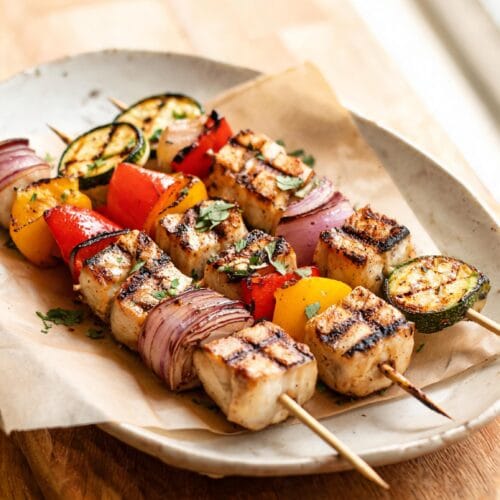
Juicy Grilled Swordfish Skewers for Summer BBQs
Ingredients
- 1.5 lbs fresh, skinless swordfish loin, cut into 1.5-inch cubes
- 1 large red bell pepper, cut into 1.5-inch pieces
- 1 large yellow bell pepper, cut into 1.5-inch pieces
- 1 large red onion, cut into 1.5-inch chunks
- 1 medium zucchini, cut into 1-inch thick rounds
- 1/2 cup extra virgin olive oil
- 1/4 cup freshly squeezed lemon juice
- 4 cloves garlic, minced
- 1/4 cup fresh parsley, finely chopped
- 1 tablespoon dried oregano
- 1.5 teaspoons kosher salt
- 1 teaspoon freshly cracked black pepper
- 8 wooden or metal skewers
Instructions
- If using wooden skewers, soak them in water for at least 30 minutes to prevent burning.
- In a medium bowl, whisk together the olive oil, lemon juice, minced garlic, parsley, oregano, salt, and pepper to create the marinade.
- Pat the swordfish cubes dry with paper towels. Place the swordfish and all chopped vegetables in a large bowl.
- Pour two-thirds of the marinade over the fish and vegetables, tossing gently to coat. Reserve the remaining third. Marinate for 15-20 minutes at room temperature.
- Thread the marinated swordfish and vegetables alternately onto the skewers, leaving a tiny space between each piece.
- Preheat your grill to medium-high heat (400-450°F). Clean and oil the grill grates well.
- Place the skewers on the grill and cook for 8-10 minutes total, turning every 2-3 minutes for an even char.
- During the last 2 minutes of cooking, brush the skewers with the reserved marinade.
- Remove the skewers from the grill and let them rest on a platter for 3-5 minutes before serving.