Introduction
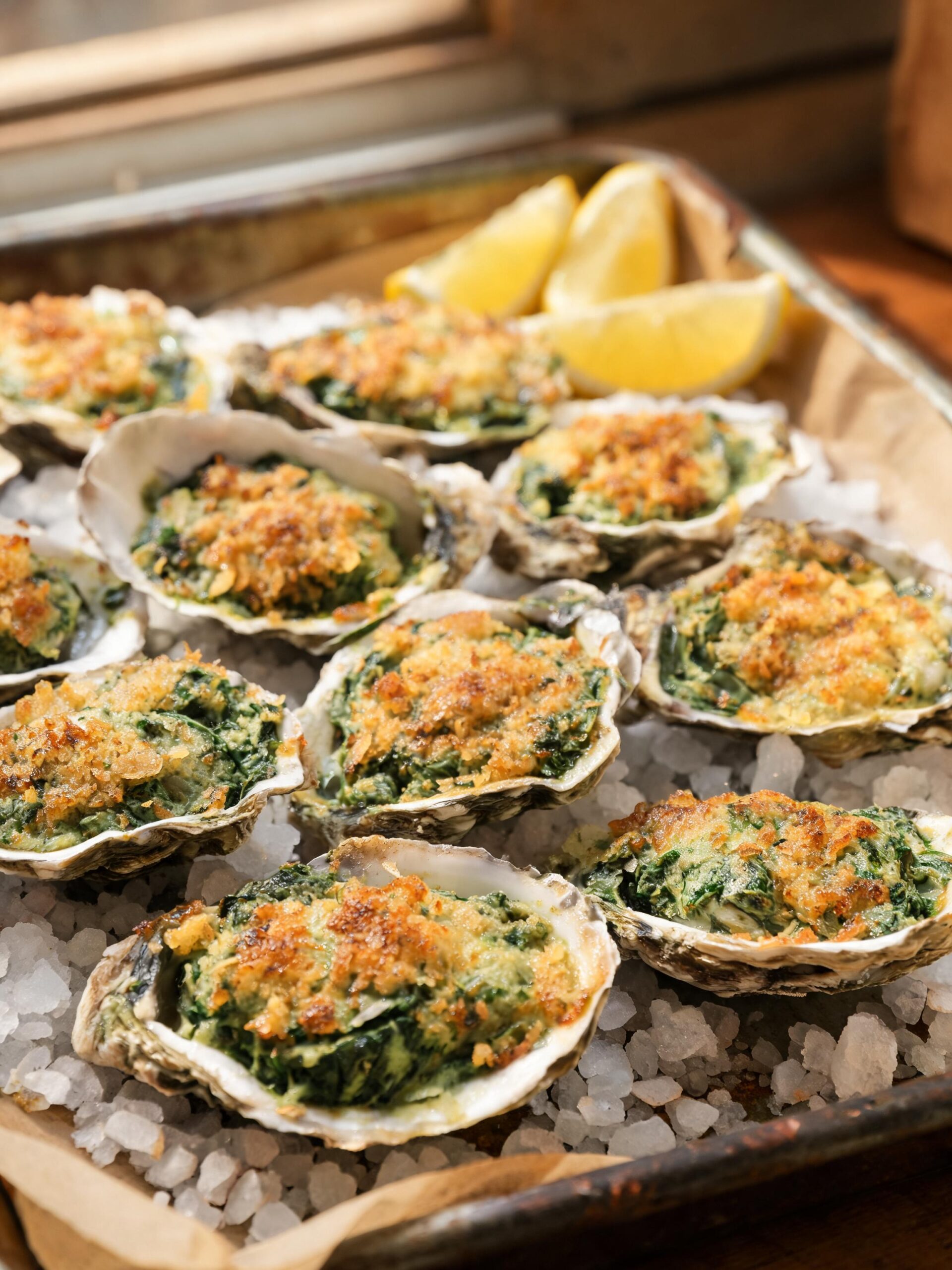
There are few dishes as iconic and decadent as Oysters Rockefeller. Born in the kitchens of Antoine’s in New Orleans back in 1899, this dish was named for its incredible richness, meant to evoke the wealth of John D. Rockefeller himself. For years, I’ve served countless plates of these in my restaurants, and the secret isn’t in some complicated, unattainable technique. The secret is in respecting the ingredients: fresh, briny oysters and a perfectly balanced, savory topping. This recipe isn’t a modern deconstruction; it’s the real deal, adapted for the home cook. We’re going to walk through how to create a truly classic Oysters Rockefeller that tastes like it came from a high-end seafood bistro, but is surprisingly straightforward to execute in your own kitchen, much like our popular Crispy Salt and Pepper Fried Calamari Recipe. Forget the intimidation factor; this is about pure, unadulterated flavor.
Why You’ll Love This Recipe
- Restaurant Quality at Home: This recipe uses professional techniques, like stabilizing the oysters on rock salt, to give you a flawless, impressive result every single time.
- Incredibly Flavorful: The combination of fresh spinach, garlic, butter, parmesan, and a hint of anise liqueur creates a topping that is rich and complex without overpowering the delicate oyster.
- Surprisingly Simple: Despite its fancy reputation, the process is straightforward. The topping comes together in one pan, and the final bake is less than 15 minutes. It’s the perfect appetizer for impressing guests without spending hours in the kitchen.
Ingredients List
Getting the ingredients right is 90% of the battle in seafood cookery. Freshness is non-negotiable. This recipe serves four people as a generous appetizer (6 oysters each).
For the Oysters:
- 24 Fresh Oysters: Look for oysters with tightly closed shells and a nice weight to them, indicating they are fresh and full of liquor. Varieties like Bluepoints, Gulf oysters, or Malpeques work well because they have a deep cup and a medium-brine flavor that stands up to the rich topping. Ask your fishmonger when they came in.
- 4 cups Rock Salt: This is for the baking sheet, not for eating. It’s a crucial restaurant trick that keeps the oysters stable so you don’t lose a drop of the topping or precious oyster liquor. Kosher salt can work in a pinch, but rock salt is superior.
For the Rockefeller Topping:
- 6 tablespoons Unsalted Butter: This is the foundation of your topping’s richness. Use a good quality butter, as its flavor will be prominent.
- 2 cloves Garlic, minced: Use fresh garlic, not the pre-minced jarred kind. The flavor is brighter and cleaner. Mince it very finely to ensure it incorporates evenly.
- 1/2 cup Shallot, finely chopped: Shallots provide a delicate, sweet onion flavor that is less assertive than yellow onion, which is perfect for this dish.
- 10 ounces Fresh Spinach: You must use fresh spinach. Thaw and thoroughly squeeze dry one 10-ounce package of frozen chopped spinach if you must, but the flavor of fresh is unparalleled. We will be wilting it down.
- 1/4 cup Fresh Parsley, finely chopped: This adds a bright, herbaceous note that cuts through the richness. Flat-leaf (Italian) parsley is best.
- 2 tablespoons Green Onions (scallions), finely sliced: Use both the white and green parts for a mild oniony bite.
- 1 tablespoon Pernod or other Anise-flavored Liqueur: This is the “secret” ingredient that mimics the original Antoine’s recipe. It adds a subtle licorice note that is absolutely essential for an authentic Oysters Rockefeller. If you don’t have it, you can omit it, but the flavor will be different.
- 1/4 cup Panko Breadcrumbs: Panko provides a light, crispy texture without becoming heavy or soggy. Regular breadcrumbs will work but won’t be as crisp.
- 1/4 cup Grated Parmesan Cheese: Use a real block of Parmigiano-Reggiano and grate it yourself. It melts better and has a nutty, salty flavor that pre-shredded cheese lacks.
- 1/4 teaspoon Cayenne Pepper: Just a pinch to add a subtle background warmth, not overt heat.
- Pinch of Nutmeg: Freshly grated is best. Nutmeg is a classic pairing with creamed spinach and adds a layer of aromatic warmth.
- Salt and Freshly Ground Black Pepper to taste: Be judicious with the salt, as the oysters and Parmesan are already salty.
- Lemon Wedges, for serving: A final squeeze of fresh lemon juice at the end brightens all the flavors.
Step-by-Step Instructions
Follow these steps carefully. The key is to have everything prepped (your ‘mise en place’) before you start cooking.
- Preheat and Prepare Your Pan: Preheat your oven to 425°F (220°C). Spread the rock salt evenly over a large, rimmed baking sheet. This will create a stable bed for your oysters to sit in, preventing them from tipping over during baking.
- Shuck the Oysters: Scrub the oysters under cold running water. Carefully shuck the oysters, making sure to preserve the oyster and its natural liquor in the bottom shell (the ‘cup’ side). Discard the top, flat shell. Arrange the shucked oysters on the bed of rock salt. If you’re new to shucking, watch a quick tutorial and use a proper oyster knife and a thick towel for safety.
- Sauté the Aromatics: In a large skillet over medium heat, melt the butter. Once it’s foaming, add the minced garlic and chopped shallot. Cook, stirring frequently, for about 2-3 minutes until they are soft and fragrant but not browned.
- Wilt the Spinach: Add the fresh spinach to the skillet in batches. It will look like a mountain, but it will wilt down significantly. Cook, stirring, until all the spinach has wilted, about 5-7 minutes. Continue to cook for another 2 minutes to evaporate some of the excess moisture.
- Build the Topping: Remove the skillet from the heat. Stir in the chopped parsley, green onions, and the tablespoon of Pernod (if using). The residual heat will bloom their flavors. Now, add the Panko breadcrumbs, grated Parmesan cheese, cayenne pepper, and a pinch of nutmeg. Season with a small amount of salt and a generous amount of black pepper. Mix until everything is well combined. The mixture should be thick and moist, not watery.
- Top the Oysters: Spoon a generous amount of the Rockefeller topping onto each oyster, covering it completely. Don’t be shy here; you want a nice, thick layer.
- Bake to Perfection: Place the baking sheet in the preheated oven. Bake for 10-12 minutes, or until the topping is golden brown and bubbling around the edges. Some chefs like to finish it under the broiler for 30-60 seconds for extra color, but watch it like a hawk to prevent burning.
- Serve Immediately: Remove the oysters from the oven. Let them cool for just a minute, as they will be extremely hot. Serve immediately with fresh lemon wedges on the side.
Chef’s Pro Tips for Success
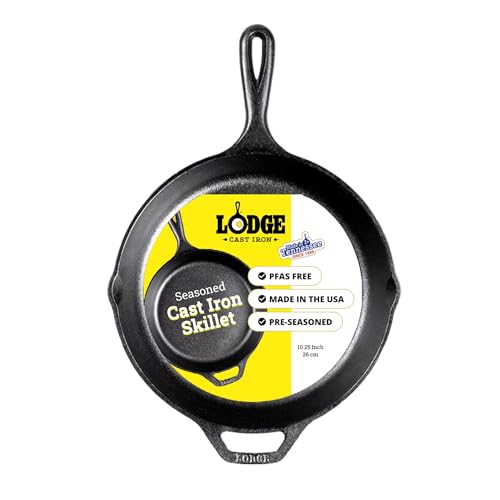
Speaking of details, the pan you use to make the topping matters more than you think. To achieve that perfectly rich, non-watery Rockefeller topping, I always reach for my Lodge Cast Iron Skillet. Its incredible heat retention is the key; it wilts the mountain of spinach evenly and drives off excess moisture without scorching the garlic or shallots. This is how you get a thick, flavorful topping that clings to the oyster instead of a soupy mess.
Honestly, a good cast iron skillet is a game-changer for so many recipes, but for this one, it’s my secret weapon. If you don’t have one, it’s the best investment you’ll make for your kitchen.
Lodge 10.25 Inch Cast Iron Skillet with Assist Handle
✓ prime
We earn a commission if you make a purchase, at no additional cost to you.
After making thousands of these, I’ve learned a few things that separate a good dish from a great one. Pay attention to these details.
- The Shucking Secret: Keep That Liquor: When you shuck an oyster, that briny liquid it sits in is called the oyster liquor. It’s the essence of the ocean. The biggest mistake home cooks make is dumping it out. When you pry the oyster open, be gentle and keep the shell level. That liquor mingles with the buttery topping as it bakes, steaming the oyster from below and adding an incredible depth of flavor. If you lose it, you lose half the dish.
- Bone-Dry Greens are Non-Negotiable: Whether you use fresh or frozen spinach, excess water is your enemy. It will turn your rich, decadent topping into a soupy, green mess that slides right off the oyster. If using fresh, cook it down until all the released water has evaporated. If using frozen, you must squeeze every last drop of water out. I mean it. Put it in a clean kitchen towel and wring it out with all your might. The resulting spinach should be a dense, dry clump.
- The Anise Liqueur is Key: The original recipe from Antoine’s is a closely guarded secret, but it’s widely believed to contain an anise-flavored liqueur. A small splash of Pernod, absinthe, or even Herbsaint adds a faint, complex licorice note that defines the classic Oysters Rockefeller flavor profile. It’s not about making it taste like licorice; it’s about adding an aromatic layer that makes people wonder, “What is that amazing flavor?”
- Breadcrumb and Cheese Ratio: The topping needs structure. The Panko breadcrumbs provide texture and prevent the topping from being too dense, while the Parmesan adds saltiness and helps create that beautiful golden-brown crust. The ratio in this recipe (1/4 cup each) is balanced. Too many breadcrumbs and it’s dry and bready; too much cheese and it becomes greasy. Mix them in off the heat to prevent the cheese from clumping up immediately.
- Don’t Overbake the Oysters: This is the most critical cooking tip. You are not trying to cook the oyster through like a piece of steak. The goal is to heat the oyster gently while browning the topping. An overcooked oyster is tough, rubbery, and shrunken. The oyster is perfectly cooked when its edges just begin to curl. The 10-12 minute bake time at 425°F is designed to get the topping hot and bubbly right as the oyster becomes perfectly plump and tender.
Common Mistakes to Avoid
I’ve seen it all in my kitchens. Here are the most common ways this dish can go wrong and how to make sure it doesn’t happen to you.
- Using Pre-shucked Oysters in Liquid: It’s tempting to buy those tubs of pre-shucked oysters, but they are a poor substitute. They lack the fresh, briny liquor and often have a slightly preserved taste. More importantly, you lose the shell, which is the natural, beautiful, and functional vessel for this dish. If you absolutely must, you can buy empty oyster shells and place the shucked oysters inside, but the result will never be as good.
- Creating a Watery Topping: This goes back to the spinach tip, but it’s the #1 mistake. A cook in a hurry might not cook down the fresh spinach long enough or fail to squeeze the frozen spinach dry. When it hits the oven, all that trapped water releases, steaming instead of baking and creating a green puddle on your oyster. Your topping should be a thick, almost paste-like consistency before it goes on the oyster.
- An Unbalanced Topping: This dish is about balance. I’ve seen versions where the topping is 90% spinach, which is more like creamed spinach on a shell. I’ve also seen it loaded with so much cheese and butter that you can’t even taste the oyster. Follow the ingredient ratios. The topping should complement the oyster, not bury it. Taste your topping before you spoon it on. Does it need more salt? A bit more pepper? A squeeze of lemon? Adjust it.
- Skipping the Rock Salt Bed: Without a bed of rock salt, the rounded oyster shells will wobble and tip on the flat baking sheet. I once watched a line cook try to bake a tray without it, and half the oysters tipped over, spilling the expensive topping all over the pan. It was a costly, greasy mess. The salt cradles each shell perfectly, ensuring they stay level and cook evenly. It’s a simple step that guarantees a professional outcome.
Variations and Serving Ideas
While the classic Oysters Rockefeller is hard to beat, you can certainly put your own spin on it. For serving, presentation matters. Arrange the baked oysters on a platter, perhaps over more rock salt with lemon wedges scattered about.
- Smoky Bacon Variation: For an even richer version, add 2-3 slices of finely diced, cooked bacon to the spinach mixture. The smokiness pairs beautifully with the brininess of the oysters.
- Spicy Cayenne Kick: If you like more heat, increase the cayenne pepper to 1/2 teaspoon or add a few dashes of a Louisiana-style hot sauce to the spinach topping for a distinct Cajun flair.
- Alternative Greens: While spinach is classic, you can experiment with other greens. A mix of finely chopped kale (stems removed) and arugula can add a peppery, more robust flavor. Just be sure to cook them down thoroughly.
- Make it a Main Course: While typically an appetizer, you can easily turn this into a light main course. Serve a larger portion (8-10 oysters per person) alongside a crisp green salad with a simple vinaigrette and a side of crusty French bread for sopping up any leftover buttery topping.
What to Serve With
Pairing the right beverage and side dishes can elevate your Oysters Rockefeller from a simple dish to a full experience. While they are a perfect starter, they can also be part of a larger seafood feast alongside a main course like an Easy Authentic Spanish Seafood Paella. The key is to choose accompaniments that cut through the richness of the topping.
- Wine Pairing: A crisp, high-acid white wine is the perfect partner. A French Sancerre or Pouilly-Fumé, made from Sauvignon Blanc, is a classic choice with its mineral and citrus notes. A dry Champagne or Prosecco is also fantastic; the bubbles cleanse the palate between each rich bite. Avoid heavy, oaky Chardonnays, which will clash with the dish.
- Side Dishes: You don’t need much. A simple baguette or crusty sourdough bread is essential for mopping up the delicious sauce left in the shell. A simple salad of mixed greens with a lemon-dijon vinaigrette provides a fresh, acidic contrast that balances the richness of the oysters.
Storage and Reheating
Let’s be direct: Oysters Rockefeller are meant to be cooked and eaten immediately. They are at their absolute peak of texture and flavor straight out of the oven. However, if you have leftovers or want to prep ahead, here’s how to handle it properly.
- To Store: Do not store fully baked oysters. They will become rubbery and the topping will get soggy upon reheating. The best you can do is store leftover, unbaked assembled oysters. Place them on their salt bed on the baking sheet, cover tightly with plastic wrap, and refrigerate for up to 4 hours. Any longer and the oysters will lose their freshness.
- To Reheat: Reheating is not recommended as it will inevitably overcook the oyster. If you absolutely must, the only acceptable method is the oven. Preheat your oven to 400°F (200°C). Place the leftover baked oysters on a baking sheet (no salt needed this time) and heat for just 4-6 minutes, until the topping is hot. Do not use a microwave under any circumstances; it will turn the oysters into rubber bullets.
FAQs (People Also Ask)
1. Can I use pre-shucked oysters for Oysters Rockefeller?
You can, but it’s a significant compromise. You’ll lose the natural oyster liquor and the beautiful shell for serving. If you must, buy the freshest shucked oysters you can find (not in a can), purchase clean, empty oyster shells separately, and place one oyster in each shell. Add a tiny splash of clam juice or salted water to mimic the liquor before topping and baking.
2. Is the Pernod or anise liqueur really necessary?
It’s not strictly necessary to make a delicious baked oyster, but it is essential for the authentic, classic Oysters Rockefeller flavor. It adds a subtle complexity that sets the dish apart. If you don’t have it and don’t want to buy a bottle, you can add a tiny pinch of ground fennel seed to the spinach mixture to mimic the anise note.
3. Can I make the Rockefeller topping ahead of time?
Absolutely. This is a great time-saver for a dinner party. You can prepare the entire topping mixture up to 2 days in advance. Store it in an airtight container in the refrigerator. When you’re ready to serve, just shuck your oysters, spoon on the cold topping, and bake as directed. You may need to add 1-2 minutes to the baking time.
4. What are the best types of oysters to use?
You want a medium to large oyster with a deep, well-defined cup to hold the oyster, its liquor, and the topping. Good choices include Bluepoints, Gulf Oysters, Malpeques, or Wellfleets. Avoid very small, delicate oysters like Kumamotos, as their subtle flavor will be completely overwhelmed by the rich topping.
5. Why is the dish called Oysters Rockefeller?
The dish was created in 1899 at Antoine’s Restaurant in New Orleans. The original recipe called for a sauce so incredibly rich with butter and green herbs that they named it after John D. Rockefeller, who was the wealthiest man in America at the time. The name was meant to signify the ultimate in rich, decadent food.
Nutrition
Nutrition Facts
(Per serving. Estimates only, varies by exact ingredients used)
Conclusion
Making a perfect batch of Oysters Rockefeller is one of those kitchen skills that will pay dividends for years to come. It’s a dish that signals celebration, elegance, and pure indulgence. Don’t be intimidated by the fancy name. At its heart, it’s a simple combination of fresh seafood and a buttery, herbaceous topping. Follow this guide, respect the ingredients, and you’ll be able to create a truly memorable appetizer that will have your guests talking. Now go on, give it a try.
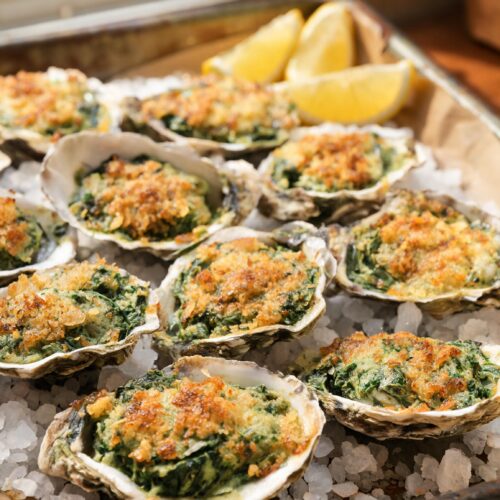
Classic Oysters Rockefeller (Easy Restaurant Style)
Ingredients
- 24 Fresh Oysters, on the half shell
- 4 cups Rock Salt, for baking sheet
- 6 tablespoons Unsalted Butter
- 2 cloves Garlic, minced
- 1/2 cup Shallot, finely chopped
- 10 ounces Fresh Spinach
- 1/4 cup Fresh Parsley, finely chopped
- 2 tablespoons Green Onions, finely sliced
- 1 tablespoon Pernod or other anise-flavored liqueur
- 1/4 cup Panko Breadcrumbs
- 1/4 cup Grated Parmesan Cheese
- 1/4 teaspoon Cayenne Pepper
- Pinch of Nutmeg
- Salt and Freshly Ground Black Pepper to taste
- Lemon Wedges, for serving
Instructions
- Preheat oven to 425°F (220°C). Spread rock salt on a large, rimmed baking sheet.
- Shuck the oysters, preserving the oyster and its liquor in the bottom shell. Arrange them on the rock salt.
- In a large skillet over medium heat, melt the butter. Add garlic and shallot and cook for 2-3 minutes until soft.
- Add spinach in batches and cook until fully wilted and excess moisture has evaporated, about 7-9 minutes.
- Remove skillet from heat. Stir in parsley, green onions, Pernod, Panko breadcrumbs, Parmesan, cayenne, and nutmeg. Season with salt and pepper.
- Spoon a generous amount of the topping onto each oyster.
- Bake for 10-12 minutes, until the topping is golden brown and bubbling.
- Serve immediately with fresh lemon wedges.