Introduction
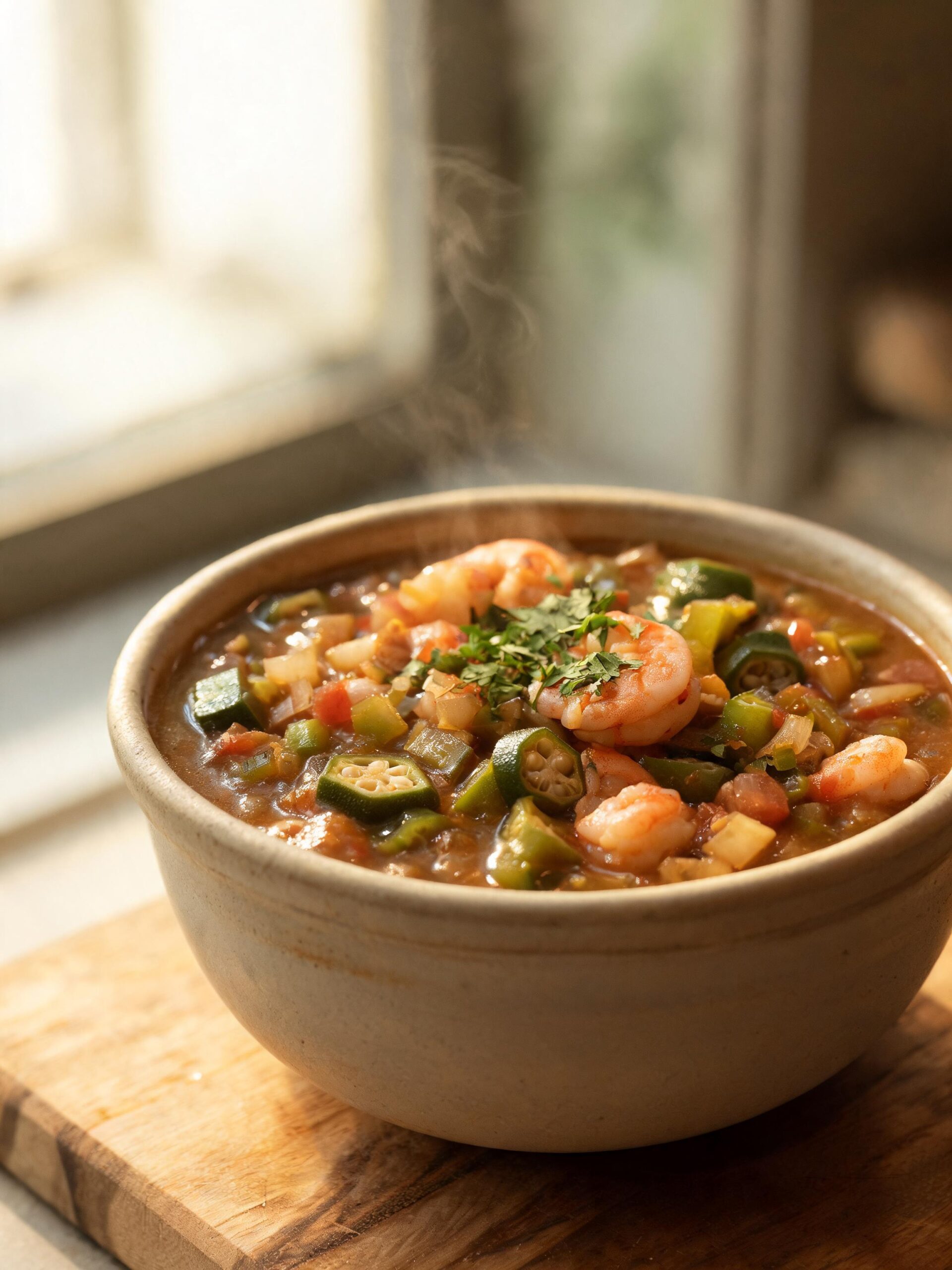
After two decades behind the line in professional kitchens, I can tell you there’s no dish that speaks to the soul of the American South quite like a well-made Seafood Gumbo. It’s more than just a soup; it’s a foundational dish, a rich, complex pot of history that tells a story of Creole and Cajun traditions. Many people are intimidated by gumbo, thinking it requires an entire day simmering on the stove. While traditional gumbos can be an all-day affair, this recipe is my professional adaptation for the home cook. It delivers that deep, authentic flavor profile you crave in under an hour. We’ll focus on the two most critical elements: building a flavorful, fast roux and adding the seafood at the precise moment to keep it tender and succulent. This isn’t a shortcut that sacrifices flavor; it’s a technique-driven approach, much like our restaurant-style lobster bisque, for creating a spectacular seafood gumbo that you can realistically make on a weeknight.
Why You’ll Love This Recipe
- Weeknight Fast: Forget the all-day simmer. This recipe is engineered for speed, getting a deeply flavorful gumbo on the table in about 35 minutes from start to finish.
- Authentic Flavor: By focusing on a quality roux and the foundational ‘Holy Trinity’ of vegetables, this recipe builds the genuine, savory, and complex taste of a classic Louisiana gumbo without the wait.
- Perfectly Cooked Seafood: The biggest sin in seafood cooking is overcooking. My method ensures your shrimp are snappy and your crab is sweet and delicate, never rubbery or tough.
Ingredients List
A great gumbo is all about quality ingredients. Here’s exactly what you’ll need, broken down by component. Measurements are precise for a reason—follow them for the best results.
For the Quick Roux:
- 1/2 cup All-Purpose Flour: The thickener and flavor base.
- 1/2 cup Neutral Oil: Use canola, vegetable, or avocado oil. These have a high smoke point, which is critical for making a quick roux without burning it. Avoid olive oil.
The Holy Trinity and Aromatics:
- 1 large Yellow Onion (about 1.5 cups), finely diced: The backbone of the flavor base.
- 1 large Green Bell Pepper (about 1 cup), finely diced: Provides a slightly sharp, vegetal note.
- 2 Celery Stalks (about 1 cup), finely diced: Adds a subtle, earthy saltiness.
- 4 cloves Garlic, minced: Added later than the trinity to prevent burning.
- 1 cup sliced Okra, fresh or frozen: Acts as a thickener and adds a classic flavor. If using frozen, do not thaw first.
For the Liquid Base:
- 4 cups (32 oz) Seafood Stock: This is non-negotiable for a top-tier gumbo. A quality store-bought stock is fine, but a homemade one is even better.
- 1 (14.5 oz) can Diced Tomatoes, undrained: This makes it a Creole-style gumbo, adding a touch of acidity and sweetness that complements the seafood.
- 1 tbsp Worcestershire Sauce: For a hit of umami and depth.
- 1 tsp Cajun Seasoning: Use a good brand like Tony Chachere’s or Slap Ya Mama, but be mindful of the salt content.
- 1/2 tsp Dried Thyme: An essential herb in Creole cooking.
- 1 Bay Leaf: Adds a background note of flavor.
- Hot Sauce (like Tabasco or Crystal), to taste: For a little kick.
- Kosher Salt and Freshly Ground Black Pepper, to taste.
The Seafood:
- 1 lb Large Shrimp (21-25 count), peeled and deveined: Buy the best you can find. I prefer wild-caught. Leave tails on for presentation if you like, but I take them off for easier eating.
- 8 oz Lump Crabmeat, picked over for shells: This is for finishing the gumbo. It should be gently folded in at the end just to heat through.
For Serving:
- Cooked Long-Grain White Rice
- 1/4 cup chopped Green Onions
- 1/4 cup chopped Fresh Parsley
Step-by-Step Instructions
- Prepare Your Station (Mise en Place): Before you turn on the heat, have all your vegetables chopped, seafood prepped, and liquids measured. A fast roux waits for no one. Place your chopped onion, bell pepper, and celery in one bowl, and the minced garlic in a separate, smaller bowl.
- Make the Quick Roux: In a large, heavy-bottomed pot or Dutch oven, heat the oil over medium-high heat for about a minute until it shimmers. Gradually whisk in the flour until smooth. Now, the work begins. Using a flat-edged wooden spoon or heatproof spatula, stir constantly, scraping the bottom of the pot. The mixture will go from pale blonde to a peanut butter color, and finally to a copper penny or milk chocolate color in about 5-7 minutes. It will smell nutty and toasted. Do not walk away, and do not let it burn.
- Sauté the Trinity: Immediately add the onion, bell pepper, and celery mixture (the Holy Trinity) to the hot roux. This stops the roux from cooking further. Stir constantly for about 4-5 minutes, until the vegetables soften and become fragrant. Add the minced garlic and sliced okra and cook for another 2 minutes, stirring until the garlic is aromatic and the okra loses some of its slimy texture.
- Build the Gumbo Base: Slowly pour in one cup of the seafood stock while whisking vigorously to create a smooth, lump-free base. Once incorporated, add the remaining stock, diced tomatoes, Worcestershire sauce, Cajun seasoning, thyme, and the bay leaf. Stir everything together well.
- Simmer and Meld Flavors: Bring the gumbo to a boil, then reduce the heat to low, cover, and let it simmer for at least 10 minutes to allow the flavors to meld. This is a quick simmer, but it’s crucial. After 10 minutes, taste the base and adjust with salt, pepper, and hot sauce. It should be boldly seasoned.
- Add the Seafood: Uncover the pot. Increase the heat slightly to bring the liquid to a gentle simmer (not a rolling boil). Add the peeled shrimp and stir. Cook for about 2-3 minutes, just until they turn pink and opaque. Turn off the heat completely. Gently fold in the lump crabmeat. The residual heat of the gumbo will warm it through without breaking it up.
- Serve Immediately: Remove the bay leaf. Ladle the gumbo into bowls over a scoop of hot white rice. Garnish generously with chopped green onions and fresh parsley.
Chef’s Pro Tips for Success
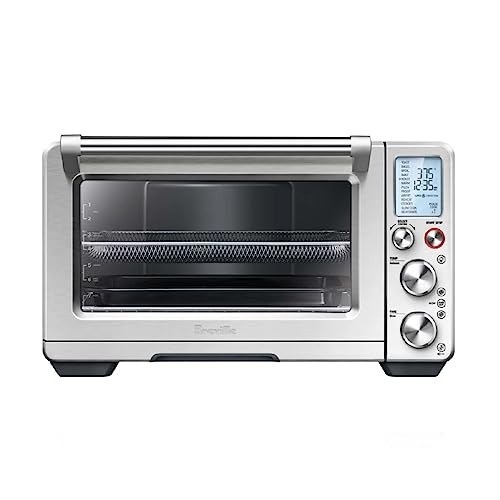
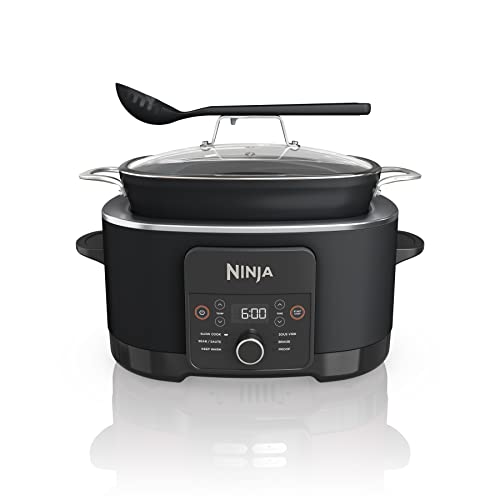
When I talk about respecting the roux, having the right tool for the job is half the battle. At home, I rely on my Ninja Foodi PossibleCooker. Its heavy construction provides the incredibly even heat distribution you need to develop that deep, nutty flavor in the roux without a single hot spot. It takes the guesswork out of the most crucial step, ensuring I get a perfect, copper-colored base for my gumbo every single time.
See for yourself why this is the perfect modern Dutch oven for a flawless gumbo.
Ninja MC1001 Foodi PossibleCooker PRO 8.5 Quart Multi-Cooker
✓ prime
We earn a commission if you make a purchase, at no additional cost to you.
Over the years, I’ve learned that a few key techniques separate a decent gumbo from a truly memorable one. Pay attention to these details.
- Respect the Roux: The roux is not just a thickener; it’s the soul of the gumbo. For this quick version, medium-high heat is your friend, but it demands your full attention. Use a flat-edged wooden spoon to scrape the entire bottom surface of the pot. If you see black specks or smell anything acrid, you’ve burned it. There is no saving a burnt roux. Throw it out and start over. Your patience will be rewarded with a deep, nutty flavor that cannot be faked.
- Warm Your Stock: While not strictly required for this recipe, gently warming your seafood stock in a separate saucepan before adding it to the roux can make incorporation smoother and prevent the roux from seizing up from temperature shock. It helps ensure a silky, uniform consistency in your final gumbo.
- Bloom Your Aromatics: Don’t just dump your spices in the liquid. After the trinity has softened in the roux, you have a flavor-infused base. Adding your dried thyme and Cajun seasoning directly to this hot mixture for about 30 seconds before adding the liquid will “bloom” the spices, waking up their essential oils and deepening their flavor.
- The Okra Two-Step: To minimize the “slimy” texture that some people dislike from okra, make sure you sauté it well with the trinity as described in the instructions. This initial dry heat helps to break down the mucilage. This step is key to using okra as a thickener without it dominating the texture of a perfect Seafood Gumbo.
- Seafood Finesse: Seafood cooks in minutes. The biggest mistake home cooks make is adding it too early. The shrimp should only be in the simmering liquid until they are just opaque. They will continue to cook in the residual heat. The lump crabmeat is already cooked; it just needs to be warmed. Fold it in gently off the heat to keep those beautiful lumps intact.
Common Mistakes to Avoid
I’ve seen it all in my kitchens. Here are the common errors that can ruin a great Seafood Gumbo and how you can sidestep them.
- Getting Distracted While Making the Roux: Scenario: You start the roux, and the phone rings. You think you can stir and talk. You can’t. You turn your back for 15 seconds, and a dark brown roux turns into a black, acrid mess. The result is a bitter, inedible gumbo. The fix is prevention: commit to the process. Do not leave the stove. If you burn it, accept the loss of 5 minutes and 50 cents worth of flour and oil, and start again.
- Using Water Instead of Stock: Scenario: You’ve made a beautiful roux, cooked your trinity perfectly, and then you pour in water. The gumbo will be thick, but it will taste flat, like a shadow of what it should be. The stock is the primary liquid and carries the flavor. The fix: Always use a high-quality seafood or even chicken stock. It provides the savory, deep background notes that the roux and trinity build upon.
- Creating a Gumbo Volcano (Boiling After Adding Seafood): Scenario: You’ve added your expensive shrimp and crab, and you let the gumbo continue to boil aggressively while you get the bowls ready. The violent bubbling and high heat will turn the shrimp into tough, rubbery curls and shred the delicate lump crabmeat into stringy bits. The fix: Once the seafood goes in, the heat comes down. Think of it as poaching, not boiling. This gentle technique is key for preserving texture in dishes from gumbo to a classic Crab Thermidor. A gentle simmer is all you need. Better yet, turn the heat off entirely and let the residual heat do the work.
- Under-seasoning the Base: Scenario: You follow the recipe but are shy with the salt and Cajun seasoning. You taste it at the end and it’s missing… something. Gumbo is a bold dish. The roux and vegetables can absorb a lot of salt and spice. The fix: Season in layers. Season the trinity as it cooks. More importantly, taste and season the liquid base *before* you add the seafood. It should taste slightly saltier than you think it needs, as the seafood and rice will mellow it out.
Variations and Serving Ideas
Once you master the base recipe, you can start making your own signature Seafood Gumbo. A few additions can change its character entirely.
- Add Andouille Sausage: For a smoky, spicy kick, add 8 ounces of sliced andouille sausage. Brown it in the pot *before* you start the roux. Remove the sausage with a slotted spoon, leaving the rendered fat in the pot to use as part of the fat for your roux. Add the cooked sausage back into the gumbo when you add the stock.
- Introduce Oysters: Freshly shucked oysters are a luxurious addition. Add 1 pint of shucked oysters along with their liquor during the last 2 minutes of cooking with the shrimp. They only need to cook until their edges curl.
- Use Filé Powder: For a more traditional Cajun-style thickener, you can use filé powder (ground sassafras leaves). It adds a unique, earthy flavor. IMPORTANT: Filé powder is always added off the heat, at the very end. Stir in about 1-2 teaspoons after you’ve turned off the stove. Boiling filé will make the gumbo stringy and unpleasant. You can also serve it at the table for individuals to add to their own bowls.
What to Serve With
A great gumbo deserves the right partners. Don’t just serve it over rice. Create a full experience.
- The Perfect Rice: Long-grain white rice is the classic choice. Its firm texture holds up in the gumbo without getting mushy. Cook it simply, steamed or boiled.
- Crusty French Bread: A Louisiana essential. You need a good, crusty loaf for sopping up every last drop of the gumbo from the bottom of the bowl.
- Southern Potato Salad: It might sound strange to the uninitiated, but a scoop of creamy, Southern-style potato salad served on the side (or even in the gumbo) is a time-honored tradition. The cool, creamy texture is a perfect counterpoint to the hot, spicy gumbo.
- Simple Green Salad: The richness of the gumbo is best balanced by something fresh and acidic. A simple salad of mixed greens with a sharp lemon vinaigrette is all you need.
Storage and Reheating
Storing your Seafood Gumbo correctly is key, and believe me, it’s almost always better the next day as the flavors deepen and meld overnight.
- Cooling and Storage: Never put a large, hot pot of gumbo directly into the refrigerator. It will raise the internal temperature of the fridge and won’t cool fast enough, creating a food safety risk. To cool it quickly, you can place the pot in an ice bath in your sink or transfer the gumbo to smaller, shallower containers. Once cooled to room temperature, store it in an airtight container in the refrigerator for up to 3 days.
- Reheating: The best way to reheat gumbo is gently on the stovetop. Place it in a saucepan over medium-low heat and stir occasionally until it’s warmed through. Avoid the microwave, as it can overcook the delicate seafood in seconds, making it rubbery. If the gumbo has thickened too much in the fridge, simply stir in a splash of seafood stock or water to reach your desired consistency.
FAQs (People Also Ask)
- 1. Can I make seafood gumbo ahead of time?
- Absolutely. In fact, I recommend it. Gumbo’s flavor deepens and becomes more complex after a night in the refrigerator. To do this properly, prepare the entire gumbo base (through step 5) and let it cool and store it overnight. When you’re ready to serve, bring the base to a gentle simmer on the stove and then proceed with step 6, adding the fresh seafood to cook just before serving. This gives you the best of both worlds: a deeply developed flavor base and perfectly cooked, tender seafood.
- 2. Can I freeze seafood gumbo?
- Yes, but with an important caveat. The gumbo base itself freezes beautifully for up to 3 months. However, shrimp and crab can become tough and stringy upon thawing and reheating. The professional method is to freeze the gumbo base *without* any seafood. Thaw it in the refrigerator overnight, reheat it on the stove, and then add your fresh seafood to cook at the end, just as you would when making it fresh.
- 3. What’s the difference between Creole and Cajun gumbo?
- It’s a classic question. The simplest distinction lies in a few key ingredients. Creole gumbo, which has its roots in New Orleans, typically contains tomatoes and often uses okra as a thickener, alongside a medium-dark roux. It’s sometimes considered more “city food.” Cajun gumbo, from the rural parts of Louisiana, almost never contains tomatoes. It relies on a very dark, oil-based roux and often uses filé powder as its thickener. Both are delicious, but they represent different culinary traditions. This recipe is a Creole-style gumbo because of the tomatoes.
- 4. My roux won’t get dark. What am I doing wrong?
- There are a few possibilities. First, your heat might be too low. A traditional low-and-slow roux can take 45 minutes or more. For this quick recipe, you need solid medium-high heat. Second, you might be using a pot with a thin bottom, which creates hot spots and forces you to keep the heat low to prevent scorching. A heavy-bottomed Dutch oven is your best tool. Finally, you might just be impatient. Even a “quick” roux takes 5-7 minutes of constant stirring. Keep going until it reaches that beautiful copper penny color and smells nutty.
- 5. What can I substitute for okra if I don’t like it?
- If you’re not a fan of okra, the traditional substitute is filé powder. They are not used interchangeably in the cooking process, however. Omit the okra from the recipe entirely. Complete the gumbo as directed. Once it’s finished and you have turned off the heat, stir in 1 to 2 teaspoons of filé powder. It will thicken the gumbo as it sits. Never boil filé powder, as it will cause the gumbo to become stringy. You can also just make the gumbo without okra or filé; it will simply be a thinner, more soup-like consistency, which is also perfectly acceptable.
Nutrition
Nutrition Facts
(Per serving. Estimates only, varies by exact ingredients used)
Conclusion
This recipe is your entry point into the world of authentic Southern cooking. It proves that you don’t need an entire day to create a dish with a deep, soulful flavor. Master the technique, respect the ingredients, and you’ll have a pot of gumbo that will make any Louisiana native proud. I hope you enjoy making it as much as you’ll enjoy eating it.
Authentic Southern Seafood Gumbo Recipe
Ingredients
- 1/2 cup All-Purpose Flour
- 1/2 cup Neutral Oil (canola, vegetable)
- 1 large Yellow Onion (about 1.5 cups), finely diced
- 1 large Green Bell Pepper (about 1 cup), finely diced
- 2 Celery Stalks (about 1 cup), finely diced
- 4 cloves Garlic, minced
- 1 cup sliced Okra, fresh or frozen
- 4 cups (32 oz) Seafood Stock
- 1 (14.5 oz) can Diced Tomatoes, undrained
- 1 tbsp Worcestershire Sauce
- 1 tsp Cajun Seasoning
- 1/2 tsp Dried Thyme
- 1 Bay Leaf
- Hot Sauce, to taste
- Kosher Salt and Freshly Ground Black Pepper, to taste
- 1 lb Large Shrimp (21-25 count), peeled and deveined
- 8 oz Lump Crabmeat, picked over for shells
- Cooked Long-Grain White Rice, for serving
- 1/4 cup chopped Green Onions, for garnish
- 1/4 cup chopped Fresh Parsley, for garnish
Instructions
- Prepare your station (mise en place): Have all vegetables chopped and ingredients measured before starting. A fast roux waits for no one.
- Make the Quick Roux: In a large, heavy-bottomed pot, heat oil over medium-high heat. Whisk in flour until smooth. Stir constantly with a flat-edged wooden spoon for 5-7 minutes until the roux is the color of a copper penny and smells nutty. Do not let it burn.
- Sauté the Trinity: Immediately add the onion, bell pepper, and celery. Stir constantly for 4-5 minutes until softened. Add garlic and okra and cook for another 2 minutes until fragrant.
- Build the Gumbo Base: Slowly whisk in 1 cup of seafood stock until smooth. Then, add the remaining stock, diced tomatoes, Worcestershire sauce, Cajun seasoning, thyme, and bay leaf. Stir to combine.
- Simmer and Meld Flavors: Bring to a boil, then reduce heat to low, cover, and simmer for 10 minutes. Taste and adjust seasoning with salt, pepper, and hot sauce.
- Add the Seafood: Increase heat to a gentle simmer. Add the shrimp and cook for 2-3 minutes, just until pink. Turn off the heat completely. Gently fold in the lump crabmeat.
- Serve Immediately: Remove the bay leaf. Ladle the gumbo into bowls over hot rice and garnish with green onions and parsley.