Introduction
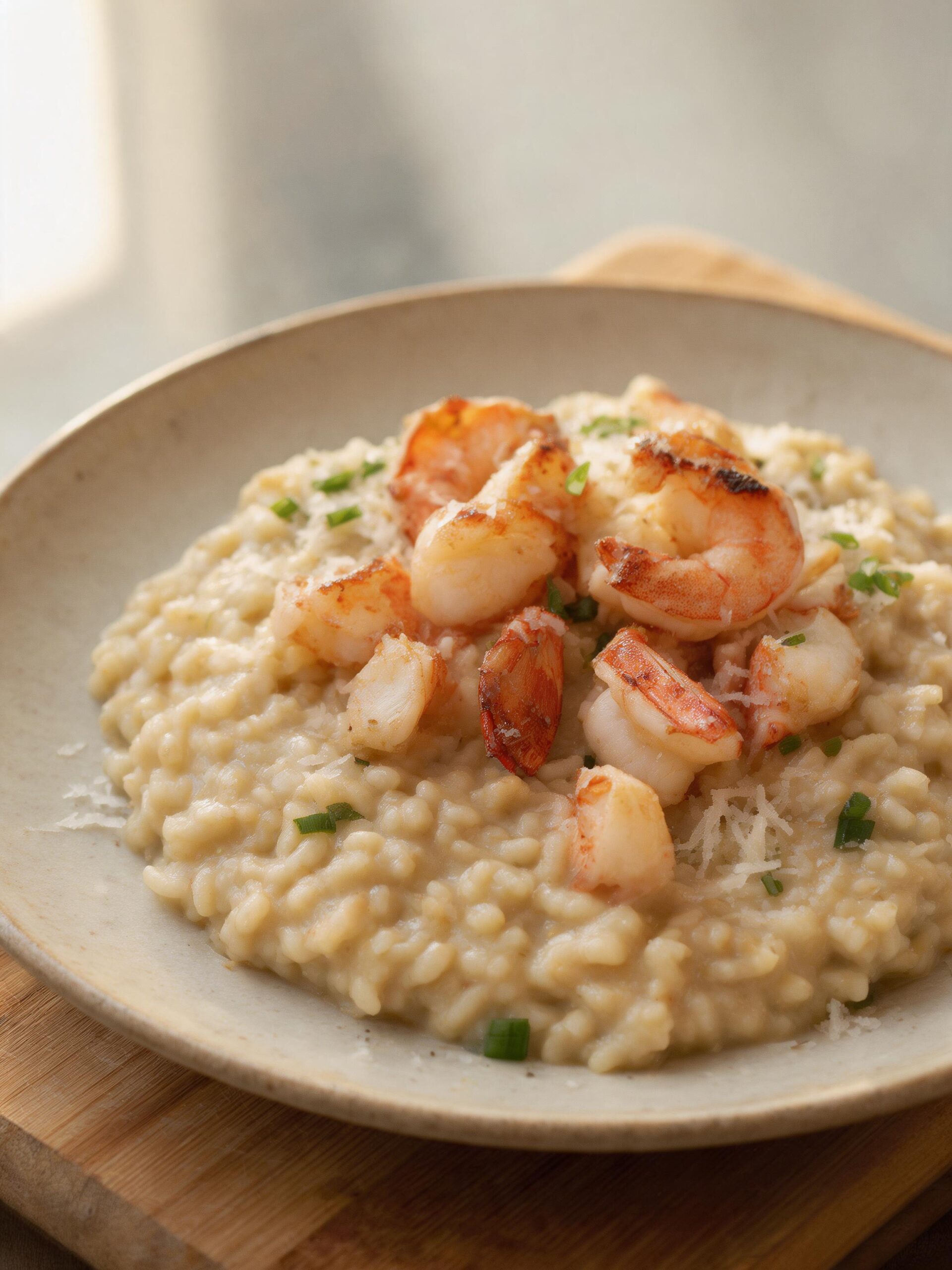
Let’s get one thing straight: a perfect Lobster Risotto is one of the most luxurious and satisfying dishes you can make. Forget the overpriced restaurant versions that leave you wanting more. I’m going to show you how to make a truly spectacular, deeply flavorful, and outrageously creamy truffle lobster risotto right in your own kitchen. For twenty years, I’ve worked the line in some of the best seafood spots on the East Coast, perfecting dishes from this risotto to a restaurant-style lobster bisque, and I can tell you that the secret to a great risotto isn’t magic; it’s technique. This recipe isn’t about cutting corners. It’s about respecting the ingredients—the sweet lobster, the starchy Arborio rice, the rich Parmesan—and using the right method to bring them together. We’re building flavor layer by layer, from toasting the rice to creating a velvety sauce from its own starch. Get ready to master a dish that will impress anyone, including yourself.
Why You’ll Love This Recipe
- Restaurant Quality, Home Kitchen: This recipe uses professional techniques broken down into simple, manageable steps. You’ll achieve a depth of flavor and creamy texture that rivals high-end restaurants.
- Incredibly Flavorful: We use every part of the lobster to build flavor, creating a rich seafood stock that becomes the backbone of the dish, complemented by earthy truffle and savory Parmesan.
- A Show-Stopping Meal: Perfect for a special occasion, a date night, or whenever you want to treat yourself. It’s a sophisticated dish that is surprisingly straightforward to execute with this guide.
Ingredients List
Precision is key in a dish like this. Use good quality ingredients, and don’t substitute unless noted. This recipe serves four as a main course.
For the Lobster and Quick Stock:
- 4 cold-water lobster tails (about 4-5 ounces each)
- 6 cups low-sodium chicken or vegetable broth (using this to supplement our lobster flavor)
- 1 bay leaf
- 2 sprigs fresh thyme
- 5-6 whole black peppercorns
For the Risotto:
- 2 tablespoons unsalted butter
- 1 tablespoon olive oil
- 1 large shallot, finely minced (about 1/2 cup)
- 2 cloves garlic, finely minced
- 1 ½ cups Arborio rice (do not rinse!)
- ½ cup dry white wine, such as Sauvignon Blanc or Pinot Grigio
- Salt and freshly ground black pepper, to taste
For Finishing:
- 1 cup freshly grated Parmigiano-Reggiano cheese (plus more for serving)
- 2 tablespoons unsalted butter, cold and cubed
- 2 tablespoons chopped fresh chives or parsley
- 1 tablespoon high-quality white truffle oil (use a good one, it makes a difference)
Step-by-Step Instructions
Follow these steps carefully. The process of making risotto is about patience and attention.
- Prepare the Lobster and Stock: Carefully remove the meat from the lobster tails. A pair of kitchen shears down the top of the shell makes this easy. Chop the lobster meat into bite-sized, 1-inch pieces and set aside in the refrigerator. Place the empty shells in a medium saucepan with the chicken broth, bay leaf, thyme, and peppercorns. Bring to a boil, then reduce heat and let it simmer gently for 20 minutes to infuse the broth with lobster flavor. Strain the stock through a fine-mesh sieve into a clean saucepan, discarding the shells and aromatics. Keep this stock at a bare simmer over low heat on a back burner. You must add hot stock to the risotto.
- Sauté the Aromatics: In a large, heavy-bottomed pot or Dutch oven, melt 2 tablespoons of butter and the olive oil over medium heat. Add the minced shallot and a pinch of salt. Cook, stirring frequently, until the shallot is soft and translucent, about 3-4 minutes. Add the minced garlic and cook for another minute until fragrant. Don’t let it brown.
- Toast the Rice (Tostatura): Add the Arborio rice to the pot. Stir constantly for about 1-2 minutes until the edges of the grains look translucent and the center is still opaque white. This step is crucial; it toasts the rice and helps it absorb liquid evenly without getting mushy.
- Deglaze with Wine: Pour in the white wine. Stir continuously, scraping up any bits from the bottom of the pot. Cook until the wine has been completely absorbed by the rice and the smell of alcohol has cooked off, about 1-2 minutes.
- Begin Adding Stock: Add one ladleful (about ¾ cup) of the hot lobster stock to the rice. Stir constantly but gently. Keep stirring until the liquid is almost fully absorbed before adding the next ladleful. Continue this process, adding one ladle of stock at a time and stirring until it’s absorbed, for about 15-18 minutes. The constant stirring releases the starch from the rice, which creates the creamy texture.
- Cook the Lobster: After about 15 minutes of cooking the risotto, when it’s nearly done (it should be creamy but still have a slight al dente bite), stir in the reserved lobster meat. The residual heat of the risotto will cook it perfectly in about 2-3 minutes. The lobster will turn opaque and firm up. Do not overcook it.
- Finish the Risotto (Mantecatura): Remove the pot from the heat. Vigorously stir in the cold cubed butter and the grated Parmigiano-Reggiano. This process, called ‘mantecatura,’ is the final step to ultimate creaminess. Stir in the chopped chives and the white truffle oil. Taste and adjust seasoning with salt and pepper. The final consistency should be creamy and fluid, not stiff or dry. It should slowly spread when you spoon it onto a plate.
- Serve Immediately: Ladle the risotto into warm bowls. Garnish with extra Parmigiano-Reggiano and a few more fresh chives. Risotto waits for no one, so serve it right away.
Chef’s Pro Tips for Success
Before you even think about stirring, your prep work has to be clean. The very first step, getting that beautiful lobster meat out of the shell, sets the stage. I’ve seen countless cooks mangle the delicate tail meat by struggling with a knife. That’s why I always rely on a pair of heavy-duty kitchen shears. They give me the leverage to cut cleanly through the top of the shell without crushing the meat inside, ensuring you get perfect, bite-sized pieces every time. It’s a simple tool that makes a massive difference in your prep.
Get the tool the pros use and make your prep work seamless. Check out my recommended kitchen shears on Amazon!
Heavy Duty Poultry Shears For Fish, Chicken, Vegetables, Spring Loaded
✓ prime
We earn a commission if you make a purchase, at no additional cost to you.

After years of making risotto on the line, I’ve learned a few non-negotiable rules. Follow these, and your risotto will be flawless.
- Hot Stock is Mandatory: Adding cold or room-temperature stock to the hot rice will shock the grains, cooling everything down and messing up the cooking process. It makes the starch release uneven, resulting in a gluey texture. Keep your stock at a gentle simmer on a back burner throughout the entire cooking process.
- Master the ‘Mantecatura’: This is the Italian term for the final, vigorous stirring-in of cold fat (butter) and cheese off the heat. This emulsifies the fat and starches into a ridiculously creamy, velvety sauce without adding any cream. Cut your butter into cubes and keep it cold. When you take the risotto off the heat, beat it in along with the cheese. You’ll see the texture transform instantly.
- Don’t Drown Your Rice: The biggest mistake home cooks make is adding too much liquid at once. You must add the stock one ladle at a time, waiting for the rice to almost fully absorb it before adding the next. This patient process coaxes the starch out of the rice gradually, which is the entire secret to a creamy Lobster Risotto.
- Toast the Rice Properly (‘Tostatura’): Don’t skip the step of toasting the raw rice in the butter and shallots. This hardens the outside of the grain, allowing it to absorb liquid slowly without falling apart. It also adds a crucial nutty, foundational flavor. You’re looking for the grains to turn translucent around the edges with a solid white dot in the middle.
- Know When It’s Done: The perfect risotto is ‘all’onda,’ which means ‘on the wave.’ It should be fluid enough to ripple like a wave when you shake the pan. It shouldn’t be a stiff, solid pile of rice. The grains should be cooked through but still have a distinct al dente bite in the center. Taste it as you get close to the 18-minute mark. It’s better to be slightly underdone than a pile of mush.
Common Mistakes to Avoid
I’ve seen every possible risotto disaster. Here’s how to avoid the most common ones and what to do if you find yourself in trouble.
- Mistake 1: My risotto is gummy and sticky. This is the classic result of two things: using the wrong rice or, more likely, adding the stock too quickly or all at once. You’ve boiled the rice instead of gently coaxing the starch out. The fix? Unfortunately, you can’t un-gum a risotto. Next time, use only Arborio, Carnaroli, or Vialone Nano rice, and be patient with the one-ladle-at-a-time method.
- Mistake 2: The lobster is tough and rubbery. You overcooked it. Lobster meat is delicate and cooks in just a couple of minutes. If you add it at the beginning of the cooking process, it will be inedible by the end. The fix: Always add the raw, bite-sized lobster pieces in the last 2-3 minutes of cooking. The risotto’s residual heat is more than enough to cook it perfectly. If your lobster is already cooked, stir it in completely off the heat right before serving just to warm it through.
- Mistake 3: The flavor is bland. You didn’t build your layers of flavor. Did you use water instead of stock? Did you skip toasting the rice? Did you forget to deglaze with wine? Did you use a low-quality broth? A great Lobster Risotto relies on a flavorful foundation. The fix: Make sure you create the quick lobster stock with the shells—this is a non-negotiable flavor booster. Also, ensure you season with salt at the beginning with the shallots and taste and adjust at the end. The Parmesan adds a lot of salt, so taste before you add more.
- Mistake 4: My risotto is dry and stiff. You either overcooked it, didn’t add enough liquid, or let it sit too long before serving. Risotto tightens up as it cools because the starches set. The fix: If it’s still on the stove and looks too thick, stir in one final half-ladle of hot stock right before you add the butter and cheese. It should look slightly looser than you think is ideal, as it will thicken in the time it takes to get it from the pot to the table. Serve immediately.
Variations and Serving Ideas
While this classic preparation is fantastic, you can easily adapt it. For a different take on this Lobster Risotto, consider adding a pinch of saffron threads to the stock for a beautiful golden color and classic flavor pairing. A small amount of tomato paste sautéed with the shallots can add a deeper, richer base. For a bit of freshness, you can stir in a cup of fresh or frozen green peas along with the lobster meat. A squeeze of fresh lemon juice stirred in at the very end can cut through the richness and brighten all the flavors. If you enjoy elegant seafood preparations like this one, you might also love our Elegant Classic Crab Thermidor Recipe. Garnish with a sprig of tarragon, whose light anise flavor is a classic match for lobster.
What to Serve With
This dish is rich and stands as the star of the show, so you don’t need much alongside it. A simple arugula salad with a sharp lemon vinaigrette is the perfect counterpoint to the risotto’s creaminess. Lightly steamed or blanched asparagus spears with a drizzle of olive oil and a sprinkle of sea salt also work beautifully. For wine, you want something with good acidity to cut through the richness. An unoaked Chardonnay, a crisp Sauvignon Blanc from the Loire Valley, or a dry Italian Pinot Grigio are all excellent choices.
Storage and Reheating
Let’s be honest: risotto is best eaten immediately. The texture changes significantly upon cooling. However, if you have leftovers, don’t throw them out. Store them in an airtight container in the refrigerator for up to 2 days. Do not freeze it; the texture will be completely ruined. To reheat, place the cold risotto in a small saucepan with a splash of broth or water over low heat. Stir gently but constantly as it heats up to try and reactivate the starches. It won’t be as good as fresh, but it will be serviceable. The absolute best way to use leftover risotto is to make arancini (fried rice balls). Roll the cold, stiff risotto into balls, stuff a small cube of mozzarella in the center, coat in flour, egg, and breadcrumbs, and deep-fry until golden brown.
FAQs (People Also Ask)
Can I use pre-cooked lobster meat for this recipe?
Yes, you can. If using pre-cooked lobster meat, you won’t have the shells to make the quick stock, so use a high-quality store-bought seafood stock for the best flavor. Chop the meat and stir it in at the very end, after you’ve removed the risotto from the heat, just to warm it through. You don’t want to cook it again.
What is the best type of rice for risotto?
Arborio is the most widely available and works perfectly. It has a high starch content which creates that essential creamy texture. Other great options are Carnaroli (often called the ‘king’ of risotto rice, as it’s a bit more forgiving) and Vialone Nano. Do not use standard long-grain or Basmati rice; they lack the necessary starch.
Why does my risotto need so much constant stirring?
The stirring is what makes risotto, risotto. It agitates the rice grains, causing them to rub against each other. This friction scrapes off the exterior starches (amylopectin) from the rice, which then dissolve into the cooking liquid and create the signature creamy, sauce-like consistency. It’s labor, but it’s essential.
Can I make this Lobster Risotto dairy-free?
You can make a dairy-free version, but the texture and flavor will be different. Use a high-quality olive oil instead of butter for sautéing. For the final ‘mantecatura,’ use a dairy-free butter substitute and a good quality vegan parmesan cheese. The creaminess will be slightly less pronounced, but it can still be a delicious dish.
Can I prepare any components ahead of time?
While the risotto itself must be made and served fresh, you can absolutely do some prep work. You can make the lobster stock a day or two in advance and store it in the fridge. You can also shell the lobster and chop the meat, shallots, garlic, and herbs ahead of time. Having all your ingredients ‘mise en place’ (prepped and ready) makes the final cooking process much smoother and more enjoyable.
Nutrition Facts
(Per serving. Estimates only, varies by exact ingredients used)
Conclusion
You now have the blueprint for a truly memorable meal. Making a perfect Lobster Risotto isn’t about being a five-star chef; it’s about respecting the process and paying attention to the details. The reward is a bowl of creamy, decadent comfort that tastes like you spent a fortune. Get in the kitchen, put on some music, and enjoy the process of creating something special. You’ve got this.
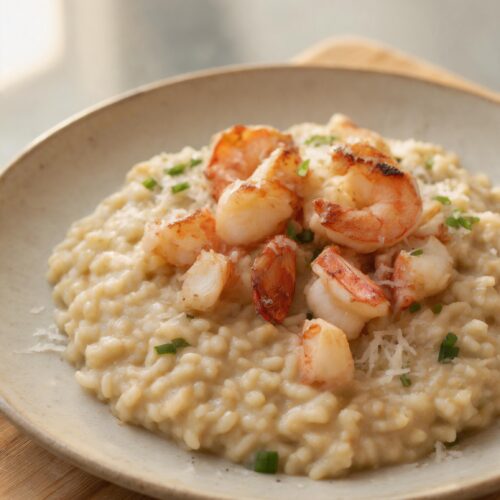
The Ultimate Creamy Truffle Lobster Risotto
Ingredients
- 4 cold-water lobster tails (about 4-5 ounces each)
- 6 cups low-sodium chicken or vegetable broth
- 1 bay leaf
- 2 sprigs fresh thyme
- 5-6 whole black peppercorns
- 2 tablespoons unsalted butter
- 1 tablespoon olive oil
- 1 large shallot, finely minced
- 2 cloves garlic, finely minced
- 1 ½ cups Arborio rice
- ½ cup dry white wine, such as Sauvignon Blanc
- Salt and freshly ground black pepper, to taste
- 1 cup freshly grated Parmigiano-Reggiano cheese
- 2 tablespoons unsalted butter, cold and cubed
- 2 tablespoons chopped fresh chives or parsley
- 1 tablespoon high-quality white truffle oil
Instructions
- Prepare the Lobster and Stock: Remove meat from lobster tails, chop into 1-inch pieces, and refrigerate. Simmer the empty shells, chicken broth, bay leaf, thyme, and peppercorns for 20 minutes. Strain the stock into a clean saucepan and keep at a bare simmer.
- Sauté Aromatics: In a large pot, melt 2 tbsp butter and olive oil over medium heat. Cook the minced shallot with a pinch of salt until translucent, about 3-4 minutes. Add garlic and cook for 1 more minute.
- Toast the Rice: Add the Arborio rice and stir constantly for 1-2 minutes until the edges are translucent.
- Deglaze: Pour in the white wine and stir until completely absorbed.
- Cook the Risotto: Add one ladle of hot stock to the rice, stirring until it's absorbed. Repeat this process, one ladle at a time, for about 15-18 minutes.
- Cook the Lobster: When the risotto is nearly done (creamy with an al dente bite), stir in the reserved lobster meat. Cook for 2-3 minutes until opaque.
- Finish ('Mantecatura'): Remove the pot from the heat. Vigorously stir in the 2 tbsp of cold cubed butter, Parmigiano-Reggiano, chopped chives, and truffle oil. Season to taste with salt and pepper.
- Serve Immediately: Ladle into warm bowls and garnish with extra cheese and chives.