Introduction
After twenty years of running seafood kitchens, I can tell you that the best dishes are often the simplest. This recipe for trout with garlic dandelion sauce is a perfect example. It’s a rustic, honest dish that puts the focus where it belongs: on the beautiful, delicate flavor of the trout, enhanced by a punchy, slightly bitter sauce that cuts through the richness of the fish. We’re not hiding anything here; we’re celebrating clean flavors. This isn’t some fussy restaurant plate; it’s the kind of satisfying, healthy meal you can pull off on a weeknight, unlike a more involved but equally delicious easy smoked salmon quiche for brunch. The combination of earthy greens, sharp garlic, and flaky fish is something special. Forget complicated techniques; this is all about good ingredients and solid pan-work. Let’s get cooking.
Why You’ll Love This Recipe
- Incredibly Fast: From fridge to table in about 30 minutes. It’s the ideal weeknight meal when you’re short on time but don’t want to compromise on a high-quality, nutritious dinner.
- Bold, Unique Flavors: The dandelion greens offer a pleasant, sophisticated bitterness that you just don’t get from spinach or kale. Paired with garlic and lemon, it creates a memorable sauce that perfectly complements the mild trout.
- Healthy and Lean: Trout is packed with Omega-3 fatty acids and protein. This dish is naturally low-carb, gluten-free, and relies on healthy fats and nutrient-dense greens for a meal that tastes indulgent but is genuinely good for you.
Ingredients List
Good cooking starts with good shopping. For this dish, quality matters, especially with the fish. Here’s exactly what you’ll need for four servings. Don’t eyeball the measurements on the sauce components; the balance is key.
For the Trout:
- Trout Fillets: 4 (6-ounce) skin-on trout fillets. I prefer Rainbow Trout for its delicate texture and flavor. Make sure the fish is fresh—it should smell clean like the ocean, not fishy. The skin is essential for getting that crispy texture.
- Extra Virgin Olive Oil: 2 tablespoons. A good quality oil for a clean sear.
- Kosher Salt: 1 teaspoon, divided. Kosher salt’s texture is better for creating a crust on the fish skin.
- Freshly Ground Black Pepper: ½ teaspoon. Always grind it fresh; the flavor is worlds apart from pre-ground.
For the Garlic Dandelion Sauce:
- Unsalted Butter: 3 tablespoons, divided. Using unsalted butter gives you full control over the final seasoning of the sauce. We’ll use some for sautéing and some to finish the sauce for a velvety texture.
- Shallot: 1 large, finely minced. Shallots provide a milder, more delicate onion flavor than a yellow onion, which can overpower the sauce.
- Garlic: 4 cloves, thinly sliced. Slicing the garlic (instead of mincing) prevents it from burning too quickly and infuses the oil with a sweeter, less aggressive flavor.
- Dandelion Greens: 1 large bunch (about 8-10 ounces), tough stems removed, coarsely chopped. If you can’t find them, mature arugula is the next best substitute for that peppery bite.
- Dry White Wine: ½ cup. Something crisp like a Sauvignon Blanc or Pinot Grigio is perfect. It’s used to deglaze the pan and adds a critical layer of acidity. Never cook with a wine you wouldn’t drink.
- Low-Sodium Chicken or Vegetable Broth: ½ cup. This adds body to the sauce without making it overly salty.
- Red Pepper Flakes: ¼ teaspoon (optional). For just a touch of background heat to wake everything up.
- Fresh Lemon: 1 whole, for juice and wedges. We’ll use the juice to brighten the sauce at the end, and wedges for serving.
Step-by-Step Instructions
Follow these steps closely. The whole process moves fast, especially once the fish hits the pan. Read through everything before you start so you know what’s coming next.
- Prep the Trout: Remove the trout fillets from the refrigerator about 15 minutes before cooking to let them come to room temperature. This helps them cook more evenly. Use a paper towel to pat the fillets completely dry on both sides, especially the skin. This is non-negotiable for getting a crispy skin. Season both sides generously with ½ teaspoon of kosher salt and the black pepper.
- Sear the Trout: Place a large, heavy-bottomed skillet (cast iron or stainless steel is best) over medium-high heat. Add the 2 tablespoons of olive oil. Once the oil is shimmering (but not smoking), carefully place the trout fillets skin-side down in the pan. Press down gently on each fillet with a fish spatula for about 10-15 seconds to ensure the entire skin makes contact with the pan. This prevents it from curling up.
- Cook the Fish: Cook for 3-5 minutes on the skin side, without moving the fillets. You’ll see the flesh turn opaque from the bottom up. The skin should be golden brown and crispy. Flip the fillets carefully and cook for another 1-2 minutes on the flesh side, just until cooked through. The fish is done when it flakes easily with a fork. Remove the trout from the skillet and set it aside on a plate.
- Start the Sauce Base: Reduce the heat to medium. Add 1 tablespoon of butter to the same skillet. Once it’s melted, add the minced shallot and cook, stirring, for about 2 minutes until it softens. Add the sliced garlic and red pepper flakes (if using) and cook for another minute until fragrant. Be careful not to let the garlic brown.
- Deglaze and Build the Sauce: Pour in the white wine to deglaze the pan. Use a wooden spoon to scrape up all the browned bits (the fond) from the bottom of the skillet—this is pure flavor. Let the wine bubble and reduce by about half, which should take 2-3 minutes.
- Wilt the Greens: Add the chopped dandelion greens to the skillet in batches, along with the chicken or vegetable broth. Stir until the greens are wilted, about 3-4 minutes. The liquid will reduce slightly.
- Finish the Sauce: Remove the skillet from the heat. Stir in the remaining 2 tablespoons of butter and the juice of half a lemon. Swirl the pan until the butter is melted and has created a slightly creamy, emulsified sauce. Taste and season with the remaining ½ teaspoon of salt, or more, to your preference.
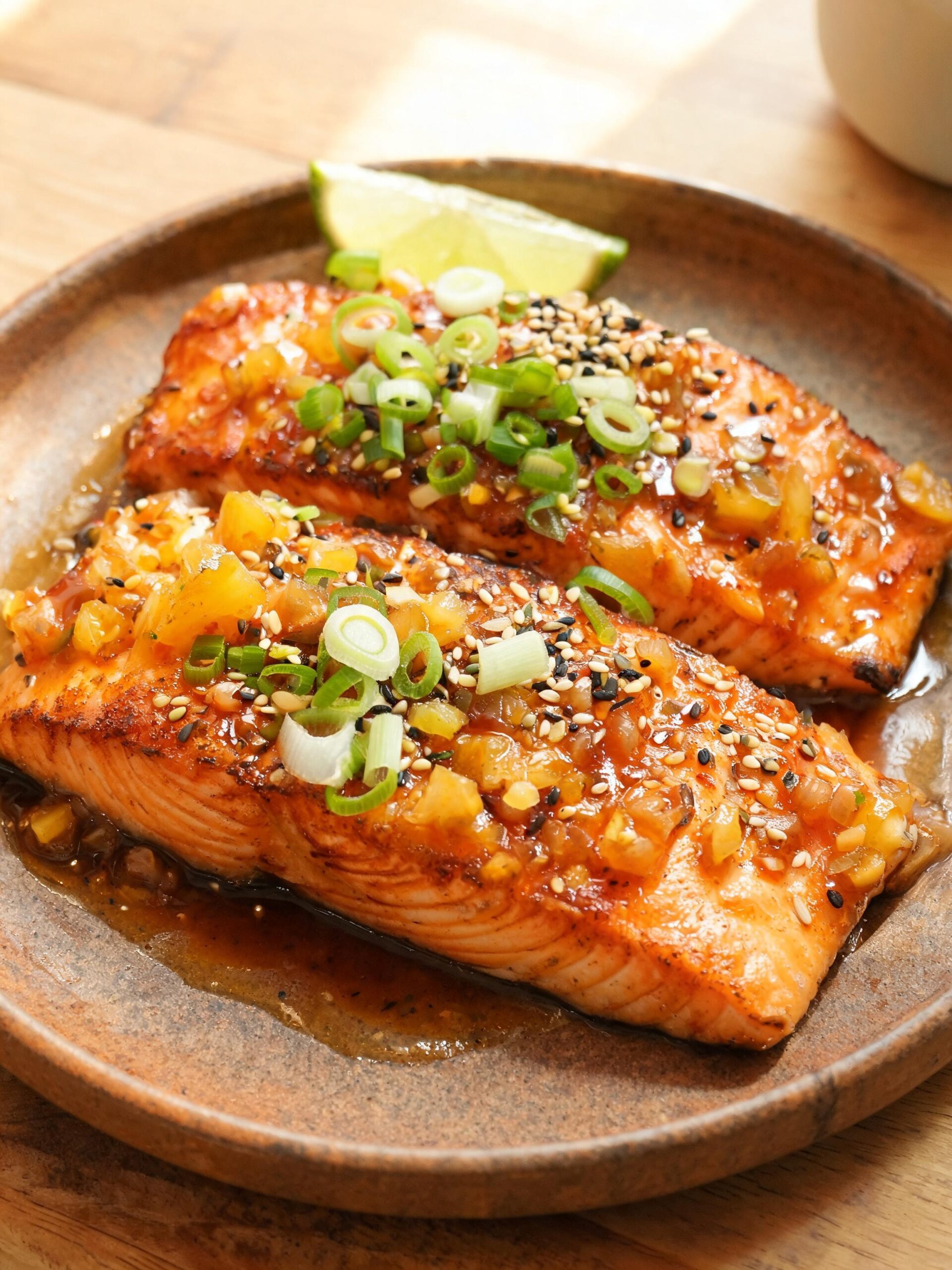
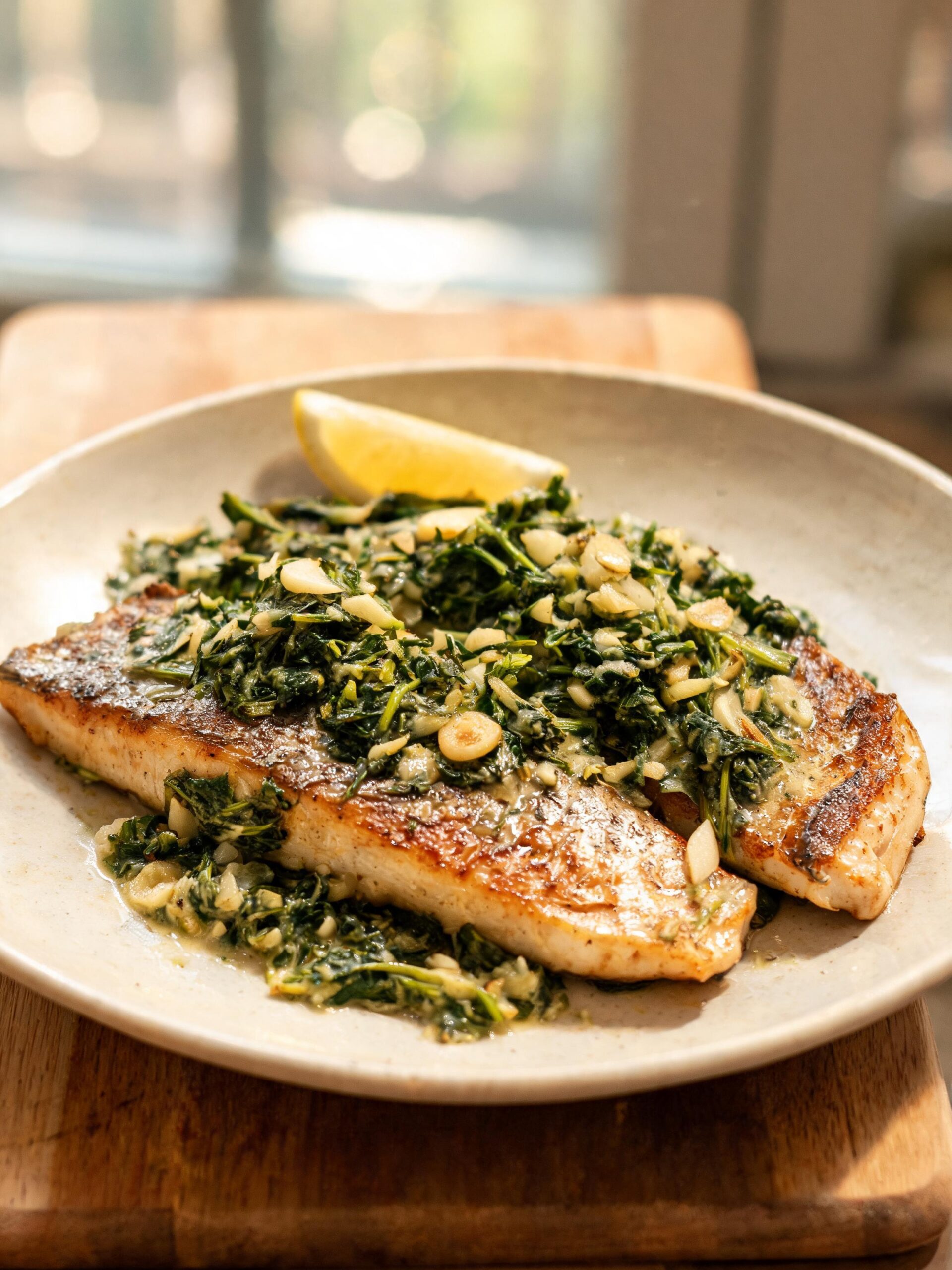
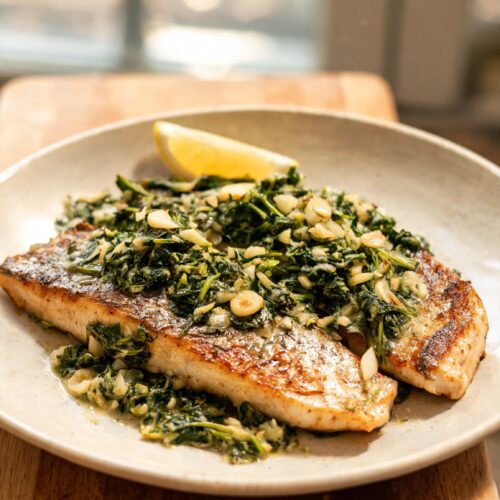
- Serve Immediately: Place a bed of the garlic dandelion greens on each plate. Top with a crispy trout fillet, skin-side up. Spoon any extra sauce from the pan over the fish. Serve with fresh lemon wedges on the side. This dish is best served piping hot to appreciate the crispy skin.
Chef’s Pro Tips for Success
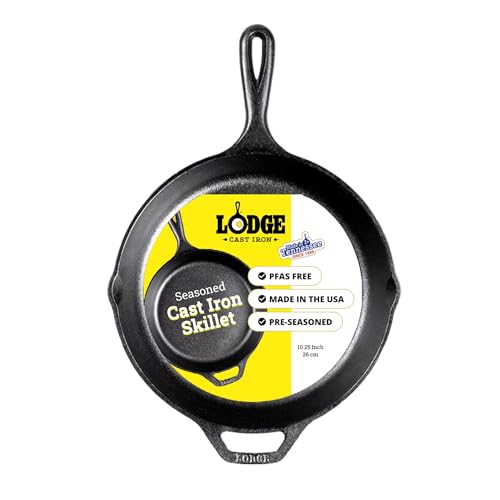
Speaking of details, the single most important tool for this job is the pan itself. I’ve mentioned that a heavy-bottomed skillet is best, and for my money, nothing beats a classic cast iron. The Lodge 10.25-inch skillet is my workhorse because its superior heat retention and even distribution are exactly what you need to achieve that shatteringly crispy trout skin without any pesky hot spots. It also builds up an incredible fond—those brown bits on the bottom—that becomes the flavorful backbone of your pan sauce.
If you want to stop worrying about your fish sticking and start getting consistent, restaurant-quality results, this is the one piece of equipment you need. Check it out on Amazon.
Lodge 10.25 Inch Cast Iron Skillet with Assist Handle
✓ prime
We earn a commission if you make a purchase, at no additional cost to you.
Over the years, I’ve learned a few tricks that separate a good dish from a great one. Pay attention to these details, and your trout with garlic dandelion sauce will be restaurant-quality.
- The Dry Skin Secret: I can’t stress this enough: moisture is the enemy of crispy skin. Patting the skin dry with a paper towel is the first step, but for truly shatterproof skin, let the fillets sit uncovered on a rack in the refrigerator for an hour before cooking. The cold, dry air will wick away even more surface moisture.
- Heat Management is Key: Don’t crank your stove to the highest setting. A steady medium-high heat is what you want. Too high, and the oil will smoke and the skin will burn before the flesh cooks. Too low, and the fish will steam instead of sear, resulting in soggy skin. The oil should shimmer, and you should hear a confident sizzle when the fish hits the pan.
- Don’t Crowd the Pan: If your skillet isn’t big enough to hold all four fillets without them touching, cook them in two batches. Crowding the pan lowers the temperature and causes the fish to steam. Give each fillet its own space to sear properly. It’s better to take an extra 5 minutes than to ruin the texture of all four pieces.
- The Art of the Pan Sauce: When you remove the fish, you’ll see browned bits stuck to the bottom of the pan. This is called ‘fond’, and it’s where the deepest flavor is. When you deglaze with the wine, make sure you scrape every last bit of it up. Then, when you finish the sauce with cold butter off the heat (a technique called ‘monter au beurre’), you create a stable emulsion that gives the sauce a beautiful sheen and velvety texture. Don’t just melt the butter in; swirl the pan or whisk constantly as it melts.
- Balance the Bitterness: Dandelion greens have a characteristic bitterness that is delicious but can be intense. The acidity from the wine and lemon juice is specifically there to cut through and balance it. If you taste the sauce and it feels a bit too sharp, a tiny pinch of sugar (less than 1/8 teaspoon) or a small drizzle of honey can round out the edges without making it sweet. Always taste and adjust your sauce at the very end.
Common Mistakes to Avoid
I’ve seen every mistake in the book. Here are the most common pitfalls with a dish like this and how to steer clear of them.
- The Fish Sticks to the Pan: This happens for two reasons: the pan wasn’t hot enough, or you tried to move the fish too soon. When you first place the fillet skin-down, it will stick. As the skin sears and crisps, it will render its fat and naturally release from the pan. If you try to lift it and it’s stuck, give it another 30-60 seconds. It will tell you when it’s ready. Using a well-seasoned cast iron or a quality stainless steel pan also makes a huge difference.
- Overcooked, Dry Trout: Trout is a delicate, lean fish that cooks incredibly fast. The biggest mistake is cooking it for too long. The majority of the cooking (about 80%) should happen on the skin side. Once you flip it, it only needs a minute or two. The residual heat will continue to cook it after you take it out of the pan. Remember, you can always cook something a little more, but you can never un-cook it. Aim for slightly underdone when it leaves the pan.
- A Broken or Greasy Sauce: If your sauce looks oily instead of glossy, it has ‘broken’. This usually happens if you add the final butter while the pan is still over high heat. The fat separates from the liquids. To fix it, remove the pan from the heat and whisk in a teaspoon of cold water or broth vigorously. To prevent it, always add the finishing butter off the heat and swirl or whisk constantly to emulsify.
- Soggy Dandelion Greens: The goal is to wilt the greens until they are tender, not to boil them into mush. Don’t drown them in broth. Add the broth, bring it to a simmer, and let the greens cook just until they’ve collapsed but still have some texture and a vibrant green color. This part of the process only takes a few minutes.
Variations and Serving Ideas
Once you’ve mastered the base recipe, you can get creative. A great recipe is a template, not a set of rules. Here are some ideas.
- Herb Variations: Add a handful of chopped fresh parsley or dill along with the final butter in the sauce for a burst of fresh, herbaceous flavor. A few capers thrown in with the garlic can also add a briny, salty pop that works beautifully with the lemon.
- Different Greens: If you can’t find dandelion greens or want a different flavor profile, this sauce is fantastic with mature arugula (for a peppery bite), escarole (for a milder bitterness), or even thinly sliced lacinato kale (which will need a few extra minutes to become tender).
- Add Creaminess: For a richer, more decadent sauce, you can reduce the broth by half and stir in 2-3 tablespoons of heavy cream or crème fraîche at the end, off the heat. This creates a luxurious version of the trout with garlic dandelion sauce that’s perfect for a special occasion, much like a comforting homemade salmon chowder is ideal for a cozy night in.
- Nutty Topping: Before serving, sprinkle the finished dish with toasted sliced almonds or pine nuts. This adds a fantastic textural contrast and a rich, nutty flavor that complements the earthy greens.
What to Serve With
This dish already has a protein and a green, so you don’t need much. You want sides that complement the flavors without competing.
- Starches: A simple creamy polenta, a wild rice pilaf, or some crusty bread to sop up the extra sauce are all excellent choices. You could also serve it over simple boiled new potatoes tossed in butter and parsley.
- Vegetables: Since you already have greens, a simple roasted vegetable like asparagus, fennel, or cherry tomatoes would be a great addition. They add sweetness and color to the plate.
- Wine Pairing: Stick with the wine you used in the sauce. A crisp, acidic Sauvignon Blanc or an unoaked Chardonnay will cut through the richness of the fish and stand up to the garlic and greens.
Storage and Reheating
Seafood is always best eaten fresh, but if you have leftovers, proper storage is crucial.
- Storage: Store the trout and the sauce in separate airtight containers in the refrigerator for up to 2 days. Storing them separately is critical to prevent the fish skin from becoming completely soggy.
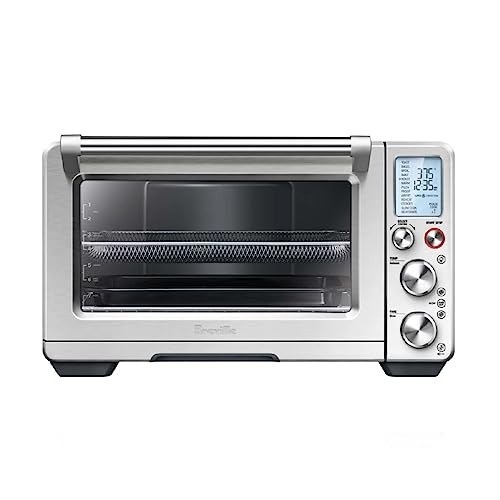
- Reheating: The best way to reheat the trout is in a skillet over medium-low heat for a few minutes per side, or in an oven or toaster oven at 300°F (150°C) for about 5-8 minutes, just until warmed through. This helps to re-crisp the skin slightly. Avoid the microwave at all costs; it will turn the fish rubbery. Gently reheat the sauce in a small saucepan over low heat until warm. Then, pour the sauce over the reheated fish just before serving.
FAQs (People Also Ask)
- Can I use frozen trout fillets for this recipe?
- Yes, you can, but you must thaw them properly first. The best method is to let them thaw overnight in the refrigerator. Before cooking, ensure they are completely thawed and, most importantly, pat them extremely dry with paper towels, as frozen fish tends to release more water. Extra moisture will prevent the skin from crisping.
- Are dandelion greens from my yard safe to eat?
- Only if you are 100% certain they have not been treated with any pesticides, herbicides, or chemicals, and are not in an area frequented by pets. For culinary purposes, it’s much safer and easier to buy dandelion greens from a grocery store or farmer’s market, as they are cultivated for consumption and have a more consistent, tender quality.
- My sauce tastes too bitter. How can I fix it?
- A little bitterness is the goal, but if it’s overwhelming, you can balance it. First, ensure you’ve added enough fat (butter) and acid (lemon juice), as these are the primary balancers. If it’s still too bitter, a very small amount of sweetness will counteract it. Try a tiny pinch of sugar or a small drizzle of honey or maple syrup, stir it in, and taste again. Add sweetness incrementally.
- Can I make this recipe with a different type of fish?
- Absolutely. This sauce is versatile. It would work well with other thin, skin-on fillets like branzino, sea bass, or even salmon. For thicker fish like cod or halibut (which often don’t have skin), you would pan-sear the fillets and simply pour the finished sauce over the top. Adjust cooking times based on the thickness of the fish.
- Can I make the garlic dandelion sauce ahead of time?
- You can make the sauce up to a day in advance and store it in an airtight container in the fridge. When you’re ready to serve, gently reheat it in a saucepan over low heat. You may need to add a splash of broth or water to thin it out slightly as it reheats. Cook the fish fresh just before serving for the best texture.
Nutrition
Nutrition Facts
(Per serving. Estimates only, varies by exact ingredients used)
Conclusion
This is more than just a recipe; it’s a technique and a flavor combination that I hope becomes a new favorite in your kitchen. Cooking fish doesn’t have to be intimidating. By focusing on a great sear and a simple, flavorful pan sauce, you can create something truly special. I hope you enjoy making this rustic trout with garlic dandelion sauce. Let me know how it turns out.
Trout with Garlic Dandelion Sauce | Rustic Healthy Fish Recipe Idea
Ingredients
- 4 (6-ounce) skin-on trout fillets
- 2 tablespoons extra virgin olive oil
- 1 teaspoon kosher salt, divided
- ½ teaspoon freshly ground black pepper
- 3 tablespoons unsalted butter, divided
- 1 large shallot, finely minced
- 4 cloves garlic, thinly sliced
- 1 large bunch (about 8-10 ounces) dandelion greens, coarsely chopped
- ½ cup dry white wine (like Sauvignon Blanc)
- ½ cup low-sodium chicken or vegetable broth
- ¼ teaspoon red pepper flakes (optional)
- 1 whole lemon, for juice and wedges
Instructions
- Pat trout fillets completely dry and season both sides with ½ tsp salt and the pepper.
- Heat olive oil in a large skillet over medium-high heat. Place trout skin-side down and press gently for 15 seconds. Cook for 3-5 minutes until skin is crispy and releases from the pan.
- Flip the trout and cook for another 1-2 minutes on the flesh side until just cooked through. Remove from skillet and set aside.
- Reduce heat to medium, add 1 tbsp of butter to the skillet. Sauté shallot for 2 minutes until soft.
- Add sliced garlic and red pepper flakes, cooking for 1 minute until fragrant.
- Pour in the white wine to deglaze, scraping up any browned bits. Let it reduce by half, about 2-3 minutes.
- Add the dandelion greens and broth. Stir until the greens are just wilted, about 3-4 minutes.
- Remove skillet from heat. Stir in the remaining 2 tbsp butter and the juice of half a lemon until the sauce is glossy. Season with the remaining ½ tsp salt.
- Serve the trout fillets over a bed of the dandelion greens, spooning extra sauce over the top. Garnish with lemon wedges.