Introduction
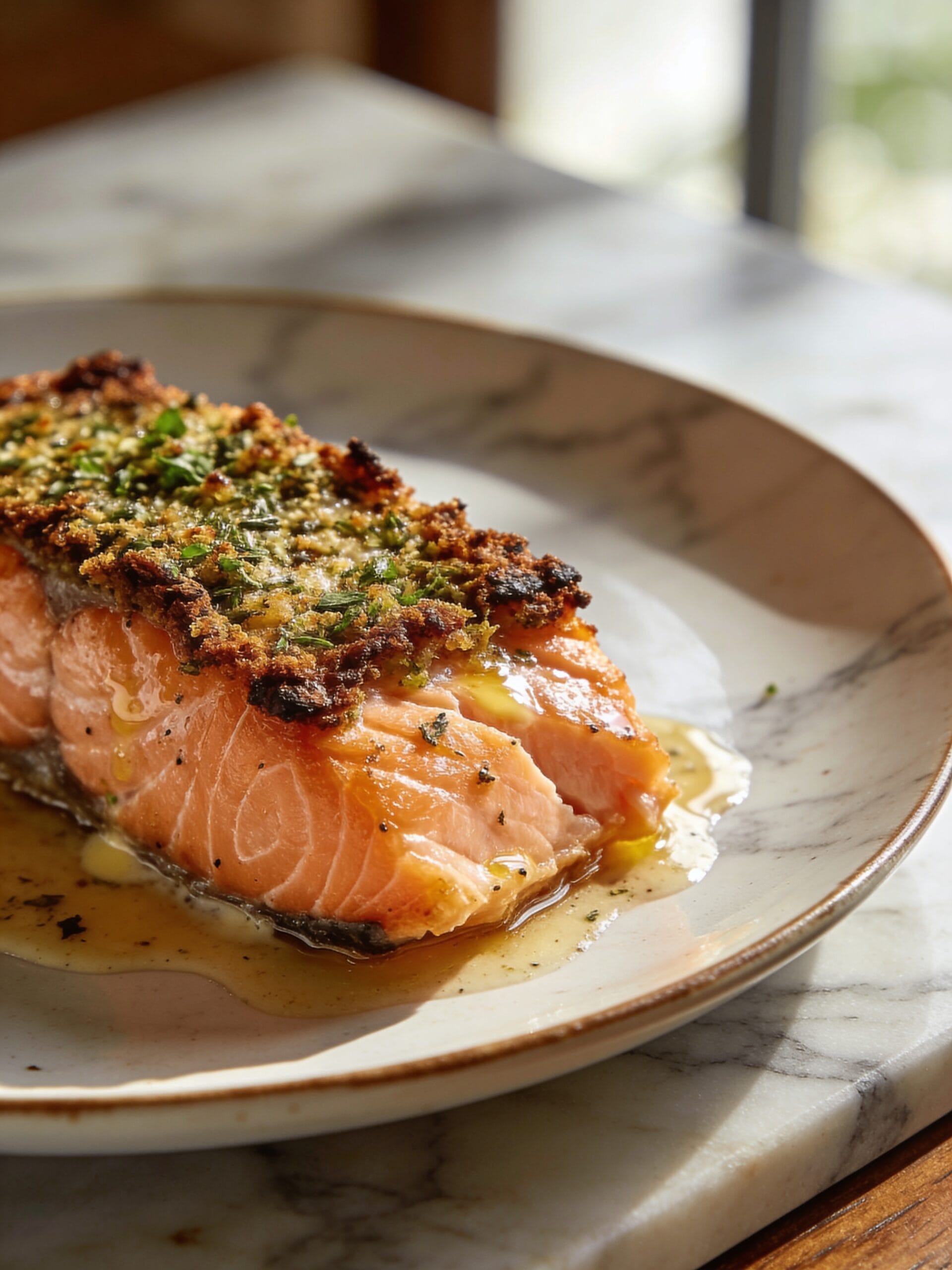
After two decades behind the line in professional kitchens, I’ve seen countless people searching for reliable salmon recipes baked at home. The goal is always the same: a perfectly flaky, moist fish that isn’t dry or bland. While there are many ways to enjoy this fish, from easy high-protein salmon patties to grilled fillets, this Herb-Crusted Baked Salmon is my answer for a foolproof meal. It’s not a fussy restaurant dish; it’s the go-to recipe I make for my own family. We’re talking about a crunchy, golden-brown crust made from fresh herbs, garlic, and panko, all sitting atop a juicy, perfectly cooked salmon fillet. It’s simple enough for a Tuesday night but impressive enough for a Saturday dinner party. Forget complicated techniques. This is about quality ingredients and a method that works every single time.
Why You’ll Love This Recipe
- Fast and Efficient: From fridge to table in about 30 minutes. It’s the perfect solution for a busy weeknight when you want something healthy and satisfying without spending hours in the kitchen.
- Incredible Flavor and Texture: The crisp, savory herb crust is the perfect contrast to the tender, flaky salmon underneath. Every bite has a satisfying crunch followed by melt-in-your-mouth fish.
- Nearly Impossible to Mess Up: By following a few key steps—especially regarding temperature—you can achieve consistently delicious results. This is one of those salmon recipes baked with a high rate of success, even for novice cooks.
Ingredients List
For this recipe, we’re using simple, high-impact ingredients. The quality of your salmon and the freshness of your herbs will make all the difference. This serves four people generously.
For the Salmon:
- Salmon Fillet: 1 large fillet, about 2 lbs, skin-on or skinless. Ask your fishmonger for a center-cut piece for even thickness.
- Extra Virgin Olive Oil: 2 tablespoons, for binding the crust and keeping the fish moist.
- Kosher Salt: 1 teaspoon.
- Black Pepper: ½ teaspoon, freshly ground.
For the Herb Crust:
- Panko Breadcrumbs: ¾ cup. Panko is lighter and airier than regular breadcrumbs, which makes for a much crispier crust.
- Fresh Parsley: ¼ cup, finely chopped. Flat-leaf Italian parsley has the best flavor.
- Fresh Dill: 2 tablespoons, finely chopped. Dill and salmon are a classic pairing for a reason.
- Garlic: 2 cloves, minced. Use a garlic press or mince it as finely as you can by hand.
- Lemon Zest: 1 tablespoon (from about 1 large lemon). Zest provides bright citrus flavor without the extra liquid.
- Dijon Mustard: 1 tablespoon. This adds a tangy depth and helps the crust adhere to the salmon.
- Melted Unsalted Butter: 3 tablespoons. Butter adds richness and helps the crust turn a beautiful golden brown.
Step-by-Step Instructions
- Preheat and Prep: Position an oven rack in the center of the oven and preheat to 400°F (200°C). Line a large baking sheet with parchment paper for easy cleanup. This also prevents the salmon from sticking.
- Prepare the Salmon: Remove the salmon from the refrigerator about 15-20 minutes before cooking to let it come closer to room temperature. Pat the fillet completely dry on all sides with paper towels. This is a critical step for a crispy crust. Place the salmon, skin-side down if it has skin, on the prepared baking sheet.
- Season the Base: Brush the top and sides of the salmon fillet with the 2 tablespoons of olive oil. Season it evenly with the kosher salt and black pepper. Spread the Dijon mustard in a thin, even layer over the top surface of the fish.
- Mix the Herb Crust: In a medium bowl, combine the panko breadcrumbs, chopped parsley, chopped dill, minced garlic, and lemon zest. Pour in the 3 tablespoons of melted butter and mix with a fork until the breadcrumbs are evenly moistened and look like wet sand.
- Apply the Crust: Gently press the herb crust mixture onto the top of the salmon, covering the entire surface in an even layer. Pat it down lightly with your hands to help it adhere.
- Bake to Perfection: Transfer the baking sheet to the preheated oven. Bake for 12-18 minutes. The exact time will depend on the thickness of your fillet. The salmon is done when the crust is golden brown and the fish flakes easily when prodded with a fork at its thickest point. For ultimate precision, use an instant-read thermometer; it should register 125-130°F for medium-rare to medium.
- Rest and Serve: Remove the salmon from the oven. Let it rest on the baking sheet for 5 minutes. This allows the juices to redistribute throughout the fillet, ensuring a moist result. Serve immediately with lemon wedges for squeezing over the top.
Chef’s Pro Tips for Success
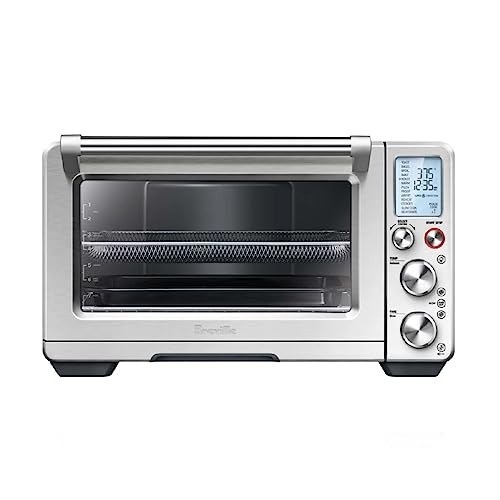
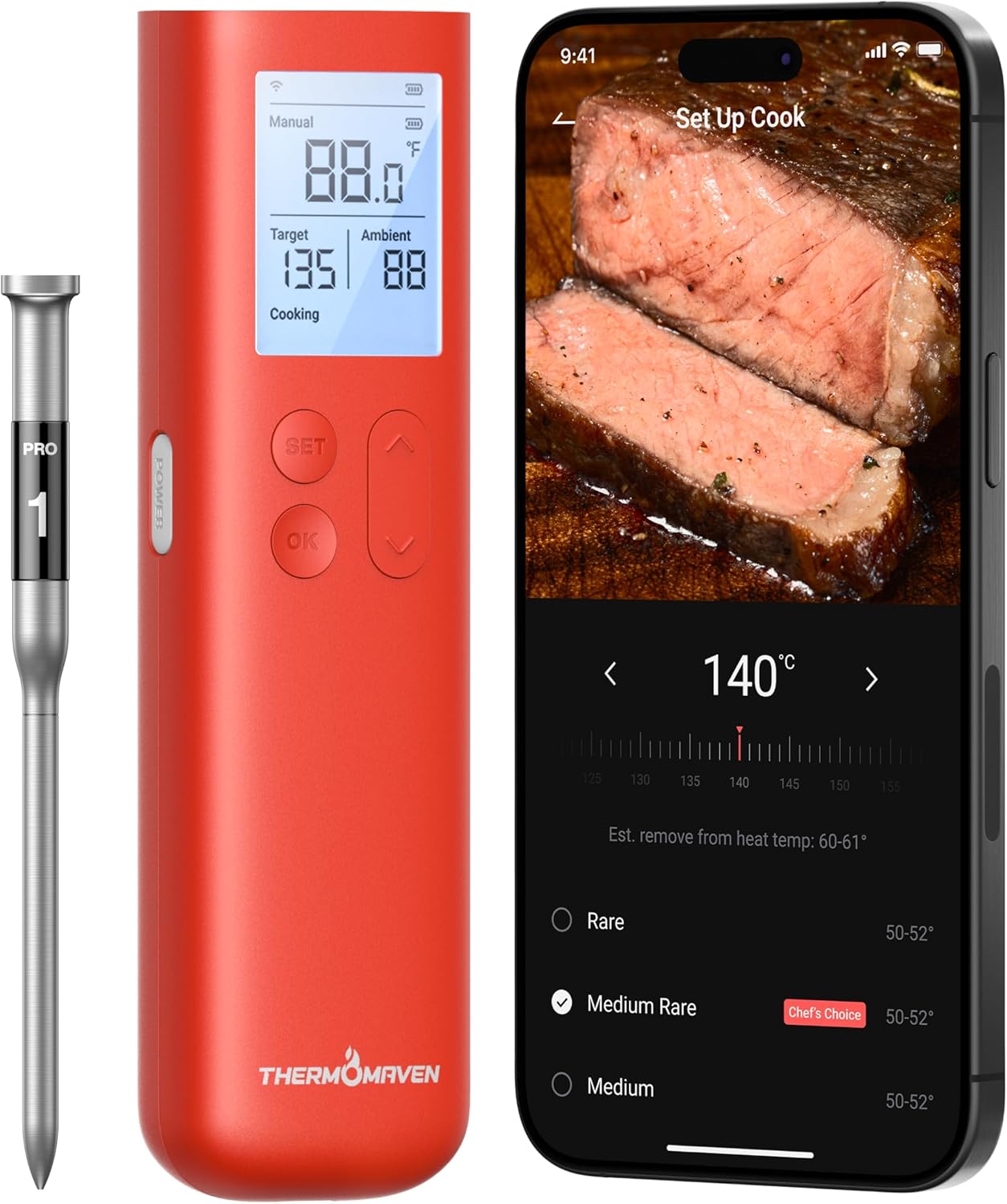
Let’s be honest, the line between perfectly flaky and tragically dry salmon is incredibly thin, and it all comes down to temperature. After years of testing gadgets, the one tool I refuse to cook without is a reliable digital thermometer. The ThermoMaven Smart Wireless Meat Thermometer is my secret weapon for this recipe. I can monitor the cook from my phone without opening the oven door and letting heat escape, ensuring I pull the salmon out at that precise 125°F moment. It completely removes the guesswork and guarantees that juicy, tender result we’re all aiming for.
If you’re ready to banish dry fish from your kitchen for good, this is the tool that will do it.
ThermoMaven Smart Wireless Meat Thermometer
✓ prime
We earn a commission if you make a purchase, at no additional cost to you.
Over the years, I’ve learned a few non-negotiable rules for baking fish. Follow these, and you’ll master not just this recipe, but all salmon recipes baked in your kitchen.
- The Dry-Pat Down is Mandatory: I can’t stress this enough. Moisture is the enemy of a crispy crust. When you pat the salmon dry, you’re removing surface water that would otherwise turn to steam in the oven, making your crust soggy. It takes 10 seconds and makes a world of difference.
- Bring It to Room Temperature (Almost): Pulling your salmon out of the fridge 15-20 minutes before baking is a pro move. A freezing-cold fillet going into a hot oven will cook unevenly. The outside will be overdone before the center is cooked through. This small step ensures an even cook from edge to center.
- A Thermometer is Your Best Friend: The single biggest mistake home cooks make with fish is overcooking it. The visual cue of “flaking easily” is a good starting point, but it’s subjective. An instant-read digital thermometer is objective. Pull the salmon out when it hits 125°F. It will continue to cook from residual heat (carryover cooking) as it rests, reaching a perfect 130-135°F.
- Don’t Skimp on the Binder: The combination of olive oil and Dijon mustard isn’t just for flavor. It’s the glue that holds that beautiful panko crust to the fish. Ensure you get a thin, even layer across the entire top surface so every bite has that perfect crust-to-fish ratio.
- Fresh Herbs Make the Dish: While you can use dried herbs in a pinch, the flavor of fresh parsley and dill is significantly brighter and more aromatic. It elevates the dish from good to great. If you must use dried, use about one-third the amount called for (e.g., 1 tablespoon of fresh = 1 teaspoon of dried).
Common Mistakes to Avoid
I’ve seen these simple errors turn a beautiful piece of fish into a culinary disappointment. Here’s how to sidestep them for flawless results with your salmon recipes baked at home.
- Forgetting to Use Parchment Paper: You think it’s an optional step until you’re chiseling salmon skin off your favorite baking sheet. Parchment paper guarantees a non-stick surface, makes cleanup a breeze, and helps the bottom of the fish cook gently. Aluminum foil can work, but make sure to grease it well, as the skin can still stick.
- Baking Based on Time Alone: A recipe that says “bake for 15 minutes” is an estimate. A 1-inch thick fillet will cook much faster than a 1.5-inch thick one. Always cook based on internal temperature and visual cues, not just the clock. This is the secret to never eating dry salmon again.
- Crowding the Pan: If you’re baking individual salmon portions instead of one large fillet, give them space. Placing them too close together traps steam, which prevents the edges from getting that slightly roasted texture. Good air circulation is key for even cooking.
- Skipping the Final Squeeze of Lemon: The lemon wedges served at the end aren’t just a garnish. The fresh acidity cuts through the richness of the salmon and butter, brightening all the flavors of the herbs and garlic. It’s the final touch that ties the whole dish together. Don’t skip it.
Variations and Serving Ideas
This recipe is a fantastic template. Once you’ve mastered the basic technique, you can customize it endlessly. These variations make this one of the most versatile salmon recipes baked you’ll find.
- Spicy Herb Crust: Add ¼ to ½ teaspoon of red pepper flakes or a pinch of cayenne pepper to the panko mixture for a gentle, warming heat.
- Nutty Crust: Replace half of the panko breadcrumbs with finely chopped nuts like pistachios, almonds, or walnuts for added texture and a rich, nutty flavor.
- Mediterranean Twist: Add 1 tablespoon of chopped Kalamata olives and 1 teaspoon of dried oregano to the crust mixture. Serve with a side of tzatziki.
- Parmesan Crust: Mix ¼ cup of finely grated Parmesan cheese into the panko mixture. The cheese will melt and create an extra savory, golden-brown crust. Watch it closely as cheese can burn faster.
- Asian-Inspired Glaze: If you prefer a glaze over a crust, this Soy Ginger Baked Salmon offers a delicious sweet and savory alternative.
- Serving Presentation: For a dinner party, serve the entire fillet on a large platter surrounded by roasted vegetables and lemon wedges. For individual servings, cut the fillet into portions after it has rested and plate individually over a bed of rice or quinoa.
What to Serve With
A great main course deserves great sides. Here are some pairings that complement the rich flavor of the salmon without overpowering it.
- Roasted Vegetables: Asparagus spears, broccoli florets, or green beans tossed in olive oil, salt, and pepper can be roasted on the same pan or a separate one. They cook in about the same amount of time as the salmon.
- Creamy Starches: Garlic mashed potatoes, a creamy polenta, or a classic rice pilaf are perfect for soaking up any extra flavors from the fish.
- Light Salads: A simple arugula salad with a lemon vinaigrette provides a fresh, peppery contrast to the richness of the salmon. A cucumber and dill salad is also a classic, refreshing choice.
- Grains: Quinoa, couscous, or farro seasoned with lemon juice and fresh herbs make for a healthy and satisfying base.
Storage and Reheating
Leftover salmon can be fantastic, but only if you handle it correctly. Here’s the right way to store and reheat it to maintain its quality.
- Storage: Let the salmon cool completely to room temperature. Store it in an airtight container in the refrigerator for up to 3 days. The crust will lose its crispness, but the flavor will still be excellent.
- Reheating (The Best Way): The microwave is the fastest way to ruin leftover salmon, making it rubbery and dry. The best method is low and slow in the oven. Place the salmon in a small baking dish, add a splash of water or broth to the bottom of the dish, and cover tightly with foil. Reheat in a 275°F (135°C) oven for 10-15 minutes, or until just warmed through. This gently steams the fish, restoring moisture.
- Enjoying it Cold: Honestly, one of the best ways to enjoy leftover salmon is cold. Flake the chilled salmon over a salad, mix it into a grain bowl, or use it to make a delicious salmon salad sandwich with mayonnaise, celery, and herbs.
FAQs (People Also Ask)
Here are answers to some common questions I get about making perfect baked salmon.
- 1. Can I use frozen salmon for this recipe?
- Absolutely. Just make sure it’s fully thawed before you begin. The safest way is to thaw it overnight in the refrigerator. Before cooking, press it gently between paper towels to remove as much excess water as possible. Trapped water from freezing is a major cause of soggy results.
- 2. What’s the best type of salmon for salmon recipes baked like this one?
- You have options. King (Chinook) salmon has the highest fat content, making it rich, buttery, and very forgiving. Sockeye is leaner with a firmer texture and deeper red color. Coho is a good middle-ground option. Atlantic salmon, which is typically farmed, is also widely available and works very well for baking due to its consistent fat content.
- 3. Can I prepare the herb crust ahead of time?
- Yes, you can. You can mix all the dry ingredients (panko, herbs, garlic, zest, salt, pepper) and store them in an airtight container in the fridge for up to 24 hours. Just before you’re ready to bake, mix in the melted butter and proceed with the recipe. This is a great time-saver.
- 4. How do I know my salmon is done without a thermometer?
- The classic method is the “flake test.” Insert the tip of a fork or a small knife into the thickest part of the fillet and gently twist. If the fish flakes apart easily into defined layers and has turned from translucent to opaque, it’s done. However, this method requires you to break the crust. A thermometer is truly the superior, foolproof tool.
- 5. My salmon skin always sticks to the pan. How do I stop that?
- Parchment paper is the number one solution. It creates a foolproof non-stick barrier. If you don’t have any, you can use a well-oiled sheet of aluminum foil. Another pro tip is to make sure your pan is clean and your oil is applied just before the fish goes on it. Don’t let the oiled pan sit for too long.
Nutrition
Nutrition Facts
(Per serving. Estimates only, varies by exact ingredients used)
Conclusion
This Herb-Crusted Baked Salmon is more than just a recipe; it’s a technique that will give you confidence in the kitchen. It’s a reliable, delicious way to get a healthy meal on the table that the whole family will genuinely enjoy. I hope this becomes one of your favorite salmon recipes baked at home. Give it a try, and enjoy the delicious results.
Herb-Crusted Baked Salmon
Ingredients
- 1 large salmon fillet, about 2 lbs, skin-on or skinless
- 2 tablespoons extra virgin olive oil
- 1 teaspoon kosher salt
- ½ teaspoon freshly ground black pepper
- ¾ cup panko breadcrumbs
- ¼ cup fresh parsley, finely chopped
- 2 tablespoons fresh dill, finely chopped
- 2 cloves garlic, minced
- 1 tablespoon lemon zest
- 1 tablespoon Dijon mustard
- 3 tablespoons unsalted butter, melted
Instructions
- Position an oven rack in the center and preheat to 400°F (200°C). Line a baking sheet with parchment paper.
- Let salmon rest at room temperature for 15-20 minutes. Pat the fillet completely dry with paper towels and place it on the prepared baking sheet.
- Brush the salmon with olive oil, then season with salt and pepper. Spread the Dijon mustard in a thin, even layer over the top.
- In a bowl, combine panko, parsley, dill, garlic, and lemon zest. Pour in the melted butter and mix with a fork until evenly moistened.
- Gently press the herb crust mixture onto the top of the salmon in an even layer.
- Bake for 12-18 minutes, until the crust is golden brown and a thermometer inserted into the thickest part reads 125-130°F.
- Remove from the oven and let it rest for 5 minutes before serving with fresh lemon wedges.