Introduction
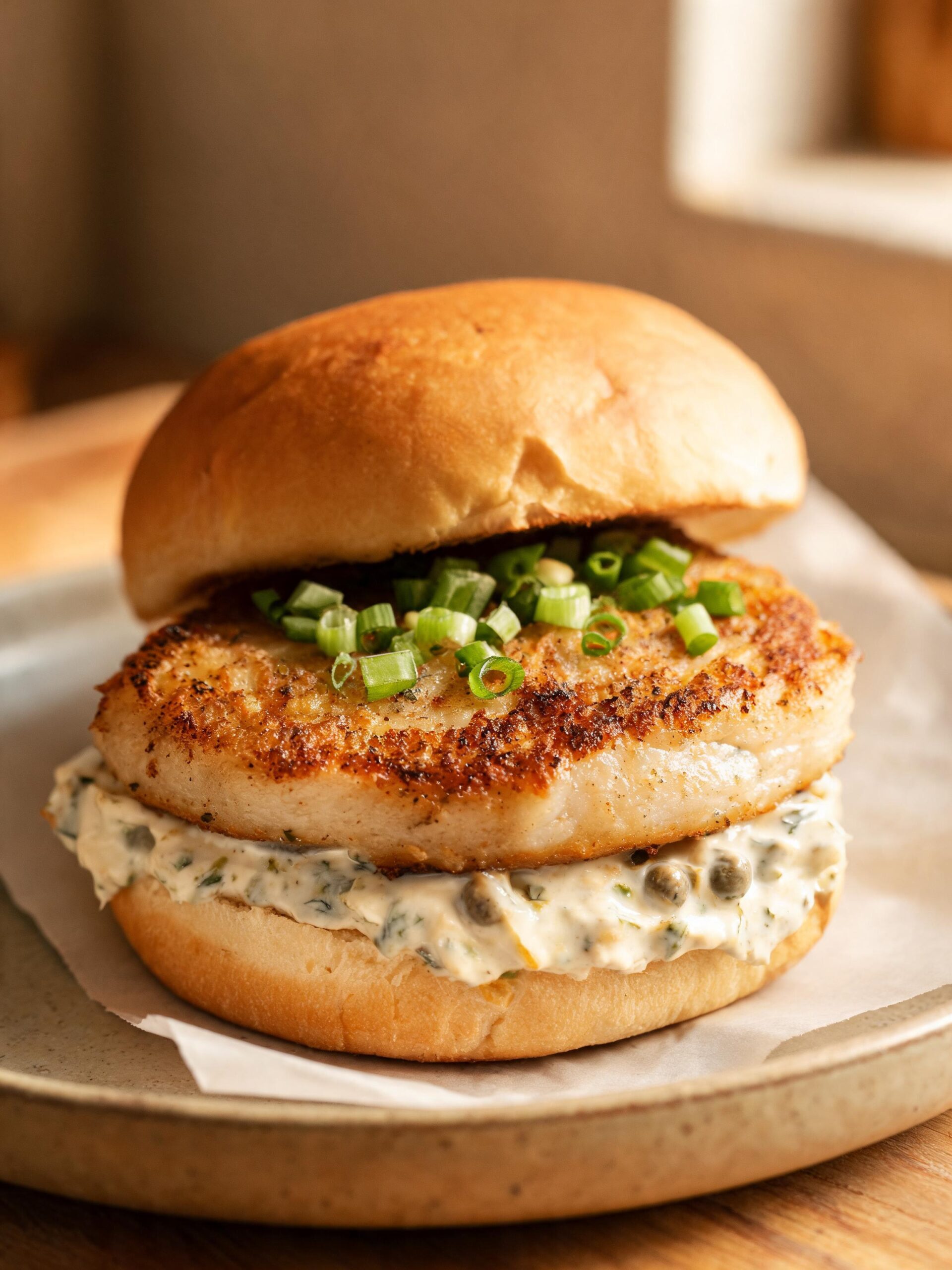
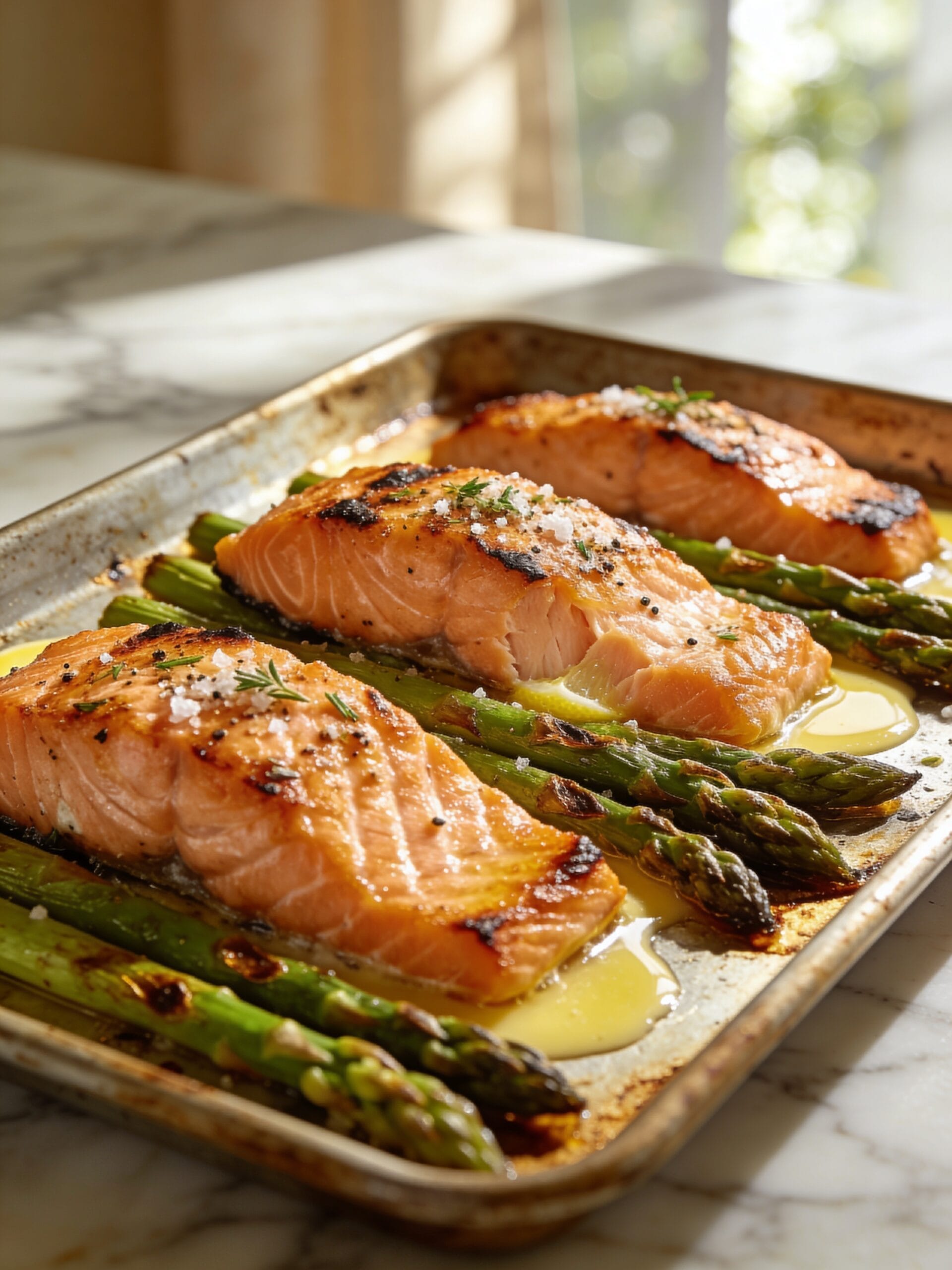
After twenty years behind the line in professional kitchens, I can tell you that the search for great salmon dinner ideas is constant, both for home cooks and chefs. People want something that’s healthy, fast, and doesn’t create a mountain of dishes. This Sheet Pan Salmon and Asparagus recipe is my go-to answer. It’s the kind of honest, straightforward cooking I love—minimal prep, maximum flavor, and a cooking method that lets high-quality ingredients speak for themselves. We’re not hiding anything here; we’re just combining fresh salmon, crisp asparagus, and a simple lemon-garlic butter sauce on one pan and letting the oven do the heavy lifting. It’s a complete, balanced meal that feels elegant enough for a weekend but is practical enough for a Tuesday night. This isn’t just a recipe; it’s a technique and a solution for anyone needing reliable salmon dinner ideas, like these healthy baked salmon patties, that consistently deliver.
Why You’ll Love This Recipe
- One-Pan Cleanup: Everything cooks together on a single sheet pan. This means less time scrubbing pots and more time enjoying your meal. It’s the ultimate weeknight win.
- 30-Minute Meal: From fridge to table in about 30 minutes flat. The prep is quick, and the cook time is even quicker, making it a perfect solution for busy schedules.
- Healthy and Flavorful: Packed with Omega-3s from the salmon and vitamins from the asparagus, this meal is as nutritious as it is delicious. The lemon-garlic butter sauce adds rich flavor without being heavy.
Ingredients List
Precision is key in seafood cooking. Use good ingredients, measure them correctly, and you’re already halfway to a perfect dish. This recipe serves four.
For the Salmon and Asparagus:
- Salmon Fillets: 4 (6-ounce) skin-on or skinless salmon fillets, about 1 to 1.5 inches thick
- Asparagus: 1.5 pounds fresh asparagus, tough ends trimmed
- Olive Oil: 2 tablespoons extra virgin olive oil
- Kosher Salt: 1 teaspoon, divided
- Black Pepper: 1/2 teaspoon freshly ground black pepper, divided
For the Lemon-Garlic Butter Sauce:
- Unsalted Butter: 4 tablespoons, melted
- Garlic: 3 cloves, minced (about 1 tablespoon)
- Lemon: 1 large lemon (zest of the whole lemon, juice of half)
- Fresh Parsley: 2 tablespoons, finely chopped
- Red Pepper Flakes: 1/4 teaspoon (optional, for a little heat)
Step-by-Step Instructions
- Preheat and Prep: Position an oven rack in the center of the oven and preheat to 400°F (200°C). Line a large, rimmed baking sheet with parchment paper for easy cleanup. This also prevents sticking and promotes even cooking.
- Prepare the Asparagus: On the prepared baking sheet, toss the trimmed asparagus with 2 tablespoons of olive oil, 1/2 teaspoon of kosher salt, and 1/4 teaspoon of black pepper. Spread them in a single, even layer across the pan.
- Roast the Asparagus (Part 1): Place the sheet pan in the preheated oven and roast the asparagus for 10 minutes. This gives them a head start, as they take slightly longer to cook than the salmon.
- Prepare the Salmon: While the asparagus is roasting, pat your salmon fillets completely dry with a paper towel. This is a critical step for a good roast. Season both sides of the fillets with the remaining 1/2 teaspoon of kosher salt and 1/4 teaspoon of black pepper.
- Make the Sauce: In a small bowl, whisk together the melted butter, minced garlic, lemon zest, and red pepper flakes (if using).
- Combine and Roast: After 10 minutes, carefully remove the sheet pan from the oven. Push the asparagus to the sides of the pan to create space in the center. Place the salmon fillets in the middle. Spoon about two-thirds of the lemon-garlic butter sauce evenly over the salmon fillets.
- Finish Roasting: Return the sheet pan to the oven and roast for an additional 10-12 minutes. The exact time will depend on the thickness of your salmon. The fish is done when it’s opaque and flakes easily with a fork. The internal temperature should read 135°F (57°C) for medium. The asparagus should be tender-crisp.
- Final Touches: Remove the pan from the oven. Squeeze the juice from half the lemon over the entire pan. Drizzle the remaining butter sauce over the salmon and asparagus. Garnish with fresh parsley. Let it rest for 2-3 minutes before serving directly from the pan.
Chef’s Pro Tips for Success
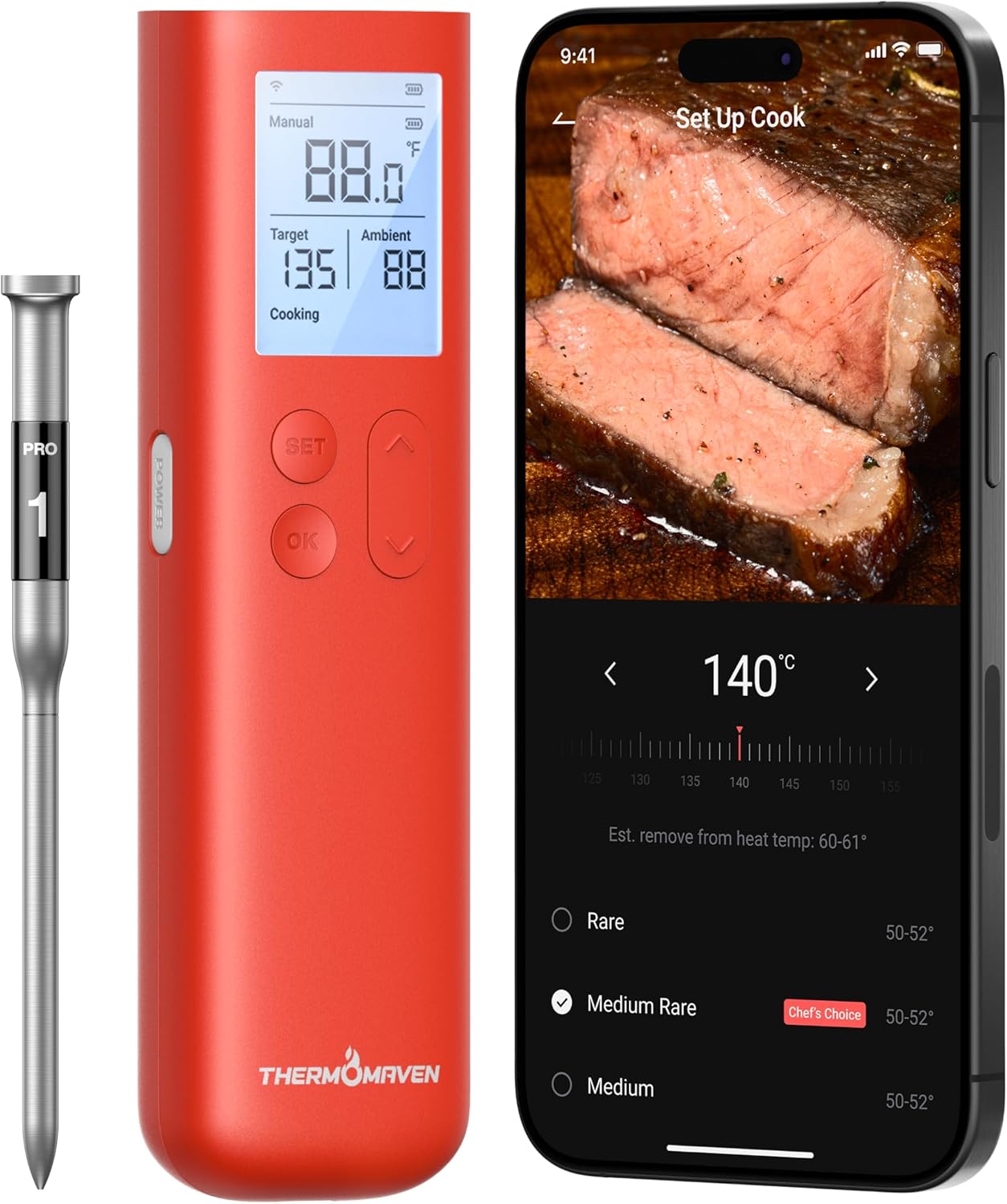
I can’t stress this enough: the line between perfectly flaky salmon and dry, chalky disappointment is razor-thin. That’s why I never leave it to guesswork. My secret weapon is a reliable wireless meat thermometer. It lets me monitor the internal temperature from outside the oven, so I can pull the salmon at that perfect 130-135°F moment, guaranteeing it’s succulent and tender every single time. It’s the one tool that takes all the fear out of cooking fish.
If you’re ready to cook salmon with complete confidence, this is the thermometer I trust in my own kitchen.
ThermoMaven Smart Wireless Meat Thermometer
✓ prime
We earn a commission if you make a purchase, at no additional cost to you.
Over the years, I’ve learned a few non-negotiable tricks that elevate a simple dish to something special. Pay attention to these details; they make all the difference.
- Choose Your Salmon Wisely: Not all salmon is created equal. For roasting, you want a fillet that is at least one inch thick. Thinner fillets will dry out before the asparagus is cooked. King (Chinook) salmon is fatty and forgiving, while Sockeye is leaner and cooks faster. Ask your fishmonger for center-cut pieces, as they are more uniform in thickness, ensuring even cooking.
- The Power of a Dry Surface: I mentioned patting the salmon dry, but let’s be clear: it’s not optional. Moisture is the enemy of roasting. A wet fish will steam in the oven, resulting in a pale, soft exterior. A thoroughly dried fillet will develop a beautiful, slightly firm crust that locks in moisture, giving you that perfect flaky interior.
- Don’t Crowd the Pan: This is the cardinal rule of roasting. If you pile vegetables and fish on top of each other, you trap steam. The hot air needs to circulate around every single piece of food to create that delicious roasted flavor and texture. If your asparagus and salmon don’t fit in a single layer, use two sheet pans. It’s better to wash an extra pan than to eat a soggy dinner.
- Respect Carry-Over Cooking: Salmon is delicate and continues to cook from residual heat even after you pull it from the oven. I always pull my salmon when it reaches an internal temperature of 130-135°F. As it rests for a few minutes, the temperature will rise to the perfect medium of 140-145°F. If you wait until it’s 145°F in the oven, it will be overcooked and dry by the time it hits the plate. An instant-read thermometer is a chef’s best friend.
- Sauce in Stages: Notice we don’t put all the sauce on at the beginning. Minced garlic can burn during a 12-minute roast at 400°F. By adding most of the sauce halfway through, you cook the garlic perfectly without it becoming bitter. Saving a little to drizzle at the end, along with the fresh lemon juice and parsley, reawakens the flavors and adds a layer of freshness that makes the whole dish pop. This is a simple but effective technique for building complex flavor.
Common Mistakes to Avoid
I’ve seen these simple mistakes turn fantastic salmon dinner ideas into disappointments. Here’s how to sidestep them.
- The Cardinal Sin: Overcooked Salmon. This is the most common mistake. People are often afraid of undercooked fish and err too far on the side of caution. Overcooked salmon is dry, chalky, and loses its delicate flavor. You’ll see a lot of white stuff (albumin) seeping out—that’s a visual cue that the muscle fibers have contracted too much and squeezed out moisture. Trust the visual cue of flaking easily with a fork or, better yet, trust a thermometer.
- Limp, Lifeless Asparagus. Soggy asparagus is a tragedy. This usually happens for two reasons: the spears are too thin, or the pan was overcrowded. If you can only find very thin asparagus spears, reduce their initial roasting time from 10 minutes to about 5-6 minutes. And as mentioned in the tips, give them space on the pan. They need to roast, not steam in their own juices.
- Using Bottled Lemon Juice. This is a flavor crime. The bright, aromatic flavor of a fresh lemon is a cornerstone of this dish. Bottled juice is often dull, muted, and can have a metallic or preservative aftertaste. The fresh zest we use in the sauce contains essential oils that provide a fragrance and depth of flavor you simply cannot get from a bottle. Always use fresh citrus.
- Ignoring the Broiler. If your salmon is cooked through but you want a little more color and caramelization on top, don’t be afraid to use your broiler for the last 1-2 minutes of cooking. Keep the oven door cracked and watch it like a hawk—it can go from perfect to burnt in under 30 seconds. This is a great trick for adding a professional finish.
Variations and Serving Ideas
Once you master the basic technique, this sheet pan method becomes a template for countless other salmon dinner ideas.
- Vegetable Swaps: Asparagus is classic, but don’t limit yourself. Broccoli florets, sliced bell peppers and onions, green beans, or even small baby potatoes (par-boiled first) work beautifully. Just adjust the initial roasting time based on the vegetable’s density. Root vegetables will need a longer head start.
- Flavor Profiles:
- Mediterranean: Add a handful of cherry tomatoes, Kalamata olives, and sliced red onion to the pan with the asparagus. Top the finished dish with crumbled feta cheese and fresh oregano.
- Asian-Inspired: Swap the butter for sesame oil. Replace lemon juice with soy sauce and a splash of rice vinegar. Use minced ginger instead of garlic. Garnish with sesame seeds and sliced scallions.
- Herbs de Provence: Add 1 teaspoon of dried Herbs de Provence to the olive oil with the asparagus. Use shallots instead of garlic in the butter sauce for a milder, sweeter flavor.
- Spice it Up: Add a pinch of smoked paprika or cayenne pepper to the seasoning for the salmon for a smoky, spicy kick. Or, try a blackened seasoning blend for a Cajun-style twist.
What to Serve With
While this is a complete meal on its own, a simple side can round it out perfectly.
- Grains: Serve over a bed of fluffy quinoa, couscous, or a wild rice pilaf to soak up the extra lemon-butter sauce.
- Salad: A simple arugula salad with a sharp vinaigrette provides a fresh, peppery contrast to the rich salmon.
- Potatoes: Crispy roasted baby potatoes or a creamy lemon-dill potato salad are excellent companions.
- Bread: A piece of crusty sourdough bread is non-negotiable in my house for mopping up every last drop of that delicious pan sauce.
- Flavor Variations: If you enjoy this recipe, try a different flavor profile with our Soy Ginger Baked Salmon for another easy weeknight dinner.
Storage and Reheating
Handling leftover seafood requires a bit of care to maintain its quality.
- Storage: Let the salmon and asparagus cool to room temperature, but no longer than an hour. Store them in an airtight container in the refrigerator for up to 2 days. Storing it quickly minimizes the time it spends in the temperature “danger zone” and helps keep fishy odors from permeating your fridge.
- Reheating: The microwave is salmon’s worst enemy; it will overcook it in seconds, making it rubbery. The best way to reheat is low and slow. Place the salmon and asparagus in an oven-safe dish, add a splash of water or broth to create steam, cover with foil, and warm in a 275°F (135°C) oven for 10-15 minutes, or until just heated through. This gentle method preserves the salmon’s texture.
FAQs (People Also Ask)
1. Can I use frozen salmon for this recipe?
Absolutely. Just make sure you thaw it properly first. The best way is to transfer it from the freezer to the refrigerator the night before you plan to cook. For a quicker thaw, you can place the vacuum-sealed salmon in a bowl of cold water for about an hour. Never use hot water or the microwave to thaw, as it will start to cook the outside of the fish, resulting in a poor texture. Once thawed, pat it extremely dry before seasoning.
2. How do I know when salmon is perfectly cooked without a thermometer?
While a thermometer is the most accurate tool, you can use visual cues. A perfectly cooked salmon fillet will be opaque and pink on the inside, not translucent and raw-looking. The most reliable visual test is to take a fork and gently press on the thickest part of the fillet. If the fish begins to separate easily into flakes, it’s done. If it resists or looks very wet, it needs another minute or two.
3. Can I prepare this meal ahead of time?
You can do some of the prep work ahead. You can wash and trim the asparagus and store it in the fridge. You can also mix the lemon-garlic butter sauce and keep it in an airtight container in the fridge. However, I strongly recommend seasoning and cooking the salmon right before you plan to eat it. Pre-seasoning salmon for too long (especially with salt and acid) can start to cure the fish, altering its texture.
4. What’s the best kind of salmon for this recipe?
For sheet pan roasting, a thicker, fattier variety like King, Atlantic, or Coho salmon is ideal. Their higher fat content makes them more forgiving and less likely to dry out in the oven’s direct heat. Sockeye is delicious but much leaner, so if you use it, reduce the cooking time by a few minutes to avoid overcooking. Always aim for center-cut fillets for their uniform thickness.
5. Why isn’t my salmon skin crispy?
This recipe focuses on a tender, moist salmon fillet by spooning sauce over the top. If crispy skin is your goal, you’ll need to alter the technique. Start by placing the salmon skin-side DOWN on a very hot, well-oiled pan. Don’t sauce the skin side. This direct contact with the hot surface is what renders the fat and crisps the skin. For this specific recipe, we prioritize the flavor of the sauce infusing the flesh, so the skin will be soft, which is perfectly fine. You can eat it or easily remove it after cooking.
Nutrition
Nutrition Facts
(Per serving. Estimates only, varies by exact ingredients used)
Conclusion
This Sheet Pan Salmon and Asparagus is more than just a recipe; it’s a reliable weeknight workhorse. It proves that you don’t need complicated techniques or a long list of ingredients to produce a delicious, healthy meal. It’s one of the most practical and satisfying salmon dinner ideas you can have in your back pocket. I hope you make it, master it, and make it your own. Enjoy your dinner.
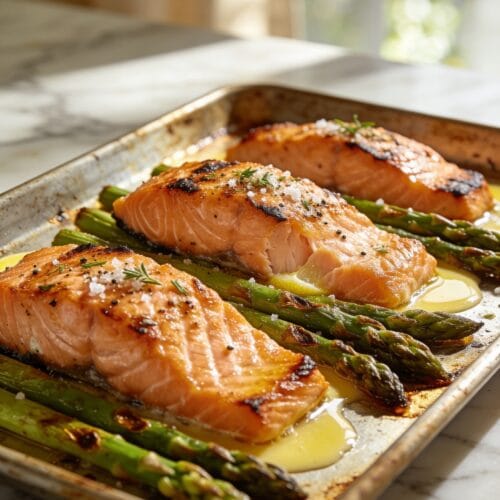
Sheet Pan Salmon & Asparagus
Ingredients
- 4 (6-ounce) skin-on or skinless salmon fillets, about 1 to 1.5 inches thick
- 1.5 pounds fresh asparagus, tough ends trimmed
- 2 tablespoons extra virgin olive oil
- 1 teaspoon Kosher salt, divided
- 1/2 teaspoon freshly ground black pepper, divided
- 4 tablespoons unsalted butter, melted
- 3 cloves garlic, minced
- 1 large lemon (zest of whole, juice of half)
- 2 tablespoons fresh parsley, finely chopped
- 1/4 teaspoon red pepper flakes (optional)
Instructions
- Position an oven rack in the center and preheat to 400°F (200°C). Line a large, rimmed baking sheet with parchment paper.
- On the baking sheet, toss the asparagus with olive oil, 1/2 tsp salt, and 1/4 tsp pepper. Spread in a single layer.
- Roast the asparagus alone for 10 minutes.
- While asparagus roasts, pat salmon fillets completely dry and season with remaining salt and pepper.
- In a small bowl, whisk together melted butter, minced garlic, lemon zest, and optional red pepper flakes.
- Remove the pan from the oven. Push asparagus to the sides and place salmon in the center. Spoon about two-thirds of the butter sauce over the salmon.
- Return the pan to the oven and roast for an additional 10-12 minutes, or until salmon flakes easily and reaches an internal temperature of 135°F.
- Remove from oven, squeeze fresh lemon juice over everything, drizzle with remaining sauce, and garnish with parsley before serving.