Introduction
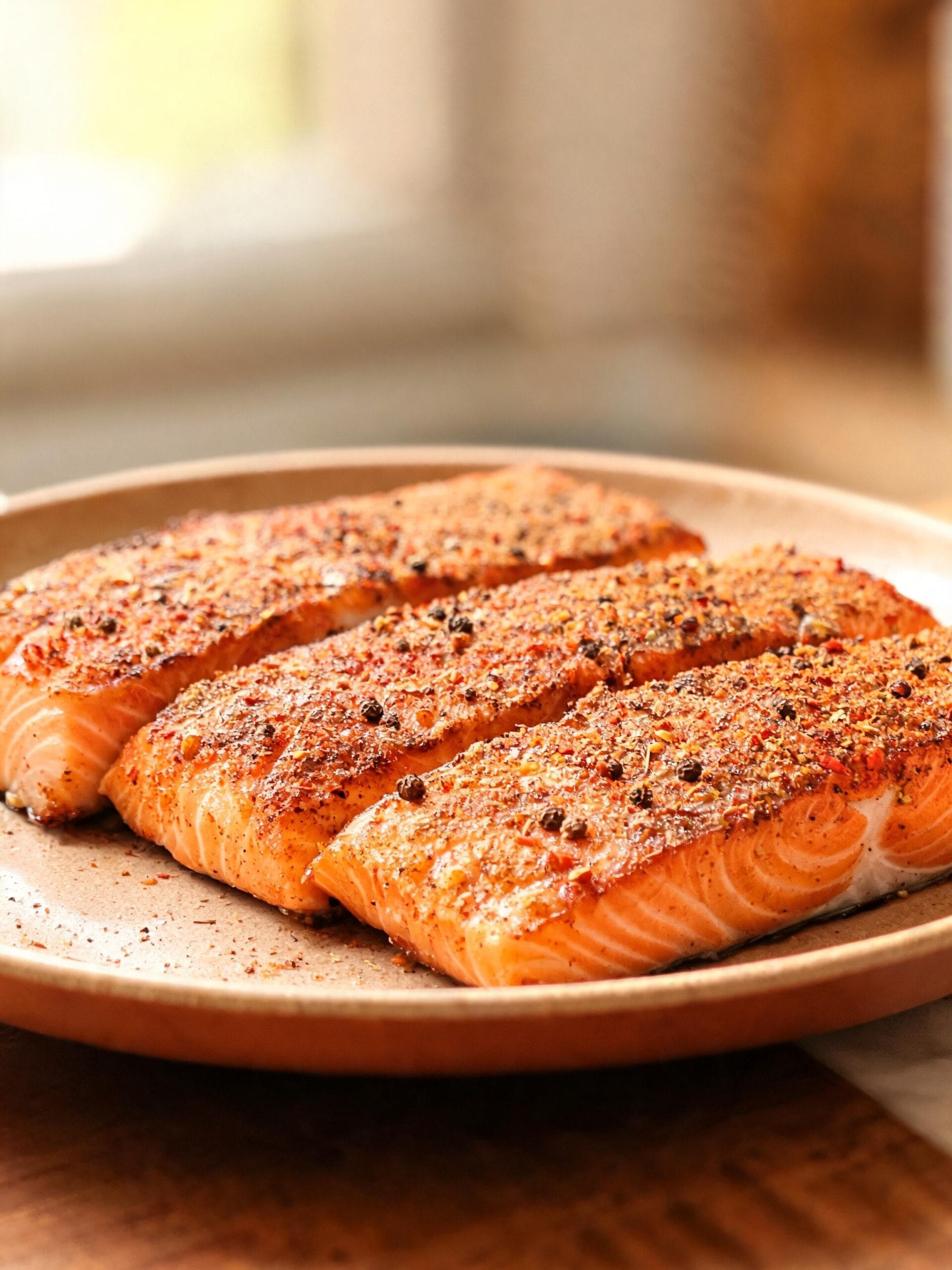
After two decades of cooking seafood professionally, I can tell you that the secret to incredible fish is often simplicity and precise technique. This Spicy Cajun air fryer salmon recipe is the perfect example. We’re not hiding the fish under heavy sauces; we’re using a bold, balanced spice blend and the high, dry heat of the air fryer to create a salmon fillet with a beautifully seasoned crust and a moist, flaky interior. Forget turning on your oven or getting a pan messy. This method is fast, clean, and delivers consistently great results every single time. It’s the kind of weeknight meal that feels special without any of the fuss, and it’s become a go-to way to prepare salmon at home, much like these healthy baked salmon patties.
Why You’ll Love This Recipe
- Incredibly Fast: From fridge to plate in under 20 minutes. The air fryer preheats in a fraction of the time of a conventional oven, and the salmon itself cooks in about 8-10 minutes. It’s the definition of a quick and healthy weeknight dinner.
- Bold, Authentic Flavor: The homemade Cajun spice blend is the star here. It’s a mix of smoky, spicy, and savory notes that form an irresistible crust on the salmon without overwhelming its natural flavor. This isn’t just salt and pepper; it’s a statement.
- Perfect Texture, Every Time: The circulating hot air of the fryer cooks the salmon evenly, leaving the inside perfectly moist and flaky while the outside gets a slight crispness that’s hard to achieve in an oven. It’s a foolproof way to avoid dry, overcooked fish.
Ingredients List
Precision is key in a simple recipe like this. Using the right ingredients ensures the final dish is balanced and flavorful. Here’s exactly what you’ll need for four servings.
For the Salmon:
- Salmon Fillets: 4 (6-ounce) center-cut salmon fillets, skinless. Center-cut fillets are ideal because they have a more uniform thickness, which promotes even cooking. If you can only find skin-on, that’s fine too; the skin will get wonderfully crispy. Make sure they are about 1 to 1.5 inches thick.
- High-Smoke-Point Oil: 1 tablespoon avocado oil or grapeseed oil. You need an oil that can handle the high heat of the air fryer without smoking or imparting a burnt flavor. Olive oil has a lower smoke point and is not the best choice here.
For the Homemade Cajun Spice Blend:
Making your own blend is far superior to store-bought versions, which are often high in salt and old spices. This mix is perfectly balanced.
- Smoked Paprika: 2 teaspoons. This is non-negotiable. Smoked paprika provides the deep, smoky backbone of the flavor profile. Sweet paprika will not give you the same result.
- Garlic Powder: 1 teaspoon. Provides a savory, aromatic base.
- Onion Powder: 1 teaspoon. Adds a subtle sweetness and depth that complements the garlic.
- Dried Thyme: 1 teaspoon. Lends an earthy, slightly minty note that is classic in Cajun cooking.
- Cayenne Pepper: ½ teaspoon (or up to 1 teaspoon for extra heat). This is your heat source. Start with ½ teaspoon if you’re sensitive to spice; you can always add more.
- Black Pepper: ½ teaspoon, freshly ground. The fresh grind makes a world of difference in potency and flavor.
- Fine Sea Salt: 1 teaspoon. Salt is crucial for bringing all the other flavors to life.
Step-by-Step Instructions
Follow these steps closely for a flawless result. The process is quick, so have everything ready before you start.
- Prepare the Spice Blend: In a small bowl, combine the smoked paprika, garlic powder, onion powder, dried thyme, cayenne pepper, black pepper, and fine sea salt. Whisk them together thoroughly with a fork to ensure the blend is homogenous. This prevents getting a pocket of pure cayenne on your fish.
- Prep the Salmon: Remove the salmon fillets from the refrigerator. Pat them completely dry on all sides with a paper towel. This is a critical step. A dry surface is essential for the oil and spices to adhere properly and for a good crust to form. A wet fish will steam, not sear.
- Season the Fillets: Drizzle the tablespoon of avocado oil over the four salmon fillets, using your hands to rub it evenly over the top and sides. This acts as a binder for the spices. Sprinkle the Cajun spice blend generously over the oiled surfaces of the salmon. Don’t be shy; you want a nice, even coating.
- Preheat the Air Fryer: Set your air fryer to 400°F (200°C) and let it preheat for 3-5 minutes. An already-hot basket prevents the salmon from sticking and helps kickstart the cooking process for a better crust.
- Cook the Salmon: Carefully place the seasoned salmon fillets in the preheated air fryer basket in a single layer. Make sure they are not overlapping; they need space for the hot air to circulate. Cook for 8-10 minutes. The exact time will depend on the thickness of your fillets and the specific model of your air fryer.
- Check for Doneness and Rest: The salmon is done when it flakes easily with a fork or reaches an internal temperature of 135-140°F on an instant-read thermometer. Carefully remove the fillets from the basket. Let them rest for 1-2 minutes before serving. This allows the juices to redistribute, ensuring a moist fillet.
Chef’s Pro Tips for Success
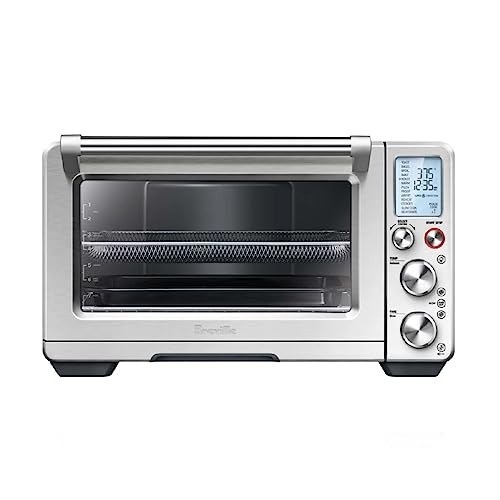
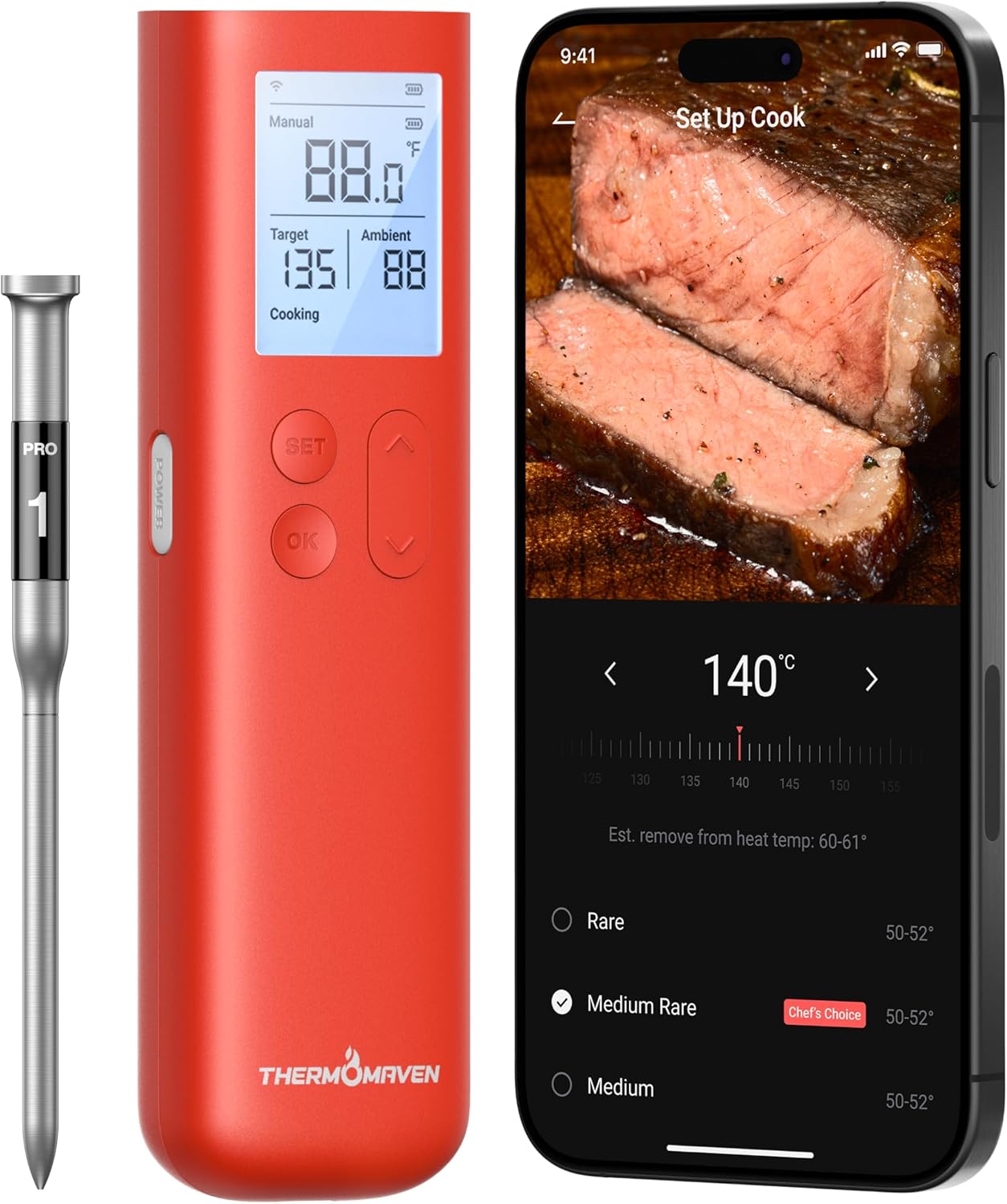
Speaking of precision tools, my absolute non-negotiable for fish is a reliable digital thermometer. Overcooking salmon by even 30 seconds can be the difference between a succulent fillet and a dry, disappointing one. After trying countless gadgets, I’ve landed on the ThermoMaven Smart Wireless Meat Thermometer. It removes all the guesswork. I can monitor the internal temperature from my phone without opening the air fryer and letting heat escape, ensuring I pull the salmon at that perfect 135°F every single time. It’s the secret weapon to consistently moist results.
If you’re ready to stop guessing and start cooking fish with complete confidence, I highly recommend grabbing one of these for your kitchen.
ThermoMaven Smart Wireless Meat Thermometer
✓ prime
We earn a commission if you make a purchase, at no additional cost to you.
After years of cooking salmon, I’ve learned a few things that separate good salmon from great salmon. Here are my top tips for this recipe.
- 1. The Dry Brine Technique: For an even more flavorful and moist fillet, try a quick dry brine. After patting the salmon dry, season it just with the salt from the recipe. Let it sit in the fridge, uncovered, on a rack for 15-30 minutes. The salt will draw out some moisture, then dissolve into it, creating a brine that gets reabsorbed into the fish. This seasons the salmon more deeply and helps it retain moisture during cooking. Pat it dry again before oiling and adding the rest of the spices.
- 2. Don’t Overcrowd the Basket: This is the cardinal rule of air frying. The magic of an air fryer comes from rapidly circulating hot air. If you pack the fillets in too tightly, you block that airflow. The salmon will steam instead of ‘frying’, resulting in a pale, soft exterior instead of a nicely browned crust. Cook in two batches if your air fryer is small.
- 3. Use an Instant-Read Thermometer: The single best tool for cooking fish perfectly is a digital instant-read thermometer. Visual cues like ‘flaking with a fork’ are subjective and often lead to overcooking. For medium-rare to medium, pull the salmon when the thickest part reads 135°F. It will continue to cook from residual heat (carryover cooking) and reach a perfect 140-145°F as it rests.
- 4. Cook Skin-Side Up (If Using Skin-On): If you opt for skin-on salmon, place it skin-side UP in the air fryer. The direct, intense heat from the top element will render the fat and make the skin incredibly crispy and delicious, like a salmon potato chip. If you cook it skin-side down, the skin will often stick and get soggy.
- 5. Let It Rest: Just like a good steak, salmon benefits from a short rest after cooking. When you pull it from the intense heat of the air fryer, the muscle fibers are tensed up. Letting it rest for just 2-3 minutes allows those fibers to relax and the juices to redistribute throughout the fillet. If you cut into it immediately, all that moisture will pour out onto your plate. This is a simple step that makes a huge difference in the final texture of your air fryer salmon.
Common Mistakes to Avoid
It’s easy to get this recipe right, but a few common missteps can compromise the result. Here’s what to watch out for.
- Forgetting to Preheat: Tossing cold salmon into a cold air fryer basket is a recipe for disaster. The salmon will heat up slowly with the machine, causing it to cook unevenly and stick horribly to the basket. Preheating ensures the cooking starts the moment the fish goes in, giving you a better sear and preventing sticking.
- Using Unevenly Sized Fillets: If you’re cooking a thick center-cut piece next to a thin tail piece, one will be perfectly cooked while the other is either raw or dry as a bone. Always select fillets of a similar thickness. If you have different sizes, you must cook them for different amounts of time, which is a hassle. Uniformity is your friend.
- Skipping the ‘Pat Dry’ Step: I mentioned this in the instructions, but it’s the most common mistake I see. Moisture is the enemy of a good crust. A wet fillet will steam in the air fryer. The energy of the heat will be spent evaporating the water on the surface instead of browning the fish. The result is pale, soft, and less flavorful. It takes 10 seconds with a paper towel and is non-negotiable for a great air fryer salmon.
- Overcooking the Salmon: Salmon goes from perfectly cooked to dry and chalky in less than a minute. Many people cook it until it’s completely opaque and firm all the way through, which is too far. The goal is a slightly translucent, deep pink center. Trust your thermometer and pull it before it looks ‘done’. The carryover heat will finish the job while it rests.
Variations and Serving Ideas
This Spicy Cajun air fryer salmon is a fantastic base. Once you master the technique, you can easily change the flavor profile.
- Lemon Herb Variation: Swap the Cajun blend for 1 teaspoon each of dried dill and garlic powder, ½ teaspoon of onion powder, and ½ teaspoon of black pepper. After cooking, squeeze fresh lemon juice over the top and sprinkle with fresh chopped parsley.
- Honey Garlic Glaze: For a sweet and savory twist, mix 2 tablespoons of honey, 1 tablespoon of soy sauce, and 2 minced garlic cloves. Season the salmon with salt and pepper, air fry for 5 minutes, then brush the glaze on and cook for another 3-4 minutes until caramelized. Keep a close eye on it, as the honey can burn quickly.
- Salmon Tacos: Flake the cooked Cajun salmon into pieces and serve in warm corn tortillas. Top with a mango salsa, avocado crema, and shredded cabbage for an incredible fish taco night.
- Spicy Salmon Salad: Let the cooked salmon cool slightly, then flake it over a bed of mixed greens, cherry tomatoes, cucumber, and red onion. A creamy avocado dressing or a simple lemon vinaigrette works beautifully.
What to Serve With
This salmon pairs well with a wide variety of sides. The key is to choose something that complements the spicy, bold flavors without competing.
- Cooling Slaw: A creamy, crunchy coleslaw is the perfect counterpoint to the Cajun spice. The coolness and tanginess cut through the richness of the salmon.
- Roasted Vegetables: Asparagus, broccoli, or green beans are excellent choices. You can toss them with a little oil, salt, and pepper and often cook them right alongside the salmon for a true one-pot meal, a technique that also works well for our Soy Ginger baked salmon recipe.
- Dirty Rice or Quinoa: For a heartier meal, serve the salmon over a bed of classic Cajun dirty rice. For a healthier option, fluffy quinoa or brown rice works great to soak up the flavors.
- Avocado Salsa: A simple mix of diced avocado, red onion, cilantro, lime juice, and a pinch of salt provides a creamy, fresh element that balances the heat of the spices.
Storage and Reheating
Properly storing and reheating cooked fish is crucial to maintaining its quality.
Storage: Let the salmon cool completely to room temperature. This prevents condensation from forming in the container, which can make the fish soggy. Store it in an airtight container in the refrigerator for up to 2 days. After that, the texture and flavor begin to degrade quickly.
Reheating: The air fryer is your best friend again. Avoid the microwave at all costs, as it will turn the salmon rubbery and dry. To reheat, place the cold salmon fillet in the air fryer and heat at 350°F (175°C) for just 3-4 minutes. This is just enough time to warm it through without overcooking it further, and it helps to re-crisp the exterior slightly.
FAQs (People Also Ask)
1. Can I cook frozen salmon in the air fryer?
Yes, you can, but it requires a different technique. Cook the frozen, unseasoned fillet at 390°F for about 7 minutes to thaw it. Then, remove it, pat it dry, brush with oil, add your spices, and return it to the air fryer to cook for another 5-8 minutes until done. The texture won’t be quite as perfect as with fresh salmon, but it’s a great option in a pinch.
2. How do I know when my salmon is done without a thermometer?
While a thermometer is best, you can use a fork. Gently press the thickest part of the fillet with the tines of a fork. If the fish separates easily into flakes, it’s done. If it’s resistant or looks very wet and translucent, it needs more time. Be careful—the moment it flakes easily, it’s ready. Any longer and it will be overcooked.
3. Is skin-on or skinless salmon better for the air fryer?
Both work great, but they offer different experiences. Skinless is simpler and what this recipe calls for. However, skin-on salmon is fantastic in the air fryer because the skin gets exceptionally crispy. If using skin-on, I recommend cooking it skin-side up for maximum crispiness. The skin also provides a barrier that can help prevent the flesh from overcooking.
4. Why did my salmon stick to the air fryer basket?
This usually happens for one of three reasons: you didn’t preheat the air fryer, you didn’t use enough oil on the fish, or your basket’s non-stick coating is worn out. Always preheat, ensure the fish has a light but complete coating of oil, and if sticking persists, a light spritz of cooking spray on the basket before adding the fish can help.
5. Can I make the Cajun spice blend ahead of time?
Absolutely. I highly recommend it. You can make a large batch of the spice blend and store it in an airtight container or spice jar in a cool, dark place like your pantry. It will stay fresh for up to 6 months. Having it on hand makes preparing this air fryer salmon recipe even faster.
Nutrition Facts
(Per serving. Estimates only, varies by exact ingredients used)
Conclusion
This recipe is more than just a set of instructions; it’s a technique that will give you confidence in cooking fish. Once you nail this Spicy Cajun Air Fryer Salmon, you’ll see just how easy it is to create a healthy, flavorful, and impressive meal any night of the week. Give it a try, and I promise it will earn a permanent spot in your dinner rotation.
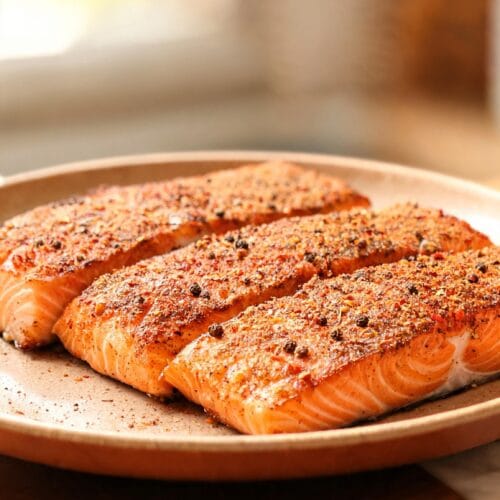
Spicy Cajun Air Fryer Salmon
Ingredients
- 4 (6-ounce) center-cut salmon fillets, skinless
- 1 tbsp avocado oil
- 2 tsp smoked paprika
- 1 tsp garlic powder
- 1 tsp onion powder
- 1 tsp dried thyme
- ½ tsp cayenne pepper (or more, to taste)
- ½ tsp freshly ground black pepper
- 1 tsp fine sea salt
Instructions
- In a small bowl, whisk together the smoked paprika, garlic powder, onion powder, dried thyme, cayenne pepper, black pepper, and salt to create the Cajun spice blend.
- Pat the salmon fillets completely dry with a paper towel. Rub them all over with the avocado oil.
- Sprinkle the Cajun spice blend generously and evenly over the top and sides of each salmon fillet.
- Preheat your air fryer to 400°F (200°C) for 3-5 minutes.
- Place the seasoned salmon fillets in the air fryer basket in a single layer, ensuring they do not overlap.
- Cook for 8-10 minutes, until the salmon flakes easily with a fork or an instant-read thermometer inserted into the thickest part reads 135-140°F.
- Carefully remove the salmon from the basket and let it rest for 1-2 minutes before serving.