
Introduction
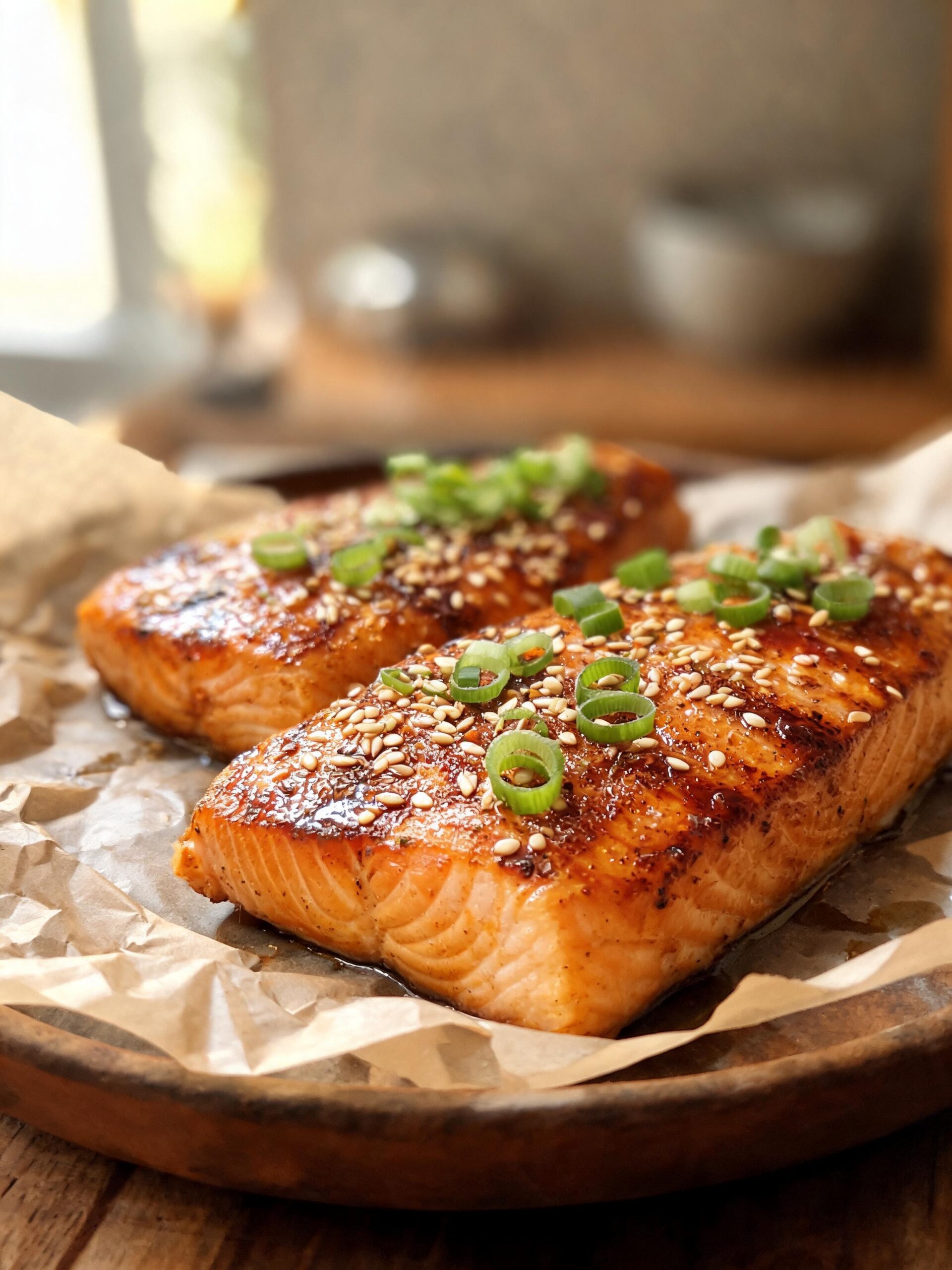
After 20 years behind the line in professional kitchens, I’ve seen countless trends come and go, but the demand for simple, reliable baked salmon recipes has never faded. People want a healthy, delicious meal that doesn’t take all night to prepare, and baked salmon fits that bill perfectly. The problem is, many recipes are either too bland or overly complicated. This Soy Ginger Baked Salmon is the solution. It’s the recipe I make at home after a long shift, and the one that consistently gets rave reviews. It strikes the perfect balance: a deeply savory, slightly sweet glaze that caramelizes beautifully, keeping the salmon incredibly moist. Forget dry, flavorless fish. This is one of those foundational recipes that will become a permanent part of your weekly rotation, and if you’re looking for another high-protein option, our Baked Healthy Salmon Patties are a fantastic choice.
Why You’ll Love This Recipe
- Lightning Fast: We’re talking 15 minutes of prep and about 20 minutes in the oven. You can have a restaurant-quality meal on the table in about 35 minutes, which is a lifesaver on busy weeknights.
- Huge Flavor, Minimal Effort: The marinade does all the heavy lifting. It’s a simple combination of pantry staples that creates a complex, savory-sweet glaze that tastes like it took hours to develop.
- Foolproof and Forgiving: Baking is one of the most forgiving ways to cook salmon. This method, combined with my pro tips, ensures moist, perfectly cooked fish every single time, even if you’re a beginner.
Ingredients List
Precision is key in a good recipe. Using quality ingredients will make a noticeable difference in the final dish. Here’s exactly what you’ll need for four servings.
For the Salmon:
- Salmon Fillets: 4 (6-ounce) center-cut salmon fillets, about 1 to 1.5 inches thick. Skin-on or skinless works, but skin-on helps protect the flesh from overcooking. I prefer King or Coho salmon for their rich flavor and high-fat content, which keeps them moist.
- Kosher Salt: 1/2 teaspoon, for a quick pre-seasoning.
- Avocado Oil or other neutral oil: 1 tablespoon, to coat the baking dish.
For the Soy Ginger Marinade:
- Low-Sodium Soy Sauce: 1/3 cup. Using low-sodium gives you control over the saltiness and allows the other flavors to come through. If using regular soy sauce, reduce the amount to 1/4 cup.
- Honey or Pure Maple Syrup: 3 tablespoons. This provides the sweetness and is crucial for creating that beautiful, caramelized glaze. Honey gets a bit stickier, while maple adds a slightly different earthy note.
- Fresh Ginger: 1 tablespoon, finely grated. Don’t use ginger powder here. The fresh stuff has a bright, zesty heat that is essential to the flavor profile. Use a microplane for the best results.
- Fresh Garlic: 3 cloves, minced. Same as the ginger, fresh is non-negotiable. It provides a pungent, aromatic depth.
- Toasted Sesame Oil: 1 teaspoon. This is a finishing oil, not a cooking oil. It adds a powerful, nutty aroma and flavor that ties everything together. A little goes a long way.
- Rice Vinegar: 1 tablespoon. This little bit of acid cuts through the richness of the salmon and the sweetness of the honey, balancing the entire marinade.
For Garnish (Optional):
- Toasted Sesame Seeds: 1 tablespoon
- Scallions: 2, thinly sliced
Step-by-Step Instructions
Follow these steps precisely for perfect results. The visual cues are what we use in a professional kitchen to know when things are ready.
- Prepare the Salmon: Remove the salmon from the refrigerator about 20-30 minutes before you plan to cook. Pat the fillets completely dry with paper towels. This is a critical step for getting a good texture. Season all sides lightly with the 1/2 teaspoon of kosher salt. Let it sit on the counter while you prepare the marinade.
- Preheat and Prep the Pan: Position an oven rack in the center of your oven and preheat to 400°F (200°C). Lightly grease a baking dish or a rimmed baking sheet with the avocado oil. Choose a dish that fits the salmon fillets snugly without them overlapping.
- Whisk the Marinade: In a small bowl, combine the low-sodium soy sauce, honey (or maple syrup), grated ginger, minced garlic, toasted sesame oil, and rice vinegar. Whisk vigorously until the honey is fully dissolved and the mixture is well combined.
- Marinate the Salmon: Place the salmon fillets in the prepared baking dish. Pour about two-thirds of the marinade over the fillets, making sure to coat them evenly. Reserve the remaining one-third of the marinade for later. Let the salmon marinate at room temperature for 15-20 minutes. Do not exceed 30 minutes.
- Bake the Salmon: Transfer the baking dish to the preheated oven. Bake for 12-15 minutes. The exact time will depend on the thickness of your fillets. The salmon is nearly done when it’s mostly opaque but still has a slightly translucent center.
- Glaze and Broil (Optional but Recommended): For a perfect restaurant-style finish, carefully remove the baking dish from the oven. Switch the oven setting to a high broil. Brush the reserved marinade over the tops of the fillets. Return the dish to the oven, placing it about 6-8 inches from the broiler element. Broil for 1-3 minutes, watching it like a hawk. The glaze should bubble and caramelize in spots. Do not walk away, as it can burn in seconds.
- Rest and Serve: Remove the salmon from the oven. Let it rest in the baking dish for 5 minutes. This allows the juices to redistribute, resulting in a moister fillet. Garnish with toasted sesame seeds and sliced scallions before serving.
Chef’s Pro Tips for Success
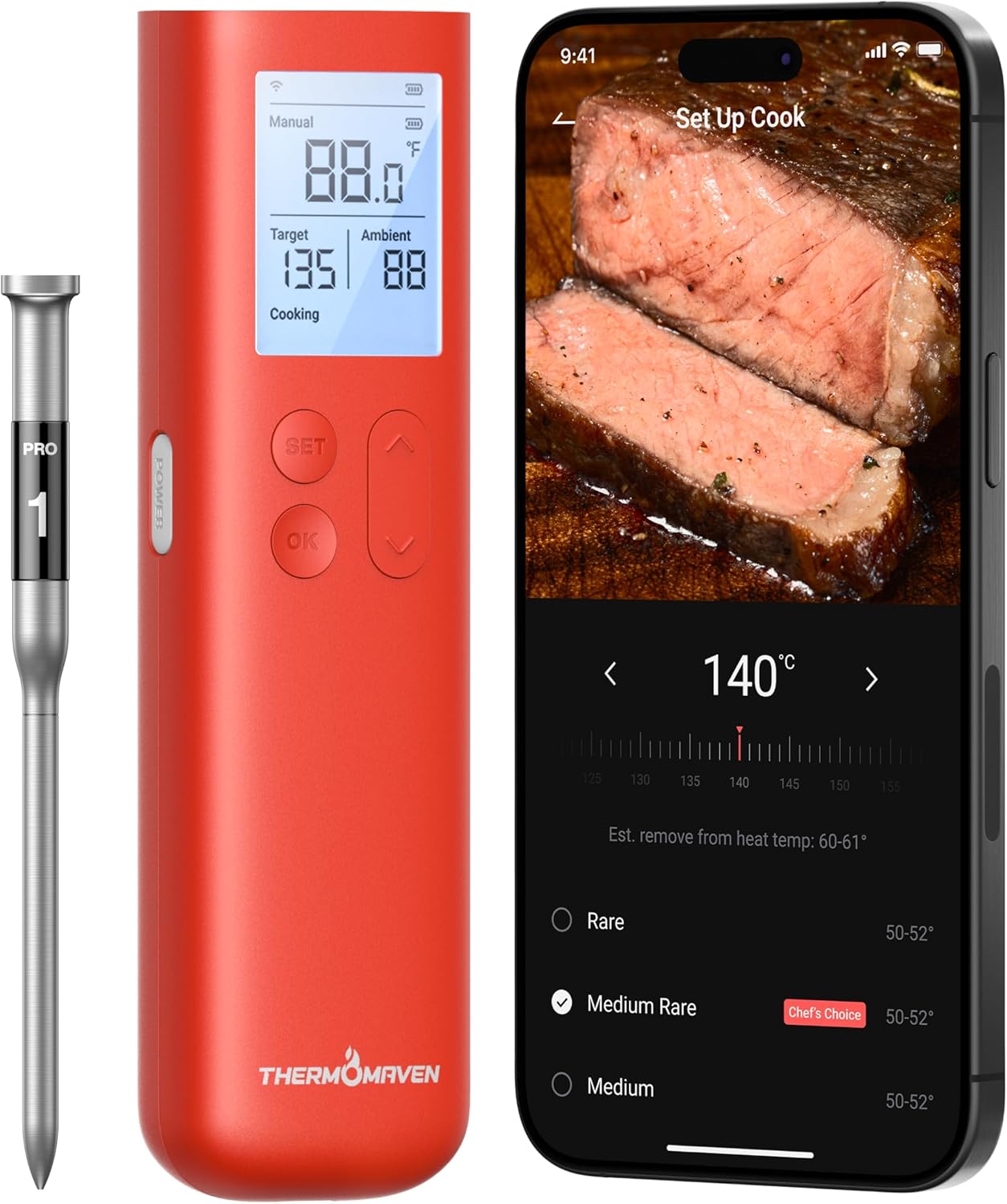
Of all the tips here, the one about mastering temperature is non-negotiable. I’ve seen more salmon ruined by guesswork than anything else. The single most important tool in my kit for guaranteeing moist, flaky fish is a high-quality digital meat thermometer. It’s how I know with certainty when to pull the fillet from the oven at that perfect 125°F mark, before carryover cooking turns it dry. If you’re ready to stop guessing and start cooking perfect salmon consistently, this is the tool that will get you there.
ThermoMaven Smart Wireless Meat Thermometer
✓ prime
We earn a commission if you make a purchase, at no additional cost to you.
These are the details that separate a decent home-cooked meal from a truly professional one. Pay attention to these techniques.
- The 15-Minute Dry Brine: That initial sprinkle of kosher salt isn’t just for seasoning. It’s a quick dry brine. It draws a tiny bit of moisture from the surface of the fish, which then dissolves the salt and gets reabsorbed. This process firms up the protein structure of the salmon, leading to a flakier, less ‘mushy’ texture after baking. It’s a simple step that makes a huge difference.
- Don’t Over-Marinate Your Fish: The rice vinegar and the natural acidity in soy sauce will start to denature the proteins on the surface of the salmon if left for too long. This is the same process that ‘cooks’ fish in ceviche. Marinating for more than 30 minutes can result in a chalky, mealy texture on the outside of your cooked fillet. 15-20 minutes is the sweet spot for flavor penetration without compromising texture.
- Master Temperature, Not Time: An instant-read thermometer is a chef’s best friend. The ‘flake with a fork’ test often leads to overcooked salmon because by the time it flakes easily, the carryover heat will push it past its prime. For perfectly moist, medium salmon, pull it from the oven when the thickest part reads 125°F (52°C). As it rests, the temperature will rise to a perfect 130-135°F. This is the single most important tip for consistently great salmon.
- Minimize the Albumin: That white, curdled-looking stuff that sometimes seeps out of salmon is called albumin. It’s a protein that gets pushed out when the muscle fibers contract aggressively from heat shock. Bringing your salmon to room temperature for 20-30 minutes before baking helps it cook more gently and evenly, significantly reducing the amount of albumin that appears. A gentle cooking process is a clean cooking process.
- The Broiler is Your Caramelization Tool: Baking at 400°F is great for cooking the salmon through gently, but it’s not intense enough to quickly caramelize the sugars in the honey and soy sauce. Using the broiler for the final 1-2 minutes creates a targeted blast of top-down heat. This gives you that beautiful, bubbly, slightly charred glaze without adding significant cooking time that would dry out the fish. This two-stage cooking method is a classic restaurant trick for many baked salmon recipes.
Common Mistakes to Avoid
I see these mistakes all the time, both from home cooks and rookies in my kitchen. Avoid them, and your results will improve dramatically.
- Cooking Salmon Straight From the Fridge: Putting an ice-cold piece of fish into a hot oven is a recipe for disaster. The exterior will cook far too quickly while the center remains raw. By the time the inside is cooked, the outside is dry and tough. Letting it sit on the counter for 20-30 minutes allows the temperature to even out, promoting a much more uniform cooking process.
- Not Patting the Fillet Dry: Moisture is the enemy of browning and caramelization. If you pour your marinade over a wet piece of salmon, you’re essentially steaming the surface instead of roasting it. The marinade won’t adhere as well, and you’ll miss out on that delicious glazed texture. A thoroughly dried surface is a blank canvas for flavor.
- Relying Only on Cook Time: Ovens vary, and salmon fillets are never the exact same thickness. Blindly following a 15-minute timer without checking the fish is the number one cause of overcooked salmon. Start checking a few minutes early. Look for the visual cues (opacity) and, ideally, use a thermometer. This is why understanding the ‘how’ and ‘why’ is more important than just the ‘how long’ in so many baked salmon recipes.
- Crowding the Baking Dish: If you squeeze the fillets too tightly together, you create a steamy environment. Hot air needs to circulate freely around each piece of fish to roast it properly. If they’re touching, the sides won’t cook correctly, and you’ll lose the opportunity for delicious caramelized edges. Give each fillet at least an inch of space.
Variations and Serving Ideas
Once you master the base recipe, you can start experimenting. This is a fantastic template for all sorts of flavor profiles.
- Add Some Heat: Whisk 1-2 teaspoons of sriracha, sambal oelek, or your favorite chili garlic sauce into the marinade for a spicy kick that cuts through the richness of the fish.
- Introduce Citrus: Add the zest of one lime or half an orange to the marinade. The bright, fragrant oils in the zest complement the soy and ginger beautifully without adding too much extra acidity. A squeeze of fresh lime juice over the finished dish is also excellent.
- Make it Herbaceous: While the salmon is resting, toss a handful of chopped fresh cilantro or Thai basil over the top. The residual heat will wilt the herbs slightly and release their incredible aroma.
- Turn it into Bowls: Serve the flaked salmon over a bed of jasmine rice or quinoa. Add steamed edamame, sliced avocado, pickled ginger, and a drizzle of the pan sauce to create a delicious and complete meal bowl. This is one of my favorite ways to adapt baked salmon recipes for a modern, healthy lunch.
What to Serve With
The beauty of this dish is its versatility. It pairs well with a wide range of sides.
- Steamed Vegetables: Simple steamed broccoli, bok choy, or green beans are perfect. They provide a fresh, clean contrast to the rich glaze. Drizzle a little of the pan sauce over them for extra flavor.
- Roasted Vegetables: Roasted asparagus or broccolini are fantastic choices. These sides also pair wonderfully with other flavor profiles, like our popular cherry tomato and basil baked salmon recipe. Toss them with a little olive oil, salt, and pepper, and they can often cook in the oven right alongside the fish.
- Grains: The sauce is practically begging to be soaked up by something. Serve with fluffy jasmine rice, nutty brown rice, or quinoa. For a real treat, try it with coconut rice.
- Salad: A simple cucumber salad with a light rice vinegar dressing or a mixed green salad with a sesame ginger vinaigrette provides a refreshing counterpoint.
Storage and Reheating
Leftover salmon can be fantastic, but you have to handle it correctly to avoid drying it out.
- Storage: Let the salmon cool completely to room temperature. Store it in an airtight container in the refrigerator for up to 2 days. The flavor is often even better the next day as the marinade continues to permeate the fish.
- Reheating: The microwave is your enemy here; it will turn the salmon rubbery. The best way to reheat is low and slow. Place the salmon in a small, oven-safe dish, add a splash of water or broth to the bottom of the dish, and cover it tightly with foil. Heat in a 275°F (135°C) oven for 10-15 minutes, or until just warmed through. This gentle, steamy environment preserves its moisture.
- Enjoying Cold: Don’t underestimate leftover cold salmon. Flake it over a salad, mix it with a little mayo and sriracha for a quick salmon salad sandwich, or toss it with soba noodles for a delicious cold noodle salad.
FAQs (People Also Ask)
1. Can I use frozen salmon for this recipe?
Absolutely. Just make sure you thaw it properly first. The best method is to move it from the freezer to the refrigerator the night before you plan to cook it. Never thaw fish at room temperature or in hot water. Once thawed, pat it extremely dry with paper towels before proceeding with the recipe.
2. How do I know when salmon is cooked without a thermometer?
While a thermometer is best, you can use a visual cue. Insert the tip of a small knife or a fork into the thickest part of the fillet and gently twist. The flesh should be mostly opaque and should start to separate into flakes easily, but still have a hint of translucency in the very center. If it’s uniformly pink and flakes apart with no resistance, it’s likely already overcooked.
3. Is skin-on or skinless salmon better for baking?
Both work, but I have a preference for skin-on. The skin provides a layer of insulation that protects the delicate flesh from the direct heat of the pan, making it more forgiving and helping to prevent it from drying out. If you bake it skin-side down, the skin will not get crispy, but it peels off easily after cooking if you don’t want to eat it.
4. I’m gluten-free. Can I make this recipe?
Yes, this is an easy substitution. Simply replace the low-sodium soy sauce with an equal amount of tamari, which is a gluten-free alternative with a very similar flavor profile. You can also use liquid aminos or coconut aminos, though you may need to adjust the salt level slightly.
5. Can I make the soy ginger marinade ahead of time?
Definitely. You can whisk all the marinade ingredients together and store them in an airtight container or jar in the refrigerator for up to 5 days. This makes weeknight prep even faster. Just give it a good shake or whisk before you pour it over the salmon.
Nutrition
Nutrition Facts
(Per serving. Estimates only, varies by exact ingredients used)
Conclusion
This Soy Ginger Baked Salmon is more than just a recipe; it’s a technique and a promise of a delicious, stress-free meal. It proves that you don’t need a lot of time or a long list of ingredients to create something truly special. I hope this becomes one of your go-to baked salmon recipes, just as it has become one of mine. Give it a try, and I guarantee you’ll feel like a pro in your own kitchen.
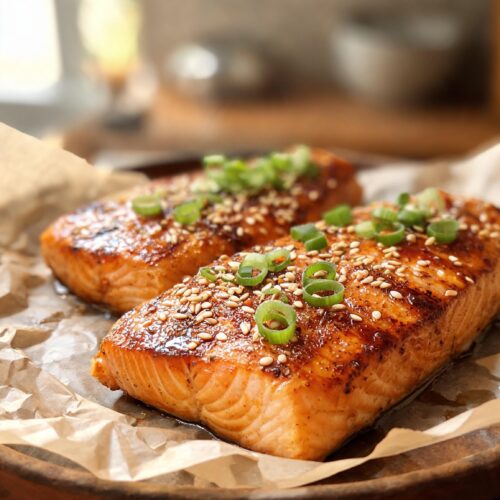
Soy Ginger Baked Salmon
Ingredients
- 4 (6-ounce) center-cut salmon fillets
- 1/2 tsp Kosher Salt
- 1 tbsp Avocado Oil
- 1/3 cup Low-Sodium Soy Sauce
- 3 tbsp Honey or Pure Maple Syrup
- 1 tbsp Fresh Ginger, finely grated
- 3 cloves Fresh Garlic, minced
- 1 tsp Toasted Sesame Oil
- 1 tbsp Rice Vinegar
- 1 tbsp Toasted Sesame Seeds (for garnish)
- 2 Scallions, thinly sliced (for garnish)
Instructions
- Bring salmon to room temperature for 20-30 minutes. Pat completely dry and season with kosher salt.
- Preheat oven to 400°F (200°C). Lightly grease a baking dish.
- In a small bowl, whisk together soy sauce, honey, ginger, garlic, sesame oil, and rice vinegar.
- Place salmon in the baking dish. Pour two-thirds of the marinade over the fillets, reserving the rest. Let marinate for 15-20 minutes.
- Bake for 12-15 minutes, until mostly opaque.
- Switch oven to a high broil. Brush reserved marinade over the salmon.
- Broil for 1-3 minutes until the glaze is bubbly and caramelized. Watch closely to prevent burning.
- Rest for 5 minutes, then garnish with sesame seeds and scallions before serving.