Introduction
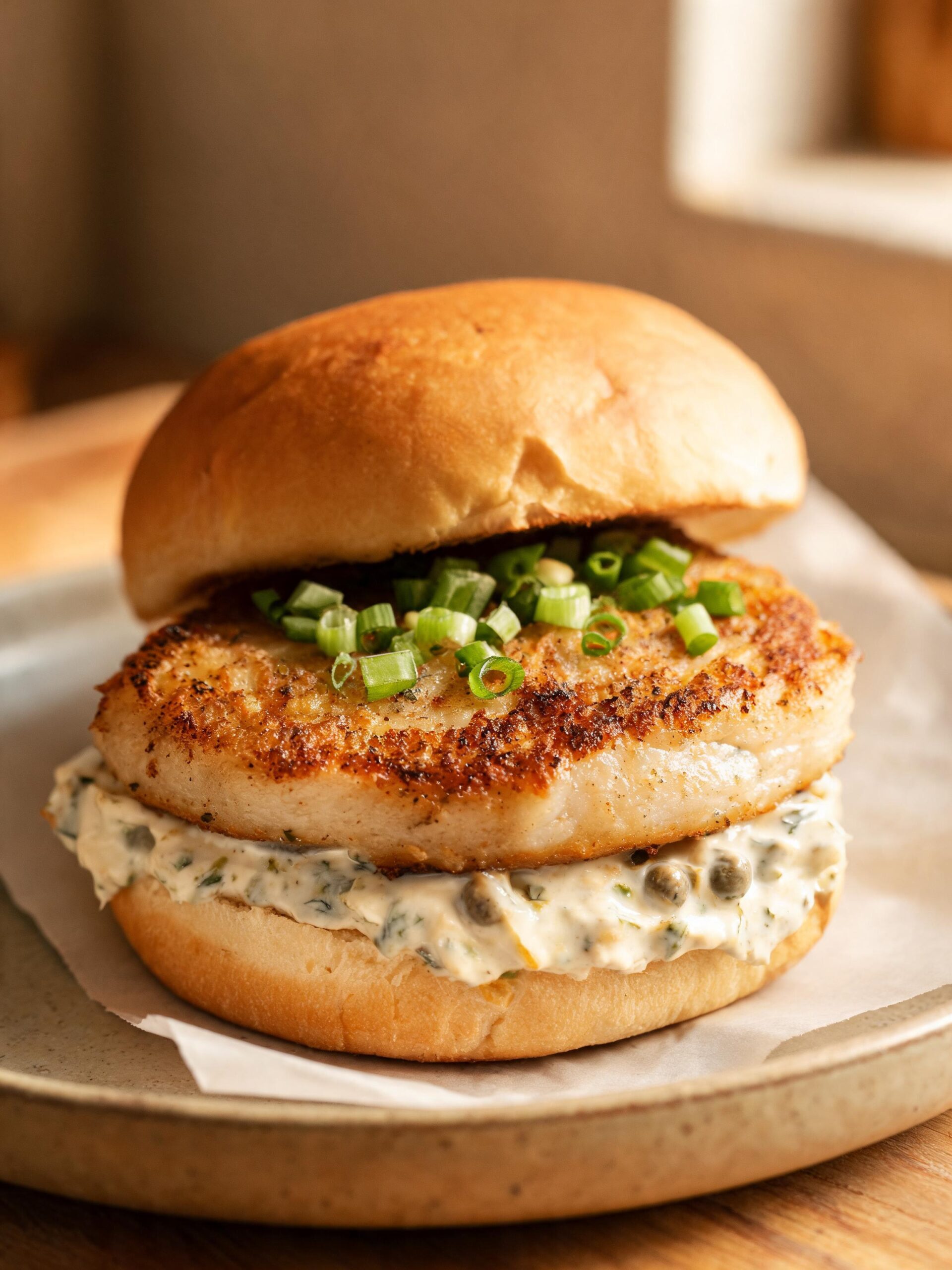
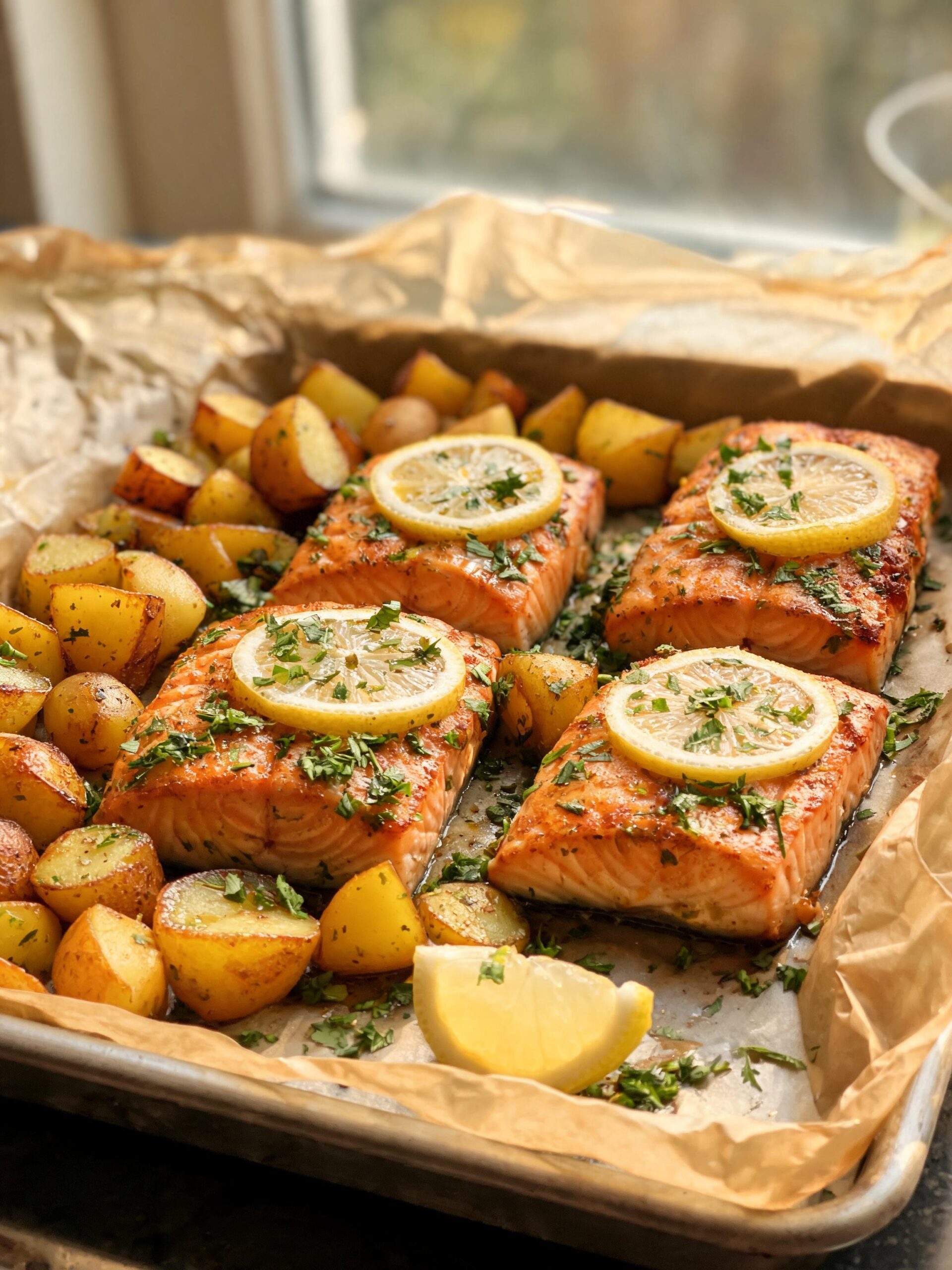
After twenty years of running professional seafood kitchens, I’ve seen countless trends come and go, but the demand for simple, reliable baked salmon recipes has never faded. It’s the one dish everyone wants to master at home. Forget complicated techniques and a sink full of dishes. This Baked Salmon and Potatoes recipe is the answer. It’s a complete one-pan meal that delivers a perfectly flaky, moist salmon fillet alongside crispy, seasoned potatoes every single time. This isn’t just another recipe; it’s a foundational technique that can be adapted for other great dishes, like our high-protein baked healthy salmon patties. I’ve stripped away the unnecessary steps to give you a straightforward method that works, whether it’s a busy Tuesday night or you’re cooking for guests. We’ll focus on the critical details: selecting the right cut of fish, getting the potatoes perfectly roasted, and timing everything so it all finishes together. This is one of those essential baked salmon recipes that will become a permanent part of your cooking rotation.
Why You’ll Love This Recipe
- One-Pan Simplicity: The entire meal—protein and starch—cooks on a single sheet pan. This means incredibly easy prep and even easier cleanup, getting you out of the kitchen faster.
- Perfectly Timed: My method ensures the potatoes get a head start to become crispy and tender, while the salmon is added later to cook to a perfect, flaky medium without drying out. No more juggling different pans and timers.
- Healthy and Flavorful: This dish is packed with heart-healthy omega-3s from the salmon and wholesome carbs from the potatoes. The simple seasoning of garlic, herbs, and lemon lets the quality of the ingredients shine through.
Ingredients List
The key to a great dish is great ingredients. Don’t compromise here. For a recipe this simple, quality is everything. This serves four people generously.
For the Potatoes:
- 1.5 lbs Baby Yukon Gold Potatoes: I specify Yukon Golds for a reason. Their waxy texture and thin skin mean they hold their shape beautifully when roasted and develop a creamy interior with a wonderfully crisp exterior. Russets can become mealy. Halve them if they are small, or quarter them if they’re on the larger side. The goal is uniform, bite-sized pieces, about 1-inch thick.
- 2 tbsp Olive Oil: Use a good quality extra-virgin olive oil. You’ll taste it. This helps the potatoes crisp up and prevents them from sticking to the pan.
- 1 tsp Dried Oregano: Oregano has a robust, peppery flavor that pairs exceptionally well with roasted potatoes and lemon.
- 1/2 tsp Garlic Powder: Using garlic powder here instead of fresh minced garlic prevents burning during the initial high-heat roast of the potatoes. We’ll add fresh garlic later with the salmon.
- 1/2 tsp Kosher Salt: Kosher salt’s larger crystals provide better texture and seasoning distribution than table salt.
- 1/4 tsp Black Pepper: Freshly ground is always best for a more potent flavor.
For the Salmon and Assembly:
- 4 (6 oz) Salmon Fillets: Ask your fishmonger for center-cut fillets, about 1 to 1.5 inches thick. This thickness is crucial for even cooking. You can use King (Chinook), Coho, or Atlantic salmon. Skin-on is my preference as it provides a protective barrier against the pan’s heat, resulting in a moister fillet.
- 1 tbsp Olive Oil: Just enough to brush over the salmon to help the seasonings adhere and promote a beautiful color.
- 2 Cloves Fresh Garlic, minced: Now is the time for fresh garlic. Its pungent flavor will perfume the salmon as it bakes for a shorter period, preventing it from burning.
- 1 tsp Dried Dill: Dill and salmon are a classic pairing. Its slightly anise-like flavor is a perfect complement to the rich fish.
- 1/2 tsp Kosher Salt and 1/4 tsp Black Pepper: To season the fish properly.
- 1 Lemon: You’ll use the whole thing. Half will be thinly sliced and placed on the salmon during baking, which infuses the fish with flavor and moisture. The other half will be cut into wedges for squeezing over the finished dish.
- 2 tbsp Fresh Parsley, chopped: For a fresh, bright finish at the end. Don’t add it before baking, or it will wilt and lose its flavor.
Step-by-Step Instructions
Follow this sequence exactly. The timing is the most critical part of a successful one-pan meal.
- Preheat and Prep Potatoes: Position an oven rack in the center of your oven and preheat to 400°F (200°C). On a large, rimmed baking sheet, toss the halved baby potatoes with 2 tablespoons of olive oil, dried oregano, garlic powder, 1/2 teaspoon kosher salt, and 1/4 teaspoon black pepper. Spread them into a single, even layer, ensuring they are not overcrowded.
- First Roast (Potatoes Only): Place the baking sheet in the preheated oven and roast for 20 minutes. The potatoes should be starting to soften and show the first signs of browning on the edges. This head start is non-negotiable for getting them perfectly cooked.
- Prepare the Salmon: While the potatoes are roasting, prepare the salmon. Pat the salmon fillets completely dry with paper towels. This is a critical step for getting a good texture. In a small bowl, mix together the minced fresh garlic, dried dill, and 1 tablespoon of olive oil.
- Combine and Season: After 20 minutes, carefully remove the hot baking sheet from the oven. Push the potatoes to the sides of the pan to create space in the center. Place the salmon fillets, skin-side down if applicable, in the cleared space. Brush the garlic-dill oil mixture evenly over the top of each fillet. Season generously with the remaining salt and pepper. Top each fillet with a thin slice or two of lemon.
- Second Roast (Salmon and Potatoes): Return the baking sheet to the oven. Bake for another 12-15 minutes. The cooking time will depend on the thickness of your fillets. The salmon is done when it flakes easily with a fork or an instant-read thermometer inserted into the thickest part reads 130-135°F for medium. The potatoes should be golden brown and fork-tender.
- Rest and Garnish: Remove the baking sheet from the oven. Let the salmon rest on the pan for 3-5 minutes. This allows the juices to redistribute, ensuring a moist fillet. Sprinkle the entire pan with fresh chopped parsley and serve immediately with the remaining lemon wedges on the side.
Chef’s Pro Tips for Success
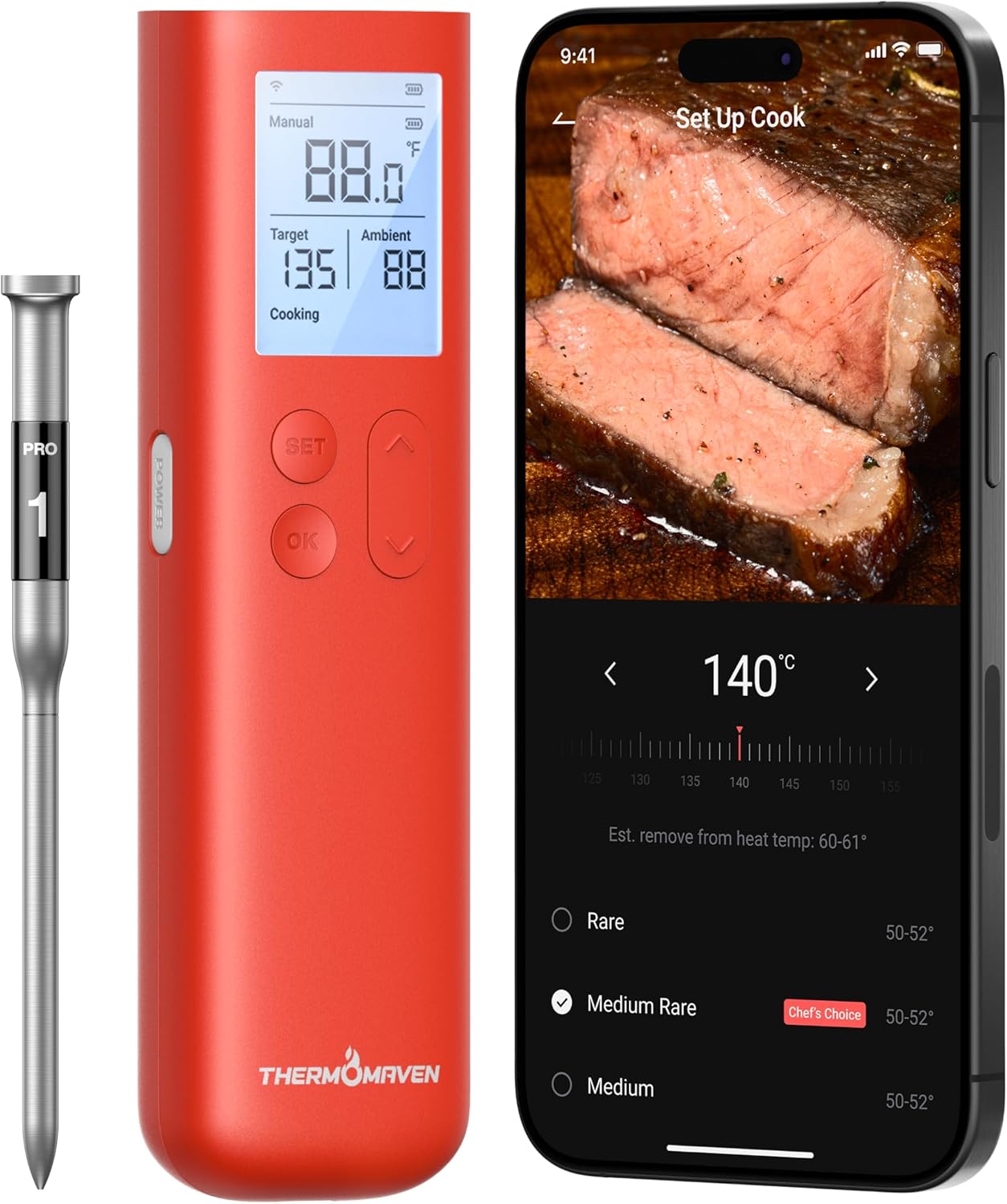
Speaking of consistency, let me share the one tool that I believe is non-negotiable for all my baked salmon recipes. While the ‘flake test’ works in a pinch, it’s still guesswork. In my kitchen, guesswork leads to inconsistency. That’s why I rely on a high-quality digital meat thermometer. The ThermoMaven Smart Wireless thermometer is the one I trust because it gives me a precise, instant reading, allowing me to pull the salmon out at that perfect 130-135°F moment. It’s the difference between good salmon and truly unforgettable, perfectly moist salmon every single time.
Stop guessing and start getting foolproof results. Grab the thermometer I use in my own kitchen and elevate your cooking instantly.
ThermoMaven Smart Wireless Meat Thermometer
✓ prime
We earn a commission if you make a purchase, at no additional cost to you.
After making this dish thousands of times, I’ve learned a few things. These are the details that separate a decent meal from a great one. Pay attention here.
- Don’t Crowd the Pan: This is the single most important rule of roasting. If you pile the potatoes on top of each other, they will steam instead of roast. You’ll get pale, soft potatoes instead of crispy, golden-brown ones. Use a large, heavy-duty rimmed baking sheet. If your pan seems too small, it’s better to use two pans than to overcrowd one.
- Pat the Salmon Dry: Moisture is the enemy of a good texture. Before you brush the salmon with the oil and seasoning mixture, take a paper towel and blot the surface of the fish until it’s completely dry. This small step helps the surface of the salmon to roast rather than steam, resulting in a much better mouthfeel.
- Buy Center-Cut, Even Fillets: Always opt for center-cut salmon fillets. The tail end is thinner and tapers off, meaning it will cook much faster and dry out before the thicker part is done. Aim for fillets that are uniform in thickness (about 1 to 1.5 inches) to guarantee they all cook at the same rate. This is key for consistent results, especially when cooking for multiple people.
- Use an Instant-Read Thermometer: The visual cue of “flaking easily with a fork” is good, but it’s subjective. For foolproof salmon, a digital instant-read thermometer is your best friend. Pull the salmon out of the oven when the thickest part reads 130-135°F for a perfect medium. It will continue to cook slightly from residual heat as it rests. This is how professional kitchens achieve perfect consistency in all their baked salmon recipes.
- Finish with Freshness: The final squeeze of fresh lemon juice and the sprinkle of fresh parsley are not just garnishes; they are essential finishing steps. The heat of the oven dulls flavors slightly. The bright acidity of the lemon and the fresh, green flavor of the parsley wake everything up right before it hits the table, balancing the richness of the fish and the earthiness of the potatoes.
Common Mistakes to Avoid
I see these mistakes all the time, even with experienced home cooks. Avoid these pitfalls to ensure your dish is perfect.
- Adding the Salmon and Potatoes at the Same Time: This is the most common error. Dense potatoes require a much longer cooking time than delicate salmon. If you put them in together, you’ll be forced to choose between overcooked, chalky salmon or undercooked, hard potatoes. The staggered cooking method in this recipe is the solution.
- Using the Wrong Potatoes: Reaching for a bag of Russet potatoes might seem fine, but their high starch content can make them fall apart or become mealy when roasted this way. Yukon Golds or even red bliss potatoes have a waxier, firmer texture that is ideal for roasting, ensuring they hold their shape and develop a creamy interior.
- Forgetting to Pat the Fish Dry: As mentioned in the tips, a wet fish will steam in the oven. You’ll lose that beautiful roasted texture on the surface, and the seasonings won’t adhere as well. It takes five seconds and makes a huge difference in the final quality of the dish.
- Slicing the Lemon Too Thick: When placing lemon slices on the salmon before baking, use very thin slices. If the slices are too thick, they can insulate the fish underneath, causing it to cook unevenly. Thin slices impart their aromatic oils and flavor without interfering with the cooking process.
Variations and Serving Ideas
Once you’ve mastered the basic technique, this recipe is a fantastic template for experimentation. It’s one of the most versatile baked salmon recipes you can have.
- Add More Vegetables: Make this a complete vegetable-packed meal. In the last 15-20 minutes of cooking (when you add the salmon), toss in quick-cooking vegetables like asparagus spears, broccoli florets, or sliced bell peppers. Just toss them in a bit of olive oil and seasoning first.
- Change the Flavor Profile: Swap the herbs and spices. Try a Mediterranean vibe with cherry tomatoes, Kalamata olives, and feta cheese sprinkled on at the end. Or go for an Asian-inspired flavor by brushing the salmon with a mixture of soy sauce, honey, ginger, and garlic.
- Spice it Up: Add a kick by including 1/2 teaspoon of red pepper flakes with the potato seasonings. You could also add a pinch of cayenne pepper to the salmon rub for some gentle heat that complements the rich fish.
- Herb Variations: While dill is classic, fresh rosemary or thyme pairs beautifully with both salmon and potatoes. You can tuck a few whole sprigs of either herb onto the pan during the final roast to infuse everything with their aroma.
What to Serve With
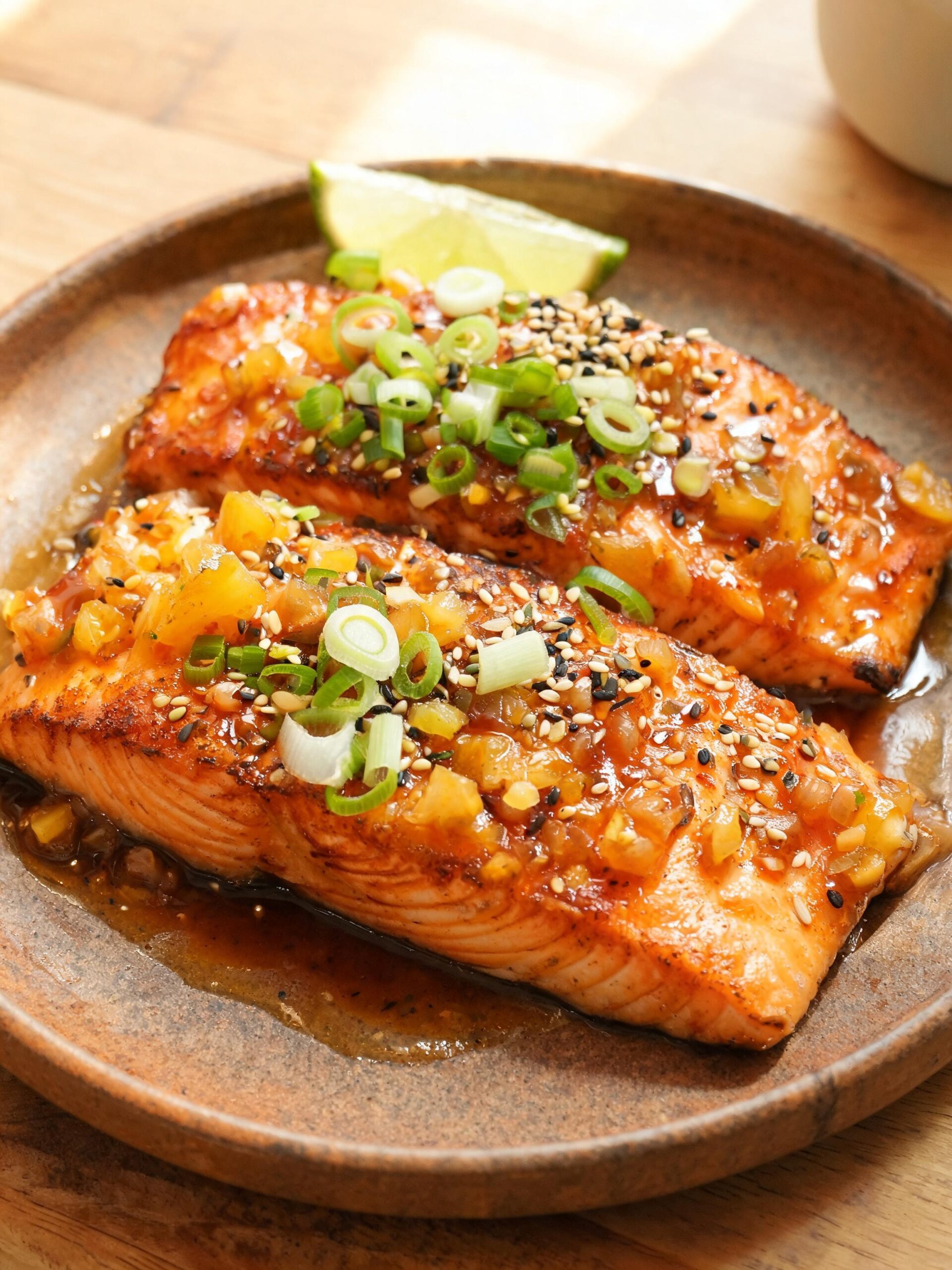
While this is designed as a one-pan meal, a simple side can elevate it further, especially if you’re serving guests. A fresh green salad or steamed asparagus works wonderfully here, and also pairs nicely with different flavor profiles, such as our popular soy ginger baked salmon recipe.
- Simple Green Salad: A crisp salad with a light vinaigrette is the perfect counterpoint. The acidity cuts through the richness of the salmon. Think arugula or mixed greens with a simple lemon-mustard dressing.
- Steamed or Roasted Green Beans: A side of tender-crisp green beans, perhaps tossed with some toasted almonds, adds another layer of texture and a boost of green nutrients.
- Garlic Bread: A few slices of crusty garlic bread are always a welcome addition, perfect for soaking up any delicious pan juices.
- A Dollop of Yogurt Sauce: A simple sauce of Greek yogurt, lemon juice, fresh dill, and a pinch of salt can be served on the side. Its creamy coolness is fantastic with the warm, roasted salmon.
Storage and Reheating
Handling leftover seafood requires care. Follow these steps to ensure it’s just as good the next day.
- Storage: Allow the salmon and potatoes to cool completely to room temperature. Store them in an airtight container in the refrigerator for up to 2 days. Storing them while still warm will create condensation, making the potatoes soggy.
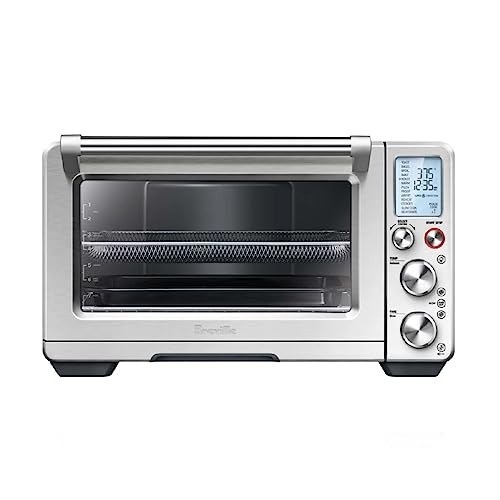
- Reheating: The best way to reheat this dish is in the oven or a toaster oven to revive the crispy texture of the potatoes. Preheat the oven to 325°F (165°C). Place the salmon and potatoes on a baking sheet, perhaps with a splash of water or a drizzle of olive oil over the salmon to keep it moist. Heat for 8-10 minutes, or until just warmed through. Avoid the microwave if possible, as it can make the salmon rubbery and the potatoes soft.
- Freezing: I do not recommend freezing this dish. The texture of both the cooked salmon and the roasted potatoes degrades significantly upon thawing. It’s best enjoyed fresh or within a couple of days.
FAQs (People Also Ask)
1. Can I use frozen salmon for this recipe?
Yes, you absolutely can. Make sure the salmon is fully thawed before you begin. The best way to do this is to place it in the refrigerator overnight. If you’re in a hurry, you can place the vacuum-sealed fillets in a bowl of cold water for about 30-60 minutes. Crucially, you must pat the thawed salmon completely dry with paper towels to remove excess moisture before cooking.
2. My salmon skin stuck to the pan. How can I prevent this?
There are three keys to preventing sticking. First, make sure your pan has a light coating of oil where the fish will be placed. Second, ensure the pan is already hot when you add the salmon (which it will be in this recipe). Third, don’t try to move the fish too early. The skin will naturally release once it’s properly seared and cooked. If you’re using skin-on salmon, placing it skin-side down is the best practice.
3. Can I use sweet potatoes instead of Yukon Golds?
Yes, sweet potatoes are a fantastic substitution and work well with the flavors in this dish. Cube them to a similar 1-inch size. Be aware that sweet potatoes may cook slightly faster than Yukon Golds, so you might want to check them after about 15 minutes of their initial roast to gauge their progress before adding the salmon.
4. How do I know when the salmon is done without a thermometer?
While a thermometer is the most accurate tool for many baked salmon recipes, you can use a visual test. Take a fork and gently press on the thickest part of the fillet. If it begins to separate easily into flakes, it’s done. Another sign is the color; the flesh will have turned from translucent reddish-orange to an opaque light pink. Be careful not to overcook it waiting for it to flake *too* easily, as it will continue to cook after you remove it from the heat.
5. Can I prepare any parts of this dish in advance?
You can do some light prep to save time. The potatoes can be washed and chopped a day in advance and stored in a bowl of cold water in the refrigerator to prevent browning. Just be sure to drain them and dry them thoroughly before tossing with oil and seasonings. The garlic can also be minced ahead of time. However, I recommend seasoning and cooking the salmon right before baking for the best flavor and texture.
Nutrition Facts
(Per serving. Estimates only, varies by exact ingredients used)
Conclusion
This Baked Salmon and Potatoes is more than just a recipe; it’s a reliable weeknight workhorse. It proves that you don’t need a lot of fuss or fancy ingredients to put an incredible meal on the table. It’s one of my go-to baked salmon recipes for a reason: it’s efficient, healthy, and consistently delicious. Give it a try, and I guarantee it will become one of your favorites, too. Happy cooking.
Baked Salmon and Potatoes
Ingredients
- 1.5 lbs Baby Yukon Gold Potatoes, halved or quartered into 1-inch pieces
- 3 tbsp Olive Oil, divided
- 1 tsp Dried Oregano
- 1/2 tsp Garlic Powder
- 1 tsp Kosher Salt, divided
- 1/2 tsp Black Pepper, freshly ground, divided
- 4 (6 oz) Salmon Fillets, center-cut, about 1-1.5 inches thick
- 2 Cloves Fresh Garlic, minced
- 1 tsp Dried Dill
- 1 Lemon, half sliced thin, half cut into wedges
- 2 tbsp Fresh Parsley, chopped
Instructions
- Preheat oven to 400°F (200°C) with a rack in the center.
- On a large rimmed baking sheet, toss the potatoes with 2 tbsp olive oil, oregano, garlic powder, 1/2 tsp kosher salt, and 1/4 tsp black pepper. Spread into a single layer.
- Roast the potatoes alone for 20 minutes until they begin to soften.
- While potatoes roast, pat salmon fillets completely dry with paper towels. In a small bowl, mix the minced garlic, dried dill, and the remaining 1 tbsp of olive oil.
- Remove the pan from the oven. Push potatoes to the sides and place salmon fillets in the center.
- Brush the garlic-dill oil over the salmon. Season with the remaining 1/2 tsp salt and 1/4 tsp pepper. Top each fillet with a thin lemon slice.
- Return the pan to the oven and bake for 12-15 minutes, until salmon flakes easily or reaches 130-135°F on an instant-read thermometer.
- Let rest on the pan for 3-5 minutes. Garnish with fresh parsley and serve with lemon wedges.