Introduction
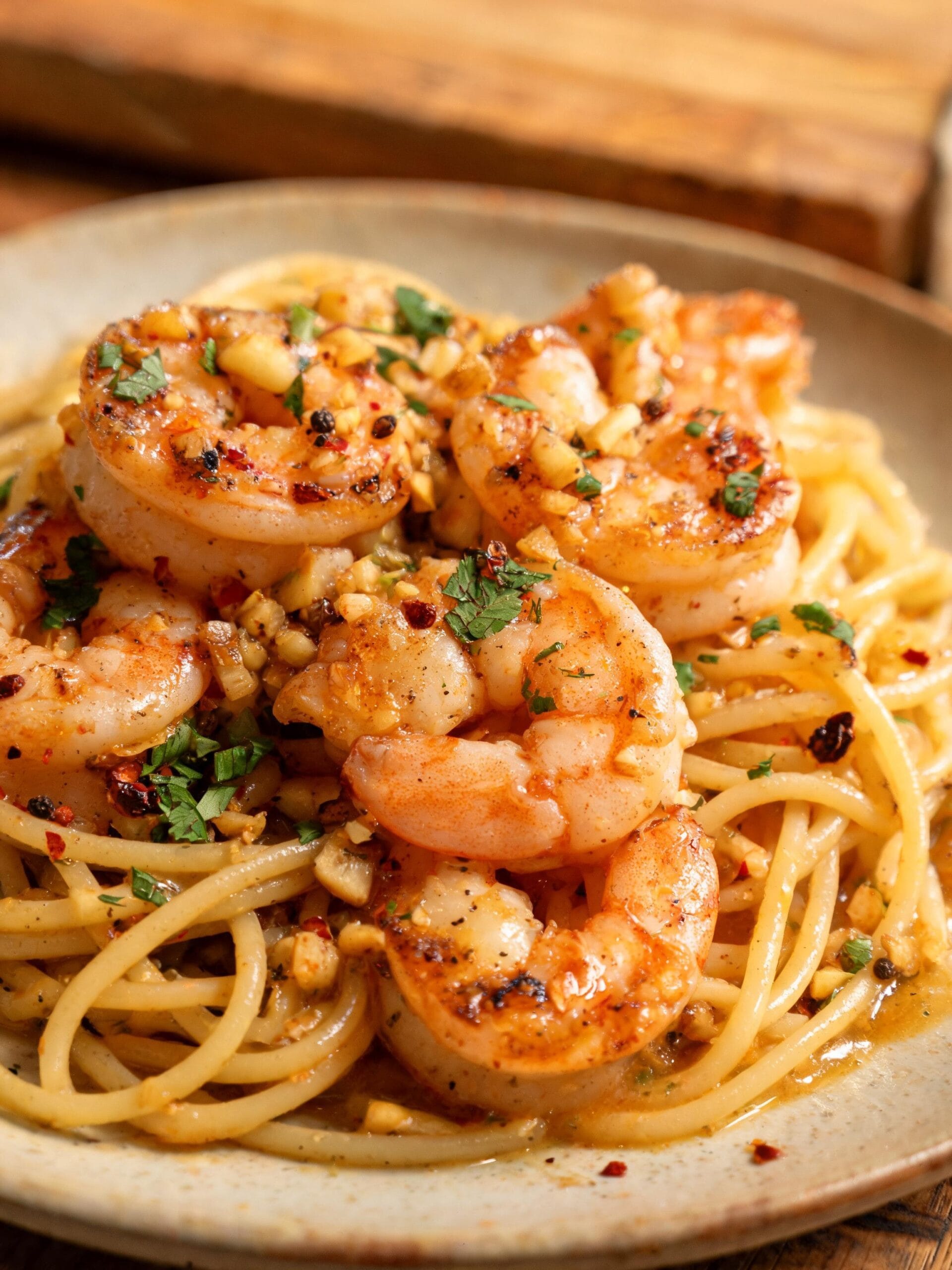
After twenty years of working with seafood, I can tell you that some of the best dishes are the simplest. This Garlic Butter Shrimp Pasta is a perfect example. It’s the kind of meal you make on a Tuesday night when you want something that feels special but doesn’t require hours in the kitchen. We’re talking about plump, perfectly cooked shrimp tossed with pasta in a sauce that’s loaded with garlic, rich butter, a splash of white wine, and a touch of cream to bring it all together. It’s straightforward, honest cooking that relies on good ingredients and proper technique, much like our popular Lemon Herb Baked Salmon recipe. Forget the fancy restaurant price tags; this is how you bring high-quality flavor into your own home, fast. This dish proves that you don’t need a complicated ingredient list to create a deeply satisfying meal. Let’s get to it.
Why You’ll Love This Recipe
- Incredibly Fast: From the moment you start chopping garlic to the second you’re plating, this entire meal comes together in about 30 minutes. It’s the ultimate answer to the “what’s for dinner?” question on a busy weeknight.
- Restaurant-Quality Flavor: The combination of garlic, butter, white wine, and Parmesan creates a luxuriously creamy and flavorful sauce that perfectly coats every strand of pasta and shrimp. It tastes like something you’d get at a high-end Italian bistro.
- Simple and Accessible Ingredients: There’s nothing exotic here. You can find everything you need at your local grocery store, making this an easy recipe to pull off without any special shopping trips.
Ingredients List
Precision is key in a simple dish like this. The right balance of ingredients makes all the difference. This recipe is scaled for 4 people.
For the Pasta and Shrimp:
- Pasta: 12 ounces linguine or spaghetti. The long strands are perfect for catching the creamy sauce.
- Shrimp: 1 pound large shrimp (about 16-20 count per pound), peeled and deveined. Using large shrimp ensures they stay juicy and don’t overcook into rubbery bullets. Leave the tails on for presentation if you like, or take them off for easier eating.
- Olive Oil: 1 tablespoon. For searing the shrimp.
- Kosher Salt and Black Pepper: To taste. Always season your components as you go.
For the Garlic Butter Sauce:
- Unsalted Butter: 6 tablespoons, cut into pieces. Using unsalted butter gives you full control over the final saltiness of the dish.
- Garlic: 6 cloves, minced. Don’t skimp on the garlic; it’s the star of the show. Mince it finely to ensure it melts into the sauce without any harsh, raw bites.
- Dry White Wine: 1/2 cup, such as Pinot Grigio or Sauvignon Blanc. This adds a critical layer of acidity that cuts through the richness of the butter and cream. If you don’t cook with wine, you can substitute with low-sodium chicken broth.
- Heavy Cream: 1/2 cup. This is what gives the sauce its signature creamy, luxurious texture. Don’t substitute with milk or half-and-half, as they can curdle.
- Red Pepper Flakes: 1/4 teaspoon, or more to taste. This adds a subtle background heat that balances the richness without making the dish overtly spicy.
- Reserved Pasta Water: 1 cup. This starchy water is liquid gold; it helps emulsify the sauce, making it cling to the pasta perfectly.
- Grated Parmesan Cheese: 1/2 cup, plus more for serving. Use a freshly grated block of Parmesan. The pre-shredded kind is often coated in anti-caking agents and won’t melt as smoothly.
- Fresh Parsley: 1/4 cup, finely chopped. Adds a fresh, clean flavor that brightens up the entire dish.
- Lemon Juice: 1 tablespoon, freshly squeezed. A final hit of acidity at the end makes all the flavors pop.
Step-by-Step Instructions
Follow these steps carefully. The process moves quickly, so have all your ingredients prepped and ready to go (a chef calls this ‘mise en place’).
- Cook the Pasta: Bring a large pot of heavily salted water to a rolling boil. It should taste like the sea. Add the linguine and cook according to package directions until al dente (firm to the bite). Just before draining, reserve about 1 1/2 cups of the starchy pasta water. Drain the pasta; do not rinse it.
- Sear the Shrimp: While the pasta is cooking, pat the shrimp completely dry with paper towels. Season them generously with salt and pepper. Heat 1 tablespoon of olive oil in a large skillet or Dutch oven over medium-high heat. Once the oil is shimmering, add the shrimp in a single layer. Cook for 1-2 minutes per side, just until they turn pink and opaque. Don’t overcrowd the pan; cook in two batches if necessary. Remove the shrimp from the skillet and set them aside on a plate.
- Start the Sauce Base: Reduce the heat to medium. Add the 6 tablespoons of butter to the same skillet. Once it’s melted, add the minced garlic and red pepper flakes. Cook for about 30-60 seconds, stirring constantly, until the garlic is fragrant. Do not let it brown, or it will become bitter.
- Deglaze and Reduce: Pour in the white wine (or chicken broth) to deglaze the pan, scraping up any browned bits from the bottom of the skillet with a wooden spoon. Let it simmer and reduce by about half, which should take 2-3 minutes. This cooks off the raw alcohol flavor and concentrates the taste.
- Build the Creamy Sauce: Stir in the heavy cream and bring the sauce to a gentle simmer. Let it cook for another 2 minutes to thicken slightly. Season with a pinch of salt and pepper.
- Combine Everything: Add the drained pasta directly to the skillet with the sauce. Add the cooked shrimp, the grated Parmesan cheese, and the chopped parsley. Use tongs to toss everything together thoroughly. Add 1/2 cup of the reserved pasta water to start, tossing continuously to emulsify the sauce. If the sauce is too thick, add more pasta water, a tablespoon at a time, until it reaches a smooth, coating consistency.
- Finish and Serve: Take the skillet off the heat. Stir in the fresh lemon juice. Taste the sauce one last time and adjust seasoning with more salt and pepper if needed. Serve your Garlic Butter Shrimp Pasta immediately, garnished with extra Parmesan cheese and fresh parsley.
Chef’s Pro Tips for Success
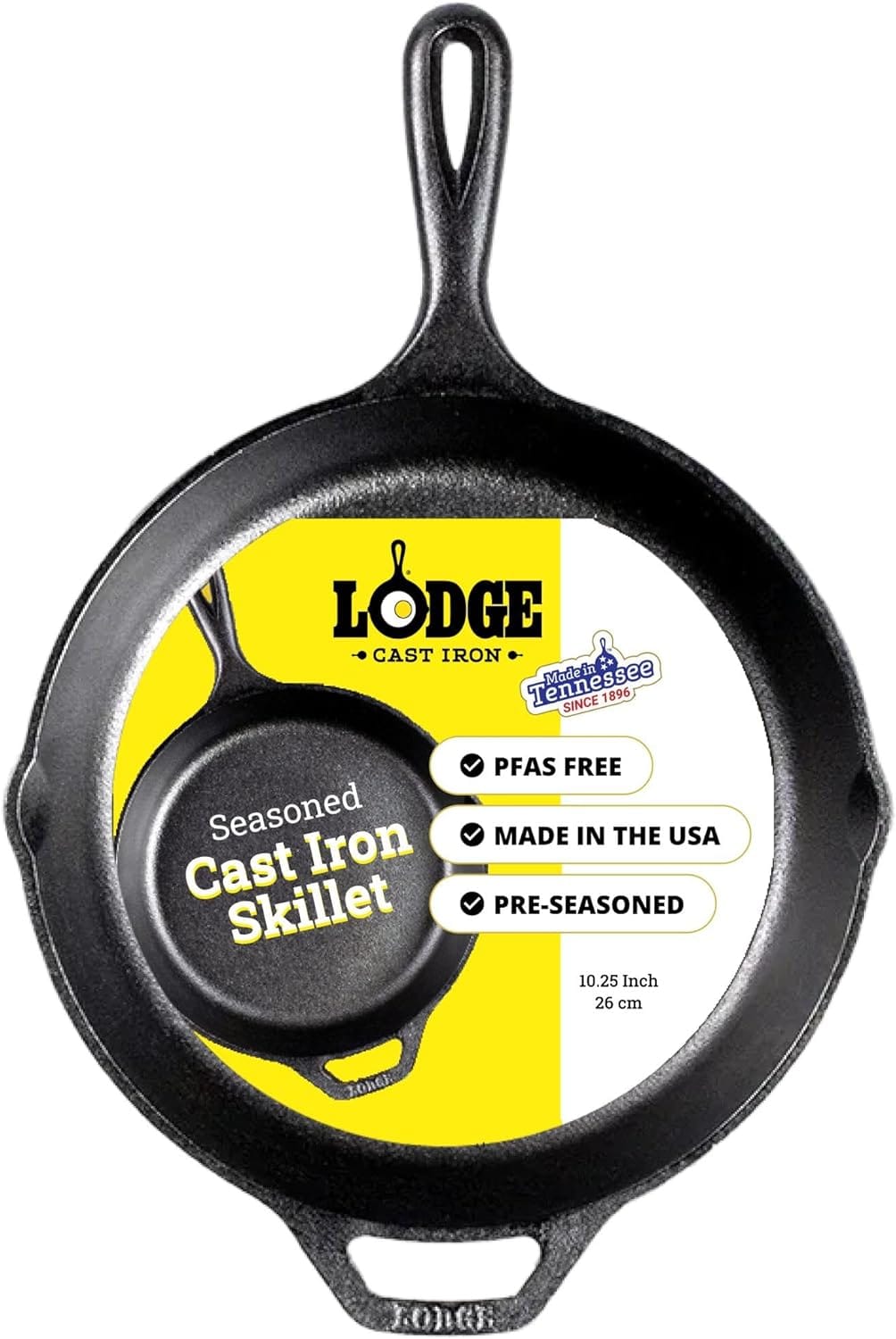
When I talk about creating a flavorful fond—those browned bits on the pan that form the foundation of your sauce—the cookware you use is everything. For this recipe, I exclusively use my Lodge Cast Iron Skillet. It provides the superior heat retention and even cooking surface needed to get a perfect, deep sear on the shrimp without overcooking them. That beautiful crust is pure flavor, and a quality cast iron pan is the secret weapon to achieving it every single time.
If you’re serious about elevating your cooking and getting that perfect sear, investing in a reliable cast iron skillet is the best move you can make. See the one I trust in my own kitchen on Amazon.
Lodge 10.25 Inch Cast Iron Skillet with Assist Handle
✓ prime
We earn a commission if you make a purchase, at no additional cost to you.
Over the years, I’ve learned a few non-negotiable rules for making a truly great seafood pasta. Pay attention to these details; they separate a good dish from a fantastic one.
- The Importance of Dry Shrimp: You must pat your shrimp completely dry before seasoning and searing. Moisture is the enemy of a good sear. Wet shrimp will steam in the pan instead of browning, resulting in a pale, rubbery texture and leaving no flavorful fond (the browned bits) on the bottom of the pan. That fond is the foundation of your sauce’s flavor.
- Master the Garlic: Garlic can go from fragrant to burnt and bitter in a matter of seconds. When you add the minced garlic to the melted butter, keep the heat on medium and stir it constantly. The second you smell that beautiful, nutty aroma, you’re ready for the next step (deglazing with wine). If you see it start to turn even slightly brown, you’ve gone too far. It’s better to pull the pan off the heat a second too early than a second too late.
- Don’t Discard the Pasta Water: I call this stuff ‘liquid gold’ for a reason. The starch released from the pasta as it boils creates a natural emulsifier. When you add this starchy water to your butter and cream sauce, it helps the fat and water bind together, creating a silky, restaurant-quality sauce that clings to every noodle instead of pooling at the bottom of the bowl. Never, ever just dump it all down the drain.
- Cook the Shrimp Separately and Briefly: This is the single biggest key to perfectly cooked shrimp. Shrimp cook incredibly fast. If you try to cook them in the sauce from raw, you will almost certainly overcook them by the time the pasta is incorporated and the sauce is ready. By searing them first for just a minute or two per side and then removing them, you lock in their flavor and texture. They finish cooking gently in the residual heat when you toss them back in at the very end, ensuring they are plump and juicy.
- Finish Off the Heat: The final, crucial steps of making a great Garlic Butter Shrimp Pasta should happen off the direct flame. Once you’ve tossed the pasta and shrimp in the sauce, kill the heat before adding the final touches. Stirring in the Parmesan cheese and fresh lemon juice off the heat prevents the cheese from clumping or getting stringy and keeps the lemon juice tasting bright and fresh instead of cooked and dull.
Common Mistakes to Avoid
I’ve seen these mistakes happen time and time again in professional kitchens and at home. Avoid these pitfalls to guarantee a perfect result every time.
- Overcooking the Shrimp: This is the cardinal sin of seafood cookery. A perfectly cooked shrimp is tender and C-shaped. An overcooked shrimp is tough, rubbery, and curled into a tight O-shape. The mistake happens when people cook the shrimp for too long during the initial sear or leave them simmering in the sauce. Remember, they cook in about 3-4 minutes total. Sear them hard and fast, get them out of the pan, and only reintroduce them at the very end to warm through.
- Using Pre-Shredded Parmesan: It’s tempting to buy the bag of pre-shredded or grated cheese, but it’s a huge mistake for cream sauces. These products are coated with starches like potato starch or cellulose to prevent clumping. When you try to melt this into your sauce, that starch turns your beautiful, creamy sauce into a grainy, clumpy mess. Always buy a block of Parmigiano-Reggiano and grate it yourself. The flavor and texture are vastly superior.
- Forgetting to Salt the Pasta Water: Your pasta absorbs water as it cooks, which means it also absorbs salt. This is your one and only chance to season the pasta itself from the inside out. If you cook your pasta in bland, unsalted water, your final dish will taste flat, no matter how perfectly you season the sauce. The water should be aggressively salted—it should taste like a well-seasoned soup broth.
- Making the Sauce Too Thick or Too Thin: Sauce consistency is a balancing act. A common mistake when making Garlic Butter Shrimp Pasta is either not using enough pasta water, resulting in a thick, claggy sauce, or adding too much, resulting in a watery pool at the bottom of the plate. The key is to add the pasta water gradually. Start with 1/2 cup and toss vigorously. The starch needs that agitation to work its magic. Keep adding splashes until the sauce is creamy and just thick enough to coat the back of a spoon.
Variations and Serving Ideas
Once you’ve mastered the base recipe, you can start getting creative. This dish is a fantastic canvas for other flavors.
- Spicy Arrabiata Style: For those who like more heat, double the red pepper flakes to 1/2 teaspoon. For a deeper, smokier heat, add 1/2 teaspoon of smoked paprika along with the garlic. You could also add a finely diced Fresno chili with the garlic for a fresh, vibrant kick.
- Lemon and Herb Overload: If you love bright flavors, increase the lemon juice to 2 tablespoons and add the zest of one lemon at the very end with the parsley. You can also incorporate other soft herbs like fresh dill or chives for more complexity.
- Add Vegetables: Make it a more complete meal by adding vegetables. Sauté 1 cup of halved cherry tomatoes or 2 cups of fresh spinach in the skillet after removing the shrimp until the tomatoes blister or the spinach wilts. Then proceed with the garlic and the rest of the sauce. Steamed or blanched asparagus tips or peas also work beautifully; add them in with the pasta at the end.
- Sun-Dried Tomato and Mushroom: Add 1/4 cup of chopped, oil-packed sun-dried tomatoes and 8 ounces of sliced cremini mushrooms to the pan after searing the shrimp. Sauté until the mushrooms have released their water and browned, then proceed with making the sauce. The earthy mushrooms and intense tomatoes add a fantastic depth of flavor, a profile we also explore in our Mediterranean Quinoa Salmon Bowl.
What to Serve With
While this Garlic Butter Shrimp Pasta is a complete meal on its own, a few simple sides can elevate it even further.
- Crusty Bread: A warm baguette or some garlic bread is non-negotiable. You need something to mop up every last bit of that incredible garlic butter sauce from the bottom of the bowl.
- Simple Green Salad: A light, crisp salad with a simple vinaigrette provides a fresh, acidic contrast to the rich, creamy pasta. Think arugula or mixed greens with a lemon-based dressing.
- Roasted Vegetables: Roasted asparagus with a sprinkle of Parmesan or roasted broccoli with a squeeze of lemon are excellent choices. The roasting process brings out their natural sweetness and complements the flavors in the pasta.
- White Wine: A glass of the same dry white wine you used in the sauce, like a Pinot Grigio or Sauvignon Blanc, is the perfect beverage pairing. Its crispness will cut through the richness of the dish beautifully.
Storage and Reheating
Seafood pasta can be tricky to store and reheat, but if you do it right, you can enjoy leftovers that are almost as good as the first day.
- Storage: Let the pasta cool to room temperature, but don’t leave it out for more than an hour. Transfer it to an airtight container and store it in the refrigerator for up to 2 days. Any longer than that and the shrimp texture will degrade significantly.
- Reheating Method: The microwave is the enemy of leftover shrimp pasta; it will make the shrimp rubbery and can cause the cream sauce to separate. The best way to reheat is gently on the stovetop. Place the desired portion in a small skillet over low heat. Add a tablespoon or two of water, chicken broth, or milk to help loosen the sauce and create some steam. Cover the skillet and heat for 3-5 minutes, stirring occasionally, until just warmed through. Do not bring it to a boil.
FAQs (People Also Ask)
- Can I use frozen shrimp for this recipe?
- Absolutely. In fact, unless you live on the coast and have access to truly fresh-off-the-boat shrimp, frozen shrimp is often higher quality than the ‘fresh’ shrimp at the seafood counter (which is usually just thawed frozen shrimp). To use frozen shrimp, thaw them completely first. The best way is to place them in a colander in the sink and run cold water over them for about 5-10 minutes. Once thawed, you must pat them thoroughly dry with paper towels before cooking.
- What can I substitute for white wine?
- If you prefer not to cook with alcohol, the best substitute is low-sodium chicken broth or even vegetable broth. Use the same amount (1/2 cup). It won’t provide the same sharp, acidic bite as wine, but it will still help deglaze the pan and add a nice layer of savory flavor to the sauce. You might want to add an extra squeeze of lemon juice at the end to compensate for the lost acidity.
- Can I make Garlic Butter Shrimp Pasta gluten-free?
- Yes, this recipe is very easy to adapt for a gluten-free diet. Simply substitute your favorite gluten-free pasta, such as one made from brown rice or chickpeas. Cook it according to its specific package directions. Remember that gluten-free pasta can sometimes absorb more liquid, so be sure to reserve at least 1 1/2 cups of the starchy cooking water, as you may need a bit extra to get the sauce to the right consistency.
- Is it possible to make this dish dairy-free?
- Making this dish dairy-free is more challenging due to the butter, cream, and Parmesan, but it can be done. Use a high-quality vegan butter substitute in place of the butter. For the cream, use full-fat canned coconut cream (the thick part from the top) or a commercial dairy-free heavy cream alternative. For the cheese, use your favorite brand of dairy-free Parmesan-style shreds. The flavor profile will be different, but you can still achieve a creamy and satisfying result.
- Can I use pre-cooked shrimp to save time?
- I strongly advise against it. Pre-cooked shrimp have already been cooked once, so by the time you heat them again in the sauce, they will be overcooked, tough, and rubbery. The entire cooking process for raw shrimp is only 3-4 minutes, so the time saved is minimal, but the loss in quality is huge. Stick with raw shrimp for the best possible texture and flavor.
Nutrition
Nutrition Facts
(Per serving. Estimates only, varies by exact ingredients used)
Conclusion
There you have it—a simple, elegant, and incredibly delicious meal that you can be proud to put on your table. This Garlic Butter Shrimp Pasta recipe is more than just a set of instructions; it’s a technique and a template for countless amazing weeknight dinners. I hope you make it, enjoy it, and share it with people you care about. Happy cooking.
Garlic Butter Shrimp Pasta Recipe (Creamy, Easy & Ready in 30 Minutes)
Ingredients
- 12 ounces linguine or spaghetti
- 1 pound large shrimp (16-20 count), peeled and deveined
- 1 tablespoon olive oil
- Kosher Salt & Black Pepper to taste
- 6 tablespoons unsalted butter
- 6 cloves garlic, minced
- 1/2 cup dry white wine (like Pinot Grigio)
- 1/2 cup heavy cream
- 1/4 teaspoon red pepper flakes
- 1/2 cup grated Parmesan cheese, plus more for serving
- 1/4 cup fresh parsley, finely chopped
- 1 tablespoon fresh lemon juice
Instructions
- Cook pasta in a large pot of heavily salted boiling water until al dente. Reserve 1 1/2 cups of pasta water before draining.
- While pasta cooks, pat shrimp dry and season with salt and pepper. Heat olive oil in a large skillet over medium-high heat. Sear shrimp for 1-2 minutes per side until pink. Remove from skillet and set aside.
- Reduce heat to medium, add butter to the skillet. Once melted, add garlic and red pepper flakes. Cook until fragrant, about 30-60 seconds, without browning.
- Pour in white wine to deglaze, scraping up any browned bits. Simmer and reduce by half, about 2-3 minutes.
- Stir in the heavy cream and bring to a gentle simmer for 2 minutes to thicken slightly. Season with salt and pepper.
- Add drained pasta, cooked shrimp, Parmesan, and parsley to the skillet. Toss to combine, adding 1/2 cup of reserved pasta water to create a creamy sauce. Add more water if needed.
- Remove from heat and stir in the fresh lemon juice. Taste and adjust seasoning. Serve immediately with extra Parmesan.