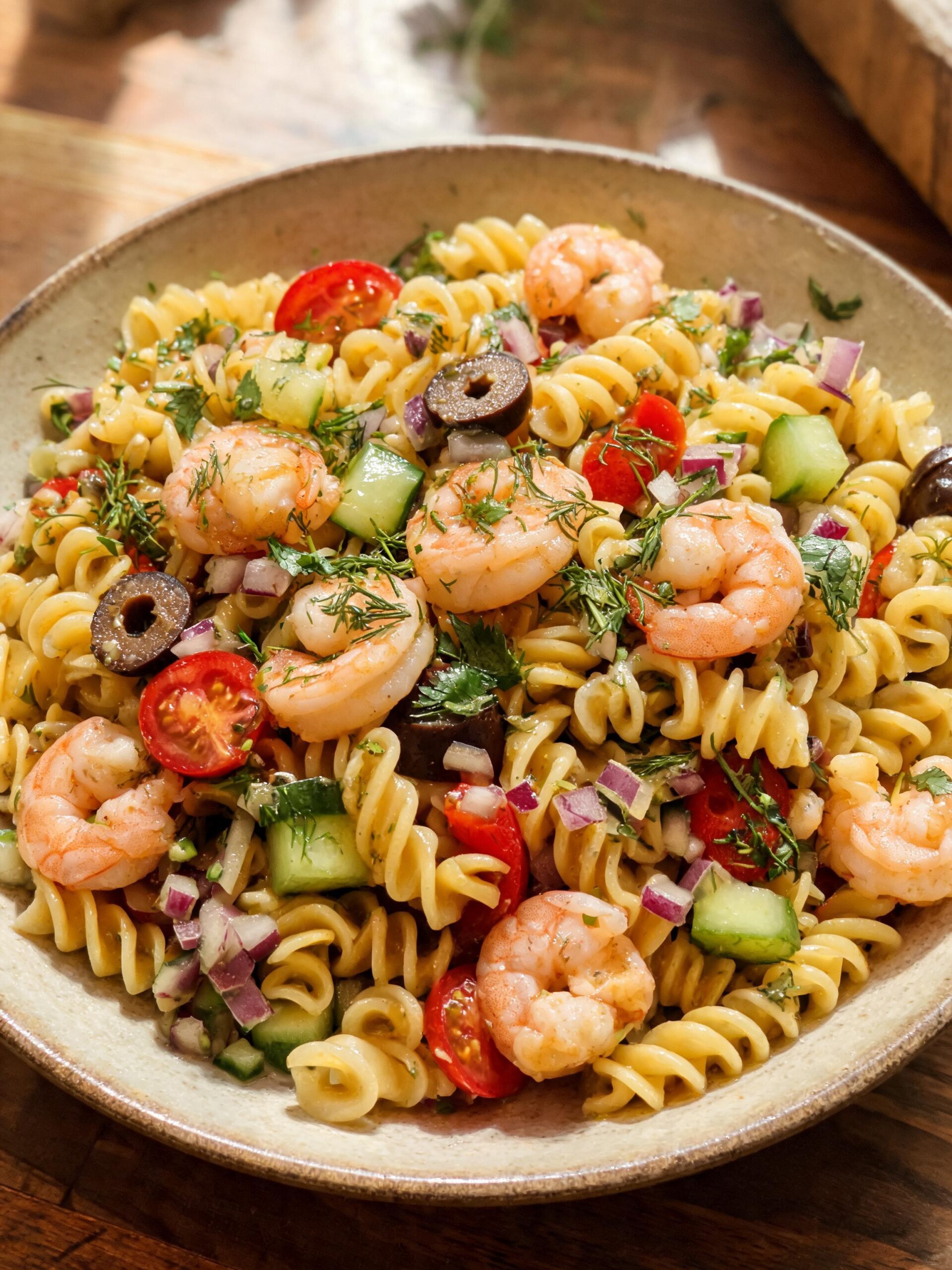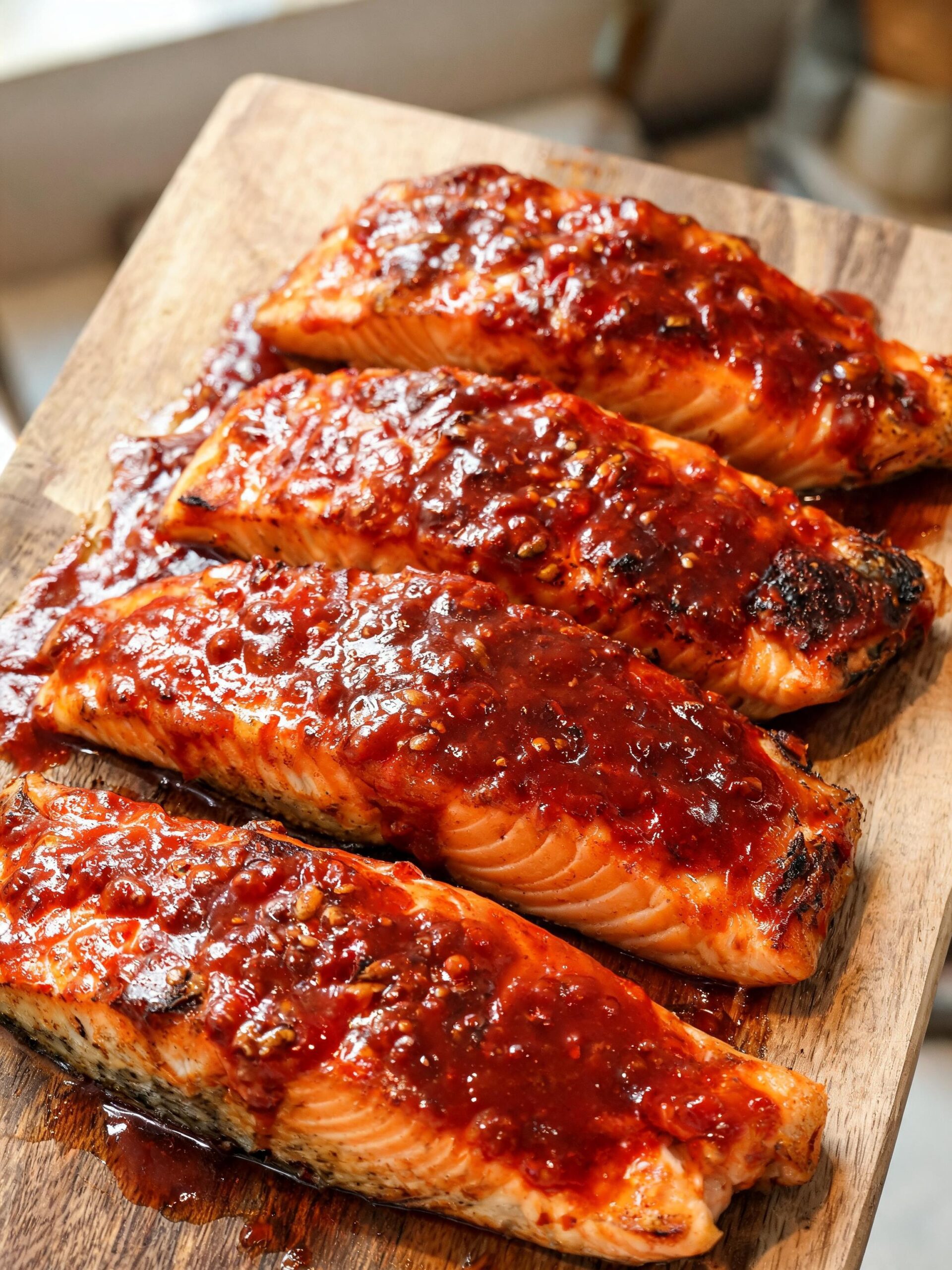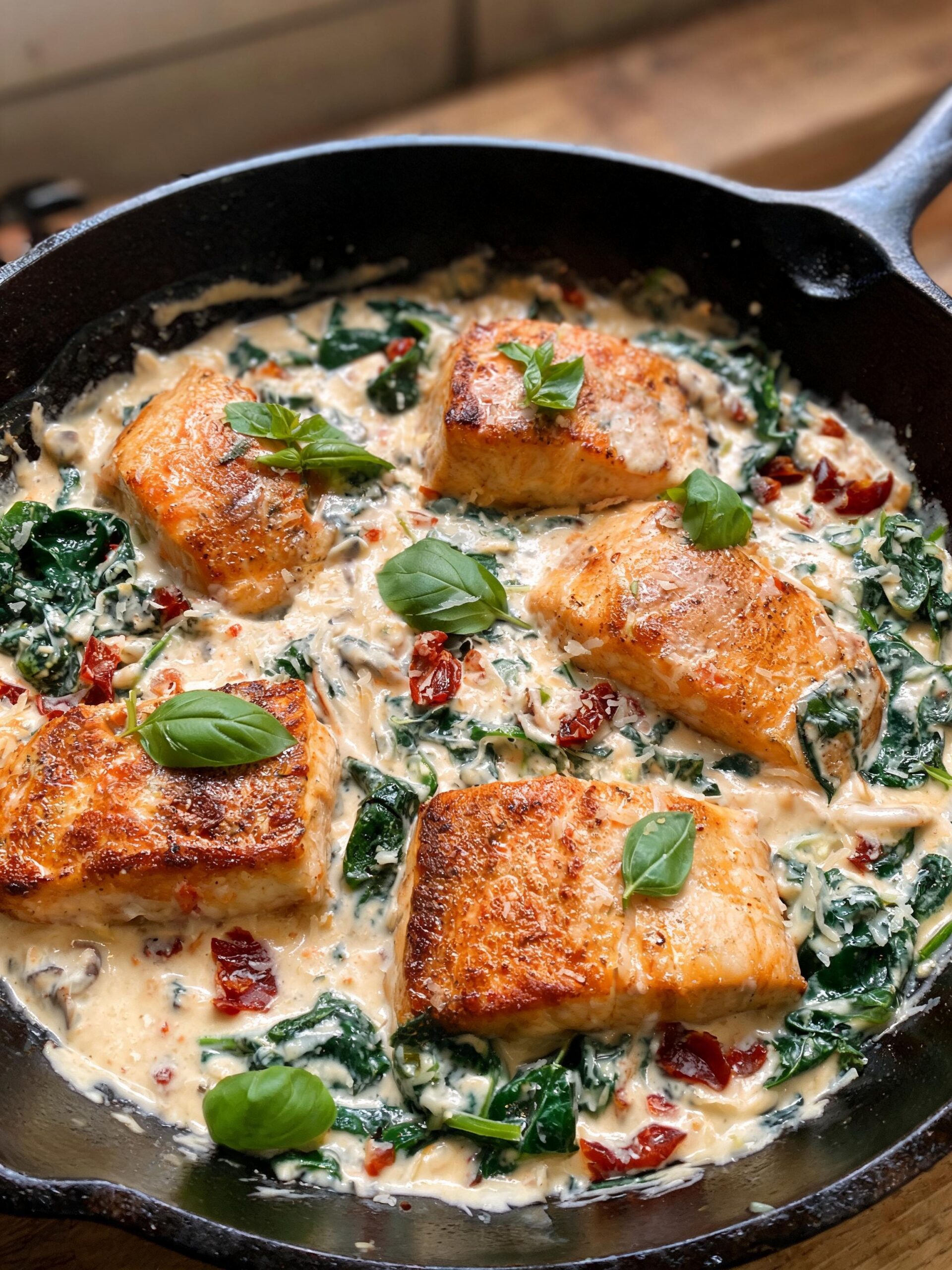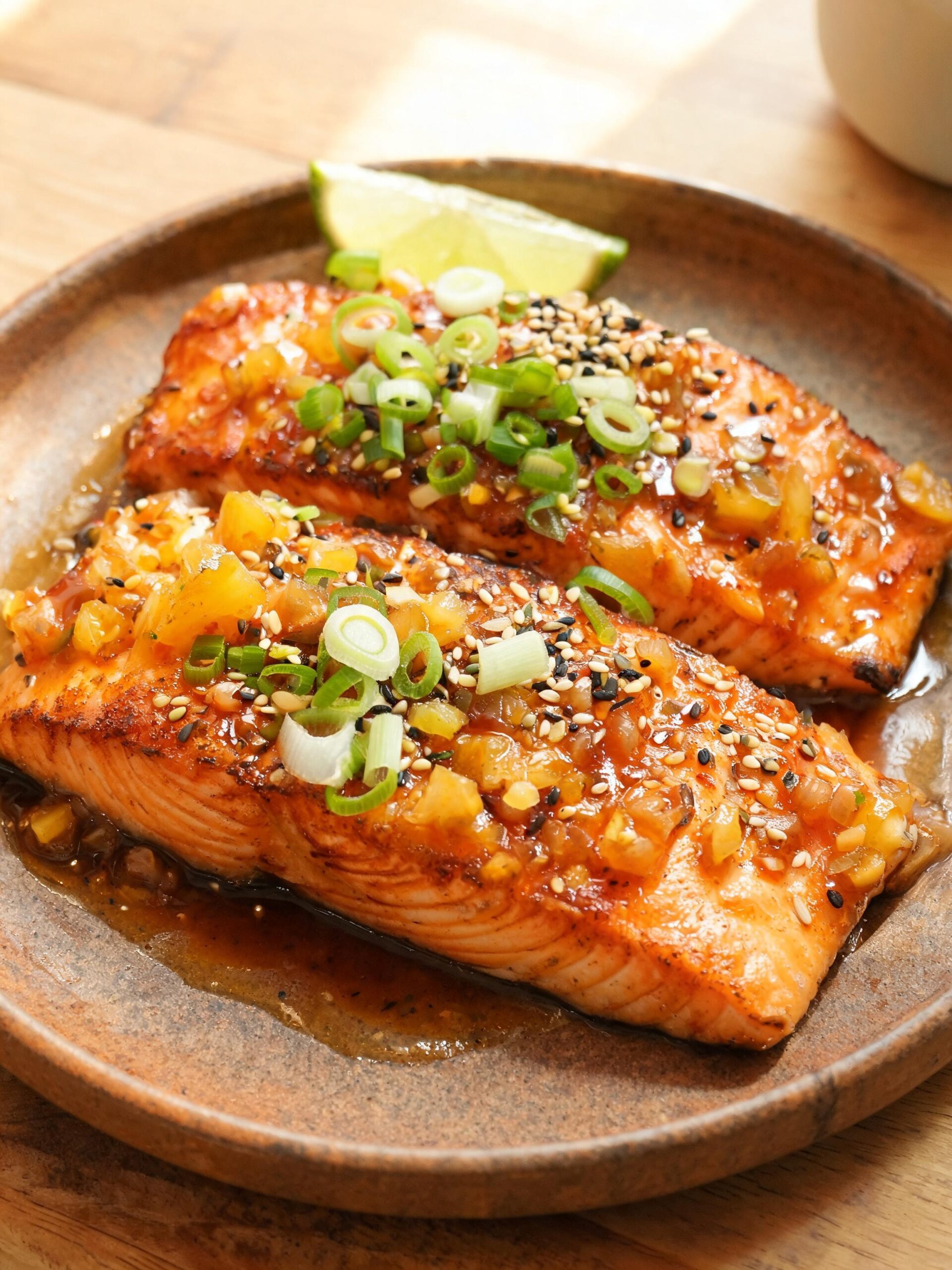
Introduction
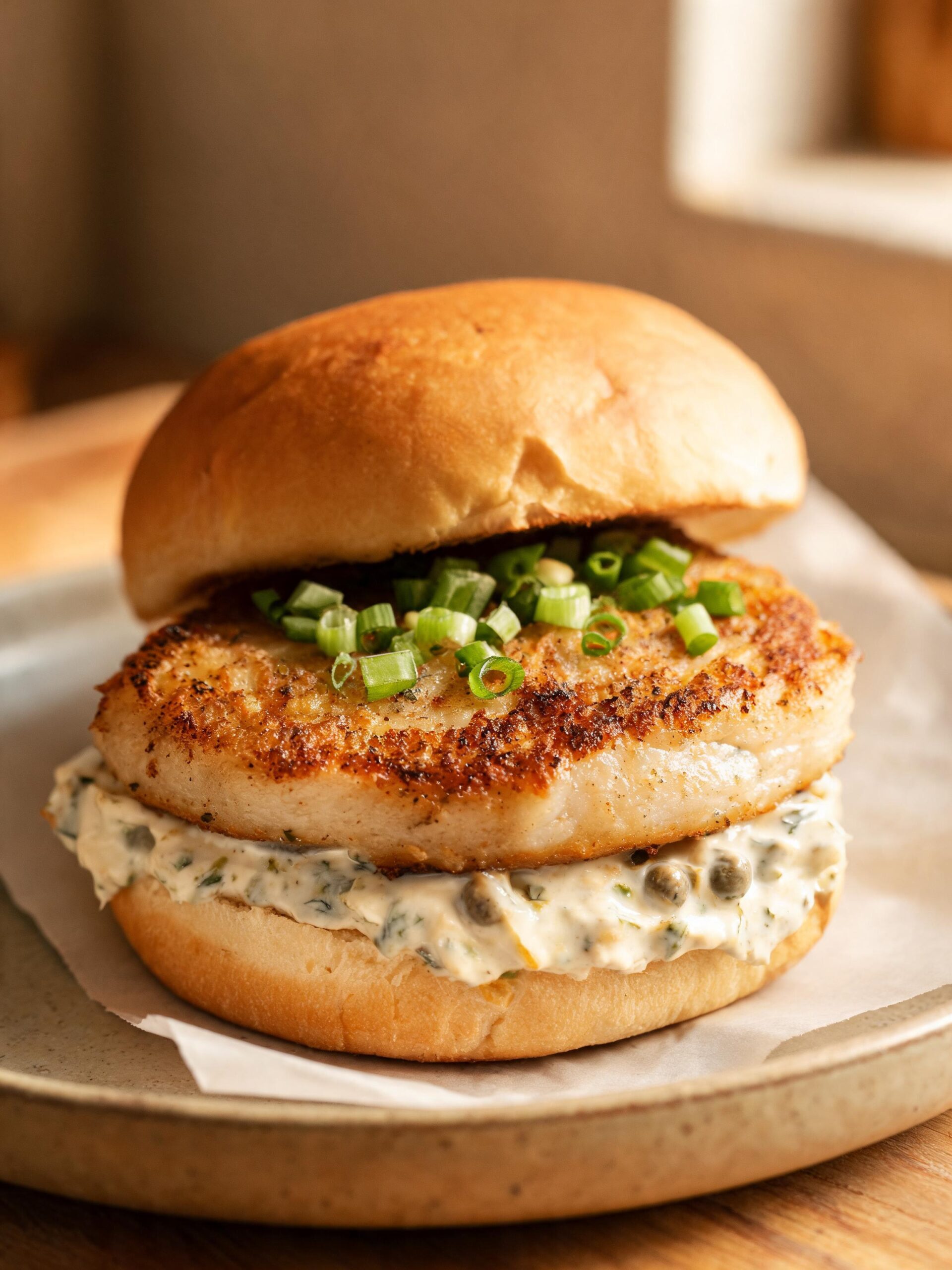
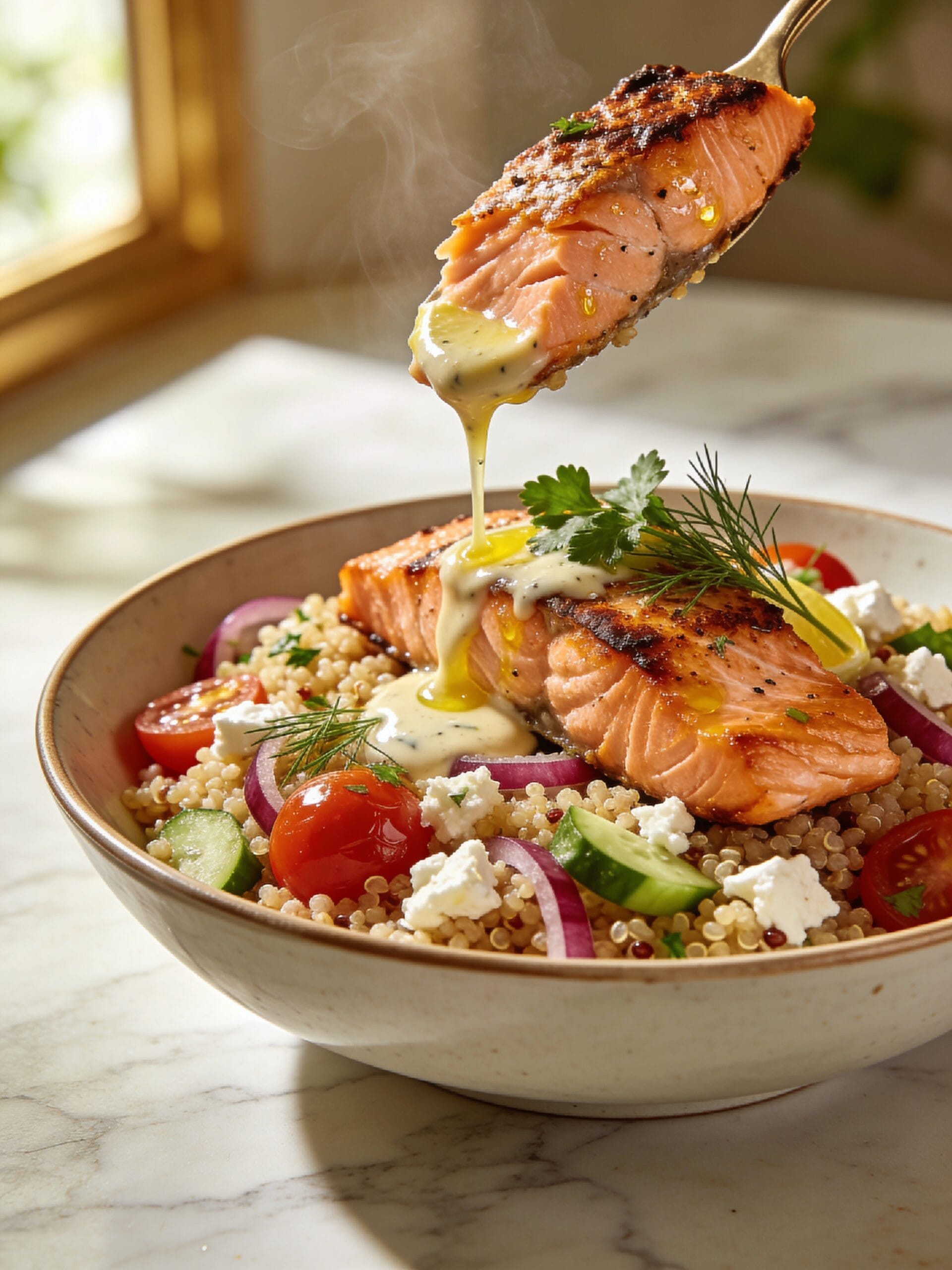
After twenty years of searing, grilling, and poaching just about every fish that swims, I can tell you one thing for sure: a great recipe isn’t about a dozen complicated steps. It’s about technique and quality ingredients. That’s exactly what this Mediterranean Quinoa salmon bowl is all about. This isn’t just another grain bowl recipe; it’s a blueprint for a perfectly balanced, incredibly satisfying meal that you can get on the table in about 30 minutes. We’re talking flaky, perfectly-cooked salmon with crispy skin, fluffy quinoa, crisp vegetables, and a lemon-dill vinaigrette that ties it all together. While this bowl features a beautiful fillet, you can also use this fish to make delicious baked healthy salmon patties. Forget sad desk lunches and boring weeknight dinners. This is how you build a salmon bowl that tastes like it came from a restaurant kitchen but is easy enough for any home cook to master. Let’s get to it.
Why You’ll Love This Recipe
- Fast and Efficient: This entire meal comes together in about 35 minutes, making it a perfect solution for busy weeknights. The components cook simultaneously, so there’s no wasted time.
- Packed with Flavor and Texture: You get the rich, fatty salmon, the earthy pop of the quinoa, the crunch of fresh cucumber and tomato, the saltiness of olives, and the bright, acidic punch from the lemon-dill vinaigrette. It’s a complete meal that hits every note.
- Healthy and Adaptable: Loaded with omega-3s, lean protein, and fiber, this is a meal you can feel good about eating. It’s also incredibly easy to customize with different vegetables, grains, or even a different protein.
Ingredients List
A great dish starts with great ingredients. Don’t be tempted to skimp here. Freshness is key, especially with the salmon and herbs. Here’s your shopping list, broken down for clarity.
For the Pan-Seared Salmon:
- Salmon Fillets: 4 (6-ounce) center-cut salmon fillets, skin-on. Center-cut pieces ensure even thickness and cooking. The skin is essential for getting that crispy texture.
- Extra Virgin Olive Oil: 1 tablespoon. For searing. You want an oil with a decent smoke point; EVOO is fine on medium-high heat.
- Kosher Salt: 1/2 teaspoon. For drawing out moisture and creating a crust.
- Black Pepper: 1/4 teaspoon, freshly cracked.
- Dried Oregano: 1/2 teaspoon. Adds a classic Mediterranean aromatic.
For the Quinoa Base:
- Quinoa: 1 cup, uncooked. Any color works—white, red, or tri-color. Make sure to rinse it well.
- Water or Chicken Broth: 2 cups. Broth adds a significant layer of flavor, but water is perfectly fine.
- Kosher Salt: 1/4 teaspoon. To season the quinoa from the inside out.
For the Bowl Toppings:
- English Cucumber: 1 cup, diced. They have thinner skin and fewer seeds than regular cucumbers, so no peeling is necessary.
- Cherry Tomatoes: 1 cup, halved. They provide a burst of sweetness and acidity.
- Kalamata Olives: 1/2 cup, pitted and halved. For that essential salty, briny bite.
- Red Onion: 1/4 cup, thinly sliced. If you find raw onion too sharp, soak the slices in cold water for 10 minutes, then drain.
For the Lemon-Dill Vinaigrette:
- Extra Virgin Olive Oil: 1/3 cup. This is the base of your dressing; use a good quality one.
- Lemon Juice: 3 tablespoons, freshly squeezed. Please, no bottled juice. It makes a world of difference.
- Fresh Dill: 2 tablespoons, finely chopped. The signature herb that screams Mediterranean freshness.
- Dijon Mustard: 1 teaspoon. This is the magic ingredient that helps emulsify the dressing, keeping it from separating.
- Garlic: 1 clove, minced. Use a microplane or press for the best results.
- Kosher Salt and Black Pepper: 1/4 teaspoon of each, or to taste.
Step-by-Step Instructions
- Cook the Quinoa: First, rinse the quinoa thoroughly in a fine-mesh sieve under cold running water for at least 30 seconds. This removes the natural coating, called saponin, which can make it taste bitter. In a medium saucepan, combine the rinsed quinoa, 2 cups of water or broth, and 1/4 teaspoon of salt. Bring to a boil over high heat, then reduce the heat to low, cover, and simmer for 15 minutes, or until all the liquid is absorbed. Remove from heat and let it stand, covered, for 5 minutes. Fluff with a fork.
- Prepare the Vegetables and Dressing: While the quinoa cooks, get your other components ready. Chop the cucumber, halve the tomatoes and olives, and slice the red onion. For the dressing, combine all vinaigrette ingredients (olive oil, lemon juice, dill, Dijon, garlic, salt, pepper) in a small jar with a tight-fitting lid. Shake vigorously for about 30 seconds until the dressing is creamy and emulsified. Taste and adjust seasoning if needed.
- Season and Prep the Salmon: Pat the salmon fillets completely dry with paper towels. This is the most critical step for crispy skin. If the skin is wet, it will steam, not sear. Season all sides of the fillets generously with 1/2 teaspoon of kosher salt, 1/4 teaspoon of black pepper, and 1/2 teaspoon of dried oregano.
- Sear the Salmon: Heat 1 tablespoon of olive oil in a large non-stick or cast-iron skillet over medium-high heat. The oil should shimmer but not smoke. Carefully place the salmon fillets skin-side down in the hot pan. Press down gently on each fillet with a spatula for 10-15 seconds to ensure the entire surface of the skin makes contact with the pan. Cook for 4-6 minutes, depending on thickness, until the skin is golden brown, crispy, and releases easily from the pan.
- Finish Cooking the Salmon: Flip the salmon and cook for another 2-4 minutes on the other side for medium-rare. The fish is done when it flakes easily with a fork or reaches an internal temperature of 130-135°F for medium. Avoid overcooking. Remove from the pan and let it rest for a couple of minutes.
- Assemble Your Salmon Bowl: To build your perfect salmon bowl, divide the fluffed quinoa among four bowls. Top with the diced cucumber, cherry tomatoes, Kalamata olives, and red onion. Place a salmon fillet in each bowl, either whole or flaked into large chunks. Drizzle generously with the lemon-dill vinaigrette and serve immediately.
Chef’s Pro Tips for Success
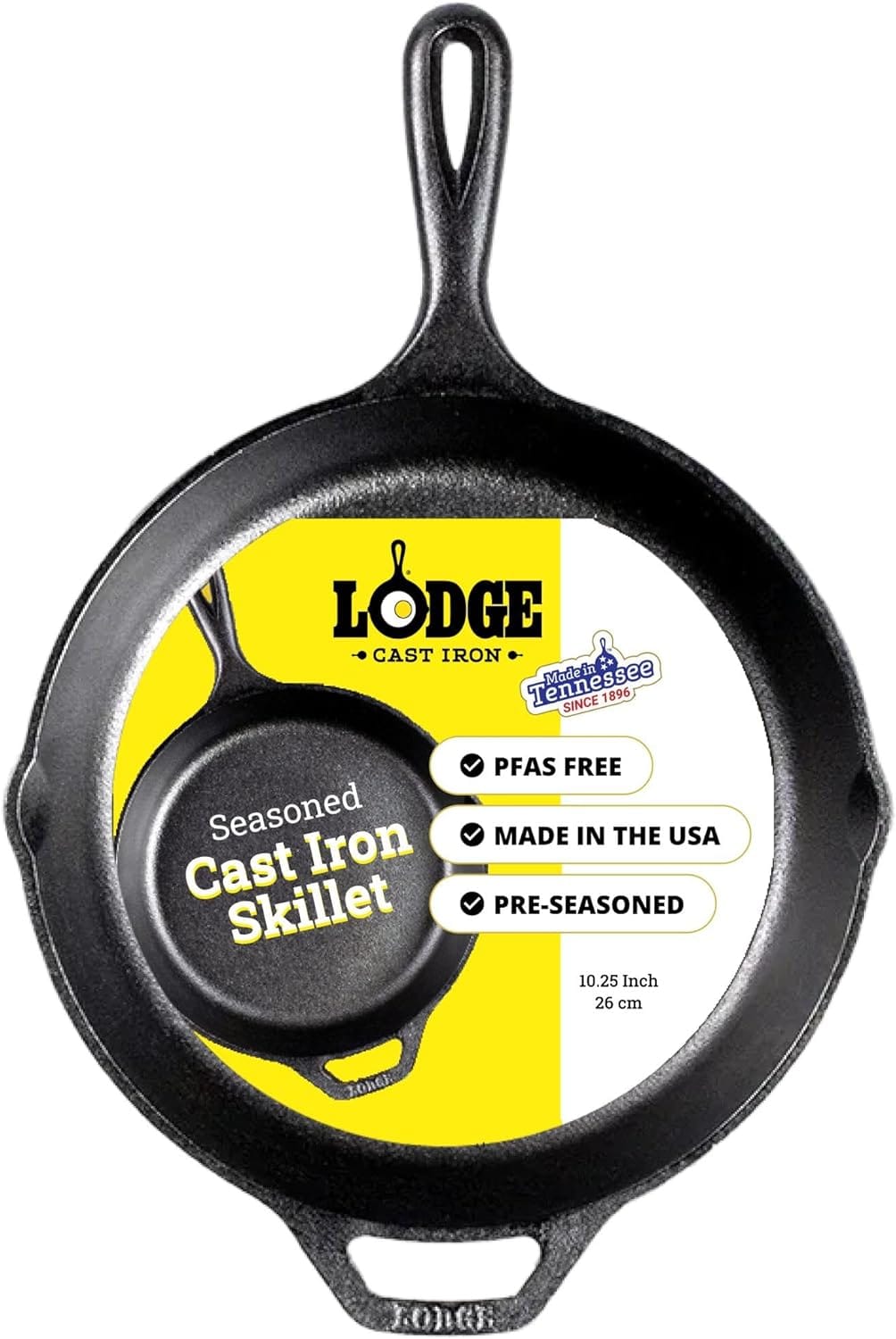
Speaking of non-negotiable techniques, having the right tool for the job is half the battle. When I talk about pan temperature being everything for that perfect, crispy salmon skin, my go-to is always a classic cast-iron skillet. The Lodge 10.25-inch skillet, in particular, holds incredibly even, high heat, which is the secret to getting a sear that’s both fast and flawless. It creates that beautiful, golden-brown crust you just can’t achieve with a lesser pan.
If you want to stop worrying about your fish sticking and start getting that restaurant-quality skin every time, this is the pan you need. Check it out and see the difference for yourself.
Lodge 10.25 Inch Cast Iron Skillet with Assist Handle
✓ prime
We earn a commission if you make a purchase, at no additional cost to you.
After making thousands of seafood dishes, I’ve learned a few things. These are the non-negotiable techniques that separate a decent meal from a spectacular one.
- The Dry-Brine for Salmon: For truly exceptional salmon, try a quick dry-brine. After patting the fish dry, season it with salt and let it sit uncovered in the fridge on a rack for 15-20 minutes before cooking. The salt draws out surface moisture, firms up the flesh, and results in even crispier skin and more concentrated flavor.
- Mastering Quinoa: Don’t just boil it. For a nuttier, more complex flavor, toast the rinsed and drained quinoa in the dry saucepan over medium heat for 2-3 minutes before adding the liquid. Stir constantly until it becomes aromatic. This simple step elevates the grain from a simple base to a standout component of your salmon bowl.
- The Art of Emulsification: A broken, oily dressing is a tragedy. The secret is the mustard. Dijon mustard is a powerful emulsifying agent. When you shake the jar, the mustard helps break the oil into tiny droplets and suspends them in the lemon juice, creating a stable, creamy vinaigrette that clings to every ingredient instead of pooling at the bottom of the bowl.
- Pan Temperature is Everything: A common mistake is adding fish to a pan that isn’t hot enough. Your pan and oil must be fully preheated. A properly heated pan sears the salmon skin on contact, creating a crust that prevents sticking. If you put the salmon in a lukewarm pan, it will bond to the metal, and you’ll leave all that beautiful crispy skin behind when you try to flip it.
- Rest Your Protein: Just like a good steak, salmon benefits from a brief rest after cooking. Let the fillets sit for 2-3 minutes before placing them in the bowl. This allows the juices to redistribute throughout the fillet, ensuring the fish is moist and tender from edge to edge, not dry.
Common Mistakes to Avoid
I see these same errors time and again. Avoid them, and your final dish will be infinitely better.
- Overcooking the Salmon: This is the number one crime against good fish. Salmon cooks quickly. People often wait for it to be completely opaque all the way through, but by then it’s too late. Carryover cooking will continue to raise the temperature after you remove it from the heat. Pull it from the pan when the center is still slightly translucent. You can check with a fork; it should flake easily but still be moist. The visual cue for overcooked salmon is an excess of white, curd-like protein called albumin seeping out. A little is normal, a lot means it’s overdone.
- Not Rinsing the Quinoa: I mentioned this before, but it’s worth repeating. Quinoa’s natural coating, saponin, is there to deter pests, and it tastes soapy and bitter to us. A quick but thorough rinse in a fine-mesh strainer is all it takes to remove it. Skipping this step can impart a subtle but unpleasant bitterness to your entire dish.
- Crowding the Pan: If you try to cook too many salmon fillets at once, the pan’s temperature will drop significantly. Instead of searing, the fish will steam in its own juices. You’ll get grey, soft skin instead of a crispy, golden-brown crust. Cook in batches if your skillet isn’t large enough to give each fillet at least an inch of space.
- Dressing the Bowl Too Early: If you’re not eating immediately or are prepping for later, do not mix the dressing into the bowl. The acid in the vinaigrette will start to ‘cook’ and soften the fresh cucumber and tomatoes, making them watery and limp. Assemble the base, store the dressing separately, and combine just before serving to maintain that crucial fresh crunch. This is key for a successful meal-prepped salmon bowl.
Variations and Serving Ideas
This recipe is a fantastic template. Once you’ve mastered the basic salmon bowl, feel free to get creative. Here are some ideas to get you started.
- Protein Swaps: Not feeling the Mediterranean flavors on your salmon? You could try a different marinade, like in this soy ginger baked salmon recipe, before swapping the protein entirely. This bowl also works beautifully with pan-seared shrimp (cook for 1-2 minutes per side), grilled chicken thighs (diced), or even a can of chickpeas (rinsed and drained) for a vegetarian option. For chickpeas, I like to toss them with a little olive oil, paprika, and cumin and roast them at 400°F for 15-20 minutes until crispy.
- Grain Alternatives: Quinoa is great, but farro would add a fantastic chewy texture. Couscous is a quicker-cooking option. For a lower-carb version, use a base of cauliflower rice or a bed of fresh arugula.
- Dressing Twists: Swap the lemon-dill vinaigrette for a creamy Tzatziki sauce (Greek yogurt, grated cucumber, garlic, lemon, and dill). Or, for a spicier kick, whisk a teaspoon of harissa paste into the original vinaigrette.
- Add More Veggies and Toppings: Bulk up the bowl with roasted vegetables like bell peppers, zucchini, or asparagus. Add a sprinkle of crumbled feta cheese for extra saltiness and creaminess, or some toasted pine nuts for a buttery crunch. A scoop of hummus on the side is also a fantastic addition.
What to Serve With
While this Mediterranean salmon bowl is a complete meal on its own, a few simple additions can round it out, especially if you’re serving guests. I recommend some warm, fluffy pita bread for scooping up any leftover quinoa and dressing. A side of creamy hummus or a bowl of plain Greek yogurt seasoned with a pinch of salt and a drizzle of olive oil also complements the flavors perfectly. For a beverage pairing, a crisp, dry white wine like a Sauvignon Blanc or a Pinot Grigio cuts through the richness of the salmon beautifully.
Storage and Reheating
Proper storage is essential for enjoying leftovers. The key is to keep the components separate.
- Storage: Store the cooked quinoa, the chopped vegetable mixture, the salmon fillets, and the dressing in separate airtight containers in the refrigerator. They will stay fresh for up to 3 days. Storing them separately prevents the vegetables from getting soggy and preserves the texture of each element.
- Reheating: I strongly advise against microwaving the salmon; it will become rubbery and overcooked in seconds. The best way to enjoy the leftovers is to eat the salmon cold or at room temperature, which is delicious in this context. If you must reheat it, do it gently. Place the fillet in a small, covered skillet over low heat with a splash of water for a few minutes until just warmed through. The quinoa can be reheated in the microwave for about a minute. Assemble the bowl with the cold veggies and dressing after the warm components are ready.
FAQs (People Also Ask)
Can I make this salmon bowl ahead of time for meal prep?
Absolutely. This recipe is fantastic for meal prep. The trick is to store each component separately. Portion the cooked and cooled quinoa into your meal prep containers. Store the mixed raw vegetables in another set of containers. Keep the salmon fillets in their own container, and the dressing in a small, sealed jar. When you’re ready to eat, you can gently warm the quinoa and salmon (or eat the salmon cold) and then assemble the bowl and add the dressing right before serving.
What’s the best type of salmon to use?
You have options, and it often comes down to budget and preference. King (Chinook) salmon has the highest fat content, making it rich, buttery, and forgiving. Sockeye salmon is leaner, with a firmer texture and a deeper, more pronounced flavor. Coho is a good middle ground, milder than Sockeye but less fatty than King. For this recipe, any of them work, but a good quality skin-on Atlantic or Coho salmon fillet is a reliable and delicious choice.
My quinoa is always bitter. How do I fix that?
The bitterness comes from a natural coating on the quinoa seeds called saponin. The solution is simple: rinsing. You must rinse your uncooked quinoa in a fine-mesh sieve under cold, running water for at least 30-60 seconds. Rub the grains with your fingers while rinsing to ensure all the saponin is washed away. Most boxed quinoa comes pre-rinsed, but it’s a critical step that’s worth doing again to be safe.
Can I cook the salmon in an air fryer or oven instead?
Yes, both are great methods. For the oven, preheat to 400°F (200°C). Place the seasoned salmon on a parchment-lined baking sheet and bake for 12-15 minutes, or until cooked to your liking. For the air fryer, preheat to 390°F (199°C). Place the salmon skin-side up in the basket and cook for 7-9 minutes. You won’t get the same deep, even crust as a pan-sear, but both are excellent, hands-off alternatives.
Is this recipe gluten-free?
Yes, this recipe is naturally gluten-free. Salmon, quinoa (which is technically a seed), vegetables, olive oil, and lemon are all gluten-free. Just be sure to use a chicken broth that is certified gluten-free if you choose to use it instead of water for cooking the quinoa.
Nutrition
Nutrition Facts
(Per serving. Estimates only, varies by exact ingredients used)
Conclusion
You now have the complete guide to creating a truly exceptional Mediterranean Quinoa Salmon Bowl. This recipe is more than just a set of instructions; it’s a collection of techniques that will make you a more confident and skilled cook. It’s proof that healthy, vibrant food can be simple and quick to prepare. I hope this becomes a new favorite in your rotation. Give it a try, and enjoy every single bite.
Mediterranean Quinoa Salmon Bowl
Ingredients
- 4 (6-ounce) center-cut salmon fillets, skin-on
- 1 tablespoon extra virgin olive oil
- 1/2 teaspoon kosher salt
- 1/4 teaspoon black pepper, freshly cracked
- 1/2 teaspoon dried oregano
- 1 cup quinoa, uncooked
- 2 cups water or chicken broth
- 1/4 teaspoon kosher salt
- 1 cup English cucumber, diced
- 1 cup cherry tomatoes, halved
- 1/2 cup Kalamata olives, pitted and halved
- 1/4 cup red onion, thinly sliced
- 1/3 cup extra virgin olive oil
- 3 tablespoons lemon juice, freshly squeezed
- 2 tablespoons fresh dill, finely chopped
- 1 teaspoon Dijon mustard
- 1 clove garlic, minced
- 1/4 teaspoon kosher salt and black pepper, to taste
Instructions
- Rinse quinoa thoroughly in a fine-mesh sieve. In a medium saucepan, combine quinoa, 2 cups of water or broth, and 1/4 tsp salt. Bring to a boil, then reduce heat to low, cover, and simmer for 15 minutes until liquid is absorbed. Remove from heat, let stand covered for 5 minutes, then fluff with a fork.
- While quinoa cooks, prepare the vegetables and dressing. Chop the cucumber, halve tomatoes and olives, and slice the onion. In a jar with a lid, combine all vinaigrette ingredients and shake vigorously until emulsified.
- Pat salmon fillets completely dry with paper towels. Season all sides with 1/2 tsp kosher salt, 1/4 tsp black pepper, and 1/2 tsp dried oregano.
- Heat 1 tbsp of olive oil in a large non-stick skillet over medium-high heat until shimmering. Place salmon skin-side down and press gently with a spatula for 15 seconds. Cook for 4-6 minutes until the skin is crispy and releases easily.
- Flip the salmon and cook for another 2-4 minutes for medium-rare (130-135°F). Remove from the pan and let it rest for a few minutes.
- To assemble, divide the quinoa among four bowls. Top with cucumber, tomatoes, olives, and red onion. Place a salmon fillet in each bowl. Drizzle generously with the vinaigrette and serve.