Introduction
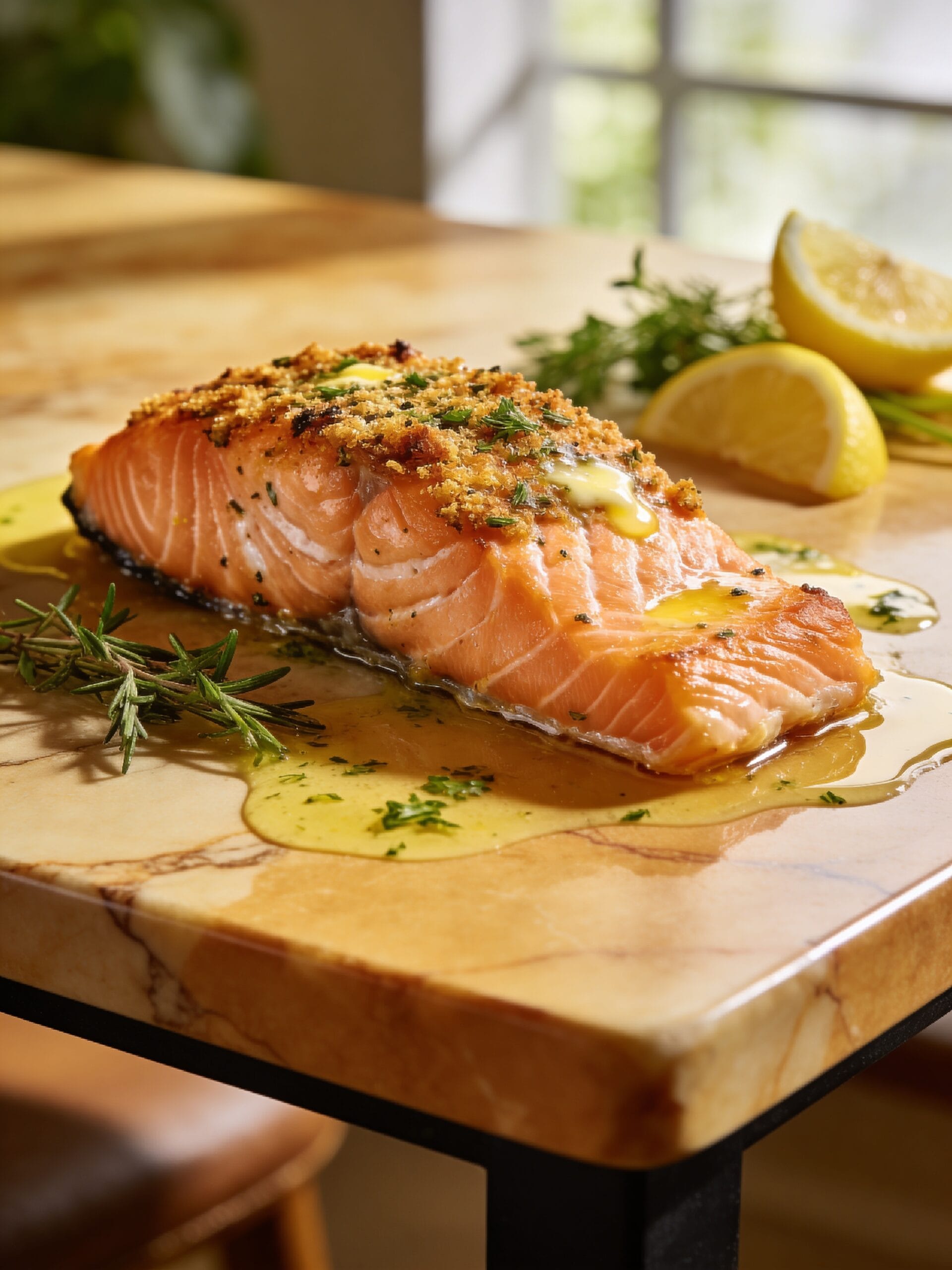
After 20 years in professional kitchens, I can tell you that a perfect baked salmon is one of the most rewarding dishes to master. It’s simple, elegant, and incredibly versatile, lending itself to everything from a whole fillet to delicious baked salmon patties. This Lemon Herb Baked Salmon recipe isn’t about complicated techniques; it’s about respecting the fish and using fresh, bright flavors to make it shine. Forget dry, bland salmon. This method uses a compound butter to lock in moisture and infuse the fillet with flavor from the inside out. We’re aiming for a fish that is so tender it flakes with the gentle nudge of a fork, with a vibrant topping of fresh herbs and bright lemon. This is the kind of meal that works for a quick weeknight dinner but is impressive enough to serve to guests. Let’s get cooking.
Why You’ll Love This Recipe
- Fast and Efficient: This entire meal comes together in under 30 minutes. It’s the ideal solution for busy weeknights when you want something healthy and satisfying without spending hours in the kitchen.
- Incredible Flavor Payoff: The combination of melted butter, pungent garlic, fresh herbs, and bright lemon creates a sauce that perfectly complements the rich flavor of the salmon without overpowering it.
- Foolproof Method: By following my specific temperature and timing cues, you’re set up for success. This foolproof method guarantees a moist and flaky baked salmon every single time, eliminating the guesswork and fear of overcooking.
Ingredients List
The quality of your ingredients directly impacts the final dish, especially with seafood. Here’s what you’ll need and why:
For the Salmon:
- Salmon Fillets: 4 (6-ounce) fillets, about 1 to 1.5 inches thick. You can use skin-on or skin-off. I prefer skin-on as it provides a layer of protection against the heat, resulting in a more tender fillet. King, Sockeye, or Coho all work well.
- Extra Virgin Olive Oil: 2 teaspoons. This helps the seasonings adhere and prevents the fish from sticking.
- Kosher Salt: ¾ teaspoon. Kosher salt’s larger crystals provide better flavor distribution than table salt.
- Freshly Ground Black Pepper: ½ teaspoon. The aromatic bite of fresh-ground pepper is far superior to pre-ground.
For the Lemon Herb Butter:
- Unsalted Butter: 4 tablespoons, softened to room temperature. Using unsalted butter gives you complete control over the saltiness of the dish.
- Garlic: 2 cloves, minced. Please use fresh garlic. The pre-minced jarred variety has a muted, often slightly acidic taste that doesn’t compare.
- Fresh Dill: 2 tablespoons, finely chopped. Dill and salmon are a classic pairing for a reason; its slightly anise-like flavor is a perfect match.
- Fresh Parsley: 2 tablespoons, finely chopped. Flat-leaf (Italian) parsley adds a fresh, peppery brightness.
- Lemon: 1 medium lemon. You will use both the zest (about 1 teaspoon) and the juice (about 2 tablespoons).
- Red Pepper Flakes: ¼ teaspoon (optional). This adds a subtle warmth in the background that cuts through the richness of the butter and salmon.
Step-by-Step Instructions
- Prepare the Oven and Pan: Adjust your oven rack to the middle position and preheat to 400°F (200°C). A properly preheated oven is crucial for even cooking. Line a baking sheet with parchment paper for easy cleanup.
- Prep the Salmon: Remove the salmon from the refrigerator about 15 minutes before baking to let it come closer to room temperature. Pat the fillets completely dry on all sides with a paper towel. This is the most important step for getting a good texture. Moisture will steam the fish instead of baking it.
- Season the Fillets: Place the salmon fillets on the prepared baking sheet, skin-side down if applicable. Drizzle evenly with the olive oil, then sprinkle with the kosher salt and black pepper.
- Make the Compound Butter: In a small bowl, combine the softened butter, minced garlic, chopped dill, chopped parsley, lemon zest, and optional red pepper flakes. Mix with a fork until everything is thoroughly incorporated.
- Top the Salmon: Divide the lemon herb butter mixture evenly among the four salmon fillets, spreading it over the top of each one. Slice the zested lemon into thin rounds and place 1-2 slices on top of each fillet.
- Bake to Perfection: Place the baking sheet in the preheated oven. Bake for 12-18 minutes. The exact time will depend on the thickness of your fillets. The salmon is done when it flakes easily with a fork or an instant-read thermometer inserted into the thickest part reads 130-135°F for medium. The flesh should be opaque and pink.
- Rest and Serve: Remove the salmon from the oven. Squeeze the juice from the remaining lemon half over the fillets. Let the salmon rest on the baking sheet for 3-5 minutes before serving. This allows the juices to redistribute throughout the fillet.
Chef’s Pro Tips for Success
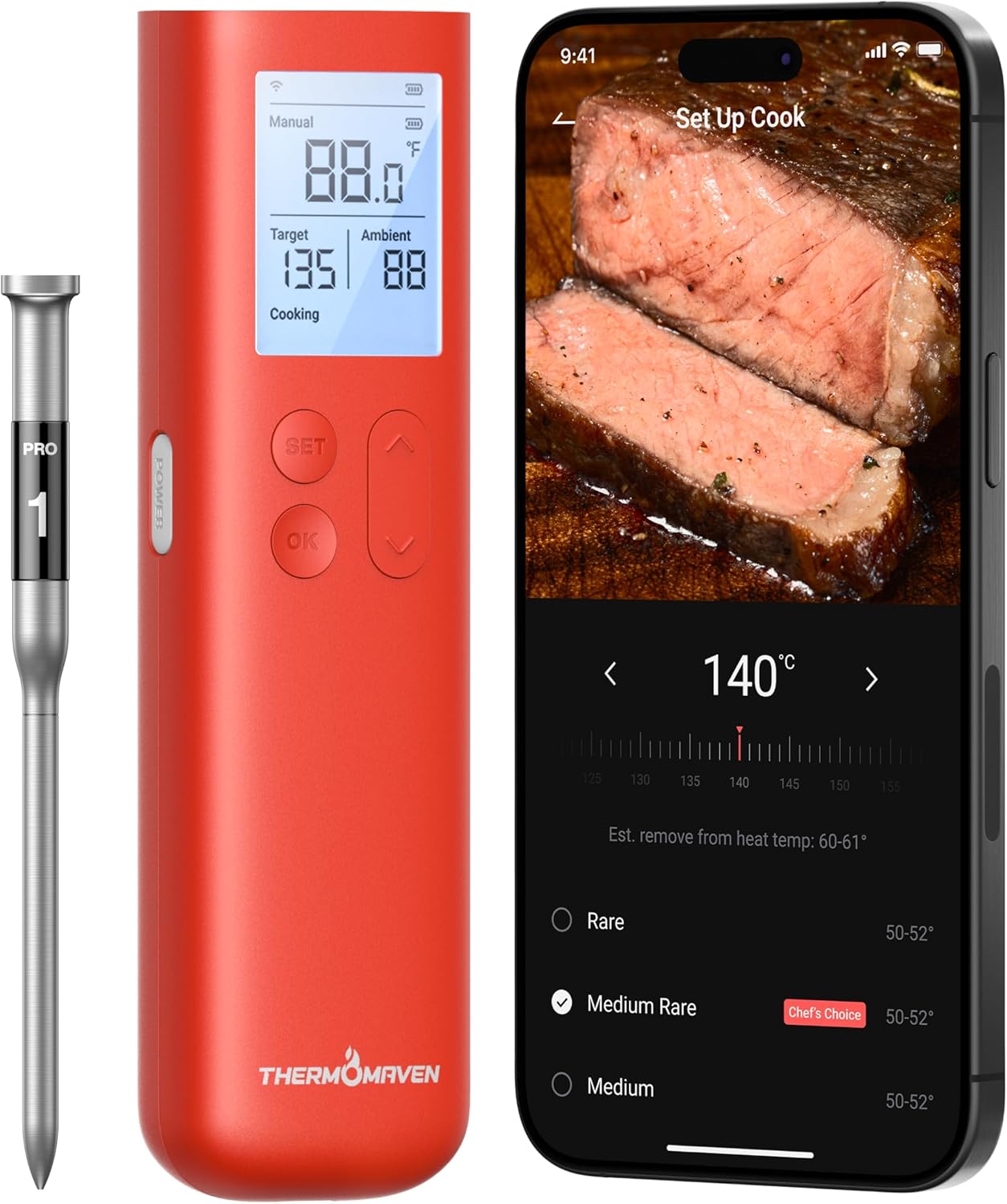
I talk a lot about temperature because it’s the single most important factor between succulent salmon and dry, chalky disappointment. Guessing is a recipe for disaster. That’s why I rely on a tool like the ThermoMaven Wireless Meat Thermometer. I can set my target temp, and it tells me the exact moment to pull the fish from the oven for that perfect carryover cook. It’s how I guarantee foolproof results every single time.
Stop guessing and start getting perfect salmon every time. Check out the thermometer I trust in my kitchen.
ThermoMaven Smart Wireless Meat Thermometer
✓ prime
We earn a commission if you make a purchase, at no additional cost to you.
Over two decades, I’ve learned a few non-negotiable rules for cooking fish. These tips will take your salmon from good to great.
- The Dry-Pat is Non-Negotiable: I mentioned it above, but it’s worth repeating. Any surface moisture on the salmon will turn to steam in the hot oven. Steam prevents the surface from developing any texture and can result in a slightly mushy fish. Pat it dry until the paper towel comes away clean.
- Embrace the Carryover Cooking Rest: Salmon, like a good steak, continues to cook even after you take it out of the oven. This is called carryover cooking. I pull my salmon when it hits 130°F because I know it will climb another 5 degrees as it rests, landing at a perfect 135°F medium. If you wait until it’s 145°F in the oven, it will be overcooked by the time you eat it.
- Skin is Your Insurance Policy: If you’re nervous about overcooking salmon, buy it with the skin on. The skin and the layer of fat beneath it act as an insulator, protecting the delicate flesh from the direct heat of the pan. This gives you a larger margin for error and results in a more succulent fillet.
- Zest First, Juice Later: Lemon zest contains the aromatic oils from the peel, providing a deep, floral lemon flavor without a ton of acidity. Add the zest to the butter to infuse it during baking. Save the acidic lemon juice for the very end. Squeezing it on after the salmon comes out of the oven brightens everything up without the risk of the acid ‘cooking’ the fish and altering its texture (like in ceviche).
- Invest in a Fish Spatula: A flexible, offset fish spatula is one of the most useful tools in a kitchen. Its thin, wide head can slide easily under delicate fillets without breaking them apart, whether you’re moving them from the pan to the plate or checking for doneness.
Common Mistakes to Avoid
Here are some of the most common issues home cooks face and how to fix them for good.
- The Overcooked Salmon Tragedy: You followed a recipe’s time exactly, but your fish came out dry and chalky. Why? Because all ovens are different and all salmon fillets have a unique thickness. The time is a guideline, not a law. The fix is to rely on internal temperature and visual cues. For a perfect medium, the center should still be a little translucent when you flake it. This is why understanding carryover cooking is so critical to making a great baked salmon.
- The Sticking Skin Nightmare: You went to serve your beautiful salmon, and the delicious, crispy skin ripped off and stuck to the foil. The cause is almost always a lack of a proper barrier. Foil is notorious for sticking. The fix is to use parchment paper instead of foil, or if you must use foil, make sure you oil it generously right before placing the fish on it.
- Flavorless, Bland Fish: You seasoned it, but it still tastes flat. This usually comes down to two things: not using enough salt or not seasoning at the right time. Salmon is a fatty fish that needs a good amount of salt to bring out its flavor. Don’t be shy. Season it right before it goes into the oven. Also, using fresh herbs and fresh garlic makes a world of difference compared to their dried or jarred counterparts.
- The White Gunk (Albumin): You notice a white, protein-like substance seeping out of the salmon as it cooks. This is called albumin. While harmless, a large amount of it usually means the fish was cooked too quickly at too high a temperature, causing the muscle fibers to contract and push it out. The fix is to let the salmon rest at room temperature for 15 minutes before baking and to cook it at a moderate temperature like 400°F, not 450°F or higher.
Variations and Serving Ideas
This recipe is a fantastic template. Once you master the technique, you can customize it endlessly.
- Citrus Swap: Substitute the lemon with lime for a zesty, almost tropical flavor, or use orange for a sweeter, milder citrus note. Blood orange in the winter is particularly delicious.
- Herb Garden Medley: Don’t have dill or parsley? Finely chopped fresh rosemary, thyme, or chives are all excellent with salmon. A rosemary-garlic combination is robust and perfect for fall.
- Add a Panko Crust: For extra texture, mix 1/4 cup of panko breadcrumbs and 2 tablespoons of grated Parmesan cheese into the softened butter mixture. Pat this on top of the salmon before baking for a crunchy, golden-brown crust.
- Make it a Full Sheet Pan Meal: Turn this into a one-pan dinner. Toss 1 bunch of asparagus (trimmed) or 2 cups of broccoli florets with olive oil, salt, and pepper. Arrange them around the salmon on the baking sheet. The vegetables will cook in about the same amount of time, giving you a complete baked salmon dinner with minimal cleanup.
What to Serve With
A perfectly cooked piece of salmon deserves side dishes that complement its rich flavor.
- Roasted Vegetables: Roasted asparagus with a squeeze of lemon is a classic. Roasted broccoli, green beans, or bell peppers also work beautifully. Their slight char and sweetness balance the salmon’s richness.
- Starches: A bed of creamy Parmesan polenta or fluffy quinoa are excellent choices to soak up the delicious lemon herb butter. For different flavor profiles, like our popular Soy Ginger Baked Salmon, steamed rice would be a perfect starchy base.
- Salads: A simple arugula salad with a light vinaigrette provides a fresh, peppery contrast. A Greek-inspired cucumber and tomato salad is also a refreshing option.
Storage and Reheating
Storing and reheating seafood correctly is key to enjoying leftovers.
- Storage: Let the salmon cool completely to room temperature. This is important to prevent condensation inside the container. Wrap each fillet individually and tightly in plastic wrap first, then place them in an airtight container. This double barrier helps contain the fishy odor. Store in the refrigerator for up to 2 days.
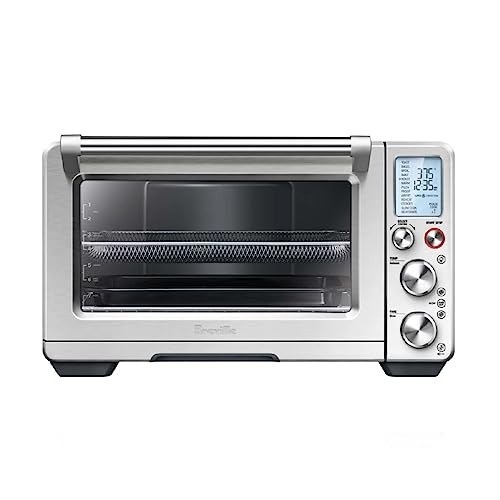
- Reheating: The microwave is the enemy of leftover salmon; it will dry it out in seconds. The best method is low and slow in the oven. Preheat your oven or toaster oven to 275°F (135°C). Place the salmon in a small baking dish, add a splash of water or broth to create some steam, and cover tightly with foil. Heat for 10-15 minutes, or until just warmed through. You can also flake the cold salmon and add it to salads or pasta.
FAQs (People Also Ask)
1. How do I know my baked salmon is done without a thermometer?
The most reliable way is the ‘fork test.’ Take a fork and gently press or twist the thickest part of the fillet. A perfectly cooked baked salmon should flake apart easily. The color in the very center should be slightly translucent and pink, not raw or dark pink. If it’s uniformly opaque and pale pink all the way through, it’s likely on its way to being overcooked.
2. Can I use frozen salmon for this recipe?
Absolutely. The key is to thaw it properly. The best way is to move it from the freezer to the refrigerator the night before you plan to cook it. For a quicker thaw, you can place the vacuum-sealed fillet in a bowl of cold water for about 30-60 minutes. Never use warm water or the microwave to thaw fish. Once thawed, pat it extremely dry before proceeding with the recipe.
3. Is it better to bake salmon with the skin on or off?
From a chef’s perspective, skin-on is almost always better for baking. The skin acts as a protective barrier, preventing the flesh from drying out. It holds the fillet together and adds a rich flavor from the fat stored just beneath it. If you don’t like to eat the skin, it’s very easy to slide the cooked fillet right off the skin with your spatula before serving.
4. Can I prepare the lemon herb butter ahead of time?
Yes, this is a great time-saver. You can mix the compound butter and store it in an airtight container in the refrigerator for up to a week, or in the freezer for up to 3 months. You can even roll it into a log in plastic wrap, chill it, and then slice off ‘pats’ of butter as needed. Let it soften slightly before spreading it on the salmon.
5. Why did my salmon release a lot of white stuff (albumin)?
That white substance is a coagulated protein called albumin. It’s completely harmless to eat, but seeing a lot of it is a sign that the salmon was cooked too aggressively. When the muscle fibers of the fish are heated too quickly, they contract and squeeze out the albumin. To minimize this, let your salmon sit at room temperature for 15 minutes before cooking and stick to a moderate oven temperature like 400°F.
Nutrition
Nutrition Facts
(Per serving. Estimates only, varies by exact ingredients used)
Conclusion
This Lemon Herb Baked Salmon is more than just a recipe; it’s a reliable technique you’ll use for years to come. It proves that creating an elegant, healthy, and deeply flavorful seafood dinner doesn’t require complex steps or a long list of ingredients. It just requires a little respect for the fish and an understanding of the fundamentals. I hope you enjoy making—and eating—this dish as much as I do. Give it a try, and let me know how it turns out!
Lemon Herb Baked Salmon
Ingredients
- 4 (6-ounce) salmon fillets, 1 to 1.5 inches thick
- 2 teaspoons extra virgin olive oil
- ¾ teaspoon kosher salt
- ½ teaspoon freshly ground black pepper
- 4 tablespoons unsalted butter, softened
- 2 cloves garlic, minced
- 2 tablespoons fresh dill, finely chopped
- 2 tablespoons fresh parsley, finely chopped
- 1 medium lemon, zested and sliced/juiced
- ¼ teaspoon red pepper flakes (optional)
Instructions
- Adjust oven rack to the middle position and preheat to 400°F (200°C). Line a baking sheet with parchment paper.
- Let salmon rest at room temperature for 15 minutes. Pat the fillets completely dry with a paper towel.
- Place salmon on the baking sheet. Drizzle with olive oil and season with kosher salt and black pepper.
- In a small bowl, combine the softened butter, minced garlic, chopped dill, parsley, lemon zest, and optional red pepper flakes. Mix until incorporated.
- Spread the lemon herb butter mixture evenly over the top of each salmon fillet. Top each with 1-2 thin slices of lemon.
- Bake for 12-18 minutes, until the salmon flakes easily with a fork or an instant-read thermometer reads 130-135°F in the thickest part.
- Remove from the oven, squeeze the remaining lemon juice over the top, and let rest for 3-5 minutes before serving.