Introduction
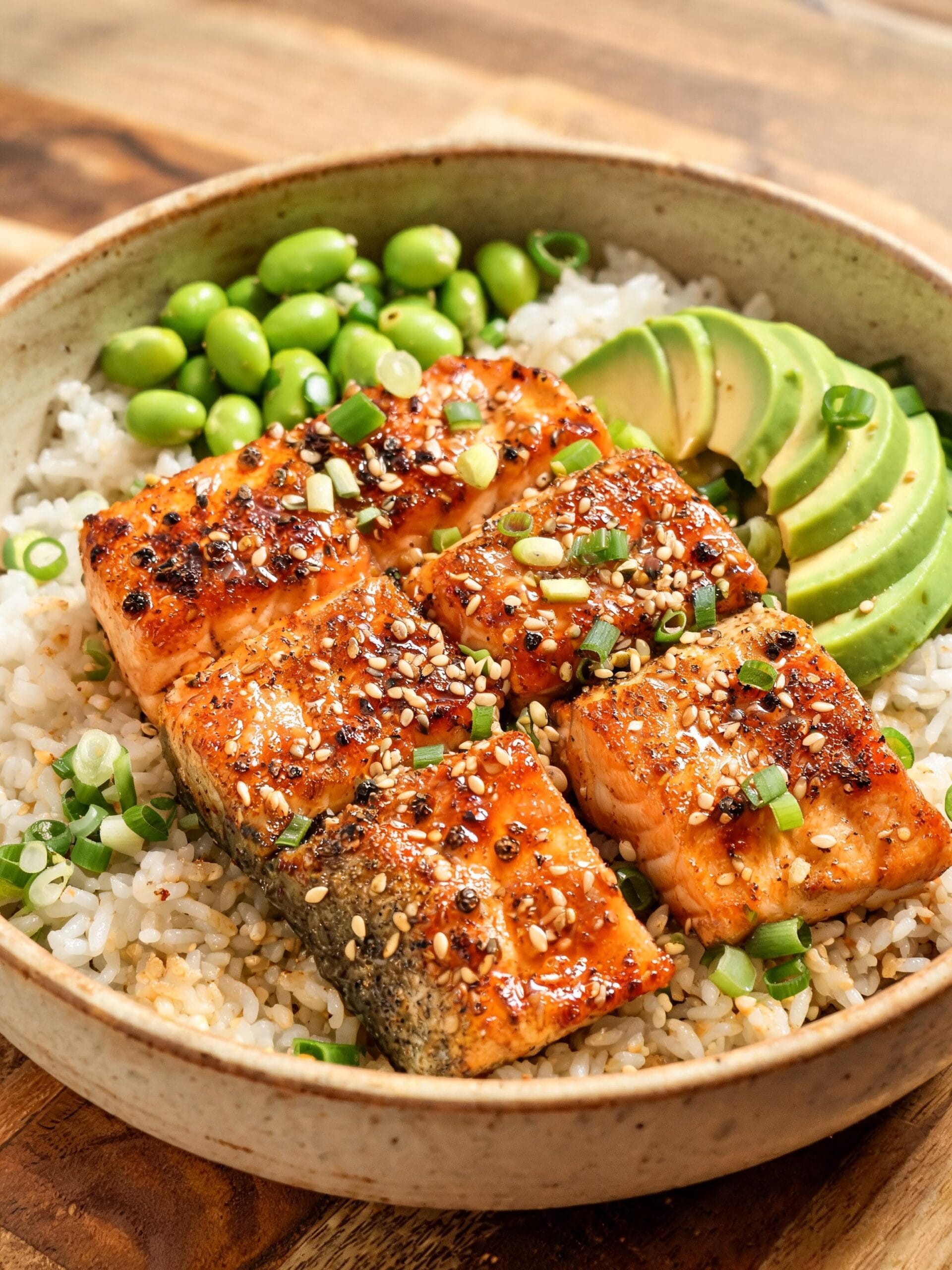
Some nights, you don’t want a project. You just want good, honest food that feels like a reward for a long day. For me, that’s this Healthy Edamame Salmon Rice Bowl. This isn’t some fancy restaurant dish; this is what I make when I get home, tired, and need something that’s going to fill me up without weighing me down. It’s the kind of meal born from necessity and perfected over countless quiet evenings. The salmon, pan-seared just right so the skin gets crispy, sits on a bed of warm rice. While I also love a richer Indian style coconut curry salmon, the simplicity of this bowl is its charm. You add the good stuff: creamy avocado, bright green edamame, and a simple sauce that ties it all together. It’s clean, it’s simple, and it tastes like home. This is just a straight-up good meal that respects the fish and nourishes the body. It’s my version of a perfect weeknight dinner, a real Healthy Edamame Salmon Rice Bowl that feels both special and incredibly easy.
Why You’ll Love This Recipe
- Quick and Simple: From start to finish, you’re looking at about 30 minutes. It’s the perfect meal for when you’re hungry *now* and don’t have the energy for a complicated cooking process.
- Full of Goodness: It’s packed with protein from the salmon and edamame, healthy fats from the avocado, and satisfying carbs from the rice. It’s a complete meal in one bowl that leaves you feeling great.
- Endlessly Adaptable: This recipe is more of a template than a strict rulebook. You can swap veggies, change the sauce, or use a different grain. It’s designed to work with what you have on hand.
Ingredients List
I like to keep things simple. These are ingredients you can find just about anywhere. No need to hunt down anything fancy.
For the Salmon:
- Salmon Fillets: 4 fillets, about 5-6 ounces each, skin-on if you can get it. The skin is the best part when it’s crispy. Ask the person at the fish counter for center-cut pieces if possible; they cook more evenly.
- Olive Oil: 1 tablespoon. Just a regular olive oil for cooking, nothing too expensive.
- Kosher Salt: ½ teaspoon, or to taste. I like the coarse texture of kosher salt for seasoning fish.
- Black Pepper: ¼ teaspoon, freshly cracked if you have it.
For the Simple Sauce:
- Low-Sodium Soy Sauce: ¼ cup. Using low-sodium gives you more control over the saltiness. You can always add more salt, but you can’t take it away.
- Mirin: 2 tablespoons. This is a sweet, Japanese rice wine. It adds a really nice, subtle sweetness that balances the soy sauce. If you don’t have it, a teaspoon of honey or maple syrup mixed with 2 tablespoons of water works fine.
- Toasted Sesame Oil: 1 teaspoon. This stuff is strong, so a little goes a long way. It adds that nutty, savory flavor that makes the sauce so good.
- Rice Vinegar: 1 tablespoon. For a little bit of tang to cut through the richness of the salmon and avocado.
For Assembling the Bowls:
- Cooked Rice: 4 cups, warm. I usually use a short-grain white rice or sushi rice because I like the slightly sticky texture, but brown rice or quinoa works great too.
- Shelled Edamame: 1 ½ cups, cooked. I just buy the frozen shelled kind and boil it for a few minutes. It’s easy.
- Avocados: 2 ripe avocados, sliced or diced. You want them to be ripe but still firm enough to hold their shape.
- Scallions: 2, thinly sliced. For a little bit of fresh, oniony bite.
- Sesame Seeds: 1 tablespoon, toasted. For garnish and a little extra crunch.
Step-by-Step Instructions
This comes together fast, so it’s a good idea to have everything prepped and ready to go before you start cooking the salmon.
- Prepare Your Components: First things first, get your rice cooking according to the package directions. While that’s going, cook your frozen edamame. I just boil some water, toss them in for 3-4 minutes until they’re bright green and tender, then drain them. Slice your avocados and scallions. Set everything aside.
- Make the Sauce: In a small bowl, just whisk together the soy sauce, mirin, sesame oil, and rice vinegar. Give it a taste. This is your chance to adjust it if you want it a little sweeter or tangier. Set it aside.
- Prep the Salmon: Take the salmon fillets out of the fridge about 15 minutes before you cook them. This helps them cook more evenly. Pat them completely dry with paper towels. This is the most important step for getting crispy skin. If the skin is wet, it will steam, not sear. Season both sides generously with kosher salt and black pepper.
- Cook the Salmon: Heat the olive oil in a large skillet (cast iron or non-stick works best) over medium-high heat. The oil should shimmer but not be smoking like crazy. Carefully place the salmon fillets in the pan, skin-side down. You should hear a nice sizzle. Press down gently on each fillet with a spatula for about 10 seconds to make sure the entire surface of the skin is touching the pan.
- Let It Cook: Now, don’t touch it. Let it cook skin-side down for about 4-6 minutes. You can watch the color change as it cooks up the side of the fillet. You want the skin to be golden brown and crispy. Once it’s ready, it should release from the pan easily. Flip the fillets and cook for another 2-4 minutes on the other side, depending on how thick they are and how you like your salmon cooked. I like mine just barely cooked through in the center.
- Rest the Salmon: Remove the salmon from the pan and let it rest on a cutting board for a couple of minutes. This is important. It lets the juices redistribute so the fish stays moist.
- Assemble the Bowls: Divide the warm rice among four bowls. Top each bowl with a salmon fillet. You can leave it whole or flake it into large chunks. Arrange the edamame and sliced avocado around the salmon. Drizzle everything generously with the sauce. Garnish with the sliced scallions and toasted sesame seeds. Serve immediately.
Small Tricks From Cooking Fish at Home
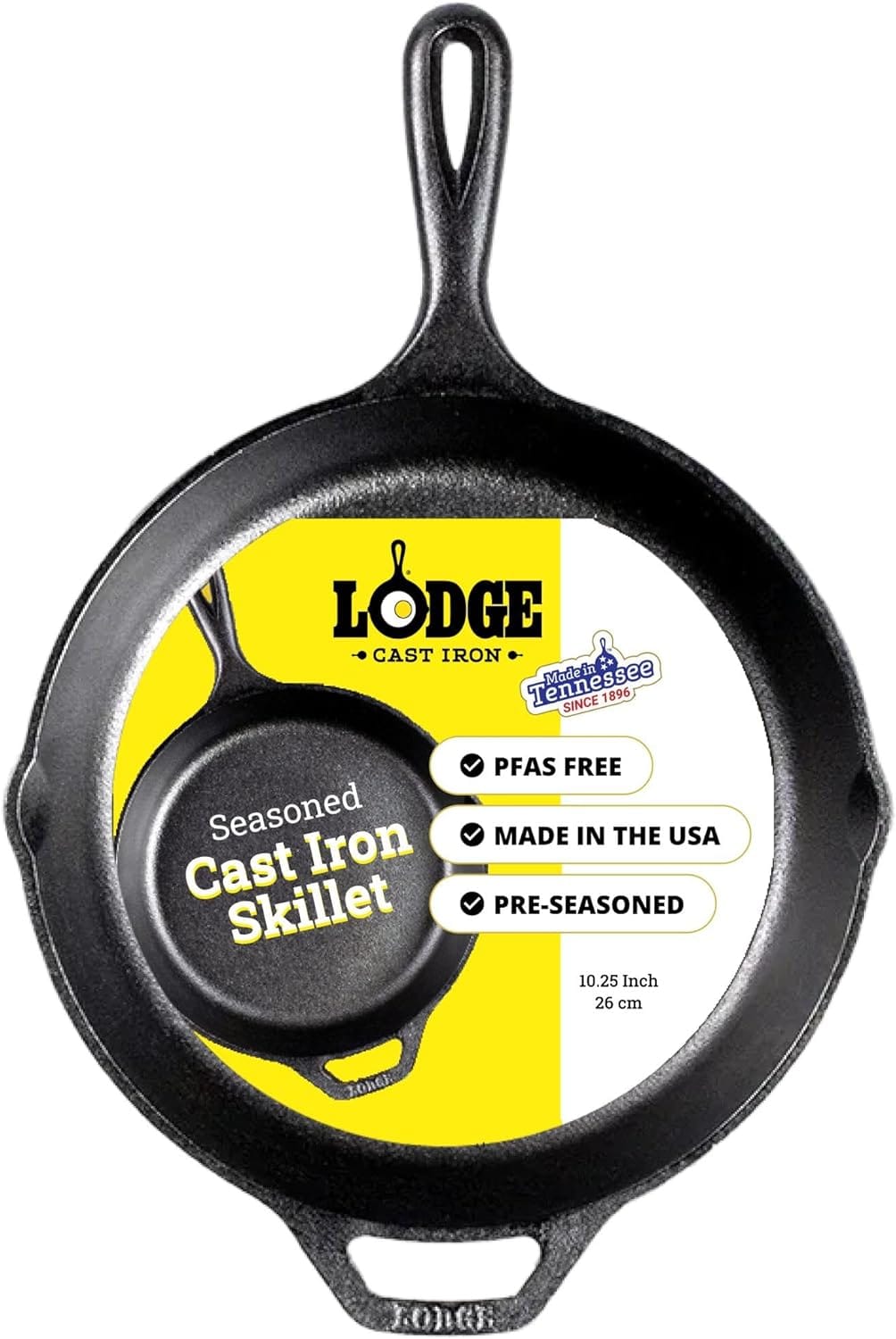
Speaking of getting a good sear, the single most important tool in my kitchen for that job is a reliable cast iron skillet. I’ve used all sorts of fancy non-stick pans, but nothing—and I mean nothing—beats the consistent, high heat of a well-seasoned cast iron pan for getting that perfectly crispy salmon skin we’re all after. My go-to for years has been the Lodge 10.25 inch skillet. It’s a real workhorse that distributes heat evenly, preventing hot spots and ensuring the skin doesn’t stick. It’s the secret weapon behind that perfect sear every single time.
If you’re serious about upping your salmon game, this is the one piece of equipment I’d recommend. Check it out for yourself.
Lodge 10.25 Inch Cast Iron Skillet with Assist Handle
✓ prime
We earn a commission if you make a purchase, at no additional cost to you.
Over the years, I’ve learned a few things—mostly by messing them up first. These aren’t fancy chef secrets, just practical tips that make a difference.
- Dry Skin is Crispy Skin: I know I said it before, but it’s the most important thing. Moisture is the enemy of crispiness. Before you season the salmon, blot it with a paper towel on all sides, especially the skin. You want it to feel dry to the touch. This one step will change your salmon game forever.
- Don’t Fear the Heat, But Respect It: You need a hot pan to get a good sear. Medium-high is the sweet spot. If the pan isn’t hot enough, the fish will stick and the skin will get soggy. If it’s screaming hot, the outside will burn before the inside is cooked. Let your pan and oil heat up properly for a minute or two before the fish goes in.
- The Press and Hold: When you first put the salmon in the pan skin-side down, the skin tends to buckle and curl up. To prevent this, use a fish spatula or any flexible spatula to press down gently but firmly on the fillet for about 10-15 seconds. This ensures the entire skin surface makes contact with the hot pan, giving you that perfectly even, crispy texture.
- Cook It Mostly on One Side: For the best results, cook the salmon about 80% of the way through on the skin side. This renders the fat under the skin, making it super crispy, and it gently cooks the flesh from the bottom up. The flip side just needs a quick minute or two to finish. This method helps prevent overcooking and keeps the fish incredibly moist. It’s the key to making a truly great Healthy Edamame Salmon Rice Bowl.
- Let It Rest: Just like a good steak, fish needs to rest after cooking. When you pull it from the heat, the muscle fibers are all tensed up. Letting it sit for 2-3 minutes allows those fibers to relax and the juices to settle back into the fish. If you cut into it right away, all that moisture will just run out onto your cutting board.
Common Mistakes to Avoid
I’ve made all of these. Hopefully, you can learn from my trial and error. A simple dish like this is easy to get right, but also easy to mess up in small ways.
- Using a Cold Pan: This is a classic mistake. If you put salmon in a pan that isn’t hot enough, the skin will immediately bond to the metal like glue. By the time you try to flip it, you’ll be scraping it off in pieces, leaving the best part behind. Always wait for the oil to shimmer before adding the fish.
- Crowding the Pan: If you try to squeeze too many fillets into one pan, you’ll steam the fish instead of searing it. The temperature of the pan will drop, and all that moisture released from the fish will get trapped. Give each fillet its own space. If you need to, cook in two batches. It’s worth the extra few minutes to get that beautiful crust. A soggy salmon will absolutely ruin the experience of a Healthy Edamame Salmon Rice Bowl.
- Moving the Fish Too Soon: It’s tempting to want to peek or move the fish around. Don’t do it. When the skin is properly seared and crispy, it will release from the pan on its own. If you try to force it and it’s sticking, that’s the fish’s way of telling you it’s not ready yet. Be patient.
- Overcooking the Salmon: This is the most common sin in seafood cooking. Salmon goes from perfectly cooked and flaky to dry and chalky in a matter of a minute. It continues to cook even after you take it off the heat. I always aim to pull it from the pan when it’s just a tiny bit underdone in the very center. The residual heat will finish the job while it rests. The goal for this Healthy Edamame Salmon Rice Bowl is tender, flaky fish, not tough salmon jerky.
Variations and Serving Ideas
This bowl is a great starting point. Some days I stick to the script, other days I mix it up based on what’s in the fridge.
- Change the Grain: While I love short-grain rice, this is fantastic with brown rice for more fiber, or quinoa for a protein boost. Sometimes I’ll even serve it over a bed of mixed greens for a lighter, salad-style bowl.
- Add More Veggies: Don’t stop at edamame! Add in some shredded carrots, thinly sliced cucumber, pickled red onions for a sharp tang, or some steamed broccoli or bok choy. Roasted sweet potato cubes are also a great addition for something heartier.
- Try a Different Sauce: The soy-mirin sauce is my go-to, but you can easily change the flavor profile. Try a spicy mayo (just mix mayonnaise with a little sriracha and lime juice), a ginger-miso dressing, or even just a drizzle of ponzu sauce.
- Switch the Protein: This method works beautifully with other fish. Try it with arctic char (which is very similar to salmon), a nice piece of tuna seared rare, or even some grilled shrimp. You can also make a vegetarian version with pan-fried tofu or tempeh. Any of these make a wonderful base for a healthy rice bowl.
What to Serve With
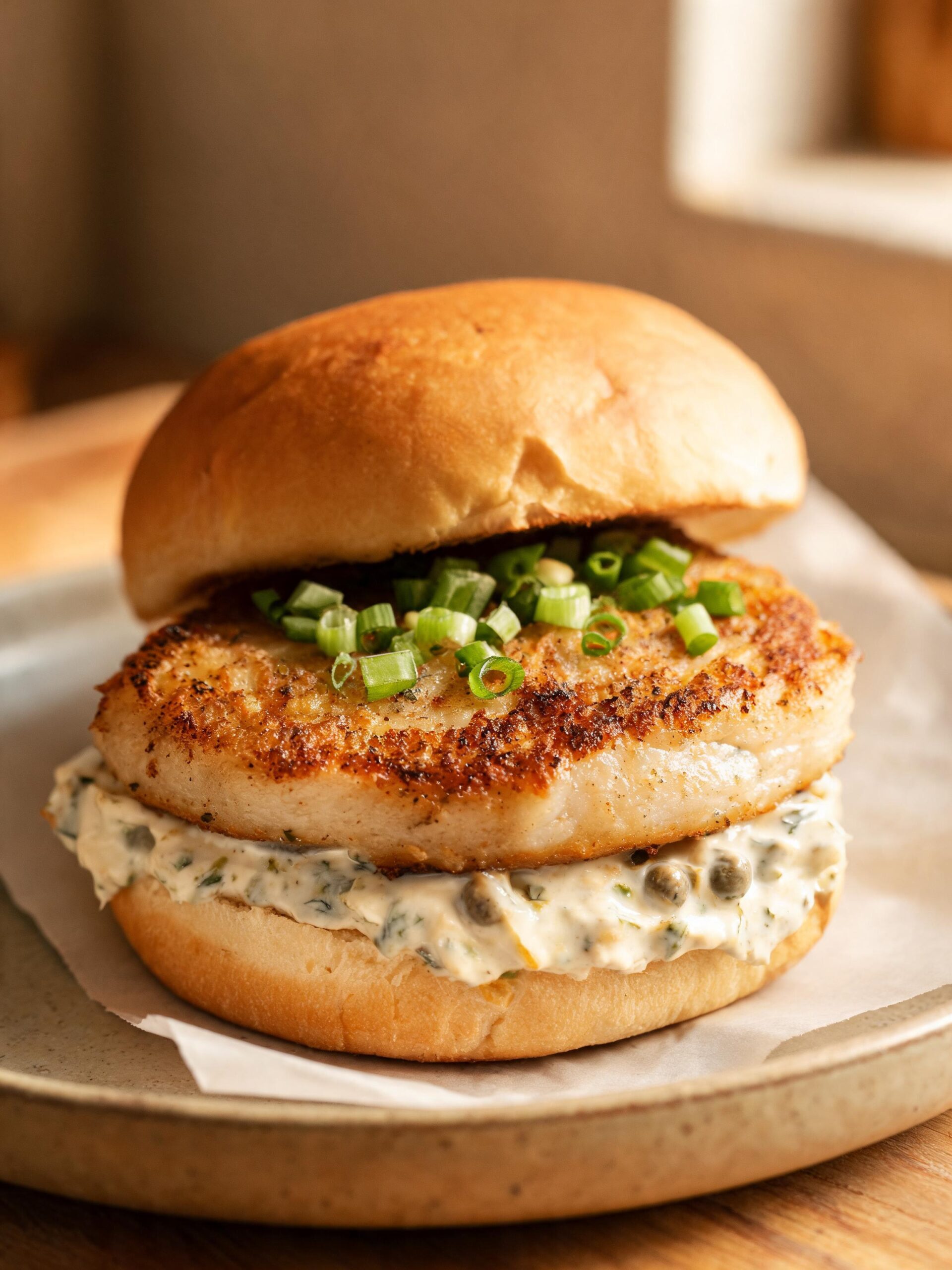
Honestly, this Healthy Edamame Salmon Rice Bowl is a full meal on its own. That’s the beauty of it. You’ve got your protein, your carbs, your fats, and your vegetables all in one place. It’s a fantastic option for a quick dinner, just like our budget-friendly Quick Canned Salmon Burgers. But if you want to stretch the meal or make it feel a bit more special, a few simple things work well.
I sometimes start with a small bowl of simple miso soup. It’s warm and comforting and feels like a perfect, light opening act. A side of Japanese-style pickled cucumber (sunomono) or some pickled ginger can also be nice to have on the side to cleanse the palate between bites. And for a drink? A cold, crisp lager or a simple glass of iced green tea is all you need. Nothing complicated.
Storage and Reheating
Leftovers are great, but you have to handle them correctly, especially with fish.
Storage: The best way to store leftovers is to keep the components separate. If you can, store the rice, salmon, and fresh toppings (avocado, scallions) in different airtight containers in the refrigerator. The salmon and rice will keep for up to 2 days. The avocado will likely brown, so it’s best to use fresh avocado when you eat the leftovers.
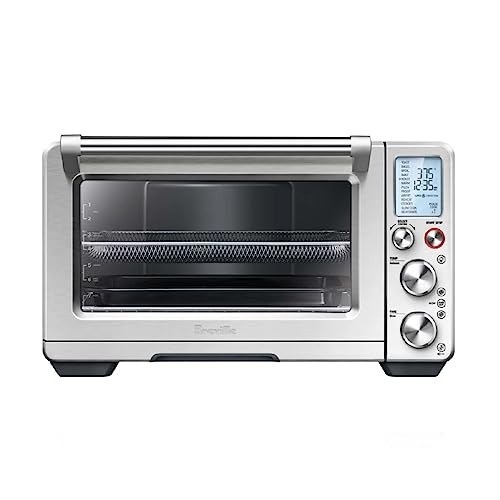
Reheating: Do not, under any circumstances, microwave the salmon. It will turn into a rubbery, sad version of its former self and probably stink up your kitchen. The best way to reheat it is low and slow. Place the salmon fillet on a small baking sheet and warm it in a 275°F (135°C) oven for about 10-15 minutes, or until it’s just warmed through. This gentle heat warms it up without overcooking it. You can also flake the leftover salmon cold and have it that way—it’s delicious. Just warm up the rice in the microwave with a damp paper towel over it to keep it from drying out, then assemble your leftover Healthy Edamame Salmon Rice Bowl with the cold flaked salmon and fresh toppings.
FAQs (People Also Ask)
Can I use frozen salmon for this recipe?
Absolutely. I often use frozen salmon. Just make sure it’s fully thawed before you start. The best way to do this is to let it thaw overnight in the refrigerator. If you’re in a pinch, you can thaw it in a bowl of cold water for about an hour. The most important thing is to pat it completely dry before cooking, just like you would with fresh salmon.
What’s the best rice to use for a salmon rice bowl?
I prefer a Japanese-style short-grain rice, often labeled as sushi rice. It has a slightly sticky texture that’s really pleasant in a bowl like this. Calrose rice is a great, widely available option. However, jasmine rice, brown rice, or even quinoa will work just fine. Use what you like and what you have.
How can I make this recipe gluten-free?
It’s very easy to make this gluten-free. The only ingredient you need to worry about is the soy sauce. Just swap it out for tamari or a gluten-free soy sauce. All the other ingredients are naturally gluten-free.
Can I make the Healthy Edamame Salmon Rice Bowl ahead of time for meal prep?
Yes, with a few adjustments. You can cook the rice and salmon and prepare the sauce ahead of time. Store them in separate containers in the fridge. Cook the edamame as well. When you’re ready to eat, reheat the rice and salmon (using the gentle oven method I mentioned). Then, just slice a fresh avocado and assemble the bowls. It makes for a very quick and satisfying lunch or dinner.
I don’t like my salmon skin, can I make it without?
Of course. If you’re using a skinless fillet, the cooking process is even quicker. Just pan-sear it for 3-4 minutes per side until it’s cooked to your liking. You won’t get that crispy texture, but the salmon will still be tender and delicious. The rest of the recipe stays exactly the same.
Nutrition
Nutrition Facts
(Per serving. Estimates only, varies by exact ingredients used)
Conclusion
This is more than just a recipe to me; it’s a routine. It’s the simple act of making something good for yourself after a day spent on your feet. It’s a bowl of comfort that doesn’t ask for much in return. I hope this simple meal brings a little bit of that quiet, coastal satisfaction to your table. Enjoy it.
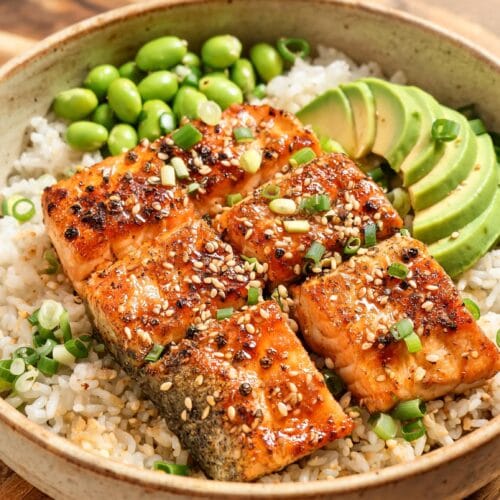
Healthy Salmon Rice Bowl with Edamame & Avocado
Ingredients
- 4 salmon fillets (5-6 oz each), skin-on
- 1 tbsp olive oil
- ½ tsp kosher salt
- ¼ tsp black pepper
- ¼ cup low-sodium soy sauce
- 2 tbsp mirin
- 1 tsp toasted sesame oil
- 1 tbsp rice vinegar
- 4 cups cooked rice, warm
- 1 ½ cups shelled edamame, cooked
- 2 ripe avocados, sliced
- 2 scallions, thinly sliced
- 1 tbsp sesame seeds, toasted
Instructions
- Cook rice and edamame according to package directions. Slice avocados and scallions.
- In a small bowl, whisk together soy sauce, mirin, sesame oil, and rice vinegar to make the sauce.
- Pat salmon fillets completely dry with paper towels. Season both sides with salt and pepper.
- Heat olive oil in a large skillet over medium-high heat. Place salmon in the pan skin-side down. Press gently on each fillet for 10 seconds.
- Cook skin-side down for 4-6 minutes, until the skin is crispy and releases easily from the pan.
- Flip the salmon and cook for another 2-4 minutes on the other side, until cooked to your liking.
- Remove salmon from the pan and let it rest for 2-3 minutes.
- To assemble, divide warm rice among four bowls. Top with a salmon fillet, edamame, and sliced avocado. Drizzle with the sauce and garnish with scallions and sesame seeds.