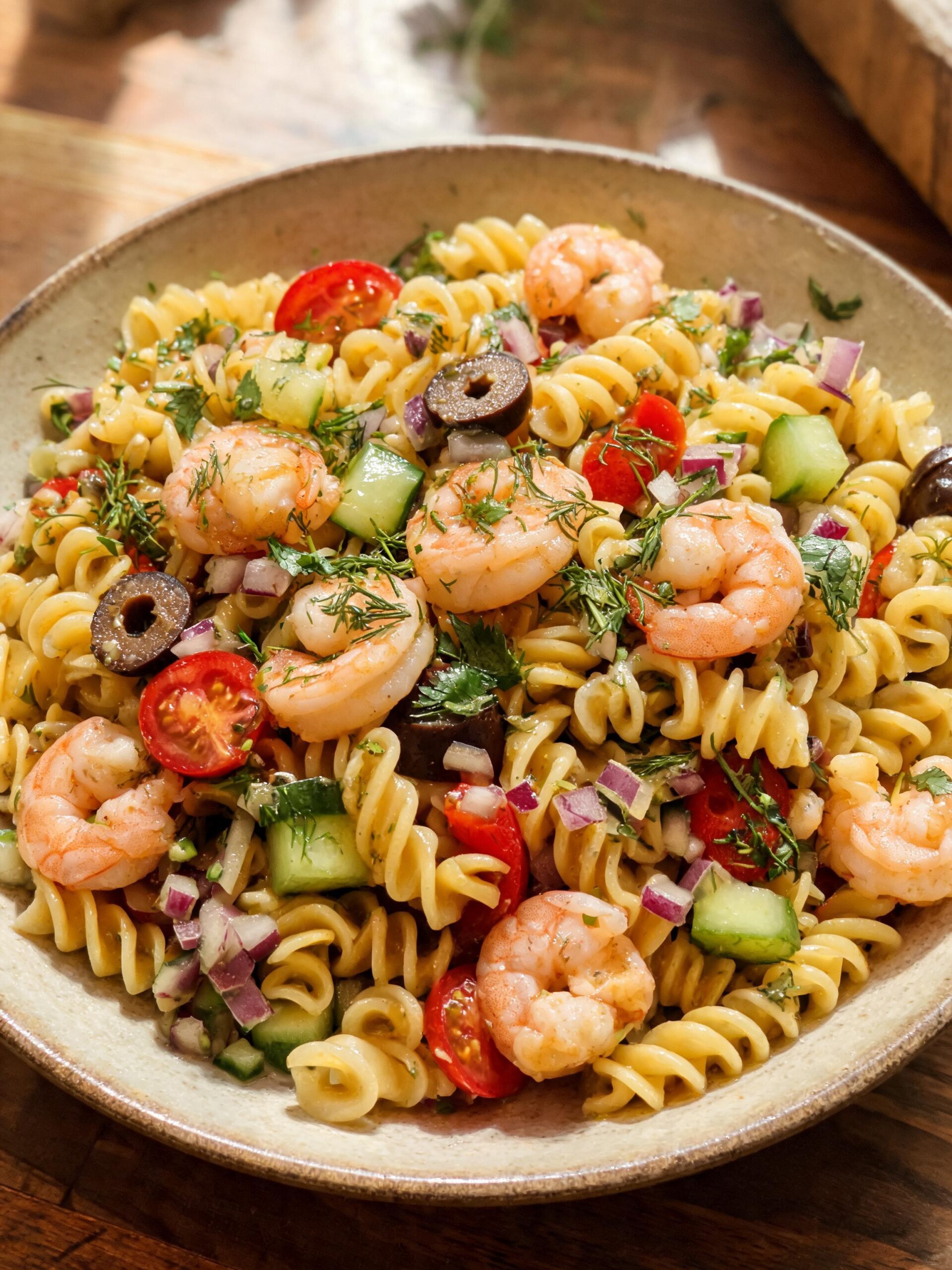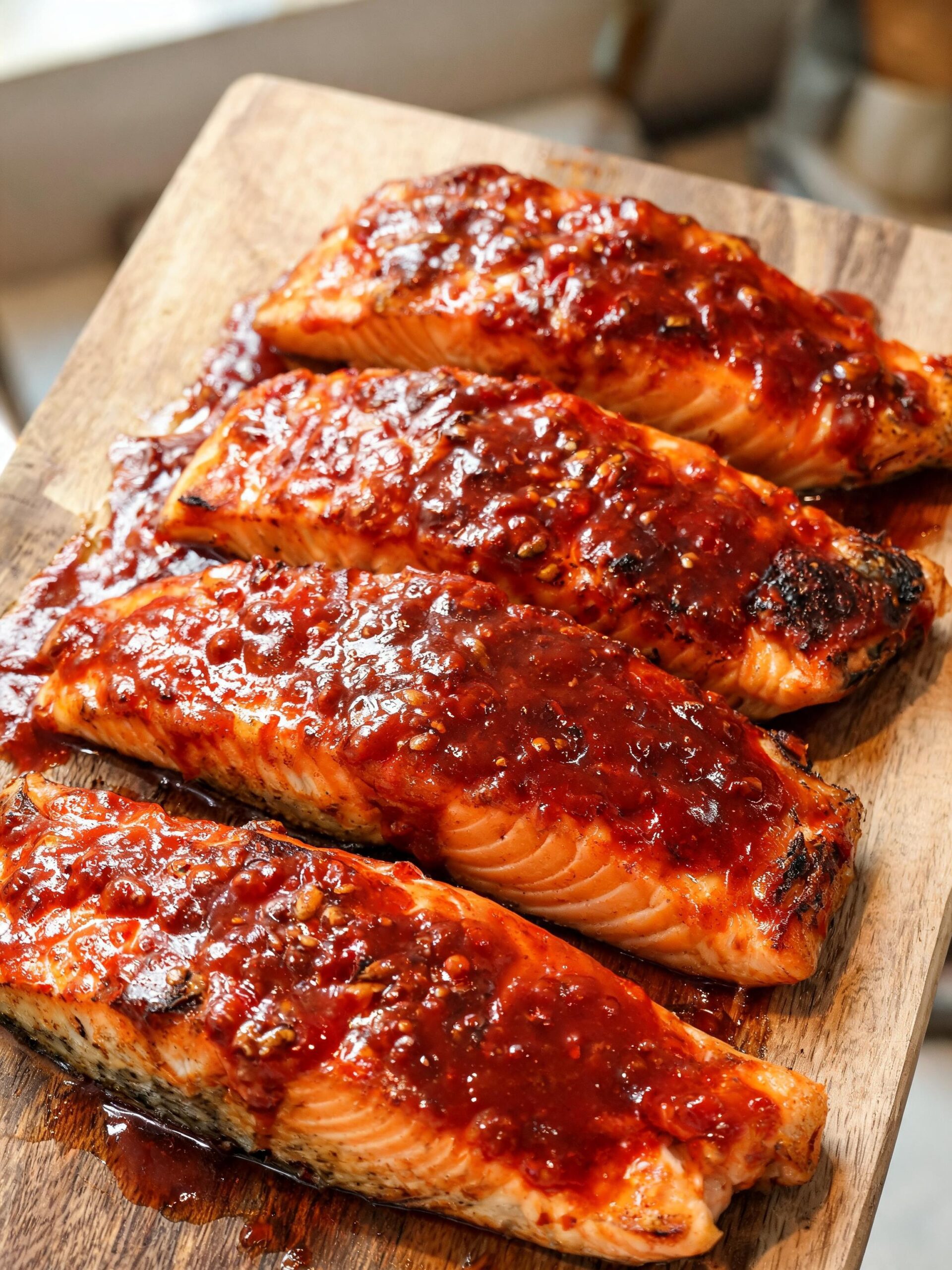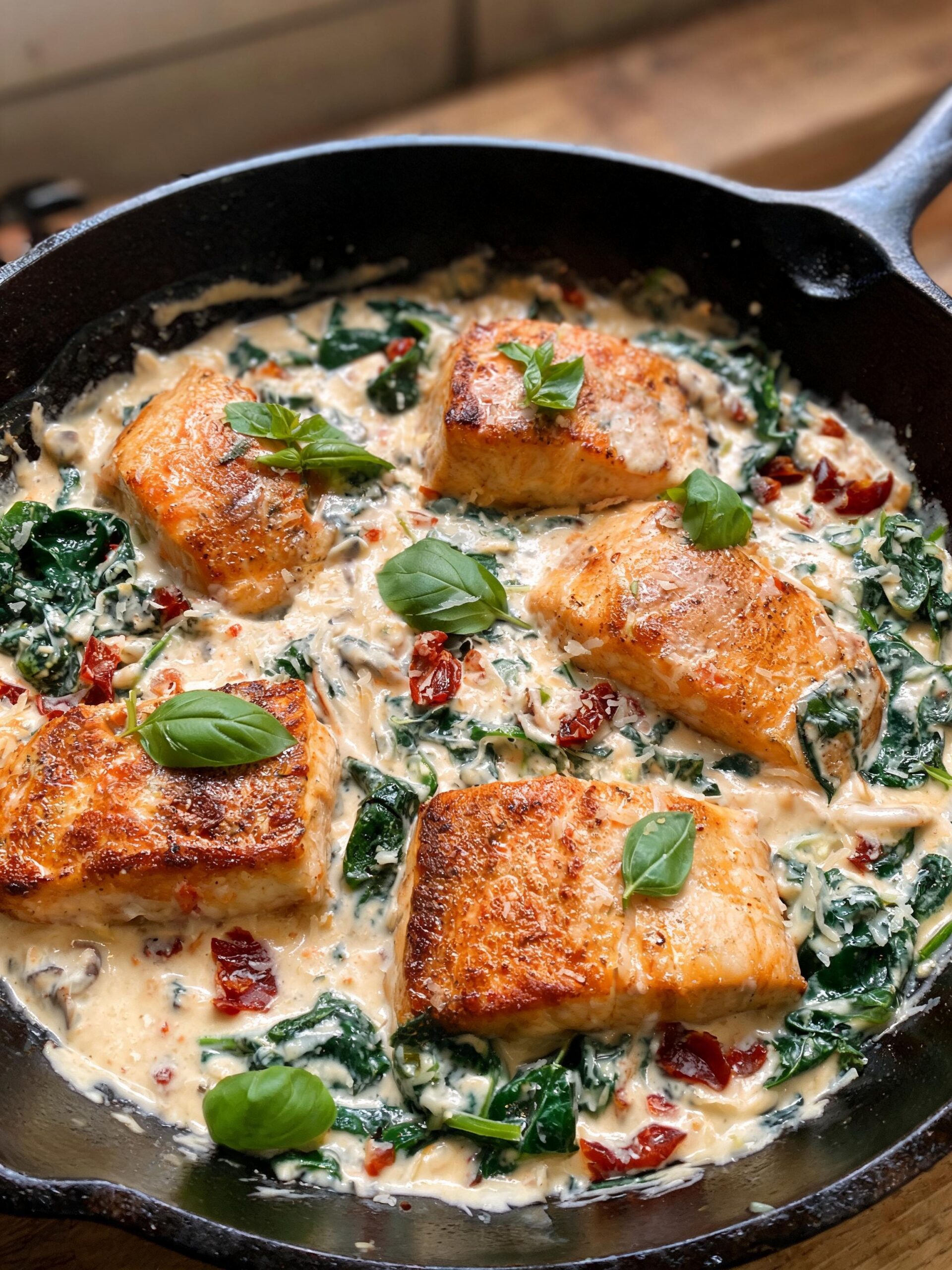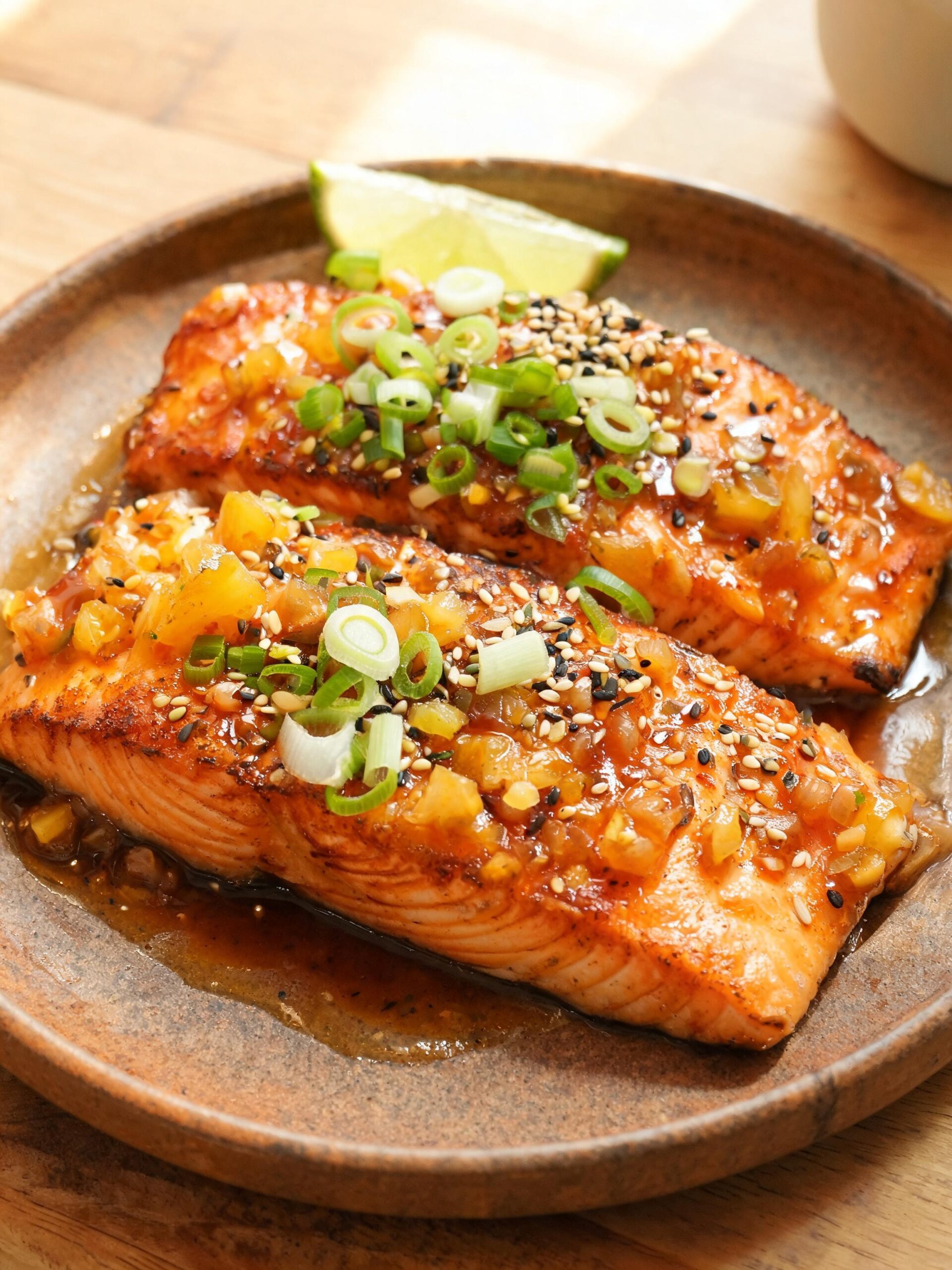
Introduction
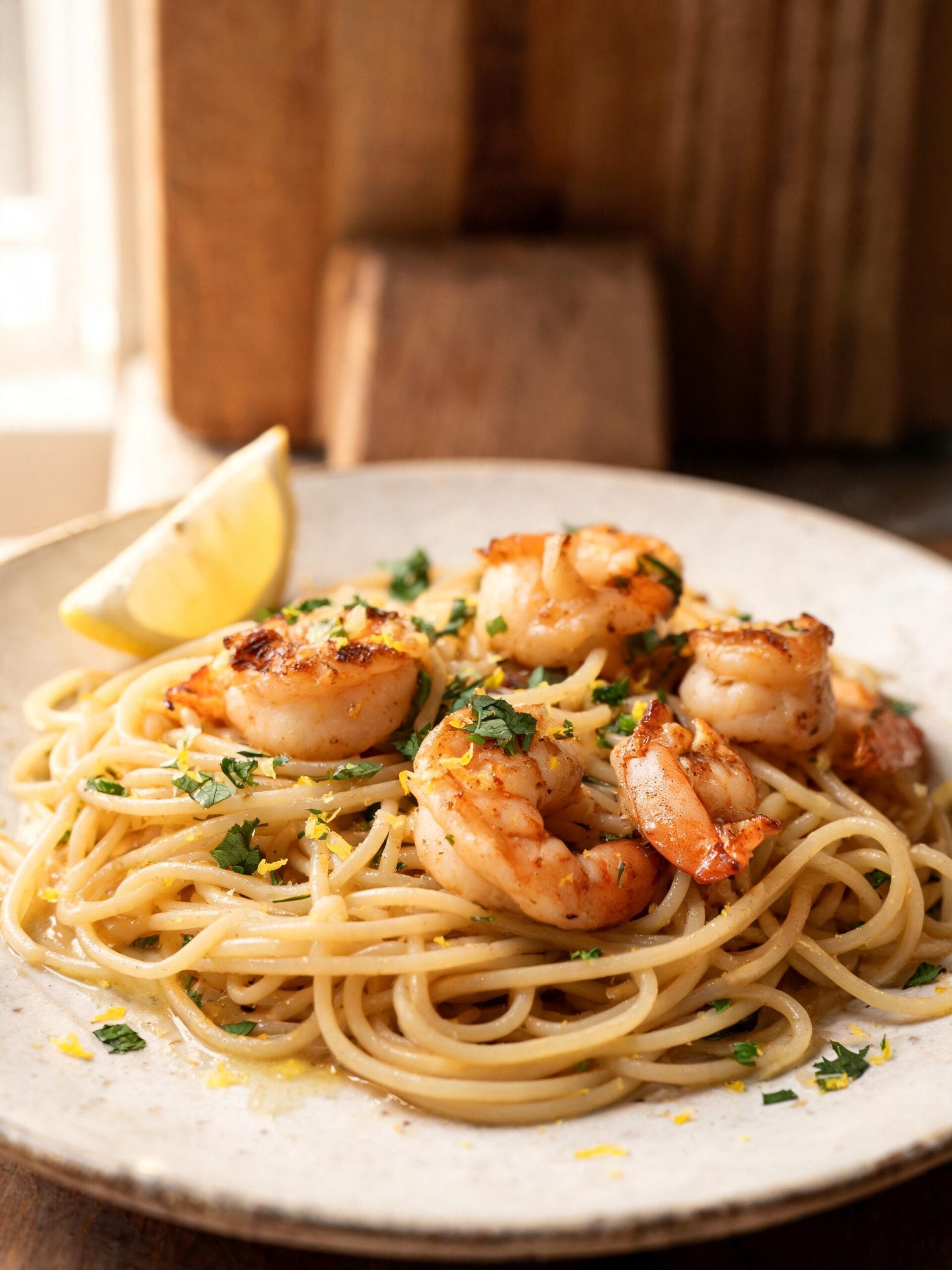
I came home one evening with a bag of fresh shrimp I’d grabbed off a guy selling out of a cooler on the side of the road near the marina. You know the kind of stop. You don’t plan it, you just pull over. And I had nothing ready for dinner, the kitchen was a mess, and I was tired. Simple seafood meals, like a buttery Chilean sea bass, are a lifesaver on nights like these. But I had butter. I had garlic. I had a lemon rolling around in the back of the fridge. And that’s really all you need for the Best Shrimp Scampi you’ll ever make at home.
No fancy setup. No special equipment. Just a pan, a little patience, and shrimp that still smelled like the water they came from.
This easy Best Shrimp Scampi has become the recipe I reach for more than almost anything else. It’s the one I make when people show up unexpectedly. It’s the one my kids ask for on Friday nights. And honestly, it’s the one that reminds me why I started cooking seafood at home in the first place.
Why You’ll Love This Recipe
- It comes together in about 20 minutes from a cold pan — no long prep, no complicated steps, just real food fast.
- The flavor is rich and bright at the same time — garlic butter soaking into the shrimp, a squeeze of lemon cutting through it all, and a little white wine that makes the whole kitchen smell incredible.
- You don’t need any cooking experience to pull this off. If you can melt butter and watch shrimp turn pink, you can make this.
Quick Recipe Snapshot
Prep Time: 15 minutes
Cook Time: 20 minutes
Total Time: 35 minutes
Servings: 4
Calories: ~350 kcal per serving
Best For: Weeknight dinner, date night at home, quick coastal meal
Skill Level: Beginner-friendly
Ingredients List
For the Shrimp:
- 1 ½ lbs large shrimp, peeled and deveined (fresh is best, but thawed frozen works fine)
- ½ tsp salt
- ¼ tsp black pepper
- ¼ tsp red pepper flakes (optional, but I always add it)
For the Scampi Sauce:
- 4 tbsp unsalted butter — this is the heart of the whole dish, don’t skimp
- 2 tbsp olive oil — helps the butter from burning too fast
- 6 cloves garlic, minced — yes, six. Don’t be shy.
- ½ cup dry white wine (something you’d actually drink, not cooking wine from a bottle that’s been open for a month)
- 2 tbsp fresh lemon juice — about one medium lemon
- 1 tsp lemon zest — this is the part most people skip and they really shouldn’t
- ¼ cup fresh parsley, roughly chopped
For Serving:
- 12 oz linguine or spaghetti, cooked and reserved with ½ cup pasta water
- Extra lemon wedges on the side
- Crusty bread, if you have it
Step-by-Step Instructions
- Start your pasta water first. Get a big pot salted and boiling before you do anything else. The shrimp cook so fast that if you wait, you’ll be standing there with a perfect sauce and no pasta ready. I’ve done it. It’s frustrating.
- Season your shrimp with salt, pepper, and red pepper flakes. Toss them around in the bowl so everything gets coated. Set aside.
- Heat a large skillet over medium-high heat. Add the olive oil and 2 tablespoons of the butter. Let it melt and get a little foamy but don’t let it go brown yet.
- Add the shrimp in a single layer. Don’t crowd them — if your pan is small, do two batches. Cook about 1 to 1½ minutes per side. You want them just pink and curled. Pull them out and set them aside on a plate. They’re not done yet, but they’ll finish in the sauce.
- Turn the heat down to medium. Add the remaining 2 tablespoons of butter and the garlic. Stir it around and let it cook for about 60 seconds. You want it fragrant and soft, not brown and bitter. This is the moment the whole kitchen changes smell.
- Pour in the white wine. It’ll sizzle and steam and smell amazing. Let it reduce by about half — maybe 2 minutes.
- Add the lemon juice and lemon zest. Stir it all together. If you cooked pasta, add a splash of that starchy pasta water now. It helps the sauce cling to everything.
- Add the shrimp back in. Toss them in the sauce for another minute, just until they’re cooked through and glossy. Don’t go longer than that.
- Toss in the parsley, give it one last stir, and serve immediately over pasta or with bread to soak up every drop of that sauce.
Side note — if your sauce looks a little thin, don’t panic. Toss the pasta in while the heat is still on and it’ll come together fast.
Small Tricks From Cooking Fish at Home
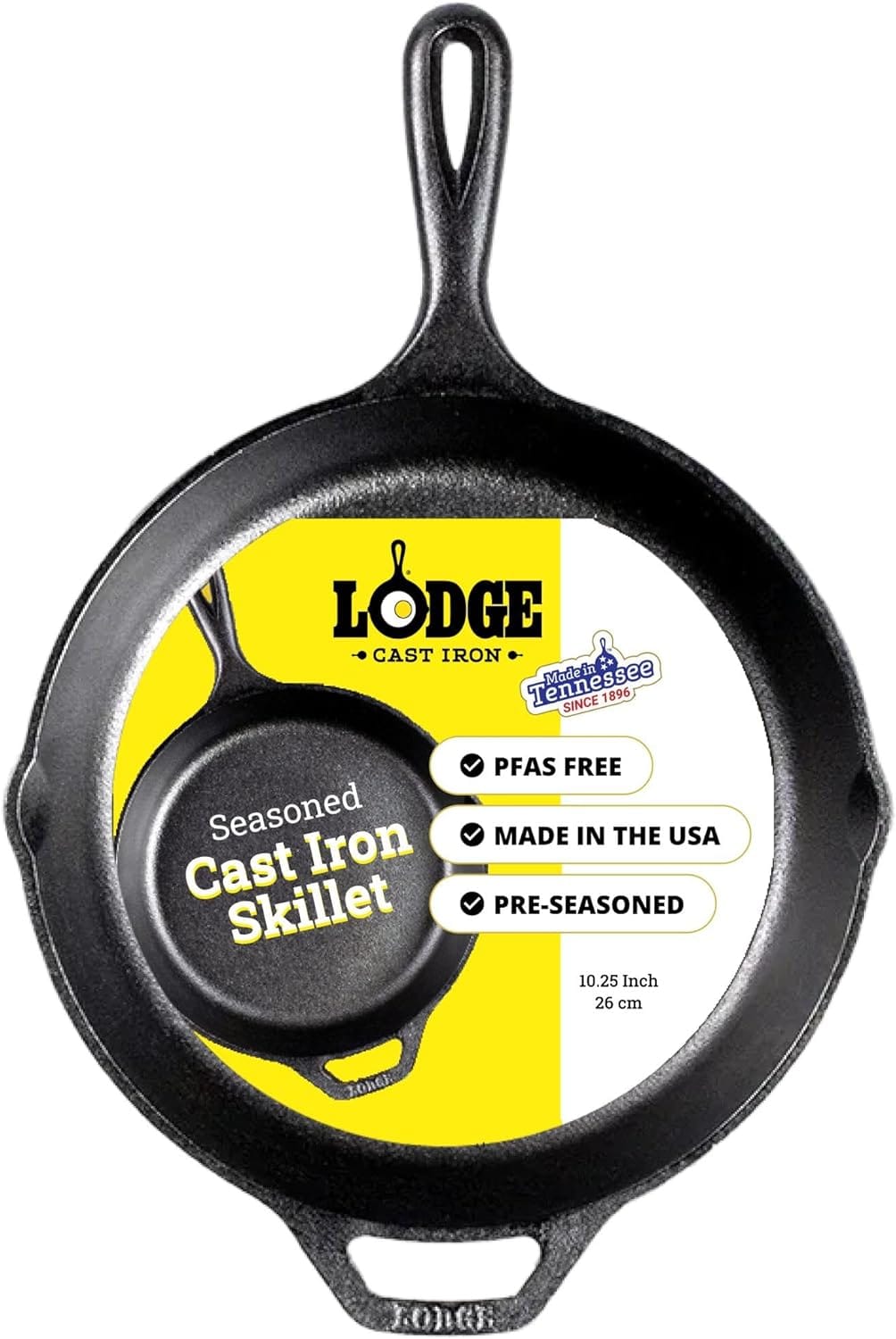
People always ask what kind of fancy pan I use, and the truth is, it’s nothing fancy at all. For shrimp scampi, where getting a quick, hard sear on the shrimp is critical, I always reach for my Lodge Cast Iron Skillet. It holds heat like nothing else, meaning your shrimp hit a truly hot surface and sear instead of steam. That even heat is also perfect for building the garlic butter sauce without any hot spots that might burn it. It’s a workhorse, plain and simple.
If you want to guarantee that perfect sear and a beautifully consistent sauce every time, this is the pan to get.
Lodge 10.25 Inch Cast Iron Skillet with Assist Handle
✓ prime
We earn a commission if you make a purchase, at no additional cost to you.
Dry your shrimp before they hit the pan. I mean really pat them dry with paper towels. Wet shrimp steam instead of sear and you lose that little bit of color on the outside that makes them taste better. My grandmother used to say wet shrimp are sad shrimp. She wasn’t wrong.
The garlic timing matters more than you think. If you add it too early when the pan is screaming hot, it burns in seconds and the whole dish tastes bitter. I’ve ruined more than one batch that way. Medium heat, after you’ve pulled the shrimp out, is the sweet spot.
Use the pasta water. I know it sounds like a small thing but that cloudy, starchy water is what turns a greasy butter sauce into something that actually coats the pasta. A quarter cup is usually enough. Half a cup if your sauce looks loose.
Lemon zest is not optional in my kitchen. The juice gives you brightness but the zest gives you that floral, almost perfume-y citrus note that makes people ask what’s different about your version. It takes ten seconds with a grater. Do it.
Let the wine actually reduce. A lot of people pour it in and immediately move on. Give it a full two minutes to cook down. Raw wine in a sauce tastes sharp and a little harsh. Reduced wine tastes like something.
Common Mistakes to Avoid
Overcooking the shrimp is probably the most common one. Shrimp go from perfect to rubbery in about 45 seconds. When they curl into a tight little C and turn fully opaque, they’re done. If they curl so tight they look like an O, you’ve gone too far. I still do it sometimes when I get distracted talking.
Using pre-minced garlic from a jar. I know it’s convenient. I’ve done it. But it doesn’t behave the same way in a hot pan — it can go from raw to burnt with almost no in-between, and the flavor is just flatter. Fresh garlic, minced yourself, is worth the two extra minutes.
Skipping the wine because you don’t have any open. You can substitute with low-sodium chicken broth and a tiny extra squeeze of lemon. It’s not identical but it still works. What doesn’t work is just leaving it out entirely — you lose all that deglazing magic and the sauce ends up one-dimensional.
Serving it too late. This dish does not wait well. The shrimp get tougher, the sauce gets absorbed, and the whole thing loses that glossy just-made quality. Have your bowls warm, your pasta ready, your people at the table before you even start cooking the shrimp.
Variations and Serving Ideas
Spicy Version: Double the red pepper flakes and add a pinch of cayenne with the garlic. If you want real heat, slice a fresh Fresno chili and cook it in the butter right at the start. The heat blooms into the fat and carries through every bite.
Mild Version: Leave out the pepper flakes entirely and use a little more lemon zest to keep it bright without any heat. Great for kids or anyone who’s sensitive to spice but still wants something flavorful.
Coastal Twist: Add a handful of cherry tomatoes, halved, when you add the garlic. They burst in the sauce and give it a little sweetness and color that makes it feel more summery. I started doing this after a trip where we had tomatoes from a farm stand and too many shrimp and not enough ideas. It stuck.
What to Serve With
Crusty bread is non-negotiable for me. Something with a real crust that you can drag through the sauce left in the pan. Sourdough, a French baguette, whatever you have. For a great appetizer to start, try these easy stuffed mushrooms with crab. The main thing is that scampi sauce is too good to leave behind.
A simple green salad with something acidic in the dressing — lemon vinaigrette or even just red wine vinegar — cuts through the richness of the butter and makes the whole meal feel lighter than it is.
If you’re not doing pasta, serve it over creamy polenta. The shrimp and sauce sit on top and it soaks everything up differently than pasta does. Softer, more comforting, especially in the colder months.
A cold glass of the same white wine you cooked with. That’s really all you need.
Storage and Reheating
Store leftovers in an airtight container in the fridge. They’ll keep for up to 2 days. After that the shrimp start to get a little off and the texture goes soft in a way that’s hard to fix.
To reheat, use a skillet on low heat with a small splash of water or broth. Stir gently and just warm it through — don’t try to get it sizzling again. The shrimp are already cooked and they just need to come back up to temperature.
DO NOT microwave shrimp scampi. It turns the shrimp rubbery almost instantly and the butter sauce separates into a greasy mess. I’ve tried it in a hurry. It’s not worth it.
DO NOT freeze this dish. The shrimp texture after freezing and thawing is unpleasant — mealy and soft in a way that no amount of reheating fixes. Make it fresh, eat it that night, and if there are leftovers, eat them the next day for lunch over toast.
FAQs (People Also Ask)
Can I use frozen shrimp for this recipe?
Yes, absolutely. Thaw them overnight in the fridge or run them under cold water for about 10 minutes. The most important thing is to dry them really well before they go in the pan. Frozen shrimp hold a lot of water and if you skip the drying step, they’ll steam instead of sear.
What can I substitute for white wine?
Low-sodium chicken broth works well. Add a little extra lemon juice to compensate for the acidity you’d get from the wine. Some people use clam juice for a more coastal flavor, and honestly that’s a great call if you have it.
How do I know when the shrimp are done?
They’ll be pink on the outside, white and opaque all the way through, and curled into a loose C shape. If they curl tighter than that, they’re overcooked. It happens fast — usually 1 to 1½ minutes per side over medium-high heat is all it takes.
Is this recipe difficult for beginners?
Not at all. If you can handle a skillet and pay attention for about 10 minutes, you can make this. The only part that requires any real attention is not overcooking the shrimp and not burning the garlic. Both are easy to avoid if you keep the heat moderate and watch the pan.
Can I make this without pasta?
Definitely. It’s great over rice, polenta, or just with a lot of crusty bread. The sauce is the star and it works with pretty much anything that can soak it up. I’ve even served it over a simple arugula salad and the warm butter wilts the greens just slightly in a way that’s really good.
Conclusion
There’s something about this dish that always takes me back to that evening by the marina, tired and hungry and standing in a kitchen that wasn’t quite ready for company. But the shrimp were fresh and the butter was cold and the garlic smelled like it always does when it hits a warm pan — like something good is about to happen.
That’s what homemade Best Shrimp Scampi is, really. It’s not complicated. It doesn’t need to be. It just needs good shrimp, a little attention, and the willingness to eat it while it’s still hot.
I hope it becomes one of those recipes you stop thinking about and just make.
Best Shrimp Scampi
Ingredients
- 1 ½ lbs large shrimp, peeled and deveined
- ½ tsp salt
- ¼ tsp black pepper
- ¼ tsp red pepper flakes
- 4 tbsp unsalted butter
- 2 tbsp olive oil
- 6 cloves garlic, minced
- ½ cup dry white wine
- 2 tbsp fresh lemon juice
- 1 tsp lemon zest
- ¼ cup fresh parsley, roughly chopped
- 12 oz linguine or spaghetti, cooked
- ½ cup reserved pasta water
- Extra lemon wedges for serving
Instructions
- Start a large pot of salted water and bring it to a boil for the pasta.
- Season the shrimp with salt, black pepper, and red pepper flakes. Toss to coat and set aside.
- Heat a large skillet over medium-high heat. Add olive oil and 2 tablespoons of butter. Let it melt and foam.
- Add shrimp in a single layer. Cook 1 to 1½ minutes per side until just pink. Remove to a plate and set aside.
- Reduce heat to medium. Add remaining 2 tablespoons of butter and the minced garlic. Stir and cook for about 60 seconds until fragrant but not browned.
- Pour in the white wine. Let it reduce by half, about 2 minutes.
- Add lemon juice, lemon zest, and a splash of reserved pasta water. Stir to combine.
- Return shrimp to the pan. Toss in the sauce for 1 minute until cooked through and glossy.
- Add fresh parsley, toss once more, and serve immediately over pasta with lemon wedges on the side.