Introduction
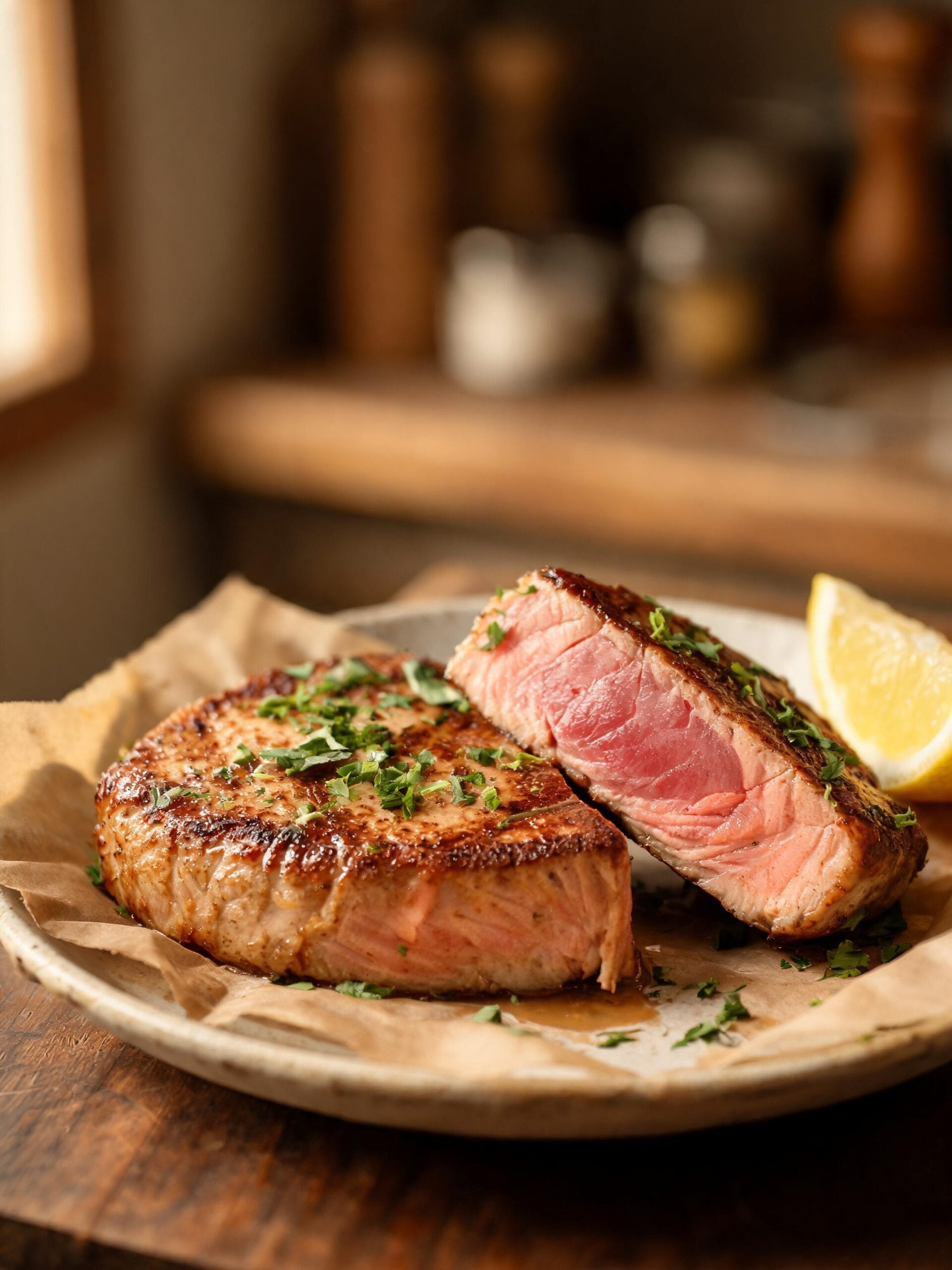
The first time I made Perfect Tuna Steaks at home, I honestly thought I was going to ruin them. I’d just come back from the docks with two beautiful thick cuts of yellowfin, and I stood there in my kitchen not really sure what to do next. I’d eaten tuna steaks at little waterfront spots plenty of times, but cooking fish myself felt different—much like my first attempt at this buttery Chilean sea bass recipe. It felt like something I could mess up.
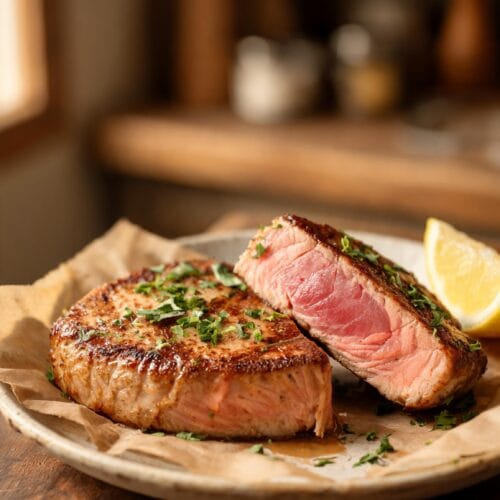
I kept it simple that night. Hot pan, a little oil, salt, a squeeze of lemon after. And they came out better than I expected — that deep sear on the outside, still a little pink and tender in the middle. My husband didn’t say anything for a full minute. Just ate. That’s usually the best sign.
This easy tuna steak recipe is what I’ve been making ever since. Nothing complicated. Just good fish, treated right.
Why You’ll Love This Recipe
- Fast: From fridge to plate in under 20 minutes — no marinating overnight, no complicated prep.
- Real flavor: A good tuna steak doesn’t need much. The sear does most of the work, and the fish carries itself.
- Beginner-friendly: If I figured it out standing in my kitchen half-nervous with fresh fish, you can absolutely do this too.
Quick Recipe Snapshot
Recipe: Perfect Tuna Steaks
Serves: 4
Prep Time: 15 minutes
Cook Time: 6–8 minutes
Total Time: About 20–25 minutes
Method: Stovetop sear (cast iron or heavy skillet)
Best For: Weeknight dinner, quick lunch, coastal-style eating
Skill Level: Easy — no fancy technique needed
Ingredients List
For the Tuna:
- 4 tuna steaks, about 6 oz each and 1-inch thick — thickness matters here, thinner cuts overcook fast
- 2 tablespoons olive oil — just enough to coat the pan and give the fish a good start
- 1 teaspoon kosher salt
- ½ teaspoon black pepper, freshly cracked if you have it
- ½ teaspoon garlic powder
- ½ teaspoon smoked paprika — adds a little warmth without overpowering the fish
For Finishing:
- 2 tablespoons unsalted butter — added at the end, it brings everything together
- 2 cloves garlic, smashed and peeled
- Juice of 1 lemon — bright, cuts through the richness
- Fresh parsley, roughly chopped, for serving
- Lemon wedges on the side
Step-by-Step Instructions
- Pull the tuna steaks out of the fridge about 10 minutes before you cook them. Cold fish straight into a hot pan tends to cook unevenly — the outside gets ahead of the inside. Just let them sit on the counter while you get everything else ready.
- Pat the steaks dry with paper towels. This step matters more than it sounds. Moisture on the surface will steam the fish instead of searing it, and you want that crust.
- Mix the salt, pepper, garlic powder, and smoked paprika together in a small bowl. Rub it over both sides of each steak. Don’t be shy with it.
- Heat a cast iron skillet or heavy-bottomed pan over medium-high heat. Let it get genuinely hot — a drop of water should sizzle and disappear immediately. Add the olive oil and swirl to coat.
- Lay the tuna steaks in the pan. Don’t crowd them. If your pan isn’t big enough, do two at a time. You’ll hear a strong sizzle — that’s what you want. Leave them alone for 2 to 3 minutes. Don’t poke, don’t press, don’t move them around. (I know it’s tempting. Just wait.)
- Flip once. Cook the other side for another 2 minutes for a pink center, or 3 to 4 minutes if you prefer it cooked through. Tuna goes from perfect to overdone quickly, so watch the clock.
- Drop in the butter and smashed garlic. As the butter melts, tilt the pan slightly and spoon it over the steaks a few times. This is called basting and it sounds fancy but it’s really just using a spoon. It adds flavor and keeps things from drying out.
- Remove the steaks from the pan. Squeeze lemon juice over them right away. Let them rest for just a minute or two before serving — they’ll finish cooking slightly from the residual heat.
- Scatter fresh parsley on top and serve with lemon wedges.
Small Tricks From Cooking Fish at Home
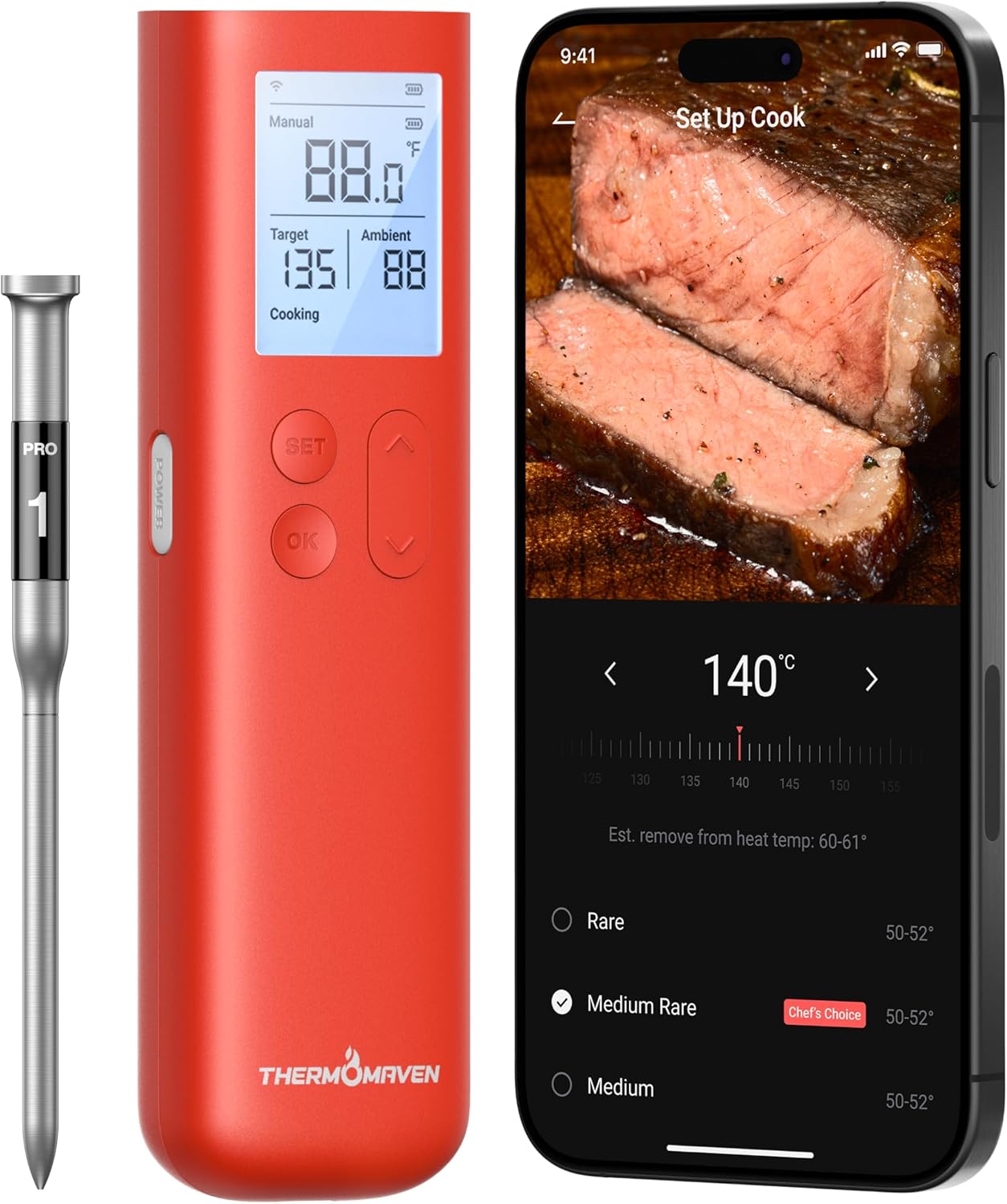
The biggest fear when cooking tuna is that moment of uncertainty—is it done? Is it overdone? To take all the guesswork out, I rely on a good digital thermometer. It’s the only way to know for sure you’re hitting that perfect 125°F for a beautiful medium-rare center. This wireless one is my go-to because I can monitor the temp without hovering over the hot pan. Stop guessing and get that perfect pink center every time. A reliable thermometer is a game-changer for fish.
ThermoMaven Smart Wireless Meat Thermometer
✓ prime
We earn a commission if you make a purchase, at no additional cost to you.
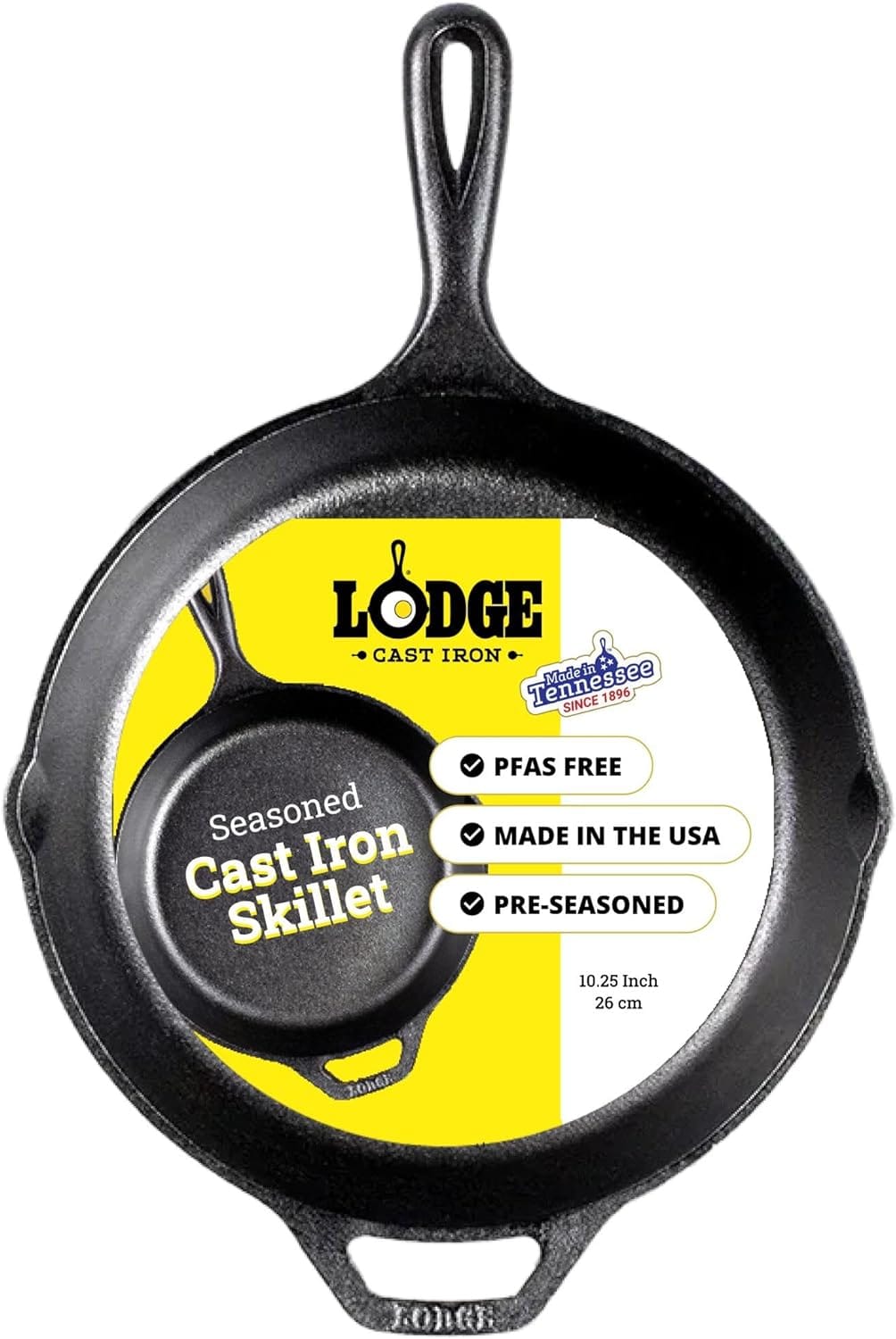
Speaking of getting that pan properly hot, this is where having the right tool is non-negotiable. I use a Lodge Cast Iron Skillet every single time I make this dish. It gets screaming hot and holds that heat evenly, which is the only way to get that deep, beautiful crust on the tuna without overcooking the center. It’s the workhorse of my kitchen for a reason.
If you don’t have a reliable cast iron skillet, it’s the single best investment you can make for searing fish, steaks, and more. Grab the one I’ve trusted for years and see the difference it makes.
Lodge 10.25 Inch Cast Iron Skillet with Assist Handle
✓ prime
We earn a commission if you make a purchase, at no additional cost to you.
Dry the fish. I say this because I skipped it once and ended up with pale, steamed-looking tuna instead of that dark, gorgeous crust. Paper towels are your friend here. Takes ten seconds.
The pan has to be hot before the fish goes in. I used to be nervous about high heat — worried I’d burn things. But with tuna, a properly hot pan is what creates that sear. Medium heat will just slowly cook it without giving you that color or texture on the outside.
One flip only. My dad used to say this about fish on the grill and it applies here too. Every time you flip or move the fish, you’re interrupting the crust forming. Flip it once, leave it alone, and let the heat do its thing.
Don’t walk away. Tuna is not a forgiving fish if you get distracted. I’ve overcooked a steak because I went to answer the door. Set a timer. Stay close.
Season right before cooking, not hours ahead. Salt draws moisture out of fish. If you season too early and leave it sitting, you’ll get a wetter surface and a weaker sear. Season, then cook.
Common Mistakes to Avoid
Cooking straight from cold. I’ve done this when I was in a hurry and the middle stays cold and raw while the outside is already done. Ten minutes on the counter fixes this completely.
Using a non-stick pan on high heat. Non-stick pans aren’t built for the kind of heat you need for a good sear. They can warp and the coating doesn’t love it. Cast iron or stainless steel is the move.
Overcooking because you’re scared of pink. A lot of people cook tuna all the way through because they’re not sure about the middle being pink. But tuna is meant to have some give in the center — that’s where the flavor lives. If you take it to fully gray all the way through, it gets dry and a little chalky. Trust the process.
Skipping the rest. Even two minutes of resting makes a difference. Cut into it immediately and all the juices run out onto the plate. Give it a moment.
Variations and Serving Ideas
Spicy version: Add ½ teaspoon of cayenne to the spice rub and finish with a drizzle of sriracha mixed with a little honey. The heat plays really well against the richness of the tuna.
Mild version: Skip the smoked paprika and garlic powder. Just salt, pepper, olive oil, and a good squeeze of lemon. Sometimes simple is the right call, especially with really fresh fish.
Coastal twist: Make a quick topping with diced avocado, cherry tomatoes, red onion, lime juice, and a pinch of salt. Spoon it right over the seared steak. It’s the kind of thing that feels like summer by the water even when you’re eating at your kitchen table in November.
What to Serve With
Roasted potatoes work really well — something with a little crisp on the outside to contrast the tender fish. Or a simple green salad with a sharp vinaigrette to cut through the richness of the butter baste.
Rice is a natural pairing. Plain white rice, maybe with a little butter and lemon stirred in, is a great choice. For a more elaborate meal, you could start with an appetizer like these easy stuffed mushrooms with crab. The key is to have nothing that competes with the fish.
If you want something fresh and bright, sliced cucumber with a little rice vinegar and sesame oil on the side is an easy move. It keeps the plate feeling light.
Crusty bread for mopping up the pan juices is never a bad idea. That garlic butter left in the pan is too good to leave behind.
Storage and Reheating
Leftover tuna steaks keep in the fridge for up to 2 days in an airtight container. They’re honestly great cold — sliced thin over a salad or tucked into a wrap with some greens and a little mayo.
If you do reheat them, go low and slow. A few minutes in a pan over low heat with a splash of water or a small piece of butter. DO NOT microwave tuna steaks. The texture goes rubbery and the smell is not something you want filling your kitchen. Just don’t.
DO NOT freeze cooked tuna steaks. The texture suffers badly. Freeze them raw if you need to, and thaw overnight in the fridge before cooking.
FAQs (People Also Ask)
Can I use frozen tuna steaks?
Yes, but thaw them completely in the fridge overnight and pat them very dry before cooking. Frozen-then-thawed tuna has more moisture, so drying them well is extra important for getting a decent sear.
How do I know when tuna steaks are done?
Press the center gently with your finger. It should feel slightly firm on the outside but still have a little give in the middle. If you want it more cooked through, it should feel firmer all over. A meat thermometer reads 125°F for medium-rare, 145°F for fully cooked.
Can I substitute another fish?
Swordfish steaks work really well with this same method and seasoning. Mahi-mahi is another good option. Salmon steaks can work too, though the flavor profile is a bit different.
How long does cooked tuna last in the fridge?
Two days, maybe three if it was very fresh to begin with. After that the texture and smell will tell you it’s time to let it go.
Is this recipe hard for beginners?
Not at all. The hardest part is trusting the heat and not overcooking it. If you follow the timing and keep an eye on it, this is genuinely one of the easier fish recipes you can make at home. Total time is around 20 to 25 minutes start to finish.
Nutrition
Nutrition Facts
(Per serving. Estimates only, varies by exact ingredients used)
Conclusion
I still think about that first night I made tuna steaks at home. How nervous I was. How the kitchen smelled like the ocean and garlic and something warm and good. How my husband just kept eating without saying a word.
Some meals just settle into you. This one did for me. I hope it does for you too.
Perfect Tuna Steaks
Ingredients
- 4 tuna steaks (about 6 oz each, 1-inch thick)
- 2 tablespoons olive oil
- 1 teaspoon kosher salt
- ½ teaspoon black pepper
- ½ teaspoon garlic powder
- ½ teaspoon smoked paprika
- 2 tablespoons unsalted butter
- 2 cloves garlic, smashed and peeled
- Juice of 1 lemon
- Fresh parsley, roughly chopped, for serving
- Lemon wedges for serving
Instructions
- Remove tuna steaks from the fridge 10 minutes before cooking and let them come slightly toward room temperature.
- Pat the steaks completely dry on both sides with paper towels.
- Mix salt, pepper, garlic powder, and smoked paprika in a small bowl. Rub the seasoning over both sides of each steak.
- Heat a cast iron skillet or heavy-bottomed pan over medium-high heat until very hot. Add olive oil and swirl to coat.
- Place tuna steaks in the pan without crowding. Sear undisturbed for 2 to 3 minutes until a dark crust forms.
- Flip once and cook for another 2 minutes for a pink center, or 3 to 4 minutes for fully cooked through.
- Add butter and smashed garlic to the pan. Spoon the melted butter over the steaks several times as it foams.
- Remove steaks from the pan and squeeze fresh lemon juice over them immediately.
- Rest for 1 to 2 minutes, then top with fresh parsley and serve with lemon wedges.