Introduction
The first time I made Boston Baked Cod at home, it was a cold Tuesday and the wind was doing that thing where it rattles the kitchen window just enough to make you feel like you’re closer to the water than you actually are. I had a couple of thick cod fillets in the fridge from a weekend haul, some crackers in the pantry, and no real plan. It’s often in these moments, much like when I was perfecting my own Panera tuna salad sandwich, that the best recipes are born. I just started layering things together the way I’d seen done at a neighbor’s table years ago — butter, a little lemon, breadcrumbs on top — and slid the whole thing into the oven hoping for the best.
It came out better than I expected. The top was golden and slightly crisp. The fish underneath was soft and just barely holding together, the way good cod does when it’s done right. That easy Boston Baked Cod dinner became a regular thing after that. Not fancy. Not complicated. Just honest fish cooked the way it deserves to be.
If you’ve never made it before, don’t worry. This is genuinely one of the easier things you can do with a piece of white fish. No special equipment, no hard-to-find ingredients. Just a baking dish and a warm oven.
Why You’ll Love This Recipe
- It’s ready start to finish in about 35 minutes, which means it actually works on a weeknight when you’re tired and hungry and don’t want to think too hard.
- The flavor is clean and coastal — buttery, a little lemony, with that golden cracker crust on top that gives you something to look forward to in every bite.
- You don’t need any cooking experience to pull this off. If you can melt butter and turn on an oven, you can make this.
Quick Recipe Snapshot
Recipe: Boston Baked Cod
Prep Time: 15 minutes
Cook Time: 20 minutes
Total Time: 35 minutes
Servings: 4
Difficulty: Easy
Best For: Weeknight dinner, quick seafood lunch, family meals
Key Flavors: Buttery, lemony, lightly crispy on top, tender and flaky inside
Ingredients List
For the Fish:
- 1 ½ lbs fresh cod fillets (about 4 pieces — thick ones hold up better in the oven)
- ½ teaspoon salt
- ¼ teaspoon black pepper
- 1 tablespoon fresh lemon juice (bottled works in a pinch, but fresh just tastes cleaner)
For the Topping:
- ¾ cup crushed Ritz crackers or plain breadcrumbs (Ritz gives you a richer, butterier crust)
- 3 tablespoons unsalted butter, melted (this is what makes the topping actually crisp up instead of just sitting there)
- 1 teaspoon garlic powder
- 1 teaspoon onion powder
- ½ teaspoon paprika (just for a little warmth and color)
- 1 tablespoon fresh parsley, chopped — or ½ teaspoon dried
For the Pan:
- 1 tablespoon olive oil or softened butter to coat the baking dish
- 2–3 thin lemon slices for laying under the fish (optional but worth it)
Step-by-Step Instructions
- Pull your cod out of the fridge about 10 minutes before you plan to cook it. Cold fish straight into a hot oven tends to cook unevenly — the outside tightens up before the inside has a chance to catch up.
- Preheat your oven to 400°F. Lightly grease a baking dish — something like a 9×13 works well. If you’re using lemon slices under the fish, lay them down now. It keeps the fish from sitting directly on the pan and adds a little steam from below as it cooks.
- Pat your cod fillets dry with a paper towel. This matters more than it sounds — wet fish steams instead of baking, and you lose that nice texture on the outside. Season both sides with salt and pepper, then squeeze lemon juice over the top.
- In a small bowl, mix together the crushed crackers, melted butter, garlic powder, onion powder, paprika, and parsley. Stir it until everything is coated and it looks a little like damp sand. That’s exactly what you want.
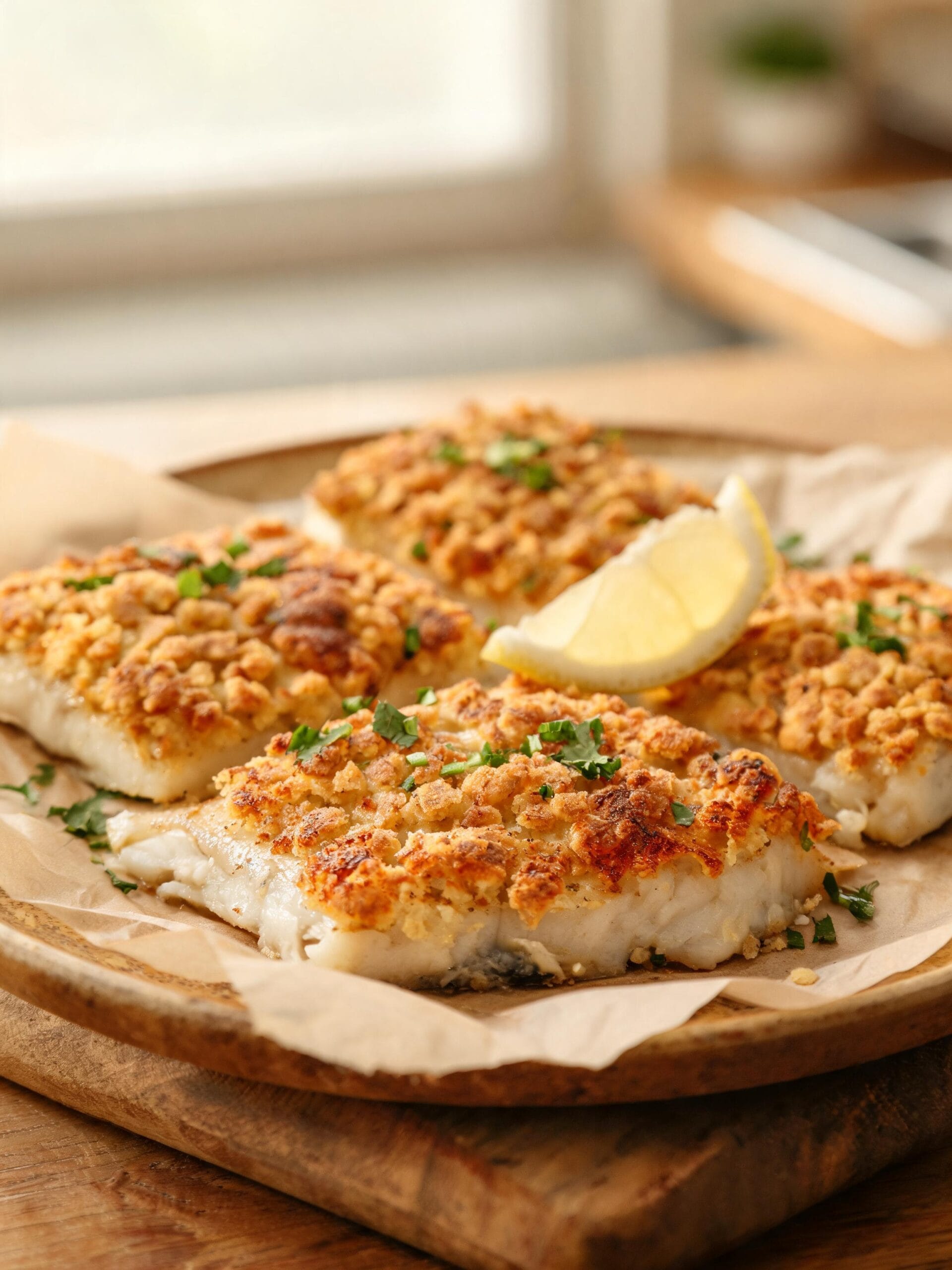
- Place the cod fillets in the prepared baking dish. Press the cracker topping firmly onto each piece — don’t just sprinkle it. You want it to actually stick so it forms a crust rather than falling off the second you try to serve it. (Learned that the hard way.)
- Bake uncovered at 400°F for 18–22 minutes depending on how thick your fillets are. You’re looking for the topping to be golden brown and the fish to flake easily when you press it gently with a fork. Don’t poke it too early — give it at least 18 minutes before you start checking.
- Let it rest in the pan for about 3 minutes before serving. It finishes cooking a little even after it comes out, and it’s easier to plate without falling apart.
Small Tricks From Cooking Fish at Home
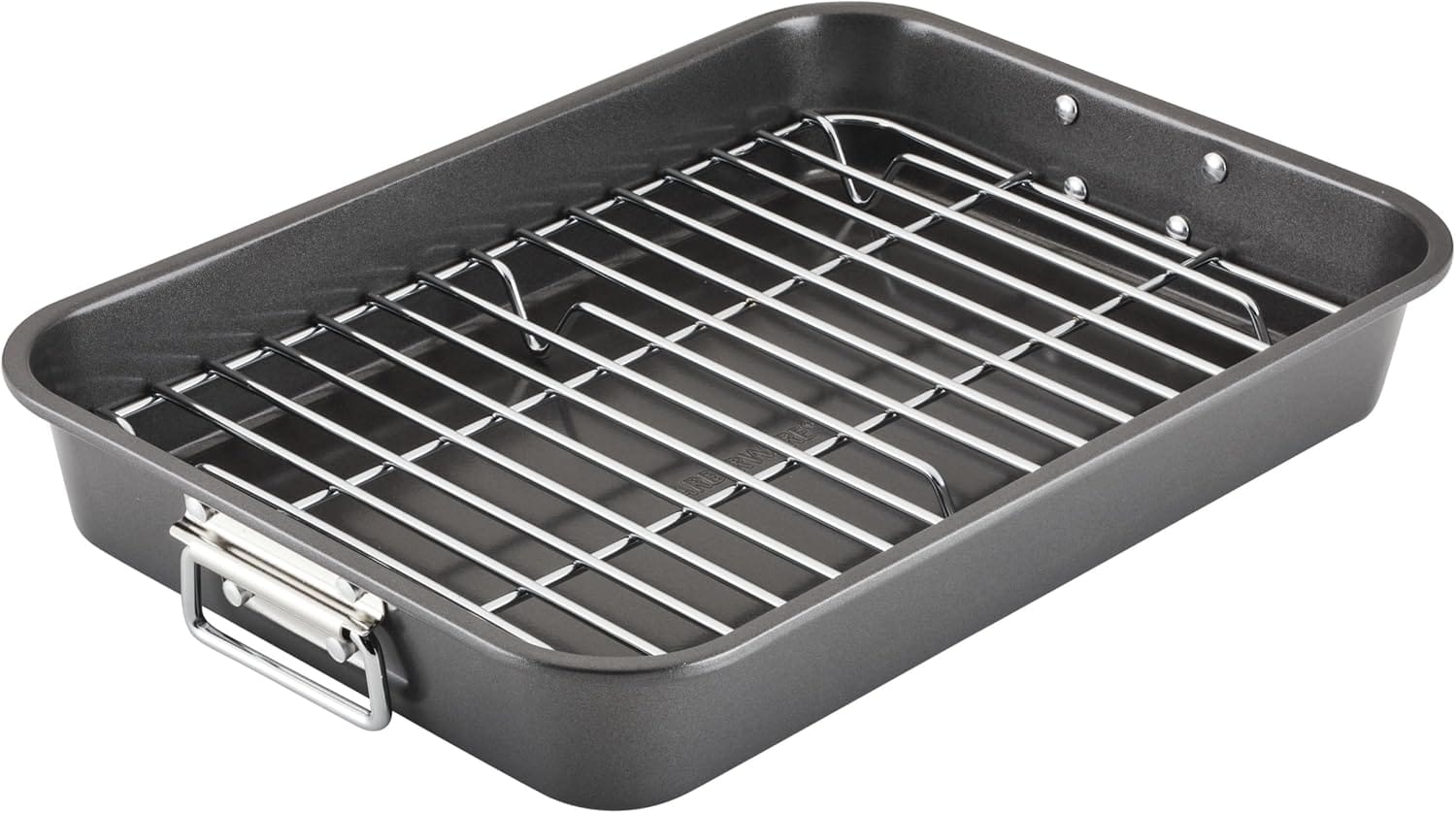
To get that perfect, even bake where the fish steams gently from below and the topping gets golden, the right pan makes all the difference. I rely on a sturdy, nonstick roaster like the Farberware Bakeware pan. The nonstick surface means nothing gets left behind, and the flat rack it comes with is my secret weapon. It works just like the lemon slice trick, lifting the cod just off the surface so air can circulate, ensuring the bottom stays tender and never gets soggy while the top crisps up beautifully.
If you want to guarantee that perfect texture every time, this is the pan I recommend for your kitchen.
Farberware Nonstick Bakeware 11-Inch x 15-Inch Roaster with Flat Rack
✓ prime
We earn a commission if you make a purchase, at no additional cost to you.
Dry the fish before anything else goes on it. I used to skip this step and wonder why my topping always slid off or the fish came out a little watery. Patting it dry takes ten seconds and it genuinely changes the result.
The cracker-to-butter ratio in the topping is something I’ve adjusted probably a dozen times. Too much butter and it gets greasy and soggy. Too little and the topping turns chalky and doesn’t brown. Three tablespoons of melted butter to about ¾ cup of crushed crackers is the balance that works in my oven.
Don’t skip the resting time after it comes out. I know it’s tempting when it smells that good. But cod is delicate and if you try to lift a piece right out of the oven it tends to break apart. Three minutes is all it needs.
If your fillets are uneven in thickness — which fresh cod often is — tuck the thin tail ends under slightly so they don’t overcook while the thicker parts are still working. My grandmother used to do this and I thought it was fussy until I started doing it myself.
Lemon slices under the fish aren’t just for looks. They create a little barrier between the fish and the hot pan, which helps the bottom stay tender instead of getting tight and rubbery. It’s a small thing but it makes a difference.
Common Mistakes to Avoid
Overcooking is the one that gets most people. Cod goes from perfect to dry really fast — there’s not a lot of forgiveness in that window. At 400°F, most fillets are done between 18 and 22 minutes. If yours are on the thinner side, start checking at 16.
Using frozen cod straight from the freezer without thawing it fully is another one. The outside cooks before the inside does, and you end up with a weird texture — dry on the edges, still a little raw-feeling in the middle. Thaw it overnight in the fridge if you can.
Piling the topping on too thick. I know it looks good, but if the cracker layer is too deep it doesn’t cook through evenly. You end up with a burnt top and a soggy bottom layer that never really crisped. Keep it to about ¼ inch thick.
Covering the dish with foil. I’ve seen people do this thinking it’ll keep the fish moist, but it traps steam and turns the whole thing soft. The whole point of this dish is that contrast between the crispy top and the tender fish underneath. Leave it uncovered.
Variations and Serving Ideas
Spicy version: Add ½ teaspoon of cayenne or a full teaspoon of hot smoked paprika to the cracker topping. You can also drizzle a little hot sauce over the fillets before pressing the topping on. It adds heat without overwhelming the fish.
Mild version: Skip the paprika and garlic powder entirely and just use butter, lemon, parsley, and a pinch of salt in the topping. It’s quieter but the fish really comes through. Good for kids or anyone who wants something clean and simple.
Coastal twist: Stir a tablespoon of finely grated Parmesan into the cracker topping and add a small handful of fresh dill instead of parsley. It gives the whole thing a slightly briny, New England-dock kind of flavor that feels right if you’re eating it near the water — or wishing you were.
What to Serve With
Something crispy alongside the fish works well because the cod itself is soft. Roasted potatoes or even just thick-cut fries give you that contrast. I’ve also done it with a simple coleslaw — the cool crunch against the warm buttery fish is one of those combinations that just makes sense.
If you want something lighter, a green salad with a sharp vinaigrette cuts through the richness of the butter topping nicely. Steamed green beans or roasted asparagus work the same way. For a more substantial, flavor-packed meal, you could even pair it with a hearty side like shrimp and sausage dirty rice.
Cornbread on the side is something I grew up seeing at the table with baked fish and it still feels right to me. It soaks up any butter that runs off the fish and there’s something about that combination that tastes like a coastal kitchen on a cold evening.
Storage and Reheating
Leftover cod keeps in the fridge for up to 2 days in a sealed container. After that the texture starts to break down and it gets a little unpleasant.
To reheat, use the oven at 325°F for about 10 minutes. Cover it loosely with foil just to keep it from drying out completely, but don’t seal it tight or the topping will steam and go soft.
DO NOT microwave it if you care about the texture. The cracker topping turns into something sad and the fish gets rubbery in about 45 seconds. I’ve done it when I was too hungry to wait and regretted it every time.
DO NOT freeze it after it’s been cooked. Baked cod does not come back from the freezer well. The texture goes grainy and the topping absorbs moisture and falls apart. Just eat it within two days.
FAQs (People Also Ask)
Can I use frozen cod instead of fresh?
Yes, but thaw it completely first and pat it very dry before seasoning. Frozen cod holds more water and if you don’t dry it well the topping won’t stick and the fish will steam instead of bake.
How do I know when the cod is done?
Press gently on the thickest part with a fork. If it flakes apart easily and the flesh looks opaque all the way through, it’s done. If it still looks translucent or feels firm and springy, give it another 2–3 minutes.
Can I substitute another fish?
Haddock is the closest swap and works almost identically. Pollock also works. Tilapia is thinner so it’ll cook faster — watch it closely. I wouldn’t use salmon here; the flavor profile is too different and the fat content changes how the topping behaves.
How long does this take from start to finish?
About 35 minutes total. 15 minutes to prep and season everything, 20 minutes in the oven. It’s genuinely one of the faster seafood dinners you can make at home.
Can I make this ahead of time?
You can season the fish and make the topping a few hours ahead and keep them separate in the fridge. Press the topping on right before it goes in the oven. If the topping sits on the fish too long before baking it absorbs moisture and loses that crunch.
Is this recipe beginner-friendly?
Completely. If you’ve never cooked fish before, this is a good place to start. There’s no flipping, no stovetop timing, no complicated technique. You season it, top it, and bake it. That’s really all there is to it.
Nutrition
Nutrition Facts
(Per serving. Estimates only, varies by exact ingredients used)
Conclusion
There’s something about baked cod that feels like home in a way I can’t fully explain. Maybe it’s the smell of butter and lemon filling up a small kitchen. Maybe it’s the way the fish looks when it comes out — golden on top, soft underneath, a little steam rising off the pan.
This is the kind of meal that doesn’t need a special occasion. It just needs a cold evening, a hungry table, and a piece of fish worth cooking. That’s always been enough for me.
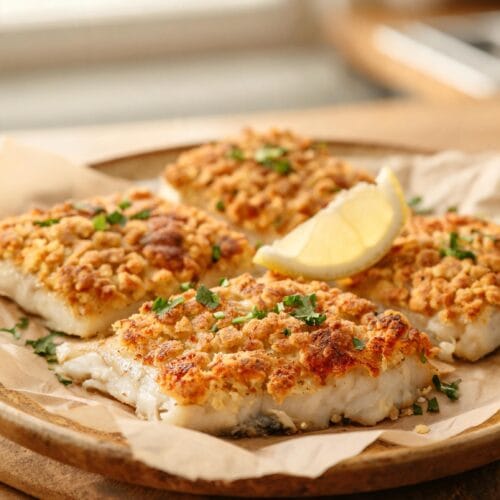
Boston Baked Cod That Tastes Like the Coast Came Home
Ingredients
- 1 1/2 lbs fresh cod fillets (about 4 pieces)
- 1/2 teaspoon salt
- 1/4 teaspoon black pepper
- 1 tablespoon fresh lemon juice
- 3/4 cup crushed Ritz crackers or plain breadcrumbs
- 3 tablespoons unsalted butter, melted
- 1 teaspoon garlic powder
- 1 teaspoon onion powder
- 1/2 teaspoon paprika
- 1 tablespoon fresh parsley, chopped (or 1/2 teaspoon dried)
- 1 tablespoon olive oil or softened butter (for the baking dish)
- 2-3 thin lemon slices (optional, for layering under the fish)
Instructions
- Remove cod from the fridge 10 minutes before cooking to take the chill off.
- Preheat oven to 400°F. Grease a 9x13 baking dish with olive oil or butter. Lay lemon slices on the bottom if using.
- Pat cod fillets completely dry with paper towels. Season both sides with salt and pepper, then squeeze lemon juice over the top.
- In a small bowl, mix crushed crackers, melted butter, garlic powder, onion powder, paprika, and parsley until the mixture resembles damp sand.
- Place cod fillets in the prepared baking dish. Press the cracker topping firmly onto each fillet to form an even crust about 1/4 inch thick.
- Bake uncovered at 400°F for 18 to 22 minutes, until the topping is golden brown and the fish flakes easily when pressed gently with a fork.
- Remove from oven and let rest in the pan for 3 minutes before serving.