Introduction
I still remember the first time I tried making Air Fryer Halibut on a Tuesday night when I was too tired to think straight. We’d come back from a long weekend out on the water, the cooler was still half-full of fresh halibut fillets, and I just didn’t have it in me to stand over a hot pan. Much like how a simple creamy tuna salad sandwich can save a busy lunch, I threw the fish in the air fryer, crossed my fingers, and honestly? It changed the way I cook fish at home forever.
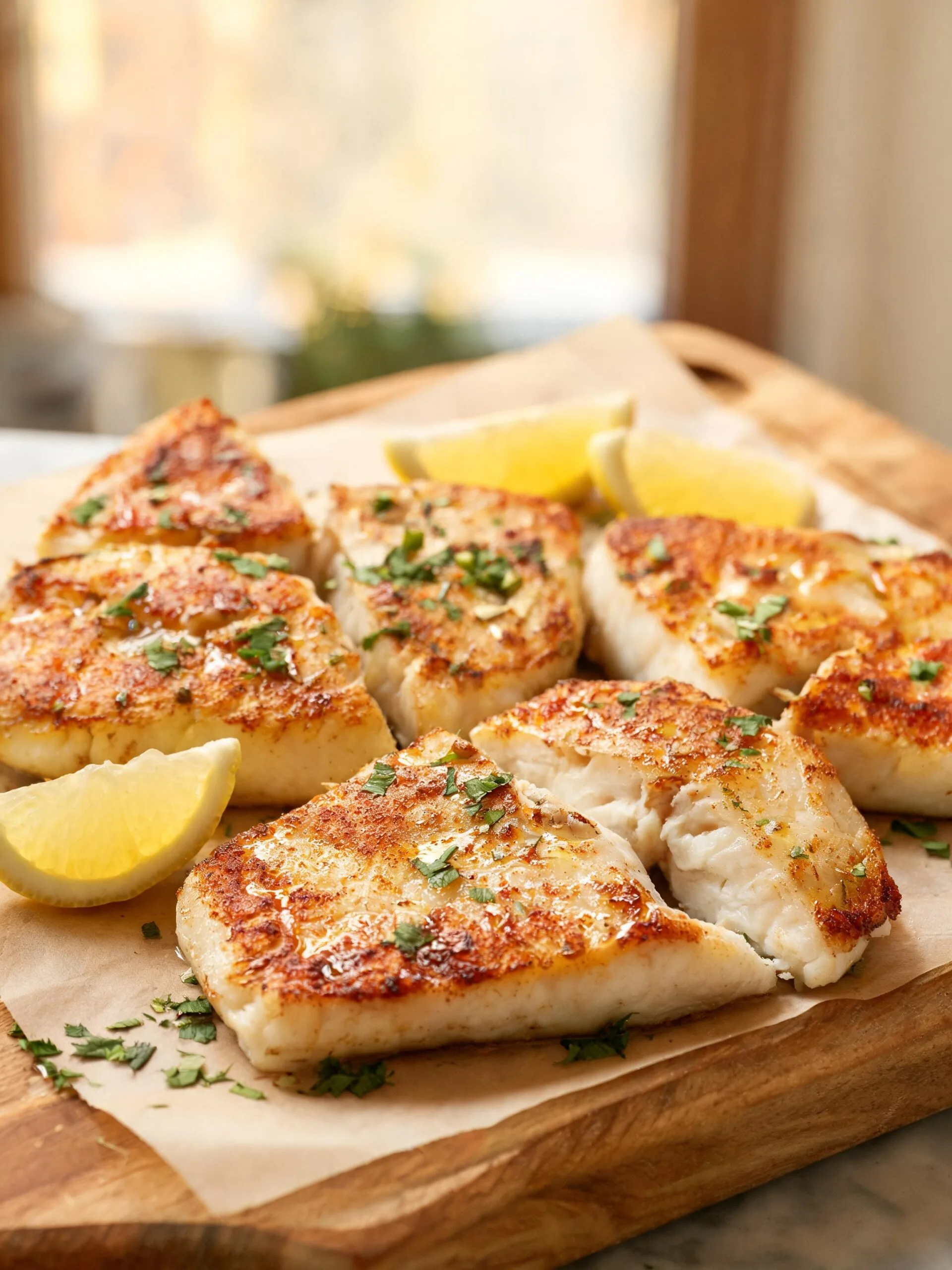
There’s something about halibut that makes people nervous. It’s a lean fish, which means it can go from perfect to dry really fast if you’re not paying attention. But this easy air fryer halibut recipe kind of takes that worry away. The circulating heat wraps around the fillet evenly, and you get this lightly golden outside with a soft, almost buttery middle that tastes like you actually knew what you were doing.
If you’ve got halibut in your fridge right now and no idea what to do with it tonight, this is the recipe. Simple ingredients, maybe 25 minutes total, and dinner is done.
Why You’ll Love This Recipe
- It’s genuinely fast — from fridge to table in under 30 minutes, even on the nights when you’ve got nothing left in you.
- The texture is really good — halibut comes out flaky and moist, not rubbery or dry the way it can get when you overcook it on the stove.
- You don’t need much — a few pantry staples, a little olive oil, and the fish does most of the work on its own.
Quick Recipe Snapshot
Quick Recipe Snapshot
| ⏱ Prep Time | 10 minutes |
| 🔥 Cook Time | 12–14 minutes |
| 🍽 Servings | 4 |
| 📊 Difficulty | Easy |
| 🌡 Air Fryer Temp | 400°F |
| 🐟 Fish Type | Halibut fillets |
Ingredients List
For the fish:
- 4 halibut fillets (about 6 oz each) — fresh is best, but thawed frozen works fine too
- 2 tablespoons olive oil — helps the seasoning stick and gives the outside a little color
- 1 teaspoon garlic powder
- 1 teaspoon smoked paprika — adds a subtle warmth without overpowering the fish
- ½ teaspoon onion powder
- ½ teaspoon salt
- ¼ teaspoon black pepper
- ¼ teaspoon cayenne pepper (optional, skip it if you want mild)
For finishing:
- 1 tablespoon unsalted butter, cut into small pieces — melted over the hot fish right when it comes out, it makes a real difference
- 1 lemon, sliced into wedges
- Fresh parsley, roughly chopped (optional but nice)
Step-by-Step Instructions
- Pat the fillets dry. Pull your halibut out of the fridge and use paper towels to pat both sides dry. This one step matters more than people think. Wet fish steams instead of getting that light golden crust, and you want the crust.
- Season the fish. Drizzle the olive oil over both sides of each fillet and rub it in gently. Mix the garlic powder, smoked paprika, onion powder, salt, pepper, and cayenne (if using) together in a small bowl, then sprinkle it evenly over both sides. Don’t be shy with it.
- Preheat the air fryer. Set it to 400°F and let it run for about 3 minutes before you put the fish in. I skipped this step for a long time and the fish always came out a little uneven. Preheating actually helps.
- Cook the halibut. Place the fillets in the air fryer basket in a single layer. Don’t stack them or crowd them — give each piece a little breathing room. Cook at 400°F for 10 to 12 minutes. If your fillets are on the thicker side, closer to an inch, give them the full 12 to 14 minutes.
- Check for doneness. The fish should flake easily when you press it gently with a fork. If it still feels a little resistant in the center, give it another 2 minutes. You’re looking for an internal temp of 130–135°F if you’re using a thermometer. (I didn’t own a thermometer for years and just used the fork test. Both work.)
- Finish and serve. Pull the basket out, lay a small piece of butter on each fillet, and let it melt for a minute. Squeeze lemon over everything, scatter some parsley if you’ve got it, and bring it straight to the table.
Small Tricks From Cooking Fish at Home
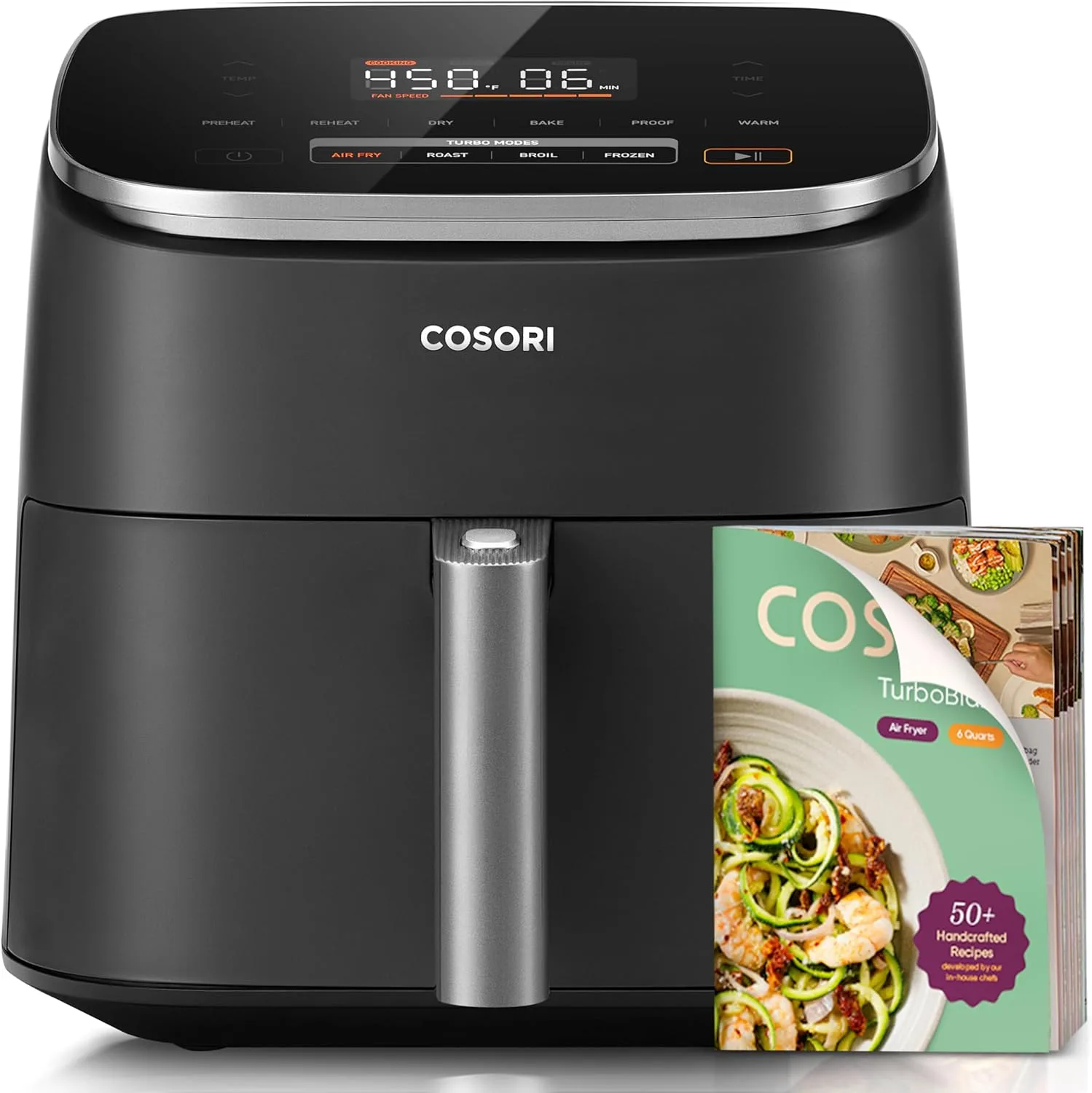
To get that perfect texture I’m talking about—lightly golden on the outside, buttery and flaky inside—you really need an air fryer you can trust. I use the Cosori Air Fryer for this exact recipe because its heat circulation is incredibly even. It wraps around the delicate halibut fillets and cooks them gently without any hot spots, which is the secret to preventing the dreaded dryness. It takes all the guesswork out and delivers consistent results every single time.
If you want to make perfect air fryer fish a regular thing in your kitchen, this is the tool I stand by. You can check the current price on Amazon right here.
Cosori 9-in-1 TurboBlaze Air Fryer 6 Qt, PFAS-Free Ceramic Coating
✓ prime
We earn a commission if you make a purchase, at no additional cost to you.
The single thing that improved my fish cooking more than anything else was drying the fillets before seasoning. I used to skip it. I thought it didn’t matter. It does. Moisture on the surface of the fish creates steam in the air fryer, and steam is the enemy of that lightly golden exterior you want.
Don’t flip the halibut halfway through unless your air fryer runs really hot on the bottom. Halibut is delicate and it can break apart if you mess with it too much. Most air fryers circulate heat well enough that you don’t need to flip it at all.
I learned the hard way that overcrowding the basket makes everything worse. I once tried to cook six fillets at once in a small basket and they all came out pale and soft instead of golden. Cook in batches if you need to. It’s worth the extra few minutes.
If you’re using frozen halibut, thaw it completely first and then dry it really well. Frozen fish holds a lot of water even after thawing, and that extra moisture will work against you.
A little butter at the end isn’t just for flavor. Halibut is a lean fish and it can dry out slightly even with perfect cooking. That small pat of butter melting over the hot fillet adds back a little richness that makes the whole thing feel more complete.
One more thing — lemon isn’t optional in my house. The acid cuts through the richness and brightens everything up. Even if you don’t have fresh lemon, a small splash of lemon juice from a bottle does something good.
Common Mistakes to Avoid
Cooking it straight from the fridge. Cold fish goes into a hot air fryer and the outside cooks faster than the inside can catch up. Let the fillets sit out for 10 minutes before cooking. Not a long time, but it helps the fish cook more evenly.
Skipping the preheat is something I see people do all the time. The air fryer needs to be hot before the fish goes in. If you put cold fish into a cold basket and then turn it on, the texture ends up soft and a little steamed rather than that light golden finish you’re going for.
Using too much oil. A light coating is all you need. Too much oil and the fish ends up sitting in it, which makes the bottom soggy and the seasoning slides off. Two tablespoons for four fillets is plenty.
Overcooking is probably the most common mistake with halibut specifically. Because it’s a lean white fish, it goes dry fast. The moment it flakes easily, it’s done. Pull it out. Don’t wait for it to look dramatically golden or crispy — it won’t, and if you wait that long, it’s overcooked.
Variations and Serving Ideas
Spicy version: Double the cayenne and add a pinch of chili flakes to the seasoning mix. Finish with a drizzle of sriracha honey right when it comes out of the air fryer. It’s a good combination with the mild sweetness of halibut.
Mild and simple: Skip the paprika and cayenne entirely. Just olive oil, salt, pepper, a little garlic powder, and lemon. Sometimes the fish is fresh enough that you don’t want anything getting in the way of it.
Coastal twist: Mix a tablespoon of Old Bay seasoning into the olive oil before coating the fish. It’s the kind of seasoning that just smells like being near the water, and it works really well on halibut. Serve it with a simple coleslaw on the side and you’ve got something that feels like a real coastal meal.
What to Serve With
Halibut is mild and flaky, so it pairs well with things that have a little texture or brightness to them. A simple green salad with a sharp vinaigrette is an easy choice — the acidity balances the richness of the butter and olive oil on the fish.
Roasted potatoes or a flavorful rice dish, like this shrimp and sausage dirty rice, work well as something more filling. If you want something softer and warmer, creamy mashed potatoes are a good contrast to the slightly firm texture of the fish.
Grilled or roasted corn is one of my favorite things to put next to halibut in the summer. The sweetness of the corn against the savory, lightly spiced fish is a combination that just makes sense.
For a lighter table, steamed broccoli or sautéed spinach with garlic keeps things simple and lets the fish be the main thing on the plate, which is usually what you want.
Storage and Reheating
Leftover halibut keeps in the fridge for up to 2 days in a sealed container. After that, the texture starts to get a little off and the smell gets stronger. Don’t push it past two days.
DO NOT reheat halibut in the microwave. It dries out almost instantly and the texture turns rubbery in a way that’s hard to come back from. If you’re reheating, use the air fryer at 300°F for about 4 to 5 minutes, just enough to warm it through without cooking it further.
DO NOT freeze cooked halibut if you can help it. The texture breaks down after freezing and thawing and it just doesn’t eat the same way. If you have extra raw halibut, freeze that instead and cook it fresh when you need it.
Cold leftover halibut actually works well flaked over a salad or tucked into a wrap with some greens and a little sauce. Sometimes the leftovers are better that way than reheated.
FAQs (People Also Ask)
Can I use frozen halibut for this recipe?
Yes, but thaw it completely first and dry it really well with paper towels before seasoning. Frozen fish carries a lot of extra moisture even after thawing, and that will affect the texture in the air fryer.
How do I know when halibut is done cooking?
Press the thickest part gently with a fork. If it flakes apart easily, it’s done. If it still feels firm or resists the fork, give it another 2 minutes. An internal temperature of 130–135°F is what you’re aiming for if you want to use a thermometer.
How long does cooked halibut last in the fridge?
Up to 2 days in a sealed container. After that the texture and smell start to go downhill. Eat it sooner rather than later.
Can I substitute another fish if I don’t have halibut?
Cod and mahi-mahi work really well with the same method and similar cook times. Tilapia is thinner so it’ll cook faster — check it around the 8-minute mark. Salmon works too but it has a stronger flavor and a different texture, so adjust your expectations a little.
Is this recipe hard to make?
Honestly, no. If you can pat fish dry and mix a few spices together, you can make this. The air fryer does most of the actual work. It’s one of those recipes that feels more impressive than the effort it takes.
Nutrition Facts
Nutrition Facts
(Per serving. Estimates only, varies by exact ingredients used)
Conclusion
Some of the best meals I’ve made at home started with a cooler full of fish and no real plan. That first time I made this in the air fryer, I wasn’t trying to do anything special. I was just tired and hungry and the halibut was right there.
But it came out good. Really good. And now it’s one of those recipes that lives in the back of my head on weeknights when I don’t want to think too hard but still want something that tastes like it came from somewhere near the water.
If you’ve got halibut, you’ve already got the hardest part figured out. The rest is easy.
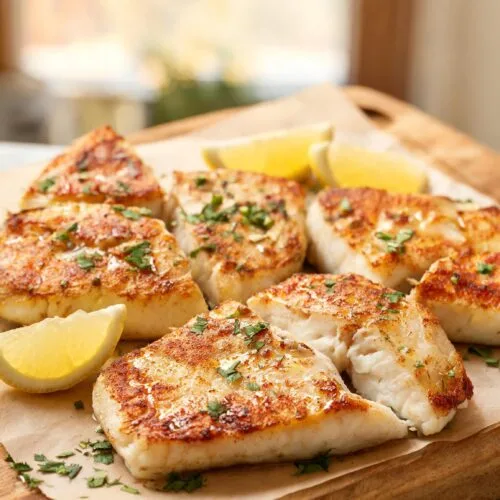
Air Fryer Halibut That Actually Stays Juicy
Ingredients
- 4 halibut fillets (about 6 oz each)
- 2 tablespoons olive oil
- 1 teaspoon garlic powder
- 1 teaspoon smoked paprika
- 1/2 teaspoon onion powder
- 1/2 teaspoon salt
- 1/4 teaspoon black pepper
- 1/4 teaspoon cayenne pepper (optional)
- 1 tablespoon unsalted butter, cut into small pieces
- 1 lemon, sliced into wedges
- Fresh parsley, roughly chopped (optional)
Instructions
- Pat the halibut fillets dry on both sides with paper towels. This removes surface moisture and helps the seasoning stick properly.
- Drizzle olive oil over both sides of each fillet and rub it in gently. Mix garlic powder, smoked paprika, onion powder, salt, black pepper, and cayenne (if using) in a small bowl, then sprinkle evenly over both sides of the fish.
- Preheat the air fryer to 400°F for about 3 minutes before adding the fish.
- Place the seasoned fillets in the air fryer basket in a single layer with space between each piece. Do not stack or crowd them.
- Cook at 400°F for 10 to 14 minutes depending on thickness. Fillets around 3/4 inch thick will be done around 10 to 12 minutes. Thicker fillets closer to 1 inch need 12 to 14 minutes.
- Check doneness by pressing the thickest part gently with a fork. The fish should flake apart easily. Internal temperature should read 130 to 135°F.
- Remove from the air fryer and immediately place a small piece of butter on each fillet. Let it melt for one minute. Squeeze fresh lemon over the top, scatter parsley if using, and serve right away.