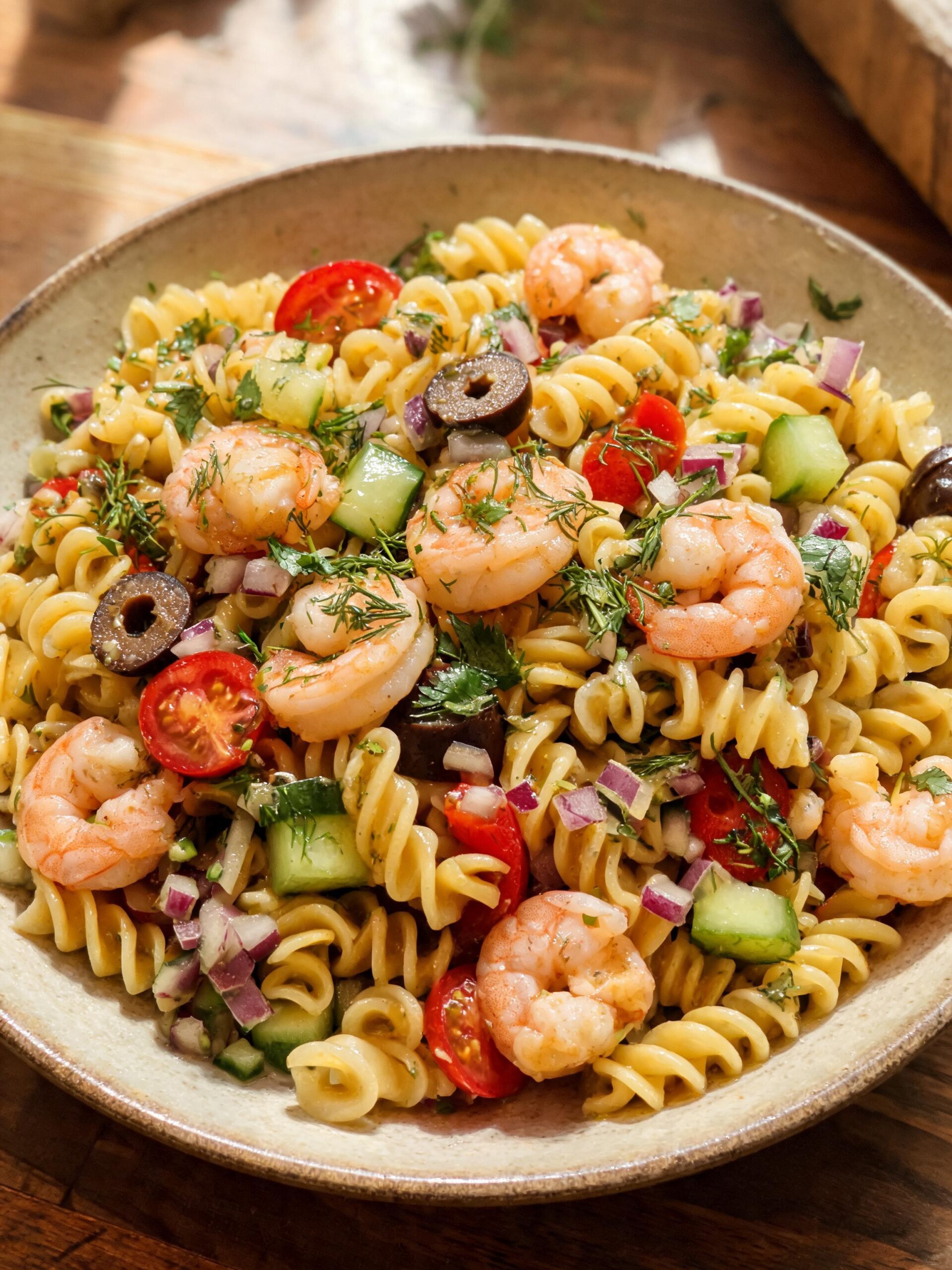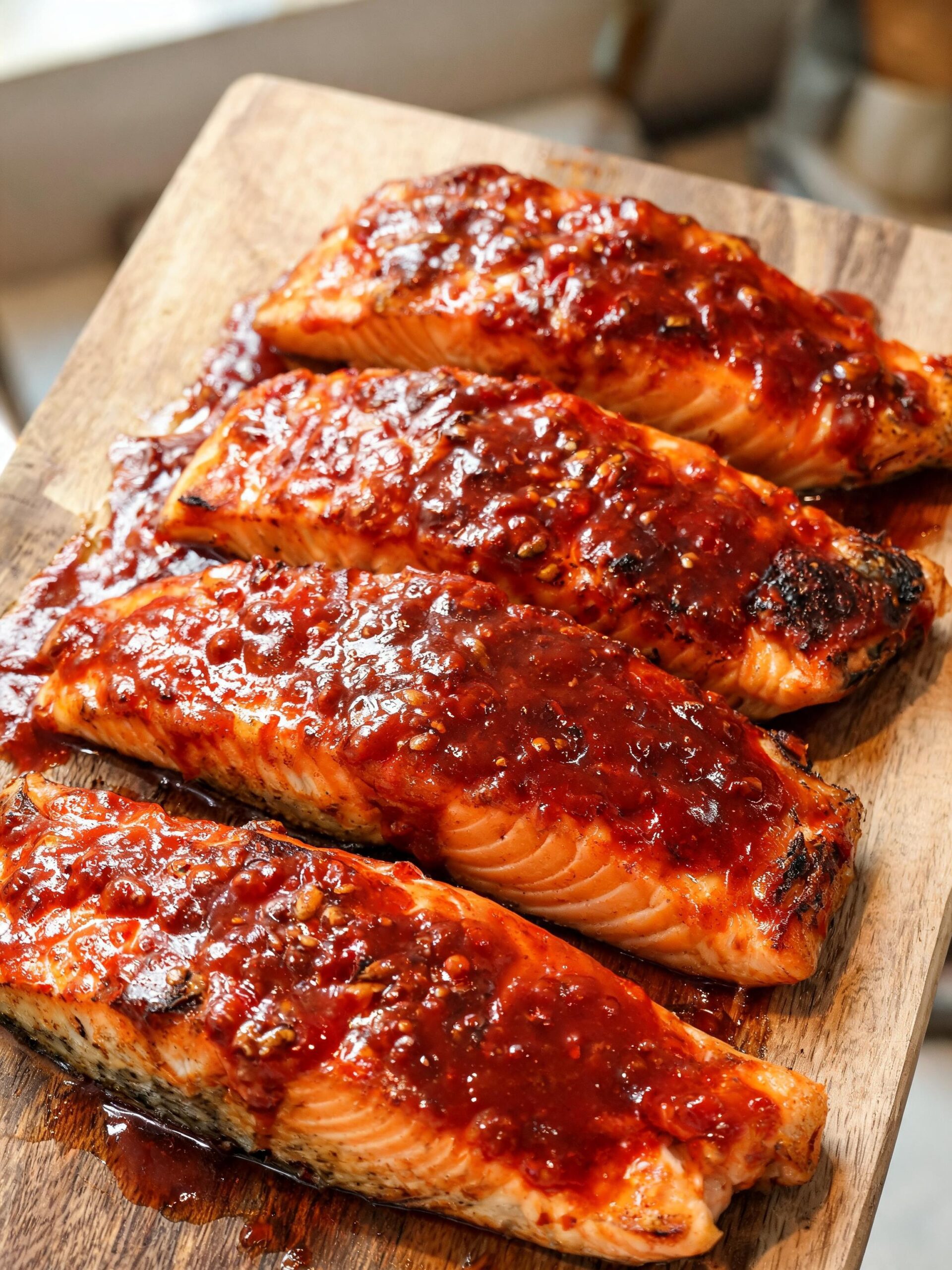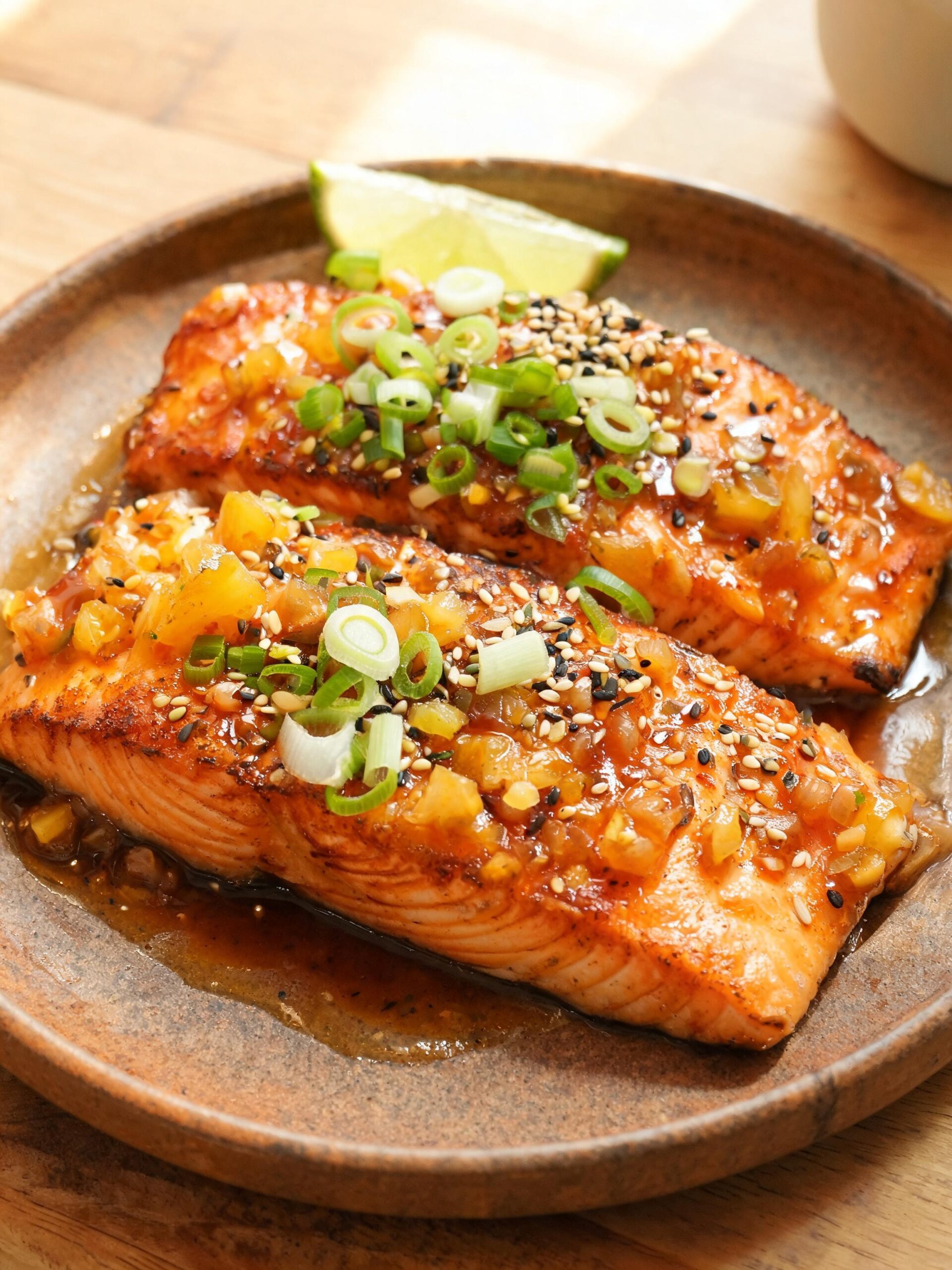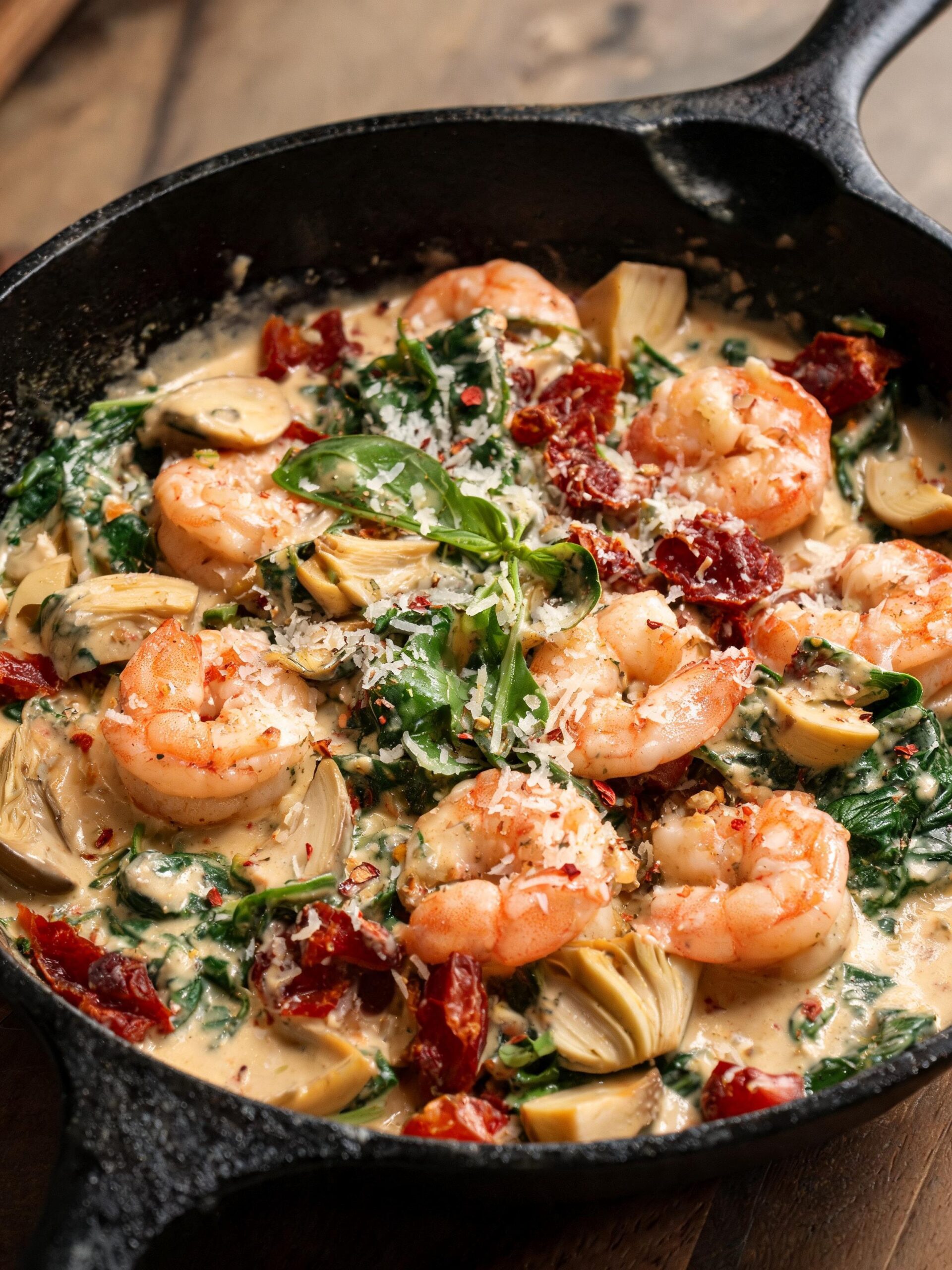
Introduction
It was one of those afternoons where the cooler was still half-full of halibut and the kitchen felt too hot to actually cook anything. I’d made the same pan-fried fillet three nights in a row and honestly, I was tired of it. Much like my craving for a cool Panera tuna salad sandwich on a summer day, I wanted something refreshing and easy. That’s when I threw together this Mango Halibut Ceviche almost by accident — diced up what I had, squeezed a pile of limes, and let the fish do its thing in the fridge while I sat on the back porch and listened to the water.
I didn’t expect much. But when I pulled it out an hour later and took a bite straight from the bowl, I just kind of stopped. It was cold and bright and the mango made everything feel like summer even though the wind off the bay was sharp that day. That was the first time I made it. It hasn’t been the last.
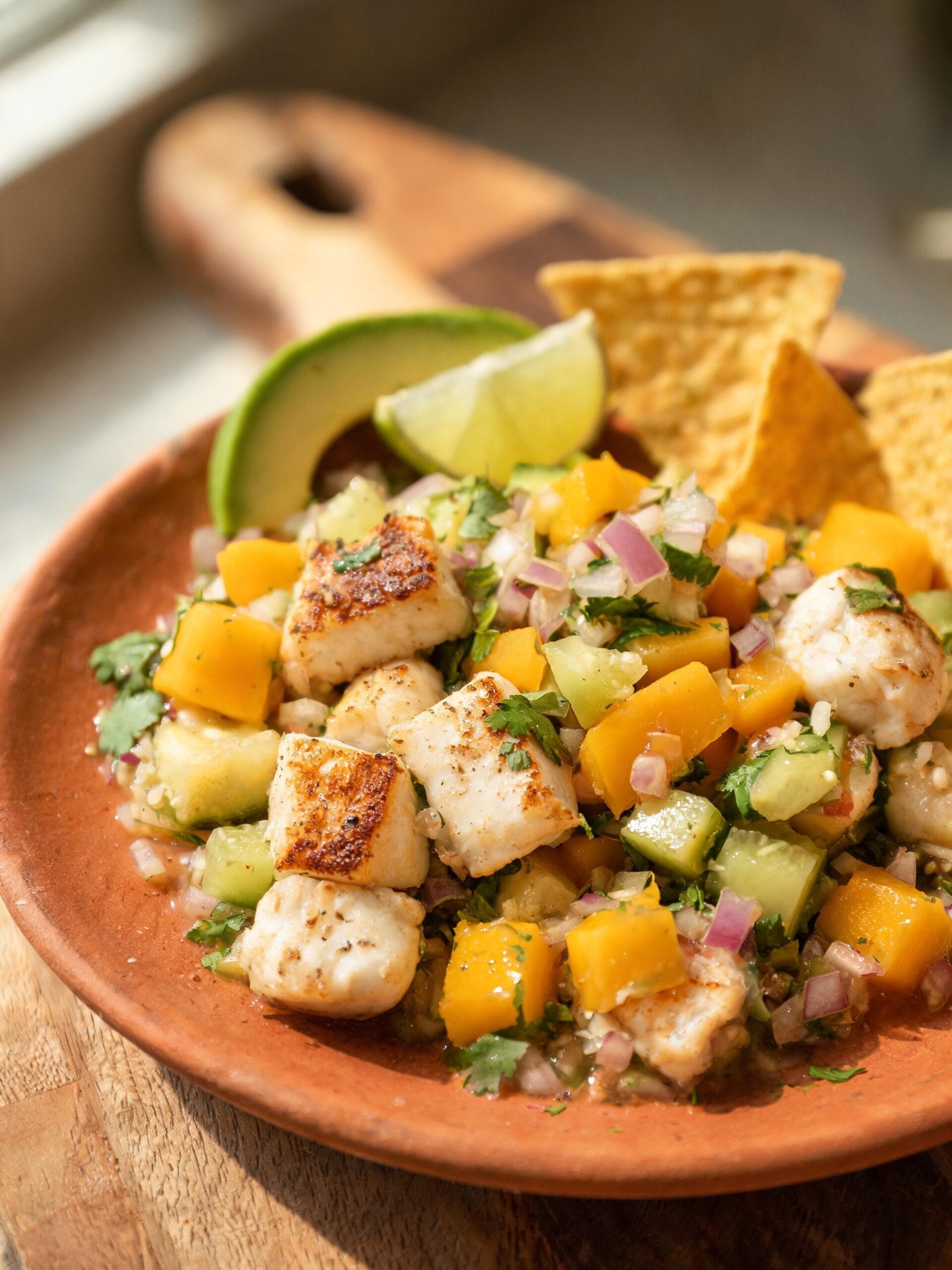
This easy Mango Halibut Ceviche has become one of those recipes I come back to every single season — whenever I’ve got fresh halibut and a ripe mango sitting on the counter at the same time. It’s not fussy. It doesn’t need to be.
Why You’ll Love This Recipe
- No stove, no oven, no standing over anything hot — the lime juice does all the real work while you relax.
- The sweetness of the mango and the clean, mild flavor of halibut together is something that just makes sense, like they were always supposed to meet.
- It comes together in about 15 minutes of actual effort, which means it works on a weeknight when you’re tired but still want something that feels a little special.
Quick Recipe Snapshot
Recipe: Mango Halibut Ceviche
Prep Time: 15 minutes
Chill Time: 20–30 minutes (up to 1 hour)
Cook Time: None (acid-cured)
Total Time: About 35–45 minutes
Servings: 4
Difficulty: Easy — beginner friendly
Best For: Lunch, light dinner, warm weather eating, coastal gatherings
Ingredients List
For the Ceviche:
- 1 lb fresh halibut fillet — skinless, cut into small ½-inch cubes (fresh is best; the cleaner the fish, the better the whole thing tastes)
- ¾ cup fresh lime juice — about 6 to 7 limes (bottled lime juice just doesn’t hit the same, trust me on this one)
- 1 large ripe mango — peeled and diced into small cubes (ripe but still a little firm so it holds its shape)
- ½ cup red onion — finely diced
- 1 jalapeño — seeded and minced (leave some seeds in if you like a little heat)
- ½ cup fresh cilantro — roughly chopped
- 1 medium cucumber — peeled, seeded, and diced
- 2 tablespoons fresh orange juice — adds a soft sweetness that rounds out the lime
- ½ teaspoon kosher salt — plus more to taste
- ¼ teaspoon black pepper
Optional for Serving:
- Tortilla chips or tostadas
- Sliced avocado
- Extra lime wedges
- A few dashes of hot sauce
Step-by-Step Instructions
- Start by cutting your halibut into small, even pieces — roughly half an inch. Smaller pieces cure faster and eat better in a spoon or on a chip. Place them in a non-reactive bowl, glass or ceramic works best.
- Pour the fresh lime juice and orange juice over the fish. Make sure every piece is submerged or at least coated. Cover the bowl with plastic wrap and put it in the fridge. Let it sit for at least 20 minutes — the fish will go from translucent to opaque as the acid does its thing. For a more fully cured texture, give it the full hour.
- While the fish is curing, prep everything else. Dice the mango, cucumber, and red onion. Mince the jalapeño. Chop the cilantro. I usually do all of this at the kitchen table with the back door open if the weather is decent.
- Once the halibut looks opaque and firm throughout — not raw-looking in the center — drain off most of the lime juice. You can leave a few tablespoons in the bowl for flavor, but too much and it gets harsh and sour real fast.
- Add the mango, cucumber, red onion, jalapeño, and cilantro to the bowl with the fish. Toss gently. Season with salt and pepper. Taste it. Adjust. Sometimes it needs another pinch of salt, sometimes a squeeze more lime. Just go by feel.
- Serve right away or keep it cold in the fridge for up to another hour before eating. Don’t push it much longer than that — ceviche is a right-now kind of food.
Side thought: I always taste it twice before I serve it. Once right after mixing, and once five minutes later. The flavors shift a little as they settle together and it helps me figure out if it needs anything.
Small Tricks From Cooking Fish at Home
I mentioned how important it is to get those small, even cubes of halibut, and that’s not just a suggestion—it’s the secret to perfect ceviche. Trying to do that with a regular kitchen knife, especially if it’s not perfectly sharp, can tear the delicate fish and turn your beautiful fillet into a mess. That’s why I always rely on a high-quality fillet knife. The one I keep in my block glides through the halibut without any resistance, giving me those clean, precise half-inch cubes that cure evenly in the lime juice and give every bite the perfect texture.
If you want to take your fish preparation from frustrating to effortless, this is the tool that makes all the difference. Grab one and see for yourself.
Fillet Knife 7 Inch, Super Sharp Boning Knife in High Carbon Stainless Steel
✓ prime
We earn a commission if you make a purchase, at no additional cost to you.

The freshest fish you can find makes an enormous difference here. I know that sounds obvious but with ceviche there’s nowhere to hide — no heat, no sauce, no browning. The halibut is right there, front and center. If it smells even slightly off at the market, walk away.
Cut your pieces small and as even as you can manage. Uneven chunks mean some pieces cure faster than others and you end up with a weird mix of textures in the same bowl. I learned this the hard way the first few times.
Don’t skip the orange juice. It’s just two tablespoons but it softens the sharpness of all that lime and gives the whole thing a rounder, warmer flavor. I once left it out because I didn’t have any and the ceviche tasted flat and too sour. Never skipped it again.
Ripe mango matters. An underripe mango is too firm and too tart — it fights with the lime instead of balancing it. You want one that gives just slightly when you press it. If yours is a little too firm, let it sit on the counter for a day before you use it.
Keep everything cold. The bowl, the fish, even the cutting board if you can. Ceviche is a cold dish and warm ingredients make it feel sloppy and soft in a way that just doesn’t work. I sometimes put my serving bowl in the freezer for ten minutes before I plate it up.
Common Mistakes to Avoid
Leaving the fish in the lime juice too long is probably the most common one. People think more time equals more done, but what actually happens is the texture turns rubbery and the flavor gets overwhelmed by acid. Thirty minutes to an hour is the window. After that it starts going downhill.
Using frozen halibut that wasn’t fully thawed. I’ve done this when I was in a hurry and the fish released so much water it diluted everything. The texture was mushy and the whole bowl tasted watered down. Thaw it completely in the fridge overnight if you’re using frozen.
Adding the mango too early. If you mix everything together and then let it sit for another hour, the mango breaks down and gets mushy and the juice bleeds into the whole dish. Add the fruit right before you’re ready to serve or close to it.
Over-salting before tasting. The lime juice already has a sharpness that can trick you into thinking it needs more salt than it does. Always taste first, season second. I’ve over-salted this dish exactly once and it was not a good evening.
Variations and Serving Ideas
Spicy version: Keep the jalapeño seeds in and add a finely minced serrano pepper alongside it. A few dashes of habanero hot sauce stirred in at the end will take it somewhere with real heat. Good if you’ve got people who like that kind of thing.
Mild version: Skip the jalapeño entirely and use a small amount of finely diced red bell pepper instead. You still get color and crunch without any of the burn. Works great for kids or anyone who doesn’t do spice.
Coastal twist: Add a small diced avocado right before serving and a handful of thinly sliced radishes for crunch. Sometimes I’ll stir in a spoonful of coconut milk for a slightly tropical, creamier version that reminds me of eating somewhere near the water on a warm night. It sounds strange but it works.
What to Serve With
Thick tortilla chips or tostadas are the obvious move and honestly the right one. You want something with crunch and a little salt to contrast the cool, soft ceviche. While this dish is light and bright, if you’re craving a heartier seafood meal, a classic shrimp and sausage dirty rice is another fantastic option. For this ceviche, however, get the sturdy chips — thin ones break too easily.
Sliced avocado on the side keeps things feeling coastal and adds some richness that balances the brightness of all that lime. A cold beer or a simple agua fresca with this on a warm evening is about as good as eating gets.
If you want to make it a fuller meal, serve it alongside some plain white rice or warm corn tortillas. The rice soaks up the juices at the bottom of the bowl and nothing goes to waste.
Storage and Reheating
Ceviche is best eaten the day you make it — ideally within a couple of hours of finishing it. The texture and flavor are at their peak right then.
If you have leftovers, store them in a sealed container in the fridge and eat within 24 hours. After that the fish gets too soft and the mango breaks down and it’s just not the same dish anymore.
DO NOT freeze ceviche. The texture of the fish after freezing and thawing will be completely wrong — mushy, waterlogged, and unpleasant. It’s not worth it.
DO NOT try to reheat it. This is a cold dish. It was never meant to be warm. Heating ceviche will ruin the texture and the whole point of making it in the first place.
FAQs (People Also Ask)
Can I use frozen halibut for ceviche?
You can, but it needs to be fully thawed in the fridge first — never on the counter. Frozen fish releases more water as it sits in the lime juice, so pat it dry with paper towels before you start. Fresh will always give you a better result.
How do I know when the halibut is done curing?
The fish will change from translucent and raw-looking to opaque and white throughout. Give a small piece a gentle press — it should feel firm, not soft and jelly-like. Usually 20 to 30 minutes for small pieces, up to an hour for a more fully cured texture.
Can I substitute a different fish if I don’t have halibut?
Yes. Sea bass, snapper, or mahi-mahi all work really well here. You want a firm, white, mild fish. Avoid anything oily like salmon or mackerel — the flavor doesn’t work the same way with the mango and lime.
How long does homemade ceviche last in the fridge?
Eat it within 24 hours. It’s best within the first two hours of making it. After a day in the fridge the texture softens significantly and the flavors get muddy. It’s a make-and-eat kind of dish.
Is this recipe difficult for beginners?
Not at all. There’s no actual cooking involved. If you can dice fruit and squeeze limes, you can make this. The hardest part is waiting for the fish to cure and not eating it too early.
Nutrition Facts
Nutrition Facts
(Per serving. Estimates only, varies by exact ingredients used)
Conclusion
Some recipes feel like work. This one never has. There’s something about pulling a cold bowl of ceviche out of the fridge on a warm afternoon — the smell of lime hitting you first, then that sweet mango — that just feels right. Like the coast is closer than it actually is.
I think about that first time I made it, standing in the kitchen with a cooler full of halibut and no plan. Sometimes the best things come together when you’re not really trying. This is one of them.

Mango Halibut Ceviche
Ingredients
- 1 lb fresh halibut fillet, skinless, cut into ½-inch cubes
- ¾ cup fresh lime juice (about 6–7 limes)
- 2 tablespoons fresh orange juice
- 1 large ripe mango, peeled and diced
- ½ cup red onion, finely diced
- 1 jalapeño, seeded and minced
- ½ cup fresh cilantro, roughly chopped
- 1 medium cucumber, peeled, seeded, and diced
- ½ teaspoon kosher salt, plus more to taste
- ¼ teaspoon black pepper
- Tortilla chips or tostadas, for serving (optional)
- Sliced avocado, for serving (optional)
- Extra lime wedges, for serving (optional)
Instructions
- Cut halibut into small, even ½-inch cubes and place in a non-reactive glass or ceramic bowl.
- Pour fresh lime juice and orange juice over the fish, making sure all pieces are coated. Cover and refrigerate for 20 minutes to 1 hour, until fish is opaque throughout.
- While fish cures, dice the mango, cucumber, and red onion, mince the jalapeño, and chop the cilantro.
- Once halibut is fully opaque, drain off most of the lime juice, leaving just a few tablespoons in the bowl.
- Add mango, cucumber, red onion, jalapeño, and cilantro to the bowl. Toss gently to combine.
- Season with salt and pepper. Taste and adjust seasoning as needed.
- Serve immediately with tortilla chips, sliced avocado, and extra lime wedges.