
Introduction
There’s a specific kind of evening I keep coming back to in my head. It was late fall, the kind of cold that sneaks in off the water before you’re ready for it. We’d just gotten back from a long day out, hands still smelling like salt and brine, and I had a bag of crab legs sitting in the cooler that needed to be dealt with. While I love making easy seafood boil recipes, I was tired and didn’t want to deal with a big pot of water. So I just… put them in the oven. Wrapped in foil with butter and a little garlic, and honestly? That was the night everything changed for me. Making crab legs in oven turned out to be the simplest, most satisfying thing I’d done in a long time.
I’ve made them a dozen ways since. Steamed, boiled, grilled when the weather cooperates. But there’s something about the oven that keeps pulling me back. The heat wraps around them evenly, the butter soaks in instead of washing away, and the whole thing comes together in under half an hour without much fuss at all. If you’ve never tried this easy crab legs in oven method at home, you’re going to be surprised how little effort it actually takes.
Why You’ll Love This Recipe
- It’s genuinely fast — from fridge to table in about 30 minutes, which matters on a weeknight when you’re already tired.
- The flavor stays inside the shell instead of leaching out into boiling water, so every bite actually tastes like crab.
- You don’t need to know anything special. If you can wrap something in foil and set a timer, you can do this.
Quick Recipe Snapshot
Prep Time: 15 minutes
Cook Time: 20 minutes
Total Time: 35 minutes
Servings: 4
Difficulty: Easy
Method: Oven (baked/steamed in foil)
Best For: Weeknight dinner, casual seafood night, feeding a small group without the chaos
Ingredients List
The Crab
- 3 lbs king crab legs or snow crab legs, thawed if frozen — king crab gives you more meat per leg, snow crab is easier to crack open
The Butter Mixture
- 6 tablespoons unsalted butter — salted works too, just go lighter on any added salt
- 4 cloves garlic, minced — fresh makes a real difference here, the jarred stuff kind of disappears
- 1 tablespoon fresh lemon juice — brightens everything up without overpowering the crab
- 1 teaspoon Old Bay seasoning — optional but it just belongs with crab, honestly
- ½ teaspoon smoked paprika — adds a little warmth without heat
- Salt and black pepper to taste
For Serving
- Extra melted butter for dipping
- Lemon wedges
- Fresh parsley, roughly chopped — just a little, more for color than anything
Step-by-Step Instructions
- Pull your crab legs out of the fridge about 15 minutes before you start. If they’re frozen, let them thaw overnight in the fridge or run them under cold water for 20–30 minutes. You want them close to room temperature so they heat evenly in the oven.
- Preheat your oven to 375°F. While it’s warming up, melt the butter in a small pan over low heat. Add the garlic and let it cook gently for just a minute or two — you want it soft and fragrant, not browned. Stir in the lemon juice, Old Bay, and paprika. Take it off the heat.
- Lay out two large sheets of heavy-duty aluminum foil on your counter. Divide the crab legs between them, arranging them in a single layer as best you can. Pour the butter mixture over the top, trying to get it into the cracks and openings of the shells a little.
- Fold the foil up and over the crab legs, crimping the edges tightly so the steam stays trapped inside. This is the part that matters — a loose seal means dry crab, and nobody wants that.
- Place the foil packets on a large baking sheet and slide them into the oven. Bake for 18 to 22 minutes. King crab legs on the thicker side need closer to 22. Snow crab, which tends to be thinner, is usually done around 18.
- Carefully open the foil — there will be a rush of steam, so use tongs or a towel and peel it back away from you. The shells should be hot all the way through and the meat inside should be opaque and tender. Serve straight from the foil if you want fewer dishes.
Side note: I always make extra butter for dipping. Always. There’s never enough dipping butter. That’s just the truth.
Small Tricks From Cooking Fish at Home
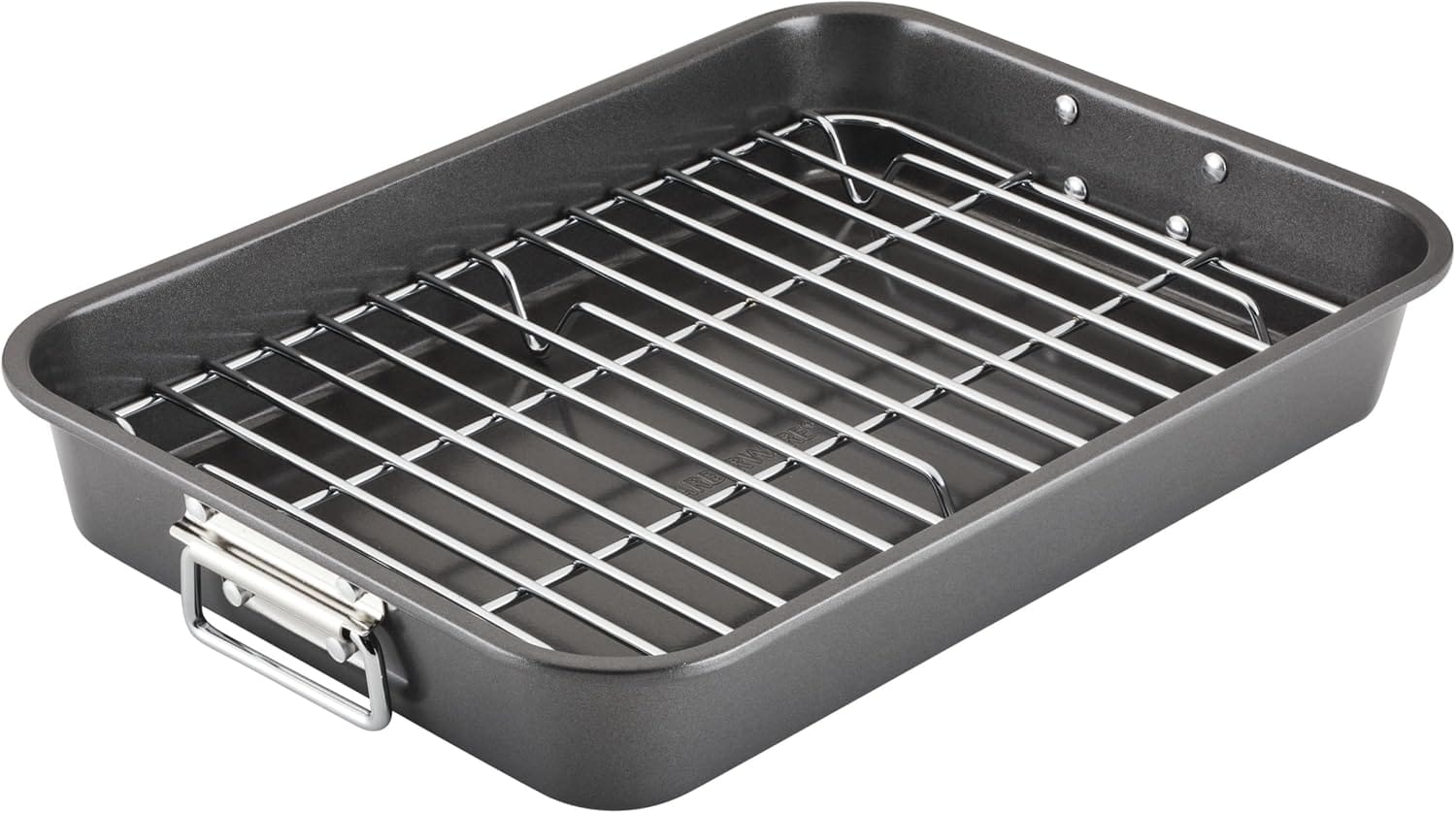
When I’m making these foil packets, the one thing I don’t skimp on is a reliable baking sheet. You need something sturdy and large enough to hold the packets in a single layer without them overlapping, which is key for even cooking. I rely on a roaster like this Farberware one because it’s a total workhorse. It handles the heat perfectly, and if any of that precious garlic butter leaks out, the nonstick surface makes cleanup a breeze instead of a nightmare. A solid pan means no buckling or wobbling when you’re pulling it out of the hot oven, which is a safety thing for me.
If you’re ready to make your seafood nights easier and cleaner, check out the roaster I trust in my own kitchen.
Farberware Nonstick Bakeware 11-Inch x 15-Inch Roaster with Flat Rack
✓ prime
We earn a commission if you make a purchase, at no additional cost to you.
The foil seal is everything. I learned this the hard way the first few times — I’d fold it loosely and wonder why the crab felt a little dry. That steam trapped inside is basically doing the cooking. Treat it like a little steam oven inside your oven.
Don’t skip the resting step. After you pull the packets out, let them sit for two or three minutes before you tear them open. The heat keeps working and the butter redistributes. It’s a small thing but it matters.
If your crab legs are really long and awkward, it’s okay to use kitchen shears to cut them into sections before wrapping. Makes the whole thing easier to handle and fits better in the foil. I do this almost every time now.
One thing I noticed early on — if the butter mixture is too cold when you pour it over, it kind of solidifies on the shell instead of soaking in. Keep it warm and liquid until the moment you use it.
Fresh garlic over garlic powder, every time. Garlic powder kind of disappears into the butter and you end up with this vague savory thing. Fresh garlic actually comes through and you can taste it against the sweetness of the crab meat. It’s worth the extra minute of mincing.
Common Mistakes to Avoid
Overcooking is the one that gets people most. Crab legs are already cooked when you buy them — almost always. You’re really just reheating them and adding flavor. If you leave them in too long, the meat gets rubbery and stringy and kind of sad. Stick to the time range and you’ll be fine.
Skipping the thaw. I’ve tried going straight from frozen into the oven thinking it would just take longer. What actually happens is the outside gets hot while the inside stays cold, and you end up with uneven, disappointing crab. Thaw them first. It’s worth the wait.
Not enough butter. I know it sounds obvious but people try to be conservative with the butter and then wonder why their crab tastes a little flat. The butter is the flavor delivery system here. Be generous.
Opening the foil too early to check on things. Every time you open it, steam escapes and the cooking gets disrupted. Set your timer, trust the process, and leave it alone until it’s done.
Variations and Serving Ideas
Spicy version: Add ½ teaspoon cayenne pepper and a good shake of red pepper flakes to the butter mixture. You can also swap the paprika for chipotle powder if you want a smokier heat. It’s a completely different experience and honestly really good on a cold night.
Mild and simple: Just butter, garlic, and lemon. No seasoning blends, nothing extra. Sometimes the crab is so good it doesn’t need anything else and you just want to taste it clearly. This is the version I make when I’ve got really fresh crab.
Coastal herb twist: Swap the Old Bay for a mix of dried thyme and a little dried dill. Add a splash of white wine to the foil packet before sealing. It gives the whole thing this lighter, almost Mediterranean feel that works really well in summer. This garlic and herb butter is also fantastic on other easy seafood appetizers, like simple shrimp skewers.
What to Serve With
Crusty bread is non-negotiable for me. You need something to soak up all that garlic butter that pools in the foil. A good sourdough or a simple French baguette, nothing fancy.
A simple green salad with something acidic in the dressing — lemon vinaigrette, maybe a little red wine vinegar — cuts through the richness of the butter beautifully. You want something fresh and a little sharp on the same plate.
Corn on the cob if it’s summer. Roasted potatoes if it’s not. Both work. Both make it feel like a proper coastal dinner even if you’re nowhere near the water.
Storage and Reheating
Leftover crab legs keep in the fridge for up to two days, wrapped tightly or in an airtight container. After that the texture starts to go and it’s just not worth it.
To reheat, wrap them back in foil with a small pat of butter and put them in a 300°F oven for about 10 minutes. Low and slow is the move here — you’re warming them through, not cooking them again.
DO NOT microwave crab legs. I know it’s tempting when you’re hungry and in a hurry. The microwave makes the meat tough and rubbery almost instantly and the shells can get weirdly hot in spots. It’s just not worth it.
DO NOT reheat them more than once. Seafood doesn’t do well with repeated heating cycles. If you have leftovers, reheat only what you’re actually going to eat.
FAQs (People Also Ask)
Can I use frozen crab legs without thawing them first?
Technically yes, but I’d really recommend against it. The legs heat unevenly and you end up with parts that are overcooked and parts that are still cold. Thaw overnight in the fridge or under cold running water for 20–30 minutes. It makes a noticeable difference.
How do I know when they’re done?
The shells will be hot to the touch all the way through and the meat inside should be opaque and pull away from the shell easily. If you have a thermometer, the internal temperature should be around 145°F. But honestly, after a few times you just know by the smell and the heat coming off them.
Can I use imitation crab legs for this recipe?
You can, but the result is pretty different. Imitation crab is already fully cooked and doesn’t have a shell, so it doesn’t really behave the same way in the oven. This recipe is built around real crab legs — king or snow crab both work great.
Fresh versus frozen — does it matter?
Fresh is always going to taste a little sweeter and more delicate. But honestly, good quality frozen crab legs that have been properly thawed are excellent and that’s what most of us are working with. Don’t let not having fresh crab stop you from making this.
Is this recipe hard for beginners?
Not at all. If you can melt butter and wrap something in foil, you can make this. The oven does most of the work. I’d say this is one of the most beginner-friendly seafood recipes I know — the foil packet method is very forgiving and hard to mess up as long as you don’t overcook them.
Nutrition Facts
(Per serving. Estimates only, varies by exact ingredients used)
Conclusion
That cold fall evening still comes back to me sometimes when I’m standing at the oven waiting for the timer to go off. The smell of garlic butter warming up, the foil crackling a little from the steam building inside. It was such a simple accident that turned into something I keep coming back to.
You don’t need a big pot of boiling water or a fancy setup. You just need a little butter, a little time, and crab legs that deserve better than being rushed. The oven takes care of the rest.
I hope it becomes one of those easy, reliable things for you too — the kind of recipe you don’t even have to think about anymore. Just something you make on a Tuesday when the day was long and you want dinner to feel like something good.

Crab Legs in Oven with Garlic Butter
Ingredients
- 3 lbs king crab legs or snow crab legs, thawed
- 6 tablespoons unsalted butter
- 4 cloves garlic, minced
- 1 tablespoon fresh lemon juice
- 1 teaspoon Old Bay seasoning
- 1/2 teaspoon smoked paprika
- Salt and black pepper to taste
- Extra melted butter for dipping
- Lemon wedges for serving
- Fresh parsley, roughly chopped, for garnish
Instructions
- Remove crab legs from the fridge 15 minutes before cooking. If frozen, thaw overnight in the fridge or under cold running water for 20 to 30 minutes.
- Preheat oven to 375°F. Melt butter in a small saucepan over low heat. Add minced garlic and cook gently for 1 to 2 minutes until fragrant but not browned. Stir in lemon juice, Old Bay seasoning, and smoked paprika. Remove from heat.
- Lay out two large sheets of heavy-duty aluminum foil. Divide crab legs between them in a single layer. Pour the warm garlic butter mixture over the crab legs, working it into the shell openings.
- Fold the foil up and over the crab legs and crimp the edges tightly to seal in the steam. Place foil packets on a large baking sheet.
- Bake at 375°F for 18 to 22 minutes. Snow crab legs are done around 18 minutes. Thicker king crab legs need closer to 22 minutes.
- Carefully open the foil packets away from you to release steam. Shells should be hot all the way through and meat should be opaque and tender. Serve immediately with extra melted butter and lemon wedges.