Introduction
I still remember the first time I came home from a morning out on the water with more mackerel than I knew what to do with. The cooler was full, the sun was already high, and I had maybe forty minutes before everyone got hungry. That’s honestly how this mackerel recipe was born — not from planning, but from a full cooler and a hot pan. It’s a feeling many coastal cooking lovers know, whether they’re making this or a rich shrimp alfredo recipe.
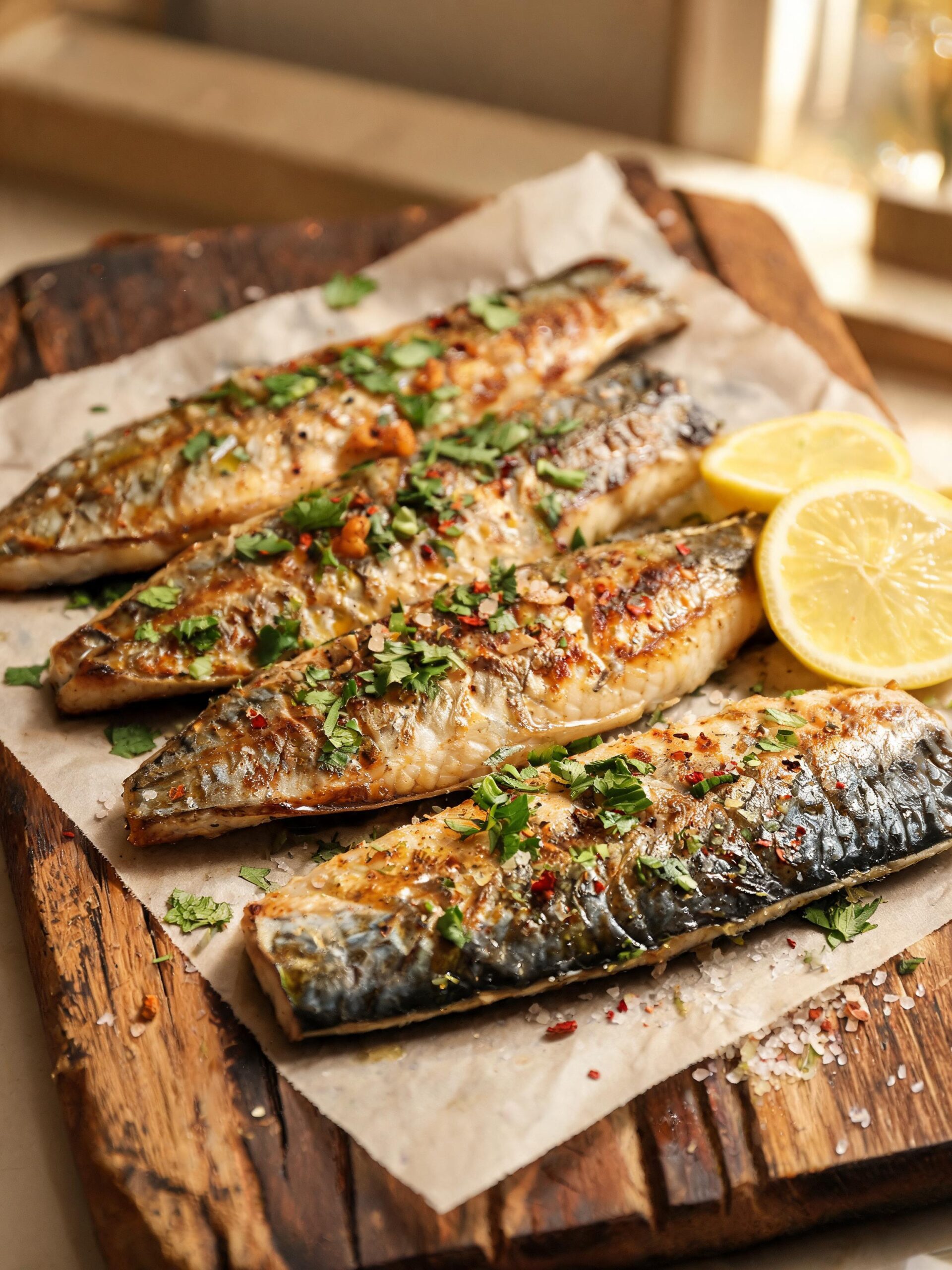
Mackerel gets overlooked a lot. People walk past it at the fish counter, maybe because it looks a little intense, or because they’re not sure what to do with it. But if you’ve ever had it done right — skin crisped up, flesh still just barely flaking, hit with something bright and acidic — you’d understand why coastal families have been eating it for generations. This easy mackerel recipe is the kind of thing that becomes a weeknight habit without you even realizing it.
It doesn’t ask much of you. A hot pan, good fish, and a few simple things from the pantry. That’s really it.
Why You’ll Love This Recipe
- It comes together in under 30 minutes, which on a tired Tuesday evening means everything.
- The flavor is bold and real — mackerel doesn’t need much help, and this recipe doesn’t overdo it.
- It’s genuinely beginner-friendly. If you’ve ever been nervous about cooking fish at home, this one is forgiving enough to build your confidence.
Quick Recipe Snapshot
Recipe: Pan-Seared Mackerel with Lemon and Garlic
Prep Time: 15 minutes
Cook Time: 20 minutes
Total Time: 35 minutes
Servings: 4
Difficulty: Easy
Best For: Weeknight dinner, quick lunch, coastal-style home cooking
Key Flavors: Savory, bright, slightly smoky
Main Equipment: Cast iron skillet or heavy nonstick pan
Ingredients List
For the Fish:
- 4 whole mackerel fillets (about 6 oz each) — fresh is best, but thawed frozen works fine
- 1 teaspoon sea salt — draws out moisture so the skin actually crisps
- ½ teaspoon black pepper
- ½ teaspoon smoked paprika — adds a gentle depth without overpowering the fish
- 2 tablespoons olive oil — for the pan, not too much
For the Pan Sauce:
- 3 garlic cloves, thinly sliced — they go in after the fish so they don’t burn
- 2 tablespoons unsalted butter
- Juice of 1 large lemon — this is the thing that makes it all come alive
- 2 tablespoons fresh parsley, roughly chopped
- ¼ teaspoon red pepper flakes (optional, but I usually add them)
Optional Extras:
- Lemon slices for serving
- Flaky sea salt to finish
Step-by-Step Instructions
- Pull your mackerel fillets out of the fridge about 10 minutes before cooking. Cold fish straight into a hot pan tends to seize up and cook unevenly. Just let them sit on the counter while you get everything else ready.
- Pat the fillets completely dry with paper towels. Both sides. This step matters more than most people think — moisture is the enemy of crispy skin. Don’t skip it.
- Mix together the salt, black pepper, and smoked paprika in a small bowl. Rub it over both sides of each fillet, pressing gently so it sticks.
- Heat your skillet over medium-high heat until it’s genuinely hot — not warm, hot. Add the olive oil and let it shimmer for about 30 seconds.
- Lay the fillets in skin-side down. Press each one lightly with a spatula for the first 10 seconds so the skin makes full contact with the pan. Then leave them alone. Seriously, don’t move them. Let them cook for about 4 minutes until the skin is deep golden and releases easily from the pan.
- Flip carefully and cook the flesh side for another 2 to 3 minutes. Mackerel cooks fast. The flesh should be opaque all the way through and flake gently when pressed. (I always do a quick press test with my finger — if it gives a little but springs back, it’s done.)
- Remove the fish to a plate and lower the heat to medium. Add the butter to the same pan. Once it melts, add the sliced garlic and red pepper flakes if using. Stir for about 60 seconds — just until the garlic turns golden at the edges, not brown.
- Squeeze in the lemon juice. It’ll sizzle and lift all the good bits from the bottom of the pan. Stir in the parsley. Pour the whole thing right over the fish.
- Serve immediately. Mackerel waits for no one.
Small Tricks From Cooking Fish at Home
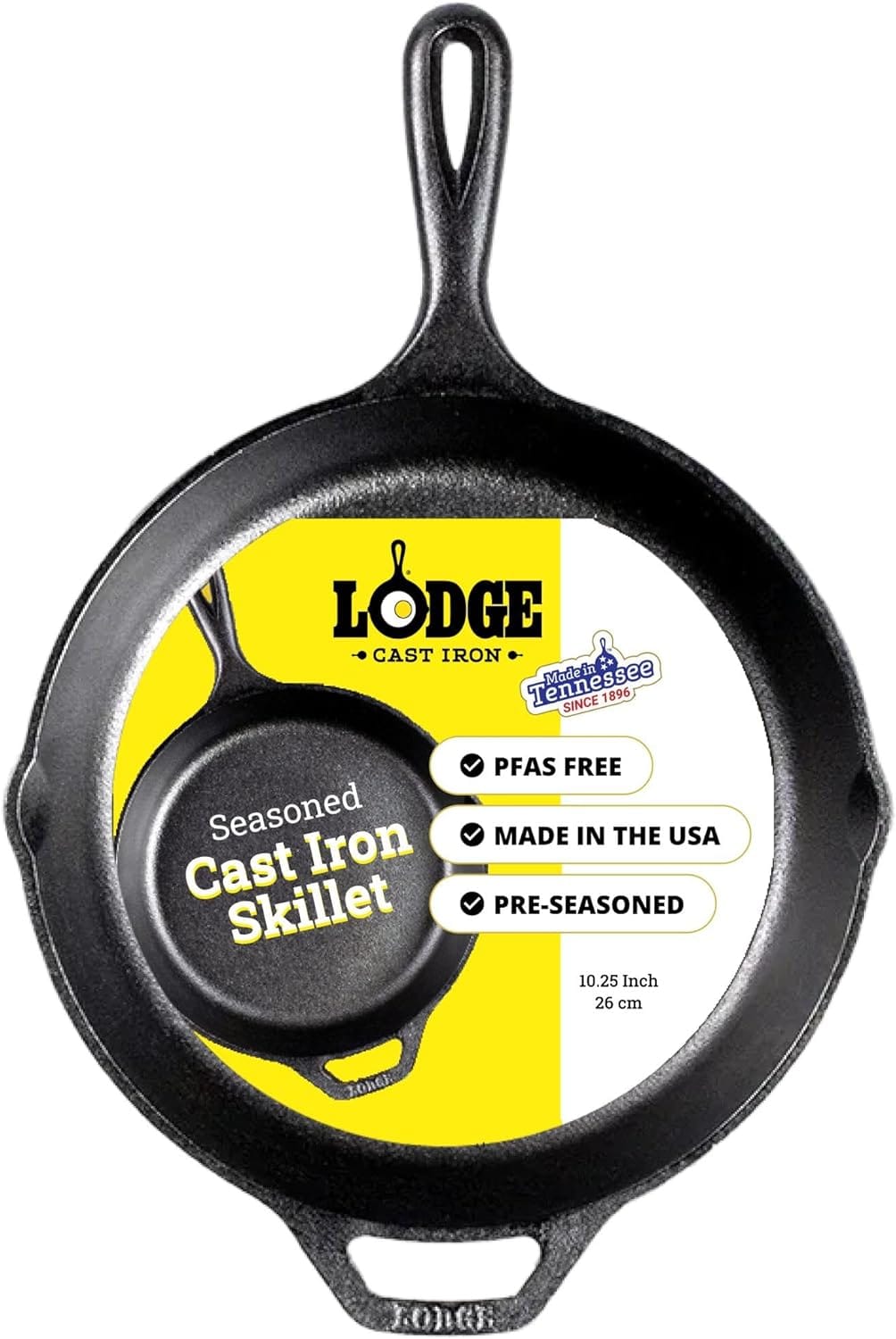
Speaking of the right pan, I can’t stress enough how much a good cast iron skillet changes the game for searing fish. The Lodge skillet is my go-to because it gets screaming hot and, more importantly, stays hot. That consistent, even heat is the real secret to getting that perfect, non-stick crispy skin every single time, just like I described. It’s a workhorse that gives me the confidence to lay that mackerel fillet down and know it’ll release perfectly.
If you’re serious about getting that perfect crispy skin, this is the pan you need in your kitchen. See for yourself why it’s a chef’s staple.
Lodge 10.25 Inch Cast Iron Skillet with Assist Handle
✓ prime
We earn a commission if you make a purchase, at no additional cost to you.
The pan temperature is everything. I learned this the hard way the first few times — put the fish in before the pan is properly hot and you end up with skin that steams instead of crisps. It’ll stick, it’ll tear, and you’ll feel like you did something wrong. You didn’t. The pan just wasn’t ready.
Dry the fish. I know I already said it in the instructions, but it bears repeating because I still see people skip this. Even a little surface moisture creates steam between the skin and the pan, and that’s what ruins the texture. Paper towels, both sides, firmly.
Don’t crowd the pan. If you’re cooking for four people and you only have a 10-inch skillet, do it in two batches. Crowded fish steams. It’s one of those small things that makes a big difference in the final result.
Mackerel has a strong flavor by nature — that’s part of what makes it so satisfying. But if you’re serving it to someone who’s a little nervous about fishy flavors, the lemon juice in the sauce genuinely softens that edge. Don’t skip the acid.
One thing I noticed after years of cooking fish at home: the residual heat keeps working after you take it off the burner. So if it looks just barely done, it probably is done. Pull it a touch early and let it rest for a minute on the plate. You’ll thank yourself.
Common Mistakes to Avoid
Moving the fish too soon. The skin will stick if you try to flip it before it’s ready. When it’s done on the first side, it releases on its own. Trust the pan. Wait for it.
Overcooking is probably the most common issue with mackerel at home. Because it’s an oily fish, it can handle a little more heat than something delicate like sole — but it still goes dry fast if you push it too long. Check it early. Press it gently. When the flesh flakes with just a little pressure, it’s time to get it off the heat.
Using too much oil. Mackerel is naturally fatty, which is one of the things that makes it so flavorful. You don’t need to add a lot of oil to the pan. Two tablespoons is plenty. More than that and you end up with something that feels greasy rather than rich.
Skipping the resting time before cooking. Cold fish in a hot pan — the outside cooks faster than the inside can catch up. Ten minutes on the counter makes a real difference in how evenly it cooks through.
Variations and Serving Ideas
Spicy version: Double the red pepper flakes and add a teaspoon of harissa paste to the butter sauce. It gives the whole thing a North African coastal feel that works really well with the richness of the fish.
Mild version: Skip the paprika and red pepper entirely. Use just salt, pepper, and a little lemon zest rubbed onto the skin before cooking. Finish with a simple herb butter — parsley, a little thyme, and butter. Clean and gentle.
Coastal twist: After plating, scatter some capers and thinly sliced shallots over the fish along with the pan sauce. Add a few slices of crusty bread on the side to soak everything up. That’s a proper coastal dinner right there.
What to Serve With
Something starchy and soft works well against the bold, crispy fish. Boiled new potatoes with a little butter and dill are a natural match — they soak up the pan sauce without competing with the mackerel. The crispy texture is so versatile, it’s also the star in our crispy fish tacos with cabbage slaw. For this dish, however, simple roasted vegetables like zucchini or cherry tomatoes round things out without adding much work.
A crisp green salad with a sharp vinaigrette cuts through the richness nicely. Arugula with lemon and olive oil is my go-to. The bitterness of the greens against the oily fish is one of those combinations that just makes sense.
Crusty bread is never wrong. Especially when there’s pan sauce involved.
Storage and Reheating
Cooked mackerel keeps in the fridge for up to 2 days in a sealed container. After that, the texture starts to suffer and the smell gets stronger than you want it to.
DO NOT reheat mackerel in the microwave. It dries out fast and the smell will fill your whole kitchen. Reheat gently in a skillet over low heat with a tiny splash of water or a small knob of butter, covered loosely, for a few minutes.
DO NOT freeze cooked mackerel. The texture breaks down and it turns mushy when thawed. If you want to freeze it, do it raw before cooking.
Leftover mackerel is actually great cold, flaked over a salad or tucked into a sandwich with some mustard and pickles. Don’t feel like you have to reheat it at all.
FAQs (People Also Ask)
Can I use frozen mackerel instead of fresh?
Yes, absolutely. Thaw it overnight in the fridge, then pat it very dry before cooking. The texture is slightly softer than fresh, but the flavor holds up well. Just make sure it’s fully thawed before it hits the pan.
How do I know when mackerel is fully cooked?
The flesh will turn from translucent to opaque and will flake gently when you press it. The internal temperature should reach 145°F if you want to be precise about it. I usually just use the press test — gentle pressure, slight give, springs back. That’s done.
Can I substitute another fish if I can’t find mackerel?
Sardines or herring work well with the same method and similar flavor profile. If you want something milder, skin-on salmon fillets cook the same way and are easier to find at most grocery stores.
How long does this recipe take from start to finish?
Realistically, about 30 to 35 minutes including prep. It’s genuinely quick. The actual cooking time for the fish is under 10 minutes once the pan is hot.
Is mackerel a good fish for people who don’t usually like fish?
It’s bold, so it’s not the most neutral starting point. But the lemon and garlic sauce in this recipe does a lot to balance the richness. If someone is really sensitive to strong fish flavor, I’d suggest starting with the mild variation and working up from there.
Nutrition Facts
(Per serving. Estimates only, varies by exact ingredients used)
Conclusion
There’s something about cooking fish you caught yourself — or even just fish you picked up fresh from somewhere you trust — that makes a simple dinner feel like more than it is. This isn’t a complicated recipe. It never was supposed to be. It’s just the kind of thing you throw together on a weeknight when you’re hungry and you want something real.
Mackerel has fed coastal families for a long time, and for good reason. It’s honest food. It doesn’t pretend to be anything other than what it is. And when you get it right — skin crisp, flesh just done, that lemon garlic butter pooling around it — it’s one of the most satisfying things you can put on a plate at home.
I hope it becomes one of yours too.
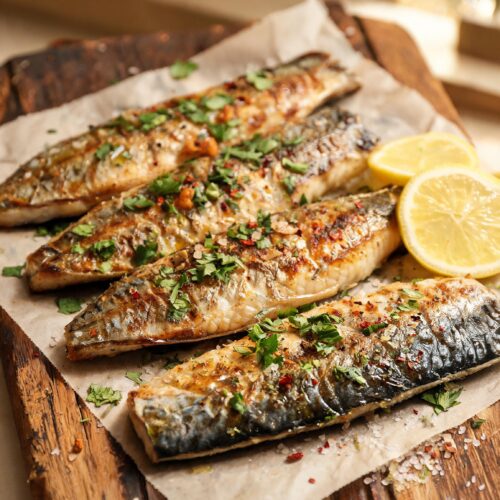
Pan-Seared Mackerel with Lemon and Garlic
Ingredients
- 4 whole mackerel fillets (about 6 oz each)
- 1 teaspoon sea salt
- 1/2 teaspoon black pepper
- 1/2 teaspoon smoked paprika
- 2 tablespoons olive oil
- 3 garlic cloves, thinly sliced
- 2 tablespoons unsalted butter
- Juice of 1 large lemon
- 2 tablespoons fresh parsley, roughly chopped
- 1/4 teaspoon red pepper flakes (optional)
- Lemon slices for serving (optional)
- Flaky sea salt to finish (optional)
Instructions
- Remove mackerel fillets from the fridge 10 minutes before cooking and let them come closer to room temperature.
- Pat fillets completely dry on both sides with paper towels.
- Mix salt, black pepper, and smoked paprika together and rub evenly over both sides of each fillet.
- Heat a cast iron skillet or heavy nonstick pan over medium-high heat until very hot. Add olive oil and let it shimmer for 30 seconds.
- Place fillets skin-side down in the pan. Press lightly with a spatula for the first 10 seconds to ensure full skin contact. Cook undisturbed for 4 minutes until skin is deep golden and releases easily.
- Flip fillets carefully and cook flesh-side down for 2 to 3 more minutes until flesh is opaque throughout and flakes gently when pressed.
- Remove fish to a plate. Reduce heat to medium. Add butter to the same pan and let it melt.
- Add sliced garlic and red pepper flakes. Stir for about 60 seconds until garlic is golden at the edges.
- Squeeze in lemon juice, stir to lift pan drippings, then mix in chopped parsley.
- Pour the pan sauce directly over the plated fish and serve immediately.