
Introduction
The first time I made Caribbean Grilled Snapper at home, it was completely unplanned. I came back from the dock with two whole red snappers, salt still drying on my arms, and about an hour before dinner. While I love a good crispy fish fillet recipe for a quick weeknight meal, that day was all about the grill. I had limes, I had allspice, and I had a grill that needed cleaning, but I lit it anyway.
That meal turned into something I’ve made a dozen times since. Not because I followed some fancy recipe. Just because that first night it worked — the skin got crispy, the fish stayed juicy inside, and the whole yard smelled like the Caribbean coast for about twenty minutes. That’s the kind of cooking I love. No fuss. Just real flavor.
This easy Caribbean Grilled Snapper recipe is exactly that. Simple enough for a Tuesday night. Good enough to make on a weekend when people come over and you want them to think you really know what you’re doing out there at the grill.
Why You’ll Love This Recipe
- It’s fast. From fridge to table in about 35 minutes, which on a weeknight feels like a small miracle when you’ve got hungry people waiting.
- The flavor is real. Allspice, scotch bonnet, lime, and thyme do something together on a hot grill that’s hard to explain but impossible to forget.
- Anyone can do this. You don’t need to know anything special about fish. If you can work a grill and tell when something smells done, you’ve got this.
Quick Recipe Snapshot
Quick Recipe Snapshot
🕐 Prep Time: 15 minutes
🔥 Cook Time: 20 minutes
🍽️ Servings: 4
📊 Difficulty: Easy
🐟 Main Protein: Whole Red Snapper
🌴 Cuisine: Caribbean
Ingredients List
For the Fish
- 2 whole red snappers (about 1.5 lbs each), cleaned and scored — scoring helps the marinade actually get inside the fish, not just sit on top
- 2 tablespoons olive oil — just enough to keep it from sticking and help the skin crisp up
- 1 teaspoon sea salt
- ½ teaspoon black pepper
For the Caribbean Marinade
- 3 cloves garlic, minced
- 1 small scotch bonnet pepper, seeded and finely chopped — this is where the heat comes from, use half if you’re nervous about spice
- 1 teaspoon ground allspice — this is the backbone of the whole Caribbean flavor profile, don’t skip it
- 1 teaspoon fresh thyme leaves (or ½ teaspoon dried)
- Zest and juice of 2 limes — the acid wakes everything up and balances the heat
- 1 tablespoon soy sauce — adds a little depth without overpowering anything
- 1 teaspoon brown sugar — just a small amount to help the skin caramelize on the grill
- ½ teaspoon smoked paprika
- 1 tablespoon fresh ginger, grated
For Serving
- Extra lime wedges
- Fresh cilantro or flat-leaf parsley
- Sliced scallions
Step-by-Step Instructions
- Score the fish. Use a sharp knife to make 3 diagonal cuts on each side of both snappers, cutting down to the bone. This isn’t just for looks — it lets the marinade sink in and helps the thicker parts cook evenly instead of staying raw near the spine while the outside burns.
- Make the marinade. In a small bowl, mix together the garlic, scotch bonnet, allspice, thyme, lime zest, lime juice, soy sauce, brown sugar, smoked paprika, and ginger. Stir it until it looks like a loose paste. Smell it. That’s the smell you want your grill to smell like in about 30 minutes.
- Coat the fish. Rub olive oil all over both fish first, then work the marinade into every cut and inside the cavity. Don’t be shy. Get it in there. Let the fish sit for at least 10 minutes — or up to an hour in the fridge if you have time. Even 10 minutes makes a difference.
- Heat the grill. Get it to medium-high heat, around 400°F if your grill has a thermometer. Brush the grates with a little oil using a folded paper towel and tongs. This step matters more than people think. A cold or dirty grate is why fish sticks and falls apart.
- Grill the snapper. Lay the fish down and close the lid. Cook for 8 to 10 minutes on the first side without touching it. I know it’s hard. Just leave it alone. When it releases cleanly from the grate, it’s ready to flip. Flip once, cook another 8 to 10 minutes on the second side. The skin should be charred in spots and the flesh should flake easily near the thickest cut.
- Rest and serve. Pull it off the grill and let it sit for 2 minutes. Squeeze fresh lime over the top, scatter some cilantro and scallions, and bring it to the table just like that. Whole fish on a plate always looks like you did more work than you did.
Side note — if the fish sticks a little when you try to flip it, give it another minute. It’ll tell you when it’s ready by letting go on its own. That’s one of the best things I’ve learned from cooking fish outside.
Small Tricks From Cooking Fish at Home
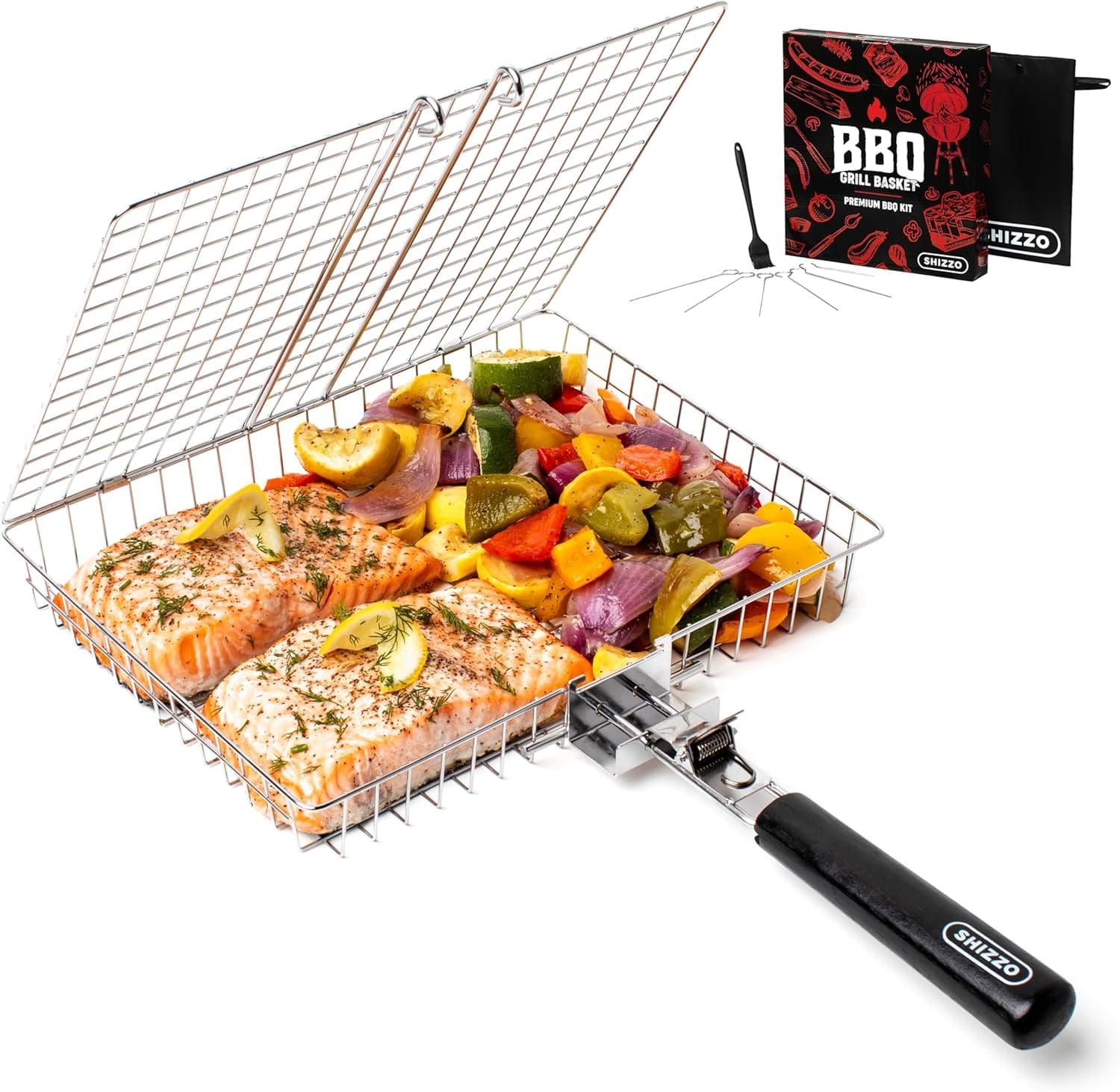
I’ve mentioned the fear of fish sticking to the grill—it’s the number one thing that holds people back from trying a recipe like this. For years, I relied on clean grates and a prayer, but my best trick now isn’t a trick at all, it’s a tool. When I’m grilling for guests and can’t afford a mistake, I use a simple grilling basket. It holds the whole snapper securely, letting you flip it with total confidence. You still get that perfect smoky char and direct heat, but with zero risk of the skin tearing or the fish breaking apart. It’s my secret weapon for a flawless presentation every single time.
If you want to take all the guesswork out of grilling whole fish, this is the one tool I absolutely recommend.
Barbecue Grill Basket – Stainless Steel Folding Grilling Basket for Fish
✓ prime
We earn a commission if you make a purchase, at no additional cost to you.
Dry the fish before you oil it. I used to skip this and wonder why the skin never got crispy. Moisture is the enemy of a good sear. Pat it down with paper towels first, then add the oil.
The scoring cuts should go all the way to the bone, not just through the skin. I made shallow cuts for years thinking I was doing it right. Then one day I watched an older guy at the dock prep his catch and realized how deep those cuts needed to go. Night and day difference in how the marinade penetrates.
Don’t marinate snapper for more than 2 hours in lime juice. The acid starts to break down the flesh and you end up with a mushy texture that no amount of heat will fix. 30 minutes to an hour is the sweet spot.
If you’re nervous about the whole fish sticking, you can lay it on a piece of foil with holes poked in it. You lose a little of that direct char flavor but you won’t lose the fish to the grates. Sometimes that trade-off is worth it.
Keep a spray bottle of water near the grill. If the marinade drips and causes flare-ups, a quick spritz keeps things under control without cooling the grates down too much. I learned this the hard way after scorching the outside of a beautiful fish while the inside was still raw.
Common Mistakes to Avoid
Moving the fish too early is probably the most common thing that goes wrong. People get nervous, they poke at it, they try to lift it before it’s ready, and then it tears apart. Snapper will tell you when it’s done on that side — it releases. Until then, hands off.
Using too much sugar in the marinade. A little brown sugar is great for caramelization. Too much and it burns before the fish is cooked through. One teaspoon is enough. I’ve seen people double it thinking sweeter is better and then spend 20 minutes scraping black crust off the grates.
Skipping the preheat. A cold grill means the fish sits there steaming instead of searing. You want that immediate contact with high heat so the skin crisps up fast and locks in moisture. Give the grill a full 10 to 15 minutes to come up to temperature.
Cooking straight from the fridge. Cold fish on a hot grill cooks unevenly — the outside gets done while the center near the bone is still cold. Pull the fish out about 15 minutes before grilling and let it come closer to room temperature. It makes a real difference in how evenly it cooks through.
Variations and Serving Ideas
Spicy version: Keep the seeds in the scotch bonnet and add a pinch of cayenne to the marinade. If you want to go even further, blend a whole scotch bonnet with the marinade ingredients instead of chopping it. The heat spreads more evenly through the fish and it builds slowly as you eat.
Mild version: Swap the scotch bonnet for a small jalapeño or just leave it out entirely. The allspice, ginger, and lime still carry the Caribbean character without any real heat. My mom makes it this way and she never feels like she’s missing anything.
Coastal twist: Stuff the cavity with thin slices of fresh mango and a few sprigs of thyme before grilling. The mango softens and gets smoky inside the fish and it adds this sweet, tropical note that feels like you’re eating somewhere with a view of the water.
What to Serve With
Rice and peas is the classic pairing and for good reason — the starchy, slightly coconutty rice balances the heat and acid of the fish perfectly. It’s also filling enough that one fish between two people feels like a real meal.
Fried plantains on the side add that perfect crispy-soft contrast that makes everything feel more complete. If you love that texture, you know how satisfying a truly crispy fried fish can be, and that same principle applies here. The sweetness plays well against the smoky, spiced snapper.
A simple cucumber and tomato salad with a little red onion and lime juice keeps things fresh and cuts through the richness. Nothing complicated. Just something cool and crunchy next to the hot fish.
If you want something more substantial, a scoop of creamy coleslaw works surprisingly well. The creaminess softens the spice and it’s easy to throw together while the fish is on the grill.
Storage and Reheating
Leftover grilled snapper keeps in the fridge for up to 2 days in an airtight container. The flavor actually gets a little more intense overnight as everything settles together.
To reheat, use a skillet over medium-low heat with a tiny bit of oil. Cover it loosely and warm it slowly. It won’t be exactly the same as fresh off the grill but it’ll still be good.
DO NOT microwave grilled fish. I know it’s tempting when you’re in a hurry but the microwave turns the texture rubbery and makes the whole kitchen smell like a fish market. It’s not worth it.
DO NOT freeze already-cooked snapper if you can help it. The texture falls apart when it thaws and you end up with something mushy and sad. If you want to freeze snapper, do it raw before marinating.
FAQs (People Also Ask)
Can I use snapper fillets instead of whole fish? Yes, absolutely. Fillets work fine — just reduce the cook time to about 4 to 5 minutes per side depending on thickness. You won’t get the same dramatic presentation but the flavor is the same.
Can I use frozen snapper? You can, but thaw it completely in the fridge overnight and pat it very dry before marinating. Frozen fish holds more water and that extra moisture makes it harder to get good color on the grill. Fresh is always better when you can get it.
How do I know when the snapper is done? The flesh near the deepest score cut should be opaque and flake easily when you press it gently with a fork. If it still looks translucent or feels firm and resistant, give it another 2 minutes. A meat thermometer reading 145°F at the thickest point near the bone is the reliable answer.
What can I substitute for scotch bonnet pepper? Habanero is the closest substitute in terms of heat and flavor. Jalapeño works for a much milder version. If you can’t find either, a pinch of cayenne and a little extra smoked paprika gives you heat without the fruity note of a fresh pepper.
How long does this take start to finish? About 35 minutes if you marinate for just 10 to 15 minutes. If you marinate for an hour, add that time. The actual hands-on cooking is fast — it’s mostly just waiting on the grill.
Is this recipe beginner-friendly? Genuinely yes. The hardest part is leaving the fish alone on the grill and trusting the process. If you can do that, the rest takes care of itself.
Nutrition
Nutrition Facts
(Per serving. Estimates only, varies by exact ingredients used)
Conclusion
Some meals just stick with you. Not because they were complicated or because you did everything perfectly, but because of where you were when you made them. That first night with the two snappers and the salt on my arms and the grill that needed cleaning — I think about it every time I make this now.
This homemade Caribbean Grilled Snapper recipe is one of those things that feels bigger than what it actually is. A handful of spices, some lime, a hot grill, and a fish that came out of the water not that long ago. That’s really all it takes to make something worth remembering.
Hope it does the same for you.

Caribbean Grilled Snapper
Ingredients
- 2 whole red snappers (about 1.5 lbs each), cleaned and scored
- 2 tablespoons olive oil
- 1 teaspoon sea salt
- 1/2 teaspoon black pepper
- 3 cloves garlic, minced
- 1 small scotch bonnet pepper, seeded and finely chopped
- 1 teaspoon ground allspice
- 1 teaspoon fresh thyme leaves (or 1/2 teaspoon dried)
- Zest and juice of 2 limes
- 1 tablespoon soy sauce
- 1 teaspoon brown sugar
- 1/2 teaspoon smoked paprika
- 1 tablespoon fresh ginger, grated
- Extra lime wedges for serving
- Fresh cilantro or flat-leaf parsley for serving
- Sliced scallions for serving
Instructions
- Score the fish by making 3 deep diagonal cuts on each side of both snappers, cutting all the way to the bone.
- In a small bowl, mix together the garlic, scotch bonnet, allspice, thyme, lime zest, lime juice, soy sauce, brown sugar, smoked paprika, and grated ginger until it forms a loose paste.
- Rub olive oil all over both fish, then work the marinade into every cut and inside the cavity. Let sit for at least 10 minutes or up to 1 hour in the fridge.
- Preheat the grill to medium-high heat (around 400°F) and brush the grates with oil using a folded paper towel held with tongs.
- Place the fish on the grill and close the lid. Cook for 8 to 10 minutes on the first side without moving the fish.
- When the fish releases cleanly from the grate, flip it once and cook for another 8 to 10 minutes on the second side until the skin is charred in spots and the flesh flakes easily near the thickest cut.
- Remove from the grill, rest for 2 minutes, then squeeze fresh lime over the top and scatter cilantro and scallions before serving.