Introduction
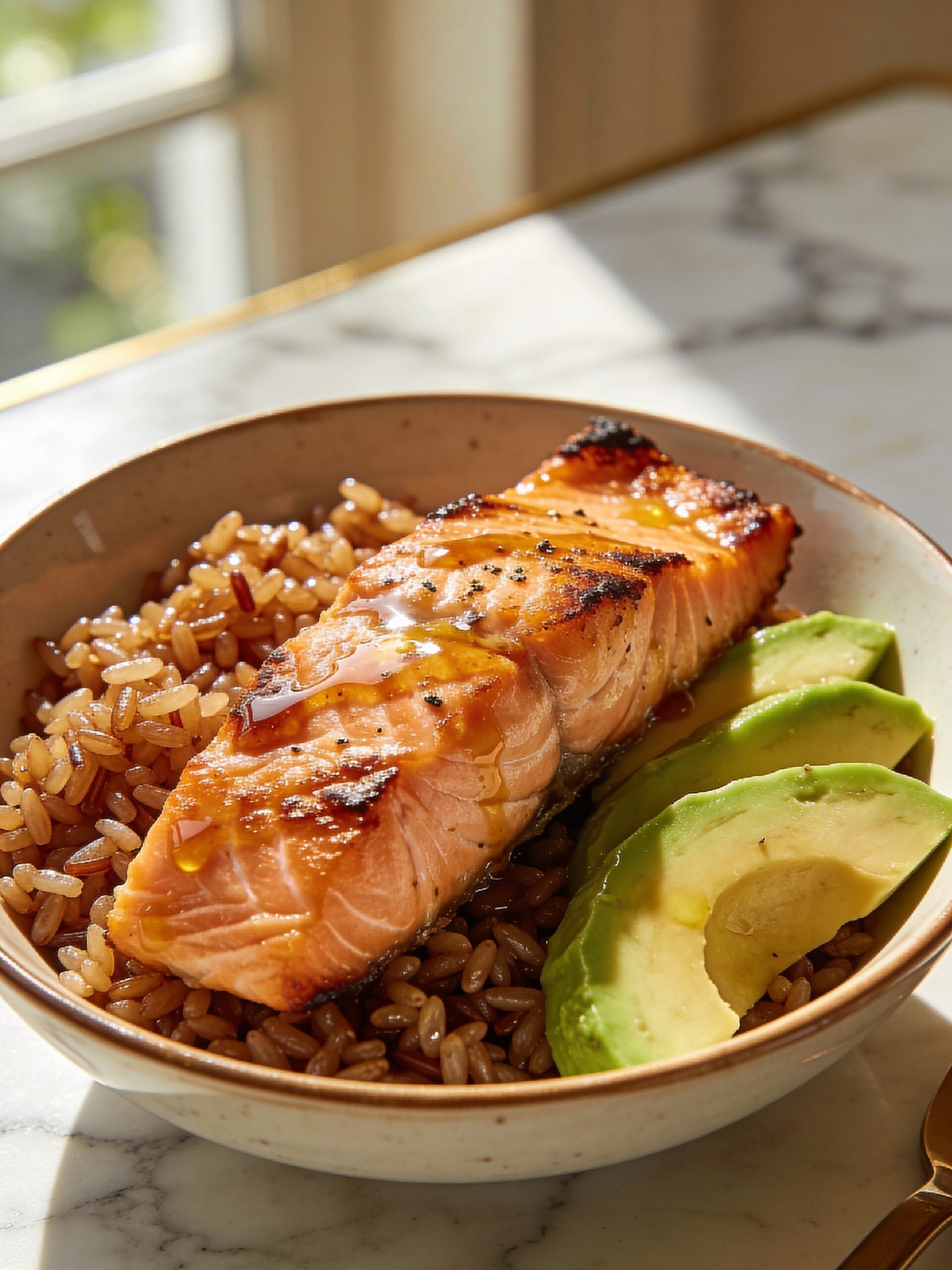
After twenty years of searing, grilling, and poaching just about every fish that swims, I can tell you one thing for certain: a perfectly executed salmon bowl is one of the most satisfying meals you can make. It’s a format I love, but salmon is incredibly versatile, shining in everything from bowls to easy high-protein salmon patties. For this recipe, it’s all about balance: the combination of rich, flaky salmon with its crispy skin, the creamy avocado, the hearty chew of brown rice, and a vibrant sauce that ties it all together. This isn’t just another recipe; this is my definitive guide to creating the Avocado and Brown Rice Salmon Bowl. We’re going to build it from the ground up, focusing on technique, so you can ditch the takeout menus and make a restaurant-quality meal right in your own kitchen. This is more than just dinner; it’s a masterclass in texture and flavor that proves simple ingredients can create something spectacular.
Why You’ll Love This Recipe
- Weeknight Hero: From start to finish, you’re looking at about 35 minutes. It’s a complete, powerhouse meal that doesn’t demand your entire evening.
- Flavor and Texture Powerhouse: You get the crispy salmon skin, the tender fish, creamy avocado, crisp cucumbers, and a zesty dill sauce. Every bite is different and exciting.
- Completely Customizable: Think of this recipe as your perfect template. You can swap the grain, mix up the veggies, or try a different sauce. It’s designed to be flexible for what you have on hand.
Ingredients List
Precision is key in a professional kitchen, and it should be in yours too. Use these exact measurements for a balanced bowl that serves four people perfectly.
For the Pan-Seared Salmon:
- 4 (5-ounce) skin-on salmon fillets, about 1-inch thick
- 1 tablespoon avocado oil or other high-smoke-point oil
- 1/2 teaspoon kosher salt
- 1/4 teaspoon black pepper, freshly cracked
For the Brown Rice:
- 1 cup long-grain brown rice, rinsed
- 1 3/4 cups water or low-sodium chicken broth
- 1/2 teaspoon kosher salt
For the Bowl Components:
- 2 ripe but firm avocados, pitted and sliced
- 1 large English cucumber, thinly sliced
- 1 cup shredded carrots
- 1/2 cup thinly sliced radishes
- 1 lime, cut into wedges for serving
- 1 tablespoon toasted sesame seeds (optional garnish)
For the Creamy Dill Sauce:
- 1/2 cup plain Greek yogurt (full-fat is best)
- 1/4 cup fresh dill, finely chopped
- 1 tablespoon fresh lemon juice
- 1 small garlic clove, minced or grated
- 1 tablespoon olive oil
- 2 tablespoons water, to thin
- Pinch of salt and pepper
Step-by-Step Instructions
- Cook the Brown Rice: In a medium saucepan, combine the rinsed brown rice, water (or broth), and 1/2 teaspoon of salt. Bring to a boil over high heat. Once boiling, immediately reduce the heat to the lowest setting, cover with a tight-fitting lid, and simmer for 40-45 minutes, or until the water is absorbed. Do not lift the lid during this time. Once done, remove from heat and let it stand, covered, for 10 minutes. Fluff with a fork before serving.
- Prepare the Sauce and Veggies: While the rice cooks, prepare your other components. In a small bowl, whisk together all the ingredients for the Creamy Dill Sauce: Greek yogurt, dill, lemon juice, garlic, olive oil, water, salt, and pepper. Adjust seasoning to taste. If it’s too thick, add another splash of water. Prepare your vegetables by slicing the avocado, cucumber, and radishes, and shredding the carrots.
- Prep the Salmon: Remove the salmon from the refrigerator about 15 minutes before cooking to let it come to room temperature. Pat the fillets completely dry on all sides with a paper towel. This is the most critical step for crispy skin. Season the salmon generously on all sides with kosher salt and black pepper.
- Sear the Salmon: Place a large non-stick or cast-iron skillet over medium-high heat. Add the avocado oil. Once the oil is shimmering (but not smoking), carefully place the salmon fillets skin-side down in the pan. Immediately press down gently on each fillet with a fish spatula for 10-15 seconds to ensure the entire skin makes contact with the pan.
- Cook and Rest: Cook the salmon skin-side down for 4-6 minutes. You’ll see the color change as it cooks up the side of the fillet. The skin should be deeply golden and release easily from the pan. If it sticks, give it another 30 seconds. Flip the salmon and cook for another 2-3 minutes on the flesh side, depending on thickness, for medium-rare to medium. Remove from the pan and let it rest on a cutting board for at least 3 minutes.
- Assemble Your Salmon Bowl: Divide the fluffed brown rice among four bowls. Top each with a salmon fillet. Arrange the sliced avocado, cucumber, carrots, and radishes around the salmon. Drizzle generously with the Creamy Dill Sauce, garnish with toasted sesame seeds, and serve immediately with a lime wedge on the side. This is how you build a truly great salmon bowl.
Chef’s Pro Tips for Success
Listen up. These are the details that separate a decent home-cooked meal from a dish you’d pay good money for. Don’t skip these.
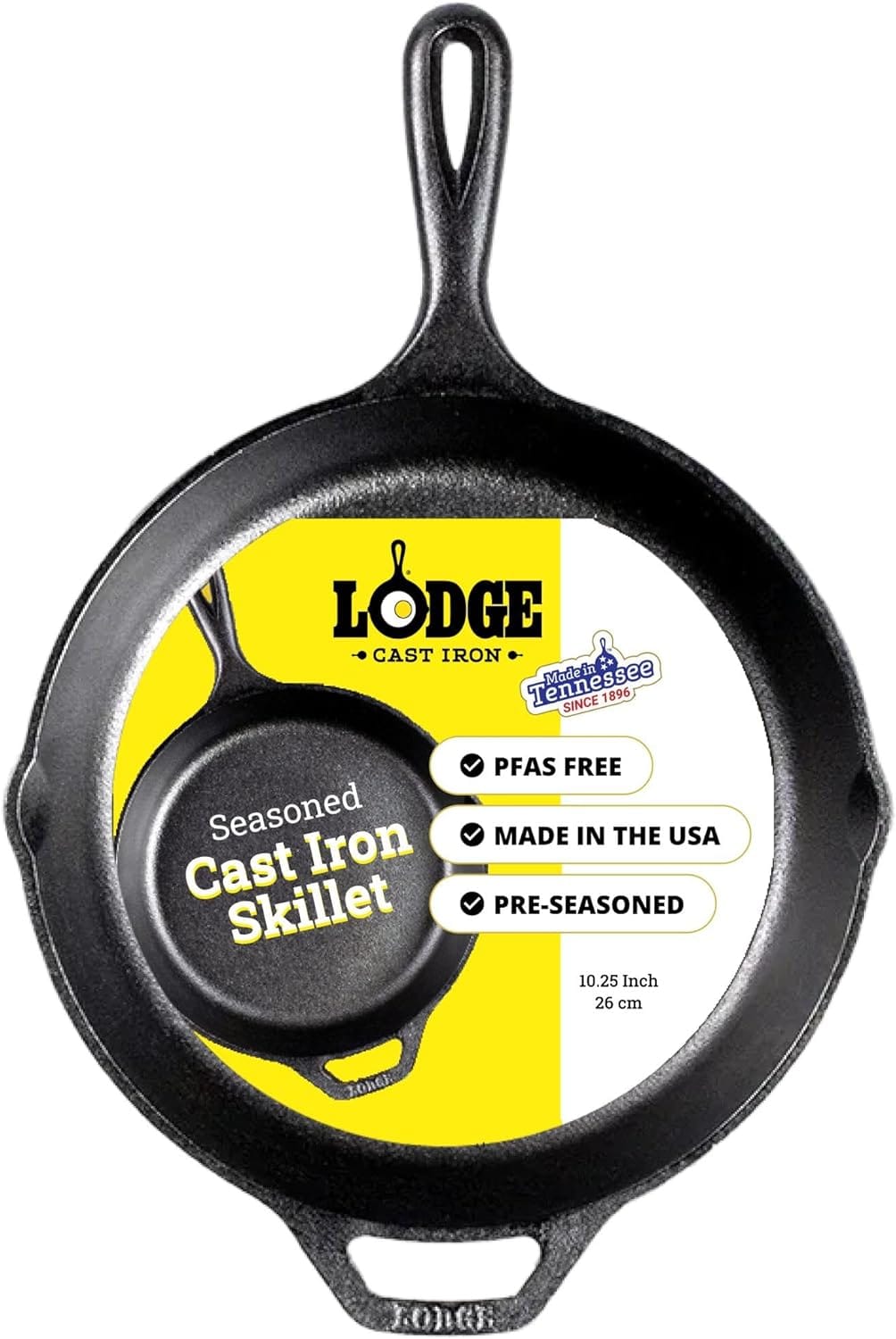
When I talk about mastering pan temperature, this is the tool I have in my hand. For a truly magnificent sear and that shatteringly crisp salmon skin we’re after, I rely on my Lodge Cast Iron Skillet. It’s not just a pan; it’s a heat-retaining powerhouse that gives you an even, aggressive sizzle the moment the fish hits it. This is how you avoid steaming and guarantee that perfect golden-brown crust every single time. It’s the most essential piece of equipment for this recipe.
If you’re serious about elevating your cooking, this is the one piece of equipment you need. Grab the same skillet I use and see the difference for yourself.
Lodge 10.25 Inch Cast Iron Skillet with Assist Handle
✓ prime
We earn a commission if you make a purchase, at no additional cost to you.
- The Dry-Brine for Crispy Skin: After patting the salmon dry, season the skin side with salt and let it sit for 10-15 minutes at room temperature. You’ll see moisture bead up on the skin. Pat it dry one more time right before it hits the pan. This technique draws out excess water, guaranteeing an unbelievably crisp, crackling skin that won’t stick.
- Master Your Pan Temperature: The biggest mistake people make with searing fish is starting with a lukewarm pan. Your pan must be hot. The oil should shimmer, creating a visible, wavy pattern. When the fish hits the pan, you should hear an immediate, aggressive sizzle. If you hear a gentle fizzle, your pan is too cold, and the fish will steam instead of sear.
- The Power of Broth in Rice: Cooking your brown rice in low-sodium chicken or vegetable broth instead of water is a simple, game-changing move. It infuses the grain with a savory depth of flavor from the inside out, making the base of your salmon bowl just as delicious as the toppings. You can even toss a bay leaf or a crushed garlic clove into the pot for more aromatic complexity.
- Don’t Suffocate the Salmon: Never crowd your pan. Cook the salmon in two batches if your skillet isn’t large enough. Placing too many fillets in at once drops the pan’s temperature drastically, leading to that dreaded steaming effect. Give each piece of fish its own space to sear properly.
- The Art of Resting Fish: You rest a steak, so why not salmon? When you pull the salmon from the heat, the residual heat continues to cook it (this is called carry-over cooking). Letting it rest for 3-5 minutes allows the muscle fibers to relax and the juices to redistribute throughout the fillet. If you cut into it immediately, all that flavor will spill out onto your cutting board.
Common Mistakes to Avoid
I’ve seen these mistakes happen thousands of times. Read them, understand them, and you’ll sidestep the common pitfalls of making a seafood bowl.
- Overcooking the Salmon: This is the number one crime against good fish. Overcooked salmon is dry, chalky, and flavorless. The most obvious sign is an excessive amount of white stuff (it’s coagulated protein called albumin) seeping out. Cook your salmon until it’s just barely opaque in the center. It will finish cooking while it rests. Use a fork to gently test a thick part; it should flake easily but still be moist.
- Using a Wet Fish: Placing a wet salmon fillet into a hot pan is a recipe for disaster. The water instantly turns to steam, preventing the skin from making direct, searing contact with the hot oil. This is how you get pale, rubbery skin that sticks to the pan. I can’t stress this enough: pat it bone-dry with paper towels.
- An Unbalanced Bowl: A great salmon bowl is about harmony. Don’t just throw in random leftovers. Think about contrast. The rich, fatty salmon needs the acid from the lemon/lime and the sauce. The soft rice needs the crunch from the cucumber and radishes. The creamy avocado needs the savory saltiness of the fish. Every element should have a purpose.
- Skipping the Sauce: The sauce isn’t a garnish; it’s a critical component that ties everything together. A dry bowl is a sad bowl. The creamy, acidic dill sauce in this recipe cuts through the richness of the salmon and avocado, brightens the entire dish, and adds moisture. Never underestimate the power of a good sauce.
Variations and Serving Ideas
Once you’ve mastered the base recipe, the salmon bowl becomes a canvas for your creativity. Here are some professional-grade swaps and additions.
- Grain Variations: Swap the brown rice for nutty quinoa (be sure to rinse it well), chewy farro, or even a bed of mixed greens for a lower-carb option. For a keto-friendly version, use cauliflower rice sautéed with a little garlic and olive oil.
- Protein Alternatives: This bowl format works beautifully with other proteins. Try it with seared ahi tuna (cooked rare), grilled shrimp, or even crispy pan-fried tofu for a vegetarian option. Just adjust your cooking times accordingly.
- Vegetable Upgrades: Add more color and nutrients. Blanched edamame, quick-pickled red onions (just slice an onion thin and cover with vinegar, a pinch of sugar, and salt for 30 minutes), roasted broccoli florets, or blistered cherry tomatoes add fantastic layers of flavor and texture.
- Sauce Experimentation: The dill sauce is classic, but feel free to experiment. A spicy sriracha mayo, a lemon-tahini dressing, or even the sauce from our soy ginger baked salmon recipe are all fantastic alternatives that can completely change the profile of the dish.
What to Serve With
Honestly, this salmon bowl is a complete one-dish meal. It has your protein, your whole grains, your healthy fats, and your vegetables. You don’t need much else. However, if you want to expand the meal for guests, I’d recommend starting with a light appetizer like a simple miso soup or a refreshing seaweed salad. For a beverage pairing, a crisp, dry white wine like a Sauvignon Blanc or Pinot Grigio cuts through the richness of the salmon perfectly.
Storage and Reheating
Handling leftover seafood requires care. Follow these steps to ensure your leftovers are just as good (or better) the next day.
- Storage: The key is to store the components separately. Keep the cooked salmon in one airtight container, the rice in another, and the fresh veggies (avocado excluded) in a third. Store the sauce in its own small jar or container. This prevents the rice from getting soggy and the veggies from wilting. The cooked components will last in the refrigerator for up to 2 days.
- Reheating: Do not, under any circumstances, microwave the salmon. It will become rubbery and overcooked in seconds. The best way to reheat it is gently in a covered skillet over low heat with a splash of water until just warmed through. Alternatively, you can flake the cold leftover salmon and enjoy it that way over your rice bowl, which is my preferred method. The rice can be microwaved with a damp paper towel over it to steam it back to life. Assemble the bowl fresh with the cold veggies and sauce after reheating the core components.
FAQs (People Also Ask)
1. Can I use skinless salmon for this recipe?
Absolutely. The cooking process is slightly different. You’ll sear it for about 3-4 minutes per side in the hot skillet. You won’t get the crispy skin texture, but the salmon will still be delicious and flaky.
2. Can I make this salmon bowl for meal prep?
Yes, this is an excellent meal prep recipe. Cook the salmon and rice ahead of time. Portion the rice into your containers. Chop all your veggies except the avocado and store them in a separate container. Mix the sauce and keep it in a small jar. When you’re ready to eat, just slice the avocado fresh, assemble your bowl, and drizzle with the sauce. You can eat the salmon cold or reheated gently.
3. What is the best type of salmon to use?
For pan-searing, you want a fillet with good fat content. King (or Chinook) salmon is prized for its high fat and rich flavor. Coho is a great, milder option. Sockeye has a deeper red color and a more intense flavor but is leaner, so be careful not to overcook it. Farmed Atlantic salmon is widely available and its high fat content makes it very forgiving to cook.
4. My salmon skin always sticks to the pan. What am I doing wrong?
There are three likely culprits: your fish is wet, your pan isn’t hot enough, or you’re not using enough oil. Ensure the skin is incredibly dry, the pan is preheated until the oil shimmers, and the skin sizzles on contact. Also, be patient. The skin will naturally release from the pan once it’s properly crisped and rendered.
5. Is this salmon bowl recipe healthy?
Yes, it’s a very well-balanced and nutritious meal. You’re getting high-quality protein and omega-3 fatty acids from the salmon, complex carbohydrates and fiber from the brown rice, healthy monounsaturated fats from the avocado and olive oil, and a wide range of vitamins and minerals from the fresh vegetables.
Nutrition
Nutrition Facts
(Per serving. Estimates only, varies by exact ingredients used)
Conclusion
This Avocado and Brown Rice Salmon Bowl is more than just a recipe—it’s a technique and a template for a better way to eat. It’s proof that healthy, delicious, and quick can all exist on the same plate. Take these skills, make this dish your own, and bring the quality of a professional seafood kitchen into your home. I promise, once you nail that crispy skin, you’ll never look back. Enjoy it, and let me know how it turns out.
Avocado & Brown Rice Salmon Bowl
Ingredients
- 4 (5-ounce) skin-on salmon fillets, about 1-inch thick
- 1 tablespoon avocado oil
- 1/2 teaspoon kosher salt
- 1/4 teaspoon black pepper, freshly cracked
- 1 cup long-grain brown rice, rinsed
- 1 3/4 cups water or low-sodium chicken broth
- 1/2 teaspoon kosher salt
- 2 ripe but firm avocados, pitted and sliced
- 1 large English cucumber, thinly sliced
- 1 cup shredded carrots
- 1/2 cup thinly sliced radishes
- 1 lime, cut into wedges
- 1 tablespoon toasted sesame seeds (optional garnish)
- 1/2 cup plain Greek yogurt
- 1/4 cup fresh dill, finely chopped
- 1 tablespoon fresh lemon juice
- 1 small garlic clove, minced
- 1 tablespoon olive oil
- 2 tablespoons water, to thin
- Pinch of salt and pepper
Instructions
- Cook the Brown Rice: In a medium saucepan, combine the rinsed brown rice, water (or broth), and 1/2 teaspoon of salt. Bring to a boil, then reduce heat to low, cover, and simmer for 40-45 minutes until water is absorbed. Let stand, covered, for 10 minutes before fluffing.
- Prepare the Sauce and Veggies: While rice cooks, whisk together all ingredients for the Creamy Dill Sauce. Adjust seasoning to taste. Prepare all your bowl vegetables.
- Prep the Salmon: Pat salmon fillets completely dry with a paper towel. This is critical for crispy skin. Season generously on all sides with kosher salt and black pepper.
- Sear the Salmon: Heat avocado oil in a large skillet over medium-high heat until shimmering. Place salmon skin-side down and press gently with a spatula for 15 seconds to ensure full contact.
- Cook and Rest: Cook skin-side down for 4-6 minutes, until the skin is golden and releases easily. Flip and cook for another 2-3 minutes on the flesh side. Remove from pan and let rest for at least 3 minutes.
- Assemble Your Salmon Bowl: Divide the fluffed brown rice among four bowls. Top with a salmon fillet. Arrange the sliced avocado, cucumber, carrots, and radishes around the salmon. Drizzle with the Creamy Dill Sauce, garnish with sesame seeds, and serve with a lime wedge.