Introduction
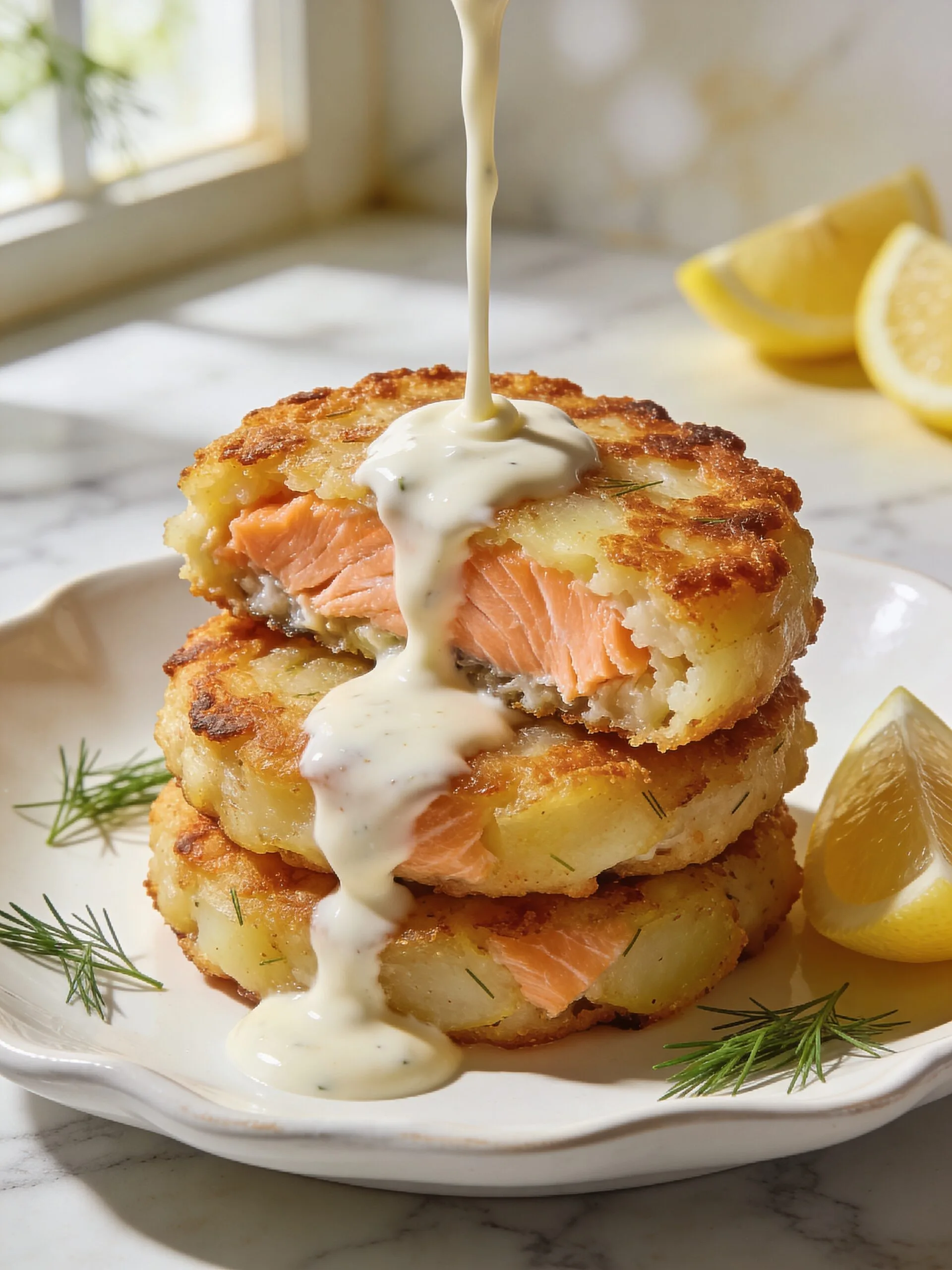
After twenty years of running seafood kitchens, I’ve seen every trick in the book. But when it comes to a home-cooked classic, nothing beats a plate of perfectly made salmon patties. Forget the dry, crumbly versions you might remember. We’re doing this the right way. My recipe introduces a secret weapon for a moist, creamy interior and a shatteringly crisp crust: mashed potatoes. While some prefer baked healthy salmon patties for a lighter option, this method guarantees that perfect crunch. The potato acts as a superior binder, holding everything together while adding a subtle sweetness and a tender texture that breadcrumbs alone just can’t match. This isn’t just another recipe; it’s a technique that will fundamentally change how you think about making this classic dish. It’s the kind of meal that’s humble enough for a weeknight but delicious enough to impress guests.
Why You’ll Love This Recipe
- Incredibly Moist and Flavorful: The mashed potato binder is a game-changer. It locks in moisture, ensuring your patties are tender and creamy on the inside, never dry.
- Pantry-Friendly and Budget-Conscious: This recipe relies heavily on pantry staples like canned salmon and potatoes, making it an affordable way to get high-quality protein on the table.
- Crispy, Golden-Brown Crust: A simple panko coating, combined with the right pan-frying technique, creates a satisfyingly crunchy exterior that provides the perfect contrast to the soft interior.
Ingredients List
Precision is key in a good kitchen. Don’t eyeball these measurements; they are balanced to create the perfect texture. The ratio of salmon to potato to binder is what makes this recipe work so well.
For the Patties:
- Canned Salmon: 2 (6-ounce) cans of high-quality wild-caught pink or sockeye salmon, drained well. Sockeye has a richer flavor and deeper color, but pink salmon is more delicate and budget-friendly. Both work great. The key is to drain it thoroughly.
- Yukon Gold Potatoes: 1 pound (about 2 medium potatoes), peeled and cut into 1-inch chunks. Yukon Golds are essential here. Their waxy, creamy texture mashes smoothly without becoming gummy like a Russet might.
- Panko Breadcrumbs: ½ cup, plus an additional 1 cup for dredging. Panko are Japanese-style breadcrumbs that are lighter and flakier than traditional breadcrumbs, which guarantees a crispier coating.
- Mayonnaise: ¼ cup. Use a good quality, full-fat mayonnaise. It adds richness and helps bind the mixture.
- Large Egg: 1, lightly beaten. This is our primary protein binder that firms up as it cooks.
- Fresh Chives: 2 tablespoons, finely chopped. Their mild onion flavor complements the salmon without overpowering it.
- Fresh Dill: 1 tablespoon, finely chopped. Dill and salmon are a classic pairing for a reason. Its fresh, slightly tangy flavor cuts through the richness.
- Dijon Mustard: 1 tablespoon. This adds a sharp, tangy counterpoint that brightens all the other flavors.
- Lemon Zest: 1 teaspoon. Zest contains the lemon’s essential oils and provides a bright, aromatic note without adding extra liquid.
- Kosher Salt: ½ teaspoon.
- Black Pepper: ¼ teaspoon, freshly ground.
For Frying:
- Neutral Oil: ¼ cup, such as canola, vegetable, or avocado oil. You need an oil with a high smoke point for pan-frying.
For Serving (Optional):
- Lemon Wedges
- Dill-Infused Tartar Sauce or Aioli
Step-by-Step Instructions
Follow these steps carefully. The order of operations is designed to build flavor and ensure the patties hold their shape.
- Cook the Potatoes: Place the peeled and chunked Yukon Gold potatoes in a medium saucepan and cover with cold, salted water by about an inch. Bring to a boil over high heat, then reduce the heat to maintain a steady simmer. Cook for 10-15 minutes, or until the potatoes are completely tender when pierced with a fork.
- Mash the Potatoes: Drain the potatoes thoroughly and return them to the hot, dry pot. Let them sit for a minute to allow any excess steam to evaporate—this is a critical step for a dry mash. Mash the potatoes until smooth but with a few small lumps remaining for texture. Set aside to cool for at least 10 minutes. You want them to be warm, not piping hot.
- Prepare the Salmon Mixture: While the potatoes cool, place the well-drained canned salmon in a large mixing bowl. Use a fork to flake it into small pieces. Add the cooled mashed potatoes, ½ cup of panko breadcrumbs, mayonnaise, beaten egg, chopped chives, dill, Dijon mustard, lemon zest, salt, and pepper.
- Mix and Chill (Important!): Gently mix all the ingredients with a spatula or your hands until just combined. Do not overmix, or the potatoes can become gummy and the patties tough. The mixture will feel soft. Cover the bowl with plastic wrap and refrigerate for at least 30 minutes, or up to 4 hours. This chilling step is non-negotiable; it allows the binders to set and makes the patties much easier to handle and less likely to fall apart.
- Form and Dredge the Patties: Place the remaining 1 cup of panko breadcrumbs on a shallow plate or pie dish. Scoop out about ½ cup of the chilled salmon mixture and form it into a patty about 3 inches wide and ¾-inch thick. Gently press both sides of the patty into the panko, ensuring it’s fully coated. Place the coated patty on a baking sheet lined with parchment paper. Repeat with the remaining mixture. You should get about 8 patties.
- Pan-Fry the Patties: Heat the ¼ cup of neutral oil in a large non-stick or cast-iron skillet over medium-high heat. The oil is ready when a pinch of panko sizzles immediately upon contact. Carefully place 4 patties in the skillet, leaving space between them. Do not overcrowd the pan. Cook for 4-5 minutes per side, until they are a deep golden brown and crispy.
- Drain and Serve: Transfer the cooked patties to a wire rack set over a paper towel-lined baking sheet. The wire rack prevents the bottom from getting soggy. Let them rest for a minute before serving hot with lemon wedges and your favorite sauce.
Chef’s Pro Tips for Success
Over the years, I’ve learned that small details make a big difference. Here are the pro-level tips that separate good patties from great ones.
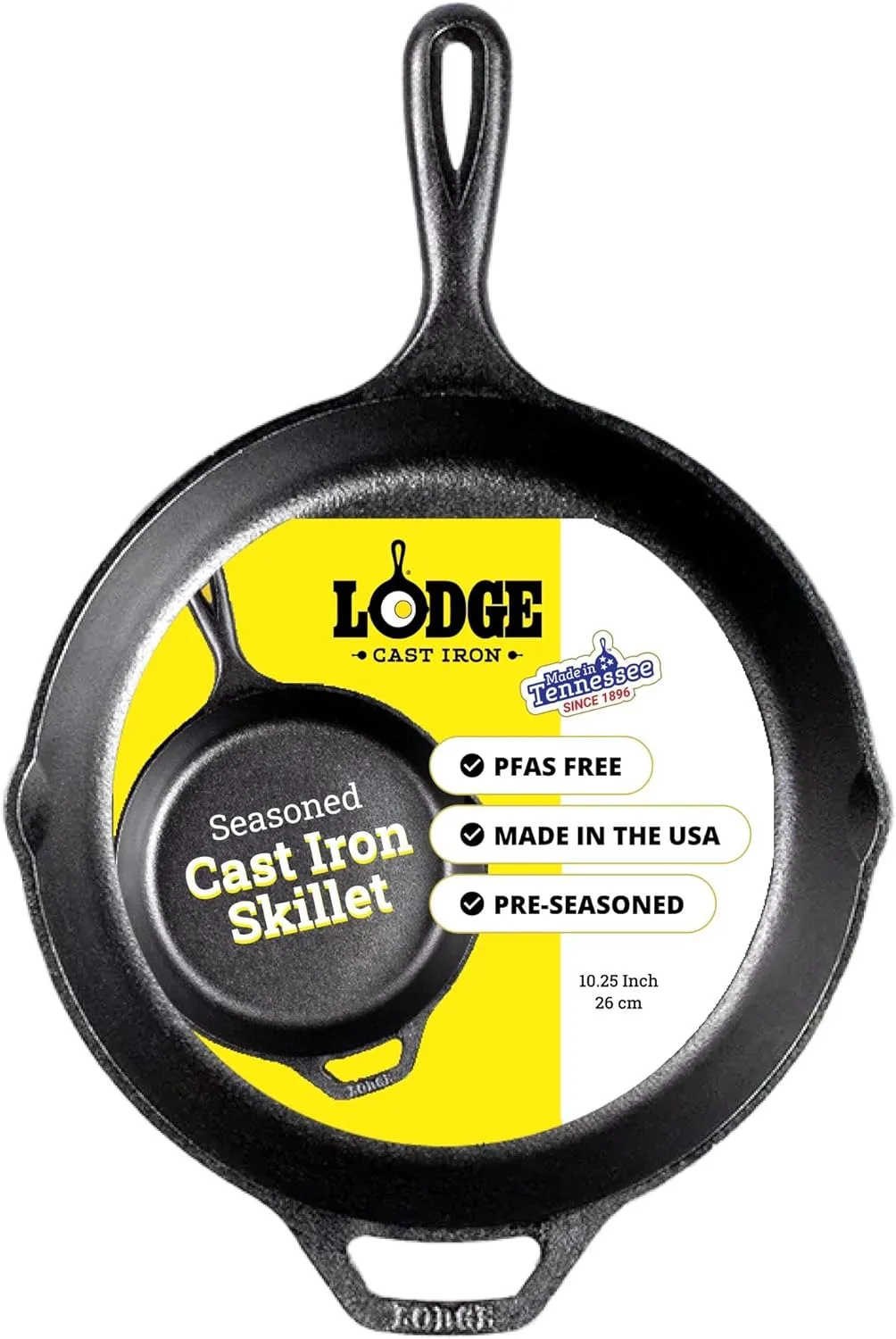
To achieve that restaurant-quality, shatteringly crisp crust, the pan you use is just as important as the ingredients. My non-negotiable tool for this job is a heavy-duty cast-iron skillet, like the Lodge 10.25 Inch. Cast iron excels at holding and distributing heat evenly, which is the secret to mastering your oil temperature (Pro Tip #3!). It prevents hot spots that burn the panko and eliminates the cold spots that lead to greasy, sad patties. This skillet gives you that consistent, high heat needed to form an instant crust that seals in the creamy interior.
If you’re serious about never making a soggy salmon patty again, this is the one piece of equipment I’d recommend investing in. Get the skillet that pros trust for a perfect sear every time.
Lodge 10.25 Inch Cast Iron Skillet with Assist Handle
✓ prime
We earn a commission if you make a purchase, at no additional cost to you.
- The Dry Mash is Everything: After boiling your potatoes, drain them and put them back in the hot pot for a minute over low heat. This steams off any residual surface water. A waterlogged potato mash is the number one enemy of a firm patty. You want fluffy, dry potato flakes to absorb the other ingredients.
- Embrace the Chill: I cannot stress the chilling step enough. When you mix the ingredients, the fats (from the mayo and salmon) are soft. Chilling solidifies these fats and allows the panko and egg to fully hydrate and bind. A 30-minute chill is the minimum. An hour is better. This single step is the best insurance against your salmon patties falling apart in the pan.
- Master Your Oil Temperature: If your oil is too cold, the patties will absorb it and become greasy. If it’s too hot, the panko will burn before the center is warmed through. The sweet spot is around 350°F. If you don’t have a thermometer, use the panko test: drop a crumb in. It should sizzle vigorously and turn golden in about 30 seconds. Adjust your heat throughout the cooking process to maintain this temperature.
- The Gentle Flip: Don’t try to flip the patties with a fork. Use a thin, flexible fish spatula. Slide it completely underneath the patty before lifting and turning. This supports the entire structure and prevents breakage. And only flip once! Constant flipping can cause the crust to tear away.
- Don’t Crowd the Pan: Frying is about heat transfer. When you put too many patties in the pan at once, the temperature of the oil drops dramatically. Instead of frying, the patties begin to steam and soak up oil. Cook in batches to ensure every single patty has a perfectly crisp, golden-brown crust.
Common Mistakes to Avoid
I’ve seen these mistakes happen time and time again. Here’s how to recognize and fix them before you even start.
- The Scenario: Your patties crumble and fall apart in the pan.
The Cause: This is almost always due to one of two things: the mixture was too wet, or you skipped the chilling step. Excess moisture can come from improperly drained salmon or potatoes that were not dried after boiling. Skipping the chill means the binders (egg, mayo, panko) didn’t have time to set up.
The Fix: First, ensure your salmon is squeezed very dry. Second, use the ‘dry mash’ technique from the pro tips. If your mixture still feels overly wet before chilling, you can add another tablespoon or two of panko, but don’t overdo it. And always, always chill the mixture for at least 30 minutes. - The Scenario: The patties are greasy and heavy, not light and crisp.
The Cause: The oil temperature was too low. When the oil isn’t hot enough, the patty’s coating absorbs oil like a sponge instead of instantly forming a protective, crispy crust.
The Fix: Be patient and let your oil preheat properly. Use the sizzle test. When you add the patties, you should hear an immediate, confident sizzle. If you don’t, the oil isn’t ready. Also, make sure to drain the cooked patties on a wire rack, not directly on paper towels, which can trap steam and make the bottom side soggy. - The Scenario: The patties have a gummy, dense texture.
The Cause: Overmixing the potato and salmon mixture. Mashing or mixing starchy potatoes too vigorously develops their gluten, leading to a gluey texture, much like overworked dough.
The Fix: Mix with a light hand. Use a spatula or your fingertips to gently fold the ingredients together until they are just combined. It’s okay if there are a few small lumps of potato or flakes of salmon. A slightly rustic texture is far better than a gummy one. - The Scenario: The flavor is flat and one-dimensional.
The Cause: Under-seasoning and a lack of acidity. A mixture of fish, potato, and breadcrumbs needs bright, sharp flavors to cut through the richness and make it pop.
The Fix: Don’t be shy with the salt, pepper, Dijon, and especially the lemon zest. The zest adds a floral brightness that wakes everything up. Serving with fresh lemon wedges is also crucial, as a final squeeze of acidic juice right before eating can elevate the entire dish. Using fresh herbs (dill and chives) instead of dried also makes a world of difference.
Variations and Serving Ideas
Once you’ve mastered the base recipe, you can get creative. These delicious salmon patties are a fantastic canvas for other flavors.
- Spicy Chipotle Salmon Patties: Add 1-2 teaspoons of chipotle in adobo sauce (finely minced) and ½ teaspoon of smoked paprika to the mixture. Swap the chives for cilantro. Serve with a lime-crema sauce (sour cream, lime juice, and a pinch of salt).
- Mediterranean-Style Patties: Add 2 tablespoons of chopped Kalamata olives, 1 tablespoon of drained capers, and 2 tablespoons of finely chopped sun-dried tomatoes to the mix. Swap the dill for fresh oregano. Serve with a dollop of tzatziki sauce.
- Make Them Mini: Form the mixture into small, 1.5-inch patties to serve as an appetizer. Pan-fry for 2-3 minutes per side and serve on a platter with a variety of dipping sauces like a spicy aioli or a sweet chili sauce.
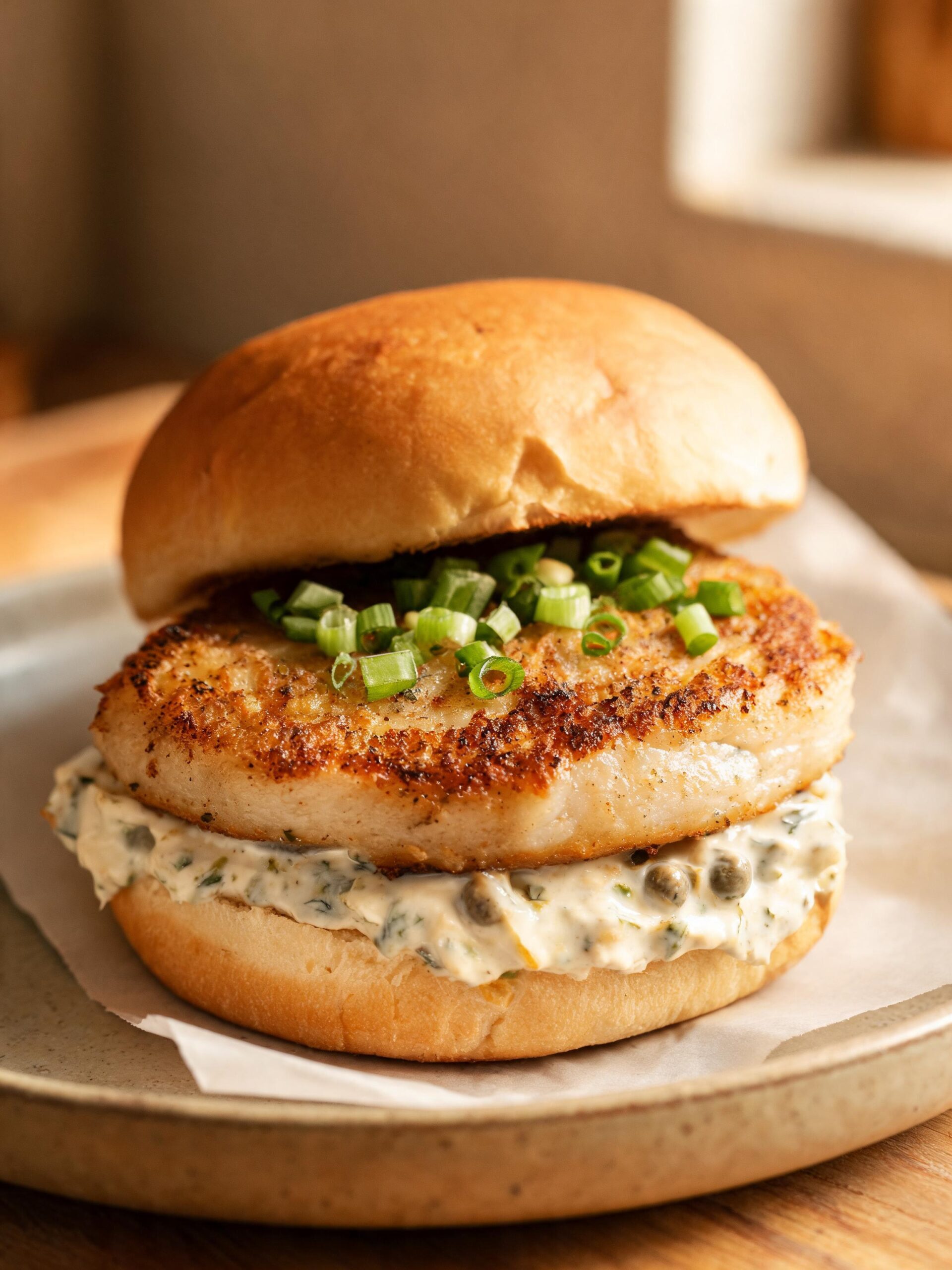
- Salmon Burgers: Form the mixture into 4 larger patties, the size of a burger bun. Pan-fry as directed and serve on toasted brioche buns with lettuce, tomato, and tartar sauce for an incredible salmon burger.
What to Serve With
These patties are versatile. You can dress them up or down. For a simple weeknight meal, a fresh salad is all you need. And if you’re looking for other quick salmon ideas, our soy ginger baked salmon recipe is another 30-minute favorite. For a more substantial dinner with these patties, consider these pairings:
- Sauces: A classic tartar sauce is a must. A simple lemon-dill aioli (mayonnaise, lemon juice, fresh dill, garlic) is also fantastic. For something different, try a remoulade or even a creamy horseradish sauce.
- Salads: A crisp, lightly dressed green salad with a vinaigrette provides a fresh contrast. A creamy cucumber salad or a tangy coleslaw also works beautifully.
- Vegetables: Simple steamed or roasted vegetables like asparagus, green beans, or broccoli are perfect.
- Starches: Since the potato is already in the patty, you don’t need much more. However, if you’re looking for a heartier meal, they are great alongside roasted potatoes or a wild rice pilaf.
Storage and Reheating
Proper storage is crucial for maintaining texture. Here’s how to handle leftovers.
- Refrigeration: Store cooked patties in an airtight container in the refrigerator for up to 3 days. Separate layers with parchment paper to prevent them from sticking.
- Freezing (Uncooked): Form and dredge the patties as directed in the recipe. Place them on a parchment-lined baking sheet in a single layer and freeze until solid, about 1-2 hours. Transfer the frozen, uncooked patties to a zip-top freezer bag. They will keep for up to 3 months. Cook directly from frozen, adding a few extra minutes of cooking time per side.
- Freezing (Cooked): Let the cooked patties cool completely. Freeze them on a baking sheet as described above, then transfer to a freezer bag. They will also keep for up to 3 months.
- Reheating: The best way to reheat cooked patties and revive their crispiness is in an oven or air fryer. Preheat your oven to 375°F and bake for 10-15 minutes (a bit longer if from frozen) until hot and crisp. In an air fryer, reheat at 350°F for 5-8 minutes. Avoid the microwave, as it will make the coating soggy.
FAQs (People Also Ask)
1. Can I use fresh salmon instead of canned?
Absolutely. You’ll need about 12 ounces of fresh salmon fillet. You can bake or poach it until just cooked through, then let it cool completely and flake it with a fork. The texture will be slightly different but equally delicious. Just make sure it’s well-drained and cool before adding it to the mixture.
2. Can I make these salmon patties gluten-free?
Yes. The recipe is easily adaptable. Simply substitute the panko breadcrumbs with gluten-free panko or crushed rice cereal for both the binder and the coating. Ensure your mayonnaise and Dijon mustard are certified gluten-free as well.
3. My mixture is too soft to form into patties, even after chilling. What did I do wrong?
This usually points to too much moisture. The most common culprits are watery potatoes or salmon that wasn’t drained enough. To salvage the mixture, try stirring in another 2-3 tablespoons of panko breadcrumbs and chilling it for another 30 minutes. This should help absorb some of the excess liquid.
4. Can I bake these instead of frying them?
You can, but you won’t achieve the same super-crispy crust. To bake them, preheat your oven to 400°F. Place the coated patties on a parchment-lined baking sheet and spray the tops generously with cooking spray. Bake for 15-20 minutes, flipping halfway through, until golden brown and heated through.
5. Why do you use Yukon Gold potatoes specifically?
Potato selection is critical here. Yukon Golds have a medium starch content and a naturally creamy, buttery texture. They mash up beautifully without becoming watery like red potatoes or overly starchy and gluey like Russet potatoes. Their consistency is perfect for creating a stable yet moist binder for these salmon patties.
Nutrition Facts
(Per serving. Estimates only, varies by exact ingredients used)
Conclusion
This recipe is more than just a set of instructions; it’s a reliable technique for making truly exceptional salmon patties every single time. The creamy potato binder makes all the difference, creating a result that’s moist, flavorful, and satisfyingly crisp. Give this method a try, and I guarantee it will become your new standard for this timeless comfort food. Enjoy.
Creamy Potato & Salmon Patties
Ingredients
- 2 (6-ounce) cans wild-caught pink or sockeye salmon, drained well
- 1 pound Yukon Gold potatoes, peeled and cut into 1-inch chunks
- 1 ½ cups panko breadcrumbs, divided
- ¼ cup mayonnaise
- 1 large egg, lightly beaten
- 2 tablespoons fresh chives, finely chopped
- 1 tablespoon fresh dill, finely chopped
- 1 tablespoon Dijon mustard
- 1 teaspoon lemon zest
- ½ teaspoon kosher salt
- ¼ teaspoon black pepper, freshly ground
- ¼ cup neutral oil, for frying
Instructions
- Place potatoes in a saucepan, cover with cold salted water, and bring to a boil. Cook for 10-15 minutes until fork-tender.
- Drain potatoes well, return to the hot pot for 1 minute to evaporate excess moisture, then mash until mostly smooth. Let cool for 10 minutes.
- In a large bowl, flake the drained salmon. Add the cooled mashed potatoes, ½ cup of panko, mayonnaise, egg, chives, dill, Dijon, lemon zest, salt, and pepper.
- Gently mix until just combined. Do not overmix. Cover and refrigerate for at least 30 minutes.
- Place the remaining 1 cup of panko on a plate. Form the chilled mixture into 8 patties (about 3 inches wide). Dredge each patty in panko, coating completely.
- Heat oil in a large skillet over medium-high heat. Cook patties in batches for 4-5 minutes per side, until deep golden brown and crisp.
- Transfer cooked patties to a wire rack to drain. Serve immediately with lemon wedges.