Introduction
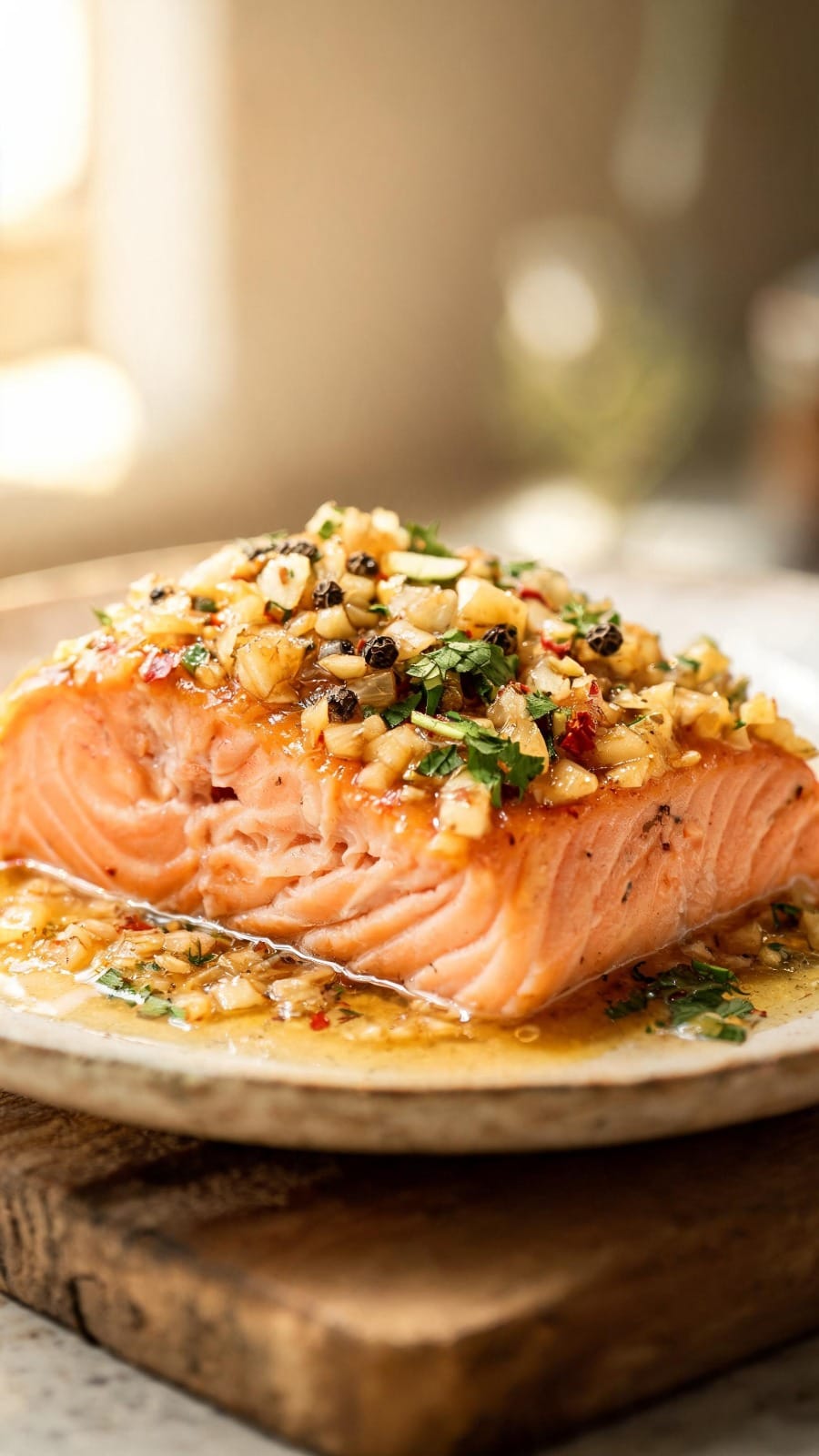
After two decades behind the line in professional kitchens, I can tell you that when people search for salmon recipes baked in the oven, they’re looking for three things: reliability, incredible flavor, and simplicity. They want a dish that feels special enough for a Saturday night but is fast enough for a Tuesday. This Garlic Butter Baked Salmon recipe is exactly that. It’s the result of years of testing and is designed to be foolproof, delivering a perfectly flaky, moist, and deeply flavorful piece of fish every single time. We’re not using complicated techniques here. Just good ingredients, a hot oven, and the right timing. This is the kind of core recipe that, once you master it, becomes a permanent part of your cooking rotation, much like our popular baked healthy salmon patties. Forget dry, overcooked fish. This is how you bake salmon.
Why You’ll Love This Recipe
- Speed and Efficiency: From fridge to table in about 30 minutes. The prep is minimal, and the oven does all the heavy lifting, making it a perfect weeknight dinner solution.
- Incredible Flavor Payoff: The simple combination of garlic, butter, lemon, and fresh parsley creates a rich, bright sauce that enhances the salmon without overpowering it. It tastes like a restaurant-quality meal with minimal effort.
- Foolproof and Forgiving: Baking salmon in this manner is one of the most forgiving cooking methods. The butter sauce helps keep the fish incredibly moist, creating a buffer against accidental overcooking. It’s a great entry point for anyone new to cooking seafood.
Ingredients List
The quality of your ingredients directly impacts the final dish, especially with a recipe this simple. Here’s what you’ll need and why:
- For the Salmon:
- Salmon Fillet: 4 fillets, 6 ounces each (about 1.5 lbs total), skin-on or skinless. Look for center-cut fillets if possible, as they are more uniform in thickness and will cook more evenly. If you buy a whole side of salmon, simply cut it into four equal portions. King, Coho, or Atlantic salmon all work well.
- For the Garlic Butter Sauce:
- Unsalted Butter: 1/2 cup (1 stick), melted. Using unsalted butter is non-negotiable for me. It allows you to control the final seasoning of the dish precisely. Salted butters vary wildly in sodium content between brands.
- Garlic: 4 cloves, finely minced. Don’t use the pre-minced jarred stuff. The flavor is harsh and metallic. Freshly minced garlic provides a sweet, aromatic flavor that is essential here.
- Fresh Lemon Juice: 2 tablespoons. This is about the juice of half a large lemon. Freshly squeezed juice provides the bright acidity needed to cut through the richness of the butter and salmon.
- Fresh Parsley: 2 tablespoons, finely chopped. Flat-leaf (Italian) parsley has a more robust flavor than curly parsley. It adds a fresh, clean finish to the dish.
- Kosher Salt: 3/4 teaspoon. Its coarse texture seasons the fish more evenly than fine table salt.
- Black Pepper: 1/2 teaspoon, freshly ground. The difference between pre-ground and freshly ground pepper is night and day. Freshly ground has a potent, floral aroma.
- For Garnish (Optional):
- Lemon Slices: A few thin slices to lay on top before baking for presentation and extra aroma.
- Extra Chopped Parsley: To sprinkle on top after baking for a pop of fresh color and flavor.
Step-by-Step Instructions
Follow these steps precisely for a perfect result. The key is in the preparation and not overthinking the cooking process.
- Preheat and Prepare: First, position an oven rack in the center of your oven and preheat to 400°F (200°C). This is the ideal temperature for roasting salmon—hot enough to cook it through quickly without drying it out. Line a baking sheet with parchment paper for easy cleanup.
- Pat the Salmon Dry: Take the salmon fillets out of the packaging and place them on a plate lined with paper towels. Use another paper towel to pat the tops and sides completely dry. This is a critical step. A dry surface allows the butter sauce to adhere properly and helps the exterior of the fish to roast rather than steam.
- Make the Garlic Butter Sauce: In a small bowl, combine the melted butter, minced garlic, fresh lemon juice, chopped parsley, kosher salt, and freshly ground black pepper. Stir well until everything is incorporated. You should be able to smell the garlic and lemon immediately.
- Season and Sauce the Salmon: Arrange the dry salmon fillets on the prepared baking sheet, leaving an inch or two of space between them. Using a spoon or a pastry brush, generously coat the top and sides of each fillet with the garlic butter sauce. Be sure to get some of the minced garlic onto each piece.
- Bake to Perfection: Place the baking sheet in the center of the preheated oven. Bake for 12-15 minutes. The exact time will depend on the thickness of your fillets. The salmon is done when it flakes easily with a fork at its thickest part. The flesh should be opaque and pink, not dark and raw-looking. If you have an instant-read thermometer, aim for an internal temperature of 130-135°F for medium.
- Rest and Serve: Remove the salmon from the oven. Let it rest on the baking sheet for 2-3 minutes. The residual heat will continue to cook it slightly. Use a spatula to carefully transfer the fillets to plates. Spoon any extra garlic butter sauce from the baking sheet over the top and garnish with extra fresh parsley if desired. Serve immediately.
Chef’s Pro Tips for Success
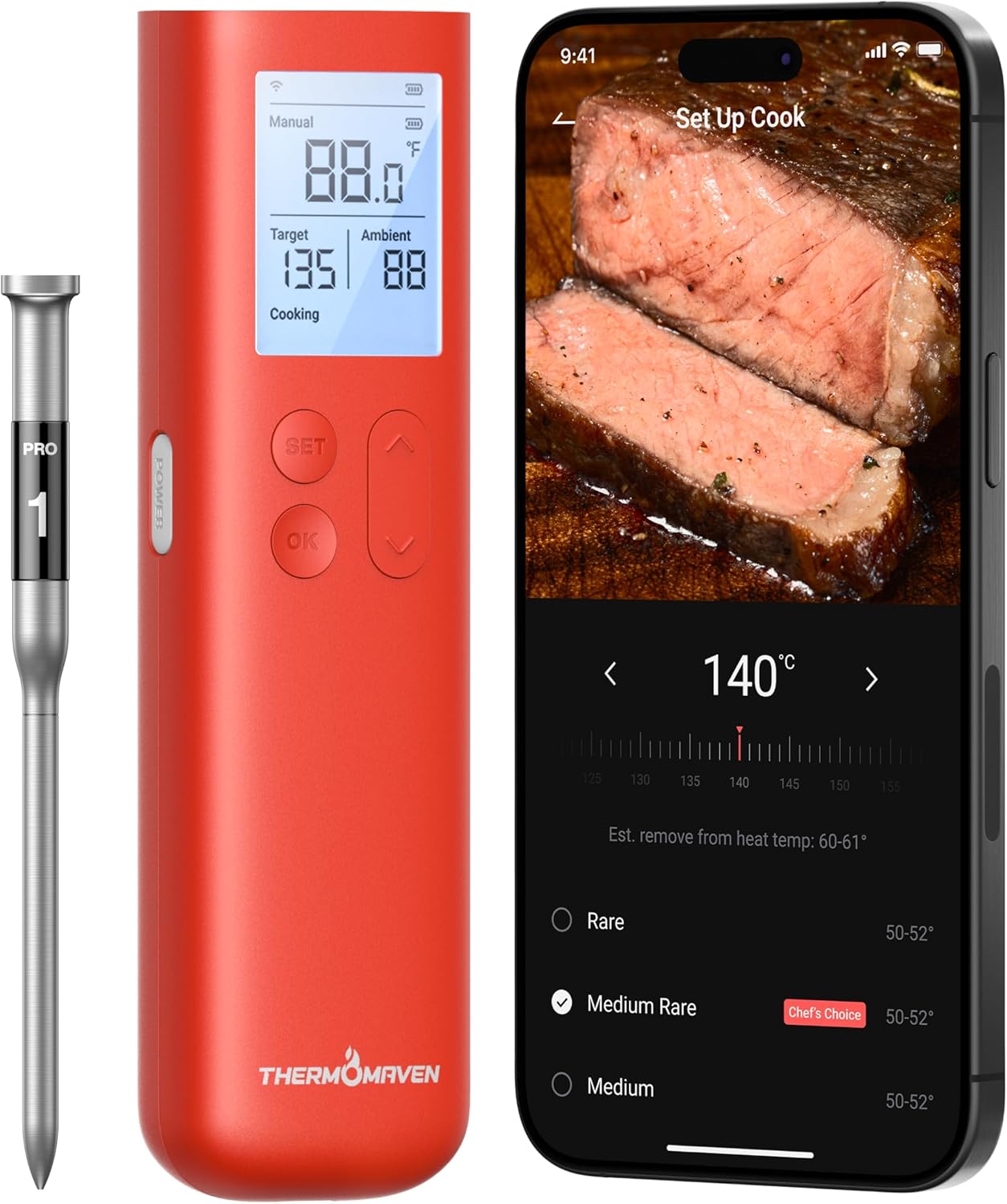
As a chef, I can give you all the visual cues in the world, but the single most important tool for guaranteeing you never overcook fish again is a reliable instant-read thermometer. I talk about hitting that perfect 130-135°F window, and guessing is a recipe for disaster. Using a thermometer like the ThermoMaven takes all the anxiety out of the process. You can pull the salmon at the exact right moment, accounting for carryover cooking and ensuring it’s perfectly flaky and moist, not dry and chalky. It’s the difference between a good meal and a perfect one.
Take the guesswork out of your seafood cooking for good. See the thermometer I rely on:
ThermoMaven Smart Wireless Meat Thermometer
✓ prime
We earn a commission if you make a purchase, at no additional cost to you.
Over the years, I’ve seen every possible mistake and discovered a few tricks that guarantee success. These are the details that separate a good home-cooked meal from a great one.
- Bring the Fish to Room Temperature: Never bake salmon straight from the fridge. Let it sit on the counter for 15-20 minutes before you start. A freezing cold piece of fish hitting a hot oven will cook unevenly. The outside will overcook and dry out before the center is done. Allowing it to temper ensures the fillet cooks evenly from edge to center, resulting in a much juicier final product.
- Don’t Crowd the Pan: Give each fillet its own space on the baking sheet. If they are too close together or touching, they will steam instead of roast. That trapped moisture prevents the surface of the fish from developing any texture and dilutes the flavor of the sauce. Proper air circulation is key for all salmon recipes baked this way.
- The 10-Minute Rule is a Guideline, Not Law: A common kitchen rule is to cook fish for 10 minutes per inch of thickness. This is a decent starting point, but it’s not foolproof. The actual fat content and type of salmon (fatty King salmon cooks differently than leaner Sockeye) will affect cook time. Start checking for doneness at the 10-minute mark for a 1-inch thick fillet. Look for visual cues: the flesh should be opaque, and when you press gently on the thickest part, it should start to flake.
- Master the Sauce Application: Don’t just pour the sauce over the top. Use a brush or the back of a spoon to ensure an even, thick coating covers the entire surface (except the skin side, if it’s on). This layer of fat and herbs acts as a protective barrier, locking in moisture while the garlic and butter toast on top, creating a delicious crust. Reserve a little sauce to drizzle on after it comes out of the oven for a fresh burst of flavor.
- Carryover Cooking is Real: Salmon is delicate. It continues to cook from residual heat even after you pull it from the oven. For the absolute best texture, pull the salmon when it’s slightly under your target temperature. I aim for 130°F on my thermometer, knowing it will climb to a perfect 135°F (medium) as it rests for a few minutes on the pan. This is the secret to avoiding that chalky, dry texture.
Common Mistakes to Avoid
Here are the most common ways people go wrong with baked salmon. Read these carefully to ensure you nail it on your first try.
- Using Low-Quality Fish: You can’t make a great dish with subpar ingredients. Avoid salmon that looks dull, has brown spots, or smells overly ‘fishy’. Fresh salmon should smell clean, like the ocean. The flesh should be firm and spring back when you press it. If you’re using frozen, make sure it was flash-frozen at sea for the best quality and thaw it slowly in the refrigerator overnight, not in the microwave.
- Skipping the ‘Pat Dry’ Step: I mentioned this in the instructions, but it’s worth repeating because it’s the most skipped step. Moisture is the enemy of roasting. A wet piece of salmon will steam in the oven. The sauce won’t stick, the fish won’t flake as nicely, and you’ll end up with a watery mess on your baking sheet. Take the extra 30 seconds to pat it bone dry with paper towels.
- Overcooking the Salmon: This is the cardinal sin of seafood cookery. A frequent issue with many salmon recipes baked at home is overcooking. People are often afraid of undercooked fish, so they blast it until it’s tough and dry. Remember, it’s done when it flakes easily. As soon as you see that white protein (albumin) start to seep out in large amounts, you’re on the verge of overcooking it. It’s better to pull it a minute early than a minute late.
- Using Bottled Lemon Juice or Garlic Powder: This recipe’s beauty is in its simplicity, which means every ingredient has to be excellent. Bottled lemon juice has a dull, often metallic taste from preservatives. Garlic powder lacks the aromatic depth of fresh garlic. Using these shortcuts will result in a flat, one-dimensional flavor. Take the five extra minutes to mince fresh garlic and squeeze a real lemon. It makes all the difference.
Variations and Serving Ideas
This garlic butter method is a fantastic base for other salmon recipes baked with different flavor profiles. Once you’re comfortable with the core technique, feel free to experiment.
- Herb Variations: Swap the parsley for other fresh herbs. Fresh dill is a classic pairing with salmon. Chopped fresh rosemary or thyme can add a lovely, earthy note. A combination of parsley, chives, and tarragon is also excellent.
- Add Some Spice: Add 1/4 to 1/2 teaspoon of red pepper flakes to the butter sauce for a little background heat. A pinch of smoked paprika can also add a beautiful color and smoky flavor.
- Honey Mustard Glaze: For a sweeter-savory version, whisk 1 tablespoon of Dijon mustard and 1 tablespoon of honey into the garlic butter sauce before brushing it on the salmon. This variation is particularly good for winning over kids.
- Sheet Pan Dinner: Turn this into a complete one-pan meal. Toss some asparagus spears or thinly sliced zucchini and bell peppers with olive oil, salt, and pepper. Arrange them around the salmon fillets on the baking sheet and bake everything together. The vegetables will be perfectly roasted by the time the salmon is done.
What to Serve With
This Garlic Butter Baked Salmon is versatile and pairs well with many side dishes. You want something that complements the rich fish without competing with it.
- Starches: Roasted baby potatoes are a classic choice. Their crispy exteriors and fluffy insides are perfect for soaking up any extra garlic butter sauce. A simple lemon-herb couscous or a wild rice pilaf also works beautifully, especially with different flavor profiles like our Soy Ginger Baked Salmon.
- Vegetables: Roasted asparagus is my top recommendation. Drizzle it with olive oil, salt, and pepper, and it can often cook on the same pan as the salmon. Steamed green beans with a squeeze of lemon or a simple side salad with a light vinaigrette also provide a fresh, crisp contrast.
- Wine Pairing: For a wine pairing, you want something with good acidity to cut through the fat. A crisp Sauvignon Blanc is a perfect match. A dry Rosé or an unoaked Chardonnay would also be excellent choices.
Storage and Reheating
Leftover salmon can be fantastic, but you need to handle it correctly to preserve its texture and flavor.
- Storage: Let the salmon cool completely to room temperature. This prevents condensation from forming in the container, which would make the fish soggy. Store it in an airtight container in the refrigerator for up to 2 days.
- Reheating: The goal is to warm the salmon through without cooking it further. The microwave is your enemy here; it will turn the fish rubbery. The best method is to place the salmon in a small baking dish, add a splash of water or broth to the bottom, cover it tightly with foil, and warm it in a low-temperature oven (275°F or 135°C) for about 10-15 minutes, or until just warmed through.
- Using Leftovers Cold: Honestly, leftover salmon is often best served cold. Flake it over a salad for a healthy lunch, or mix it with a little mayonnaise, dill, and lemon juice to make a fantastic salmon salad for sandwiches or crackers.
FAQs (People Also Ask)
1. Can I use frozen salmon for this recipe?
Yes, you absolutely can. The key is to thaw it properly. The best way is to transfer it from the freezer to the refrigerator the night before you plan to cook it. This slow thawing process preserves the texture of the fish much better than quick-thawing methods. Once it’s fully thawed, pat it very dry with paper towels, just as you would with fresh salmon, and proceed with the recipe.
2. What is the best internal temperature for salmon recipes baked in the oven?
For the best texture and moisture, I recommend cooking salmon to medium, which is an internal temperature of 130-135°F (54-57°C) when measured at the thickest part with an instant-read thermometer. If you prefer your salmon more well-done, you can take it to 145°F (63°C), but be aware it will be much firmer and less moist. Remember to account for carryover cooking and pull it a few degrees before your target temperature.
3. Should I bake salmon with the skin on or off?
This is a matter of personal preference, but I often recommend leaving the skin on for baking. The skin provides a protective layer of fat that helps insulate the salmon from the direct heat of the pan, making it even more difficult to overcook the bottom of the fillet. It helps hold the delicate fillet together. While it won’t get super crispy in this recipe, it’s easy to remove after cooking if you don’t want to eat it.
4. How do I know when the salmon is done without a thermometer?
The best non-thermometer method is the fork test. Take a fork and gently press or twist it into the thickest part of the fillet. If the salmon is cooked, the flesh will separate easily into flakes. If it resists or looks translucent and raw in the center, it needs another minute or two in the oven. Be careful not to check it too many times, as you’ll let out all the juices.
5. Can I prepare this dish ahead of time?
You can do some of the prep ahead. You can make the garlic butter sauce up to 2 days in advance and store it in an airtight container in the refrigerator. The butter will solidify, so you’ll need to gently re-melt it before using. However, I do not recommend saucing the raw salmon and letting it sit for more than 30 minutes. The acid in the lemon juice will begin to ‘cook’ the fish (like in ceviche), changing its texture.
Nutrition
Nutrition Facts
(Per serving. Estimates only, varies by exact ingredients used)
Conclusion
This Garlic Butter Baked Salmon is more than just a recipe; it’s a technique and a promise. A promise that you can make restaurant-quality seafood at home, quickly and without stress. It’s proof that a few simple, high-quality ingredients can create something truly satisfying. I hope this becomes one of your go-to salmon recipes baked for any occasion, from a busy weeknight to a dinner with friends. Give it a try, and enjoy the confidence that comes with mastering a perfect piece of fish.
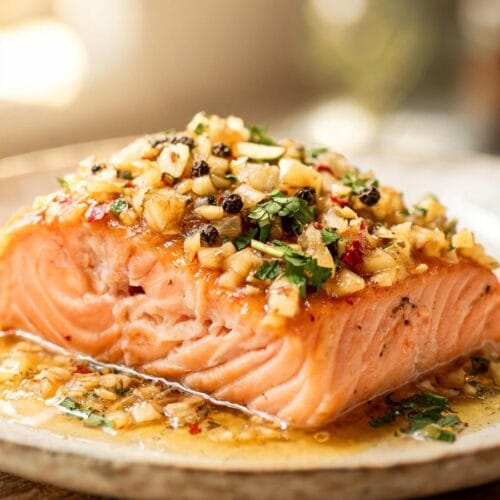
Garlic Butter Baked Salmon
Ingredients
- 4 (6 ounce) salmon fillets
- 1/2 cup unsalted butter, melted
- 4 cloves garlic, finely minced
- 2 tablespoons fresh lemon juice
- 2 tablespoons fresh parsley, finely chopped
- 3/4 teaspoon kosher salt
- 1/2 teaspoon freshly ground black pepper
- Lemon slices for garnish (optional)
Instructions
- Preheat your oven to 400°F (200°C) and line a baking sheet with parchment paper.
- Pat the salmon fillets completely dry with paper towels and place them on the prepared baking sheet.
- In a small bowl, whisk together the melted butter, minced garlic, lemon juice, chopped parsley, kosher salt, and black pepper.
- Spoon or brush the garlic butter sauce evenly over the top and sides of each salmon fillet.
- Bake for 12-15 minutes, depending on the thickness of your fillets. The salmon is done when it flakes easily with a fork.
- Remove from the oven, let it rest for 2-3 minutes, then serve immediately, spooning any extra pan sauce over the top.