Introduction
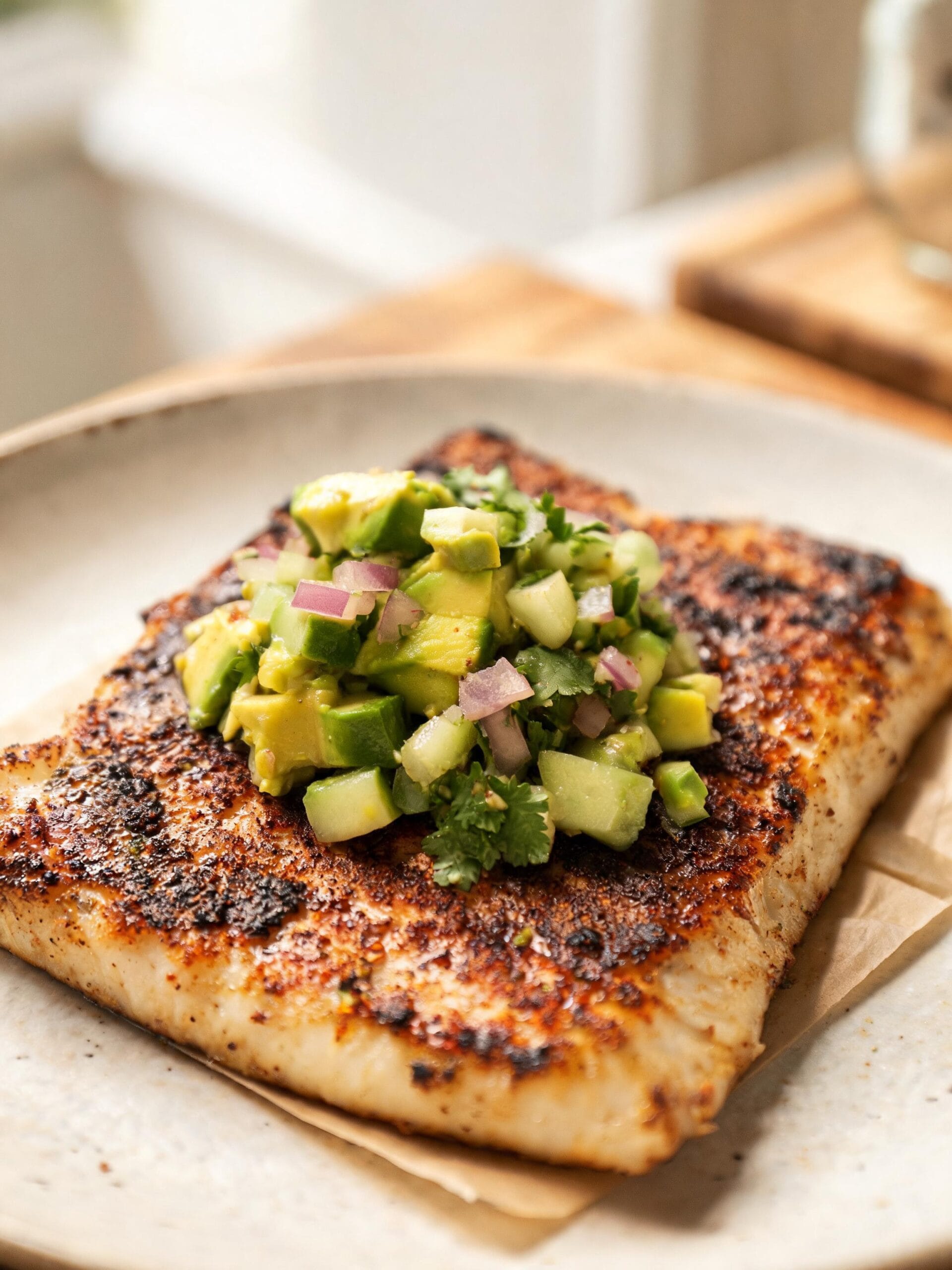
Some meals just happen because the fridge is almost empty and you’re tired and the sun is already going down. Much like a simple tuna salad sandwich, this Blackened Tilapia with Avocado Cucumber Salsa came together the first time I made it. I had two tilapia fillets I’d picked up from the dockside market that morning, half an avocado that needed to be used, and a cucumber I almost forgot about. I threw it all together without much of a plan. And somehow it was one of those meals that stopped everyone mid-bite.
There’s something about that blackened crust — that deep, smoky, slightly spicy coating — hitting cool creamy avocado and crisp cucumber that just works. It doesn’t need much. It doesn’t need fuss. It just needs good fish and a little heat.
This easy blackened tilapia dinner has become a regular in our house, especially on nights when we want something that tastes like the coast but doesn’t take all evening to pull off.
Why You’ll Love This Recipe
- It’s genuinely fast — from cold pan to plate in under 25 minutes, which matters on a weeknight when everyone’s already hungry.
- The contrast of flavors is what gets people. Smoky, charred fish against cool, creamy salsa. It’s the kind of thing that surprises you even when you already know it’s coming.
- You don’t need anything fancy. No special equipment, no hard-to-find ingredients. Just a hot pan, some spices you probably already have, and fresh produce.
Quick Recipe Snapshot
Prep Time: 15 minutes
Cook Time: 8–10 minutes
Total Time: About 25 minutes
Servings: 4
Difficulty: Easy — beginner-friendly
Best For: Weeknight dinner, quick lunch, coastal-style eating
Key Flavors: Smoky, spicy, creamy, cool, fresh
Ingredients List
For the Fish:
- 4 tilapia fillets (about 6 oz each) — fresh is best, but thawed frozen works fine
- 2 tablespoons olive oil — just enough to help the spices stick and the pan do its thing
- 1 teaspoon smoked paprika — this is where most of that deep color comes from
- 1 teaspoon garlic powder
- ½ teaspoon onion powder
- ½ teaspoon dried oregano
- ½ teaspoon cayenne pepper — adjust this if you’re cooking for kids or sensitive palates
- ½ teaspoon black pepper
- 1 teaspoon salt
For the Avocado Cucumber Salsa:
- 2 ripe avocados, diced — the creaminess here is what balances all that heat from the fish
- 1 medium cucumber, diced small (English cucumber works great, no need to peel)
- ¼ cup red onion, finely chopped
- 1 jalapeño, seeded and minced — optional, but it adds a nice little kick
- 2 tablespoons fresh cilantro, roughly chopped
- Juice of 1 lime — don’t skip this, it keeps the avocado from going brown and brightens everything
- Salt to taste
Step-by-Step Instructions
- Start with the salsa so it has a few minutes to sit and let the flavors come together. Dice your avocado and cucumber, chop the red onion and jalapeño, and toss it all in a bowl with the cilantro, lime juice, and a pinch of salt. Give it a gentle stir — you don’t want to mash the avocado. Set it aside.
- Pat your tilapia fillets dry with paper towels. This step matters more than people think. Wet fish steams instead of searing, and you lose that beautiful crust. Dry fish, hot pan — that’s the whole secret.
- Mix all your spices together in a small bowl — the paprika, garlic powder, onion powder, oregano, cayenne, black pepper, and salt. Rub the spice mix generously over both sides of each fillet. Don’t be shy with it.
- Heat a large cast iron skillet or heavy pan over medium-high heat. Add the olive oil and let it get hot — you want it shimmering, almost smoking. This is where the blackening actually happens. A pan that’s not hot enough just gives you pale, sad fish.
- Lay the fillets in the pan carefully. Don’t move them. Let them cook for about 3–4 minutes on the first side. You’ll see the edges turning opaque and the crust forming. Flip once — just once — and cook another 3–4 minutes on the other side.
- The fish is done when it flakes easily with a fork and the center is no longer translucent. Pull it off the heat and let it rest for just a minute before plating.
- Spoon the avocado cucumber salsa generously over each fillet. Serve immediately. This is not a dish that waits well — eat it while the fish is still hot and the salsa is still cold. That contrast is the whole point.
Side note — the first time I made this, I overcrowded the pan trying to cook all four fillets at once. They steamed instead of seared and I had to start over. Cook in batches if your pan isn’t big enough. Worth the extra few minutes.
Small Tricks From Cooking Fish at Home
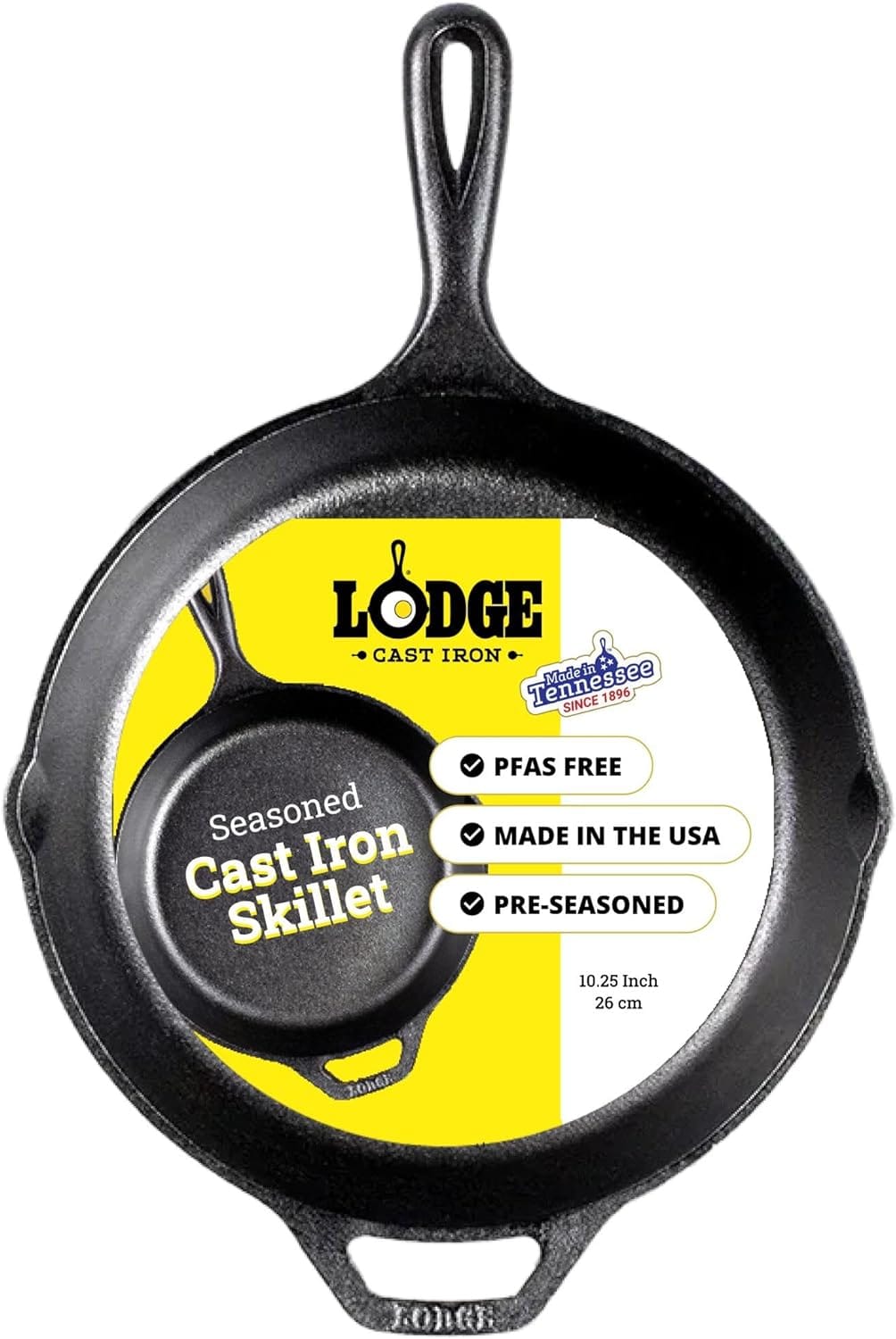
I’ve said it before, but it’s the most important secret to this dish: the pan matters. For that perfect, smoky, blackened crust on the tilapia, you need screaming hot, even heat. That’s why my Lodge Cast Iron Skillet is my non-negotiable tool for this recipe. It gets hotter and holds that heat in a way no other pan can, which means the moment the fish hits the surface, it starts forming that beautiful, flavorful crust instead of just steaming. It’s the difference between good fish and an unforgettable meal.
If you’re serious about getting that restaurant-quality sear at home, this is the skillet to get. Take a look and see for yourself.
Lodge 10.25 Inch Cast Iron Skillet with Assist Handle
✓ prime
We earn a commission if you make a purchase, at no additional cost to you.
Dry the fish first. Always. I learned this after years of wondering why my fish never had that crust I wanted. A paper towel and thirty seconds makes all the difference.
Cast iron holds heat in a way that other pans just don’t. If you have one, use it. If you don’t, the heaviest pan you own will do. Thin pans lose heat the second the fish hits them and you end up with uneven cooking.
Make the salsa first, not last. Avocado needs a few minutes with lime juice to settle. If you make it right before serving, it tastes sharp and a little raw. Give it even five minutes and it mellows into something much better.
I once added too much cayenne — I mean, way too much — and tried to save it by squeezing more lime over the fish after cooking. Didn’t fix the spice but the brightness actually helped the overall flavor. Now I always finish with a little extra lime squeeze right before serving, even when I get the cayenne right.
Don’t press the fish down with a spatula while it’s cooking. I know it’s tempting. It feels like you’re doing something. But you’re actually squeezing out moisture and ruining the texture. Just leave it alone and trust the heat.
Common Mistakes to Avoid
Cooking on low heat. This is the one that kills the whole dish. Blackening needs high heat. Medium-low gives you a gray, steamed fillet with a spice coating that never crisped up. If your kitchen gets smoky, open a window — that’s normal and worth it.
Skipping the lime in the salsa. I’ve seen people leave it out thinking it doesn’t matter. The avocado browns fast without it, and the whole salsa tastes flat. The lime isn’t just for flavor — it’s doing real work here.
Using fish straight from the fridge. Cold fish hits a hot pan and the temperature drop messes with the sear. Let the fillets sit out for about ten minutes before cooking. Not long, just enough to take the chill off.
Flipping too early. The fish will tell you when it’s ready to flip — it releases from the pan naturally when the crust has formed. If you’re fighting it with the spatula, it’s not ready. Give it another minute and try again.
Variations and Serving Ideas
Spicy version: Double the cayenne in the spice rub and add a finely minced serrano pepper to the salsa instead of jalapeño. If you want even more heat, a few dashes of hot sauce over the finished fish works well.
Mild version: Drop the cayenne completely and reduce the black pepper by half. The smoked paprika still gives you that deep color and a hint of smokiness without any real heat. Great for kids or anyone who runs from spice.
Coastal twist: Serve the fish in warm corn tortillas with the salsa and a little shredded cabbage. It becomes a taco situation that tastes like it came from a beach shack in the best possible way. Add a squeeze of lime and a drizzle of sour cream and you’re done.
What to Serve With
Cilantro lime rice is the obvious one and it works because the rice soaks up any salsa that slides off the fish. Simple, filling, and it doesn’t compete with the main flavors.
A simple green salad with a light vinaigrette gives you something crisp and fresh alongside the richness of the avocado. This keeps the meal light and balanced, unlike heartier dishes such as a shrimp sausage dirty rice. For this tilapia, you want nothing heavy — just something to balance the plate.
Black beans on the side, either from a can warmed up with a little cumin and garlic, or just plain. They add substance without overwhelming anything.
If you’re doing the taco version, warm corn tortillas and a cold beer. That’s the whole meal and it’s exactly right.
Storage and Reheating
The fish keeps in the fridge for up to two days in an airtight container. The salsa is a different story — it’s really best eaten the same day. Avocado doesn’t hold up well overnight no matter how much lime juice you add.
DO NOT reheat the fish in the microwave if you can help it. It turns rubbery and loses everything that made it good. A dry skillet over medium heat for a couple of minutes on each side brings it back much better.
DO NOT freeze the salsa. Ever. Cucumber and avocado both turn into a watery, sad mess after freezing. Make only what you’ll eat.
If you’re meal prepping, cook the fish and store it separately. Make the salsa fresh when you’re ready to eat. Takes two minutes and it’s worth it.
FAQs (People Also Ask)
Can I use frozen tilapia? Yes, just make sure it’s fully thawed and patted very dry before you season it. Frozen fish holds more water and that extra moisture is the enemy of a good sear. Thaw it overnight in the fridge if you can.
How do I know when the fish is done? It flakes easily when you press it gently with a fork and the flesh is white all the way through with no translucent center. Tilapia cooks fast — usually 3–4 minutes per side over high heat is enough for a standard fillet.
Can I substitute a different fish? Absolutely. Mahi-mahi, catfish, or snapper all work really well with this spice rub. Thicker fillets just need a minute or two longer per side. Salmon works too, though the flavor profile shifts quite a bit.
How long does the salsa last? Honestly, eat it the same day. If you have leftover salsa, press plastic wrap directly onto the surface to limit air contact and refrigerate it. It might last until the next day but it won’t be as good.
Is this recipe beginner-friendly? Very. If you can heat a pan and dice an avocado, you can make this. The spice rub takes about two minutes to mix and the fish cooks in under ten minutes. The hardest part is not flipping the fish too early.
Nutrition Facts
(Per serving. Estimates only, varies by exact ingredients used)
Conclusion
I still think about that first accidental version of this meal. The sun was almost gone, the kitchen smelled like smoke and lime, and everyone ate without saying much because their mouths were full. That’s the kind of dinner this is. Nothing complicated. Nothing that needs explaining. Just good fish, a cool salsa, and the kind of quiet satisfaction that only comes from feeding people something real.
Make it on a Tuesday when you’re tired. Make it on a Saturday when you just got back from the water. Either way, it’ll feel like the right call.
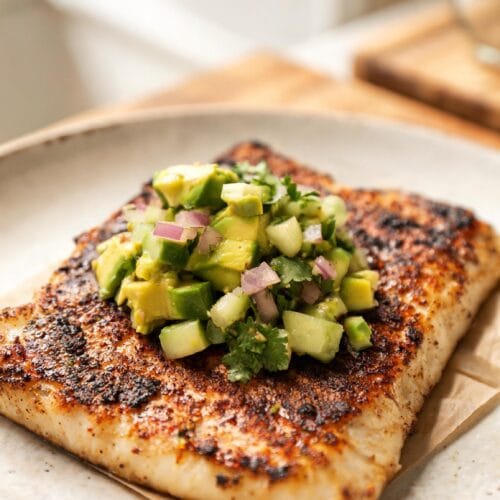
Blackened Tilapia with Avocado Cucumber Salsa
Ingredients
- 4 tilapia fillets (about 6 oz each)
- 2 tablespoons olive oil
- 1 teaspoon smoked paprika
- 1 teaspoon garlic powder
- ½ teaspoon onion powder
- ½ teaspoon dried oregano
- ½ teaspoon cayenne pepper
- ½ teaspoon black pepper
- 1 teaspoon salt
- 2 ripe avocados, diced
- 1 medium cucumber, diced small
- ¼ cup red onion, finely chopped
- 1 jalapeño, seeded and minced
- 2 tablespoons fresh cilantro, roughly chopped
- Juice of 1 lime
- Salt to taste
Instructions
- Make the salsa first. Combine diced avocado, cucumber, red onion, jalapeño, and cilantro in a bowl. Add lime juice and a pinch of salt. Stir gently and set aside.
- Pat tilapia fillets completely dry with paper towels on both sides.
- Mix smoked paprika, garlic powder, onion powder, oregano, cayenne, black pepper, and salt together in a small bowl. Rub the spice mixture generously over both sides of each fillet.
- Heat a large cast iron skillet or heavy pan over medium-high heat. Add olive oil and let it get hot until shimmering.
- Place fillets in the pan. Do not move them. Cook for 3–4 minutes on the first side until a dark crust forms and the edges turn opaque.
- Flip each fillet once and cook another 3–4 minutes on the second side until the fish flakes easily with a fork.
- Remove from heat and rest for one minute. Spoon avocado cucumber salsa generously over each fillet and serve immediately.