Introduction
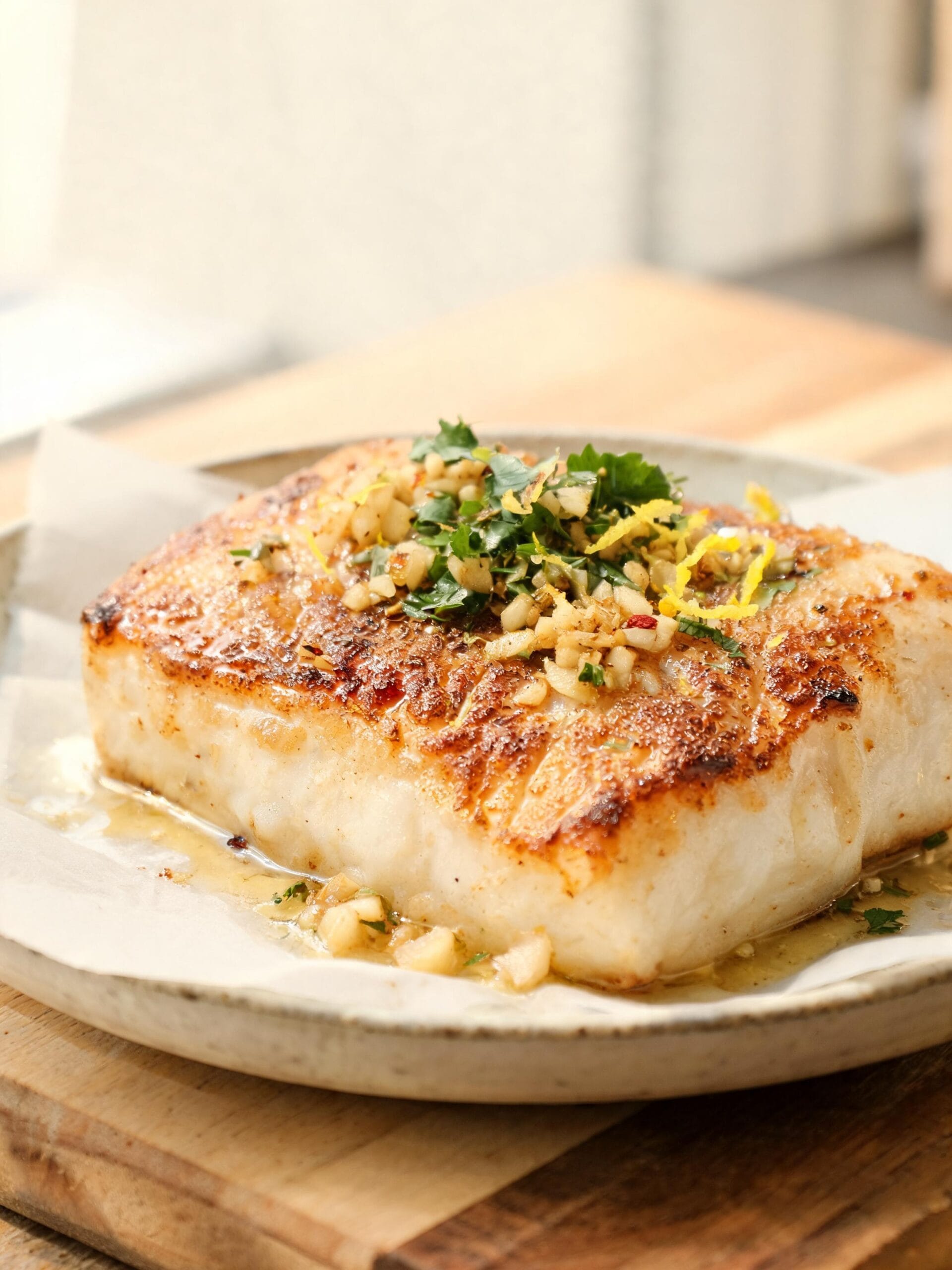
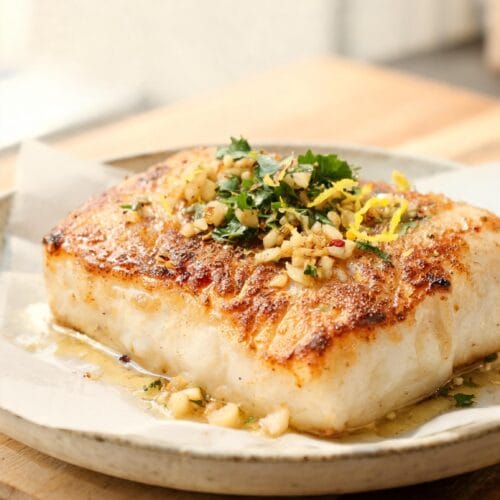
There’s a specific kind of evening I keep coming back to. The cooler was still damp, the truck smelled like salt water, and I had two beautiful halibut fillets sitting on the kitchen counter with no real plan. It’s how my best seafood recipes, from this halibut to a creamy copycat tuna salad, often begin. That’s honestly how this Pan Seared Garlic Butter Halibut came to be — not from a cookbook, not from watching someone fancy on TV. Just me, a cast iron pan, half a stick of butter, and garlic I almost forgot to grab.
Halibut is one of those fish that doesn’t need much. It’s got this clean, mild sweetness to it that butter and garlic just amplify without covering up. And when you get that sear right — that golden, slightly crispy edge — it’s honestly one of the best things you can eat on a Tuesday night without any fuss.
This easy pan seared garlic butter halibut is the kind of recipe I’ve made probably forty times now, and it still feels special every single time I put it on the table.
Why You’ll Love This Recipe
- It’s genuinely fast. From fridge to table in under 25 minutes, which matters a lot when you’ve been out on the water all day and you’re running on empty.
- The flavor is way bigger than the ingredient list. Butter, garlic, lemon, and a good piece of fish — that’s basically it, and it tastes like something you’d pay real money for.
- You don’t need any special skills. If you can heat a pan and not walk away from it, you can absolutely pull this off on your first try.
Quick Recipe Snapshot
Quick Recipe Snapshot
| Prep Time | 10 minutes |
| Cook Time | 12–15 minutes |
| Total Time | ~25 minutes |
| Servings | 4 |
| Difficulty | Easy |
| Best For | Weeknight dinner, quick lunch |
Ingredients List
For the Fish
- 4 halibut fillets (about 6 oz each) — thicker cuts hold up better in the pan and stay juicy inside
- 1 teaspoon kosher salt
- ½ teaspoon black pepper
- ½ teaspoon paprika — just a little warmth and color, nothing overpowering
- 2 tablespoons olive oil — for the initial sear
For the Garlic Butter
- 4 tablespoons unsalted butter — this is where most of the flavor lives, don’t skimp
- 5 cloves garlic, minced — fresh garlic makes a real difference here
- 1 tablespoon fresh lemon juice
- 1 teaspoon lemon zest
- 2 tablespoons fresh parsley, roughly chopped
- Pinch of red pepper flakes (optional, but I almost always add them)
Step-by-Step Instructions
- Dry the fish first. Pat each fillet dry with paper towels. This is the step most people skip and then wonder why the fish steams instead of sears. Moisture is the enemy of a good crust.
- Season simply. Mix the salt, pepper, and paprika together and press it lightly onto both sides of each fillet. Don’t rub aggressively — just press and let it sit for about five minutes while the pan heats up.
- Get the pan hot. Set a heavy skillet — cast iron if you have one — over medium-high heat. Add the olive oil and let it get shimmery and almost smoking before anything goes in. A cold pan gives you sad, pale fish.
- Sear the first side. Lay the fillets in carefully, away from you, and don’t touch them. I know it’s tempting. Just leave them alone for 4–5 minutes depending on thickness. You’re looking for a deep golden color creeping up the sides before you flip.
- Flip once. Gently turn each fillet. They should release cleanly — if they’re sticking, give them another minute. Once flipped, cook another 3–4 minutes.
- Make the garlic butter. Push the fillets to the side or move them to a warm plate. Turn the heat down to medium-low and add the butter to the same pan. Once it melts, add the garlic and let it cook for about 60 seconds. It should smell incredible and turn just barely golden — not brown. Add lemon juice and zest, stir it all together. (This is the moment the whole kitchen smells like something worth coming home to.)
- Spoon it over. Put the fish back in if you moved it, and spoon that garlic butter over the top a few times. Finish with parsley and a pinch of red pepper flakes if you like a little heat.
- Serve immediately. Halibut doesn’t wait well. Get it on the table while it’s still warm and the butter is still glossy.
Small Tricks From Cooking Fish at Home
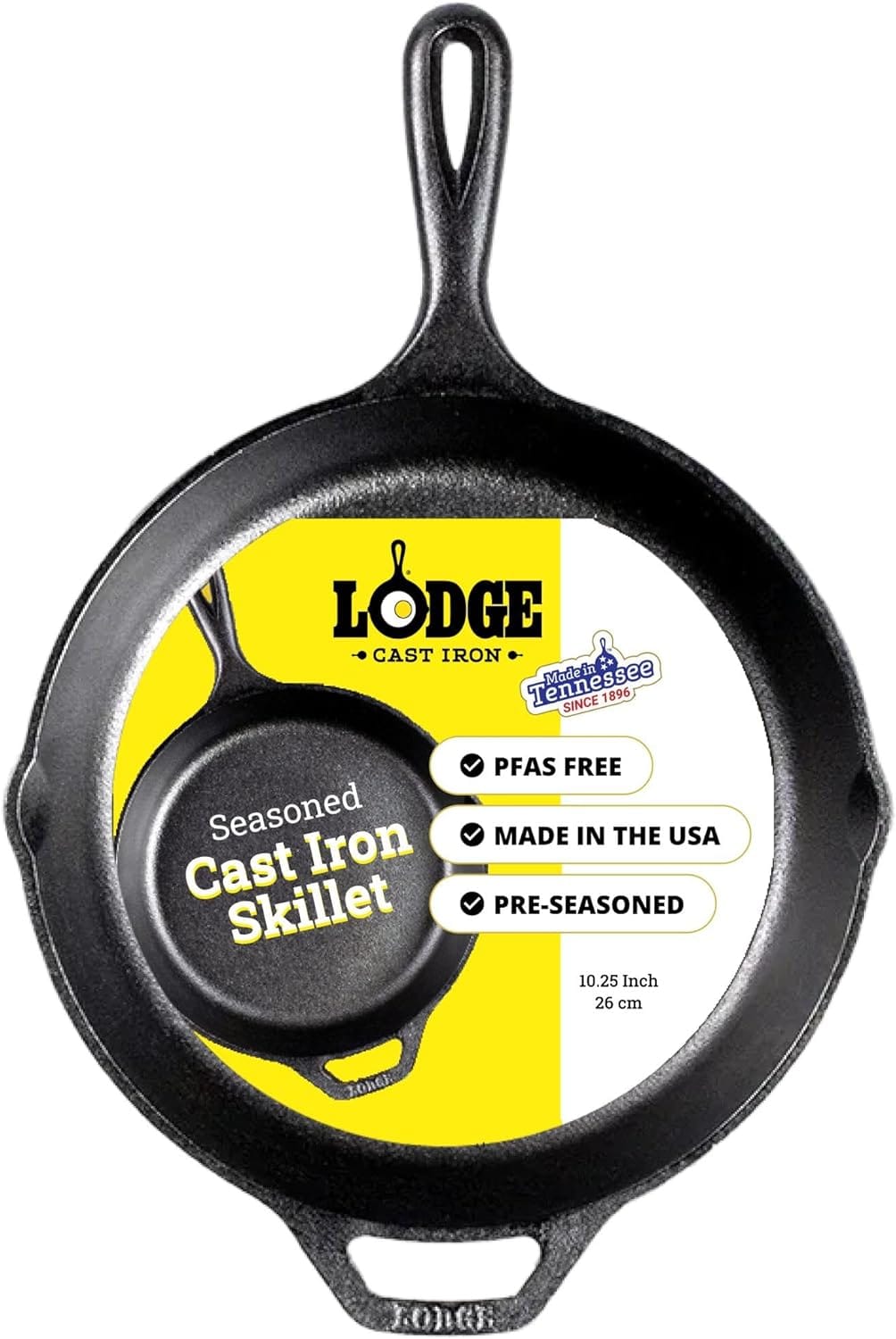
I mention using a heavy skillet, and honestly, that’s not just a suggestion—it’s the key. For this recipe, I always reach for my Lodge Cast Iron Skillet. It gets screaming hot and holds that heat evenly, which is exactly what you need to create that perfect, golden-brown crust on the halibut without overcooking the inside. It’s the difference between good fish and truly memorable fish.
If you want to stop wondering why your fish doesn’t get that restaurant-quality sear, this skillet is the answer. Take a look and see why it’s a staple in my kitchen.
Lodge 10.25 Inch Cast Iron Skillet with Assist Handle
✓ prime
We earn a commission if you make a purchase, at no additional cost to you.
The biggest thing I’ve learned — and it took me a while — is that halibut tells you when it’s ready. The flesh goes from translucent to opaque and it starts to flake at the edges. You don’t need a thermometer every time once you know what to look for.
Room temperature fish sears better. I pull mine from the fridge about 10 minutes before cooking. Cold fish hitting a hot pan can make the outside overcook before the inside catches up.
I burned garlic butter more times than I want to admit before I figured out to lower the heat before adding the butter. Garlic goes from golden to bitter in about 20 seconds if you’re not paying attention. The pan holds enough heat — you really don’t need the burner cranked up for that part.
If your fillets are uneven in thickness — one end thin, one end thick — fold the thin end under itself a little. It sounds fussy but it genuinely helps the whole piece cook more evenly without drying out the thinner part.
Fresh lemon at the end isn’t optional in my kitchen. The butter gets rich fast and the lemon keeps everything from feeling heavy. Even just a squeeze right before serving makes a difference you’ll notice.
Common Mistakes to Avoid
Moving the fish too soon. I’ve done this. You nudge it after two minutes because you’re nervous and the whole crust tears off. Halibut will let go of the pan when it’s ready — trust the process and keep your spatula down.
Using too much butter too early. Butter burns at high heat. That’s just how it works. Olive oil handles the sear, butter comes in at the end when things have calmed down a bit. Mixing them up leads to a dark, slightly bitter sauce instead of that golden, nutty one you’re going for.
Overcrowding the pan. If you’re cooking for four people and you try to fit all four fillets into a small skillet, you’ll drop the pan temperature and the fish will steam. Two at a time if needed — it’s worth the extra few minutes.
Skipping the dry step. I keep saying it because it keeps mattering. Wet fish doesn’t sear. It just sits there releasing water into the pan and cooking itself in its own steam. Paper towels, thirty seconds, done.
Variations and Serving Ideas
Spicy version: Double the red pepper flakes and add a small spoonful of sriracha into the butter sauce right at the end. It doesn’t make it fiery, just gives it a slow warmth that works really well with the richness of the butter.
Mild version: Skip the red pepper flakes entirely and swap the paprika for a little garlic powder. Add a few capers into the butter sauce instead — it stays gentle and bright, great for people who don’t want any heat at all.
Coastal twist: Add a small handful of cherry tomatoes to the pan when you make the garlic butter. Let them blister for a minute before adding the lemon. They burst a little and mix into the sauce in the best way — feels like something you’d eat right off a dock somewhere warm.
What to Serve With
I almost always do something simple on the side because the fish is already doing a lot of work. Roasted baby potatoes with a little olive oil and rosemary are my go-to — crispy on the outside, soft inside, and they soak up any extra garlic butter beautifully.
A simple green salad with a sharp lemon vinaigrette cuts through the richness perfectly. Nothing fancy — arugula, shaved cucumber, a little feta if I have it. For a more substantial meal, you could even pair it with a hearty Southern dirty rice.
Steamed rice works too, especially if you want something that soaks up the sauce. Or crusty bread. Honestly, crusty bread and this garlic butter situation is hard to beat.
If I want something more filling, I’ll do roasted asparagus or broccolini alongside — both cook fast and don’t compete with the fish for attention.
Storage and Reheating
Halibut is best eaten the day you make it. I won’t sugarcoat that. It’s a delicate fish and it doesn’t love sitting in the fridge overnight.
If you do have leftovers, store them in an airtight container and eat within one day, two at the absolute most. The texture changes — it gets a little denser — but it’s still good flaked over a salad or tucked into a wrap.
DO NOT microwave halibut. It turns rubbery and the smell fills the whole kitchen in the worst way. Reheat gently in a covered skillet over low heat with a tiny splash of water or broth, just enough to create a little steam. Two or three minutes, that’s all it needs.
DO NOT freeze cooked halibut. The texture completely falls apart after freezing and thawing. If you want to freeze it, freeze it raw and cook fresh.
FAQs (People Also Ask)
Can I use frozen halibut for this recipe?
Yes, but thaw it completely in the fridge overnight and then pat it very dry before cooking. Frozen halibut releases more water than fresh, so the drying step matters even more. Fresh will always give you a better sear, but frozen works fine if that’s what you have.
How do I know when halibut is done?
The flesh will turn from translucent to fully white and opaque, and it will start to flake when you press it gently with a fork. If you want to use a thermometer, 130–135°F internal temperature is where you want to land for moist, just-cooked halibut. Above 145°F and it starts to dry out fast.
Can I substitute another fish if I can’t find halibut?
Absolutely. Cod and mahi-mahi work really well with this same method and sauce. Tilapia works too but it’s thinner, so cut your cook time down. The garlic butter is honestly good on almost any white fish.
How long does it keep in the fridge?
One to two days maximum in an airtight container. Seafood doesn’t have a long window once it’s cooked. When in doubt, smell it — fresh cooked halibut smells clean and mild. If it smells off, don’t eat it.
Is this recipe hard for a beginner?
Not at all. The whole thing comes down to a hot pan, dry fish, and not walking away from the stove. If you can manage those three things, this quick pan seared garlic butter halibut dinner is completely doable even if you’ve never cooked fish before. The garlic butter sauce sounds fancy but it takes about two minutes to pull together.
Nutrition Facts
(Per serving. Estimates only, varies by exact ingredients used)
Conclusion
Some meals just stick with you. Not because they were complicated or impressive, but because they were exactly right for the moment. A tired evening, a good piece of fish, a pan that smelled like garlic and butter and salt air drifting in through the window.
That’s what this is. Simple coastal style pan seared garlic butter halibut that doesn’t ask much of you and gives back more than you’d expect. I hope it finds its way onto your table on one of those evenings when you need something real and good and fast.
Pan Seared Garlic Butter Halibut
Ingredients
- 4 halibut fillets (about 6 oz each)
- 1 teaspoon kosher salt
- 1/2 teaspoon black pepper
- 1/2 teaspoon paprika
- 2 tablespoons olive oil
- 4 tablespoons unsalted butter
- 5 cloves garlic, minced
- 1 tablespoon fresh lemon juice
- 1 teaspoon lemon zest
- 2 tablespoons fresh parsley, roughly chopped
- Pinch of red pepper flakes (optional)
Instructions
- Pat each halibut fillet completely dry with paper towels on both sides.
- Mix salt, pepper, and paprika together and press lightly onto both sides of each fillet. Let rest 5 minutes.
- Heat a heavy skillet over medium-high heat. Add olive oil and heat until shimmering and nearly smoking.
- Place fillets in the pan carefully and do not move them. Sear for 4–5 minutes until golden crust forms and color creeps up the sides.
- Flip each fillet once. Cook another 3–4 minutes until opaque and flaking at the edges.
- Move fillets to a warm plate. Reduce heat to medium-low and add butter to the same pan.
- Once butter melts, add minced garlic and cook for about 60 seconds until fragrant and just barely golden.
- Add lemon juice and lemon zest, stir to combine into a sauce.
- Return fillets to pan and spoon garlic butter over them several times.
- Finish with fresh parsley and red pepper flakes if using. Serve immediately.