Introduction
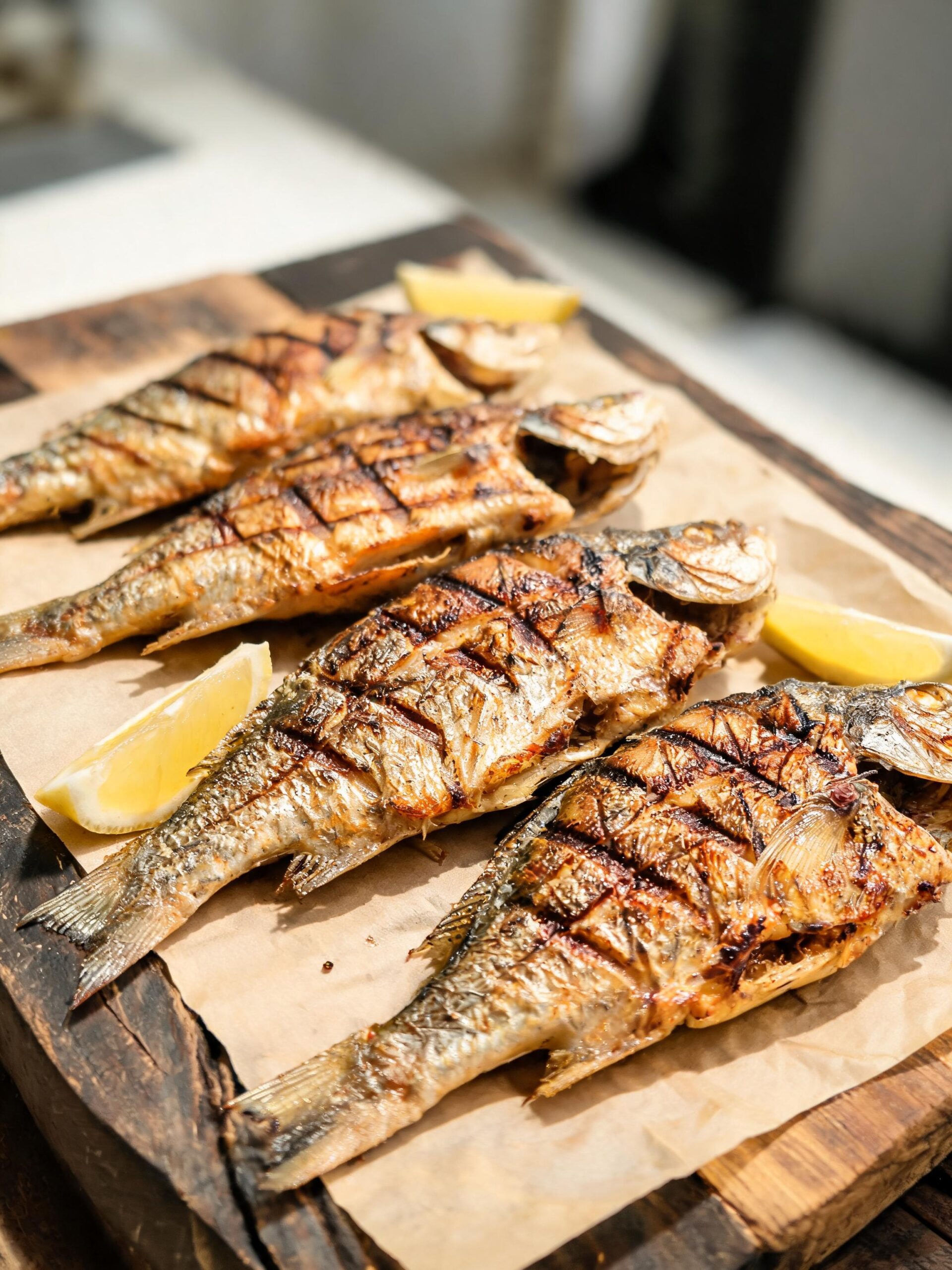
The first time I made Crispy Grilled Croaker Fish at home, I honestly didn’t think it was going to work. I’d just come back from a long morning out near the inlet, cooler half full, sun already burning the back of my neck. I wasn’t in the mood for anything complicated. I just wanted a crispy fish fillet recipe that tastes like the coast, simple as that.
So I scored the fish, rubbed it with what I had on the counter, and threw it on the grill. And I stood there watching it, kind of holding my breath, because croaker has this reputation for being a little tricky — the skin wants to stick, the flesh can fall apart if you rush it.
But it didn’t. It crisped up. Real crispy. The kind of crispy that makes a sound when you press a fork into it.
That’s the version I keep coming back to. This easy coastal-style croaker recipe is nothing fancy. It’s just honest fish cooked the way it deserves to be — hot grill, good seasoning, a little patience.
Why You’ll Love This Recipe
- It’s genuinely quick — from fridge to table in about 35 minutes, which on a weeknight means everything.
- The flavor is real — croaker has this mild, slightly sweet flesh that holds seasoning beautifully without needing a lot of it.
- Anyone can do it — no special tools, no culinary tricks. If you can light a grill and watch a clock, you can make this.
Quick Recipe Snapshot
Recipe: Crispy Grilled Croaker Fish
Prep Time: 15 minutes
Cook Time: 20 minutes
Total Time: 35 minutes
Servings: 4
Difficulty: Easy
Best For: Weeknight dinner, summer cookouts, coastal-style meals
Calories (est.): ~350 per serving
Ingredients List
For the Fish:
- 4 whole croaker fish (about 3/4 lb each), cleaned and scaled — whole fish crisps up better than fillets on the grill
- 3 tablespoons olive oil — helps the skin get that golden crunch without burning
- 1 teaspoon kosher salt
- 1/2 teaspoon black pepper
- 1 teaspoon smoked paprika — gives it a subtle depth that pairs really well with the mild flesh
- 1/2 teaspoon garlic powder
- 1/2 teaspoon onion powder
- 1/4 teaspoon cayenne pepper (optional, but I usually add it)
- 1 teaspoon dried thyme
- Juice of 1 lemon — for right after it comes off the grill
For the Grill:
- Neutral oil or cooking spray for the grates
- Extra lemon wedges for serving
Step-by-Step Instructions
- Score the fish. Use a sharp knife to make 3 diagonal cuts on each side of the fish, cutting down to the bone. This isn’t just for looks — it helps the seasoning get deeper in and helps the skin crisp evenly instead of bubbling up.
- Make your rub. In a small bowl, mix together the salt, pepper, paprika, garlic powder, onion powder, cayenne, and thyme. Give it a stir.
- Season well. Pat the fish completely dry with paper towels first — this step matters more than people think. Wet fish steams instead of crisping. Brush the olive oil all over the fish, inside the cavity too, then rub the spice mix into every surface, pushing some into those score cuts.
- Heat the grill. Get it up to medium-high heat, around 400°F. Clean the grates and oil them well. I usually do this twice — once before and once right before the fish goes on. Croaker skin sticks if you give it any excuse.
- Grill the fish. Lay the fish down and don’t touch them. Seriously. Let them cook for 8 to 10 minutes on the first side. You’ll know they’re ready to flip when they release easily from the grate. If they’re fighting you, give them another minute.
- Flip carefully. Use a wide spatula — two if you have them. Flip once and cook the second side for another 7 to 9 minutes. The skin should look deeply golden and you should be able to see the flesh pulling away from the bone slightly near the score lines.
- Check for doneness. Press gently near the thickest part. The flesh should flake when you nudge it with a fork. Internal temp should be around 145°F if you’re checking with a thermometer.
- Rest and squeeze. Pull the fish off and let it sit for two minutes. Then hit it with fresh lemon juice. That’s it. That’s the whole thing.
I always make a little extra rub and keep it in a jar. It works on almost any fish and saves time when I’m coming home tired and hungry.
Small Tricks From Cooking Fish at Home
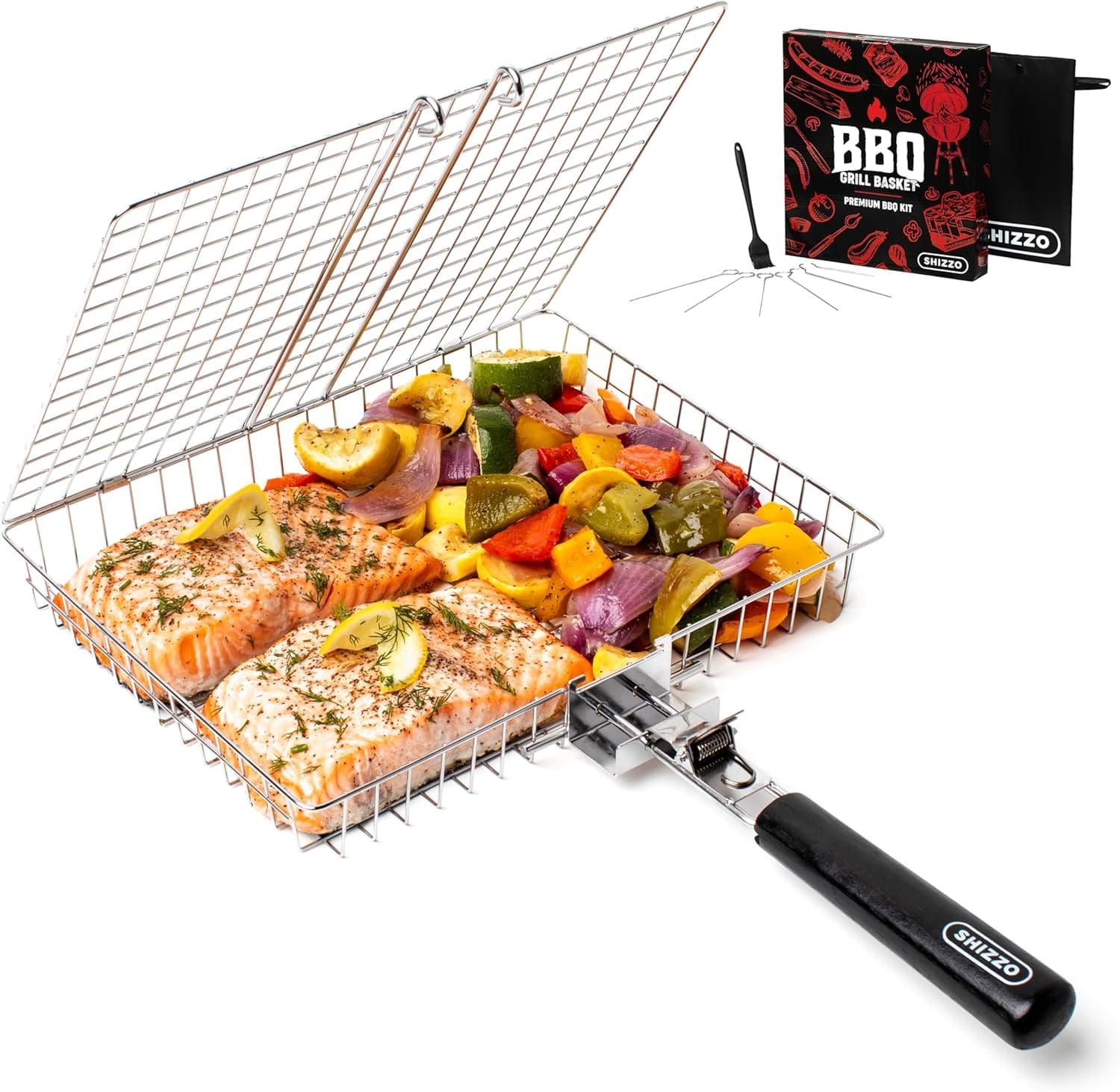
Look, even with all the tricks in the world, sometimes a delicate fish like croaker just wants to stick. For those days, or if you’re just starting out and want a guaranteed win, my secret weapon is a good grilling basket. You lock the fish inside, and suddenly flipping is a non-issue. You get all the char and smoky flavor from the grill, but none of the heartbreak of leaving that perfect crispy skin behind on the grates. It’s the single best piece of gear for foolproof whole grilled fish.
Get the grilling basket I trust for perfect, no-stick fish every single time.
Barbecue Grill Basket – Stainless Steel Folding Grilling Basket for Fish
✓ prime
We earn a commission if you make a purchase, at no additional cost to you.
Dry the fish before anything else. I used to skip this when I was in a hurry and the skin would come out soft and pale. The paper towel step takes thirty seconds and it changes everything.
Score deeper than you think you need to. The first few times I did shallow cuts and the skin still bubbled and pulled. When you cut down close to the bone, the heat gets in evenly and the skin lays flat against the grill.
Don’t move the fish around. I know it’s tempting to check underneath, especially the first time. But croaker skin is delicate and it needs time to form that crust before it’ll release cleanly. Moving it early just tears the skin and you lose all that texture you worked for.
Oil the grates twice. Once when they’re cold, once right before the fish goes on. My neighbor who’s been grilling fish his whole life taught me that. He said the second coat is the one that actually matters.
Let the grill do the work. Medium-high heat, not screaming hot. Too hot and the outside burns before the inside cooks through. I learned that the hard way on a batch I was rushing through because people were already sitting at the table.
Lemon goes on after, not before. Acid before grilling can start to break down the flesh and you lose some of that firmness. Save it for the end — it brightens everything up without softening the texture.
Common Mistakes to Avoid
Putting wet fish on the grill. This is the one that ruins more batches than anything else. Water on the surface creates steam, and steam is the enemy of crispy skin. Dry it thoroughly, every time.
Flipping too early. I’ve done this. You get impatient, you try to peek, and half the skin stays on the grate. The fish will tell you when it’s ready — it’ll lift cleanly when it’s time. Until then, leave it alone.
Using too low of heat. Some people are nervous about burning fish so they keep the heat low. But low heat on a grill means the skin gets soft and almost steamed rather than crisped. You need real heat to get that crunch.
Skipping the scoring. Whole croaker is thicker than it looks. Without those cuts, the outside can overcook while the center is still underdone. The score lines aren’t optional — they’re how the heat gets to the middle.
Variations and Serving Ideas
Spicy version: Double the cayenne and add a half teaspoon of crushed red pepper flakes to the rub. You can also brush a little hot sauce mixed with butter on the fish right when it comes off the grill. The heat hits differently when the fish is that fresh off the fire.
Mild version: Leave out the cayenne entirely and swap the smoked paprika for sweet paprika. Add a pinch of dried dill instead of thyme. It’s gentler, almost delicate — good if you’re cooking for kids or people who don’t love heat.
Coastal twist: Mix a tablespoon of Old Bay into the spice rub and serve the fish with a simple slaw made from shredded cabbage, apple cider vinegar, and a little honey. That combination — a truly crispy fried fish that actually stays crunchy, paired with cold tangy slaw — is one of those things that just makes sense near the water.
What to Serve With
I almost always do something soft alongside this because the contrast matters. Creamy coleslaw, a scoop of warm potato salad, or even just plain white rice that soaks up the juices from the fish. Something that gives the meal a little softness to balance out all that crunch.
For something fresher, a simple tomato and cucumber salad with red onion and a splash of vinegar cuts right through the richness of the fish. Grilled corn works too, especially in summer when it’s sweet and the grill is already hot anyway.
Cornbread on the side is never wrong. Neither is a cold beer.
Storage and Reheating
Leftover grilled croaker keeps in the fridge for up to two days in an airtight container. After that the texture really starts to go and it’s just not worth eating.
DO NOT microwave it. The skin goes rubbery and the flesh dries out and it’ll smell up your whole kitchen. Just don’t.
The best way to reheat it is in a dry skillet over medium heat, skin side down, for a few minutes until it warms through and the skin crisps back up a little. It won’t be exactly like it was fresh off the grill, but it’s close enough.
DO NOT freeze cooked croaker. The texture after thawing is pretty disappointing — mushy and waterlogged. If you want to freeze, freeze it raw and cook it fresh.
FAQs (People Also Ask)
Can I use frozen croaker for this recipe?
Yes, but thaw it completely in the fridge overnight first and dry it really well before seasoning. Frozen fish holds more water and you’ll need to be extra thorough with the paper towel step or the skin won’t crisp properly.
How do I know when the fish is fully cooked?
The flesh should flake easily when you press a fork into the thickest part near the score lines. It should look opaque all the way through, not translucent. If you have a thermometer, 145°F in the thickest part is the target.
Can I substitute another fish if I can’t find croaker?
Porgy, spot, or small whole sea bass all work well with this same method. You want a similar-sized whole fish with firm skin. Avoid anything too thin or delicate — it won’t hold up to the grill heat the same way.
Is this recipe difficult for beginners?
Honestly, no. The steps are straightforward and the most important things — drying the fish, oiling the grates, not flipping too early — are easy once you know to do them. The whole cook time is under 25 minutes once the grill is hot.
How long does this take start to finish?
About 35 minutes total. 15 minutes to prep and season, 20 minutes on the grill. It’s genuinely a quick weeknight dinner once you’ve done it once or twice.
Nutrition
Nutrition Facts
(Per serving. Estimates only, varies by exact ingredients used)
Conclusion
There’s something about cooking a whole fish on the grill that still feels a little like an event to me, even after doing it dozens of times. Maybe it’s the sound. Maybe it’s the smell. Maybe it’s just that it connects the morning on the water to the evening at the table in a way that a bag of frozen fillets never quite does.
This recipe isn’t complicated. It’s not supposed to be. It’s just a good fish, cooked simply, the way coastal people have been doing it forever — hot grill, honest seasoning, a squeeze of lemon at the end.
That’s enough. It always has been.
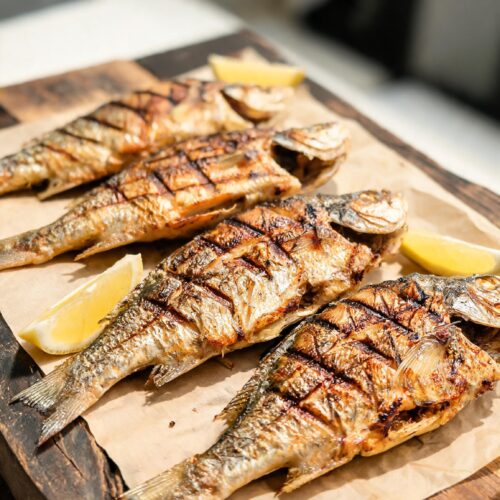
Crispy Grilled Croaker Fish
Ingredients
- 4 whole croaker fish (about 3/4 lb each), cleaned and scaled
- 3 tablespoons olive oil
- 1 teaspoon kosher salt
- 1/2 teaspoon black pepper
- 1 teaspoon smoked paprika
- 1/2 teaspoon garlic powder
- 1/2 teaspoon onion powder
- 1/4 teaspoon cayenne pepper (optional)
- 1 teaspoon dried thyme
- Juice of 1 lemon
- Neutral oil or cooking spray for the grates
- Extra lemon wedges for serving
Instructions
- Score the fish with 3 diagonal cuts on each side down to the bone.
- Mix salt, pepper, smoked paprika, garlic powder, onion powder, cayenne, and thyme in a small bowl.
- Pat fish completely dry with paper towels. Brush with olive oil all over including inside the cavity, then rub spice mix into all surfaces and score cuts.
- Preheat grill to medium-high heat (about 400°F). Clean and oil the grates thoroughly.
- Place fish on the grill and do not move them. Cook for 8 to 10 minutes on the first side until they release cleanly from the grate.
- Flip carefully using a wide spatula. Cook the second side for 7 to 9 minutes until skin is deeply golden and flesh pulls away from the bone near score lines.
- Check doneness by pressing near the thickest part — flesh should flake easily and reach 145°F internally.
- Remove from grill, rest for 2 minutes, then squeeze fresh lemon juice over the top. Serve immediately with lemon wedges.