Introduction
Some nights you just don’t have the energy. The fish is sitting in the fridge, and while a crispy fish fillet recipe sounds amazing, you’re standing in the kitchen wondering if you’re going to do it justice or ruin it. That’s exactly how I stumbled into making a foil packet fish dinner for the first time. Not on purpose. Not from a cookbook. Just out of necessity and a little bit of desperation.
I had a couple of white fish fillets, some lemon, a handful of cherry tomatoes that needed to be used, and no idea what I was doing. I wrapped everything up in foil, threw it in the oven, and sat down on the couch half expecting to order pizza anyway. Twenty minutes later the kitchen smelled like the coast. Like salt air and butter and something warm and good.
That was years ago. Now this easy foil packet fish dinner is one of the things I make most often. It’s the kind of meal that asks almost nothing of you and gives back more than you expect.
Why You’ll Love This Recipe
- It’s genuinely fast. From pulling things out of the fridge to sitting down with a plate, you’re looking at maybe 35 minutes. Less if you’re moving with purpose.
- The flavor gets trapped inside. That’s the whole magic of the foil. Steam builds up in there, the fish stays moist, the vegetables soak into each other, and nothing dries out. It’s almost forgiving in a way that a pan on the stove isn’t.
- Cleanup is basically nothing. You fold up the foil and throw it away. That’s it. Some nights that’s the whole reason I make it.
Quick Recipe Snapshot
Recipe: Foil Packet Fish Dinner
Serves: 4
Prep Time: 15 minutes
Cook Time: 20 minutes
Total Time: 35 minutes
Method: Oven (or grill)
Best Fish: Cod, tilapia, mahi-mahi, or any firm white fish
Skill Level: Beginner-friendly
Dietary Notes: Gluten-free, dairy-optional, low-carb friendly
Ingredients List
For the Fish Packets:
- 4 white fish fillets (about 6 oz each) — cod, tilapia, or mahi-mahi all work well here
- 1 cup cherry tomatoes, halved — they break down and create a little sauce in the packet
- 1 medium zucchini, sliced into thin half-moons
- 1 small red onion, thinly sliced — adds sweetness once it softens
- 1 lemon, half sliced into rounds and half for squeezing
- 3 tablespoons olive oil — this is what keeps everything from sticking and drying out
- 3 cloves garlic, minced
- 1 teaspoon dried oregano
- 1/2 teaspoon smoked paprika — just a little, it adds depth without taking over
- Salt and black pepper to taste
- 2 tablespoons fresh parsley, chopped (optional but worth it)
- 2 tablespoons unsalted butter, cut into small pieces — optional, but it makes the packet liquid taste incredible
For Serving (Optional):
- Crusty bread or rice
- Extra lemon wedges
Step-by-Step Instructions
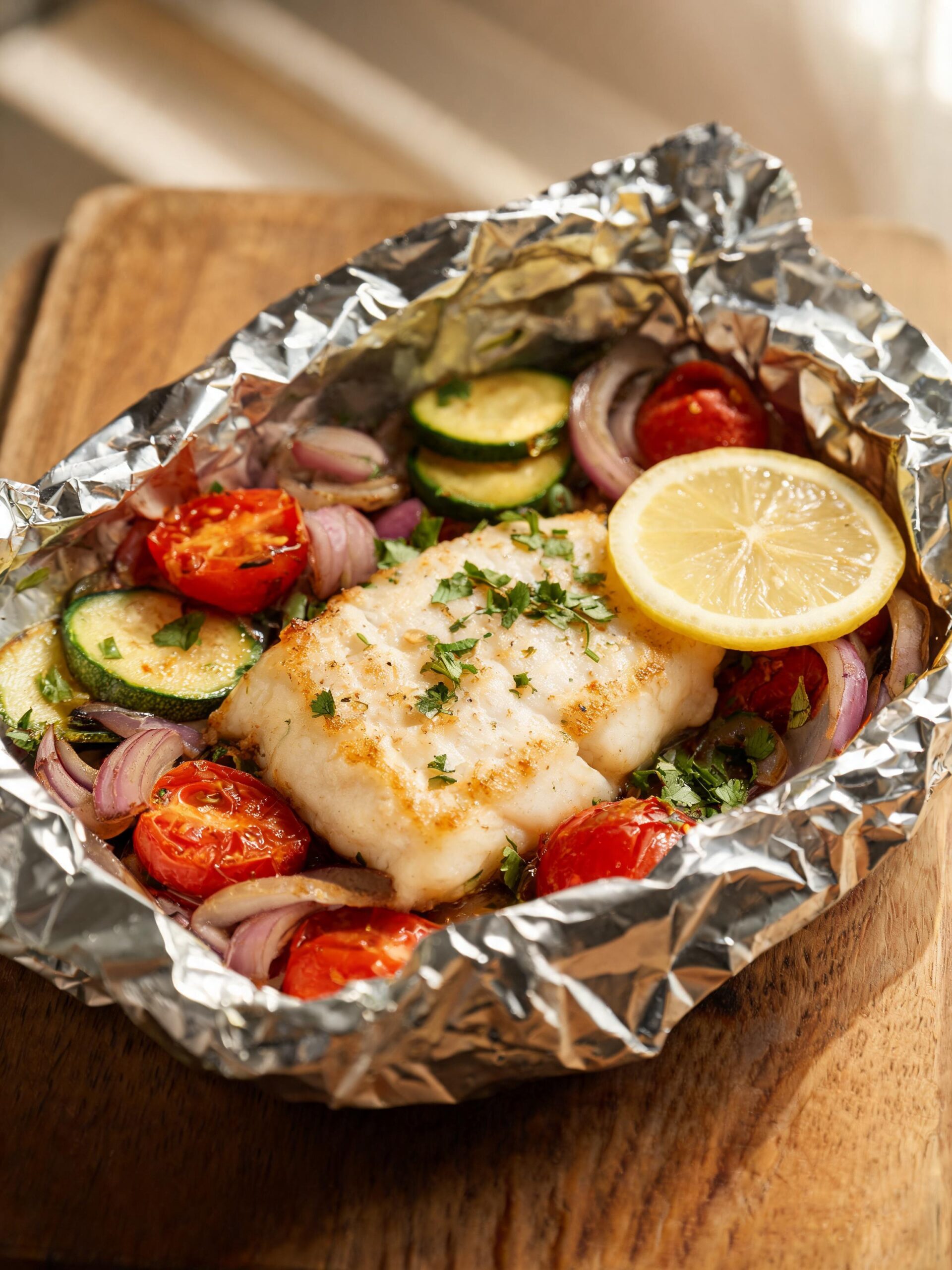
- Preheat your oven to 400°F. Tear off four large sheets of heavy-duty aluminum foil, each about 14 to 16 inches long. You want enough to fold over and seal without tearing. If your foil feels thin, double it up. I’ve had packets leak before and it’s not fun.
- In a small bowl, mix together the olive oil, minced garlic, oregano, smoked paprika, a good pinch of salt, and a few cracks of black pepper. Stir it around until it comes together into a loose paste.
- Lay each piece of foil flat on the counter. Divide the sliced zucchini and red onion evenly between the four packets, placing them in the center of each sheet. These go down first so the fish sits on top of the vegetables and doesn’t stick to the foil.
- Place one fish fillet on top of each vegetable pile. Spoon the olive oil mixture over each fillet, making sure to get some on the sides too. Don’t be shy with it.
- Scatter the cherry tomatoes around the fish. Lay two or three lemon rounds on top of each fillet. If you’re using butter, drop a few small pieces on top of the fish now. This is the part that makes the packet liquid taste almost like a sauce.
- Fold the foil up and over the fish, then fold the edges together tightly to seal the packet. You want steam to build up inside, so make sure there are no gaps. Leave a little air space above the fish — don’t press the foil directly against it.
- Place the packets on a baking sheet and slide them into the oven. Bake for 18 to 22 minutes depending on the thickness of your fillets. Thinner fillets like tilapia will be done closer to 18 minutes. Thicker cod might need the full 22.
- Carefully open one packet to check — the fish should flake easily when you press it gently with a fork. If it still feels firm in the center, seal it back up and give it another 3 minutes. Once it’s done, let the packets rest for 2 minutes before opening fully. The steam inside is genuinely hot.
- Squeeze fresh lemon juice over everything before serving, scatter the parsley if you have it, and eat it straight from the packet or slide it onto a plate. Either way works.
Small Tricks From Cooking Fish at Home
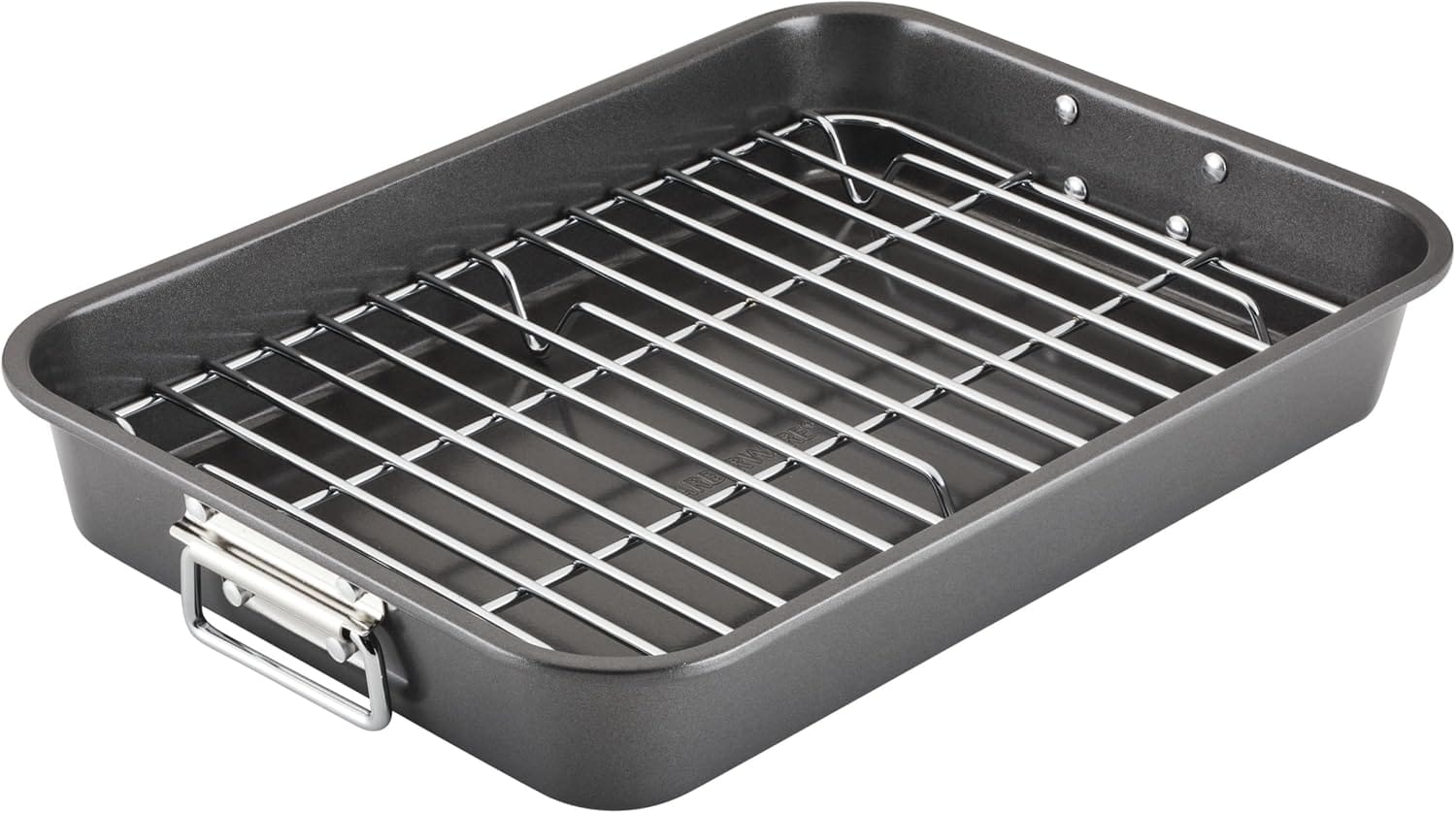
I learned my lesson the hard way about flimsy foil and leaky packets. A little bit of that amazing butter and lemon juice escaping can burn onto your oven floor and ruin the ‘easy cleanup’ promise of this dinner. That’s why I always place my packets on a sturdy, reliable baking pan. The one I count on has a good rim to catch any potential drips, ensuring all that flavor stays contained and my oven stays clean. It’s a simple piece of equipment, but using a quality one makes the whole process foolproof.
This is the roaster I use in my own kitchen. Get yours and make cleanup a guaranteed breeze.
Farberware Nonstick Bakeware 11-Inch x 15-Inch Roaster with Flat Rack
✓ prime
We earn a commission if you make a purchase, at no additional cost to you.
The first time I made this I used regular foil and it tore when I was folding the edges. The liquid ran out onto the baking sheet and the fish ended up drier than I wanted. Heavy-duty foil makes a real difference, or just use two layers of whatever you have.
Pat the fish dry before you season it. I know it sounds like a small thing but wet fish steams differently than dry fish. The seasoning sticks better and the texture comes out cleaner.
Don’t skip the vegetables on the bottom. I tried once putting the fish directly on the foil and it stuck, even with oil. The vegetables act like a little rack and they absorb all the drippings from the fish while they cook, which makes them taste incredible.
If you’re cooking on the grill instead of the oven, the timing is similar but the heat is less even. Keep the packets over medium heat and check them a minute or two earlier than you think you need to. Grill heat can vary a lot.
One thing I noticed over time — if the fillets are very different in thickness, they won’t cook evenly in the same packet. I try to match similar-sized pieces together, or I’ll fold one end of a thin fillet under itself to even it out a little.
Common Mistakes to Avoid
Opening the packet too early is probably the most common one. You let all the steam escape and the fish stops cooking properly. Just trust the time and check once near the end.
Overcrowding the packet. I’ve been guilty of this — trying to stuff too many vegetables in because I didn’t want them to go to waste. When there’s too much in there, things don’t cook evenly and the packet gets hard to seal. Keep it reasonable.
Using fish that’s still partially frozen. I’ve done this when I was in a hurry and the result was fish that was cooked on the outside and cold in the middle. If you’re starting from frozen, thaw it in cold water for 20 to 30 minutes first. It matters more than you’d think.
Forgetting to season the vegetables. Most people season the fish and then just throw the vegetables in plain. The vegetables are sitting in that packet absorbing everything, so give them a little salt and a drizzle of oil before you close it up. They’ll taste so much better.
Variations and Serving Ideas
Spicy Version: Add 1/2 teaspoon of red pepper flakes and a few thin slices of jalapeño on top of the fish before sealing. A little sriracha mixed into the olive oil marinade also works well if you want heat without the texture of pepper flakes.
Mild and Simple: Skip the paprika and garlic, use just butter, lemon, salt, and a few sprigs of fresh dill. This is the version I make when I want the fish to taste like itself and nothing else. It’s quiet and good.
Coastal Twist: Add a handful of small shrimp to each packet along with the fish. They cook fast and soak up all the same flavors. Throw in some capers and a splash of white wine before sealing for something that tastes like it came from a little seafood shack by the water.
What to Serve With
Crusty bread is the obvious answer because you want something to soak up the liquid at the bottom of the packet. That stuff is too good to leave behind.
Rice works really well too, especially if you spoon the packet liquid right over it. Simple white rice or even a quick lemon rice if you have the time.
A cold green salad on the side balances the warmth of the packet nicely. Something with a sharp vinegar dressing cuts through the richness of the butter and olive oil, making it a perfect pairing for baked fish or even a simple crispy fried fish. Arugula with shaved parmesan and a lemon vinaigrette is what I usually reach for.
If you want something heartier, roasted potatoes on the side fill it out into a full dinner without much extra work.
Storage and Reheating
If you have leftovers, get the fish out of the foil and into a sealed container in the fridge within an hour of cooking. Fish sitting in a warm sealed packet is a food safety issue you don’t want to deal with.
It keeps in the fridge for up to 2 days. After that the texture starts to break down and it gets a little soft in a way that’s not great.
To reheat, put it in a small covered dish with a splash of water or a squeeze of lemon and warm it gently in the oven at 275°F for about 10 minutes. DO NOT microwave it on high — it gets rubbery and smells up the whole kitchen. Low and slow is the only way to bring fish back without destroying it.
DO NOT refreeze fish that’s already been cooked. It changes the texture completely and it’s just not worth eating after that.
FAQs (People Also Ask)
Can I use frozen fish for this recipe?
Yes, but thaw it completely first. Pat it dry before seasoning. Cooking fish from frozen in a foil packet usually results in uneven cooking — the outside gets done before the center thaws properly.
How do I know when the fish is done?
Press gently on the thickest part with a fork. If it flakes apart easily and looks opaque all the way through, it’s done. If it still feels firm and translucent in the center, give it another 3 to 4 minutes.
Can I substitute the vegetables?
Absolutely. Bell peppers, asparagus, thinly sliced potatoes, corn cut from the cob — all of these work. Just keep in mind that denser vegetables like potatoes need to be sliced thin so they cook in the same time as the fish.
How long does this take from start to finish?
About 35 minutes total. 15 minutes to prep and assemble the packets, 20 minutes in the oven. It’s one of the faster real dinners I know how to make.
Can I make this on a campfire or grill instead of the oven?
Yes, and honestly the grill version is great. Place the packets over medium heat on a gas or charcoal grill, close the lid, and cook for about 15 to 18 minutes. The slight smokiness that gets into the packet is something the oven can’t replicate.
Nutrition
Nutrition Facts
(Per serving. Estimates only, varies by exact ingredients used)
Conclusion
There’s something about a meal that practically makes itself. You do the small work of layering things together, fold up the foil, and then the oven does the rest while you sit down for a few minutes.
That first time I made this by accident, I didn’t know I was starting something I’d come back to over and over again. I just needed dinner and I had fish. Now it’s one of those recipes I reach for when I want to feel like I’m eating something real without spending the whole evening in the kitchen.
The coast has a way of making simple things feel like enough. This recipe does the same thing.
Foil Packet Fish Dinner
Ingredients
- 4 white fish fillets (about 6 oz each), such as cod, tilapia, or mahi-mahi
- 1 cup cherry tomatoes, halved
- 1 medium zucchini, sliced into thin half-moons
- 1 small red onion, thinly sliced
- 1 lemon, half sliced into rounds and half reserved for squeezing
- 3 tablespoons olive oil
- 3 cloves garlic, minced
- 1 teaspoon dried oregano
- 1/2 teaspoon smoked paprika
- Salt and black pepper to taste
- 2 tablespoons fresh parsley, chopped (optional)
- 2 tablespoons unsalted butter, cut into small pieces (optional)
Instructions
- Preheat your oven to 400°F. Tear off four large sheets of heavy-duty aluminum foil, each about 14 to 16 inches long. Double-layer if using thin foil.
- In a small bowl, mix together the olive oil, minced garlic, oregano, smoked paprika, salt, and black pepper until combined.
- Lay each foil sheet flat. Divide the sliced zucchini and red onion evenly between the four sheets, placing them in the center of each.
- Place one fish fillet on top of each vegetable pile. Spoon the olive oil seasoning mixture evenly over each fillet.
- Scatter cherry tomatoes around the fish. Lay two or three lemon rounds on top of each fillet. Add small pieces of butter on top if using.
- Fold the foil up and over the fish, then fold and crimp the edges tightly to seal each packet, leaving a little air space above the fish.
- Place the sealed packets on a baking sheet and bake for 18 to 22 minutes, depending on the thickness of the fillets.
- Carefully open one packet to check doneness — fish should flake easily with a fork and be opaque throughout. If needed, reseal and cook 3 more minutes.
- Let packets rest 2 minutes before fully opening. Squeeze fresh lemon juice over the fish, scatter parsley if using, and serve directly from the packet or on a plate.