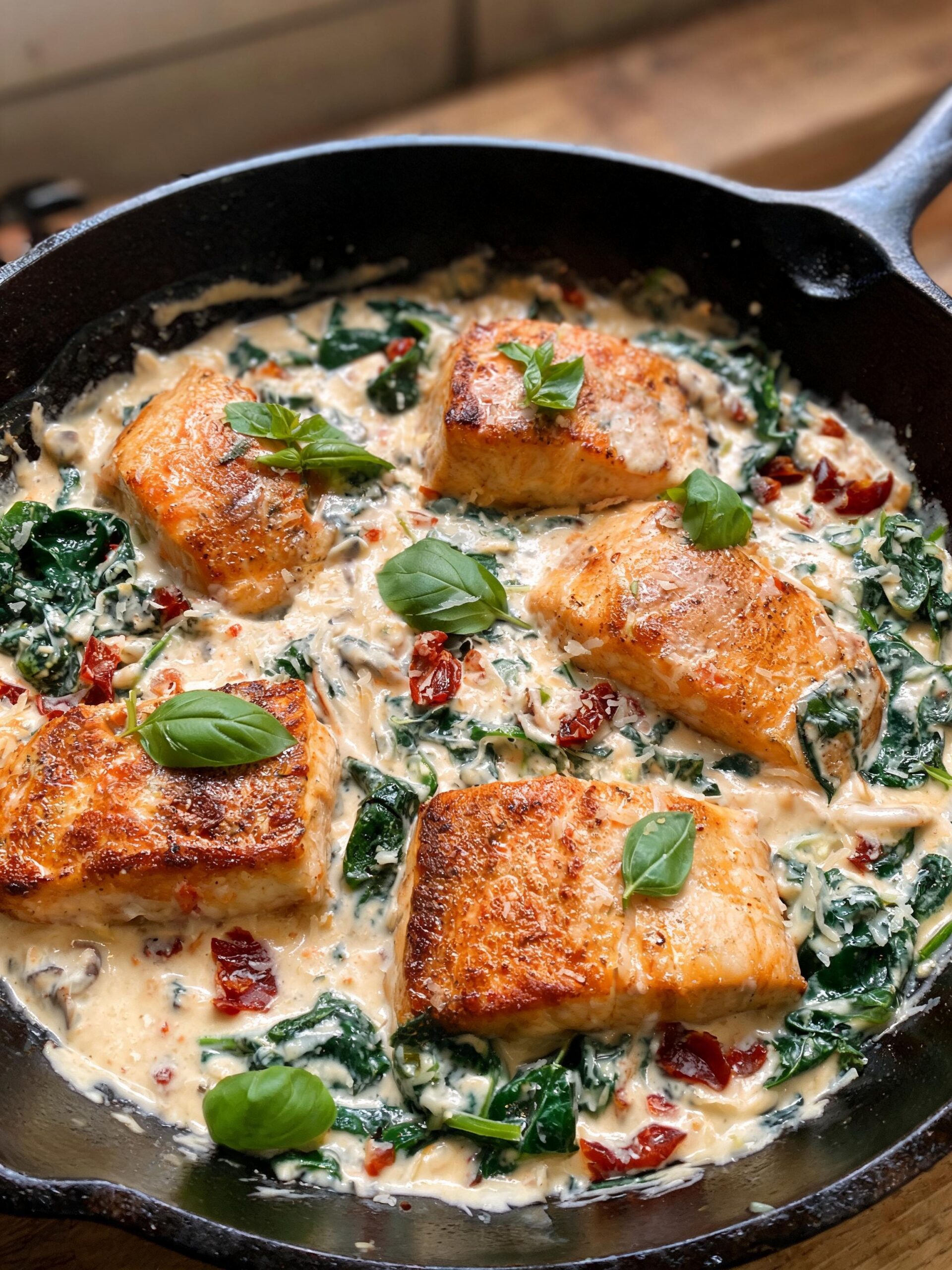

Introduction
I made Salmon Piccata for the first time on a Tuesday evening when I had nothing planned and a fillet sitting in the fridge that wasn’t going to last another day. I wasn’t trying to be creative. I was just trying not to waste good fish. I had a lemon rolling around on the counter, half a jar of capers I’d bought for something I never ended up making, and butter. That was basically it. And somehow what came out of that pan was one of the best things I’d cooked in months, rivaling the simple satisfaction of a perfect creamy copycat tuna salad sandwich.
There’s something about that bright, tangy sauce — the lemon, the capers, a little white wine if you have it — that just works with salmon in a way that feels almost too easy. This easy salmon piccata has been in my regular rotation ever since that night. It’s the kind of meal that makes you feel like you actually know what you’re doing in the kitchen, even when you’re just winging it.
Why You’ll Love This Recipe
- It comes together in under 30 minutes, start to finish — no long prep, no complicated steps, just a hot pan and a few good ingredients.
- The lemon-caper butter sauce is sharp and rich at the same time, and it cuts right through the richness of the salmon in the best possible way.
- You don’t need any special skills. If you can sear a piece of fish without panicking, you can make this.
Quick Recipe Snapshot
Recipe: Salmon Piccata
Prep Time: 15 minutes
Cook Time: 20 minutes
Total Time: 35 minutes
Servings: 4
Difficulty: Easy
Best For: Weeknight dinner, quick lunch, coastal-style home cooking
Key Flavors: Bright lemon, briny capers, rich butter, tender salmon
Ingredients List
For the Salmon:
- 4 salmon fillets (about 6 oz each, skin-on or skinless — your call) — fresh is best but thawed frozen works fine
- 1/2 cup all-purpose flour — just for a light dusting, gives the fish something to hold onto in the pan
- 1/2 tsp salt
- 1/4 tsp black pepper
- 2 tbsp olive oil — for the sear
For the Piccata Sauce:
- 3 tbsp unsalted butter — this is what makes the sauce feel silky and a little indulgent
- 3 garlic cloves, minced
- 1/2 cup dry white wine (or chicken broth if you’d rather skip the wine)
- 1/3 cup fresh lemon juice — roughly 2 lemons, and please use fresh, not the bottle
- 3 tbsp capers, drained — these little things carry a lot of the flavor, don’t skip them
- 2 tbsp fresh parsley, chopped
- Lemon slices for serving
Step-by-Step Instructions
- Pat your salmon fillets dry with paper towels. This matters more than people think — wet fish steams instead of sears, and you lose that golden crust. Season both sides with salt and pepper, then dust lightly with flour and shake off the extra.
- Heat the olive oil in a large skillet over medium-high heat. You want it hot but not smoking. Lay the fillets in carefully, skin side down if they have skin. Don’t touch them for about 4 minutes. Let the pan do its thing.
- Flip gently and cook another 3 to 4 minutes depending on thickness. The fish should flake easily at the thickest part. Transfer to a plate and loosely tent with foil to keep warm. (I always forget this step and then wonder why my fish got cold while I was making the sauce.)
- Turn the heat down to medium. Add 1 tablespoon of butter to the same pan and let it melt. Add the garlic and stir for about 30 seconds — just until it smells good, not until it browns.
- Pour in the white wine and let it bubble and reduce for about 2 minutes. Scrape up any bits from the bottom of the pan. Those bits are flavor.
- Add the lemon juice and capers. Stir and let it simmer another 2 minutes. Taste it. It should be bright and a little sharp. If it feels too intense, add a tiny splash of water or broth.
- Pull the pan off the heat and swirl in the remaining 2 tablespoons of butter. This is what makes the sauce glossy and smooth. Don’t rush this part.
- Nestle the salmon back into the pan, spoon the sauce over the top, scatter the parsley, and serve right away with lemon slices on the side.
Small Tricks From Cooking Fish at Home
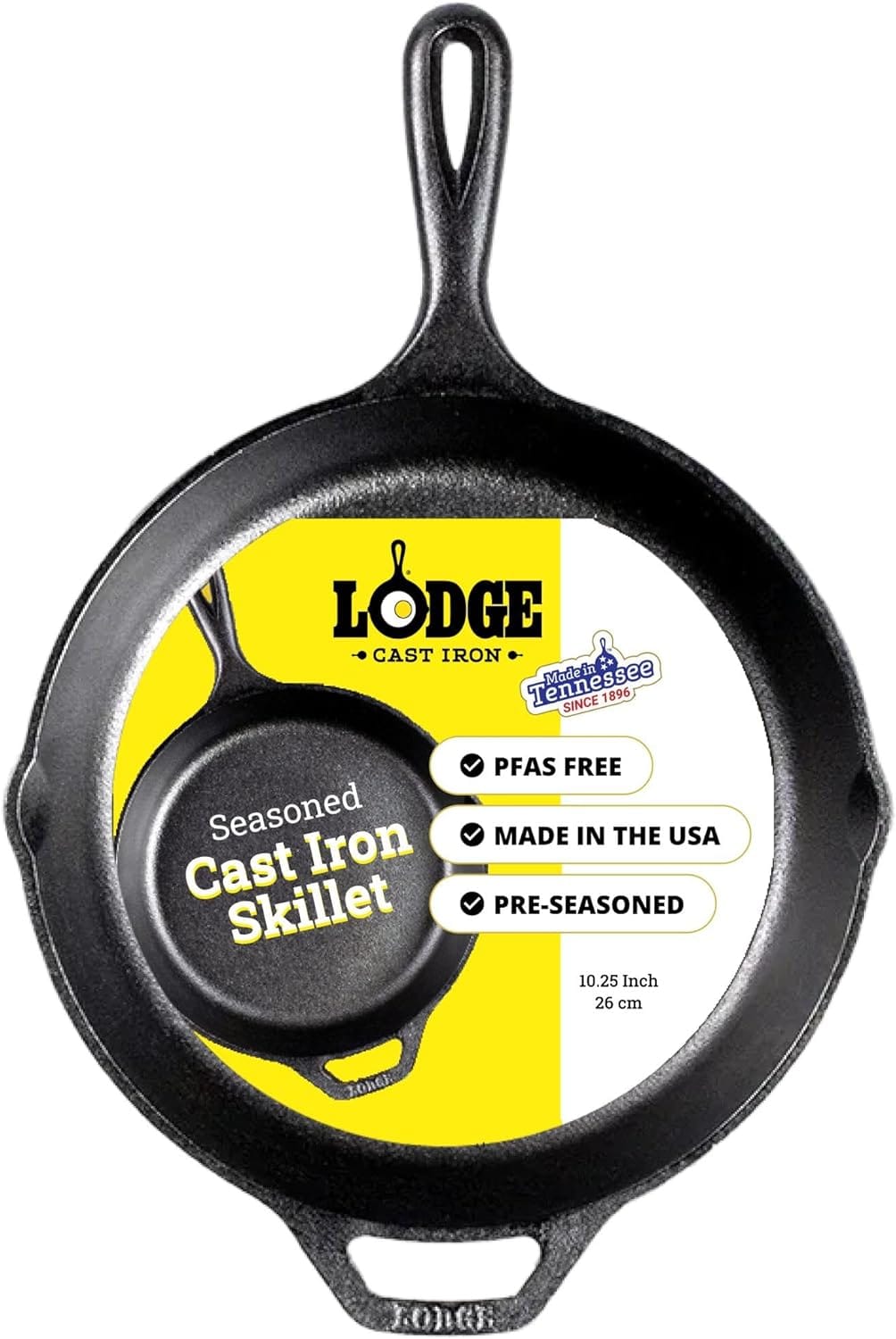
I’ve talked a lot about getting that perfect golden crust, and the truth is, your pan makes all the difference. For a recipe like this Salmon Piccata, where you need high, even heat to sear the fish and then build a sauce right in the same pan, I always reach for my Lodge Cast Iron Skillet. It holds heat like nothing else, which is the key to getting that skin incredibly crispy without the fish overcooking. All those flavorful bits left in the pan after the sear are what make the piccata sauce so good, and a cast iron pan delivers every time.
If you’re ready to stop worrying about your fish sticking and start getting that perfect restaurant-quality sear, this is the one skillet you need. Check the price and see why it’s a kitchen legend.
Lodge 10.25 Inch Cast Iron Skillet with Assist Handle
✓ prime
We earn a commission if you make a purchase, at no additional cost to you.
Dry the fish. I know I already said it in the instructions but I’m saying it again because I spent years wondering why my fish never got that nice golden crust. It’s the moisture. Always pat it dry.
Don’t move it around in the pan. I used to poke and prod and flip too early and the fish would stick and fall apart. Now I just leave it alone and trust the heat. It releases on its own when it’s ready.
Room temperature fish cooks more evenly. I pull mine out of the fridge about 10 to 15 minutes before cooking. Cold fish straight into a hot pan can cook unevenly — browned outside, still raw in the middle.
The flour dusting is light. You’re not breading it. You’re just giving the surface a little something so the sauce has something to cling to. A thin coat is all you need.
Taste the sauce before you add the butter at the end. That’s your last real chance to adjust. A pinch of salt, a little more lemon — do it before the butter goes in and rounds everything out.
Common Mistakes to Avoid
Using bottled lemon juice. I’ve done it in a pinch and the sauce tastes flat. Fresh lemon has a brightness that the bottled stuff just doesn’t have. It’s worth the extra 30 seconds of squeezing.
Overcrowding the pan. If you’re making this for four people and you try to fit all four fillets into a small skillet, they’ll steam instead of sear. Work in batches if you need to. The extra few minutes are worth it.
Letting the garlic go too long. Burnt garlic in a piccata sauce is bitter and it takes over everything. Thirty seconds over medium heat is genuinely all it needs. Watch it closely.
Skipping the resting step after you flip the fish back into the sauce. If you serve it the second it hits the pan again, the sauce hasn’t had a chance to get into the fish at all. Even just a minute makes a difference.
Variations and Serving Ideas
Spicy version: Add a pinch of red pepper flakes to the garlic when you’re building the sauce. It doesn’t make it fiery, just gives it a little warmth underneath the lemon. Really good if you like a bit of heat.
Mild version: Skip the capers entirely and use just lemon and butter with a little fresh dill. It’s softer and more delicate — good for anyone who finds capers too briny or for kids who aren’t into bold flavors yet.
Coastal twist: Add a handful of cherry tomatoes to the sauce and let them blister while the wine reduces. They burst and get jammy and add a sweetness that plays really nicely against the lemon. This version reminds me of eating outside near the water on a summer evening.
What to Serve With
Crusty bread is non-negotiable for me. You need something to soak up that sauce. A good sourdough or even just a baguette from the store works perfectly.
Angel hair pasta tossed with a little olive oil is a natural fit, as the sauce coats the noodles and the whole plate comes together in a way that feels complete without being heavy. For those craving a heartier side, a flavorful shrimp and sausage dirty rice offers a wonderful Southern-inspired alternative.
If you want something lighter, a simple arugula salad with shaved parmesan and a squeeze of lemon balances the richness of the butter sauce really well. The bitterness of the arugula is a nice contrast.
Roasted asparagus or broccolini on the side keeps things easy and adds some green without a lot of extra work. Roast them while the fish is cooking and you’re done.
Storage and Reheating
Store leftovers in an airtight container in the fridge for up to 2 days. The sauce will thicken when it’s cold — that’s normal. It loosens back up with a little gentle heat.
To reheat, use a skillet over low heat with a splash of water or broth. Cover it loosely and let it warm through slowly. DO NOT microwave this at full power — the salmon dries out fast and the texture goes rubbery in a way that’s hard to come back from.
DO NOT freeze this dish. The sauce breaks and the salmon texture suffers. It’s just not worth it. Make it fresh, eat it within two days, and enjoy it while it’s good.
FAQs (People Also Ask)
Can I use frozen salmon for this recipe?
Yes, just make sure it’s fully thawed and properly dried before you cook it. Frozen salmon that’s been thawed overnight in the fridge works well. Don’t try to cook it from frozen — the outside will overcook before the inside is done.
How do I know when the salmon is cooked through?
The fish should flake easily when you press it gently at the thickest part. If it resists or looks translucent in the middle, give it another minute or two. You’re looking for that opaque, just-flaking texture — not dry, not raw.
Can I substitute something for the capers?
If you don’t have capers or don’t like them, finely chopped green olives give a similar briny quality. Some people use a little extra lemon zest to compensate for the missing saltiness. It won’t be exactly the same but it still works.
How long does this take from start to finish?
Honestly about 30 to 35 minutes if you’re moving at a normal pace. It’s one of those weeknight dinners that feels more impressive than the time it actually takes.
Can I make the sauce ahead of time?
You can make the sauce a few hours ahead and gently reheat it, but the butter can separate if it sits too long. I’d recommend making it fresh — it only takes about 8 minutes and it’s better that way.
Nutrition Facts
(Per serving. Estimates only, varies by exact ingredients used)
Conclusion
I still think about that Tuesday evening sometimes. The fridge almost empty, no real plan, and somehow this bright lemony pan sauce pulling everything together. That’s the thing about cooking fish at home — it doesn’t have to be complicated to feel like something. A good fillet, a hot pan, some butter and lemon, and you’ve got a meal that actually means something by the time it hits the table. I hope this one does that for you too.

Salmon Piccata
Ingredients
- 4 salmon fillets (about 6 oz each)
- 1/2 cup all-purpose flour
- 1/2 tsp salt
- 1/4 tsp black pepper
- 2 tbsp olive oil
- 3 tbsp unsalted butter
- 3 garlic cloves, minced
- 1/2 cup dry white wine or chicken broth
- 1/3 cup fresh lemon juice (about 2 lemons)
- 3 tbsp capers, drained
- 2 tbsp fresh parsley, chopped
- Lemon slices for serving
Instructions
- Pat salmon fillets dry with paper towels. Season both sides with salt and pepper, then dust lightly with flour and shake off the excess.
- Heat olive oil in a large skillet over medium-high heat until hot but not smoking. Add salmon fillets skin side down and cook undisturbed for 4 minutes.
- Flip gently and cook another 3 to 4 minutes until fish flakes easily. Transfer to a plate and tent loosely with foil.
- Reduce heat to medium. Add 1 tablespoon butter to the pan, then add garlic and stir for 30 seconds until fragrant.
- Pour in white wine and let it bubble and reduce for 2 minutes, scraping up any browned bits from the bottom of the pan.
- Add lemon juice and capers. Stir and simmer for 2 more minutes. Taste and adjust seasoning if needed.
- Remove pan from heat and swirl in remaining 2 tablespoons of butter until the sauce is glossy and smooth.
- Return salmon to the pan, spoon sauce over the top, scatter fresh parsley, and serve immediately with lemon slices.