Introduction
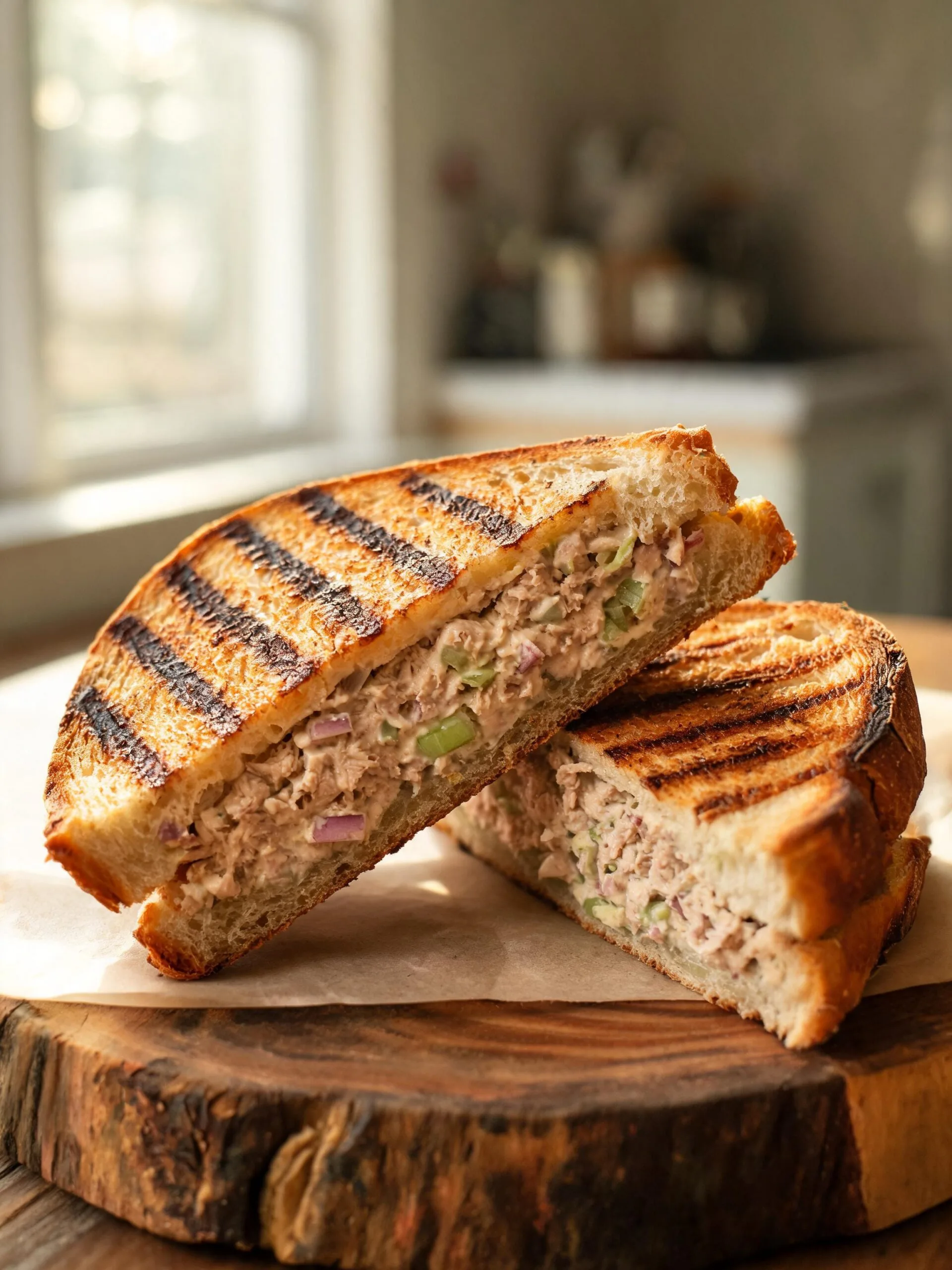
Some of the best things I’ve ever eaten didn’t come from a restaurant. They came from a tired afternoon, an almost-empty fridge, and a can of tuna. That’s honestly how this Best Ever Tuna Salad Sandwich came into my life, though I’ve also made a fantastic Panera tuna salad sandwich copycat on days when I’m craving something a little different. This particular version, however, was born from simple hunger, a little mayo, and bread that was one day away from being toast-only territory.
I grew up near the water. Tuna wasn’t some fancy thing in our house — it was Tuesday. It was after a long morning on the boat when nobody wanted to cook anything real. It was the sandwich my mom made without measuring a single thing, and somehow it tasted better than anything else she made all week. That easy tuna salad sandwich energy — that’s what I’ve been chasing ever since.
This recipe is nothing complicated. But it’s the kind of thing you’ll make once and then just keep coming back to, tweaking it slightly each time until it becomes yours too.
Why You’ll Love This Recipe
- It comes together in about 10 minutes — no cooking, no waiting, no stress. Just mix and eat.
- The flavor is actually balanced — creamy but not heavy, with just enough brightness from the lemon and a little crunch from the celery that makes every bite interesting.
- Anyone can make it — seriously, if you can open a can and stir things together, you’ve got this. No experience needed.
Quick Recipe Snapshot
Quick Recipe Snapshot
| ⏱ Prep Time | 10 minutes |
| 🍳 Cook Time | None |
| 🕐 Total Time | 10 minutes |
| 🍽 Servings | 4 sandwiches |
| 📊 Difficulty | Very Easy |
| 🌊 Style | Coastal Home Cooking |
Ingredients List
The Tuna Base
- 2 cans (5 oz each) chunk light tuna in water, drained well — water-packed gives you more control over the flavor
- 1/3 cup mayonnaise — full fat works best here, the sandwich needs that creaminess to hold together
- 1 tbsp Dijon mustard — just a little, it adds depth without taking over
- 1 tbsp fresh lemon juice — this is the thing that wakes the whole mix up
The Crunch and Texture
- 2 stalks celery, finely diced — about 1/2 cup, gives that satisfying bite
- 2 tbsp red onion, finely minced — if raw onion is too sharp for you, soak it in cold water for 5 minutes first
- 2 tbsp sweet pickle relish — this is the quiet secret ingredient most people skip and then wonder why their tuna salad tastes flat
Seasoning
- 1/4 tsp garlic powder
- Salt and black pepper to taste
- A small pinch of paprika — optional, but I always add it
For the Sandwich
- 8 slices good sandwich bread — sourdough or a soft white both work great
- Butter or mayo for spreading on the bread
- Lettuce leaves and tomato slices — optional but really good
Step-by-Step Instructions
- Drain the tuna properly. Open both cans and press the lid down hard to squeeze out as much liquid as possible. Wet tuna makes soggy sandwiches. Take the extra 30 seconds — it matters more than you think.
- Break up the tuna in a bowl. Use a fork and flake it apart until there are no big chunks. You want it a little textured, not completely mashed. Some people over-mash it and it turns into paste. Don’t do that.
- Add the mayo, mustard, and lemon juice. Stir it all together first before adding anything else. This way the tuna gets evenly coated and you can taste the base before you build on it.
- Fold in the celery, red onion, and pickle relish. Stir gently. You want those pieces to stay distinct so every bite has a little crunch in it.
- Season it. Add garlic powder, salt, pepper, and paprika. Taste it. Adjust. This is the part where you make it yours — a little more lemon, a little more mustard, whatever feels right.
- Let it sit for 5 minutes if you can. I know it’s hard when you’re hungry, but even just a few minutes in the fridge lets everything settle and the flavors come together a little better.
- Build the sandwich. Spread a thin layer of butter or mayo on the bread, pile on the tuna mix, add lettuce and tomato if you’re using them, and press the top slice down gently. Cut it diagonal. It tastes better that way. I don’t make the rules.
Small Tricks From Cooking Fish at Home
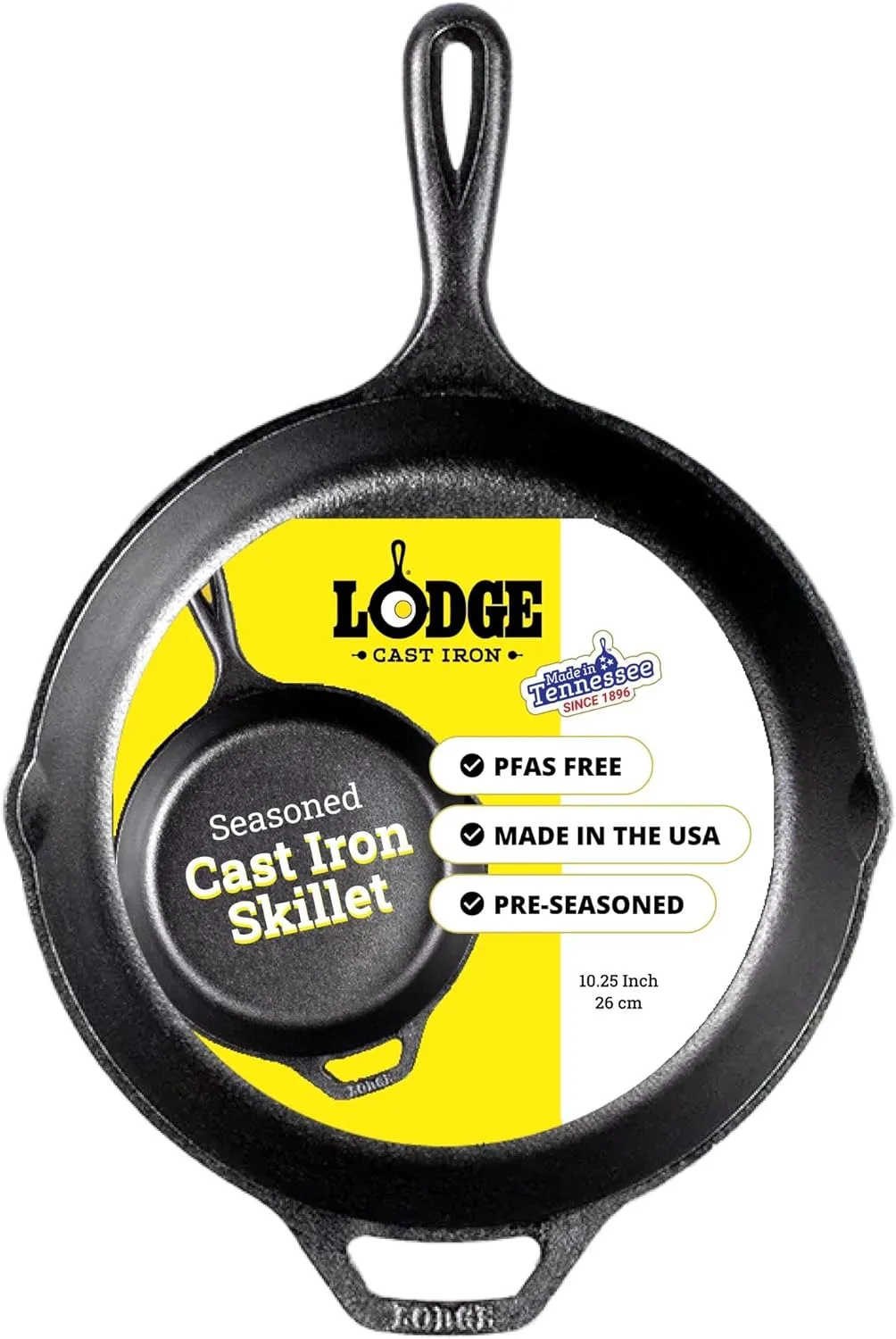
You know the tip about toasting the bread to prevent a soggy sandwich? That’s non-negotiable for me, and how you toast it makes a huge difference. I always reach for my Lodge Cast Iron Skillet. It gets incredibly hot and holds that heat evenly, giving the bread a perfect, golden-brown crust that a regular toaster just can’t match. A little butter in the skillet, and you’re not just toasting bread; you’re creating a foundation that can turn this simple sandwich into a world-class tuna melt.
This is one of those buy-it-for-life pieces of kitchen gear that you’ll use for everything. Click here to check the price and see why a great cast iron skillet is a game-changer.
Lodge 10.25 Inch Cast Iron Skillet with Assist Handle
✓ prime
We earn a commission if you make a purchase, at no additional cost to you.
The biggest thing I’ve learned about canned tuna — and this took me embarrassingly long to figure out — is that the brand actually matters. Some cans taste almost metallic right out of the tin. Others taste clean and mild. Once you find one you like, stick with it. It changes the whole sandwich.
My grandmother used to add a tiny splash of apple cider vinegar to her tuna mix instead of lemon juice. I tried it once out of curiosity and honestly it’s a little different but really good. Slightly more tangy, less bright. Worth trying if you’re out of lemons.
Don’t skip the resting time. I used to pile the tuna straight onto the bread and eat it immediately. It’s fine. But when you let it sit even just 5 minutes in the bowl, the mayo absorbs into the tuna a little and the whole texture smooths out. It’s a small thing that makes a noticeable difference.
One mistake I made early on — I used too much onion. Raw red onion is strong, and in a cold salad it can take over everything. Start with less than you think you need. You can always add more. You cannot take it back out.
Toast the bread if you’re not eating the sandwich right away. If you’re packing it for lunch or making it ahead, toasted bread holds up against the moisture in the tuna mix much better than soft bread does. Soggy sandwiches are a real tragedy.
Common Mistakes to Avoid
Not draining the tuna well enough. This is the number one reason tuna salad sandwiches turn into wet, falling-apart messes. Drain it, press it, drain it again. Be thorough.
Going too heavy on the mayo is something a lot of people do without realizing it. More mayo does not mean more flavor — it just means a heavier, greasier mix that coats your mouth in a way that isn’t pleasant. Start with less and add a little at a time.
Skipping the acid. Whether it’s lemon juice, a little vinegar, or even a splash of pickle brine — something acidic needs to be in there. Without it, the whole thing tastes flat and one-dimensional. The acid is what makes it taste alive.
Using bread that’s too thin or too soft. Tuna salad is heavy and moist. Flimsy bread collapses under it almost immediately. Go for something with a little structure — sourdough, a good white sandwich loaf, even a toasted English muffin if that’s what you have.
Variations and Serving Ideas
Spicy version: Mix in 1–2 teaspoons of sriracha or a few dashes of hot sauce into the mayo before combining. You can also add thin slices of pickled jalapeño on top of the sandwich. It changes the whole personality of it in a good way.
Mild and simple version: Skip the red onion and mustard entirely. Just tuna, mayo, celery, lemon, and a little salt. This is the version I make for kids or anyone who wants something clean and unfussy. It’s genuinely really good in its simplicity.
Coastal twist: Add 1 tablespoon of capers and a few thin slices of cucumber instead of tomato. Serve it open-faced on toasted sourdough with a little dill on top. It tastes like something you’d eat at a picnic table near the water, which is exactly the point.
What to Serve With
Kettle chips are the obvious answer and honestly the right one. That salty crunch next to the creamy tuna is a combination that just works. However, if you’re looking to turn this simple sandwich into a more substantial meal, a hearty side like shrimp and sausage dirty rice can make for a surprisingly delicious and filling pairing. But for a classic lunch, don’t overthink it—chips are perfect.
A simple green salad with a sharp vinaigrette cuts through the richness of the sandwich nicely. Something with arugula or even just romaine with lemon dressing keeps the meal feeling light instead of heavy.
Tomato soup if it’s cold outside. There’s something about a tuna salad sandwich and a bowl of warm tomato soup that feels deeply comforting in a way that’s hard to explain but easy to understand once you try it.
Sliced pickles on the side — or honestly just stacked right inside the sandwich — add that extra punch of brine that makes the whole thing more interesting.
Storage and Reheating
Keep the tuna salad mix in an airtight container in the fridge. It stays good for up to 3 days. After that the texture starts to get a little watery and the flavor fades. Don’t push it past 3 days with seafood — just don’t.
DO NOT freeze tuna salad. Mayo does not freeze well at all. It separates when it thaws and the texture becomes grainy and unpleasant. The whole thing falls apart. It’s not worth trying.
Store the tuna mix separately from the bread until you’re ready to eat. Pre-assembled sandwiches get soggy fast, especially if there’s tomato in there. Keep everything separate and build it fresh each time.
DO NOT leave tuna salad sitting out at room temperature for more than 2 hours. It’s a mayo-based seafood dish — it needs to stay cold. If you’re taking it somewhere, pack it with an ice pack.
FAQs (People Also Ask)
Can I use tuna in oil instead of water? Yes, but drain it really well and you might want to reduce the mayo slightly since oil-packed tuna is already richer. The flavor is a little deeper and more savory. Both work — it just depends on what you have.
How long does homemade tuna salad last in the fridge? Up to 3 days in a sealed container. After that the quality drops noticeably. With anything seafood-based I’d rather make a fresh batch than risk it.
Can I make this without mayo? You can swap mayo for Greek yogurt for a lighter version — it gives a similar creaminess with a little more tang. Avocado mashed in also works if you want something dairy-free and rich. The texture will be different but still really good.
Is canned tuna as good as fresh for this? For a sandwich like this, canned tuna is honestly ideal. Fresh tuna is better for grilling or searing. Canned has the right texture and absorbs the other flavors in a way that fresh cooked tuna doesn’t quite do the same way.
How hard is this recipe for a beginner? It’s genuinely one of the easiest things you can make. No heat, no timing, no technique. If you can stir things in a bowl, you can make this. It takes about 10 minutes start to finish.
Nutrition Facts
(Per serving. Estimates only, varies by exact ingredients used)
Conclusion
There’s a version of this sandwich I’ve eaten standing over the kitchen sink after a long morning on the water, still in damp clothes, not even bothering with a plate. That version tasted like the best thing in the world. Not because of anything fancy — just because it was exactly what was needed in that moment.
That’s what a simple homemade tuna salad sandwich can be. Not impressive. Not complicated. Just good, honest food that fills you up and reminds you that sometimes the simplest things are the ones that stick with you longest.
Make it once. You’ll see what I mean.
The Best Ever Tuna Salad Sandwich
Ingredients
- 2 cans (5 oz each) chunk light tuna in water, drained well
- 1/3 cup mayonnaise
- 1 tbsp Dijon mustard
- 1 tbsp fresh lemon juice
- 2 stalks celery, finely diced (about 1/2 cup)
- 2 tbsp red onion, finely minced
- 2 tbsp sweet pickle relish
- 1/4 tsp garlic powder
- Salt and black pepper to taste
- Small pinch of paprika
- 8 slices sandwich bread (sourdough or soft white)
- Butter or mayo for spreading on bread
- Lettuce leaves and tomato slices (optional)
Instructions
- Drain both cans of tuna thoroughly by pressing the lid firmly into the can to squeeze out as much liquid as possible. Transfer drained tuna to a medium mixing bowl.
- Use a fork to flake the tuna apart until no large chunks remain. Keep some texture — do not mash it into a paste.
- Add the mayonnaise, Dijon mustard, and fresh lemon juice to the bowl. Stir together until the tuna is evenly coated.
- Fold in the diced celery, minced red onion, and sweet pickle relish. Stir gently to keep the pieces intact.
- Season with garlic powder, salt, black pepper, and paprika. Taste and adjust seasoning as needed.
- Let the tuna salad rest in the refrigerator for 5 minutes to allow the flavors to come together.
- Spread a thin layer of butter or mayo on each slice of bread. Pile the tuna salad onto 4 slices, add lettuce and tomato if using, then top with the remaining bread slices. Cut diagonally and serve.