Introduction
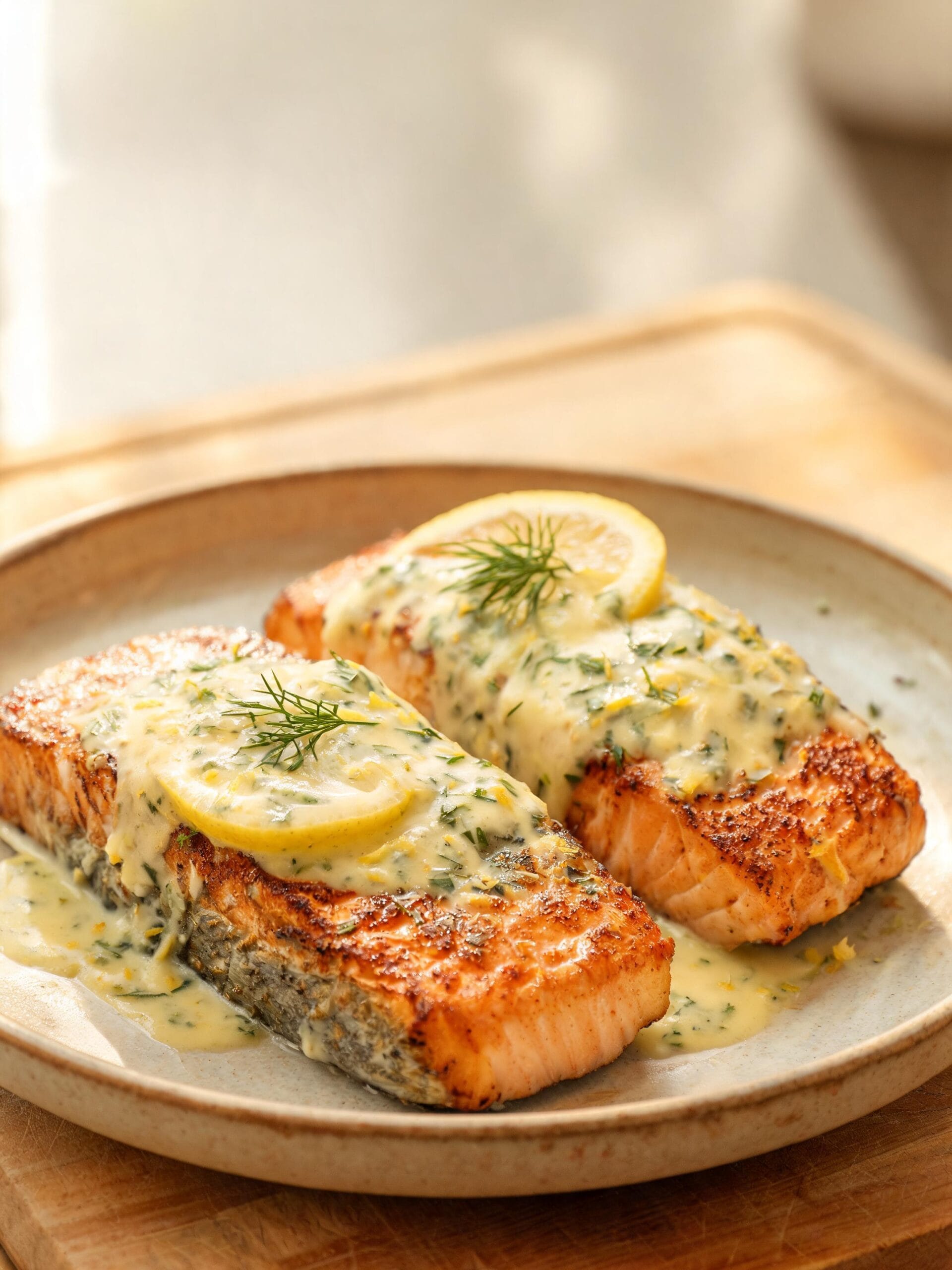
There’s a specific kind of evening that makes you want to cook something real. Not complicated — just real. The kind where the light is going golden outside and you’ve got a piece of salmon sitting in the fridge from the market run this morning, and you just know tonight is the night for it. That’s exactly how this Salmon with Lemon Dill Sauce came to be in my kitchen. Not from a cookbook or a cooking show, it’s just a simple, satisfying meal, much like our Best Buttery Chilean Sea Bass Recipe. It came from standing at the counter, a little tired, a little hungry, and knowing what I had.
I grew up near the water. My dad fished on weekends and my mom cooked whatever he brought back without much ceremony. No fancy sauces. No plating. Just fish, something bright and acidic to cut through it, and whatever herbs were alive in the garden. Dill was always there. Lemon was always there. And salmon — well, salmon was the fish that made everyone at the table actually stop talking for a minute.
This easy salmon with lemon dill sauce is that same idea. Simple enough for a Tuesday. Good enough to feel like you did something right.
Why You’ll Love This Recipe
- It comes together fast — we’re talking 30 minutes start to finish, which on a weeknight feels like a gift.
- The sauce is genuinely good — not just coating the fish, but actually making it taste like something you’d order somewhere and then try to recreate at home.
- You don’t need to know much about cooking fish — if you’ve ever been nervous about overcooking salmon, this recipe walks you through it in a way that actually makes sense.
Quick Recipe Snapshot
Recipe: Salmon with Lemon Dill Sauce
Serves: 4
Prep Time: 15 minutes
Cook Time: 20 minutes
Total Time: 35 minutes
Skill Level: Beginner-friendly
Best For: Weeknight dinner, easy lunch, coastal home cooking
Flavor Profile: Bright, creamy, herby, slightly tangy
Main Equipment: Skillet or oven-safe pan, small saucepan
Ingredients List
For the Salmon:
- 4 salmon fillets (about 6 oz each) — skin-on holds together better in the pan
- 1 tablespoon olive oil
- 1 teaspoon salt
- ½ teaspoon black pepper
- ½ teaspoon garlic powder
- 1 lemon, sliced thin — for cooking alongside the fish
For the Lemon Dill Sauce:
- 2 tablespoons unsalted butter — this is what makes the sauce feel rich without being heavy
- 2 garlic cloves, minced
- ½ cup heavy cream
- 3 tablespoons fresh lemon juice — fresh only, bottled just doesn’t taste the same here
- 1 teaspoon lemon zest
- 2 tablespoons fresh dill, chopped — dried works in a pinch but fresh dill has that grassy brightness that makes this sauce
- Salt and pepper to taste
Step-by-Step Instructions
- Pat the salmon dry. This one matters more than people think. Wet fish steams instead of sears. Use paper towels and press gently on both sides. Season with salt, pepper, and garlic powder.
- Heat your pan. Get a skillet over medium-high heat and add the olive oil. Let it get hot — not smoking, but shimmering. You’ll know it’s ready when a drop of water flicks off immediately.
- Sear the salmon skin-side down first. Lay the fillets in carefully, away from you. Press down lightly with a spatula for the first 30 seconds so the skin makes full contact. Cook for about 4–5 minutes without touching it. The skin should release naturally when it’s ready.
- Flip and finish. Turn the fillets over and cook another 3–4 minutes depending on thickness. The fish is done when it flakes at the thickest part and the color has changed from translucent to opaque. Pull it off the heat and let it rest on a plate while you make the sauce. (I usually cover it loosely with foil — it keeps cooking a little and that’s fine.)
- Make the lemon dill sauce. In a small saucepan over medium-low heat, melt the butter. Add the garlic and let it go for about a minute — just until it smells good, not until it browns. Pour in the heavy cream and stir. Let it simmer gently for 2–3 minutes until it thickens slightly.
- Add the lemon and dill. Stir in the lemon juice, zest, and fresh dill. Taste it. Adjust salt and pepper. The sauce should taste bright and a little creamy — if it feels too rich, add a little more lemon juice. If it feels too sharp, a tiny pinch of sugar evens it out.
- Plate and pour. Set the salmon on plates and spoon the sauce over the top. Don’t drown it — just enough to coat. Serve immediately.
Chef’s Pro Tips for Success
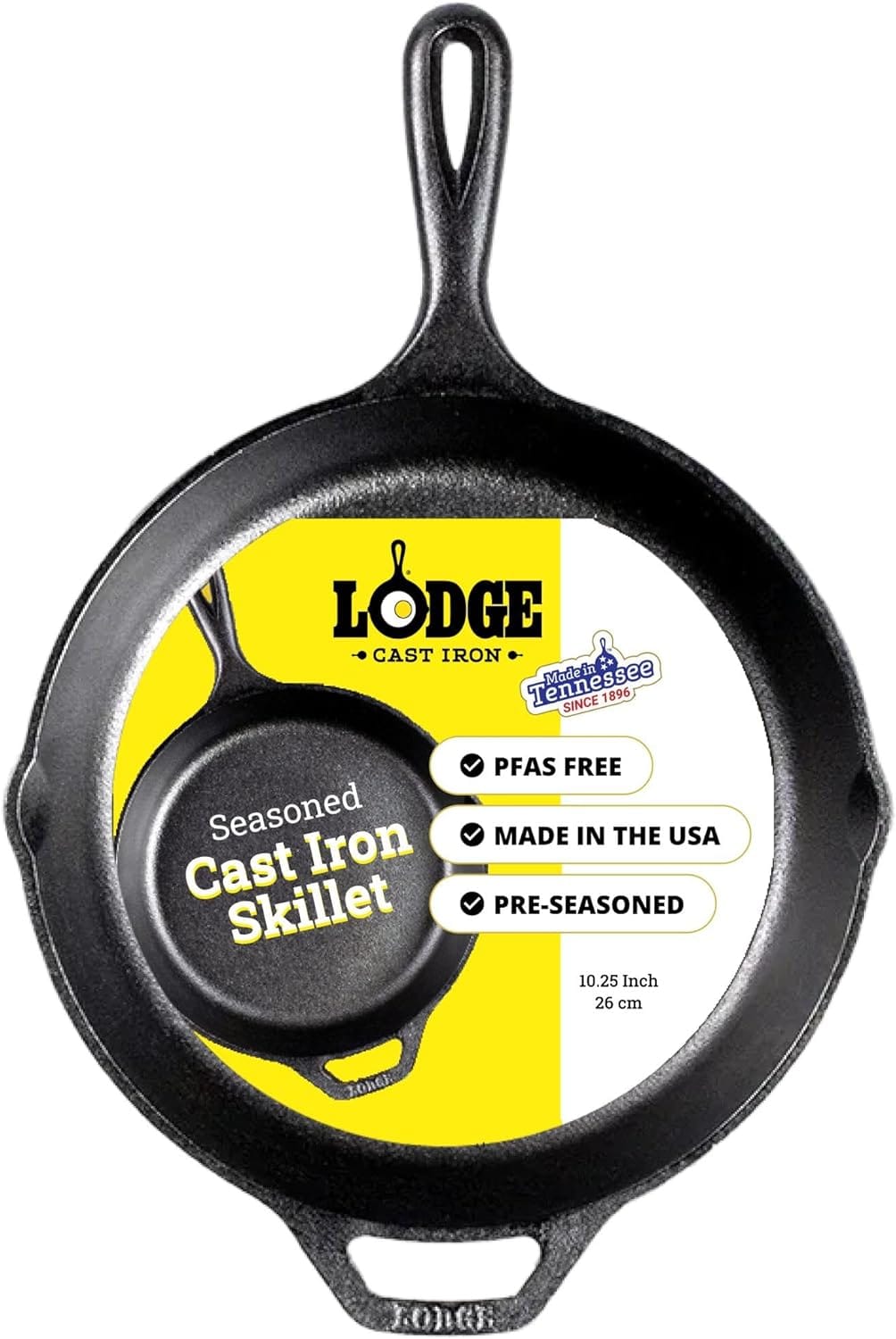
Speaking of the right pan, getting that perfect, crispy skin without it sticking is the biggest challenge for most home cooks. For years, I’ve relied on my Lodge Cast Iron Skillet for this very reason. It holds heat like nothing else, giving you an intensely hot, even surface that sears the salmon skin beautifully and helps it release naturally. It’s the difference between a flaky, perfect fillet and a frustrating mess. This is the single most important tool in my kitchen for getting seafood right.
If you’re ready to stop worrying about sticking and start searing like a pro, this is the skillet you need.
Lodge 10.25 Inch Cast Iron Skillet with Assist Handle
✓ prime
We earn a commission if you make a purchase, at no additional cost to you.
The biggest thing I learned the hard way: salmon needs to come out of the fridge at least 10–15 minutes before you cook it. Cold fish in a hot pan means the outside cooks too fast before the inside catches up. I ruined a few good fillets before someone on the dock told me that.
Don’t move the fish around. Once it’s in the pan, leave it. Every time you poke at it or try to peek underneath, you’re breaking the crust and pulling the flesh apart. Trust the heat. It’ll tell you when it’s ready by releasing from the pan on its own.
Fresh dill wilts fast. Add it to the sauce right at the end — not while it’s still simmering hard. If you cook dill too long it loses that fresh, almost grassy flavor that makes this sauce worth making.
If your sauce breaks and looks greasy or separated, it usually means the heat was too high. Pull it off the burner, let it cool for 30 seconds, then stir in a small splash of cream. It usually comes back together.
Skin-on salmon is more forgiving. The skin acts like a little buffer between the flesh and the heat. Even if you slightly overcook it, the skin-on side stays more protected. I almost always buy skin-on for home cooking.
Common Mistakes to Avoid
Cooking salmon straight from the fridge. Already mentioned it above but it’s worth saying again because it genuinely changes the result. Cold center, overcooked outside. Give it a few minutes on the counter first.
Using bottled lemon juice in the sauce. I know it’s easier. But the flavor is flatter and slightly bitter in a way that doesn’t work here. The whole point of this sauce is brightness, and fresh lemon is where that comes from. Even one lemon is enough.
Overcrowding the pan. If you’re cooking four fillets and your pan is small, do them in two batches. Crowded fish steams instead of sears and you lose that slightly crispy edge that makes the texture so satisfying against the creamy sauce.
Pouring the sauce on too early and then reheating. The sauce doesn’t reheat well once it’s on the fish. Make the sauce fresh, pour it right before serving. If you’re making this ahead, keep the sauce separate until the last minute.
Variations and Serving Ideas
Spicy version: Add a pinch of red pepper flakes to the butter when you’re starting the sauce. Not a lot — just enough to feel it at the back of your throat. It plays really well against the lemon.
Mild version: Skip the garlic or use garlic-infused olive oil instead of raw minced garlic. The sauce stays gentle and works well for anyone who finds garlic too sharp.
Coastal twist: Finish the plate with a few capers scattered over the top and a little extra lemon zest. It’s the kind of thing you’d eat at a little seafood shack right off the water — simple but feels like somewhere.
What to Serve With
Roasted potatoes work really well here. Something about the crispy edges of a roasted potato against the soft, flaky salmon and creamy sauce just makes sense. Especially if you season the potatoes with a little dill too.
A simple green salad with a sharp vinaigrette cuts through the richness of the sauce nicely. Nothing fancy — arugula, a squeeze of lemon, olive oil, salt. Done. If you’re looking for a more substantial side, our easy stuffed mushrooms with crab and cheese are a fantastic pairing with seafood.
Steamed rice is the easy call if you want something neutral that soaks up the sauce. White rice especially. It lets the salmon stay the main thing without competing.
Asparagus or green beans roasted in the oven while the salmon cooks on the stove makes the whole meal come together without much extra effort. That’s the kind of timing that makes weeknight cooking feel manageable.
Storage and Reheating
Leftover salmon keeps in the fridge for up to 2 days in an airtight container. After that it starts to smell more than it tastes, and that’s not a good trade.
The sauce separates when cold. That’s just what cream sauces do. You can reheat it gently in a small pan over low heat with a splash of cream stirred in, and it usually comes back. DO NOT microwave the sauce on high — it breaks completely and turns greasy.
For the salmon itself, reheat it low and slow. A covered pan over low heat with a tiny splash of water works better than the microwave. DO NOT blast it on high heat — overcooked reheated salmon is one of the saddest things in a home kitchen. If anything, eat leftover salmon cold on top of a salad. It’s actually really good that way.
FAQs (People Also Ask)
Can I use frozen salmon for this recipe?
Yes, but thaw it completely first and pat it very dry before cooking. Frozen salmon releases more water as it cooks, which can make searing harder. Fresh is always better if you have access to it, but a good quality frozen fillet works fine.
How do I know when the salmon is done?
The flesh should flake easily when you press it gently with a fork at the thickest part. The color changes from deep pink and translucent to a lighter, more opaque pink all the way through. If you have a thermometer, 125–130°F is medium, 145°F is fully cooked through.
Can I substitute the heavy cream in the sauce?
Half-and-half works if that’s what you have — the sauce will be a little thinner but still good. Coconut cream is an option if you’re dairy-free, though it changes the flavor profile noticeably. I wouldn’t use milk — it’s too thin and tends to break when you add the lemon juice.
How long does this take from start to finish?
Realistically, about 30–35 minutes. Prep is maybe 15 minutes if you’re moving at a normal pace. Cooking is another 20. It’s genuinely a quick weeknight dinner.
Can I make the sauce ahead of time?
You can make it up to an hour ahead and keep it warm on very low heat, stirring occasionally. I wouldn’t make it the day before — cream sauces with fresh herbs don’t hold well overnight. The dill especially loses its brightness.
Nutrition Facts
(Per serving. Estimates only, varies by exact ingredients used)
Conclusion
Some recipes stick around not because they’re impressive but because they’re honest. This homemade salmon with lemon dill sauce is that kind of recipe. It doesn’t ask much from you. A hot pan, a fresh piece of fish, a little butter and lemon and dill — and suddenly dinner feels like something worth sitting down for.
My mom never called what she cooked a recipe. She just cooked. And somehow the food always tasted like it came from somewhere real. I think about that every time I make this. The sauce goes on, the fish flakes apart, and for a few minutes the kitchen smells like the coast and something good is happening.
That’s enough.

Salmon with Lemon Dill Sauce
Ingredients
- 4 salmon fillets (about 6 oz each), skin-on
- 1 tablespoon olive oil
- 1 teaspoon salt
- 1/2 teaspoon black pepper
- 1/2 teaspoon garlic powder
- 1 lemon, sliced thin
- 2 tablespoons unsalted butter
- 2 garlic cloves, minced
- 1/2 cup heavy cream
- 3 tablespoons fresh lemon juice
- 1 teaspoon lemon zest
- 2 tablespoons fresh dill, chopped
- Salt and pepper to taste
Instructions
- Pat the salmon fillets completely dry with paper towels. Season both sides with salt, pepper, and garlic powder.
- Heat olive oil in a skillet over medium-high heat until shimmering but not smoking.
- Place salmon skin-side down in the pan. Press gently with a spatula for the first 30 seconds. Cook 4–5 minutes without moving.
- Flip the fillets and cook another 3–4 minutes until the fish flakes easily and is opaque throughout. Remove to a plate and cover loosely with foil.
- In a small saucepan over medium-low heat, melt the butter. Add minced garlic and cook for 1 minute until fragrant.
- Pour in the heavy cream and stir. Simmer gently for 2–3 minutes until slightly thickened.
- Stir in lemon juice, lemon zest, and fresh dill. Season with salt and pepper to taste.
- Spoon the lemon dill sauce over the rested salmon fillets and serve immediately.