Introduction
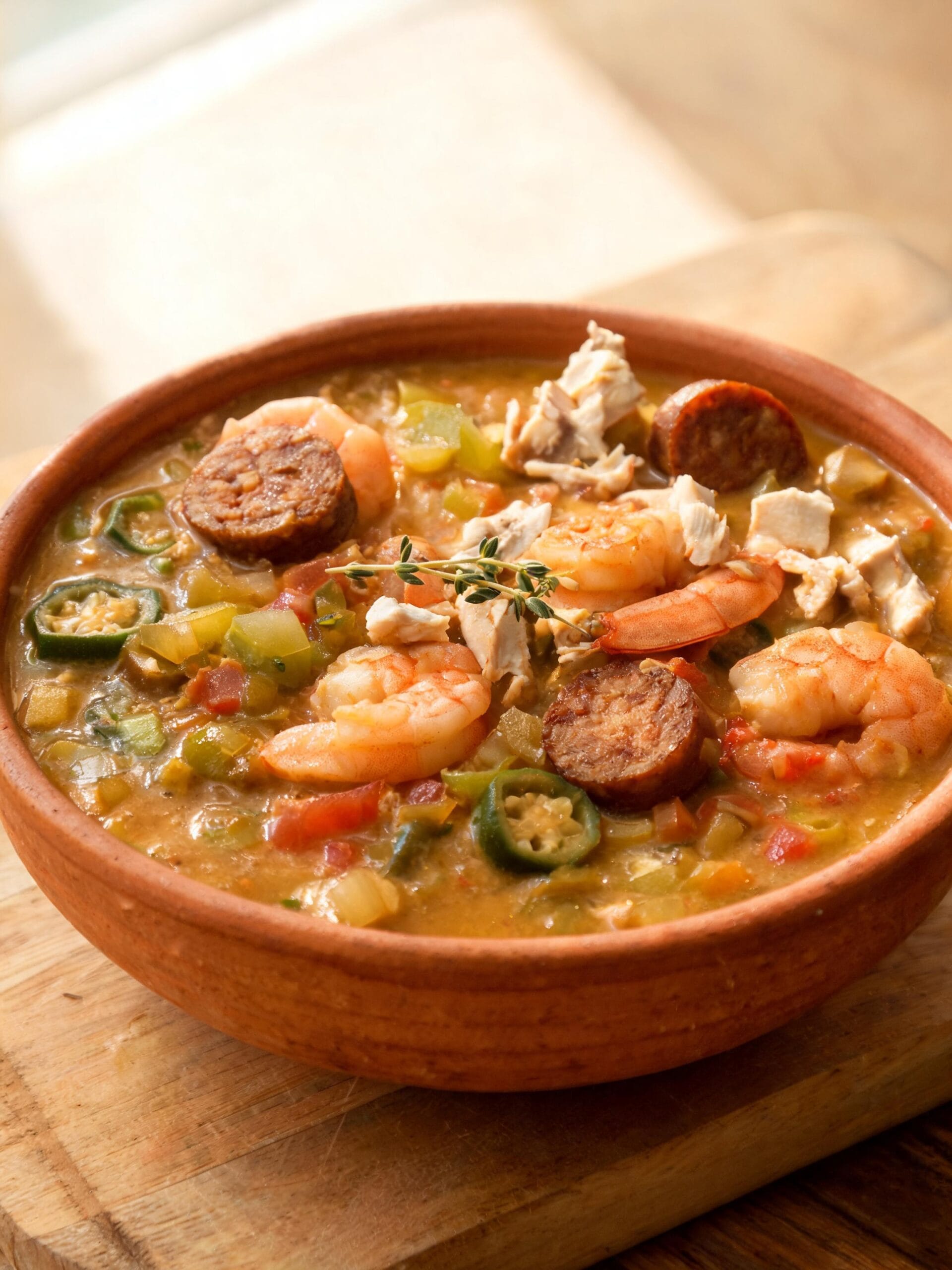
I still remember the first time I made a seafood gumbo recipe easy enough to actually finish on a Tuesday night. It was late fall, the kind of evening where the salt air comes in cold off the water and you just want something warm sitting heavy in a bowl. I had shrimp in the freezer from a trip two weeks before, some crab legs I’d been saving (perfect for gumbo or even an easy seafood boil), and half a bag of okra that wasn’t going to last another day.
I wasn’t trying to impress anyone. I was just trying to feed myself and not let good seafood go to waste.
That bowl ended up being one of the best things I’ve ever made at home. Not because I did anything fancy. Because I didn’t. This homemade seafood gumbo recipe easy enough for a tired weeknight is exactly what coastal cooking is supposed to be — honest, filling, and built around whatever the water gave you.
Why You’ll Love This Recipe
- It comes together fast — once your roux is done, the whole pot moves quickly. You’re not standing over the stove for hours.
- The flavor is deep and real — that dark roux with the holy trinity of onion, celery, and bell pepper builds something that tastes like it’s been simmering all day.
- You don’t need a culinary background — if you can stir a pot and not walk away from it, you can make this.
Quick Recipe Snapshot
At a Glance
| Prep Time | 15 minutes |
| Cook Time | 35 minutes |
| Total Time | 50 minutes |
| Servings | 4 |
| Difficulty | Easy |
| Best For | Weeknight dinner, cold evenings, coastal gatherings |
Ingredients List
The Seafood
- 1 lb large shrimp, peeled and deveined — fresh off the boat is best, but thawed frozen works fine
- 1/2 lb lump crab meat — adds sweetness and body to the broth
- 1/2 lb andouille sausage, sliced — not seafood, but it belongs here, trust me
The Roux Base
- 1/2 cup all-purpose flour
- 1/2 cup vegetable oil — this is your foundation, don’t rush it
The Holy Trinity
- 1 medium yellow onion, diced
- 3 stalks celery, chopped
- 1 green bell pepper, diced
- 4 cloves garlic, minced
Everything Else
- 1 can (14.5 oz) diced tomatoes
- 4 cups seafood stock or chicken broth — seafood stock deepens the flavor considerably
- 1 1/2 cups frozen or fresh okra, sliced — this is what thickens things naturally
- 2 teaspoons Cajun seasoning
- 1 teaspoon smoked paprika
- 1/2 teaspoon dried thyme
- 1/2 teaspoon black pepper
- Salt to taste
- 2 bay leaves
- Cooked white rice, for serving
- Fresh parsley or green onion, for topping
Step-by-Step Instructions
- Make the roux. In a large heavy-bottomed pot or Dutch oven, heat the oil over medium heat. Add the flour and stir constantly. Don’t stop stirring. This is the one part of this whole recipe that asks something of you. Keep going until the roux turns a deep brown color — like dark chocolate or strong coffee. It takes about 15 to 20 minutes. If it smells a little nutty and rich, you’re on the right track.
- Add the trinity. Toss in the onion, celery, and bell pepper. Stir them into the roux and let them cook down for about 5 minutes. The vegetables will soften and pick up all that dark, roasted flavor from the roux. Add the garlic and stir for another minute.
- Brown the sausage. Push the vegetables to the side a little and drop in the andouille slices. Let them get a little color — maybe 3 minutes. This step adds a smoky depth that carries through the whole pot.
- Build the broth. Pour in the stock slowly, stirring as you go so the roux incorporates smoothly. Add the diced tomatoes, okra, bay leaves, Cajun seasoning, paprika, thyme, and black pepper. Stir everything together and bring it up to a gentle simmer.
- Simmer low. Let the gumbo cook uncovered on medium-low for about 15 minutes. The okra will break down and thicken things up. The broth will darken. It’ll start smelling like something real. (This is usually when I pour myself something cold and just stand there for a minute.)
- Add the seafood last. Drop in the shrimp and crab meat. Stir gently. Cook for just 4 to 5 minutes — until the shrimp curl and turn pink. Pull it off the heat immediately. Seafood doesn’t need long. It just needs enough.
- Taste and adjust. Add salt if needed. Remove the bay leaves. Serve over white rice with a handful of parsley or sliced green onion on top.
Small Tricks From Cooking Fish at Home
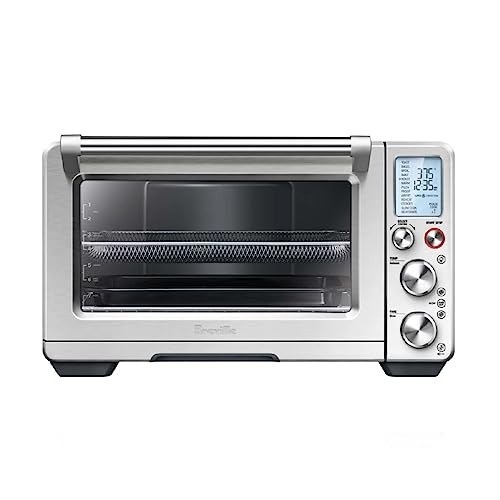
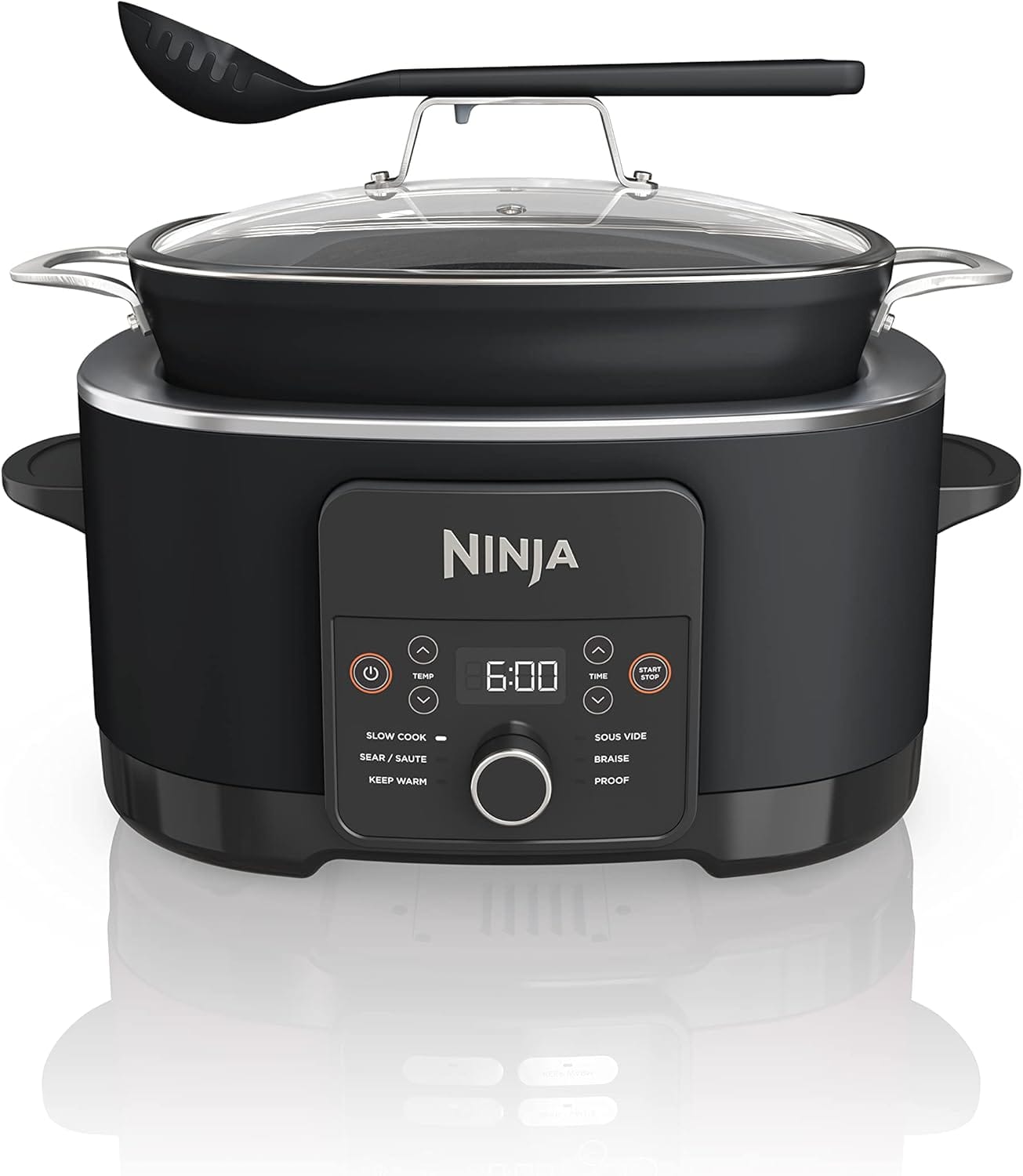
I’ve made gumbo in every pot imaginable, but the game changer for me has been consistency, especially with that all-important roux. For that, I trust my Ninja Foodi PossibleCooker. It maintains a perfectly steady, even heat that lets me develop that deep, nutty brown color without any scorching hotspots. It’s got the power to sear the andouille beautifully, and the capacity to let everything simmer together perfectly. It’s my one-pot secret weapon for a flawless gumbo.
If you want to take all the guesswork out of one-pot meals and guarantee incredible results, this is the piece of equipment I recommend. See for yourself why it’s earned a permanent spot on my stovetop.
Ninja MC1001 Foodi PossibleCooker PRO 8.5 Quart Multi-Cooker
✓ prime
We earn a commission if you make a purchase, at no additional cost to you.
The roux is the whole personality of this dish. I burned my first three attempts before I figured out that medium heat — not high — is what you want. High heat moves too fast and you end up with something bitter and black instead of that deep, nutty brown you’re after.
Okra gets a bad reputation. People think it’s slimy and they skip it. But in gumbo, that sliminess is actually doing work — it thickens the broth in a way that flour alone can’t replicate. If you slice it thin and let it cook long enough, most of that texture disappears into the pot.
I learned the hard way that shrimp go in last. I used to add them early because I thought they needed more time. They don’t. Overcooked shrimp turn rubbery and sad and they lose that sweet, clean flavor that makes them worth using in the first place.
Seafood stock makes a real difference here. I save shrimp shells in a zip bag in the freezer and simmer them with water, a bay leaf, and some onion scraps when I have enough. Takes 20 minutes and turns into something that makes the gumbo taste like it came from somewhere close to the water.
Don’t skip the andouille. I know it’s not seafood, but the smokiness it brings is part of what makes this taste like gumbo and not just seafood soup. If you can’t find andouille, smoked kielbasa is a decent backup.
Common Mistakes to Avoid
Walking away from the roux. I know it’s boring to stand there and stir for 20 minutes. But the moment you step away to check your phone, it burns. And a burned roux means starting over — there’s no saving it once it goes bitter.
Adding the seafood too early is probably the most common thing that goes wrong. The shrimp only need a few minutes. If you add them when you add the stock and let them simmer for 20 minutes, you’ll end up with something chewy and disappointing. Patience in the early stages, then quick at the end.
Using too much Cajun seasoning without tasting first. Different brands have wildly different salt levels. I’ve made this too salty before by just dumping in the full amount without checking. Season in layers. Taste as you go.
Skipping the simmer time after adding the broth. Some people get impatient and add the seafood right away. But those 15 minutes of simmering are when the okra breaks down, the flavors marry, and the broth becomes something worth eating. Don’t rush that part.
Variations and Serving Ideas
Spicy version: Add a diced jalapeño with the trinity, bump the Cajun seasoning up by half a teaspoon, and stir in a few dashes of hot sauce right at the end. If you want real heat, a pinch of cayenne goes in with the dry spices.
Mild version: Use a mild Cajun seasoning or make your own blend with just paprika, garlic powder, onion powder, and a little thyme. Skip the andouille and use smoked turkey sausage instead. Still deeply flavorful, just gentler.
Coastal twist: Add a handful of clams or mussels in the last few minutes alongside the shrimp. They steam open in the hot broth and bring a briny, oceanic edge that makes the whole bowl taste like you’re eating it somewhere near the water with salt air coming through a screen door.
What to Serve With
White rice is non-negotiable for me. The gumbo soaks into it and the rice soaks up the broth and together they become one thing. Long grain works best — it stays a little separate and doesn’t turn to mush. If you’re planning a full meal, consider starting with some simple seafood appetizers before bringing out the main course.
Cornbread on the side. The sweetness of a good homemade cornbread cuts through the richness of the gumbo in a way that nothing else really does. Even the boxed kind, toasted in a cast iron pan with a little butter, does the job.
A simple green salad with something acidic — lemon vinaigrette, a little pickled onion. The gumbo is rich and heavy and having something crisp and bright alongside it keeps the meal from feeling like too much.
Cold beer. That’s not a suggestion, that’s just the rule.
Storage and Reheating
Gumbo actually gets better the next day. The flavors settle in overnight and what you pull out of the fridge on day two is usually richer and more developed than what you ate the night you made it. Store it in an airtight container in the fridge for up to 3 days.
DO NOT store the rice mixed into the gumbo. Keep them separate. Rice sitting in liquid overnight turns into a bloated, textureless mess that ruins the whole thing.
To reheat, warm it slowly on the stovetop over medium-low heat. Add a small splash of broth or water if it’s thickened too much overnight. Stir gently so you don’t break up the crab or shrimp more than necessary.
DO NOT microwave it on high. The shrimp will overcook in the microwave and turn rubbery. Low power, short bursts, stirring in between — or just use the stove.
Freezing works, but know that the shrimp texture changes a little after freezing and thawing. It’s still good, just slightly softer. If you know you’re making a batch to freeze, consider slightly undercooking the shrimp before freezing so they don’t go too far when reheated.
FAQs (People Also Ask)
Can I use frozen shrimp? Yes, and honestly I do it all the time. Just make sure they’re fully thawed and patted dry before they go into the pot. Excess water from frozen shrimp can dilute the broth if you’re not careful.
How long does seafood gumbo keep in the fridge? Up to 3 days stored properly in an airtight container. After that the seafood starts to lose its texture and the flavor gets a little off. I wouldn’t push it past day three.
How do I know when the shrimp are done? When they curl into a loose C shape and turn pink all the way through, they’re done. If they curl into a tight O shape, they’ve gone too far. It’s a small window — usually 4 to 5 minutes in a hot broth.
Can I substitute the crab meat? Yes. More shrimp works fine. Some people use scallops, which add a sweet, buttery note. Crawfish tails are a classic Gulf Coast swap if you can find them. Even firm white fish like catfish cut into chunks holds up well in the broth.
Is this recipe hard for beginners? The roux is the only part that takes real attention. Everything else is pretty forgiving. If you can make the roux without burning it, the rest of the recipe comes together easily. I’d say it’s a confident beginner recipe — not a first-time-ever-cooking recipe, but definitely not complicated.
Can I make this ahead of time? You can make the base — roux, trinity, sausage, broth, okra — a day ahead and refrigerate it. Then reheat the base and add the seafood fresh right before serving. That’s actually a smart move for dinner parties. The base holds well. The seafood should always go in fresh and last minute.
Nutrition Facts
(Per serving. Estimates only, varies by exact ingredients used)
Conclusion
There’s something about a pot of gumbo that feels like it belongs to a specific kind of evening. The ones where the light is going and the air smells like salt and you’re not trying to make anything impressive — you’re just trying to make something good.
That first bowl I made on that cold fall night is still the one I measure everything else against. Not because it was perfect. It wasn’t. But it was real, and it came from a place of just using what I had and trusting the process.
This is that recipe. Exactly that.
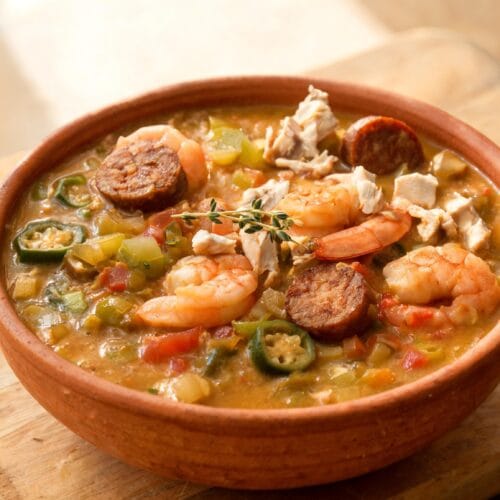
Easy Coastal Seafood Gumbo
Ingredients
- 1 lb large shrimp, peeled and deveined
- 1/2 lb lump crab meat
- 1/2 lb andouille sausage, sliced
- 1/2 cup all-purpose flour
- 1/2 cup vegetable oil
- 1 medium yellow onion, diced
- 3 stalks celery, chopped
- 1 green bell pepper, diced
- 4 cloves garlic, minced
- 1 can (14.5 oz) diced tomatoes
- 4 cups seafood stock or chicken broth
- 1 1/2 cups frozen or fresh okra, sliced
- 2 teaspoons Cajun seasoning
- 1 teaspoon smoked paprika
- 1/2 teaspoon dried thyme
- 1/2 teaspoon black pepper
- Salt to taste
- 2 bay leaves
- Cooked white rice, for serving
- Fresh parsley or green onion, for topping
Instructions
- In a large heavy-bottomed pot, heat the oil over medium heat. Add the flour and stir constantly for 15 to 20 minutes until the roux turns a deep dark brown color like dark chocolate. Do not walk away.
- Add the diced onion, celery, and bell pepper to the roux. Stir and cook for 5 minutes until softened. Add the minced garlic and stir for 1 more minute.
- Push the vegetables to the side and add the andouille sausage slices. Let them brown lightly for about 3 minutes, stirring occasionally.
- Slowly pour in the seafood stock while stirring to incorporate the roux smoothly. Add the diced tomatoes, okra, bay leaves, Cajun seasoning, smoked paprika, thyme, and black pepper. Stir everything together.
- Bring the pot to a gentle simmer over medium-low heat and cook uncovered for 15 minutes, letting the okra break down and the broth deepen in flavor.
- Add the shrimp and crab meat. Stir gently and cook for 4 to 5 minutes until the shrimp are pink and curled. Remove from heat immediately.
- Taste and adjust salt as needed. Remove the bay leaves. Serve over white rice topped with fresh parsley or sliced green onion.