Introduction
It was one of those evenings where the salmon was already thawed, the rice cooker was still warm from lunch, and I had absolutely no plan. That’s honestly how this Spicy Salmon Sushi Bake happened the first time. Not from a recipe or a cooking show, much like my quest to perfect a creamy Panera tuna salad sandwich. It came from just standing in the kitchen in damp socks, staring into the fridge, and deciding to wing it.
I’d had sushi bakes floating around in my head for a while — seen them on a few screens, thought they looked like something I could actually pull off without a culinary degree or a mandoline slicer. And I was right. This easy Spicy Salmon Sushi Bake turned out to be one of those meals that makes you feel like you did something impressive without really trying that hard.
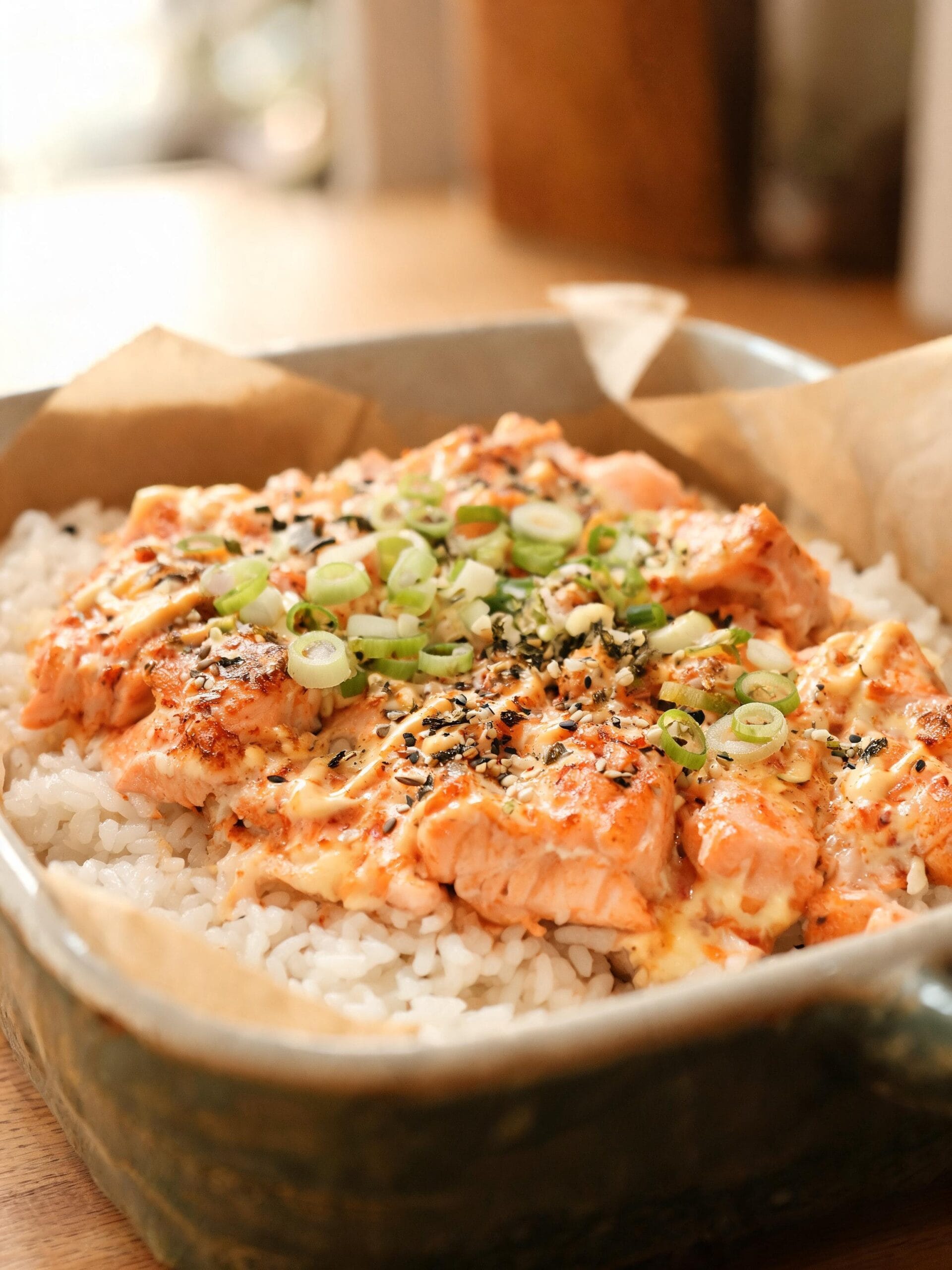
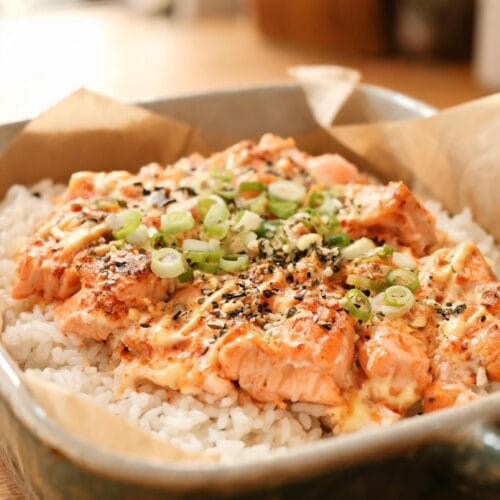
The salmon gets flaky and rich. The spicy mayo layer on top gets a little golden and bubbly. And the whole thing scooped onto a crispy nori sheet? That first bite hits something deep. Something coastal. Something that tastes like the water is close by, even if you’re eating it at a kitchen table in the middle of a Tuesday.
Why You’ll Love This Recipe
- It comes together fast — rice, salmon, a few pantry sauces, and 20 minutes in the oven. That’s genuinely it.
- The flavor is bold without being complicated — spicy, creamy, a little tangy, and the salmon keeps it grounded and real.
- You don’t need any special skills — if you can mix things in a bowl and spread them on rice, you’ve got this completely handled.
Quick Recipe Snapshot
Recipe: Spicy Salmon Sushi Bake
Serves: 4
Prep Time: 15 minutes
Cook Time: 20 minutes
Total Time: 35 minutes
Difficulty: Easy — beginner friendly
Best For: Weeknight dinner, casual lunch, feeding a small group
Key Flavors: Spicy, creamy, savory, slightly sweet
What You’ll Need: Baking dish, mixing bowl, rice cooker or pot, oven
Ingredients List
For the Rice Base:
- 2 cups cooked short-grain white rice — still warm if possible, it holds together better
- 2 tablespoons rice vinegar — gives the rice that subtle sushi-style tang
- 1 tablespoon sugar
- 1 teaspoon salt
For the Salmon Layer:
- 1 lb fresh or thawed salmon fillet — skin removed, roughly chopped or flaked
- 4 oz cream cheese, softened — this is what makes the topping creamy and a little indulgent
- 3 tablespoons mayonnaise — Kewpie mayo if you have it, regular works fine too
- 2 tablespoons sriracha — adjust up or down based on how much heat you actually want
- 1 tablespoon soy sauce
- 1 teaspoon sesame oil — just a little goes a long way here
- 2 green onions, sliced — half for the mix, half saved for the top
For Serving:
- Nori sheets or seaweed snack sheets — for scooping, this is the best part
- Sliced avocado — optional but honestly worth it
- Furikake seasoning — sprinkle on top before baking, adds a nutty toasted flavor
- Extra sriracha or spicy mayo for drizzling
Step-by-Step Instructions
- Get your oven going. Preheat to 400°F. Grab a 9×13 baking dish and give it a light spray or wipe of oil so nothing sticks to the bottom.
- Season the rice. Mix the warm cooked rice with rice vinegar, sugar, and salt. Stir it gently — you want it seasoned all the way through but not mushy. Press it into an even layer in the bottom of your baking dish.
- Make the salmon mixture. In a bowl, combine the chopped raw salmon, softened cream cheese, mayo, sriracha, soy sauce, sesame oil, and half your green onions. Mix it until it’s well combined and creamy. It’ll look a little rough and that’s fine — this isn’t a sushi restaurant, it’s your kitchen.
- Layer it on. Spread the salmon mixture evenly over the rice. Don’t press too hard. Just let it sit on top in a generous, slightly uneven layer.
- Add the furikake. Sprinkle a good amount of furikake over the top before it goes in the oven. This is one of those steps that seems small but makes a real difference in flavor and texture once it bakes.
- Bake it. Slide the dish into the oven and bake for 18 to 20 minutes. You’re looking for the top to get slightly golden and the edges to bubble just a little. The salmon will cook through in the oven — you don’t need to pre-cook it. (I did pre-cook it the first time out of habit. Totally unnecessary and it dried out a bit. Skip that step.)
- Finish and serve. Pull it out, scatter the remaining green onions over the top, drizzle with extra spicy mayo if you want, and bring the whole dish to the table with a pile of nori sheets on the side. Let people scoop it themselves. That’s the whole vibe.
Small Tricks From Cooking Fish at Home
One of the biggest anxieties in a dish like this is knowing when the salmon is perfectly cooked through—not underdone, but definitely not dry. To take all the guesswork out, I rely on a good wireless meat thermometer. I just stick the probe into the thickest part of the salmon layer before it goes in the oven, and my phone tells me the exact moment it hits that perfect 145°F. It’s my secret weapon for guaranteeing that flaky, juicy texture every single time without ever having to slice into it and check.
Stop guessing and start getting perfectly flaky salmon every single time. This is the single best tool for guaranteeing your bakes, roasts, and grills are never underdone or dry again.
ThermoMaven Smart Wireless Meat Thermometer
✓ prime
We earn a commission if you make a purchase, at no additional cost to you.

Warm rice sticks together better than cold rice when you’re pressing it into the pan. If your rice has been sitting in the fridge, give it a quick minute in the microwave with a splash of water before you use it. Cold rice tends to crack and fall apart when you try to scoop it later.
Don’t skip the sesame oil. I know it seems like a tiny amount and easy to leave out, but it adds this background warmth that you’d notice missing. A little goes a long way — more than a teaspoon and it starts to overpower everything else.
One time I used full blocks of cream cheese straight from the fridge without softening it first. The mixture turned out lumpy and uneven and never really blended into the salmon properly. Let it sit out for 20 minutes or give it 15 seconds in the microwave. Makes a huge difference in how it all comes together.
The furikake on top isn’t just decoration. It creates a slightly crunchy, toasted layer as it bakes that gives you a texture contrast against the creamy salmon underneath. If you’ve never used furikake before, this recipe is a good reason to finally grab a jar.
Fresh salmon and thawed frozen salmon both work here. I’ve used both depending on what I had. The main thing is making sure frozen salmon is fully thawed and patted dry before you mix it. Excess water makes the topping watery and it won’t set up the same way in the oven.
Common Mistakes to Avoid
Spreading the rice too thin. If the rice layer is too thin, it dries out along the edges and the bottom gets almost crispy in a way that doesn’t work. You want it about half an inch thick — substantial enough to hold a scoop.
Going heavy on the sriracha without tasting first. Every bottle of sriracha is slightly different and everyone’s heat tolerance is different. Mix the salmon layer, taste a tiny bit before it goes on the rice, and then decide if you want more heat. It’s much easier to add than to fix.
Taking the dish out too early because you’re hungry and it looks done. The top might look set but the salmon in the middle needs the full time. Give it the whole 20 minutes. Undercooked salmon in a bake like this has a weird soft texture that doesn’t feel right.
Forgetting to let it rest for a few minutes before scooping. Right out of the oven it’s almost too hot to handle and it falls apart more easily. Give it 5 minutes. It firms up slightly and scoops much cleaner onto the nori.
Variations and Serving Ideas
Extra spicy version: Add a teaspoon of chili garlic sauce to the salmon mixture alongside the sriracha, and finish the baked dish with a drizzle of chili oil right before serving. It adds heat with a little more depth than sriracha alone.
Mild version: Cut the sriracha down to one tablespoon or swap it for a small amount of sweet chili sauce. The creamy salmon layer still has great flavor without the burn — good if you’re making this for kids or people who don’t love spice.
Coastal twist: Mix in a small handful of imitation crab or real crab meat with the salmon. It stretches the recipe a little further and adds a slightly sweet, briny note that feels very much like something you’d eat near the water.
What to Serve With
Nori sheets are non-negotiable for me. The crispy, papery texture against the warm creamy bake is the whole point. Set out a big stack and let people build their own little scoops.
Sliced cucumber on the side adds something cool and crunchy that cuts through the richness. While some rice dishes are hearty mains, like a classic shrimp and sausage dirty rice, here we just need a simple cucumber salad with rice vinegar and a pinch of salt to balance the whole plate.
Edamame works well too — something simple and a little salty that you can snack on between bites. And if you want something more filling, a small bowl of miso soup on the side makes it feel like a complete meal without adding much work.
Storage and Reheating
Store leftovers in an airtight container in the fridge. It keeps for up to two days — after that the salmon starts to smell stronger and the rice gets a little gummy.
To reheat, use the oven at 350°F for about 10 minutes or the microwave in short 45-second bursts. Add a tiny splash of water before microwaving to keep the rice from drying out completely.
DO NOT freeze this. The cream cheese and mayo mixture breaks down when frozen and thawed, and the texture turns grainy and watery. It’s not worth it. Just make what you’ll eat in a couple of days.
DO NOT reheat it more than once. Salmon reheated multiple times loses its texture fast and the flavor gets flat and a little off. Reheat only the portion you’re going to eat.
FAQs (People Also Ask)
Can I use canned salmon instead of fresh?
Yes, you can. Drain it really well and pat it dry before mixing. The texture will be softer and a little more broken down, but the flavor still works. Fresh or thawed frozen salmon gives you a better result if you have the option.
How do I know when the sushi bake is fully cooked?
The top should look slightly golden and the edges should be bubbling gently. The salmon mixture should feel set — not jiggly — when you give the pan a light shake. If you’re unsure, an internal temperature of 145°F in the center means the salmon is fully cooked through.
Can I make this ahead of time?
You can assemble the rice layer and the salmon mixture separately up to a day ahead and keep them covered in the fridge. Spread the salmon over the rice right before baking. Don’t assemble it fully and let it sit overnight — the rice absorbs moisture from the topping and gets mushy.
Can I use frozen salmon straight from the freezer?
No — thaw it completely first. Frozen salmon releases a lot of water as it cooks, which makes the topping watery and prevents it from setting properly. Thaw overnight in the fridge or under cold running water for about 30 minutes.
How hard is this recipe for a beginner?
Genuinely easy. If you can cook rice and mix things in a bowl, you can make this. The oven does most of the work. Total time is about 35 minutes and there’s very little that can go seriously wrong as long as you don’t overbake it.
Nutrition
Nutrition Facts
(Per serving. Estimates only, varies by exact ingredients used)
Conclusion
There’s something about this dish that still surprises me a little every time I make it. It started as a fridge-clearing experiment on a Tuesday and it’s turned into one of those recipes I come back to without thinking too hard about it.
The salmon, the heat, the creamy layer on top of warm seasoned rice — it’s simple in a way that feels honest. No complicated steps. No equipment you don’t already own. Just good fish and a hot oven and a pile of nori waiting on the table.
Some of the best meals I’ve ever eaten came out of moments exactly like that one. Standing in the kitchen with no real plan, just working with what was there. This is one of those meals.
Spicy Salmon Sushi Bake
Ingredients
- 2 cups cooked short-grain white rice, warm
- 2 tablespoons rice vinegar
- 1 tablespoon sugar
- 1 teaspoon salt
- 1 lb fresh or thawed salmon fillet, skin removed and roughly chopped
- 4 oz cream cheese, softened
- 3 tablespoons mayonnaise (Kewpie preferred)
- 2 tablespoons sriracha
- 1 tablespoon soy sauce
- 1 teaspoon sesame oil
- 2 green onions, sliced (divided)
- 2 tablespoons furikake seasoning
- Nori sheets or seaweed snack sheets for serving
- 1 avocado, sliced (optional)
- Extra sriracha or spicy mayo for drizzling
Instructions
- Preheat your oven to 400°F. Lightly grease a 9x13 baking dish.
- Mix warm cooked rice with rice vinegar, sugar, and salt. Stir gently until evenly seasoned, then press into an even layer in the bottom of the baking dish about half an inch thick.
- In a mixing bowl, combine chopped raw salmon, softened cream cheese, mayonnaise, sriracha, soy sauce, sesame oil, and half the sliced green onions. Mix until well combined and creamy.
- Spread the salmon mixture evenly over the rice layer. Do not press down hard — just let it sit on top in a generous layer.
- Sprinkle furikake seasoning evenly over the top of the salmon mixture.
- Bake uncovered for 18 to 20 minutes until the top is lightly golden and the edges are bubbling. The salmon should be fully cooked through and the topping should feel set when you gently shake the pan.
- Remove from the oven and let rest for 5 minutes. Scatter remaining green onions over the top and drizzle with extra spicy mayo if desired. Serve immediately with nori sheets on the side for scooping.