Introduction
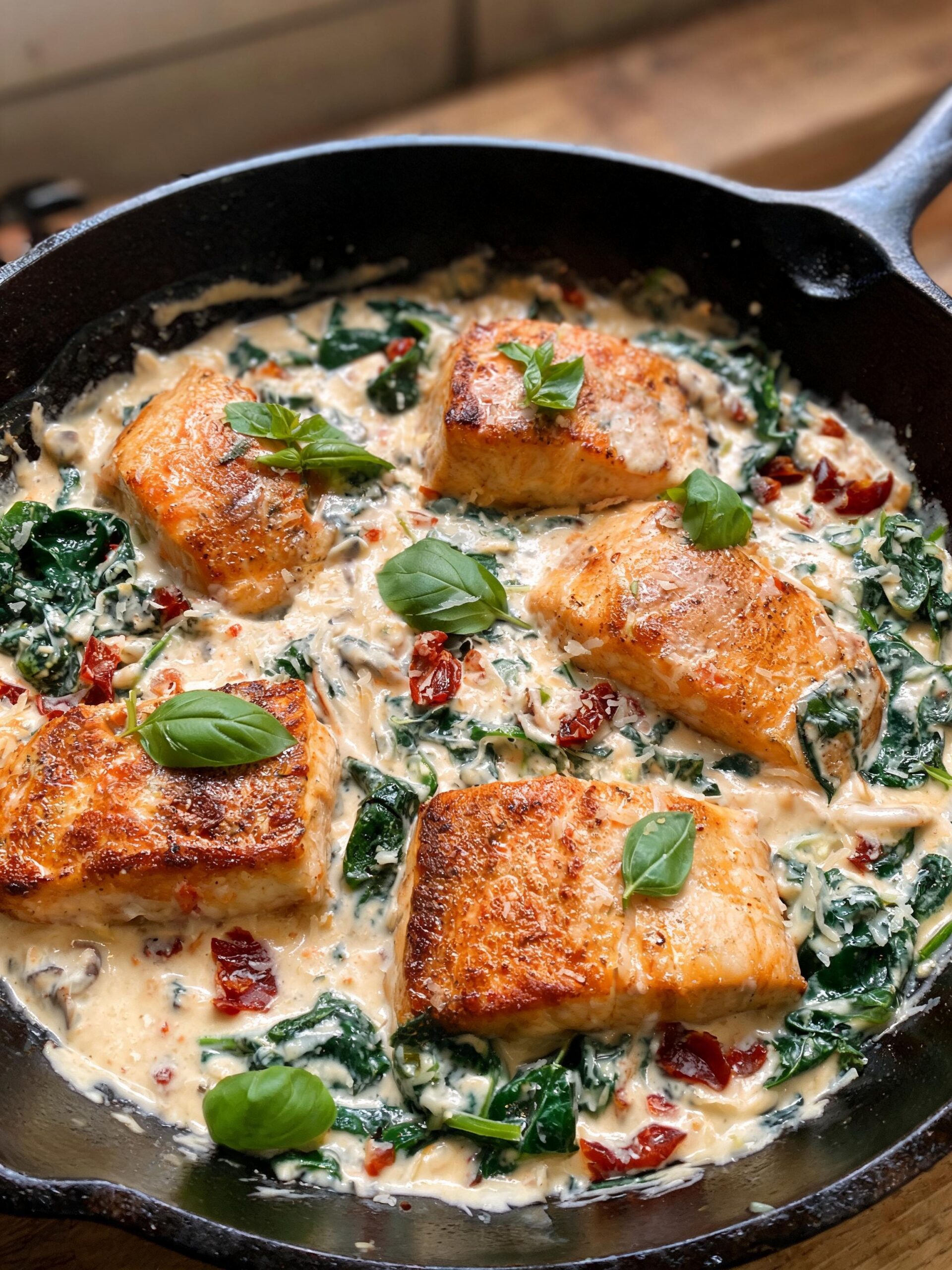
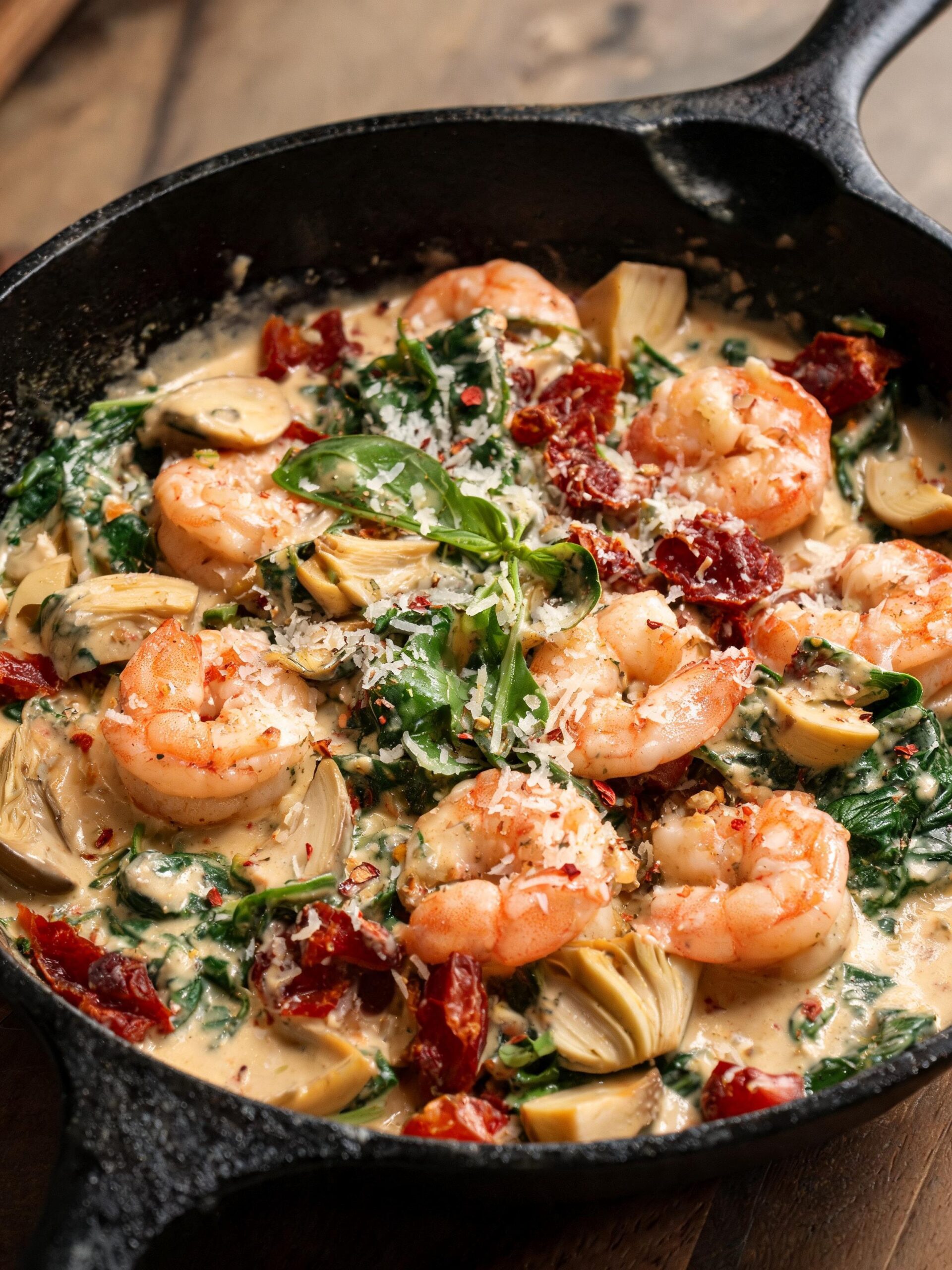
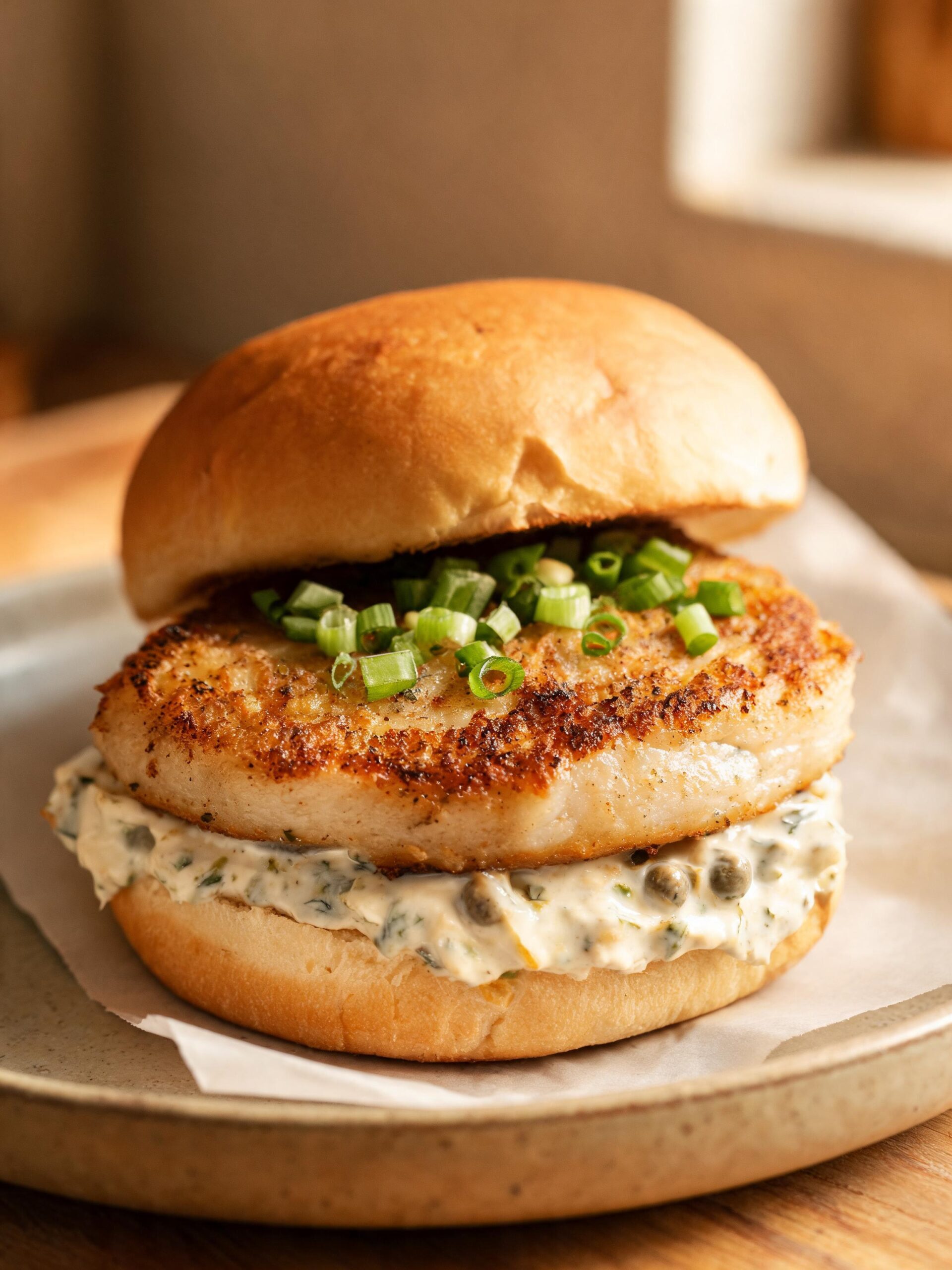
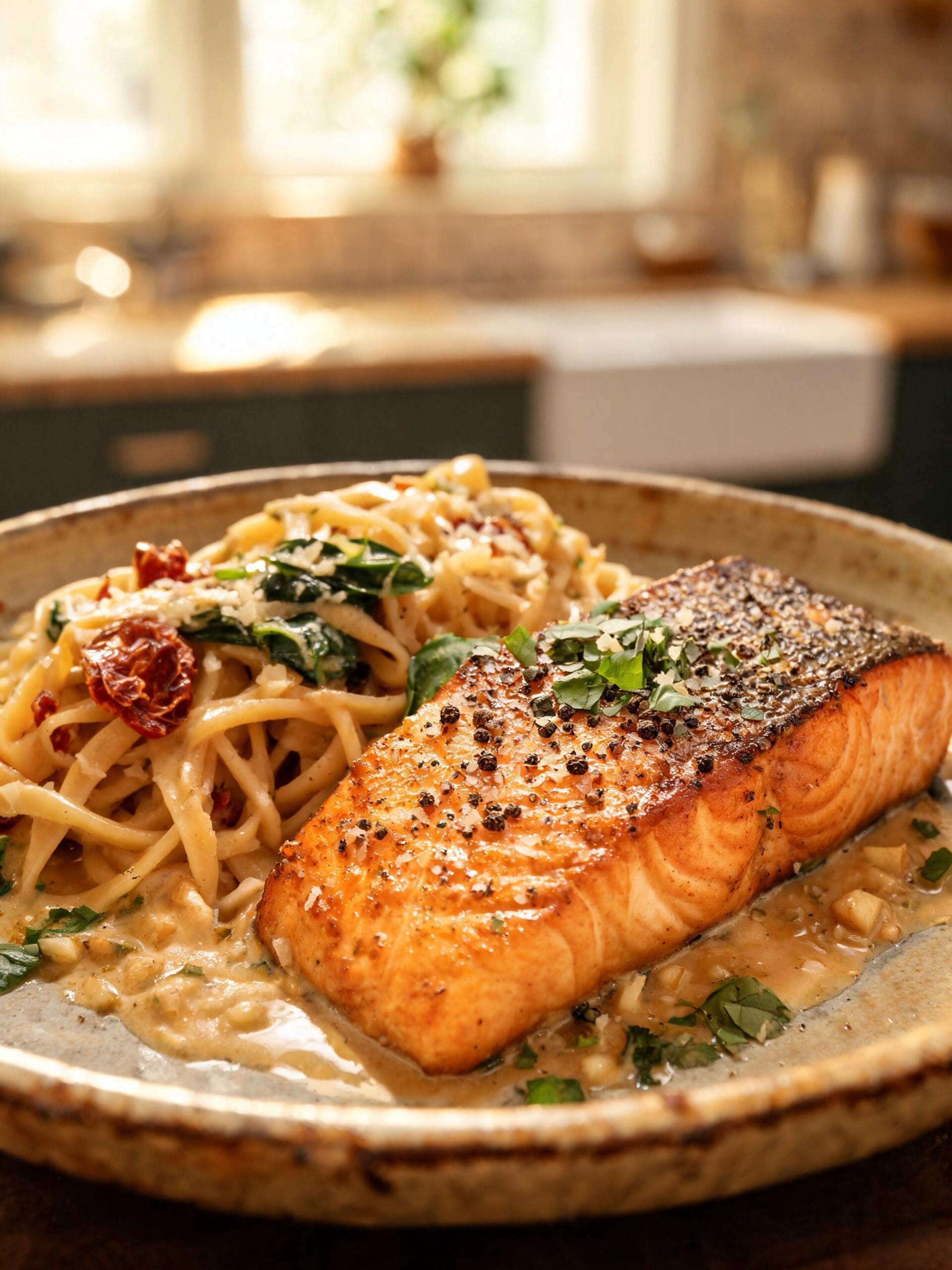
When you’re searching for incredible salmon dinner ideas, you want something that hits all the right notes: impressive, delicious, and surprisingly straightforward. After 20 years behind the line in professional seafood kitchens, I can tell you that this Creamy Tuscan Salmon Pasta is exactly that dish. It’s the recipe I make at home when I want to impress my family without spending hours in the kitchen. We’re talking perfectly pan-seared salmon with crispy skin, flaked into a luscious, sun-dried tomato and spinach cream sauce, all tossed with your favorite pasta. While this is a complete game plan for a luxurious meal, sometimes you need a different approach, like these healthy baked salmon patties. Still, this Tuscan version is one of those reliable salmon dinner ideas that will quickly become a staple in your rotation.
Why You’ll Love This Recipe
- Restaurant-Quality, Weeknight Speed: This entire dish, from prepping the garlic to plating, is done in about 35 minutes. It has the complex, rich flavor of something you’d order at a high-end Italian restaurant, but it’s built for a busy Tuesday night.
- Perfect Balance of Flavors: The richness of the cream sauce is perfectly cut by the tangy sun-dried tomatoes and the slight bitterness of the spinach. The savory, perfectly cooked salmon ties everything together. It’s a well-rounded and satisfying meal in one bowl.
- Highly Adaptable: While this recipe is fantastic as written, it’s also a great template. You can swap the spinach for kale, add mushrooms or artichoke hearts, or throw in a pinch of red pepper flakes for heat. It’s one of those flexible salmon dinner ideas that works with what you have.
Ingredients List
Precision is key in a dish like this. Using quality ingredients and the right amounts ensures the sauce is creamy (not greasy) and the salmon is the star. Here’s exactly what you’ll need for four generous servings.
For the Salmon and Pasta:
- Salmon Fillets: 4 (6-ounce) skin-on salmon fillets, about 1-inch thick
- Kosher Salt: 1 teaspoon, plus more for pasta water
- Black Pepper: ½ teaspoon, freshly ground
- Olive Oil: 2 tablespoons, for searing
- Pasta: 12 ounces of a sturdy pasta like fettuccine, pappardelle, or penne
For the Creamy Tuscan Sauce:
- Unsalted Butter: 2 tablespoons
- Garlic: 4 cloves, minced
- Sun-Dried Tomatoes: ½ cup, packed in oil, drained and roughly chopped
- Dry White Wine: ¼ cup, such as Sauvignon Blanc or Pinot Grigio (or use chicken broth)
- Heavy Cream: 1 ½ cups
- Parmesan Cheese: ¾ cup, freshly grated, plus more for serving
- Baby Spinach: 5 ounces (about 5 packed cups)
- Fresh Basil: ¼ cup, chopped, for garnish (optional)
Step-by-Step Instructions
Follow these steps closely for a flawless result. The key is to work efficiently, getting the sauce going while the pasta cooks.
- Prep and Cook the Pasta: Bring a large pot of water to a rolling boil. Salt it generously—it should taste like the sea. This is your only chance to season the pasta itself. Add the pasta and cook according to package directions until al dente. Just before draining, reserve about 1 cup of the starchy pasta water. Drain the pasta and set aside.
- Sear the Salmon: While the pasta cooks, prepare the salmon. Pat the fillets completely dry with paper towels; this is non-negotiable for crispy skin. Season both sides generously with salt and pepper. Heat the olive oil in a large, heavy-bottomed skillet (cast iron or stainless steel is best) over medium-high heat. The oil should shimmer. Carefully place the salmon fillets skin-side down in the hot pan. Press down gently on each fillet with a spatula for 10 seconds to ensure the entire skin makes contact. Cook for 5-6 minutes, undisturbed, until the skin is golden brown and releases easily from the pan. Flip and cook for another 2-4 minutes on the other side, depending on thickness, until cooked to your liking. Remove the salmon to a plate and set aside.
- Start the Sauce: Reduce the heat to medium. In the same skillet, melt the butter. Add the minced garlic and cook for about 30-60 seconds until fragrant, stirring constantly to prevent it from burning. Add the chopped sun-dried tomatoes and cook for another minute.
- Deglaze and Build the Sauce: Pour in the white wine (or broth) to deglaze the pan, scraping up any browned bits (the fond) from the bottom with a wooden spoon. Let it simmer and reduce by about half, which should take 1-2 minutes.
- Make it Creamy: Stir in the heavy cream and bring the sauce to a gentle simmer. Let it bubble gently for 2-3 minutes to thicken slightly. Reduce the heat to low and gradually stir in the grated Parmesan cheese until it’s completely melted and the sauce is smooth. Do not let the sauce boil after adding the cheese, as it can cause it to separate.
- Wilt the Spinach: Add the fresh spinach to the skillet in handfuls, stirring until it wilts into the sauce. This should only take a minute or two. Season the sauce with a pinch of salt and pepper to taste. Remember the Parmesan is salty, so taste before you add too much salt.
- Combine and Serve: Flake the cooked salmon into large chunks, discarding the skin if you prefer (though I love to eat it!). Add the cooked pasta and the flaked salmon to the skillet with the sauce. Toss gently to coat everything. If the sauce is too thick, add a tablespoon or two of the reserved pasta water to thin it to your desired consistency. Serve immediately, garnished with extra Parmesan cheese and fresh basil.
Chef’s Pro Tips for Success
After cooking thousands of pounds of salmon, I’ve learned a few things. These are the details that separate a good dish from a great one. Pay attention to these, and you’ll nail it every time. These tips are crucial for anyone looking for foolproof salmon dinner ideas.
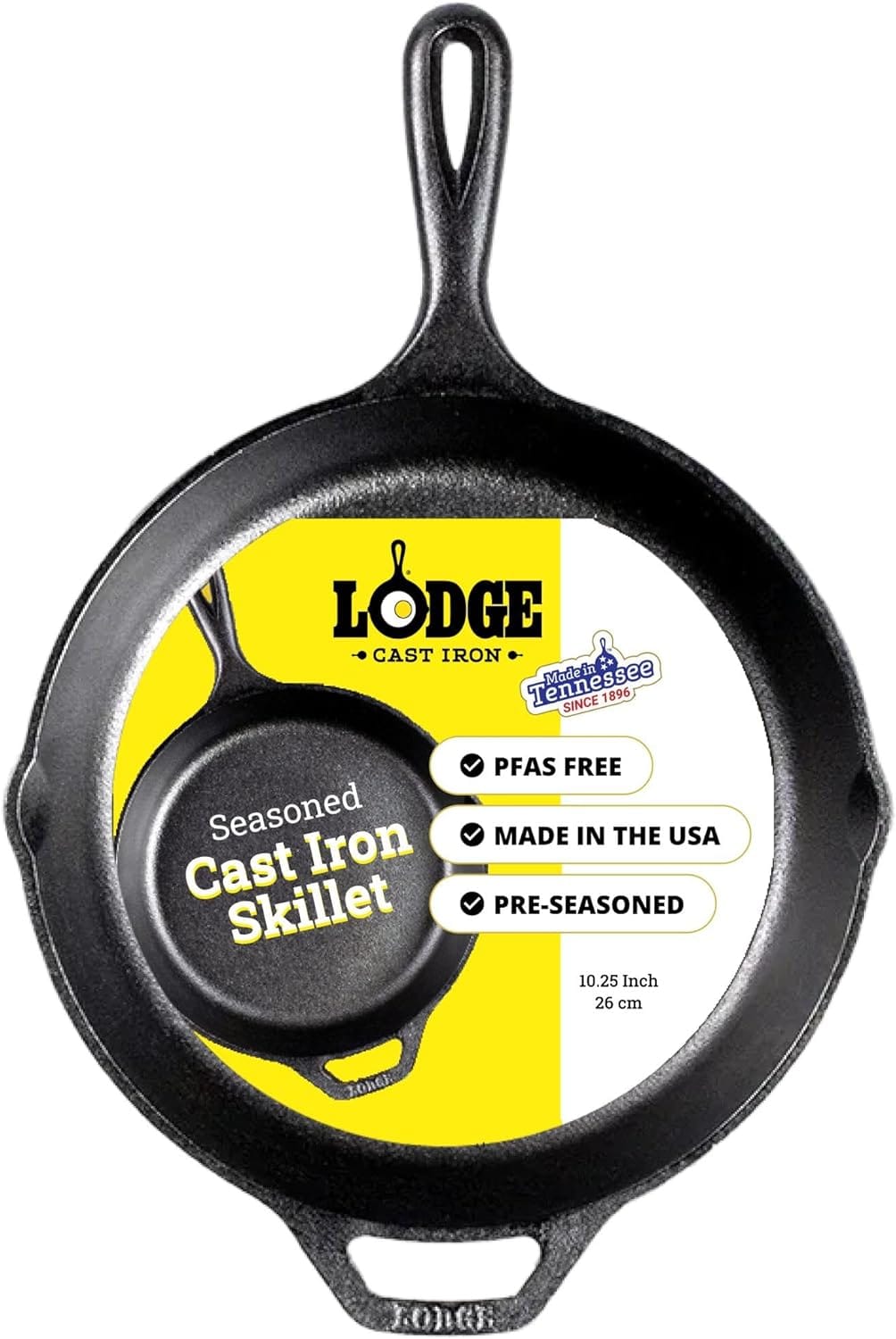
Speaking of the right pan, my absolute workhorse for getting that perfect, shatteringly crisp salmon skin is a classic cast iron skillet. The Lodge 10.25-inch is what I use at home. It gets screaming hot and holds that heat evenly, which is the secret to creating that beautiful, golden-brown crust without overcooking the inside of the fish. It’s also what creates that delicious ‘fond’ on the bottom of the pan—those caramelized bits that build the flavor foundation for our Tuscan sauce.
If you don’t have a reliable cast iron skillet in your kitchen, this is the one piece of equipment I’d say is non-negotiable for restaurant-quality searing.
Lodge 10.25 Inch Cast Iron Skillet with Assist Handle
✓ prime
We earn a commission if you make a purchase, at no additional cost to you.
- The Dry-Skin, Hot-Pan Rule: You cannot get crispy salmon skin if it’s wet. Moisture is the enemy of a good sear. Pat the salmon fillets bone-dry with paper towels before seasoning. Equally important is a properly heated pan. The oil must be shimmering before the fish goes in. When you place the salmon skin-side down, you should hear a confident sizzle, not a weak fizz. This immediate, high-heat contact is what creates that perfect, crackling crust.
- Don’t Crowd the Pan: This is a universal rule for searing any protein. If you cram too many salmon fillets into the skillet at once, the pan’s temperature will drop significantly. Instead of searing, the fish will steam. It will cook through, but you’ll get pale, soft skin and a less flavorful result. If your pan isn’t big enough, cook the salmon in two batches. It’s an extra five minutes that makes a world of difference.
- Master the Cream Sauce Temperature: The biggest fear with cream sauces is that they’ll break or curdle. The key is temperature control. After you add the heavy cream and bring it to a simmer, reduce the heat to low *before* you add the Parmesan cheese. If the sauce is boiling or too hot, the proteins in the cheese will seize up and create a greasy, grainy texture. Add the cheese gradually, stirring constantly, and let its residual heat melt it into a smooth, emulsified sauce.
- The Magic of Pasta Water: That cloudy, starchy water you usually pour down the drain is liquid gold. The starches in the water act as an emulsifier and a thickener. When you add your pasta to the Tuscan sauce, it might seem a little too thick. Instead of adding more cream (which just adds fat), splash in a bit of the reserved pasta water. It will loosen the sauce while helping it cling beautifully to every single noodle. Always save more than you think you’ll need.
- Cook Salmon to Medium: The biggest crime against a good piece of salmon is overcooking it. It goes from tender and flaky to dry and chalky in a matter of seconds. For a 1-inch thick fillet, 5-6 minutes on the skin side and 2-3 minutes on the flesh side is usually perfect for a medium cook. The center should still be slightly translucent and pink when you take it off the heat. It will continue to cook from residual heat (carryover cooking) as it rests. You can check for doneness by gently pressing on the top; it should flake easily.
Common Mistakes to Avoid
I’ve seen these mistakes happen time and time again, both in professional kitchens and with home cooks. Here’s how to sidestep them for a perfect result.
- Mistake 1: Using a Non-Stick Pan for Searing. While great for eggs, non-stick pans generally don’t get hot enough or retain heat as well as stainless steel or cast iron. You won’t achieve that deep, golden-brown, ultra-crispy skin. The fond—those caramelized bits left in the pan after searing—is also less developed, and that’s pure flavor you’re missing for your sauce. Stick to a heavy-bottomed skillet for the best sear.
- Mistake 2: Adding Cold Cream to a Hot Pan. Pouring cold heavy cream directly from the fridge into a very hot skillet can sometimes cause the cream to separate or curdle due to the thermal shock. To be safe, let your cream sit out for 15-20 minutes to take the chill off, or simply make sure your pan is at a steady medium heat, not ripping hot, when you pour it in.
- Mistake 3: Forgetting to Taste and Adjust Seasoning at the End. A recipe’s measurements are a guide, not a law. The saltiness of your Parmesan, sun-dried tomatoes, and pasta water can vary. The final step should always be to taste the finished sauce with the pasta in it. Does it need another pinch of salt? A crack of black pepper? Maybe a squeeze of lemon juice to brighten it up? This final adjustment is what makes the dish taste truly finished.
- Mistake 4: Draining the Sun-Dried Tomatoes Poorly. The oil that sun-dried tomatoes are packed in is often heavily flavored and can be very potent. If you don’t drain them well, that excess oil can make your final sauce greasy and heavy. I like to press them lightly in a fine-mesh sieve to get most of the oil out before chopping and adding them to the pan.
Variations and Serving Ideas
This recipe is a fantastic starting point. Once you’ve mastered the base, it’s easy to adapt. It’s one of the most versatile salmon dinner ideas you can have in your back pocket.
- Add More Vegetables: Sauté 8 ounces of sliced cremini mushrooms with the garlic until they’ve released their water and browned. You could also add a cup of halved cherry tomatoes, a jar of drained and chopped artichoke hearts, or some roasted red peppers for extra flavor and texture.
- Make it Spicy: Add ½ teaspoon of red pepper flakes along with the garlic to give the sauce a gentle, warming heat that complements the richness of the cream.
- Lemon and Caper Twist: For a brighter, more piquant sauce, add the zest of one lemon and 1-2 tablespoons of drained capers to the sauce when you add the Parmesan. A final squeeze of fresh lemon juice just before serving can also elevate the flavors.
- Try an Asian-Inspired Flavor: For a completely different but equally delicious 30-minute meal, this Soy Ginger Baked Salmon offers a fantastic sweet and savory alternative.
- Dairy-Free Option: You can make a dairy-free version by using a high-quality, full-fat canned coconut milk instead of heavy cream and a nutritional yeast-based Parmesan substitute. The flavor profile will change, but it will still be delicious. Use a good olive oil instead of butter.
What to Serve With
Because this dish is so rich and satisfying, you don’t need much on the side. The goal is to complement the main event, not compete with it.
- Crusty Bread: A must-have for sopping up every last bit of that incredible Tuscan cream sauce. A simple baguette, ciabatta, or some homemade garlic bread is perfect.
- Simple Green Salad: A light, acidic salad provides a refreshing contrast. Think simple arugula or mixed greens tossed with a lemon vinaigrette. Avoid creamy dressings, as the main course is already very rich.
- Roasted or Steamed Vegetables: If you want a healthier side, simple steamed asparagus with a squeeze of lemon or roasted broccoli with a little garlic and olive oil works beautifully and adds a nice touch of green to the plate.
- Wine Pairing: A crisp, dry white wine is the ideal partner. A Sauvignon Blanc from New Zealand with its grassy notes, a bright Italian Pinot Grigio, or an unoaked Chardonnay will cut through the richness of the sauce without overpowering the delicate salmon.
Storage and Reheating
Seafood and cream sauces can be tricky to reheat, but it’s definitely possible to enjoy leftovers the next day if you do it right.
- Storage: Store any leftovers in an airtight container in the refrigerator for up to 2 days. I don’t recommend storing the salmon and pasta/sauce separately unless you have a whole fillet leftover. Once it’s flaked and mixed, it’s best to store it all together.
- Reheating on the Stovetop (Best Method): Place the leftover pasta in a skillet over low heat. Add a splash of milk, cream, or chicken broth (about 1-2 tablespoons per serving) to loosen the sauce as it heats. Stir gently and frequently until it’s warmed through. This method prevents the salmon from becoming rubbery and helps the sauce return to its creamy state.
- Reheating in the Microwave (Use Caution): If you must use a microwave, do it carefully. Place the pasta in a microwave-safe bowl, add a splash of liquid (milk or broth), and cover it. Heat it at 50% power in 45-second intervals, stirring in between, until just warmed through. Overheating in the microwave will ruin the texture of the salmon.
FAQs (People Also Ask)
Here are some common questions I get about making this dish. Getting these details right is key to exploring great salmon dinner ideas at home.
- Can I use frozen salmon for this recipe?
- Absolutely. Just make sure it’s fully thawed before you start. The best way to do this is to place it in the refrigerator overnight. If you’re in a hurry, you can place the vacuum-sealed fillets in a bowl of cold water for about an hour. Most importantly, you must pat it completely dry before searing, as thawed fish releases a lot of moisture.
- Why did my cream sauce break or look oily?
- This almost always comes down to heat. A sauce ‘breaks’ when the fat separates from the liquid. This can happen if you boil the sauce after adding the cheese, or if you try to reheat it too quickly over high heat. Always keep the sauce at a gentle simmer and add cheese off the heat or on very low heat.
- Is skin-on salmon necessary? Can I use skinless?
- You can definitely use skinless salmon. The cooking time will be slightly shorter, about 3-4 minutes per side. You’ll miss out on the crispy skin texture, but the flavor of the overall dish will still be fantastic. The searing step is still important for developing flavor on the fish itself.
- Can I make this dish ahead of time for a dinner party?
- I would advise against making the entire dish ahead of time, as the texture is best when fresh. However, you can do all the prep work: mince the garlic, chop the sun-dried tomatoes, and grate the Parmesan. You can even make the sauce completely, let it cool, and store it in the fridge. Then, when your guests arrive, you just need to cook the pasta, sear the salmon, and gently reheat the sauce before combining everything. This cuts your active cooking time in half.
- What’s the best pasta shape for this dish?
- Long, flat noodles like fettuccine, pappardelle, or tagliatelle are excellent because they provide a lot of surface area for the creamy sauce to cling to. However, short shapes with ridges or tubes, like rigatoni, penne, or fusilli, are also great choices because they trap the sauce and little bits of spinach and sun-dried tomato.
Nutrition
Nutrition Facts
(Per serving. Estimates only, varies by exact ingredients used)
Conclusion
This Creamy Tuscan Salmon Pasta is more than just a recipe; it’s a reliable answer to the question, “What should I make for dinner?” It proves that you don’t need complicated techniques or exotic ingredients to create something truly special. It’s one of my all-time favorite salmon dinner ideas because it delivers on every level—flavor, speed, and satisfaction. I hope you and your family love it as much as I do. Give it a try, and let me know how it turns out.
Creamy Tuscan Salmon Pasta
Ingredients
- 4 (6-ounce) skin-on salmon fillets, about 1-inch thick
- 1 teaspoon Kosher salt, plus more for pasta water
- ½ teaspoon black pepper, freshly ground
- 2 tablespoons olive oil
- 12 ounces fettuccine, or other sturdy pasta
- 2 tablespoons unsalted butter
- 4 cloves garlic, minced
- ½ cup sun-dried tomatoes, packed in oil, drained and chopped
- ¼ cup dry white wine, such as Sauvignon Blanc
- 1 ½ cups heavy cream
- ¾ cup Parmesan cheese, freshly grated
- 5 ounces baby spinach
- ¼ cup fresh basil, chopped, for garnish (optional)
Instructions
- Bring a large pot of heavily salted water to a boil. Cook pasta according to package directions until al dente. Reserve 1 cup of pasta water before draining.
- While pasta cooks, pat salmon fillets completely dry and season with salt and pepper. Heat olive oil in a large skillet over medium-high heat. Place salmon skin-side down and cook for 5-6 minutes until the skin is crispy and golden. Flip and cook for another 2-4 minutes. Remove salmon to a plate.
- Reduce heat to medium. Melt butter in the same skillet. Add garlic and cook for 30-60 seconds until fragrant. Stir in the sun-dried tomatoes and cook for another minute.
- Deglaze the pan with white wine, scraping up any browned bits. Let it simmer and reduce by half.
- Stir in the heavy cream and bring to a gentle simmer for 2-3 minutes to thicken. Reduce heat to low and gradually stir in the Parmesan cheese until smooth.
- Add the spinach in handfuls and stir until wilted into the sauce. Season with salt and pepper to taste.
- Flake the salmon into large chunks. Add the cooked pasta and flaked salmon to the skillet. Toss to combine, adding a splash of reserved pasta water if the sauce is too thick. Serve immediately, garnished with extra Parmesan and fresh basil.