Introduction
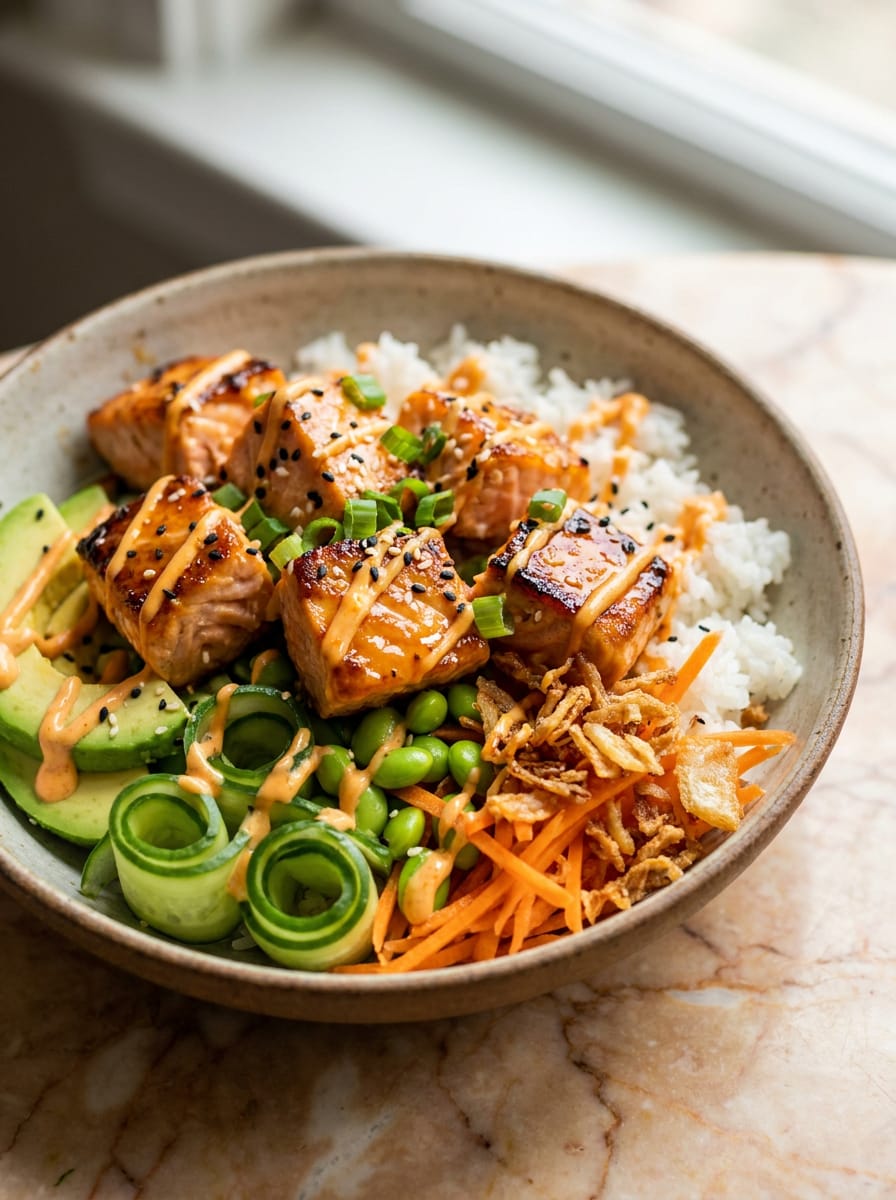
Let’s get one thing straight: a great meal doesn’t need to be complicated. After 20 years of running professional seafood kitchens, I can tell you that the best dishes are often the simplest, focusing on pristine ingredients and solid technique. This Spicy Mayo Salmon Bowl recipe is a perfect example, but the same philosophy applies to other simple dishes like our easy high-protein salmon patties. This bowl is the kind of meal I make at home after a long shift—it’s fast, incredibly satisfying, and hits all the right notes of savory, spicy, creamy, and fresh. Forget takeout. This is a restaurant-quality meal you can pull off on a Tuesday night. We’re talking perfectly pan-seared salmon with crispy skin, fluffy seasoned rice, and a dead-simple spicy mayo that you’ll want to put on everything. This isn’t just a recipe; it’s a blueprint for the perfect weeknight meal.
Why You’ll Love This Recipe
- Incredibly Fast: From fridge to table in about 35 minutes. It’s the ideal solution for busy weeknights when you’re craving something wholesome but are short on time. The components cook simultaneously for maximum efficiency.
- Packed with Flavor: The combination of rich, flaky salmon, the kick from the spicy mayo, the cool crunch of cucumber, and the creamy avocado creates a perfect balance. Every bite is different and exciting.
- Completely Customizable: This recipe is a fantastic base. You can swap out the veggies, change the grain, or adjust the spice level. It’s a great way to use up whatever you have in the fridge and make it your own.
Ingredients List
Precision is key in the kitchen, especially with seafood. Use a kitchen scale for the salmon if you have one. These amounts are dialed in for four generous servings.
For the Salmon:
- Salmon Fillet: 4 fillets, 6 ounces each (about 1.5 lbs total), preferably skin-on. Look for Coho or Sockeye for a firmer texture and richer flavor. The skin gets incredibly crispy and is packed with omega-3s.
- Avocado Oil: 1 tablespoon. It has a high smoke point, which is crucial for getting a hard sear without burning.
- Kosher Salt: 1/2 teaspoon.
- Black Pepper: 1/4 teaspoon, freshly ground.
For the Sushi Rice:
- Short-Grain Sushi Rice: 1.5 cups. Don’t substitute this. The high starch content is what makes it perfectly sticky and fluffy.
- Water: 1 3/4 cups, for cooking the rice.
- Rice Vinegar: 3 tablespoons. Unseasoned is best so you can control the sugar and salt.
- Granulated Sugar: 1 tablespoon.
- Kosher Salt: 1 teaspoon.
For the Spicy Mayo:
- Japanese Mayonnaise (Kewpie): 1/2 cup. This is non-negotiable for the best flavor. It’s made with only egg yolks and has a richer, tangier taste than American mayo.
- Sriracha: 1 to 2 tablespoons, depending on your heat preference.
- Lime Juice: 1 teaspoon, freshly squeezed. It cuts through the richness of the mayo.
- Soy Sauce or Tamari: 1 teaspoon. Adds a bit of salty, umami depth.
For Assembly and Toppings:
- Avocado: 1 large, thinly sliced.
- Cucumber: 1/2 English cucumber, thinly sliced or cut into matchsticks.
- Edamame: 1 cup, shelled and cooked.
- Scallions: 2, thinly sliced.
- Toasted Sesame Seeds: 1 tablespoon.
- Furikake Seasoning (optional): For an extra layer of flavor and texture.
Step-by-Step Instructions
Follow these steps in order. The rice can cook while you prep everything else. Efficiency is the name of the game.
- Cook the Rice: First, rinse the sushi rice in a fine-mesh sieve under cold running water until the water runs clear. This removes excess surface starch and prevents gummy rice. Combine the rinsed rice and 1 3/4 cups of water in a medium saucepan. Bring to a boil, then immediately reduce the heat to the lowest setting, cover, and simmer for 15 minutes. Do not lift the lid. After 15 minutes, remove from heat and let it stand, still covered, for 10 minutes.
- Season the Rice: While the rice is standing, whisk together the rice vinegar, sugar, and 1 teaspoon of salt in a small bowl until dissolved. You can microwave it for 20 seconds to help. Once the rice has rested, fluff it with a fork or rice paddle and gently fold in the vinegar mixture. Set aside to cool slightly.
- Make the Spicy Mayo: In a small bowl, combine the Japanese mayonnaise, sriracha, lime juice, and soy sauce. Whisk until completely smooth. Taste and add more sriracha if you want more heat. Set aside.
- Prep the Salmon: Pat the salmon fillets completely dry with paper towels. This is the most important step for crispy skin. If the skin is wet, it will steam, not sear. Season both sides generously with 1/2 teaspoon of kosher salt and 1/4 teaspoon of black pepper.
- Sear the Salmon: Heat the avocado oil in a large non-stick or cast-iron skillet over medium-high heat. The oil should be shimmering but not smoking. Carefully place the salmon fillets skin-side down in the hot pan. Press down gently on each fillet with a fish spatula for 10-15 seconds to ensure the entire surface of the skin makes contact with the pan.
- Cook and Flip: Cook for 4-6 minutes on the skin side, until the skin is golden brown and releases easily from the pan. You’ll see the color change as the salmon cooks up the sides. Flip the fillets and cook for another 2-3 minutes on the flesh side for medium-rare. Adjust the time based on the thickness of your fillets. Remove from the pan and let it rest for a minute.
- Assemble the Bowls: Divide the seasoned rice among four bowls. Top with a salmon fillet. Arrange the sliced avocado, cucumber, and edamame around the salmon. Drizzle generously with the spicy mayo. Garnish with sliced scallions, toasted sesame seeds, and a sprinkle of furikake if using. Serve immediately.
Chef’s Pro Tips for Success
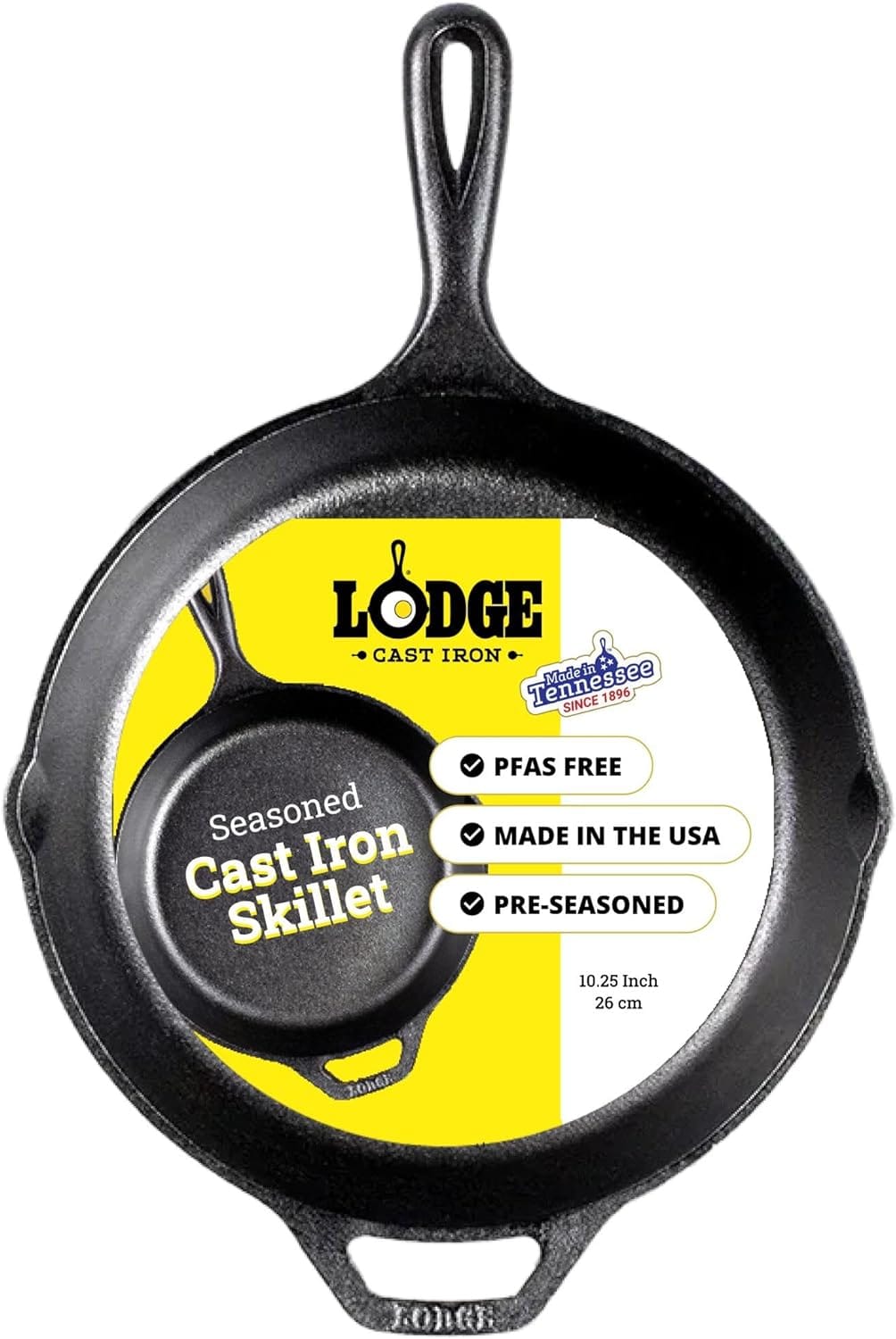
When I talk about pan temperature being everything, this is the tool I trust in my own kitchen. A heavy-duty cast-iron skillet, like my go-to from Lodge, is the secret weapon for that shatteringly crispy salmon skin. It gets incredibly hot and, more importantly, it stays hot, delivering the consistent, even sear a flimsy pan just can’t match. This is the difference between soggy skin and a perfect, restaurant-quality crust.
If you’re serious about upping your searing game, grab the skillet I’ve relied on for years.
Lodge 10.25 Inch Cast Iron Skillet with Assist Handle
✓ prime
We earn a commission if you make a purchase, at no additional cost to you.
Listen up, these are the details that separate a decent home-cooked meal from a truly great one. Don’t skip these.
- The Dry-Brine Technique for Salmon: For ridiculously crispy skin, try a quick dry brine. After patting the salmon dry, season it with salt and let it sit uncovered on a rack in the refrigerator for 30 minutes before cooking. The salt draws out surface moisture, creating an incredibly dry surface that will crisp up beautifully in the pan.
- Mastering Sushi Rice: The key to perfect sushi rice is threefold: rinsing, the right water ratio, and gentle seasoning. When you fold in the vinegar mixture, use a cutting and folding motion with a rice paddle, not a stirring motion. This keeps the grains intact and prevents the rice from becoming a mushy paste. Let it cool to just above room temperature before serving to get the ideal texture.
- Pan Temperature is Everything: Your pan must be properly preheated. A common mistake is adding the fish to a lukewarm pan. This guarantees the skin will stick and tear. The oil should be hot enough to create an instant sizzle when the fish hits it. This creates a barrier between the protein and the metal, allowing it to release cleanly.
- Don’t Touch the Salmon: Once you place the salmon skin-side down, resist the urge to move it around. Let it be. The skin needs uninterrupted contact with the hot surface to form a crust. It will tell you when it’s ready to be flipped by releasing from the pan with minimal effort. If you have to force it, it’s not ready.
- Balance Your Bowl: A great salmon bowl is all about balance in texture and temperature. You have the warm, rich salmon and soft rice. Contrast that with cold, crisp elements like cucumber and the creaminess of avocado. This textural play is what makes each bite interesting and keeps you coming back for more.
Common Mistakes to Avoid
I’ve seen these mistakes happen time and time again. Avoid them, and your results will be ten times better.
- Overcooking the Salmon: This is the number one sin. Overcooked salmon is dry, chalky, and flavorless. The internal temperature for a perfect medium-rare is 125°F (52°C). The fish will continue to cook from residual heat after you take it off the pan. If you don’t have a thermometer, look for the flesh to be mostly opaque but with a slightly translucent center.
- Using the Wrong Mayonnaise: I mentioned it before, but it’s worth repeating. Using standard American mayo will result in a sauce that’s too sweet and lacks the tangy depth of Japanese Kewpie mayo. It’s a key ingredient that defines the flavor profile of the dish. You can find it in most major supermarkets now or online.
- Forgetting to Season the Rice: Plain steamed rice next to beautifully cooked salmon is a missed opportunity. The seasoned rice vinegar mixture adds a subtle tang and sweetness that complements the fish and cuts through the richness of the spicy mayo. It’s the foundation of the entire salmon bowl.
- Soggy Ingredients: Make sure all your toppings, especially the cucumber, are patted dry. Excess water will pool at the bottom of your bowl and dilute the spicy mayo, making the last few bites a watery mess. Take the extra 30 seconds to pat your sliced vegetables dry with a paper towel.
Variations and Serving Ideas
Once you have the basic technique down, this recipe becomes a template for endless creativity. Here are a few ways to switch things up.
- Protein Swaps: This bowl format works beautifully with other proteins. Try it with seared ahi tuna (cooked rare), grilled shrimp, or crispy pan-fried tofu for a vegetarian option. For tofu, press it well and toss in cornstarch before frying for an extra-crispy exterior.
- Grain Alternatives: If you’re not in the mood for white rice, substitute it with cooked quinoa, brown rice, or even farro for a nuttier, chewier texture. For a low-carb version, build your bowl on a bed of zucchini noodles or fresh mixed greens dressed lightly with a sesame-ginger vinaigrette.
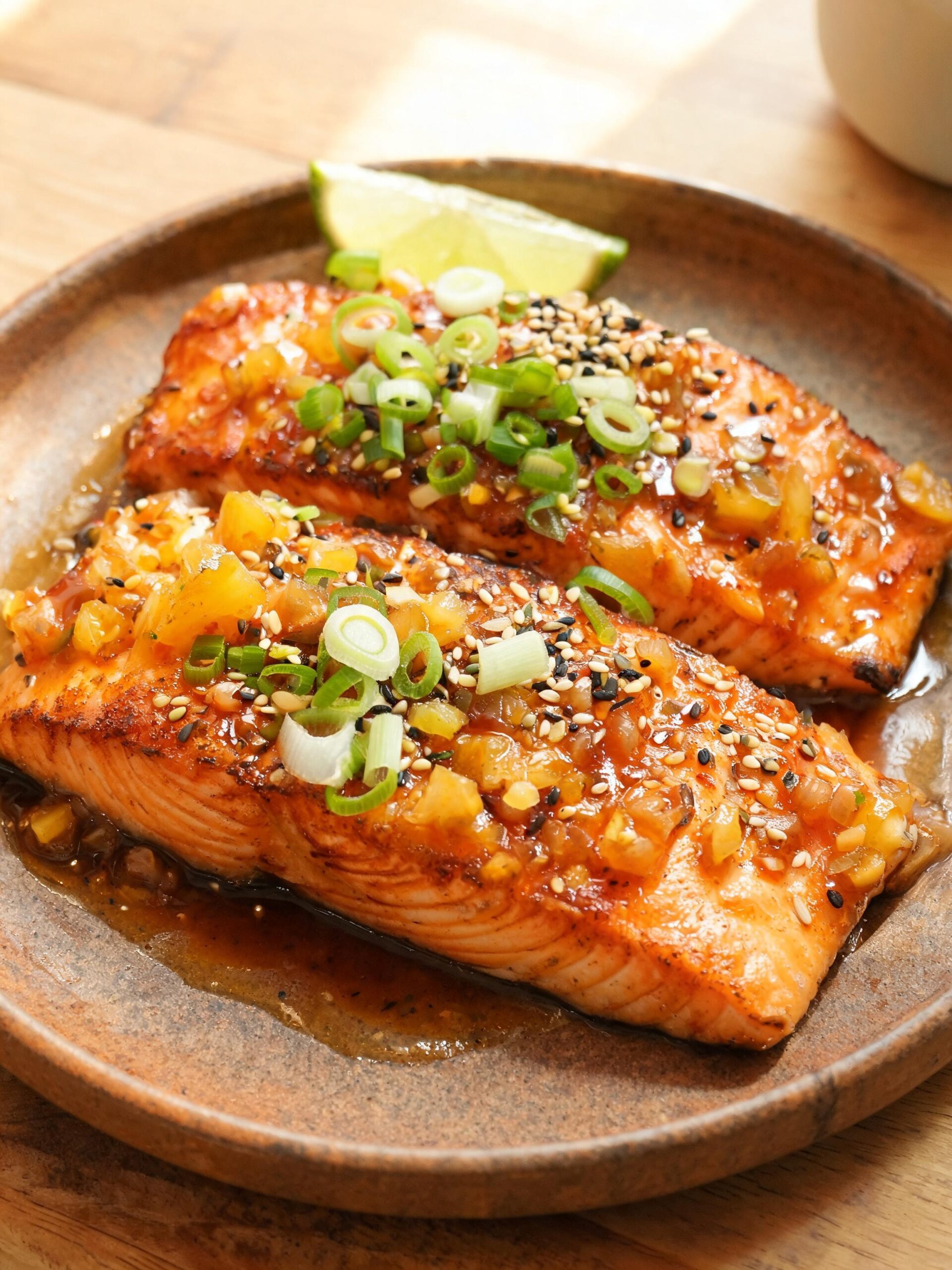
- Sauce Variations: The spicy mayo is classic, but you can experiment. Try a wasabi-avocado crema (blend avocado, wasabi, lime juice, and a little water), a simple ginger-scallion sauce similar to the one in our Soy Ginger Baked Salmon recipe, or a drizzle of unagi (eel) sauce for a sweet and savory finish.
- Add More Toppings: The sky’s the limit. Add some crunch with crispy fried onions or wonton strips. Introduce some funk with pickled ginger or kimchi. Mango or pineapple can add a sweet, tropical note that pairs surprisingly well with the spicy flavors.
What to Serve With
The perfect salmon bowl is a complete meal on its own, but if you want to round it out into a larger spread, here are some excellent pairings that complement the flavors without overpowering them.
- Miso Soup: A classic starter. A small bowl of simple miso soup with tofu and wakame is a light and savory way to begin the meal.
- Seaweed Salad (Goma Wakame): The bright, savory, and slightly sweet flavor of a classic Japanese seaweed salad is a perfect side. Its texture contrasts nicely with the other components in the bowl.
- Blanched Edamame: While we have shelled edamame in the bowl, serving a side of steamed edamame pods with flaky sea salt is a great appetizer to nibble on.
- Drinks: For drinks, a crisp Japanese lager like Sapporo or Asahi cuts through the richness perfectly. A dry, unoaked Sauvignon Blanc also works well. For a non-alcoholic option, iced green tea or a yuzu-flavored sparkling water is incredibly refreshing.
Storage and Reheating
Handling leftover seafood requires a bit of care, but it’s completely doable. The key is to store the components separately.
- Storage: Store the cooked salmon, rice, spicy mayo, and fresh toppings in separate airtight containers in the refrigerator. The salmon and rice will last for up to 2 days. The spicy mayo will last for up to a week. The fresh toppings like avocado are best prepared fresh, but sliced cucumber will hold up for a day.
- Reheating Salmon: The goal is to warm the salmon without cooking it further. The best method is in a covered skillet over low heat with a splash of water to create steam. Heat for just 2-3 minutes until warmed through. You can also use a microwave at 50% power in 30-second intervals, but be very careful not to overdo it.
- Reheating Rice: Cold rice gets hard. To bring it back to life, sprinkle a tablespoon of water over it, cover the container with a damp paper towel, and microwave for 60-90 seconds until soft and steamy.
- Reassembly: Once the salmon and rice are warm, assemble the bowl just as you did initially with the cold toppings and sauce. It will taste nearly as good as it did on day one.
FAQs (People Also Ask)
1. Can I make this salmon bowl ahead of time for meal prep?
Absolutely. You can cook the salmon and rice ahead of time and store them in separate containers in the fridge for up to 2 days. The spicy mayo can be made and stored for a week. Portion everything out, but wait to slice the avocado and assemble the bowls until you’re ready to eat to keep everything fresh.
2. Is it safe to use raw salmon for this recipe?
If you want to make a version with raw salmon (like a poke bowl), you must purchase fish specifically labeled as “sushi-grade” or “sashimi-grade.” This means it has been frozen under specific guidelines to kill any potential parasites. Do not use standard salmon from the seafood counter for raw consumption.
3. What’s the best type of salmon to use for searing?
For pan-searing, you want a fillet with a decent fat content, which helps keep it moist. King (Chinook) salmon is the richest but also the most expensive. Sockeye is leaner with a firmer texture and deep red color. Atlantic salmon, which is widely available and farmed, has a mild flavor and is a great all-purpose choice for this recipe. A skin-on fillet will always yield the best results for a crispy texture.
4. My spicy mayo seems too thin/thick. How do I fix it?
This is an easy fix. If your mayo is too thin, it’s likely due to too much lime juice or soy sauce. You can whisk in a little more mayonnaise to thicken it back up. If it’s too thick, simply whisk in a few drops of water or a tiny bit more lime juice until it reaches your desired drizzling consistency.
5. How can I make this recipe gluten-free?
This recipe is very easy to make gluten-free. The only ingredient you need to swap is the soy sauce. Use tamari, which is a Japanese sauce brewed with little to no wheat, or a certified gluten-free soy sauce. All other ingredients—salmon, rice, vinegar, vegetables, and most mayonnaises (check the label to be sure)—are naturally gluten-free.
Nutrition
Nutrition Facts
(Per serving. Estimates only, varies by exact ingredients used)
Conclusion
There you have it—a straightforward, no-nonsense guide to making an exceptional meal. This recipe proves that you don’t need a culinary degree or a pantry full of obscure ingredients to eat well. You’ve got everything you need to make the best salmon bowl of your life. So get in the kitchen, give it a try, and see for yourself how easy it is to create something truly delicious.
Spicy Mayo Salmon Bowl
Ingredients
- 4 (6-ounce) salmon fillets, skin-on
- 1 tbsp avocado oil
- 1/2 tsp kosher salt
- 1/4 tsp black pepper, freshly ground
- 1.5 cups short-grain sushi rice
- 1 3/4 cups water
- 3 tbsp rice vinegar
- 1 tbsp granulated sugar
- 1 tsp kosher salt
- 1/2 cup Japanese mayonnaise (Kewpie)
- 1-2 tbsp sriracha
- 1 tsp fresh lime juice
- 1 tsp soy sauce or tamari
- 1 large avocado, sliced
- 1/2 English cucumber, sliced
- 1 cup shelled edamame, cooked
- 2 scallions, thinly sliced
- 1 tbsp toasted sesame seeds
Instructions
- Rinse the sushi rice under cold water until it runs clear. Add rice and 1 3/4 cups water to a saucepan, bring to a boil, then reduce to low, cover, and simmer for 15 minutes. Remove from heat and let stand, covered, for 10 minutes.
- Whisk together rice vinegar, sugar, and 1 tsp salt until dissolved. Gently fold the vinegar mixture into the cooked rice.
- In a small bowl, whisk together the Japanese mayonnaise, sriracha, lime juice, and soy sauce until smooth. Set aside.
- Pat the salmon fillets completely dry with paper towels. Season both sides with 1/2 tsp kosher salt and 1/4 tsp black pepper.
- Heat avocado oil in a large skillet over medium-high heat. Place salmon skin-side down and press gently with a spatula for 15 seconds.
- Cook for 4-6 minutes on the skin side, until crispy and it releases easily. Flip and cook for another 2-3 minutes for medium-rare.
- Divide the seasoned rice among four bowls. Top with a salmon fillet, avocado, cucumber, and edamame. Drizzle with spicy mayo and garnish with scallions and sesame seeds.