Introduction
The first time I threw a whole fish on a charcoal grill, I had no real plan. It was late afternoon, the wind was coming off the water, and my uncle had just handed me a snapper he’d pulled up maybe two hours before. This was a far cry from the usual weeknight routine of making a quick crispy fish fillet recipe. He didn’t say much. Just pointed at the grill, already going, and walked back toward the dock.
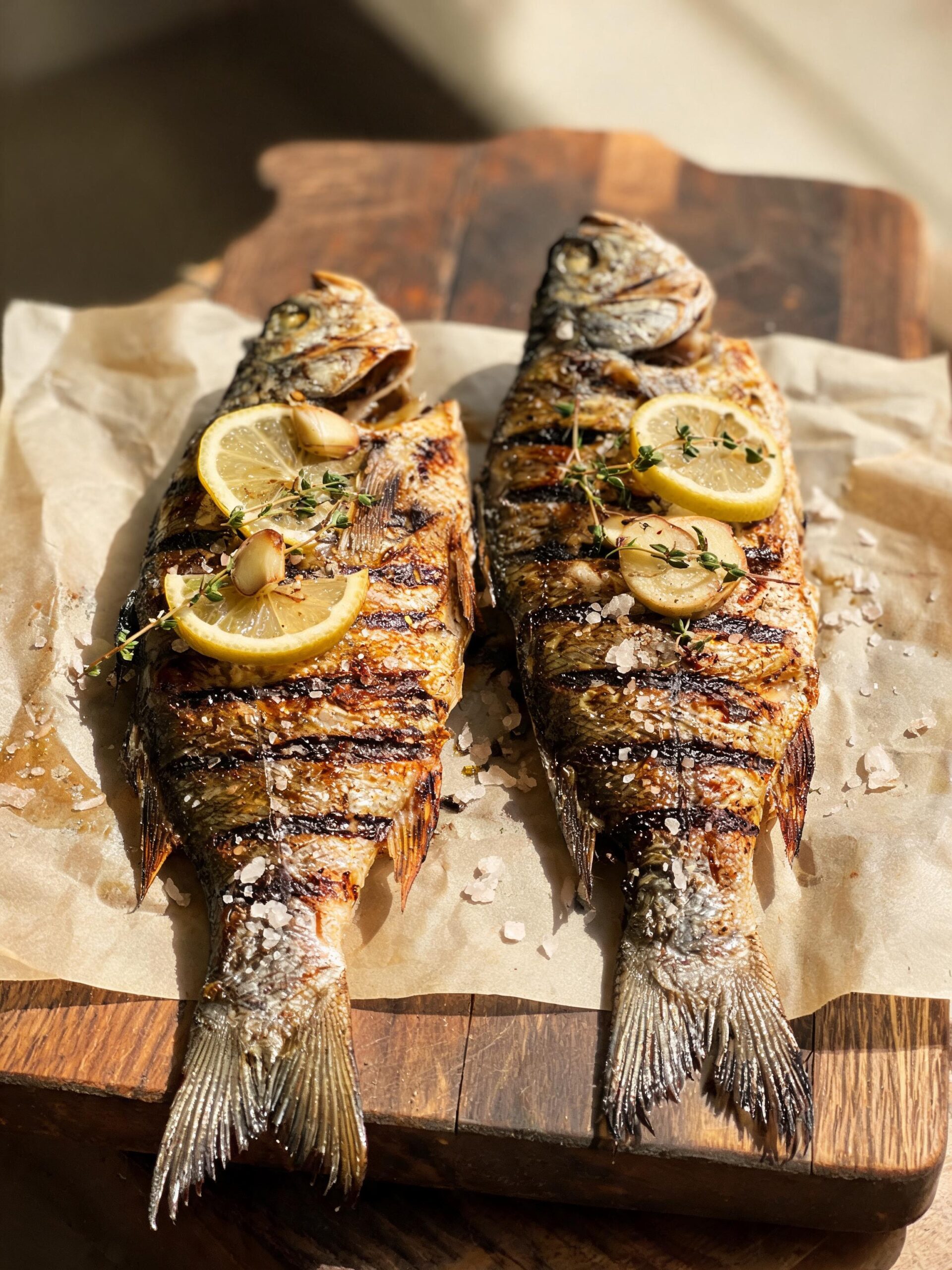
That fish came out a little charred on one side. Skin stuck in a couple places. But the inside — the inside was something I still think about. Smoky and soft and tasting like the ocean itself had seasoned it. That’s the thing about a simple whole fish on charcoal grill dinner. It doesn’t need much. The fire does most of the work, and the fish kind of does the rest.
I’ve made this easy whole fish on charcoal grill recipe probably a hundred times since that afternoon. Some nights it’s perfect. Some nights the skin tears or I flip it too early. But it always tastes good. That’s the honest truth of it.
Why You’ll Love This Recipe
- The charcoal gives the skin this deep, slightly smoky char you just can’t fake with a gas grill or a pan — it’s the real thing.
- It’s faster than most people think. From fire to table is usually under 30 minutes, which makes it a genuinely quick weeknight dinner when you’ve got a fresh fish on hand.
- There’s almost no prep. Salt, oil, a few aromatics tucked inside the cavity, and you’re done. No complicated technique required.
Quick Recipe Snapshot
Recipe: Whole Fish on Charcoal Grill
Serves: 4
Prep Time: 15 minutes
Cook Time: 20 minutes
Total Time: 35 minutes
Difficulty: Easy — beginner friendly
Best Fish: Snapper, sea bass, branzino, or any 1.5–2 lb whole fish
Equipment: Charcoal grill, long tongs, fish spatula or grill basket
Ingredients List
For the Fish:
- 2 whole fish, about 1.5 lbs each (snapper, branzino, or sea bass work great — scaled and gutted)
- 3 tablespoons olive oil (helps the skin crisp without burning too fast)
- 1.5 teaspoons kosher salt (don’t be shy — fish needs salt)
- 1 teaspoon black pepper
- 1 teaspoon smoked paprika (optional, but it adds a nice depth with the charcoal)
For the Cavity:
- 4 garlic cloves, smashed (tucked inside, they perfume the whole fish as it cooks)
- 1 lemon, sliced into thin rounds
- 4–5 sprigs fresh thyme or rosemary
- A small handful of fresh parsley
For Serving:
- Extra lemon wedges
- Flaky sea salt for finishing
- Good olive oil for drizzling
Step-by-Step Instructions
- Get your charcoal going about 30 to 40 minutes before you want to cook. You want the coals fully ashed over — gray and glowing, not flaming. Spread them in an even layer. If you have a two-zone setup where one side is hotter, that’s even better for control.
- While the coals are getting ready, pat the fish completely dry with paper towels. This is the step most people skip and then wonder why the skin sticks. Dry fish is everything here.
- Score the fish — make 3 diagonal cuts on each side down to the bone. Not too deep, just enough to let the heat get in and the seasoning do something. I use a sharp knife and try not to rush it.
- Rub olive oil all over both fish, inside and out. Then season generously with salt, pepper, and the smoked paprika if you’re using it. Get inside the cavity too.
- Stuff the cavity of each fish with the smashed garlic, lemon slices, and herb sprigs. Don’t overstuff — just enough to fill it loosely.
- Place the fish directly on the grill grates over the hot coals. Don’t move them. This is the hardest part — just leave them alone for about 7 to 8 minutes. You’ll see the flesh start to turn opaque from the bottom up.
- Flip carefully using a wide fish spatula or two sets of tongs. If it resists, give it another minute. When it’s ready to flip, it will release on its own. (I learned this the hard way after tearing the skin off a beautiful branzino.)
- Cook the second side another 6 to 8 minutes. The fish is done when the flesh near the backbone flakes easily and the skin is crisp and charred in spots. Pull it off and let it rest two or three minutes before serving.
Drizzle with a little fresh olive oil and hit it with flaky salt right before it goes to the table. That’s it.
Small Tricks From Cooking Fish at Home
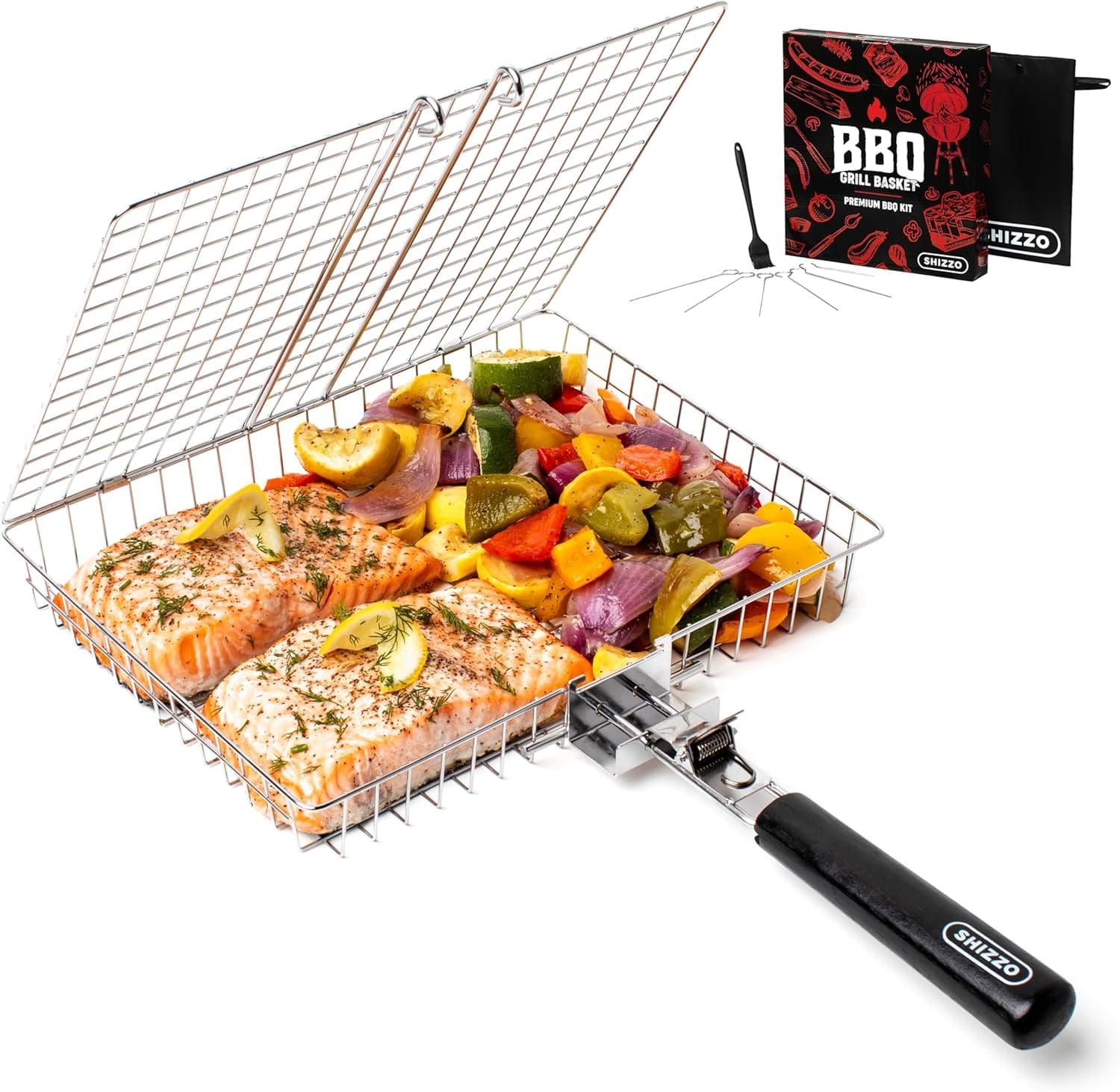
The most nerve-wracking part of this whole process is the flip. I can’t tell you how many beautiful fish I’ve ruined by having the skin stick or the body break apart. That’s why for foolproof results, especially when I’m cooking for guests, I rely on a simple barbecue grill basket. It holds the fish securely, lets all that incredible charcoal flavor through, and turns the dreaded flip into a simple, confident turn of the wrist. It’s the one tool that guarantees my fish comes off the grill looking as good as it tastes.
If you want to eliminate the risk and grill whole fish like a pro every single time, this is the tool I recommend.
Barbecue Grill Basket – Stainless Steel Folding Grilling Basket for Fish
✓ prime
We earn a commission if you make a purchase, at no additional cost to you.
Dry the fish like you mean it. I’m talking paper towels, pressing down, getting into the cavity. Any moisture left on the skin will steam instead of sear and you’ll end up with something soft and sad instead of that crackly char.
My uncle always said the grill tells you when the fish is ready to flip — not the clock. He was right. If you try to slide the spatula under and it pulls back, the fish isn’t done on that side yet. Give it another minute and try again. It will release cleanly when it’s ready.
Oil the fish, not the grates. I used to brush the grates with oil and it would just burn off before the fish even hit the grill. Oiling the fish itself gives you a much better result.
Don’t skip the scoring. Those diagonal cuts aren’t just for looks. They help the heat get deeper into the flesh faster, which means more even cooking and less chance of the outside burning before the inside is done.
Fresh herbs inside the cavity are worth it. They don’t make the fish taste like an herb garden — they just add this quiet, warm background note that you’d miss if they weren’t there. Thyme and lemon together with charcoal smoke is one of the best combinations I know.
Common Mistakes to Avoid
Putting the fish on before the coals are ready. If the coals are still flaming or too hot without being ashed over, the outside burns fast and the inside stays raw. Wait for that gray ash coating before you even think about putting fish on the grill.
Flipping more than once. I know it’s tempting to check. But every time you flip, you risk tearing the skin. One flip is all you need. Commit to it.
Using a fish that’s too big. A 3-pound fish sounds impressive but it takes forever to cook through on a home charcoal grill and you end up with burnt skin and raw flesh near the spine. Stick to fish in the 1.5 to 2 pound range for this kind of cooking.
Forgetting to let it rest. I’ve pulled fish off the grill and immediately started picking at it — we all do — but even two or three minutes of rest makes a difference. The juices redistribute and the flesh holds together better when you serve it.
Variations and Serving Ideas
Spicy version: Mix a teaspoon of cayenne or crushed red pepper flakes into the olive oil rub. Add a few sliced fresh chilies inside the cavity alongside the lemon. The heat plays really well against the smokiness of the charcoal.
Mild and simple: Skip the paprika and just go with salt, pepper, olive oil, lemon, and garlic. Sometimes the most stripped-down version is the best one, especially with a really fresh fish that doesn’t need much help.
Coastal twist: Stuff the cavity with a handful of fresh fennel fronds and a few thin slices of orange instead of lemon. Finish the fish with a drizzle of good olive oil and a pinch of sea salt. It tastes like something you’d eat at a little table right on the water somewhere in the Mediterranean.
What to Serve With
Crusty bread is almost non-negotiable. You want something to soak up the olive oil and the juices that run out when you cut into the fish. This is quite different from what you might serve with a classic crispy fried fish, but for this grilled preparation, bread is key.
A simple green salad — arugula with lemon and olive oil — cuts through the richness of the charcoal-cooked fish perfectly. Nothing heavy, just something fresh and a little bitter.
Roasted potatoes or grilled corn work well if you want something more filling. The starchiness balances the fish without competing with it. I usually throw the corn on the grill while the fish rests — it only takes a few minutes and it rounds the whole meal out.
And cold white wine or a light beer. That’s not a recipe suggestion, that’s just the right thing to do.
Storage and Reheating
Leftover grilled fish keeps in the fridge for up to 2 days in a sealed container. After that, the texture starts to go and it smells stronger than it should.
To reheat, use a dry skillet over medium-low heat. Cover it loosely and let it warm gently for a few minutes. DO NOT microwave it — you’ll end up with rubbery, sad fish and your whole kitchen will smell like regret.
DO NOT try to re-grill it. The skin won’t crisp again and the flesh will dry out completely.
Honestly, leftover grilled fish is best eaten cold, flaked over a salad or tucked into a sandwich with some good mayo and a squeeze of lemon. That’s not a compromise — that’s actually a great lunch.
FAQs (People Also Ask)
Can I use frozen fish for this recipe?
You can, but thaw it completely in the fridge overnight first. Pat it very dry before seasoning. Fresh fish will always give you better skin and flavor, but a properly thawed frozen fish works fine.
How do I know when the fish is fully cooked?
The easiest way is to poke a knife or skewer into the thickest part near the backbone and hold it there for a second, then touch it to your wrist. If it feels warm, the fish is done. You can also check that the flesh flakes easily and has turned from translucent to white and opaque all the way through.
Can I substitute a different type of fish?
Absolutely. Snapper, branzino, sea bass, trout, and porgy all work beautifully for this kind of cooking. Just try to keep the fish in the 1.5 to 2 pound range so the timing stays consistent.
How long does it actually take from start to finish?
About 35 minutes total, but factor in 30 to 40 minutes for the charcoal to get ready before that. If you’re planning dinner, light the coals first thing.
Is this recipe hard for beginners?
Not at all. The main thing is patience — don’t rush the flip and don’t rush the coals. If you can manage those two things, the rest takes care of itself. I taught my teenager to do this and they got it right on the second try.
Nutrition Facts
(Per serving. Estimates only, varies by exact ingredients used)
Conclusion
That first fish my uncle pointed me toward — the one I half-burned, half-nailed on a windy afternoon — I think about it more than I probably should. Not because it was perfect. It wasn’t. But because it was the moment I realized that a good fire and a fresh fish don’t need much else.
Some meals are just that simple. And some meals stay with you because of exactly that.
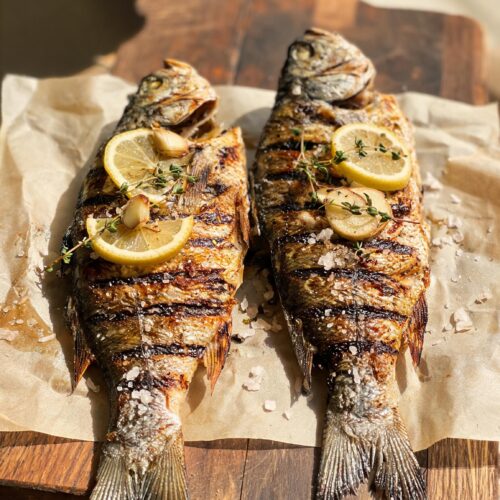
Whole Fish on Charcoal Grill – The Way the Coast Taught Me
Ingredients
- 2 whole fish, about 1.5 lbs each (snapper, branzino, or sea bass — scaled and gutted)
- 3 tablespoons olive oil
- 1.5 teaspoons kosher salt
- 1 teaspoon black pepper
- 1 teaspoon smoked paprika (optional)
- 4 garlic cloves, smashed
- 1 lemon, sliced into thin rounds
- 4–5 sprigs fresh thyme or rosemary
- 1 small handful fresh parsley
- Extra lemon wedges for serving
- Flaky sea salt for finishing
- Extra olive oil for drizzling
Instructions
- Light your charcoal 30 to 40 minutes ahead of cooking. Wait until the coals are fully ashed over — gray and glowing with no open flame.
- Pat both fish completely dry inside and out with paper towels.
- Score each fish with 3 diagonal cuts on each side down to the bone.
- Rub olive oil all over the fish inside and out. Season generously with salt, pepper, and smoked paprika if using.
- Stuff each cavity loosely with smashed garlic, lemon slices, and herb sprigs.
- Place fish on the grill over hot coals. Do not move them. Cook for 7 to 8 minutes.
- Flip carefully with a wide fish spatula. If the fish resists, wait one more minute. Cook the second side for 6 to 8 minutes until the flesh flakes easily near the backbone.
- Remove from the grill and rest for 2 to 3 minutes. Drizzle with olive oil and finish with flaky sea salt before serving.